Top Ways Agriculture Drones Boost Crop Yields

Farming is changing, and a big part of that change is coming from above. You know those little flying cameras, drones? Well, they’re becoming super important for farmers now. They help keep an eye on crops, figure out what fields need, and even help with planting and spraying. It’s like giving farmers a superpower to manage their land better, saving time and resources along the way. Drones in agriculture are really making a difference.
Key Takeaways
- Drones give farmers a bird’s-eye view of their fields, making it easier to spot problems like pests, diseases, or plants needing water or food early on.
- Using drones can save a lot of time and effort compared to walking fields, and they help apply fertilizers and pesticides more precisely, reducing waste.
- The data collected by drones helps farmers make smarter decisions about their land, like knowing exactly where and when to water or fertilize.
- Beyond just watching, drones are starting to be used for tasks like spraying crops and even planting seeds, with more advanced uses like drone swarms for big jobs on the horizon.
- Drones offer benefits like using fewer chemicals, saving water, and reducing wear on farm equipment, which is good for both the farmer’s wallet and the environment.
Revolutionizing Crop Management With Drones
Farming has always been about observing your fields closely, but let’s be honest, walking miles of crops every day just isn’t practical for most farmers anymore. Fields are getting bigger, and keeping tabs on everything from early weed sprouts to subtle signs of stress can feel like searching for a needle in a haystack. That’s where drones come in. They’re changing the game by giving farmers a bird’s-eye view, making it easier to spot problems before they really take hold.
Gaining an Aerial Perspective of Crops
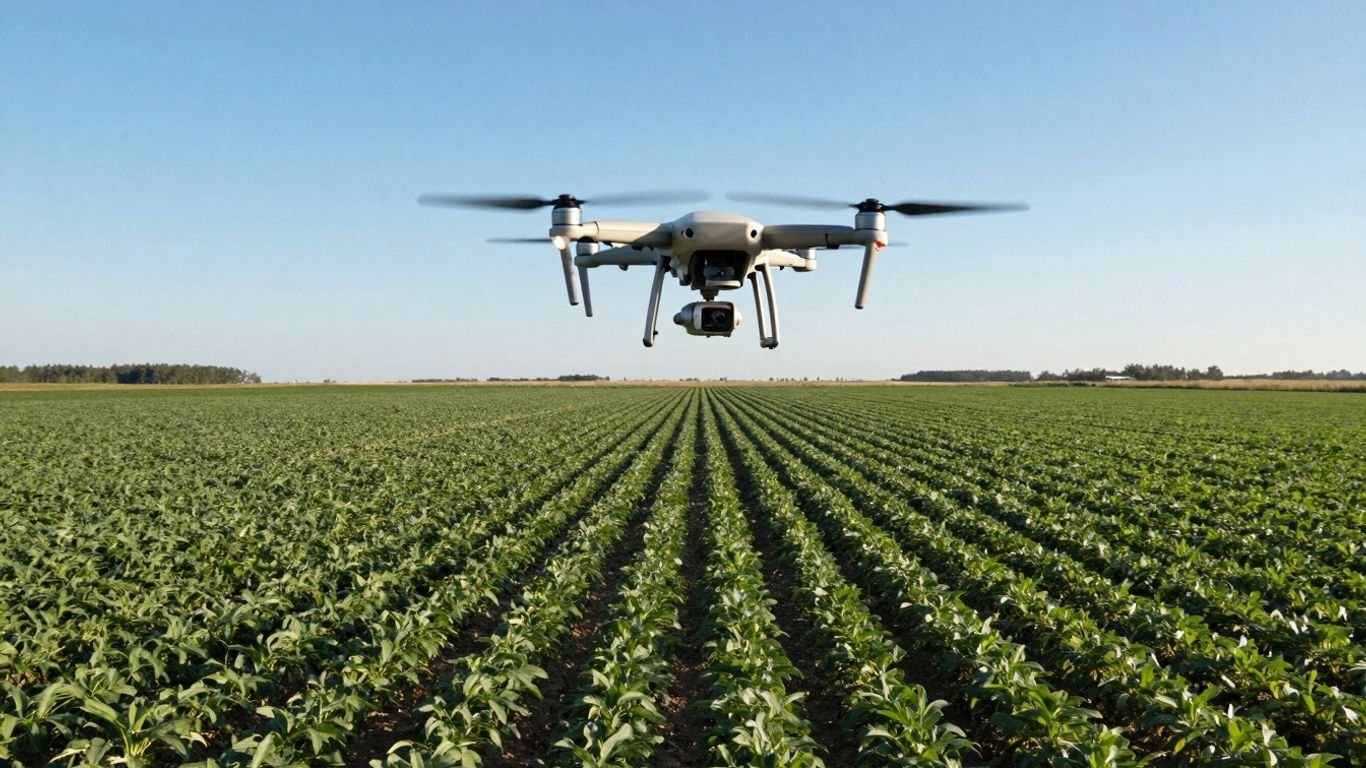
Think about it: when you’re standing at the edge of a vast field, you can only see so much. Drones, however, can fly over thousands of acres in a fraction of the time it would take to walk. They capture high-resolution images, giving farmers a detailed look at their crops from above. This aerial perspective is a total game-changer for understanding what’s happening across the entire farm.
- Quick field surveys: Cover large areas in minutes, not hours.
- Detailed imagery: Spot issues that are hard to see from the ground.
- Consistent monitoring: Track crop development over time with regular flights.
Early Detection of Pests and Diseases
Spotting a few bugs or a patch of wilting plants early on can make a huge difference. Drones equipped with special cameras can identify subtle changes in plant color or texture that might signal the start of a pest infestation or a disease outbreak. Catching these problems when they’re small means you can act fast, often with less intervention. This saves crops and reduces the need for broad-spectrum treatments.
Early detection is key. It’s like catching a cold before it turns into the flu – a little attention early on prevents a much bigger problem later. Drones provide that early warning system.
Identifying Nutrient Deficiencies and Stress
Plants, just like us, need the right nutrients to thrive. Sometimes, they don’t get enough, or they might be stressed due to lack of water or other environmental factors. Drones can detect these issues by looking at how plants reflect light. Areas that are struggling might appear a different color or shade than healthy plants. This information helps farmers know exactly where to apply extra fertilizer or water, making sure every part of the field gets what it needs to grow strong.
Enhancing Farm Efficiency Through Aerial Technology
Farming has always been about working smarter, not just harder. These days, that often means looking at things from a new angle – literally. Drones are changing the game by giving farmers a bird’s-eye view of their operations, leading to some serious boosts in efficiency. It’s about making every minute and every dollar count.
Reducing Time and Labor Costs
Think about the old way of checking fields. It meant hours spent walking or driving, trying to spot problems. Now, a drone can cover the same ground in a fraction of the time. This aerial surveying for crops means less time spent on manual checks and more time for other important tasks. Farmers can get a quick overview of their entire farm, identifying areas that need attention without physically being there. This shift saves on labor costs and frees up valuable time.
Optimizing Fertilizer and Pesticide Applications
Applying fertilizers and pesticides used to be a bit of a guessing game, often involving broad applications across entire fields. Drones change that. Equipped with special sensors and cameras, they can pinpoint exactly where a crop needs nutrients or where pests are causing trouble. This allows for highly targeted applications, meaning less product is used overall. It’s a win-win: saving money on inputs and reducing the environmental impact. These smart farming solutions mean you’re not wasting chemicals on areas that don’t need them.
Minimizing Soil Compaction and Plant Damage
Heavy machinery can really compact the soil, making it harder for crops to grow. It can also lead to accidental damage to plants. Drones, being airborne, completely avoid these issues. They can gather all the necessary data without ever touching the ground. This gentle approach helps maintain soil health and keeps plants from getting trampled or stressed by heavy equipment. It’s a subtle but important benefit that contributes to healthier, more productive fields.
Here’s a quick look at how drones help save time and resources:
- Faster Field Coverage: Drones can survey large areas much quicker than ground-based methods.
- Precise Application: Targeted spraying reduces the amount of chemicals needed.
- Reduced Input Costs: Less fertilizer, pesticide, and water are used thanks to precision.
- Less Soil Impact: No heavy machinery means healthier soil structure.
The ability to get detailed, up-to-date information about a whole field quickly is a game-changer. It allows farmers to react faster to issues and manage their resources more effectively, leading to better yields and a more sustainable operation. This technology is really helping to modernize how farms are run.
For farmers looking to improve their operations, exploring drone technology is a smart move. It’s about making data work for you and getting more done with less effort. You can find out more about how these tools are transforming precision agriculture.
Precision Agriculture Powered by Drones
Data-Driven Farming Decisions
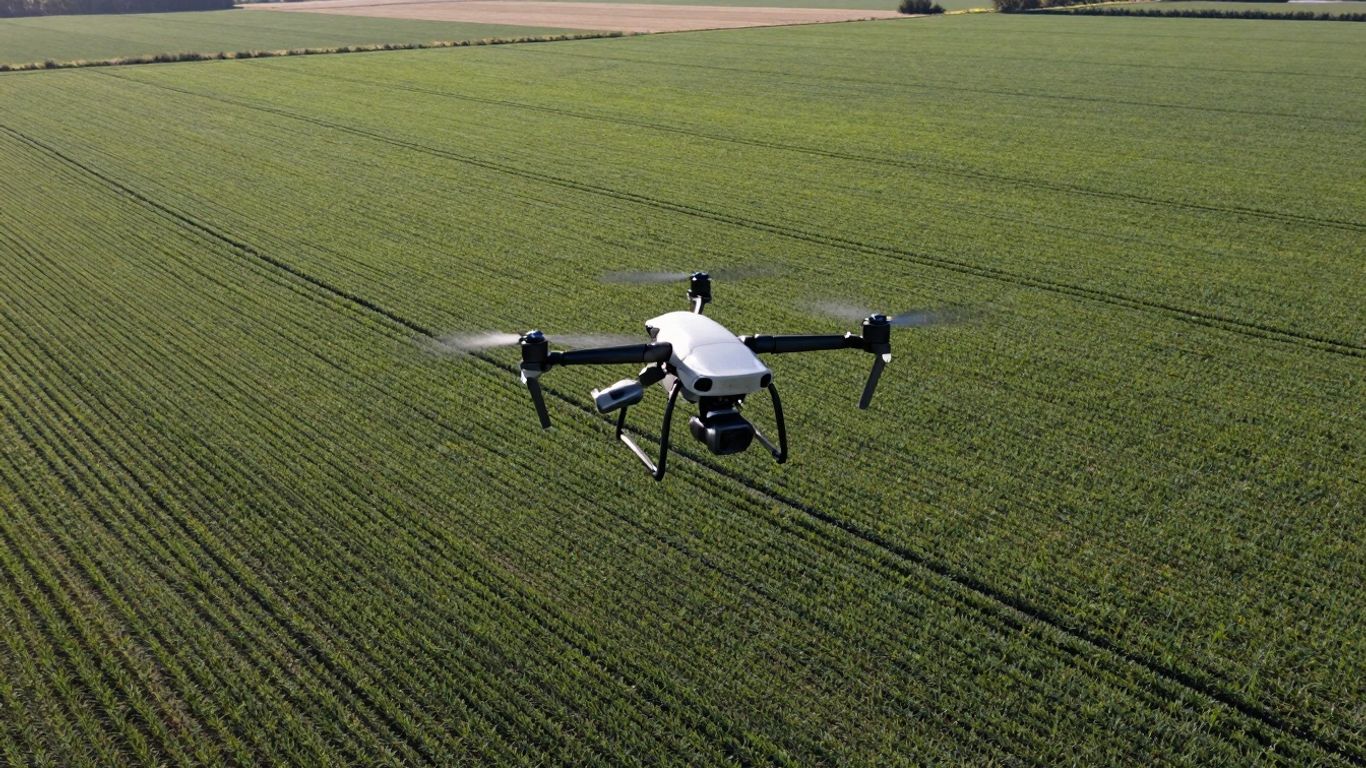
Farming used to be a lot of guesswork, right? You’d walk the fields, look around, and make calls based on what you could see from the ground. But with drones, that’s changing fast. These flying gadgets give us a bird’s-eye view, letting us see our crops in a whole new way. This aerial perspective is the backbone of precision farming technology. It means we can make smarter choices about everything from planting to harvesting.
Mapping Soil Health and Moisture Levels
Understanding what’s happening below the surface is just as important as what we see above. Drones equipped with special sensors can map out the health of our soil and how much moisture is there. This isn’t just a quick glance; it’s detailed information that helps us figure out which parts of a field need more attention. Think of it like getting a detailed report card for your land.
Here’s a look at what drone mapping can show us:
- Soil Composition: Identifying different soil types and their nutrient content.
- Moisture Variability: Pinpointing dry spots or areas that are too wet.
- Topography: Understanding the land’s contours for better water management.
Targeted Water and Nutrient Management
Once we have all this data from the drones, we can stop treating every part of the field the same. Instead, we can apply water and nutrients exactly where they’re needed, and only in the amounts required. This means less waste, healthier plants, and better yields. It’s about working smarter, not harder, and making sure every bit of resource counts.
Applying resources precisely based on drone data helps avoid over-application, which can harm the environment and cost farmers extra money. It’s a win-win for the farm and the planet.
The Expanding Role of Drones in Farming Operations
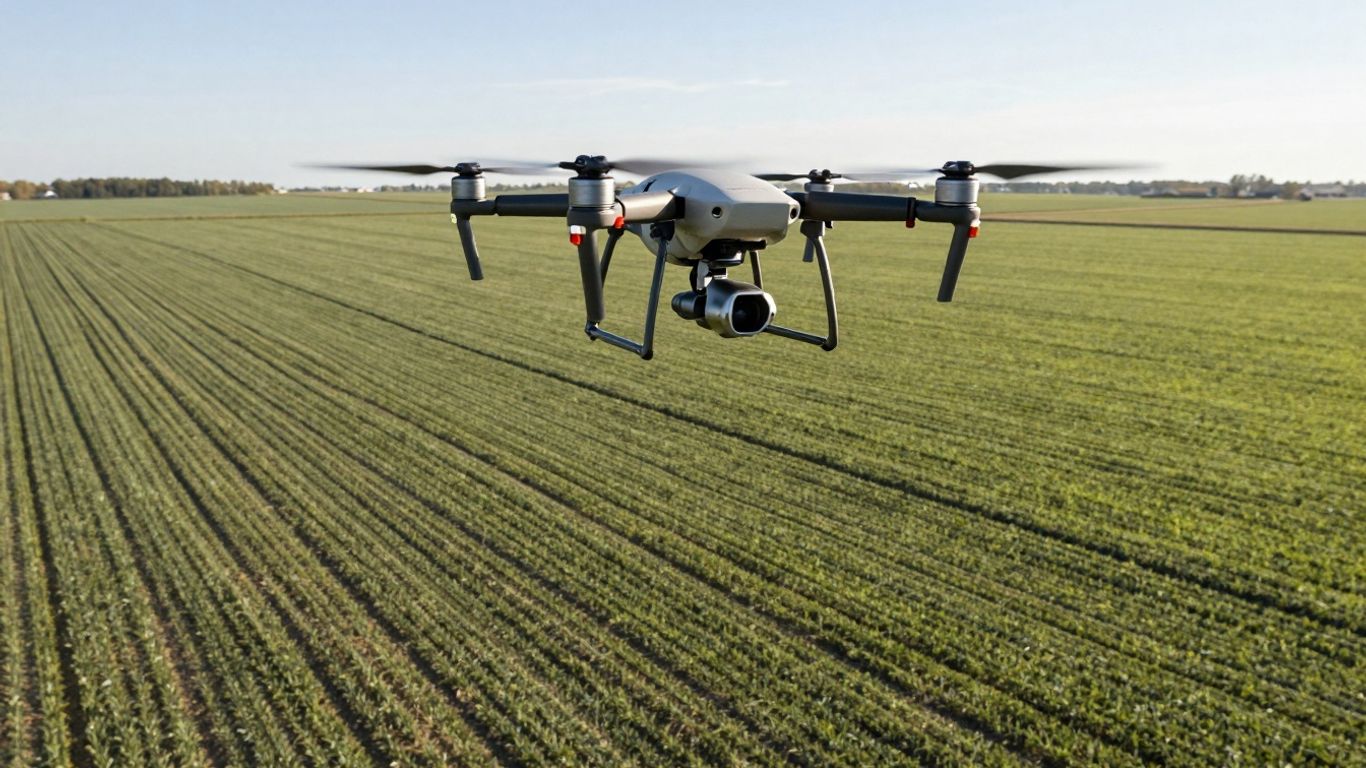
It’s pretty wild how much drones are changing things on the farm, going way beyond just taking pictures from up high. We’re talking about drones actually getting their hands dirty, so to speak, with tasks that used to take a whole crew or a big, clunky machine.
Beyond Monitoring: Spraying and Planting
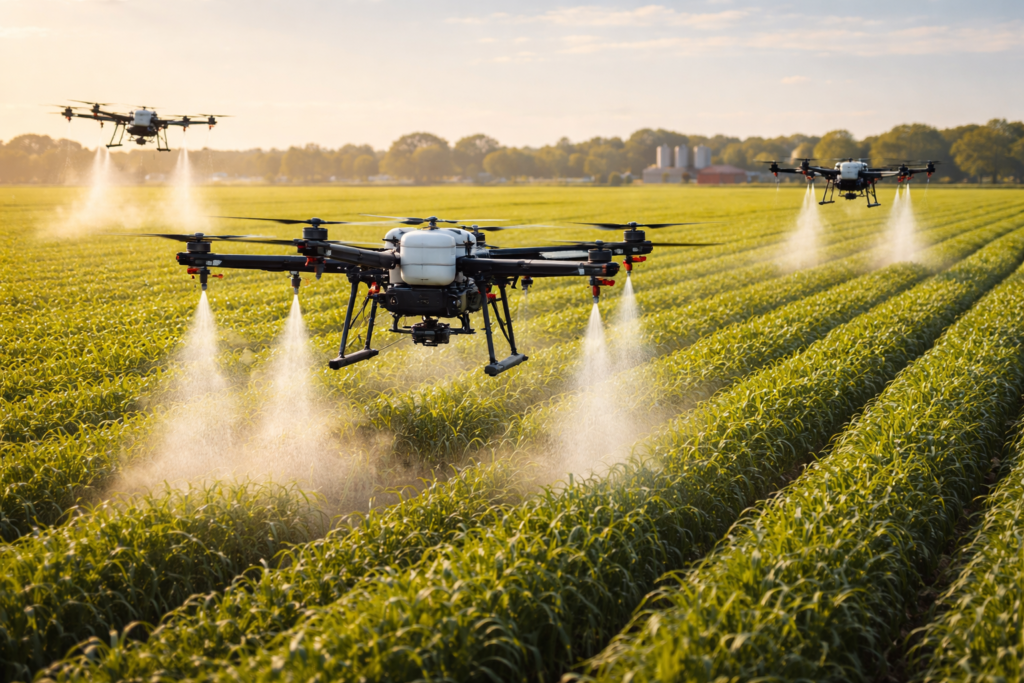
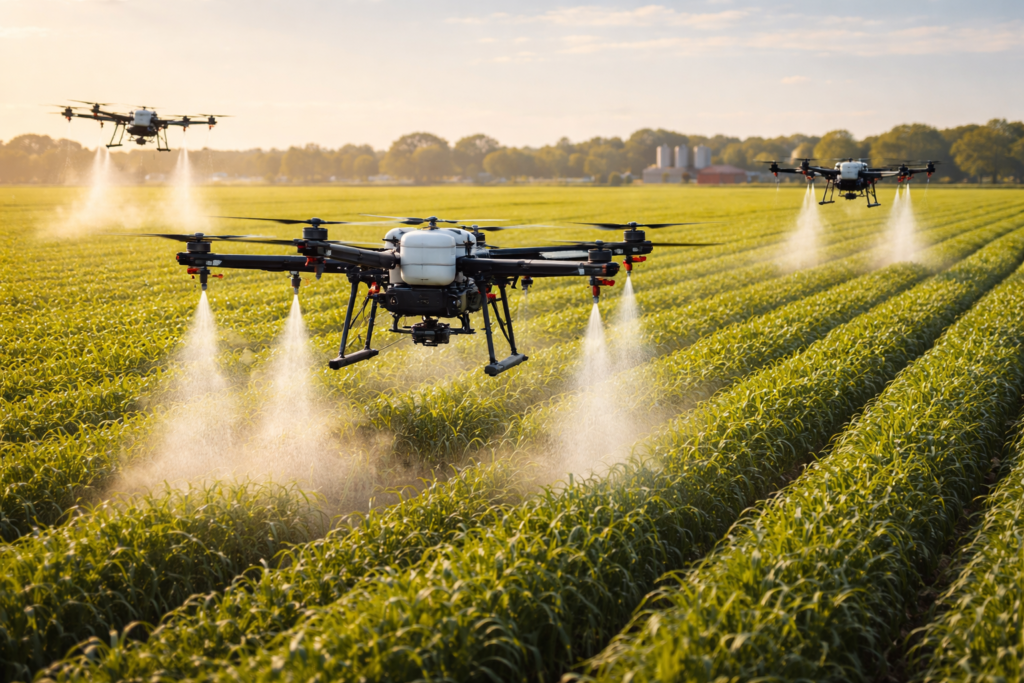
Think about spraying crops. Instead of a tractor chugging through the field, potentially damaging plants and compacting soil, a drone can do it. These aerial applicators can be incredibly precise, putting pesticides or fertilizers exactly where they’re needed and nowhere else. This means less chemical waste and a lighter footprint on the land. Some drones are even being developed to drop seeds, which could be a game-changer for certain types of planting, especially in hard-to-reach areas or for specific cover crops. It’s like having a super-accurate, flying gardener.
Drone Swarms for Large-Scale Tasks
For really big farms, one drone might not cut it. That’s where drone swarms come in. Imagine a whole team of drones working together, like a flock of birds, but with a purpose. They can cover vast fields much faster than a single drone or even ground equipment. One swarm might be mapping soil moisture while another is applying a targeted treatment. This coordinated effort dramatically speeds up operations and makes managing thousands of acres feel a lot less overwhelming.
Livestock Counting and Management
And it’s not just about crops. Drones are also finding their way into livestock management. Farmers can use drones equipped with thermal cameras to quickly count animals in large pastures, especially those that are hard to see or might be hiding. This saves a ton of time compared to traditional methods. Plus, they can spot injured or sick animals from a distance, allowing for quicker intervention before a problem gets worse. It’s a more efficient way to keep an eye on the herd.
Drones are moving from being passive observers to active participants in the farming process. Their ability to perform tasks like spraying and planting, coupled with the efficiency of coordinated swarms and their utility in livestock management, shows just how versatile this technology has become. It’s about making more jobs on the farm faster, cheaper, and with less impact on the environment.
Economic and Environmental Advantages of Drones
Reducing Chemical Usage and Waste
Using drones for tasks like spraying means farmers can be way more precise. Instead of blanketing an entire field with pesticides or fertilizers, a drone can target just the spots that need it. This is a big deal. It means less product is used overall, which directly cuts down on costs. Plus, it’s much better for the environment. Less chemical runoff means healthier soil and water. Think about it: if you only spray where there’s a weed problem, you’re not wasting chemicals on healthy plants or empty ground. This targeted approach can slash chemical use by significant amounts, sometimes by 40% or more, according to some reports. It’s a win-win – saving money and being kinder to the planet.
Saving on Water Bills
Water is a precious resource, and in farming, managing it efficiently is key. Drones help with this by giving farmers a clear picture of where water is actually needed. They can spot dry patches in a field that might be missed by just looking from the ground. This means farmers can water more precisely, only giving water to the areas that are thirsty. This stops overwatering, which can damage crops and waste a lot of water. By using water only where it’s required, farmers can see a noticeable drop in their water bills. It’s a simple change that makes a big difference, especially in drier regions or during droughts.
Lowering Equipment Wear and Maintenance Costs
Farming equipment, like tractors, can be really hard on fields. Driving them over crops repeatedly can cause soil compaction and damage plants. Drones, however, fly overhead. They don’t drive on the land. This means fewer trips by heavy machinery across the fields. Less driving means less wear and tear on tractors, sprayers, and other equipment. This translates directly into lower maintenance costs and a longer lifespan for expensive machinery. Farmers can save a lot on repairs and replacements just by using drones for tasks that would otherwise require ground vehicles. It’s about working smarter, not harder, and keeping those big machines running smoothly for longer.
Drones offer a way to farm more efficiently by reducing the need for heavy machinery on fields. This not only saves on fuel and maintenance but also helps protect the soil structure and plant health. The precision they bring to applications like spraying and watering means less waste of resources, directly impacting the farm’s bottom line and its environmental footprint.
Here’s a quick look at some of the savings:
- Reduced Chemical Costs: Precise application can cut pesticide and fertilizer use significantly.
- Lower Water Expenses: Targeted watering prevents waste and conserves a vital resource.
- Decreased Equipment Wear: Fewer tractor passes mean less maintenance and longer machinery life.
- Labor Savings: Drones can cover large areas quickly, reducing the need for manual scouting.
The Future of Drones in Agriculture
Autonomous Operations and AI Integration
The next wave of agricultural drone applications is all about making them smarter and more independent. Think drones that don’t just fly and take pictures, but actually make decisions. Artificial intelligence is key here. These AI-powered unmanned aerial vehicles agriculture systems can analyze crop health in real-time and adjust their actions accordingly. For instance, a drone might detect a patch of crops needing more water and automatically signal an irrigation system or even adjust its own spray pattern if it’s applying nutrients. This level of autonomy means farmers can focus on bigger picture strategy rather than micromanaging every flight.
Extended Flight Times and Advanced Sensors
Right now, battery life can sometimes limit how much ground a drone can cover in a single mission. But that’s changing fast. Manufacturers are working on drones with significantly longer flight times, meaning fewer battery swaps and more continuous coverage of large fields. Alongside this, the sensors on these agricultural drone applications are getting way more sophisticated. We’re talking about hyperspectral and thermal imaging that can pick up on subtle changes in plant stress or nutrient levels long before a human eye could spot them. This detailed data is what allows for truly precise interventions.
Automated Planting and Harvesting Capabilities
Imagine a farm where drones don’t just monitor, but actively participate in planting and harvesting. This isn’t science fiction anymore. Companies are already testing drones that can precisely drop seeds, optimizing spacing and depth for better germination. The idea of drones handling parts of the harvest, especially for delicate crops, is also on the horizon. This push towards full automation, where unmanned aerial vehicles agriculture handle more of the physical work, could completely reshape farm operations, making them more efficient and less labor-intensive. It’s a big shift, and it’s happening now.
The integration of AI and advanced sensors means drones are moving beyond simple data collection. They are becoming active participants in farm management, capable of making informed decisions and executing tasks with minimal human oversight. This evolution promises a future where farms operate with unprecedented efficiency and precision.
Here’s a quick look at what’s coming:
- Smarter Decision-Making: AI algorithms will allow drones to identify problems and suggest or implement solutions.
- Increased Coverage: Longer flight times mean fewer interruptions and more efficient monitoring of vast farmlands.
- New Task Capabilities: Expect drones to take on more active roles, from planting to specialized harvesting.
- Data Integration: Improved software will help farmers make better use of the vast amounts of data collected by these advanced systems.
The Sky’s the Limit for Farming
So, it’s pretty clear that these flying gadgets are changing how we farm. From spotting problems early to spraying exactly where needed, drones are making things way more efficient. They help farmers save time, cut down on waste, and even protect the environment. It’s not just about fancy tech; it’s about making farming smarter and more sustainable for everyone. As the technology keeps getting better and more affordable, it feels like drones are going to become a standard tool on pretty much every farm out there, helping grow more food with less hassle.
Frequently Asked Questions
How do drones help farmers save time?
Drones let farmers check their fields super fast. Instead of walking for hours, they can fly a drone over large areas in just minutes. This means less time spent looking at crops and more time for other important farm jobs.
Can drones help find problems with crops early?
Yes! Drones have special cameras that can see things humans can’t. They can spot early signs of bugs, sickness, or if plants aren’t getting enough water or food, sometimes even before you can see it with your own eyes.
Do drones help farmers use less water and bug spray?
Definitely. By flying over the fields, drones can show exactly which spots need water or bug spray. This means farmers only spray where it’s needed, saving water and chemicals, which is good for the environment and the farmer’s wallet.
Are drones only for looking at crops?
Not anymore! While looking at crops is a big job for drones, they can also be used to spray fertilizers or pesticides precisely where needed. Some drones are even being tested to plant seeds!
Are drones expensive for farmers?
While some advanced drones can cost a lot, there are many more affordable options available now. Plus, some companies offer drone services, so farmers can use this technology without having to buy their own drone.
What does the future hold for drones in farming?
The future looks amazing! Drones will get smarter, fly longer, and collect even more detailed information. We might even see farms where drones work mostly on their own, planting and harvesting crops automatically.