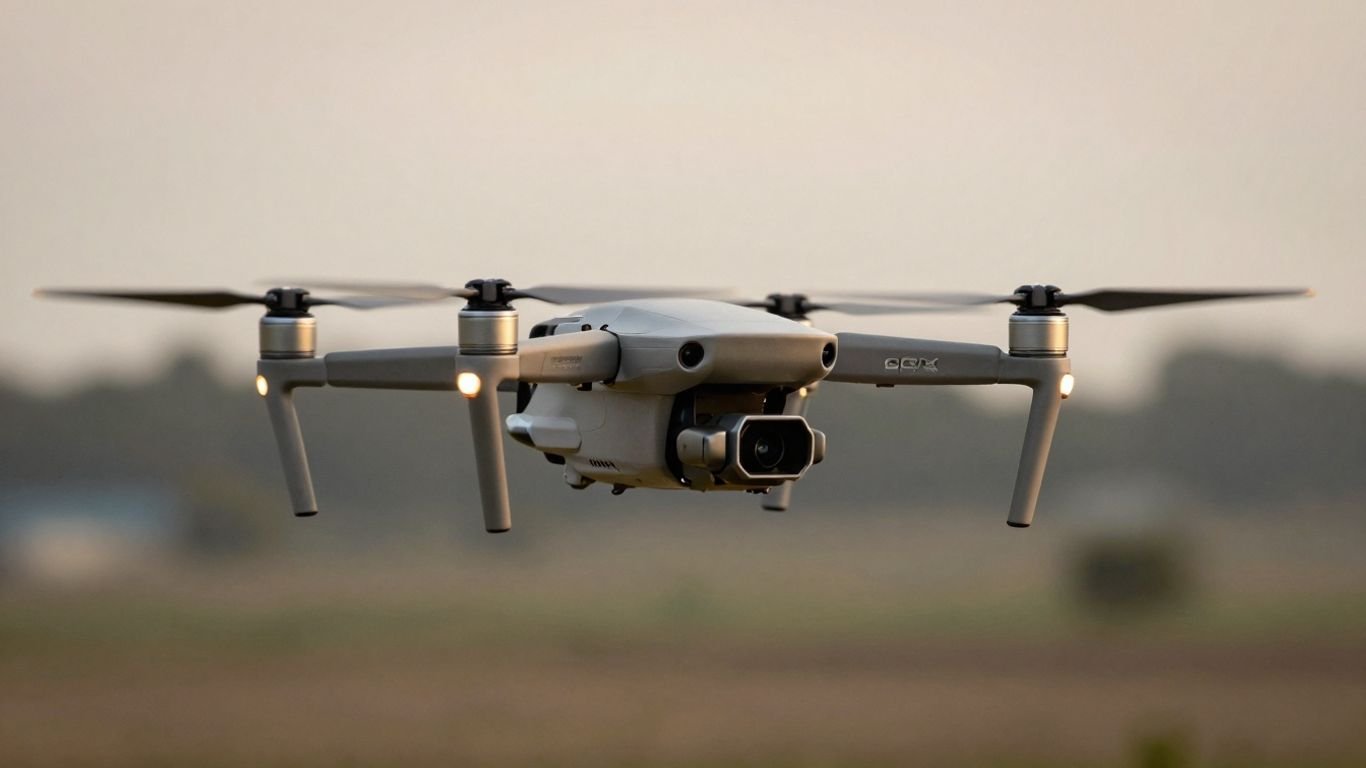
Drones & the FAA: What You Need to Know

Thinking about flying drones? Whether it’s for fun or for work, there are rules you need to know. The Federal Aviation Administration, or FAA, has a whole set of guidelines for drone pilots. It can seem like a lot at first, but understanding these FAA drone regulations is pretty important to stay safe and legal in the sky. We’ll break down what you need to be aware of, from getting certified to where you can actually fly.
Key Takeaways
- To fly a drone for anything other than pure recreation, you’ll likely need to follow the FAA’s Part 107 rules, which include getting a Remote Pilot Certificate.
- All drone pilots, whether recreational or commercial, need to know the basic rules like flying below 400 feet and keeping the drone in sight.
- Registering your drone with the FAA is a must for most drones, and you’ll need to display that registration number.
- Flying in certain areas, like near airports, requires special permission, often obtained through systems like LAANC.
- Foreign pilots have specific rules to follow, whether they’re flying for fun or for business in the U.S.
Understanding FAA Drone Regulations
So, you’ve got a drone and you’re itching to fly it. That’s awesome! But before you take off, it’s super important to know the rules. The Federal Aviation Administration (FAA) is the big boss when it comes to airspace in the U.S., and they’ve got a whole set of guidelines to keep things safe and orderly for everyone. Flying a drone legally means understanding and following these regulations. Whether you’re flying for fun or for a business, there are some basics you just can’t skip.
The Small UAS Rule (Part 107)
This is the main rulebook for most drone operations, especially if you’re flying for commercial purposes. Think of it as the standard for professional drone pilots. It covers a lot, from pilot certification to operational limits. If you’re making money with your drone, or even just flying for a business purpose, Part 107 is likely what you’ll be operating under. It sets the baseline for flying a drone legally.
General Requirements for All Drone Pilots
No matter why you’re flying, some rules apply to everyone. These are the non-negotiables:
- Altitude Limit: Keep your drone at or below 400 feet above ground level.
- Visual Line of Sight: You, or a visual observer, must be able to see the drone with your own eyes at all times. No flying on FPV goggles without a spotter who can see the drone.
- No Interference: Don’t fly in a way that messes with manned aircraft or emergency response efforts.
- Registration: If your drone weighs more than 0.55 pounds (about 250 grams), you’ve got to register it with the FAA and mark it with that registration number.
These general rules are the bedrock of safe drone operation. Ignoring them can lead to serious trouble, including fines and other penalties. Always prioritize safety and compliance.
Key Differences: Recreational vs. Commercial Flights
This is where things can get a little different. Recreational flying is basically for fun, like taking aerial shots of your neighborhood or flying at a park. Commercial flying, on the other hand, is when you’re using your drone for business – think real estate photography, inspections, or delivering packages. While both need to follow the general rules, commercial pilots have more stringent requirements, including needing a remote pilot license. Recreational flyers have a slightly different path, often involving a knowledge test called TRUST. Understanding which category you fall into is step one in figuring out the specific FAA airspace restrictions drones pilots need to be aware of.
Pilot Certification and Knowledge Requirements
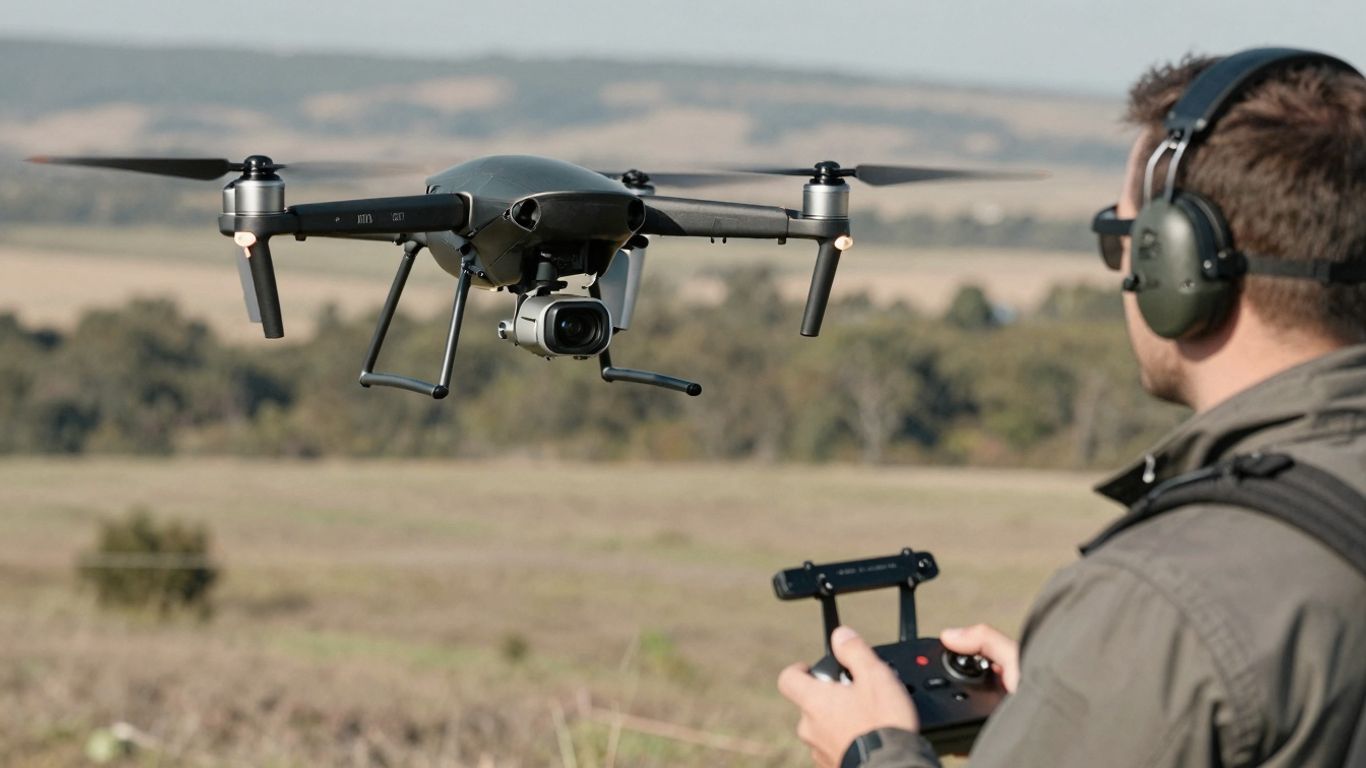
So, you’ve got a drone and you’re ready to fly. Awesome! But before you take off, there’s a bit of paperwork and learning involved, especially if you’re flying for anything more than just fun. Think of it like getting a driver’s license for the sky. The FAA has specific drone pilot certification requirements you’ll need to meet.
Obtaining Your Remote Pilot Certificate
If you plan to fly a drone for commercial purposes, like taking photos for a real estate listing or inspecting a roof, you’ll need to get what’s called a Remote Pilot Certificate. This is basically the FAA’s stamp of approval saying you know your stuff when it comes to flying drones safely. It’s not just a formality; it shows you understand the rules and can operate responsibly.
Passing the Aeronautical Knowledge Test
To get that Remote Pilot Certificate, you’ve got to pass a test. It’s called the Aeronautical Knowledge Test, and it covers a bunch of topics related to aviation and drone operation. You’ll need to know about weather, airspace, how drones work, and FAA regulations. Passing this test is a big step towards legal drone operation. You can take it at an FAA-approved testing center. It’s a good idea to study up beforehand; there are plenty of resources out there to help you prepare.
TRUST Exam for Recreational Flyers
Now, if you’re just flying for fun, the rules are a little different. You don’t need the full Remote Pilot Certificate. Instead, recreational flyers need to pass a free online test called The Recreational UAS Safety Test, or TRUST. It’s designed to make sure you know the basic safety rules for flying drones as a hobby. You can take it from any FAA-approved test administrator. Once you pass, you’ll get a certificate, and you should keep it with you when you fly.
Here’s a quick rundown:
- Commercial Operations: Need a Remote Pilot Certificate (Part 107). Requires passing the Aeronautical Knowledge Test.
- Recreational Operations: Need to pass The Recreational UAS Safety Test (TRUST).
- Drones Under 250 Grams: If you’re flying a very small drone (under 250 grams) purely for recreation, you don’t need to take TRUST, but you still have to follow safety guidelines.
Remember, even if you’re flying for fun, safety is always the top priority. Knowing the rules helps keep the skies safe for everyone, including yourself.
Getting certified might seem like a hassle, but it’s really about making sure everyone who flies a drone does so safely and legally. It protects you, other people, and manned aircraft out there.
Drone Operation Limitations and Guidelines
So, you’ve got your drone, maybe you’re thinking about using it for work, or maybe just for fun. Either way, there are some ground rules you absolutely need to know. The FAA has put these in place to keep things safe for everyone, including people on the ground and other aircraft. It’s not super complicated, but paying attention to these details is key for commercial drone operating guidelines.
Weight Restrictions for Drones
First off, let’s talk weight. For most standard operations under Part 107, your drone needs to weigh less than 55 pounds. This is a pretty big deal. If your drone is heavier than that, you’ll need special permission from the FAA, which isn’t a quick process. So, before you even think about flying, check the weight of your aircraft.
Altitude and Daylight Flight Rules
When you’re up in the air, there are limits. Generally, you can’t fly higher than 400 feet above the ground. This helps keep you clear of most manned aircraft. Also, unless you have a specific waiver, you’re limited to flying during daylight hours. That means no flying after sunset or before sunrise. It’s a simple rule, but an important one to remember.
Maintaining Visual Line of Sight
This one is pretty straightforward: you, or a visual observer you’ve designated, must be able to see the drone with your own eyes at all times. You can’t rely solely on a camera feed or a screen. Keeping your drone in sight is non-negotiable for safe operation. This rule prevents you from losing control or accidentally flying into restricted areas or other aircraft. It’s about staying aware of your surroundings and your aircraft’s position.
Flying a drone is a privilege, not a right. Always operate with safety as your top priority, respecting the airspace and the people below. Ignorance of the rules is not an excuse and can lead to significant penalties.
Here’s a quick rundown of some key operational limits:
- Maximum Altitude: 400 feet above ground level.
- Daylight Operations: Standard rule, unless you have a waiver.
- Visual Line of Sight (VLOS): You or a visual observer must see the drone at all times.
- Speed: While not explicitly limited by a number, operations must be conducted safely, avoiding reckless flying.
Remember, these are the general rules. Depending on your specific operation, like if you’re looking at drone delivery services with a range of five miles from a hub, you might have additional considerations. Always check the latest FAA guidance before you fly.
Navigating Airspace and Authorizations
So, you’ve got your drone, you’ve got your pilot certificate, and you’re ready to fly. But wait, where exactly can you fly? The sky isn’t exactly an open playground. Understanding the different types of airspace and how to get permission to fly in certain areas is super important. It’s not just about avoiding trouble; it’s about safety for everyone, including manned aircraft.
Controlled vs. Uncontrolled Airspace
Think of airspace like a highway system for planes and drones. Controlled airspace is like the main interstate, where air traffic control is actively managing the flow of traffic. This is typically around airports and major flight paths. Uncontrolled airspace, on the other hand, is more like a local road – less regulated, but you still need to follow the rules. Most recreational flying happens in uncontrolled airspace, but if you’re near an airport, even for fun, you’ll likely be in controlled airspace.
LAANC for Airspace Authorization
If you need to fly in controlled airspace, especially near airports, you’ll need authorization from the FAA. This is where LAANC comes in. LAANC stands for Low Altitude Authorization and Notification Capability. It’s a system that lets drone pilots get near real-time approval to fly in controlled airspace. It’s a collaboration between the FAA and drone industry companies, and it covers a lot of ground, with authorizations available at hundreds of air traffic facilities across the country. Applying through a LAANC provider is usually done via a mobile app or website, making the process much quicker than it used to be. You can find a list of FAA-approved LAANC service suppliers on the FAA’s website.
Identifying No-Fly Zones
Beyond controlled airspace, there are other areas where flying drones is restricted or completely prohibited. These are often called ‘no-fly zones’. This includes places like national parks, military bases, airports (even if you don’t have LAANC), and areas around critical infrastructure or temporary flight restrictions (TFRs) put in place for events like wildfires or VIP movements. Always check for TFRs before you fly.
Here’s a quick rundown of common no-fly zones:
- Airports: Unless you have specific authorization (like through LAANC).
- Military Bases and Government Facilities: Generally off-limits.
- National Parks and Monuments: Many have restrictions, so check their specific rules.
- Temporary Flight Restrictions (TFRs): These pop up for various reasons and are crucial to be aware of.
Flying without proper authorization in restricted airspace can lead to serious penalties, including fines and even legal action. It’s always better to be safe and get the necessary permissions before you take off. The FAA provides resources to help you understand airspace classifications and how to obtain authorizations.
Drone Registration and Identification
So, you’ve got a drone, and you’re ready to fly. Great! But before you take off, there are a couple of important things the FAA wants you to handle: registration and identification. Think of it like getting a license plate for your car; it helps identify the drone and its owner.
Mandatory Drone Registration Process
If your drone weighs more than 250 grams (about half a pound), you absolutely need to register it with the FAA. If it’s lighter than that and you’re just flying for fun, you can skip this step. But if you’re flying for any kind of business or commercial purpose, registration is a must, no matter the weight.
You can register online through the FAA’s DroneZone website, which is pretty straightforward. It costs a small fee, $5 to be exact, and that registration is good for three years. You’ll need to provide some basic info like your drone’s make and model, your contact details, and a payment method. Just remember, you have to be at least 13 years old to register a drone yourself; if you’re younger, a parent or guardian needs to do it for you.
Remote ID Requirements Explained
This is a newer rule, and it’s a big one. Starting in late 2023, most drones that need to be registered also have to broadcast something called Remote ID. It’s basically a digital signal, like a “digital license plate,” that sends out identification and location information while your drone is flying. This helps the FAA and law enforcement know who is flying what and where. There are a few ways to meet this requirement:
- Drones with built-in Remote ID: Some newer drones come with this capability already installed.
- Remote ID Broadcast Module: You can buy a separate device to attach to your existing drone.
- FAA-Recognized Identification Area (FRIA): These are specific, designated areas where you can fly drones that don’t have Remote ID. You’ll need to check with the FAA to find out where these are.
Marking Your Drone with Registration Numbers
Once you’ve registered your drone, you need to put that registration number on the drone itself. It’s not just for show; it’s a requirement. You need to make sure the number is clearly visible on the outside of the drone. This helps authorities identify the aircraft if it’s found or if there’s an issue. It’s a simple step, but an important one to keep you compliant with the rules.
The FAA’s goal with registration and Remote ID is to improve safety and security in the airspace. It allows them to track drones and ensure that everyone is following the established rules, which ultimately benefits all pilots and the public.
Waivers and Special Flight Permissions
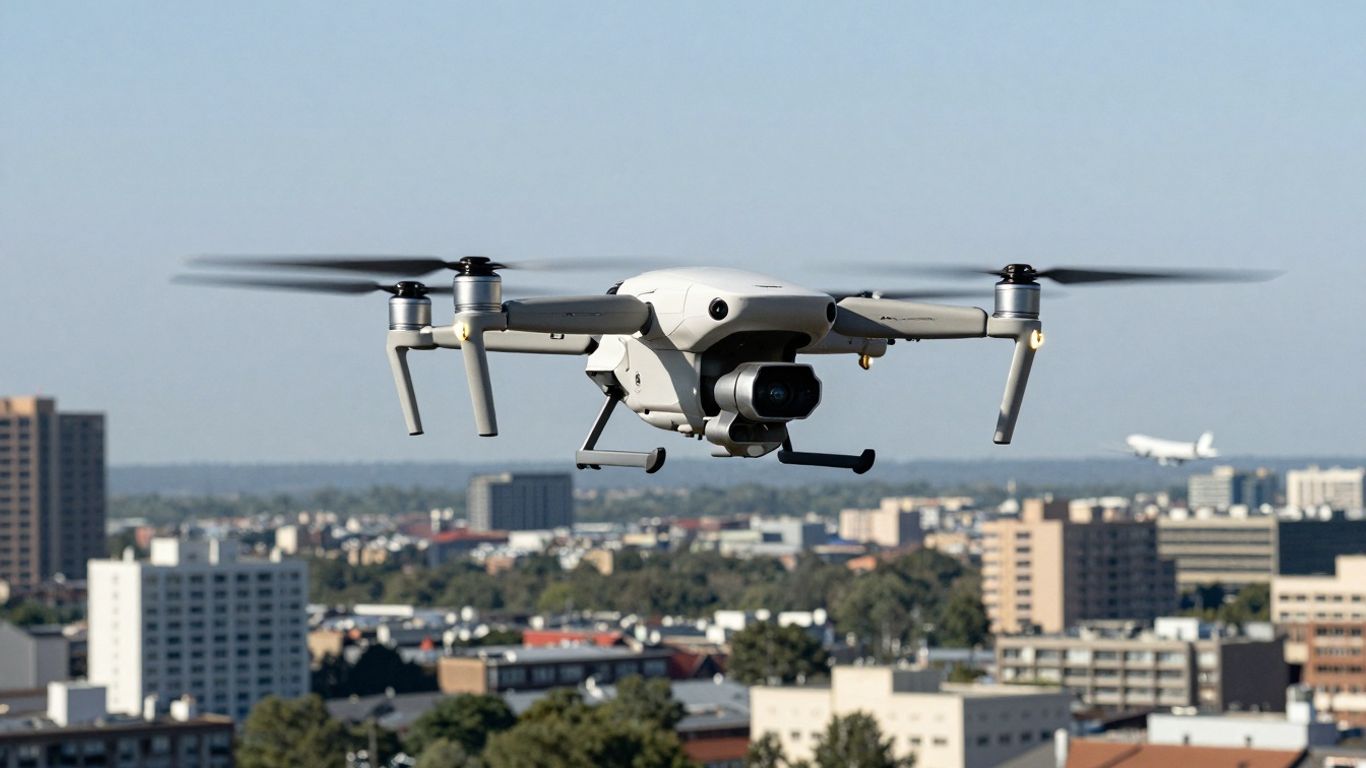
So, you’ve got your drone, you’ve got your pilot certificate, and you’re ready to fly. But what happens when your mission goes beyond the standard rules? That’s where waivers and special flight permissions come into play. Think of them as your ticket to operating outside the usual boundaries, provided you can prove you’ll still be safe.
Flying Beyond Standard Regulations
The FAA’s Part 107 rulebook sets the baseline for most commercial drone operations. It covers things like flying below 400 feet, keeping your drone within sight, and only flying during daylight. But sometimes, your project might need you to bend those rules a bit. This is where applying for a waiver becomes your best bet. You’ll need to show the FAA exactly how you plan to operate safely, even if it means deviating from the standard requirements. It’s not a free pass, but it’s a way to get your operation approved if you can demonstrate a solid safety case. You can find more information on the process through the FAA’s official channels.
Waivers for Night or Moving Vehicle Operations
Let’s say you need to capture footage at dusk or dawn, or perhaps you’re filming from a car or boat. These are common scenarios that fall outside the standard Part 107 rules. Flying at night requires specific training and equipment, and operating from a moving vehicle introduces unique challenges. The FAA has a process for granting waivers for these types of operations. You’ll need to submit a detailed plan outlining:
- The specific rule you’re requesting a waiver for.
- How your proposed operation will maintain a level of safety equivalent to the rule.
- Any additional training, equipment, or procedures you’ll use.
- The duration and geographic area for the waiver.
Operating Multiple Drones Simultaneously
Managing more than one drone at a time can significantly boost efficiency for certain tasks, like large-area mapping or complex inspections. However, it also adds layers of complexity to maintaining situational awareness and ensuring safety. The FAA recognizes this and allows for waivers for multi-drone operations. This typically involves demonstrating:
- A robust system for managing multiple aircraft.
- Clear communication protocols for the pilot and any visual observers.
- Contingency plans for equipment malfunctions or unexpected events.
Applying for a waiver isn’t just about asking for permission; it’s about proving you’ve thought through every potential risk and have a plan to mitigate it. The FAA wants to see that you’re committed to safety, even when pushing the boundaries of what’s typically allowed.
Foreign Pilot Considerations
So, you’re visiting the U.S. and want to bring your drone along? That’s cool, but there are a few things you’ll need to sort out before you take off. It’s not super complicated, but you definitely don’t want to skip these steps.
Rules for Foreign Recreational Flyers
If you’re just flying for fun, like taking some cool aerial shots of national parks or your hotel, you’ll follow the rules for recreational flyers. This means you’ll need to pass a short online test called The Recreational UAS Safety Test (TRUST). It’s pretty straightforward and covers the basics of safe drone flying. You’ll also need to register your drone if it weighs more than 0.55 pounds (250 grams). Make sure you understand and follow all the general FAA rules for recreational flying, like staying below 400 feet and keeping your drone in sight.
Commercial Flight Requirements for Visitors
Now, if you plan on using your drone for any kind of work while you’re here – think filming a wedding, doing some aerial photography for a client, or surveying land – that’s considered commercial use. For this, you’ll need to get a Remote Pilot Certificate, which is often called a Part 107 license. This involves passing a more in-depth aeronautical knowledge test. You’ll also need to apply for a Foreign Aircraft Permit from the Department of Transportation. This permit is specifically for commercial operations by non-U.S. citizens. You can find more details on the process for obtaining this permit on the FAA’s website.
Foreign Aircraft Permit Procedures
Getting that Foreign Aircraft Permit is a key step for commercial drone operations by visitors. The application process can take some time, so it’s best to start well before your trip. You’ll need to submit specific documentation, and the FAA will review your request to make sure your drone operations meet safety standards. It’s all part of making sure the U.S. airspace remains safe for everyone. Remember, flying commercially without this permit can lead to some serious trouble.
It’s important to remember that even if you’re just visiting, you’re still responsible for knowing and following all U.S. drone regulations. Don’t assume the rules are the same as back home.
Here’s a quick rundown:
- Recreational Use: Pass TRUST, register drone (if applicable), follow general recreational rules.
- Commercial Use: Obtain Part 107 certificate, pass knowledge test, get a Foreign Aircraft Permit, register drone (if applicable), follow general commercial rules.
- Registration: All drones over 0.55 lbs need to be registered with the FAA, whether for recreational or commercial use. You can do this through the FAA’s DroneZone portal.
Wrapping It Up
So, flying a drone might seem pretty straightforward, but as we’ve seen, there’s a whole set of rules to follow. Whether you’re just flying for fun or using it for work, the FAA has guidelines in place to keep things safe. It’s really about knowing your stuff, like passing the right tests, registering your drone if you need to, and always keeping it in sight. Plus, understanding where you can and can’t fly is a big deal. Staying on top of these rules means you can enjoy flying your drone without any unwanted attention from the authorities. It’s not too complicated once you get the hang of it, and it makes sure everyone stays safe up there.
Frequently Asked Questions
Do I need a special license to fly a drone just for fun?
If you’re flying a drone purely for enjoyment, you don’t need a full pilot’s license. However, you do need to pass a simple online test called the TRUST exam. It covers basic safety rules to make sure you fly responsibly and don’t cause problems in the sky.
What’s the biggest restriction on where I can fly my drone?
You generally can’t fly your drone just anywhere. Flying near airports or over certain sensitive areas like military bases or national landmarks is usually a no-go. You’ll need special permission from the FAA to fly in these places, often using a system called LAANC.
How high can my drone fly?
For most drone flights, the FAA has set a limit of 400 feet above the ground. Think of it as a ceiling to keep drones safely away from most regular aircraft and to make sure you can still see your drone easily.
Do I have to register my drone?
Yes, most of the time! If your drone weighs more than about half a pound (or 250 grams), you’ll need to register it with the FAA. Once registered, you have to put the registration number on your drone so it’s easy to identify.
Can I fly my drone at night?
Flying after dark used to be a big no-no for most drone pilots. Now, under certain rules, you can fly at night, but your drone needs to have lights so it’s visible. If you want to do special flights like this, you might need to check specific rules or get a waiver.
What is ‘Remote ID’ and do I need it?
Remote ID is like a digital license plate for your drone. It broadcasts information about the drone and its location while it’s flying. Most drones that need to be registered will have to broadcast this signal starting in 2025, unless you’re flying in a special designated area.