
Drones on the Job: Building Smarter with Drone Technology

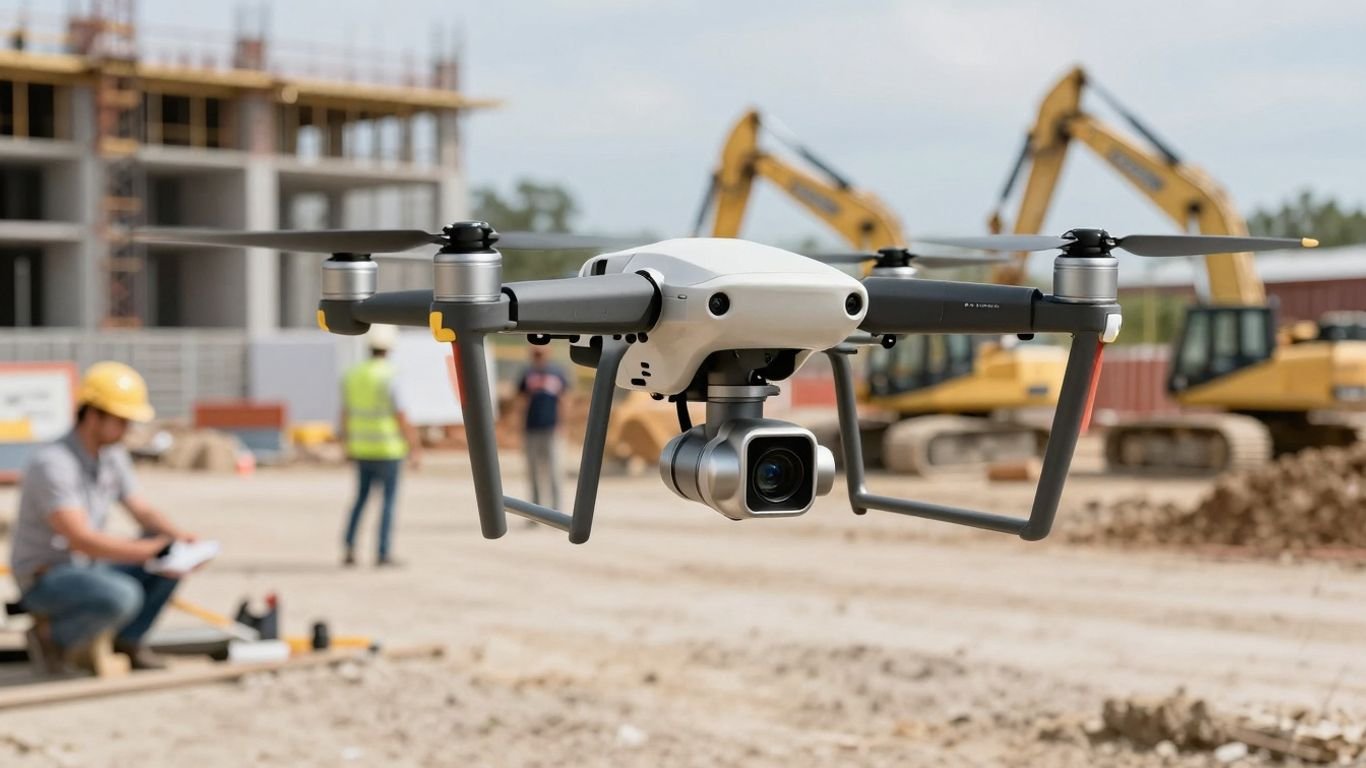
Construction projects are getting bigger and more complicated. It feels like every day there’s a new challenge, whether it’s keeping things on schedule, making sure everyone’s safe, or just figuring out where everything is. But there’s this cool tech, drones, that’s really changing the game. They’re not just for taking pretty pictures anymore; these flying gadgets are becoming a go-to tool for making building sites smarter, faster, and a whole lot safer. Let’s talk about how drones for construction are making a big difference.
Key Takeaways
- Drones offer a bird’s-eye view for better site mapping and tracking how a project is progressing.
- Using drones can make construction sites safer by letting us check risky spots without sending people.
- These flying tools help construction teams work more efficiently, saving time and cutting down on mistakes.
- Drones can help keep track of equipment and materials, making site management smoother.
- As drone tech gets smarter with AI, it will become even more important for future building projects.
Revolutionizing Construction With Drones
Drones are really changing the game in construction. It’s not just about getting a cool bird’s-eye view anymore; these flying machines are becoming essential tools for how we build things. They help us work smarter, safer, and with way more accuracy than before. Think about it: instead of sending people out to risky spots or spending days on manual checks, a drone can do it in minutes. This technology is transforming how we approach everything from the very first shovel of dirt to the final touches.
Precision Mapping and Surveying
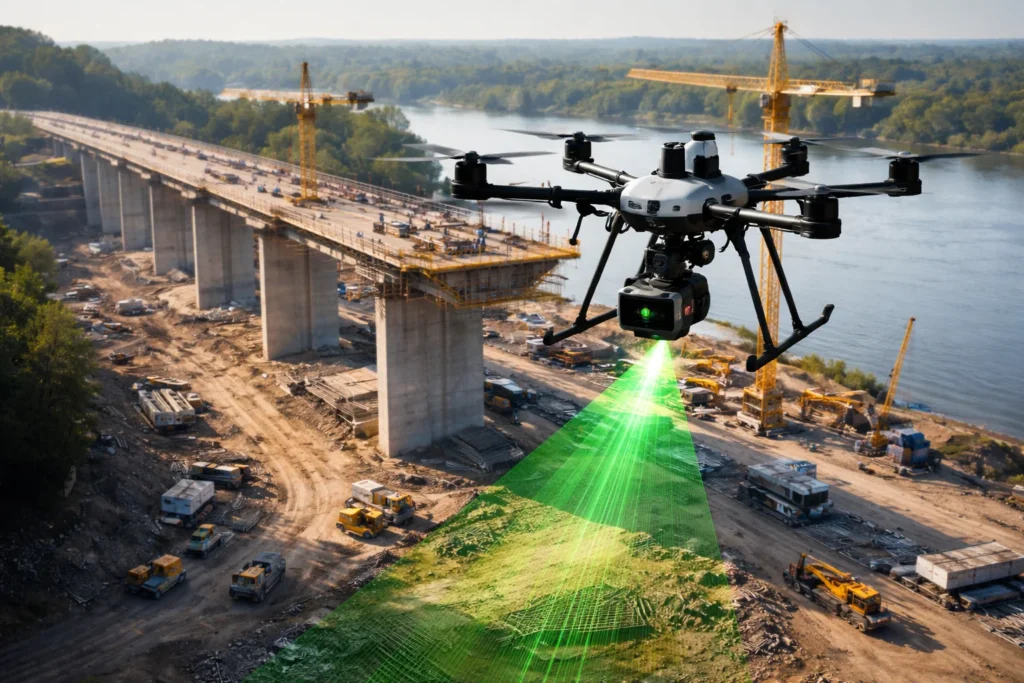
One of the biggest ways drones are making a difference is in aerial surveying for building projects. Before any construction even starts, drones can quickly map out a site. They fly over the area, taking tons of photos that are then put together to create super detailed 3D models and terrain maps. This is way faster than old-school ground surveys and gives us really accurate information about the land. This data is key for planning things like grading, digging, and where to put utilities. It means fewer mistakes down the line and a better start to any project. This kind of detailed site mapping is a big step forward for construction project management.
Real-Time Progress Tracking
Keeping tabs on how a project is moving along can be tough, especially on big sites. Drones offer a simple solution for construction site monitoring with drones. Regular flights provide up-to-date aerial photos and videos. Project managers can see exactly what’s happening on the ground without having to be there all the time. This helps catch problems early, like delays or issues with materials, before they become major headaches. It also makes it easier to update clients and the team with clear visual proof of progress, improving project efficiency with aerial data.
Enhanced Safety and Site Access
Construction sites can be dangerous places. There are often hazards like uneven ground, working at heights, or unstable structures. Drones help keep workers out of harm’s way. Instead of sending someone up a shaky ladder to check a roof or inspect a high beam, a drone can do it safely from a distance. This drastically cuts down the risk of accidents. It also means inspections that used to take hours can now be done much faster, saving time and resources while making the job site safer for everyone involved.
The Tangible Benefits of Drones for Construction
Drones aren’t just a flashy new toy for construction sites; they’re actually making a real difference in how projects get done. Think about it: tasks that used to take ages can now be wrapped up in a fraction of the time. This isn’t just about speed, though. It’s about getting things done more accurately, keeping people safer, and ultimately, saving a good chunk of money.
Improved Efficiency and Productivity
One of the biggest wins with drones is how much faster they can get certain jobs done. A drone can survey a huge construction site in a few hours, a task that might have taken a crew days using traditional methods. This quick turnaround means less waiting around and faster decisions for everyone involved. Plus, when drones handle the data collection, your skilled workers can focus on the actual building, not just measuring and documenting. It’s like giving your team a productivity boost.
- Faster site surveys: Cover large areas quickly.
- Reduced downtime: Get data when you need it.
- Worker focus: Skilled labor on core tasks.
The automation that drones bring to data collection is a game-changer. It frees up valuable human resources to concentrate on the complex, hands-on aspects of construction, leading to a more productive workforce overall.
Enhanced Accuracy and Quality Control
When you get precise data, you make fewer mistakes. Drones can create incredibly detailed 3D models of a site, often accurate to just a few centimeters. This level of precision is a big deal for things like grading, excavation, and making sure everything lines up with the original plans. It means less guesswork and a lot less money spent on fixing errors down the line.
Having this accurate, up-to-date view helps catch issues early, which is super important for keeping the quality high throughout the project. You can even compare the drone’s view to the design models to see exactly where things stand. For complex projects like bridges or large buildings, this kind of accuracy is a lifesaver. You can find out more about how drones are used for precision mapping.
Significant Cost Savings
While there’s an upfront cost to getting drones and the software to go with them, the savings over time can be pretty substantial. Think about the labor costs you cut down on for surveys and inspections. Instead of sending a crew out to a dangerous or hard-to-reach spot, a drone can do the job safely and quickly. This also means fewer accidents, which can lead to lower insurance premiums and less lost work time. Better inventory management and tracking equipment also play a role. By reducing waste and preventing theft, drones help keep the project budget on track. For many projects, the investment in drone technology pays for itself pretty fast.
- Reduced labor costs for surveys.
- Fewer accidents and associated expenses.
- Minimized material waste.
- Improved equipment security.
| Task | Traditional Method | Drone Method | Savings Potential |
|---|---|---|---|
| Site Survey (10 acres) | 3-5 days | 4-6 hours | High |
| Roof Inspection | 1 day | 1 hour | Medium |
| Progress Reporting | Weekly written | Daily visual | Medium |
Drones in Action: Real-World Construction Applications
Site Monitoring and Documentation
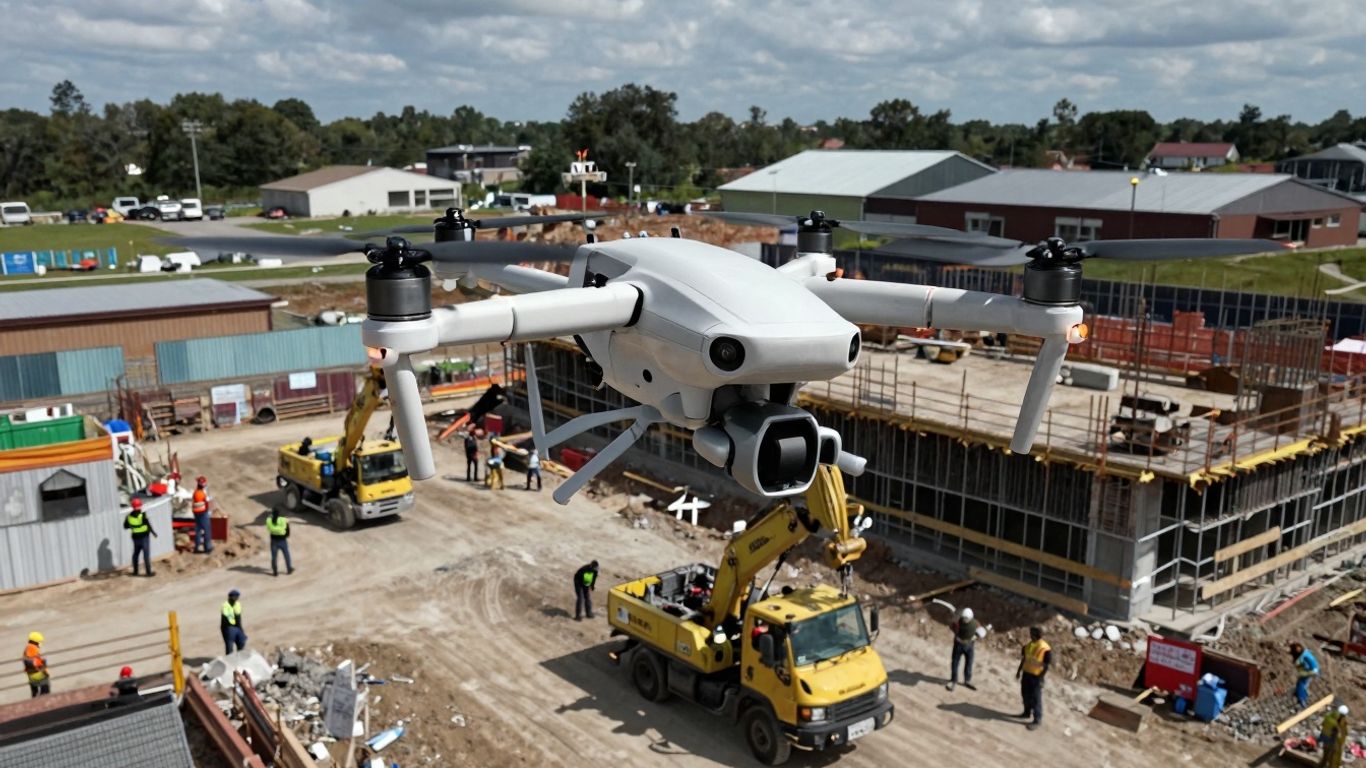
Think about how much easier it is to see what’s happening on a big construction site when you can just look down from above. That’s what drones do for us now. They fly over the project, taking pictures and videos. This gives everyone involved – the boss, the client, even the folks working on the ground – a clear picture of how things are progressing.
It’s like having a bird’s-eye view that updates daily. This kind of visual record is super helpful for showing clients how their money is being spent and for keeping the whole team on the same page. We’re talking about everything from tracking the placement of materials to seeing if a specific part of the building is going up as planned.
Safety Inspections and Hazard Identification
Construction sites can be pretty dangerous places. There are high scaffolds, deep holes, and lots of heavy machinery moving around. Before drones, people had to climb up and get close to check things, which put them at risk. Now, a drone can fly up to that wobbly scaffolding or over that steep embankment and take a good look. It can spot loose bolts, cracks in concrete, or even areas where the ground might be unstable. This means fewer workers have to put themselves in harm’s way. It’s a much smarter way to find problems before they cause an accident. This is a big deal for drone applications in civil engineering, especially on large infrastructure projects.
Equipment and Materials Management
Keeping track of all the tools and materials on a busy construction site can be a headache. Drones can help with this too. By flying over the site, they can help create an inventory of what’s where. Imagine a drone flying over a pile of pipes or a stack of lumber and using its camera to count or identify them. This helps make sure the right stuff is on site when it’s needed and that nothing is getting lost or misplaced. It also helps in planning where to put new deliveries so they don’t get in the way. This kind of oversight saves time and stops costly delays because the right equipment or materials aren’t available.
Drones are changing how we manage construction sites by providing a constant, detailed view from above. This technology helps teams stay organized, identify risks early, and document progress accurately, making projects run smoother and safer.
The Future of Drones in Construction Workflows
So, where are drones headed in the construction world? It’s not just about taking cool aerial shots anymore. We’re talking about drones becoming even more integrated, almost like another team member, but one that flies.
AI-Powered Automation and Analysis
Imagine drones that don’t just collect data, but actually start to make sense of it on their own. AI is getting really good at spotting things in images. This means drones could soon automatically flag safety hazards, like a worker not wearing a hard hat, or point out if a wall isn’t built quite right. This kind of automated analysis means less manual sifting through hours of footage for project managers. The goal is to have drones identify issues before they become big problems, saving time and money. It’s like having an extra set of eyes that never gets tired and can process information at lightning speed.
Integration with Other Smart Technologies
What’s even cooler is the idea of drones working together with other smart tech on the job site. Think about a drone spotting a problem, like a small crack in a newly poured concrete section. Instead of just reporting it, it could automatically send a signal to a ground-based robot to go and inspect it more closely or even make a minor repair. This interconnectedness is where things get really interesting, creating a more automated and efficient construction environment. It’s about building a network of smart tools that communicate and collaborate.
Predictive Maintenance and Asset Management
This is a big one. Drones can do more than just check on current progress; they can help predict future needs. By regularly flying over a structure and scanning it, drones can spot early signs of wear and tear that might be invisible to the naked eye. This could be anything from subtle changes in a bridge’s support beams to early corrosion on metalwork.
This proactive approach means maintenance can be scheduled before a component fails, which is way cheaper and safer than fixing something after it breaks. It’s about extending the life of buildings and infrastructure by catching issues early, making assets last longer and reducing long-term repair bills. This kind of foresight is a game-changer for managing large projects and infrastructure over their lifespan. You can find more information on how drones are improving site surveys and safety here.
The future isn’t just about drones flying; it’s about them thinking, communicating, and preventing problems before they even start. This shift from data collection to intelligent analysis and action is what will truly transform construction workflows.
Navigating Drone Implementation in Construction
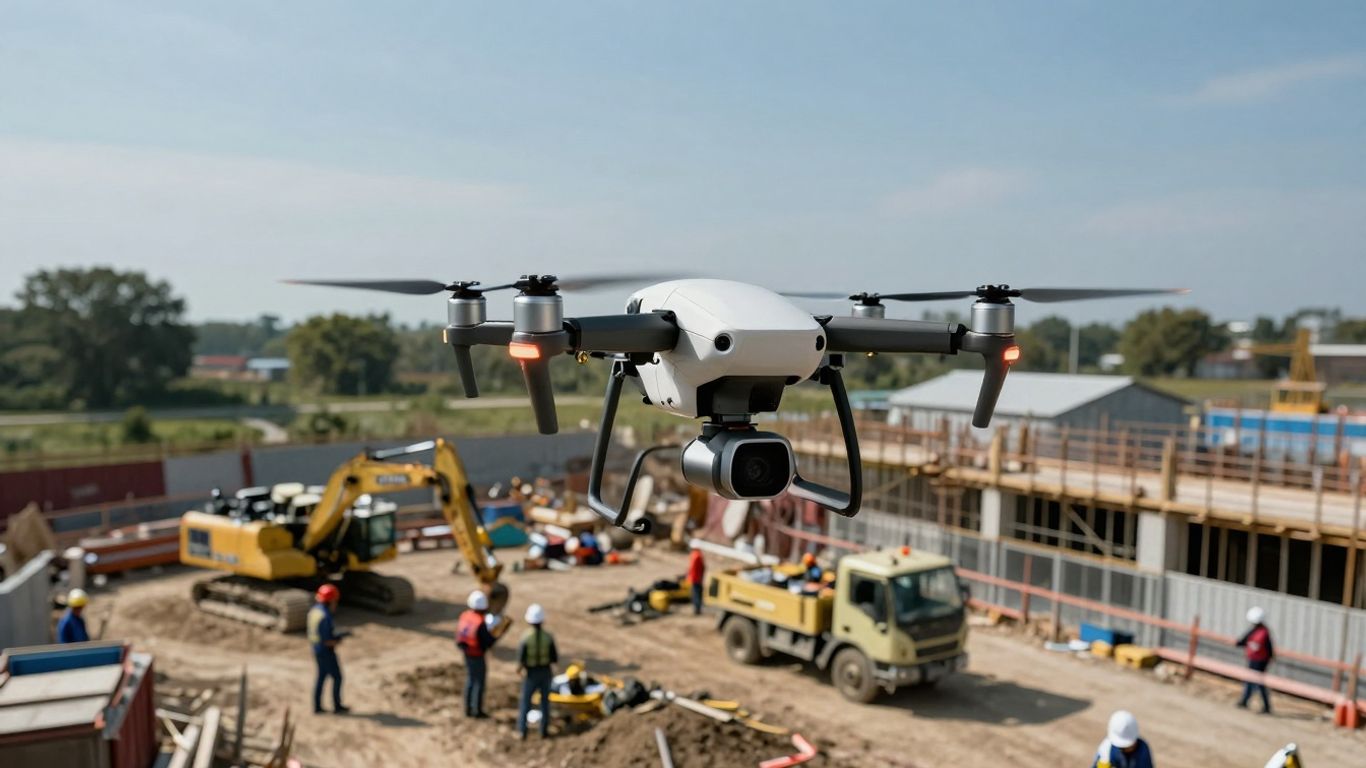
So, you’re thinking about bringing drones onto your construction sites? That’s a smart move, but it’s not quite as simple as just buying a drone and sending it up. There are a few things you really need to sort out first to make sure it all goes smoothly.
Understanding FAA Regulations
First off, the Federal Aviation Administration (FAA) has rules about flying drones commercially in the US. You can’t just fly anywhere, anytime. Pilots usually need to get certified under what’s called Part 107. This means they have to pass a test and know the rules of the sky, especially when it comes to flying near airports or over people. It’s important to know these rules inside and out before you even think about launching.
Addressing Privacy Concerns
These drones can capture a lot of information, and not just about your project. They might pick up things happening on nearby properties too. So, it’s a good idea to have clear guidelines on how you’ll collect, store, and use the data. Being mindful of privacy is a big part of using UAV technology in site management responsibly. Nobody wants their business or personal life being filmed without them knowing.
Investing in Training and Skill Development
Just having a drone doesn’t mean you know how to get the best data from it. You need people who know how to fly them safely and, just as importantly, how to look at the information the drone sends back. Think of it like this:
- Pilot Training: Making sure the person flying knows how to handle the drone in different conditions and get stable footage.
- Data Analysis: Training someone to interpret the photos and videos, spot issues, and turn that raw data into useful reports.
- Software Proficiency: Getting familiar with the software that stitches images together or analyzes them for specific problems.
Getting the right training means your drone program won’t just be a cool gadget; it’ll actually help you save time and money by spotting problems early and keeping things on track. It’s about making sure the technology works for you, not the other way around.
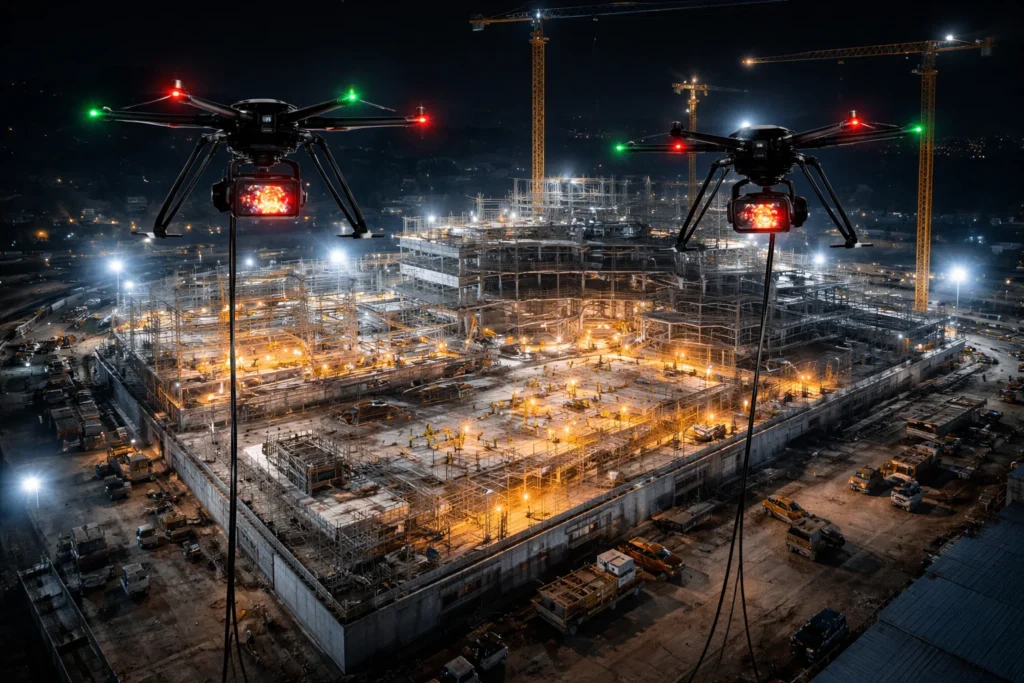
The Sky’s the Limit for Drones in Construction
So, it’s pretty clear that drones are way more than just a fancy new toy for construction sites. They’re actually becoming a really important tool that’s changing how we build things, from the ground up. They help make jobs safer, get things done faster, and generally help construction companies work smarter. As the tech keeps getting better, we’ll probably see drones used even more in our building projects.
They aren’t here to take anyone’s job, but they do give teams new ways to see things and new abilities. These tools are helping us solve old problems in pretty neat new ways. Whether you’re running a small crew or a big company, it’s a good idea to think about how drones could help your next project. The future of building looks pretty bright, and a lot of that future is flying high above us, gathering the info we need.
Frequently Asked Questions
What exactly are drones and how do they help in building?
Drones are like small flying robots that don’t need a pilot inside. They can fly high up and take pictures, videos, or even measure things. In building, they help people see the whole construction site from above, which makes it easier to plan and check the work.
How do drones make building sites safer?
Construction sites can be dangerous places. Drones can fly into high or tricky spots, like roofs or scaffolding, to check for problems. This means workers don’t have to go into dangerous areas themselves, reducing the chance of accidents.
Can drones really save money on building projects?
Yes, they can! Drones can do jobs like measuring land or checking progress much faster than people. This saves time, and time is money. Also, by spotting problems early, they help avoid costly mistakes later on.
How do drones help track how a building is coming along?
Drones can fly over the site regularly and take pictures or videos. This creates a clear picture of what’s been built and what’s next. Project managers can use this information to see if things are on schedule and to show clients how the project is progressing.
Do I need a special license to fly a drone for construction work?
In the United States, if you’re flying a drone for business, like on a construction site, you usually need a special license from the Federal Aviation Administration (FAA). This is called a Part 107 certificate. There are also rules about where and when you can fly.
What’s next for drones in building in the future?
In the future, drones will likely get even smarter. They might be able to fly and find problems all by themselves using artificial intelligence. They could also work together with other robots on the site, making building even faster and more efficient.