Do You Know How To Stop Unlawful Drone Incursions?

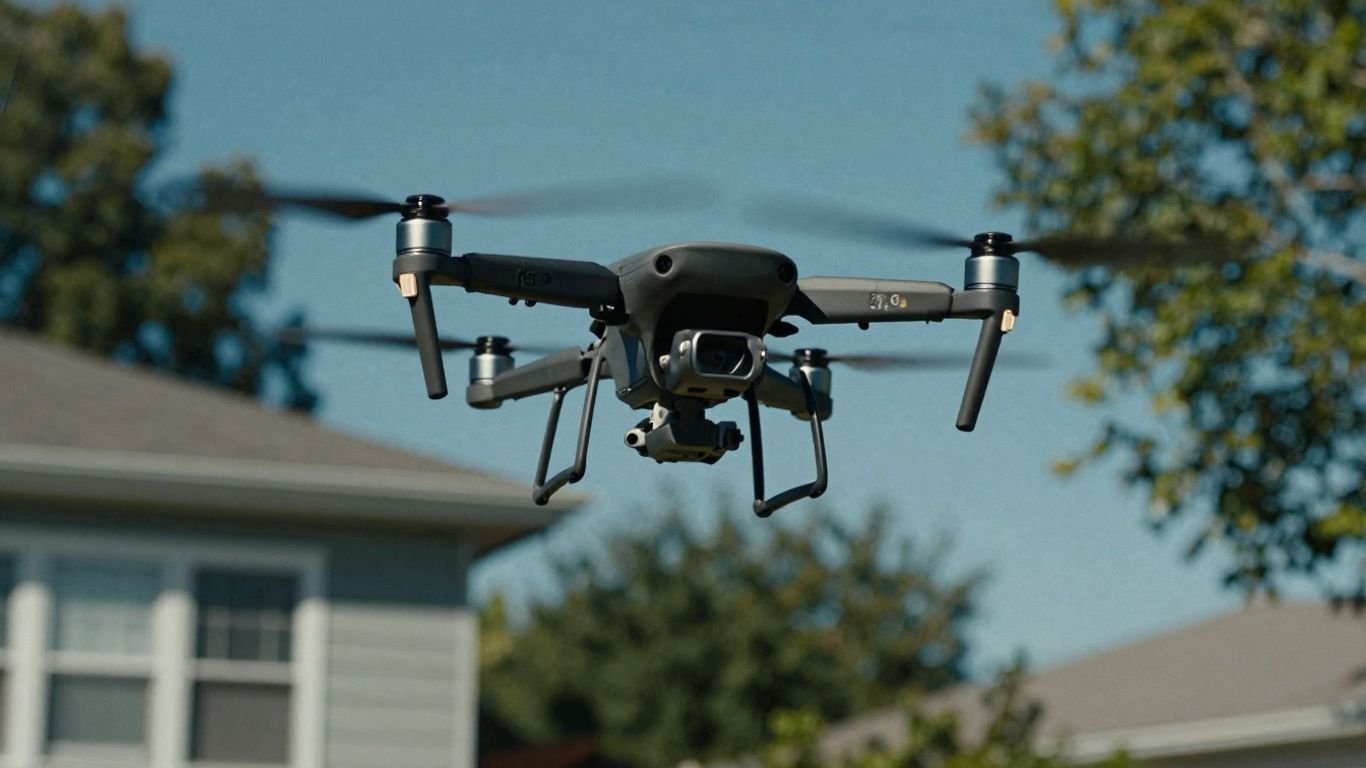
You might have seen them buzzing around, those little drones. Most of the time, they’re just out for a joyride or getting some cool shots. But sometimes, they’re up to no good. We’re talking about unauthorized drone incursions, and they can be a real headache, even a danger. So, how do you deal with a drone that’s where it shouldn’t be? Let’s break down how to spot them, stop them, and what to do if you find one snooping around.
Key Takeaways
- Understanding the risks of unauthorized drones is the first step. These can range from privacy issues and safety hazards to even smuggling illegal items.
- Proactive steps like setting up virtual boundaries (geofencing) and having clear security plans can help prevent drone incursions before they happen.
- Technology plays a big role in spotting drones. Systems using radar, sound, and cameras can alert you to their presence and track their movements.
- When a drone incursion does occur, having a plan to respond quickly, calculate how close it is, and deploy teams to likely spots is important.
- Public education about responsible flying and knowing the rules is key to reducing accidental or intentional drone incursions.
Understanding The Drone Incursion Threat
These days, drones are everywhere, and while many are used for fun or business, some can cause real problems. We’re talking about unauthorized drones flying where they shouldn’t be. This isn’t just a minor annoyance; it’s a genuine security concern that can impact everything from privacy to safety. Recognizing the potential dangers is the first step to dealing with them.
Recognizing The Risks Of Unauthorized Drones
When a drone flies into an area without permission, it can create a number of issues. Think about it: someone could be using it to spy on your property, which is a big privacy violation. Then there’s the safety aspect. A drone could accidentally crash into people, vehicles, or even other aircraft, causing injuries or damage. They can also be used for less obvious but equally problematic activities, like smuggling contraband into secure locations. It’s important to be aware of these risks so you can better protect yourself.
- Privacy Concerns: Drones equipped with cameras can capture images or video without anyone’s knowledge or consent.
- Safety Hazards: Uncontrolled drone flights can lead to accidents, posing a risk to people, property, and air traffic.
- Illicit Activities: Drones can be used to transport illegal items into restricted areas.
Understanding these potential problems helps organizations focus on putting the right measures in place before anything happens.
Identifying Drone Incursion Patterns
Just knowing that drones can be a problem isn’t enough. You need to figure out how and when they might show up. Are they appearing at certain times of the day, like during shift changes or late at night? Do they seem to fly over specific parts of your property repeatedly? Looking at this kind of data can help you spot trends. For example, if you notice drones showing up before a big event, you know to increase security during those times. It’s like a detective looking for clues to understand the situation better. This kind of information is key to developing effective security plans.
Quantifying Drone Activity In Your Airspace
So, how many drones are actually buzzing around your airspace? And when are they most active? Getting a handle on these numbers is pretty important for figuring out how vulnerable you are. You might find that most incursions happen on weekdays between 2 PM and 4 PM, or perhaps on weekends during public gatherings. Knowing the types of drones being flown is also useful – a small hobby drone is a different threat than a larger one that could carry something significant. This data helps you understand the scale of the problem and what kind of response might be needed. It’s all about gathering facts to make smart decisions about airspace security.
| Day of Week | Peak Activity Time | Average Drone Count | Common Drone Type |
|---|---|---|---|
| Monday | 14:00 – 16:00 | 2 | Small Quadcopter |
| Saturday | 11:00 – 13:00 | 4 | Medium Fixed-Wing |
| Sunday | 15:00 – 17:00 | 3 | Small Quadcopter |
Proactive Measures Against Drone Incursions
Dealing with rogue drone activity before it becomes a problem is way better than cleaning up a mess later. It’s all about getting ahead of things and putting some solid drone security measures for property in place. Think of it as building a fence around your airspace, but with smarter tools. We’re talking about how to prevent unauthorized drones from even getting close enough to cause trouble in the first place. It’s not just about reacting; it’s about setting up systems that make it tough for illegal drone flights to happen.
Implementing Geofencing Technology
Geofencing is like drawing an invisible boundary in the sky. You can set up virtual fences around your property or specific areas. If a drone enters this pre-defined zone, it can trigger an alert or even automatically stop the drone from flying further. This is a really neat way of protecting airspace from drones without needing someone to constantly watch a screen. It’s a set-it-and-forget-it kind of deal, mostly.
Establishing Airspace Security Protocols
Having clear rules and procedures is super important. This means figuring out who does what when a drone is spotted. It involves training your security team on how to respond, what information to gather, and when to call in outside help. These protocols should cover everything from initial detection to final resolution. It’s about having a plan so that when something unexpected happens, your team isn’t scrambling.
Here’s a basic rundown of what your protocols might include:
- Detection and Alerting: How are drones spotted, and who gets notified immediately?
- Assessment: What information do you need to collect about the drone (type, flight path, altitude)?
- Response Actions: What steps are taken based on the drone’s behavior and location?
- Escalation: When and how do you involve law enforcement or other authorities?
- Documentation: How is the incident recorded for future reference and analysis?
Understanding flight patterns is key. Sometimes, drones might just be passing through, but other times, they could be surveying for a specific purpose. Having data on past incursions helps you build a better picture of the risks.
Engaging Local Law Enforcement Early
Don’t wait until there’s a full-blown incident to talk to the police or sheriff’s department. Building a relationship beforehand is a smart move. Let them know about your airspace concerns and what kind of drone activity you’ve seen. You can even work with them on joint training exercises. This way, when you do need their help countering illegal drone flights, they’re already familiar with the situation and your property. It makes the whole process smoother and faster.
Leveraging Technology For Drone Detection
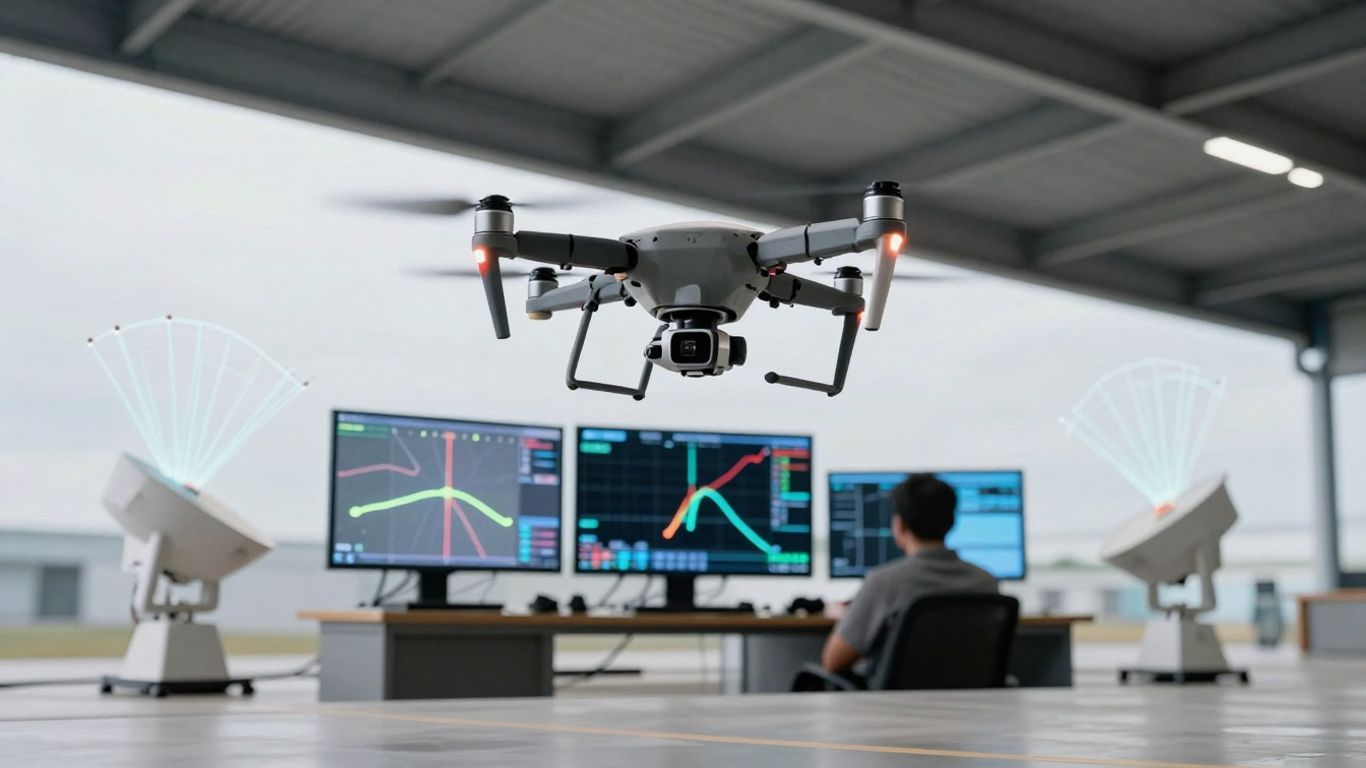
When it comes to stopping unwanted drones, just hoping they won’t show up isn’t a plan. We need actual tools to spot them. Think of it like having a really good security guard, but for the sky. These systems aren’t just one thing; they’re usually a mix of different technologies working together. It’s all about getting a clear picture of what’s happening above.
Utilizing Radar And Acoustic Sensors
Radar is a big player here. It’s like a super-powered eye that can see drones no matter the weather or if it’s day or night. Unlike some other methods, radar doesn’t need the drone to be talking to its controller to find it. This is super important because some bad actors try to fly drones without sending out obvious signals. Radar can pick up even small drones and tell you where they are, how fast they’re going, and how high up they are. It’s pretty good at ignoring things like birds, too, so you get cleaner information.
Then there are acoustic sensors. These listen for the sound a drone makes. While they might not be the primary way to detect a drone from miles away, they can be really helpful when a drone is closer, especially in noisy environments where radar might have a harder time pinpointing it. They add another layer to the detection puzzle.
Employing Optical Cameras With Video Analytics
Cameras are the next piece of the puzzle. Having a camera that can zoom in and move around (that’s what PTZ means) lets security teams actually see the drone. This is where you can start figuring out if the drone is just flying around or if it’s carrying something. Seeing is believing, and it helps decide what to do next. Video analytics software can then process what the camera sees, automatically flagging suspicious activity or identifying drone types. This works best when it’s paired with radar, because cameras can struggle in bad weather or when it’s dark.
Understanding Drone Detection System Benefits
So, why go through all this trouble with different technologies? Well, it gives you a much better chance of actually knowing when a drone is where it shouldn’t be. You get data that helps you figure out:
- Location and Movement: Where is the drone right now, and where is it going?
- Drone Type: What kind of drone is it? This can give clues about its capabilities.
- Potential Payload: Is it carrying anything that looks like a threat?
- Operator Location (Sometimes): In some cases, the system can help pinpoint where the person flying the drone is.
This kind of information is gold for security teams and law enforcement. It means you’re not just reacting to a problem; you’re getting ahead of it. It’s about having the right information to make smart decisions quickly, especially when dealing with events where lots of people are gathered. Staying updated on the latest in aerial innovation is key.
Relying on a single detection method is like bringing a knife to a gunfight when it comes to drones. A mix of radar, cameras, and other sensors provides a more complete picture, catching more types of drones and making it harder for operators to sneak by unnoticed. This layered approach is what makes modern drone detection systems effective.
It’s important to remember that these systems are tools. They give you the information, but it’s still up to people to use that information wisely. Getting the right setup can make a big difference in keeping your airspace safe. You can find more information on drone sightings near airports if that’s a concern for your area.
Mitigating Drone Incursions During An Event
When you’ve got a big event happening, the last thing you need is some rogue drone buzzing overhead. It’s not just annoying; it can be a serious security headache. Having a solid plan in place before anything goes wrong is key. This means knowing what to do the moment an alert pops up, figuring out how quickly a drone could reach a sensitive spot, and making sure your security teams are positioned where they’re most likely to spot trouble.
Responding To Automated Drone Alerts
Automated alerts are your first heads-up that something’s not right. When your detection system flags a drone, it’s not the time to panic. Instead, follow your pre-set procedures. These alerts should give you details like the drone’s location, its flight path, and maybe even the type of drone it is. This information is gold for deciding the next steps.
- Verify the alert: Quickly confirm the drone’s presence using other sensors or visual checks if possible.
- Assess the threat level: Is it just flying around, or is it heading towards a restricted area or the crowd?
- Initiate response protocols: Based on the threat, activate your plan, which might involve notifying law enforcement or deploying ground teams.
Calculating Drone Reach-In-Time
Knowing how fast a drone can get from point A to point B is super important, especially during an event. You need to figure out how long it would take for a drone detected at the edge of your airspace to reach critical areas like the stage, VIP sections, or even the main crowd. This calculation helps you understand the urgency of the situation and how much time your security personnel have to react.
| Drone Speed (mph) | Time to Reach Target (1 mile away) |
|---|---|
| 20 | 3 minutes |
| 30 | 2 minutes |
| 40 | 1.5 minutes |
Understanding the flight characteristics of common drones, like their typical speeds and operational ranges, is vital for accurate reach-in-time calculations. This data helps in pre-planning response strategies.
Deploying Security Teams To Common Flight Zones
Data from your drone detection systems can show you where unauthorized drones tend to show up most often. These ‘hot spots’ are where you should focus your security team’s attention. If drones frequently fly over a particular section of the venue or approach from a specific direction, positioning guards or mobile units in those areas can help deter incursions or allow for a quicker response if one occurs. It’s all about being smart with your resources and putting your people where they’ll do the most good.
This proactive approach can significantly reduce the chances of a serious incident, making your event safer for everyone involved. You can find more information on safeguarding critical infrastructure from UAS threats on the CISA website.
Legal And Law Enforcement Roles In Drone Incursions
When it comes to dealing with drones flying where they shouldn’t be, law enforcement plays a pretty specific role. It’s not quite like chasing down a car thief, because the rules for drones are still pretty new and, honestly, a bit complicated. Only certain government agencies have the power to actually stop a drone once it’s in the air. That means your local police, while they can help investigate, can’t just shoot down a drone that’s buzzing over your backyard.
The Vital Role Of Law Enforcement
Even though private security and event organizers can set up systems to detect drones, the actual intervention part is usually left to the pros. Drone detection tech is super important, though. It helps figure out if a drone is there, what it’s doing, and if it’s actually a problem. With good data and clear video, security teams can decide what to do next – maybe just keep an eye on it, talk to the person flying it, or even get people out of the way if things look really bad.
Accessing Drone User Information
Sometimes, law enforcement can get information about who owns a drone. If the drone’s manufacturer has a user agreement that allows it, police might be able to find out who registered the drone using special radio frequency detectors. This can help them track down the pilot. They might also work with drone companies or get warrants to look at flight logs if the drone isn’t registered. This is all part of building a case if someone’s breaking the rules.
Limitations For State And Local Law Enforcement
Here’s the tricky part: current federal laws stop state and local police from interfering with a drone while it’s flying. So, they can’t jam it, hack it, or bring it down, even if it seems like a real threat. Their job is more about:
- Finding and catching the person flying the drone. They can use tracking data or even just search the area where the drone was seen.
- Working with event organizers to stop or delay things if a drone looks dangerous, keeping crowds safe.
- Helping to evacuate people if there’s a suspicion the drone might be carrying something harmful.
- Passing all the information they gather to federal agencies like the FBI, who can take action to stop the drone.
It’s a bit of a balancing act. While technology can spot a drone quickly, the legal framework means law enforcement often has to rely on finding the operator on the ground rather than directly neutralizing the airborne threat. This makes gathering evidence and coordinating with federal partners really important for any successful intervention.
Understanding these limitations is key for anyone dealing with drone issues. It means focusing on detection, documentation, and reporting, rather than trying to take matters into your own hands. For more on how these regulations work, you can check out information on unlawful drone incursions. This approach helps keep everyone safe and within the bounds of the law.
Public Awareness And Drone Incursion Prevention
So, we’ve talked a lot about the tech and the protocols, but what about the people flying these things? A big part of stopping unwanted drone flights comes down to making sure everyone knows the rules and why they matter. It’s not just about having fancy gadgets; it’s about building a community that understands responsible drone use.
Focused Public Education Efforts
Think about it: if people don’t know they’re flying somewhere they shouldn’t, they won’t stop. That’s where education comes in. We need to get the word out, clearly and simply, about where drones aren’t allowed and the risks involved. This means using all sorts of channels – social media, local news, even signs in restricted areas. Partnering with drone clubs and groups is also a smart move. It’s about informing the public about flight limits and encouraging them to report anything suspicious. The goal is to make responsible flying the norm, not the exception.
Adapting National Campaigns Locally
You’ve probably heard of national campaigns like the FAA’s ‘Know Before You Fly.’ These are great for setting a baseline and reaching a lot of people. But let’s be real, a one-size-fits-all approach doesn’t always work. What’s a problem in a big city might be different in a small town. So, local communities need to take those national messages and tweak them. For instance, if you’re in a rural area with lots of hobbyists, maybe you reach out through local events or farming groups.
If you’re in a city, social media and local tech influencers might be more effective. It’s about making the information relevant to the people who live there and the specific drone activities happening in that area. This localized approach helps build trust and makes the safety messages stick.
Encouraging Responsible Flying Habits
Ultimately, we want people to fly their drones safely and legally. This involves a few key things:
- Understanding the Rules: People need to know the basic laws, like where they can and can’t fly. This includes understanding no-fly zones around airports, government buildings, and emergency scenes.
- Knowing the Risks: It’s important to explain why these rules exist. Flying near wildfires or airports can have serious consequences, putting lives and property at risk.
- Reporting Issues: Encourage drone operators to be good neighbors and report any drone activity they see that seems out of place or dangerous. This helps create a network of eyes in the sky.
Building a culture of safety around drones isn’t just about enforcement; it’s about shared responsibility. When the public is informed and engaged, they become an active part of the solution, helping to prevent incidents before they even happen. This collaborative approach is key to maintaining safe skies for everyone.
Getting this information out there helps everyone, from hobbyists to professionals. It’s about making sure everyone has the info they need to fly smart and stay out of trouble. For more on the evolving drone landscape, check out Drone News Network.
Advanced Countermeasures For Drone Threats
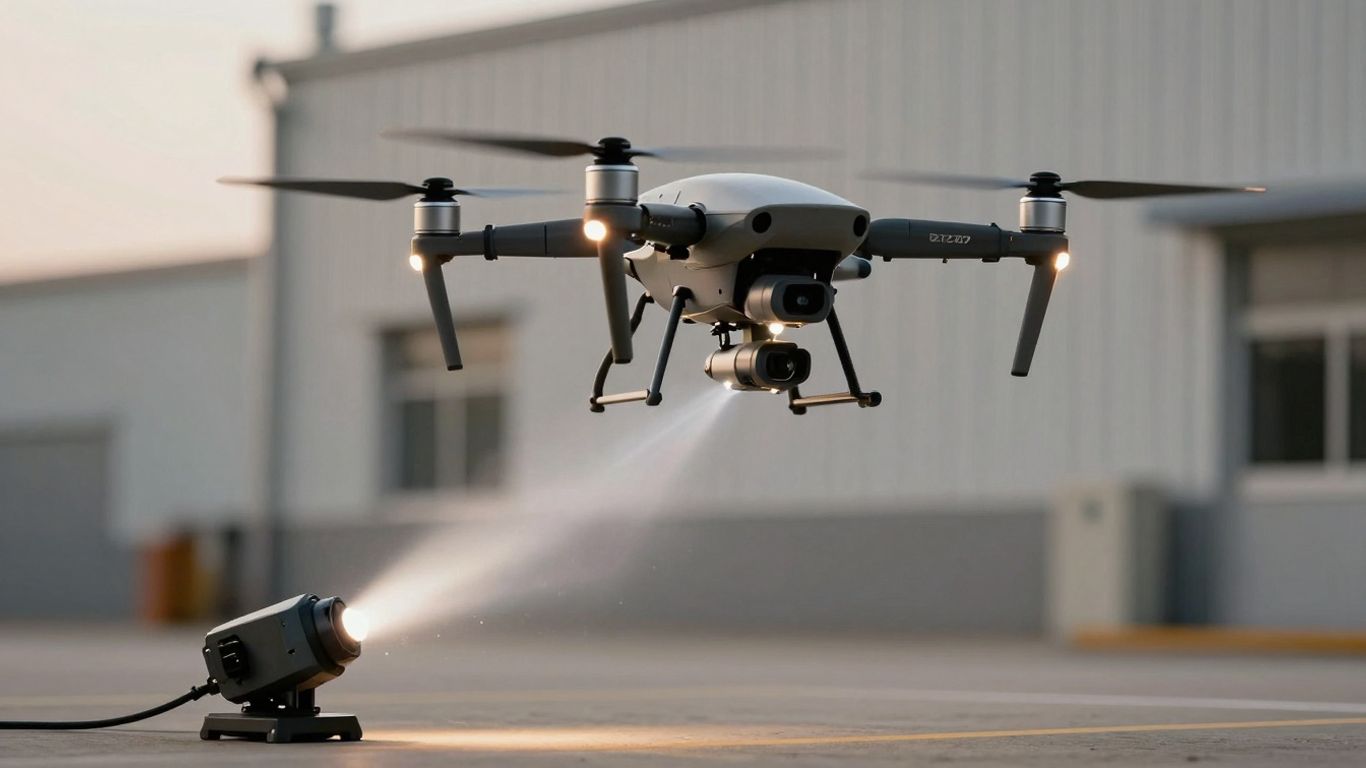
So, you’ve got a drone detection system in place, and it’s doing its job. That’s great! But what happens when a drone actually gets too close for comfort? Sometimes, just knowing it’s there isn’t enough. You need ways to actively deal with the threat. This is where advanced countermeasures come into play. They’re the next step in really securing your airspace.
Utilizing Drone Jammer Devices
Drone jammers are pretty interesting. Basically, they send out signals that mess with the drone’s ability to fly. They target the frequencies drones use to communicate with their pilots or to get GPS signals. By disrupting these signals, a jammer can force a drone to land safely or return to its starting point without actually damaging the drone itself. This is super useful if you don’t want to destroy the drone but just need it gone. They’re often used at big events, airports, or places like prisons where you really don’t want any unauthorized flying.
Implementing Physical Countermeasures
If jamming isn’t your thing, or if you need a more direct approach, there are physical methods. Think of things like specialized nets or capture devices that can physically grab an unauthorized drone. Some places have even trained birds of prey, like falcons or eagles, to snatch drones right out of the sky! It sounds a bit wild, but it’s a real thing. These methods can be effective, but they often require skilled operators and might not be suitable for every situation. It’s about having options, right?
Enhancing Cybersecurity For Drones
Beyond just stopping a drone in its tracks, we also need to think about how drones themselves can be a security risk. Drones can be hacked, and that’s a scary thought. If someone can take control of a drone, they could potentially use it for all sorts of bad things, like spying or even causing damage. So, making sure your own drones (if you use them) are secure is a big deal. This means keeping their software updated, using strong encryption, and always keeping an eye out for any weird behavior. It’s all part of a bigger picture of airspace security, and you can find some great drone defense systems to help with this AI X-Ray Drone Defense System.
Here’s a quick rundown of what to consider:
- Firmware Updates: Always keep the software on your drones up-to-date. This patches security holes.
- Encryption: Use strong encryption for all drone communications. This makes it much harder for unauthorized people to intercept or control your drones.
- Activity Monitoring: Keep an eye on drone behavior. Unusual flight paths or actions could signal a hack or an unauthorized flight.
Dealing with drone threats isn’t just about the immediate moment. It’s about building a layered defense. This includes knowing how to stop a drone in its tracks, but also thinking about how to prevent them from being compromised in the first place. It’s a constantly evolving challenge, and staying ahead means looking at all the angles.
Staying Ahead of the Drones
So, dealing with drones flying where they shouldn’t be is a bit of a puzzle. It’s not just about having the latest tech, though that helps a lot. You really need a plan, and that means getting everyone on the same page. Think about training your team, knowing who to call when things get weird, and making sure people understand the rules. It’s a mix of smart gadgets, clear procedures, and just plain common sense. By putting all these pieces together, we can all do a better job of keeping our skies safe and secure from unwanted visitors.
Frequently Asked Questions
What exactly is a drone incursion?
A drone incursion happens when a drone flies into an area where it’s not allowed. Think of it like someone walking into your house without permission. These drones can be used for many reasons, some harmless, but others can cause problems like spying, causing accidents, or even trying to smuggle things.
Why are unauthorized drones a problem?
Unauthorized drones can be a big headache. They can invade your privacy by taking pictures or videos without you knowing. They can also be dangerous, potentially crashing into people, cars, or even airplanes. In some cases, people might try to use them to sneak illegal items into places they shouldn’t be.
How can we stop drones from flying where they shouldn’t?
There are a few ways to tackle this. One is using ‘geofencing,’ which is like setting up invisible fences that drones can’t cross. We can also set up special technology to detect drones, like radar or cameras that can spot them. Having clear rules and educating people about flying drones safely also makes a big difference.
What should happen if a drone is spotted in a restricted area?
When a drone is detected, the first step is usually to get an alert. Then, security teams can figure out how close the drone is and how fast it’s moving. They might send out teams to watch the drone or try to find the person flying it. Sometimes, they might even need to tell the police or other authorities to step in.
What can police do about drones flying illegally?
Police have a crucial role, but their powers are limited. While they can’t usually shoot down or stop a drone in the air themselves, they can track down the pilot. By using information from detection systems, they can find the person flying the drone and take action, like giving warnings or making arrests if a law was broken.
How can the public help prevent drone problems?
Everyone can help by being responsible drone flyers! This means knowing and following the rules about where you can and can’t fly. It’s also important to be aware of ‘no-fly zones,’ especially near airports or sensitive areas. If you see a drone flying where it shouldn’t be, reporting it can help keep everyone safe.