DJI Inspire 1 Revisited: How It Compares to Modern Drones

So, is the DJI Inspire 1 still a good drone to consider? It’s been out for a while, and the drone world moves fast, you know? We’ve seen a lot of new models come and go since this one first hit the market. But sometimes, older gear can still pack a punch, especially if it was built well to begin with. Let’s take a look at whether this ‘beast’ still has what it takes in today’s drone landscape.
Key Takeaways
- The DJI Inspire 1 offered a groundbreaking flight experience with its unique transformable design and intuitive controls, making advanced aerial videography accessible.
- Its integrated 4K camera and 3-axis gimbal provided professional-quality footage, enhanced by a live HD video feed for real-time monitoring.
- The Inspire 1 demonstrated strong performance and stability, handling windy conditions well and offering reliable GPS-assisted flight.
- Compared to drones like the Phantom 3 Professional, the Inspire 1 stood out for its advanced flight systems and gimbal capabilities, representing a significant investment for professionals.
- While still capable, considerations like battery life, portability, and the rapid evolution of drone technology mean users should weigh its current relevance against newer models for specific needs.
DJI Inspire 1: A Transformative Flight Experience
Unveiling the Inspire 1’s Unique Design
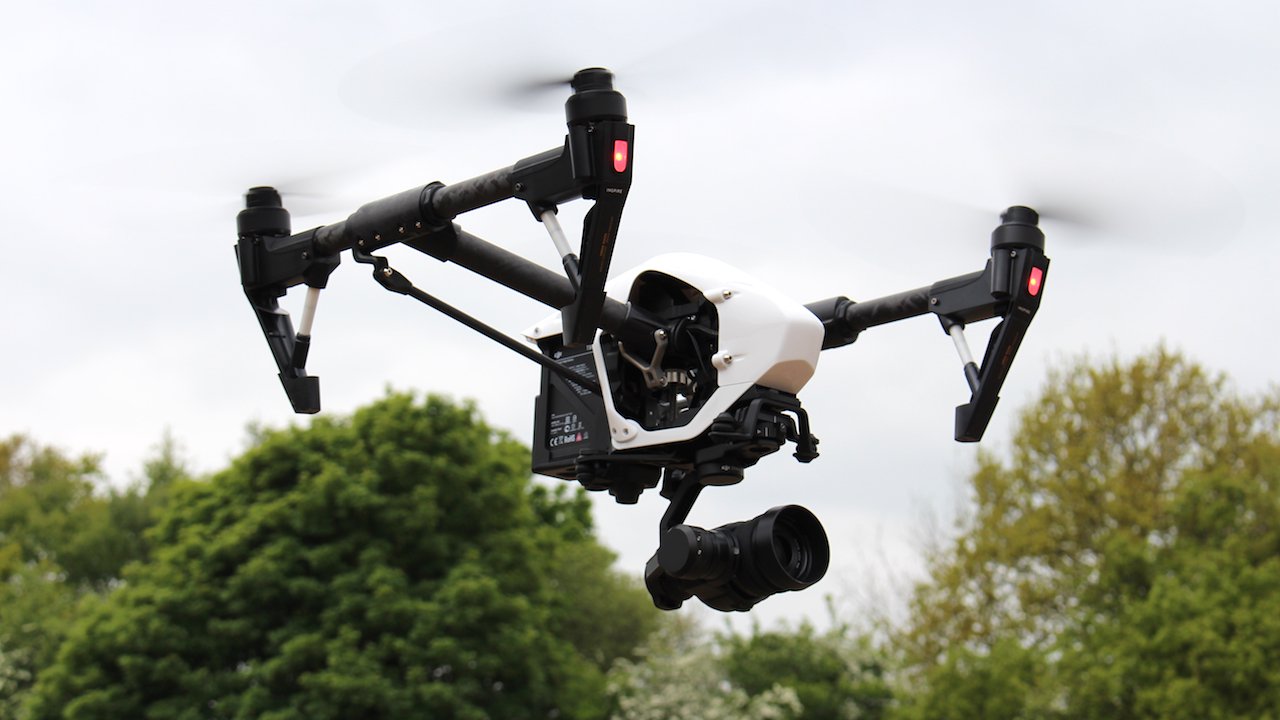
When the DJI Inspire 1 first takes off, it’s a showstopper. Seriously, the way the landing gear retracts and the whole machine transforms into its flight configuration is something else. It’s not just for looks, either; this design helps keep the camera clear of obstructions. For anyone interested in DJI drone aerial photography, this initial impression sets a high bar. It feels less like a gadget and more like a piece of sophisticated tech.
Intuitive Controls for All Skill Levels
Even if you’ve only ever flown a toy quadcopter, the Inspire 1 is surprisingly approachable. DJI put a lot of thought into making it easy to get airborne. It defaults to a beginner mode that limits speed and altitude, which is smart. Plus, the GPS mode keeps it locked in place, almost like it’s glued to the sky. This makes it a fantastic quadcopter for filmmaking because you can focus on the shot, not wrestling with the controls. Letting go of the sticks and having it just hang there is pretty wild.
The Thrill of First Flight
Taking the Inspire 1 up for the first time is an experience. The app tells you when the home point is logged and when takeoff is about to happen. Then, the motors spin up, and it just lifts off. It feels incredibly stable, especially in GPS mode. You can let go of the controls, and it stays put. This stability is a huge deal for getting smooth footage. It’s a big step up from smaller drones, offering a much more confident and capable flight.
The initial setup, like calibrating the compass, might seem a bit involved, but it’s important for a stable flight. Just be mindful of magnetic interference from phones or even certain types of rocks.
Here’s a quick rundown of what to expect:
- Auto Takeoff: A simple button press gets you airborne.
- GPS Mode: Holds position automatically, making flying easier.
- Transforming Design: Landing gear retracts for a clear camera view.
- App Integration: Provides flight data and control options.
Capturing the World with the Inspire 1 Camera
Integrated 4K Camera Capabilities
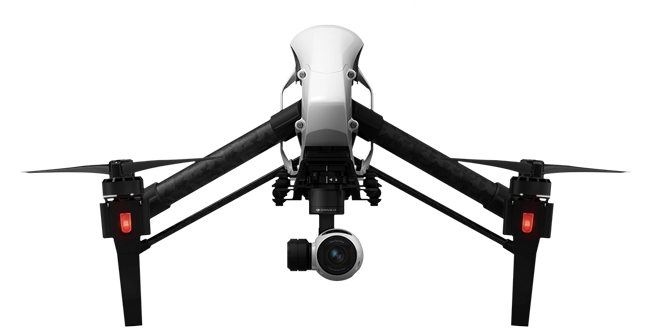
The DJI Inspire 1 came with a built-in camera that was pretty impressive for its time. It shoots in 4K, which means you get really sharp video. Plus, it can take 12-megapixel still photos. This camera was a big deal because it was integrated right into the drone, not something you had to buy and attach separately. It made the whole package feel more professional and ready to go.
Seamless 360-Degree Gimbal Rotation
One of the coolest things about the Inspire 1’s camera setup is the gimbal. It’s a 3-axis gimbal, which does a great job of keeping the camera steady, even when the drone is moving around. What’s really neat is that it can rotate a full 360 degrees. This means you can pan around and capture everything without having to move the whole drone. It’s like having a camera operator following you, but it’s all controlled from the ground. The landing gear also retracts, so it doesn’t get in the way of that wide view. This feature alone made it a step up for aerial filming.
Live HD Video Feed and Wireless Transmission
When you’re flying the Inspire 1, you get a live video feed sent back to your controller, usually displayed on a tablet or smartphone. This feed is in HD, so you can see exactly what the camera is seeing in real-time. It’s wireless, which is pretty convenient. This live view is super helpful for framing your shots and making sure you’re capturing the footage you want. You can even tap on the screen to adjust the exposure, which is a nice touch.
For those who want an even more professional setup, you could even hook up an external recorder via HDMI, though that feed was limited to 720p. It’s a solid system for getting a good look at your aerial perspective, making it easier to get the shots you need, whether for fun or for work. If you’re just starting out, checking out some beginner-friendly drones can help you get a feel for live feeds and controls before jumping into something like the Inspire 1. DJI Mini 4K is often recommended for newcomers.
Performance and Stability in Diverse Conditions
Handling Gusty Winds with Reserve Power
The DJI Inspire 1 was built with a robust frame and powerful motors, which really helps it push through less-than-ideal weather. Even when the wind picks up, it doesn’t feel like it’s going to get tossed around. You can feel a good amount of power there, ready to counteract gusts. It’s not a drone you want to fly in a hurricane, obviously, but for typical breezy days, it holds its own pretty well. This means you can get those shots even when it’s not perfectly calm.
Responsive and Predictable Flight Controls
When you’re flying the Inspire 1, the controls feel pretty direct. It responds to your commands without much delay. This is super important when you’re trying to get a specific shot or just want to move around a scene smoothly. It doesn’t feel twitchy, which is good. You can make small adjustments easily, and it generally does what you tell it to do. It makes flying feel more natural, even if you’re not a seasoned pilot.
GPS Mode for Unwavering Stability
Engaging GPS mode is where the Inspire 1 really shines in terms of stability. Once it locks onto satellites, it stays put. This is fantastic for hovering in place while you frame a shot or for getting smooth, cinematic footage. It’s like the drone has an anchor in the sky. This feature is a big deal for anyone serious about getting professional-looking aerial video. It makes a noticeable difference in the steadiness of the footage, especially when you’re not actively piloting it around.
While the Inspire 1 is known for its stability, especially in GPS mode, some users have noted a tendency for it to drift slightly in manual control modes compared to newer models. This is something to be aware of, though it’s often manageable with practice and by utilizing its advanced flight modes for more precise positioning.
Here’s a quick look at how it generally handles:
- Wind Resistance: Capable of handling moderate winds (up to 22 mph or 35 kph) without significant loss of control.
- Hover Accuracy (GPS Mode): Typically within 1-2 meters horizontally and 0.5 meters vertically.
- Control Responsiveness: Quick reaction to pilot inputs, allowing for precise maneuvers.
It’s worth remembering that older drones might not have the same level of refined flight stabilization as the latest models. However, the Inspire 1’s design and technology still provide a very solid and reliable flight experience for most common uses.
Comparing the DJI Inspire 1 to Other Drones
Inspire 1 vs. Phantom 3 Professional
When you start looking at high-end drone models, it’s natural to compare them. The DJI Inspire 1 and the Phantom 3 Professional were often put head-to-head, and for good reason. They represented different tiers of aerial photography, but both offered a lot for the money. The Phantom 3 Pro was generally the more budget-friendly option, making it a popular choice for many. However, the Inspire 1 brought some serious advancements to the table.
One of the biggest differences was the camera’s movement. The Inspire 1’s camera could rotate a full 360 degrees independently of the aircraft’s movement. This meant you could pan and tilt without the drone itself needing to turn, which is a huge deal for smooth cinematic shots. The Phantom 3, on the other hand, relied on the drone’s movement for panning, and you’d often see the rotor blades in the shot if you weren’t careful. Many Phantom users would fly backward just to avoid this.
Here’s a quick look at some key differences:
- Camera Gimbal: Inspire 1 offers 360° rotation; Phantom 3 is limited to tilt.
- Wind Resistance: Inspire 1 handles gusty winds much better due to its power.
- Camera Upgradeability: The Inspire 1’s camera can be upgraded, extending its lifespan.
- Price: The Inspire 1 was significantly more expensive, often double the cost of the Phantom 3 Pro.
The Inspire 1 was built with professional use in mind, offering features that made it a more versatile and long-term investment for serious aerial cinematographers. It felt like a step up in every way.
Advanced Flight Control Systems
Beyond just the camera, the Inspire 1 boasted a flight control system that was considered quite advanced for its time. Some reports suggested it was even more sophisticated than DJI’s own A2 flight controller, which was already a top-tier system. This translated into more stable flight, better responsiveness, and a generally more predictable flying experience, even in challenging conditions.
The integration of the Lightbridge system for live HD video feeds was also a major plus, providing a clear, real-time view of what the camera was seeing, which is vital for framing shots and safe operation. This level of integrated technology was a big part of what set the Inspire 1 apart from many other advanced drone features available at the time. If you’re looking for the best drone for your needs in 2025, it’s worth considering how these older, robust systems stack up against newer models for photographers.
Investment Value and Longevity
When you’re spending a good chunk of change on a drone, you want it to last. The Inspire 1 was designed with longevity in mind. The ability to upgrade the camera was a smart move, allowing users to keep pace with evolving imaging technology without needing to buy a whole new aircraft.
While the Phantom 3 was a great drone, the Inspire 1 felt like a more serious piece of equipment, built for the long haul. It was a significant investment, but one that paid off for professionals who relied on it for their work. It represented a leap forward in what affordable technology could achieve, and its robust design meant it could continue to be a capable tool for years to come.
The Inspire 1 as a Professional Tool
When the DJI Inspire 1 first came out, it really changed the game for people looking to get serious about aerial video and photography. It wasn’t just a toy; it was a proper piece of kit. Many folks who were already in the drone business scoffed because it was ready-to-fly and couldn’t carry just any camera, like a Blackmagic Pocket Cinema Camera. But that’s a bit of a narrow view, isn’t it? Production work comes in all shapes and sizes, and not everyone needs to spend a fortune building a custom rig.
Professional and Prosumer Applications
The Inspire 1 fit into a sweet spot. It offered a professional-level experience without the massive price tag of building a drone from scratch that could carry a cinema camera. Think about it: many producers were thrilled with what the Inspire 1 could do right out of the box. It opened doors for smaller businesses and independent filmmakers who needed high-quality aerial shots but couldn’t afford the top-tier systems. It was, and still is, a fantastic stepping stone into the world of professional aerial cinematography.
Addressing Compression Artifacts
Now, it wasn’t perfect, of course. If you looked really closely at the footage, especially with the default sharpness settings cranked up, you might notice some compression artifacts. This was particularly true in 4K mode, where the bitrate, while decent, wasn’t huge. Dialing down the sharpness helped, but sometimes those little visual glitches could still pop up. It’s a shame because it was a weak spot in an otherwise strong package. For most general edits, you probably wouldn’t even notice, but for some very specific professional uses, it could be a deal-breaker. It’s hard to say if a firmware update could fix something that might be tied to the hardware itself.
The Inspire 1 represented a significant leap in what affordable technology could achieve in the aerial space. Its integrated systems and ease of use made professional-quality results accessible to a wider range of users than ever before.
A Stepping Stone into Aerial Cinematography
For anyone serious about getting into aerial video, the Inspire 1 was a solid starting point. It provided a stable platform with a capable camera and a great live video feed. The ability to upgrade the camera down the line also meant it had some longevity. Compared to other options at the time, it offered a lot of bang for your buck, especially when you consider the advanced flight control systems and the integrated Lightbridge system that would cost a fortune separately. It really was a way to get professional results without needing to be an expert builder or pilot from day one. You could even download software like DJI Assistant 2 to help manage your drone’s settings and updates.
Here’s a quick look at how it stacked up conceptually:
- Integrated 4K Camera: Capable of capturing detailed footage.
- 360-Degree Gimbal: Allows for smooth, unobstructed camera movement.
- Live HD Feed: Provides real-time video preview for framing shots.
- Retractable Landing Gear: Ensures the camera has a clear, wide field of view.
While newer drones have come along, the Inspire 1’s design and capabilities still hold up for many professional tasks, making it a worthwhile consideration for those entering the field.
Considering the Inspire 1’s Future Relevance
Battery Life and Portability Concerns
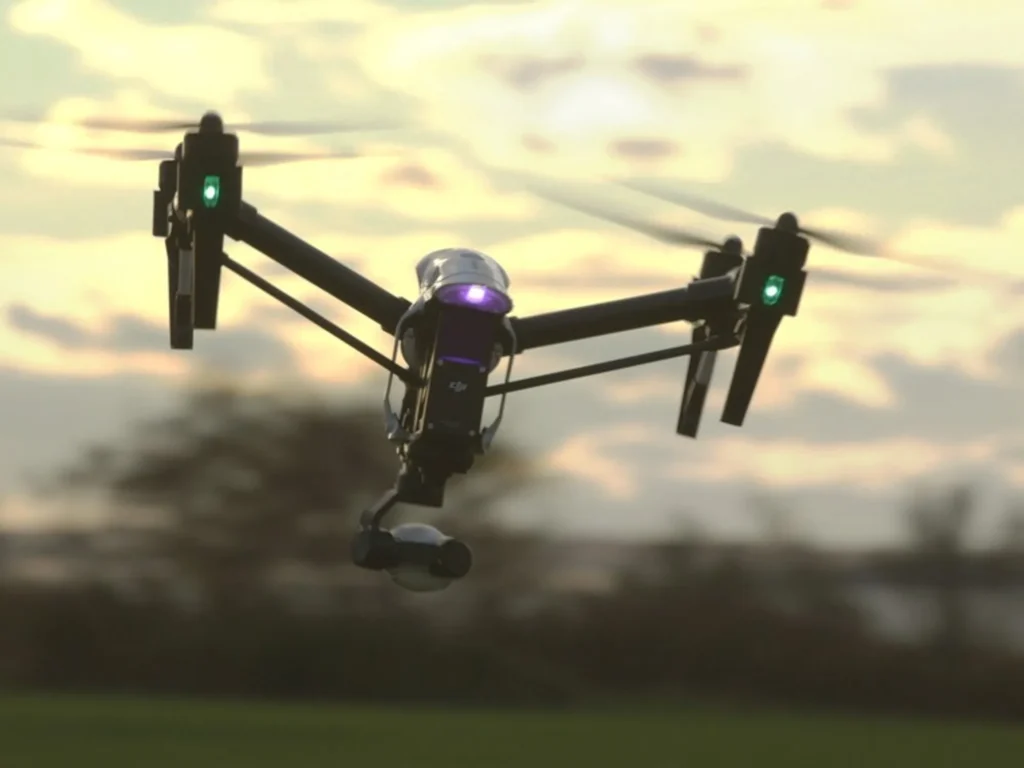
When the DJI Inspire 1 first came out, it felt like a game-changer. It was big, yes, but it had this presence, this professional feel. Now, though? Carrying that thing around, especially when you’ve got a lot of other gear, can feel like a real chore.
I’ve been out on job sites, sweating in the heat, and the whole process of unfolding it from travel mode and getting the camera attached just feels… tedious. And let’s not even start on battery life. If you’re doing anything that requires a lot of flight time, like mapping or complex waypoint missions, you’re going to be swapping batteries constantly. It’s not uncommon to need a whole bag of them, and honestly, that’s a hassle I could do without.
The Evolving Drone Market
The drone world moves fast, doesn’t it? It feels like every few months there’s something new and shiny. While the Inspire 1 was a powerhouse, newer models are packing more advanced tech. Some people are even talking about how DJI might not be pushing out new features or products for the Inspire 1 anymore. It’s a valid concern, especially when you look at how quickly things change. You have to wonder if sticking with older tech, even if it was top-tier once, makes sense long-term. It’s worth keeping an eye on what DJI and other companies are doing, especially with regulations changing too, which could affect DJI drone usage.
Long-Term Value and Technological Advancements
So, is the Inspire 1 still worth it? It’s a tough question. On one hand, it’s a solid piece of equipment that has paid for itself for many users. It was a big step for DJI into the prosumer space. But on the other hand, technology marches on. Newer drones might offer better battery life, more compact designs, or even compatibility with things like thermal cameras without needing expensive add-ons.
Here’s a quick look at some points people bring up:
- Battery Swapping: A common pain point for extended missions.
- Portability: It’s a large drone, not ideal for quick setups or tight spaces.
- Camera Options: Newer models might offer more flexibility or integrated advanced sensors.
- Software Updates: Concerns about continued support and new feature development.
The drone market is constantly shifting. What was cutting-edge a few years ago might be considered basic today. It’s about balancing current needs with future possibilities and understanding the total cost of ownership, including potential upgrades or replacements.
So, Is the Inspire 1 Still Worth It?
Look, the DJI Inspire 1 was a big deal when it came out. It really changed the game for anyone wanting pro-level aerial shots without a massive budget. It flies well, handles wind like a champ, and that transforming design is still pretty cool to watch. For its time, it was a solid piece of tech that made people feel like pros. But let’s be real, the drone world moves fast.
Newer models offer more features, better battery life, and are generally easier to haul around. While the Inspire 1 might have paid for itself for some users, it’s tough to recommend it as a brand-new purchase today unless you find a killer deal. It’s a classic, for sure, but maybe one best left to collectors or those who know exactly what they need and can get it for a song.
Frequently Asked Questions
What makes the DJI Inspire 1 special?
The Inspire 1 was a big deal because it came with its own camera built right in, which was pretty new for drones back then. It also had cool features like landing gear that retracted, a camera that could spin all the way around, and a way for two people to control it – one flying and one filming. It made flying feel really professional, even if you weren’t a pro.
Is the Inspire 1 easy to fly?
Yes, for the most part! Even beginners can get the hang of it, especially since it has modes that help you out, like GPS mode that keeps it steady in the air. It feels really stable and controlled, even when the wind picks up. It’s way easier to fly than the smaller toy drones.
How good is the camera on the Inspire 1?
The Inspire 1 has a camera that can shoot video in 4K and take 12-megapixel photos. A really neat thing is that the camera is on a gimbal that can turn 360 degrees, so it can capture everything around it without the drone itself having to move. You can also see what the camera sees in HD on your phone or tablet.
How does the Inspire 1 compare to other drones like the Phantom 3?
The Inspire 1 is generally more powerful and handles wind better than the Phantom 3. Its camera can spin a full 360 degrees, which the Phantom 3 can’t do. However, the Inspire 1 was also more expensive. Think of the Inspire 1 as a more advanced tool for serious filming, while the Phantom 3 was a great option for many people too.
Can the Inspire 1 still be useful for professional work today?
While newer drones have come out, the Inspire 1 can still be a good tool for some jobs, especially if you got it for a good price. It’s great for aerial filming and photography. However, things like battery life and its overall size might be a bit of a hassle compared to newer, more portable drones.
What are the main drawbacks of the Inspire 1 now?
Some of the main things people mention are the battery life, which isn’t as long as some newer drones, and its size, which can make it a bit bulky to carry around. Also, the camera technology has advanced a lot, so while it’s good, it might not match the very latest cameras in terms of image quality or features like thermal imaging.