
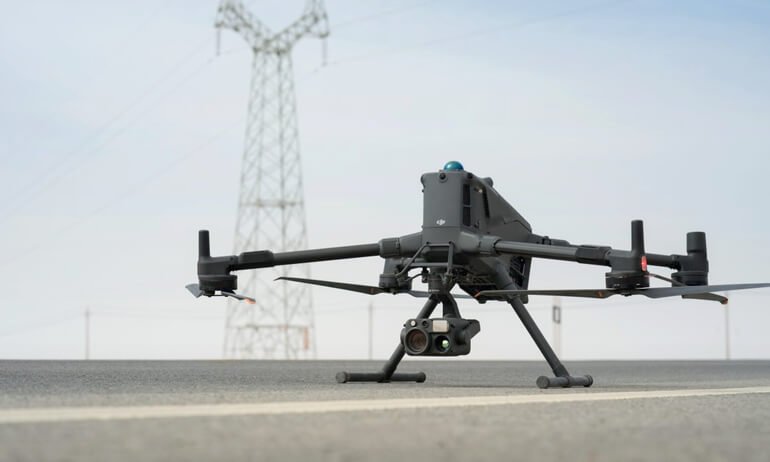
DJI Matrice 400: What’s New?

So, DJI dropped a new firmware update for the DJI Matrice 400, and it’s actually pretty significant. It’s not just a minor tweak; this update brings some serious upgrades that can really change how people use these drones for work. Whether you’re inspecting power lines, mapping out areas, or doing some fancy filming, there’s a lot to check out here. Let’s break down what’s new with the DJI Matrice 400.
Key Takeaways
- The DJI Matrice 400 now has better ways to see what’s going on around it, like showing two camera views at once. This helps pilots make quicker, safer choices when flying.
- You can now set up automated patrol routes for the DJI Matrice 400. It can follow paths, spot problems, and send alerts, making jobs more proactive.
- New payload options are supported, including the Zenmuse L3. Plus, it can now capture video while following power lines with certain camera setups, which is a big help for inspections.
- The way you control and see flight info has been improved. The screen shows more details about sensors and makes it easier to align the drone with the camera.
- Connectivity and battery charging are also getting upgrades. There’s better relay mode support, more options for cellular connections, and faster charging for the batteries.
DJI Matrice 400 Enhanced Situational Awareness
The DJI Matrice 400 really steps up its game when it comes to helping pilots see what’s going on around them. This professional aerial platform is built with advanced drone solutions that give you a much clearer picture of your surroundings, making flights safer and more productive. It’s not just about flying; it’s about flying with confidence.
Hybrid View Capabilities
One of the coolest new features is the ability to see multiple camera feeds at once. You can now view things side-by-side, like a regular camera feed next to an FPV (First-Person View) camera. Or, if you’re doing detailed mapping, you can even see a 3D point cloud overlay alongside the FPV. This means you get a better sense of where you are and what’s around you, which is super helpful when you’re flying in complex areas.
Improved Spatial Awareness
With these new viewing options, your spatial awareness gets a big boost. Knowing exactly where the drone is in relation to obstacles, like buildings or power lines, is key. The Matrice 400 uses a combination of sensors, including LiDAR and radar, to build a detailed picture of the environment. This helps prevent accidents and allows for more precise maneuvering, especially in tricky spots. You can even get real-time terrain following, so the drone stays at a consistent height above the ground, even if the terrain changes.
Safer Mission Execution
Ultimately, all these improvements lead to safer missions. When pilots have better information, they can make better decisions. The enhanced situational awareness means fewer surprises and a reduced risk of incidents. This is particularly important for critical infrastructure inspections or search and rescue operations where every second counts and mistakes can have serious consequences. The drone’s obstacle sensing suite is quite advanced, allowing it to navigate safely around obstacles at high speeds.
The integration of multiple sensor types and advanced display options on the Matrice 400 provides pilots with an unprecedented level of environmental understanding. This allows for more confident operation in challenging conditions and reduces the cognitive load on the operator, leading to more efficient and secure flight planning and execution.
DJI Matrice 400 Patrol Route Automation
This drone really steps up its game when it comes to automating patrol routes. It’s not just about flying a pre-set path anymore; it’s about making those routes smarter and more useful for specific jobs. Think about monitoring long stretches of power lines or checking the perimeter of a large industrial site. The Matrice 400 can now handle these tasks with a lot more intelligence built-in.
Automated Smart-Detection Paths
The big news here is the ability to program routes that actively look for things. You can set up the drone to follow a specific path, like along a fence line or a pipeline, and have it automatically detect any changes or anomalies. This is a huge step up from just recording video. It means the drone can actively scan for issues, like a breach in a fence or a leak, and flag it for you. This makes operations much more proactive, moving away from just reacting to problems after they’ve happened. It’s like having a vigilant digital guard.
Proactive Alerting Systems
When the drone detects something out of the ordinary on its patrol, it doesn’t just keep flying. The system is designed to trigger alerts immediately. This could be a notification sent to the operator’s controller or even pushed to a ground station system. For time-sensitive situations, like security breaches or environmental hazards, this rapid alerting is incredibly important. It cuts down the time it takes to respond, which can make a real difference in critical scenarios. You can set up custom detection parameters, so it’s not just a generic alert, but something specific to the potential issue.
Enhanced Infrastructure Monitoring
This automation is particularly useful for monitoring critical infrastructure. Imagine a wind farm or a solar array. The Matrice 400 can be programmed to fly specific patterns around each turbine or panel, looking for visual or thermal irregularities. It can identify potential damage, overheating components, or other issues that might not be visible from the ground. This kind of detailed, automated inspection can save a lot of time and resources compared to traditional methods. Plus, with features like AR overlays showing power lines, it makes complex inspections much clearer.
The ability to automate complex patrol routes with integrated detection and alerting transforms the drone from a simple flying camera into an active monitoring tool. This shift allows for more efficient use of resources and faster response times to critical events.
DJI Matrice 400 Payload Integration Advancements
Zenmuse L3 Payload Support
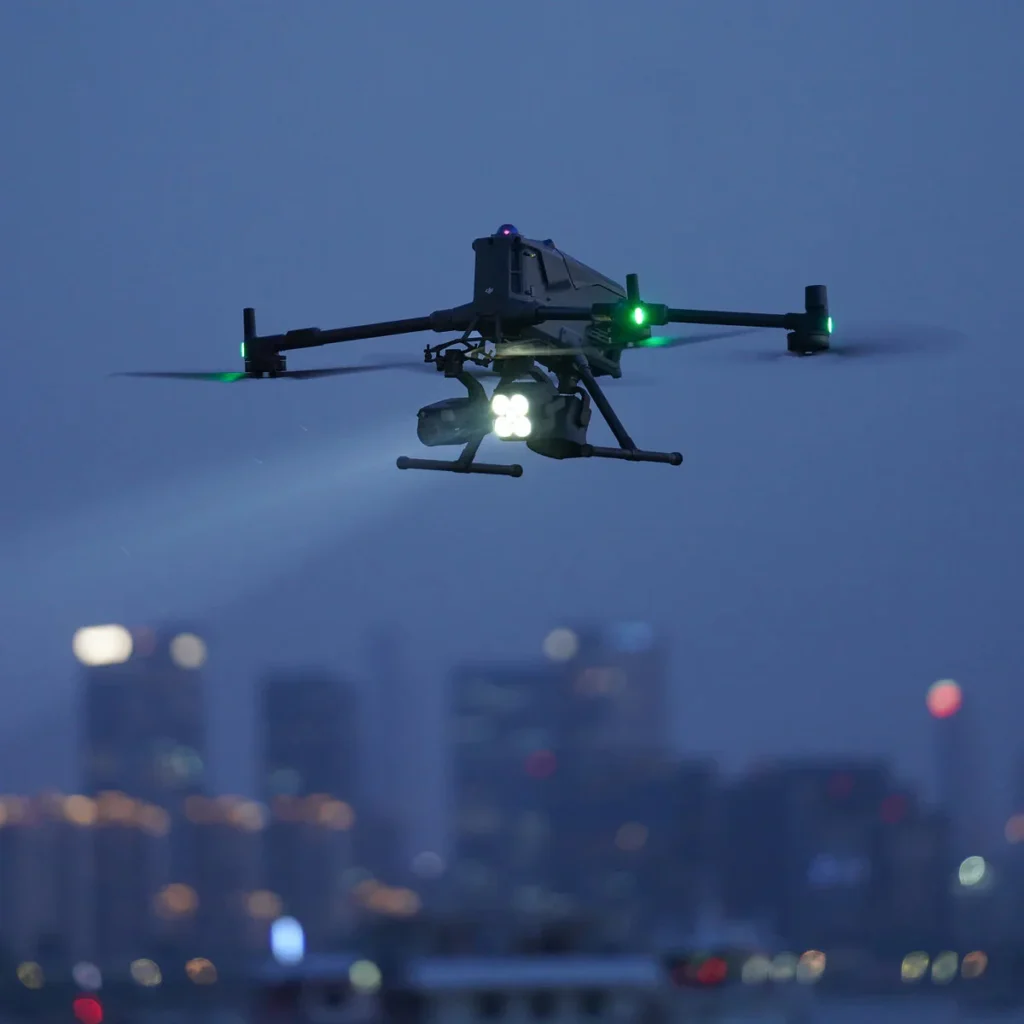
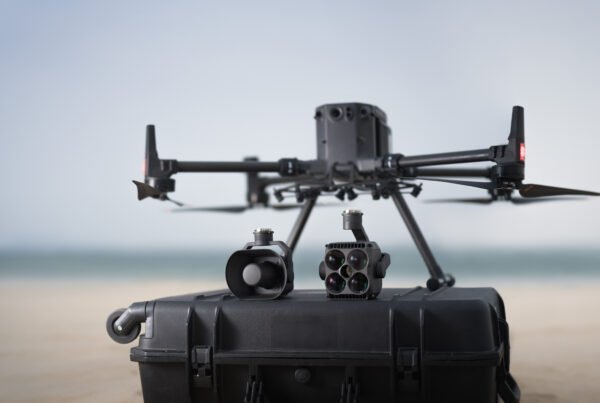
The Matrice 400 is built to be a workhorse, and a big part of that is how it handles different tools. DJI has made it easier to swap out and use specialized gear. For instance, it now plays nice with the Zenmuse L3 payload. This means you can attach this advanced camera system and get some really detailed shots, especially for things like mapping or inspections where you need super clear images. It’s designed to work smoothly, so you’re not fiddling with settings when you should be flying.
Power-Line Follow With H30 Series
This is a pretty neat trick for anyone working with power lines. If you’re using the Matrice 400 with the H30 series camera, it can now keep itself aligned with power lines while you’re actively taking photos or videos. Before, you might have had to stop the follow mode to capture images, which could be a hassle. Now, it’s all integrated. You can stay focused on the inspection task, and the drone handles the tricky part of staying on track and getting the shots you need. It really speeds things up for utility work.
Seamless Imaging During Flight
This drone is a serious heavy lift drone for industry, and it needs to be able to capture data without interruption. The Matrice 400 is designed so that you can switch between different cameras or sensors, or even start and stop recording, without having to land. This is huge for long missions or when you’re covering a lot of ground.
Think about mapping a large area or surveying a long stretch of pipeline – you don’t want to have to land just to change a setting or start a new recording. The system is set up to handle these transitions smoothly, keeping your data collection going without missing a beat. It’s all about making the workflow as efficient as possible, so you get the job done faster and with less fuss.
- Modular Design: Easily swap between various DJI Zenmuse payloads like the L2 for LiDAR or the H30 series for advanced visual and thermal imaging.
- Multiple Gimbal Ports: Supports single, dual, or even a third gimbal for complex multi-sensor setups.
- E-Port V2 Interfaces: Allows for the simultaneous operation of up to seven payloads, including third-party devices and onboard computers.
The ability to integrate and use a wide array of specialized tools directly on the drone platform significantly broadens the types of missions the Matrice 400 can handle. This flexibility means fewer specialized aircraft are needed, reducing costs and simplifying operations for businesses.
DJI Matrice 400 Navigation and Control Enhancements
Flying the Matrice 400 just got a whole lot smarter, and honestly, a lot less stressful. DJI has really put some thought into how pilots interact with the drone, making things more intuitive and safer. It feels like they’ve listened to what people actually need out in the field.
Richer Navigation Display Features
So, the screen you’re looking at while flying? It’s way more informative now. You get to see more details about what the drone is up to, which is pretty handy. This means fewer surprises and more control, especially when you’re dealing with tricky situations. It’s not just about seeing where you’re going, but understanding the drone’s status at a glance. For anyone new to flying, understanding the basics of drone controls is important, and a clear display helps a lot with that DJI Mini 4K.
Real-Time Sensor Status
This is a big one for me. Before, you kind of hoped all the sensors were working perfectly. Now, the Matrice 400 shows you exactly what’s up with its obstacle sensing. You can see if a sensor is partially blocked or not working at full capacity, right there on the display. It’s like having a mechanic tell you your tire pressure before you hit the highway. This visual feedback helps you manage risks way better.
Here’s a quick look at what you might see:
- Green: Sensor fully operational.
- Yellow: Sensor partially obstructed or performance reduced.
- Red: Sensor not operational or critical issue detected.
This level of detail means you can make informed decisions about continuing a mission or adjusting your flight path before a minor issue becomes a major problem. It’s all about proactive safety.
Smart Gimbal Alignment
Ever struggled to get the camera pointed exactly where you want it, especially when the drone itself is moving? The Matrice 400 now has a neat trick: it can align the aircraft’s body with the gimbal’s orientation. This makes getting those specific shots or angles much easier. Instead of fighting the drone’s movement, you can let it sync up with the camera, saving you time and a lot of fiddling around. It’s a small change that makes a big difference in getting the job done efficiently.
DJI Matrice 400 Ecosystem and Connectivity
The DJI Matrice 400 isn’t just a drone; it’s a connected hub designed to work with a wider system. This DJI enterprise drone really shines when it comes to how it talks to other devices and software, making complex jobs much more manageable. Its connectivity options are a big step up for the Matrice series capabilities.
Extended Relay Mode Support
Ever had a drone lose signal because of a tall building or a mountain range? The Matrice 400 has a neat trick for that. It can act as a relay station in the air. This means one drone can stay up high, passing the signal along to another drone that might be in a tricky spot, like behind a hill or in a dense urban canyon. This keeps your connection solid over longer distances or in areas where signals usually get blocked. It’s pretty handy for keeping eyes on target without worrying about dropping the feed.
Cellular Redundancy Options
When you’re out in the field, a stable connection is everything. The Matrice 400 gets this. It supports dual DJI Cellular Dongle 2 modules. What this does is let the drone automatically switch between different cellular carriers. If one signal gets weak or drops, it just hops to another one that’s stronger. This automatic switching helps maintain the most reliable link possible, which is super important for mission continuity.
Third-Party Algorithm Model Integration
This is where things get really interesting for custom jobs. The Matrice 400 is built to be open. It supports integration with third-party algorithm models. This means developers and businesses can load their own custom software onto the drone. Think about specialized object detection for specific industrial equipment or unique mapping algorithms tailored to a particular project. It opens up a lot of possibilities for specialized applications that weren’t possible before.
The ability to integrate custom algorithms means the Matrice 400 can be adapted for very specific tasks. Instead of relying solely on what DJI provides, users can bring their own specialized software to the drone, making it a truly versatile tool for niche industries or unique operational needs. This flexibility is a game-changer for advanced drone deployments.
DJI Matrice 400 Ruggedness and Reliability
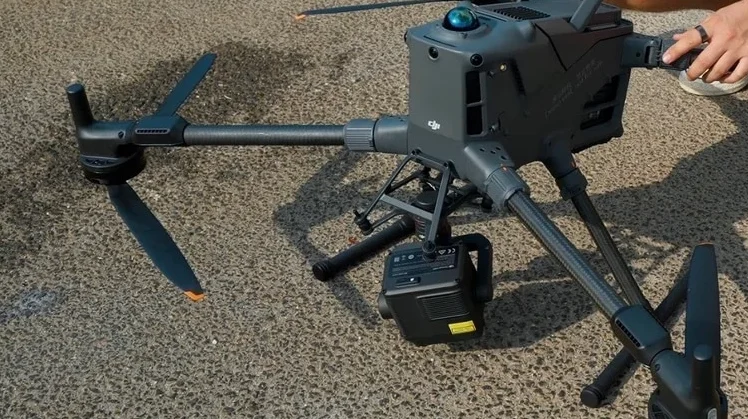
When you’re out in the field, especially for critical tasks, you need equipment that won’t quit. The DJI Matrice 400 is built tough, designed to handle some pretty rough conditions. It’s got an IP55 rating, meaning it can handle dust and water spray without breaking a sweat. This isn’t just a number; it means you can fly it in light rain or dusty areas without worrying too much. Plus, it’s rated to work in temperatures ranging from a chilly -20°C all the way up to a hot 50°C. So, whether it’s a freezing morning or a sweltering afternoon, this drone should keep going.
IP55 Weather Resistance
This rating is pretty standard for professional gear, but it’s good to know what it actually means. IP55 protection signifies that the drone is shielded from dust ingress that could be harmful and is protected against water jets projected from any direction. This level of defense is suitable for operations in environments with moderate dust or during light precipitation. It’s not meant for a downpour, but for typical challenging outdoor conditions, it offers a solid layer of protection.
Wide Operating Temperature Range
Operating a drone in extreme heat or cold can be tricky. Batteries lose power faster, and electronics can struggle. The Matrice 400’s ability to function between -20°C and 50°C (-4°F to 122°F) is a big deal for year-round use. This wide range means you’re not limited by the seasons when planning your missions. Think about tasks like infrastructure inspection in winter or search and rescue in summer – this drone is designed to be ready.
Advanced Obstacle Sensing Suite
Flying safely around obstacles is key, especially in complex areas. The Matrice 400 uses a combination of sensors to see its surroundings. It has rotating LiDAR, mmWave radar, and low-light fisheye cameras. This setup is good at spotting even small things, like thin power lines, which can be hard to see, especially when visibility isn’t great due to fog, rain, or darkness. This advanced sensing helps prevent accidents and allows for more confident flight through tricky spots, like dense cityscapes or uneven terrain. It’s like giving the drone a really good set of eyes.
The combination of robust construction and sophisticated sensing technology means the Matrice 400 is engineered for reliability. It’s built to keep flying when other drones might struggle, making it a dependable tool for professionals who can’t afford downtime.
This drone is built to handle tough jobs. Its ability to withstand various weather conditions and operate across a broad temperature spectrum, coupled with its advanced obstacle avoidance, makes it a reliable choice for demanding professional tasks. You can find more details on its weather resistance and how it compares to other models on the DJI Matrice 400 page.
DJI Matrice 400 Battery System Upgrades
When you’re out in the field, especially on those long days, keeping your drone powered up is a big deal. DJI knows this, and they’ve put some thought into the battery system for the Matrice 400. It’s not just about having more batteries; it’s about how you manage them and how quickly you can get back in the air.
BS100 Battery Station Turbo Mode
The BS100 Battery Station got a nice little upgrade. Now, it has a “Turbo Mode.” This means you can crank up the charging speed when you’re in a hurry. Think about those critical missions where every minute counts. You can also dial it back if you’re not in a rush, which is probably better for the battery’s long-term health. It gives you options, which is always good.
Adjustable Charging Power
Following on from the Turbo Mode, you can actually adjust how much power the station uses for charging. This is pretty neat. If you’ve got a whole fleet of drones to manage, you can set the charging rates to fit your schedule and your power availability. It’s a way to be smarter about how you manage your energy resources, especially if you’re running a large operation. You can find more details about the M400 bundle which includes this charging system.
Optimized Fleet Operations
All these battery upgrades really boil down to making your fleet operations smoother. Faster charging means less downtime. Being able to adjust power means you can manage your energy use better. It all adds up to more efficient missions and less hassle keeping your drones ready to go. It’s about making sure the drone is ready when you are, not the other way around.
Keeping your drones in the air longer and getting them back up faster is a big part of professional drone work. These battery system improvements on the Matrice 400 are designed to help with exactly that, making sure you can complete your tasks without being held back by power limitations.
Wrapping It Up
So, what’s the takeaway here? This latest update for the DJI Matrice 400 isn’t just a small tweak; it’s a pretty big deal for anyone serious about using drones for work. Adding those new camera views makes flying feel safer and gives you a better sense of what’s around you, which is huge when you’re dealing with tricky spots.
Plus, the automated patrol routes mean the drone can keep an eye on things without you having to constantly steer it. And for those working with power lines, the new integration is a real time-saver. It seems like DJI is really listening and making this platform even more useful for all sorts of jobs. If you’ve been on the fence about upgrading or getting a Matrice 400, now might be the perfect time to check it out and see how it can help your projects.
Frequently Asked Questions
What’s new with the DJI Matrice 400’s cameras and viewing?
The new Matrice 400 lets you see more at once! You can now view a regular camera feed and the first-person view (FPV) side-by-side. It can also show a 3D map view with the FPV feed. This helps pilots understand their surroundings better and fly more safely, especially around tricky spots.
Can the Matrice 400 fly itself on patrol routes?
Yes, it can! You can now set up the drone to automatically follow specific paths, like checking power lines or a building’s perimeter. If it spots anything unusual, it can send an alert. This makes checking important areas much easier and more proactive.
Does the Matrice 400 work with the new Zenmuse L3 camera?
Absolutely. The Matrice 400 now supports the Zenmuse L3 camera. This means you can use it with newer, more advanced cameras for detailed inspections and surveys, and it’s ready for future upgrades.
How does the Matrice 400 handle bad weather and tough conditions?
This drone is built tough. It can handle dust and water splashes (IP55 rating), so light rain or dusty air isn’t a problem. It can also work in a wide range of temperatures, from very cold to quite hot, making it reliable for year-round use.
What improvements have been made to the battery system?
The battery station for the Matrice 400 now has a ‘Turbo’ mode that lets you charge batteries faster when you’re in a hurry. You can also adjust how much power it uses for charging, which can help keep the batteries in good shape for longer.
Can the Matrice 400 connect with other systems or custom software?
Yes, it’s more connected now. It supports extended relay modes for better communication range, and you can use cellular connections with backup options for a more stable signal. Plus, it can now use custom software and analysis tools made by other companies, making it very flexible for specific jobs.