
US Army Tests Bullfrog Counter-Drone Turret on Abrams Tank and Bradley IFV for Combat Defense

So, the US Army is messing around with a new gadget called the Bullfrog counter-drone turret. They’re sticking it on Abrams tanks and Bradley fighting vehicles, which is pretty interesting. Basically, they’re trying to figure out if this thing can help protect their tanks and troop carriers from all those pesky drones flying around these days. It’s a big deal because, you know, drones are everywhere now, and they can be a real pain in the neck for armored units. This whole test is about seeing if this Bullfrog system can actually do the job when it comes to counter drone defense.
Key Takeaways
- The US Army is testing the Bullfrog counter-drone system on Abrams tanks and Bradley IFVs to see how well it works for defense.
- This new system aims to help armored vehicles fight off small drones, which are becoming a bigger problem on the battlefield.
- The Bullfrog system is designed to be lightweight and can be fitted onto existing vehicles without major changes.
- It’s meant to work alongside other protection systems, giving tanks and Bradleys an extra layer of defense against drone threats.
- This testing shows the Army is looking for new ways to keep its ground forces safe from the growing number of drones being used.
Evaluating Counter Drone Capabilities on Armored Platforms
Integration onto Abrams and Bradleys
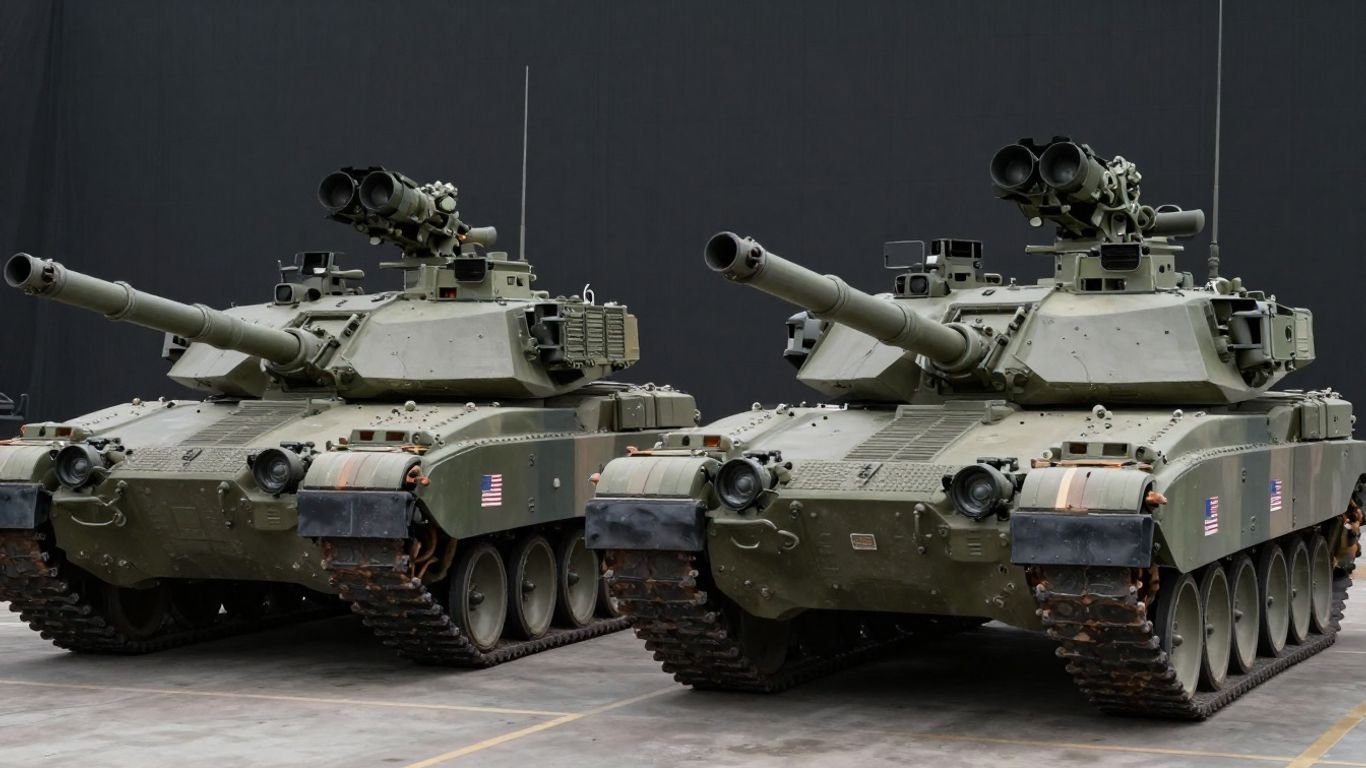
The U.S. Army is currently looking at how to fit new anti-UAV technology testing onto its main fighting vehicles. We’re talking about the Abrams tank and the Bradley Fighting Vehicle here. The goal is to see if systems like the Bullfrog can be added without messing up how these tanks and IFVs already work. Photos show the Bullfrog mounted on the back of a Bradley and on top of an Abrams turret.
It looks like they can be put on without huge changes, clearing the way for existing sights and hatches. This is a big deal because it means these armored workhorses could get their own drone defense. It’s all about making sure our frontline armor can handle the growing threat from small, cheap drones seen in places like Ukraine. This is a concrete step to shield frontline armor from this evolving threat.
Addressing Legacy System Limitations
Most older weapon systems on Army vehicles were built to fight people on the ground or lightly armored vehicles. They weren’t really designed to track and hit small drones that can zip around and even come straight down from above. That’s where systems like Bullfrog come in. They’re designed with better elevation to look up and track those aerial threats. The Army is checking if this Bullfrog system can be a simple add-on kit that regular units can install and keep running without too much fuss. It’s a move away from relying solely on bigger, centralized air defense systems and towards giving individual vehicles their own protection. This is part of a larger effort to improve NATO’s air defense capabilities.
Assessing Field Deployability
Beyond just fitting the system, the Army is figuring out how well it actually works compared to the standard machine guns on vehicles. The Bullfrog system uses a .50 caliber weapon, but it’s hooked up with sensors and software that can spot, identify, and take down different types of drones. It can even work on its own or with some help from the crew, which means less time for the crew to be exposed.
When you’re dealing with drones used as flying bombs, speed is everything. An automated turret that’s already tracking a target will react way faster than a gunner trying to manually aim. The Army wants to see if these Abrams tank drone countermeasures can be deployed easily in the field, supporting a strategy of spreading out defenses rather than concentrating them in a few spots. The system, when unloaded, weighs about 75 kilograms, which shouldn’t slow down the vehicles too much. This fits with the Army’s idea of using mobile platforms as part of a decentralized air defense network right on the front lines.
The widespread use of low-cost drones in recent conflicts has shown they can be used like airborne IEDs against even heavily protected vehicles. The Army is now looking at vehicle-level responses to this threat, moving beyond just brigade-level solutions.
Bullfrog System’s Technical Specifications for Counter Drone Warfare
Weaponry and Engagement Range
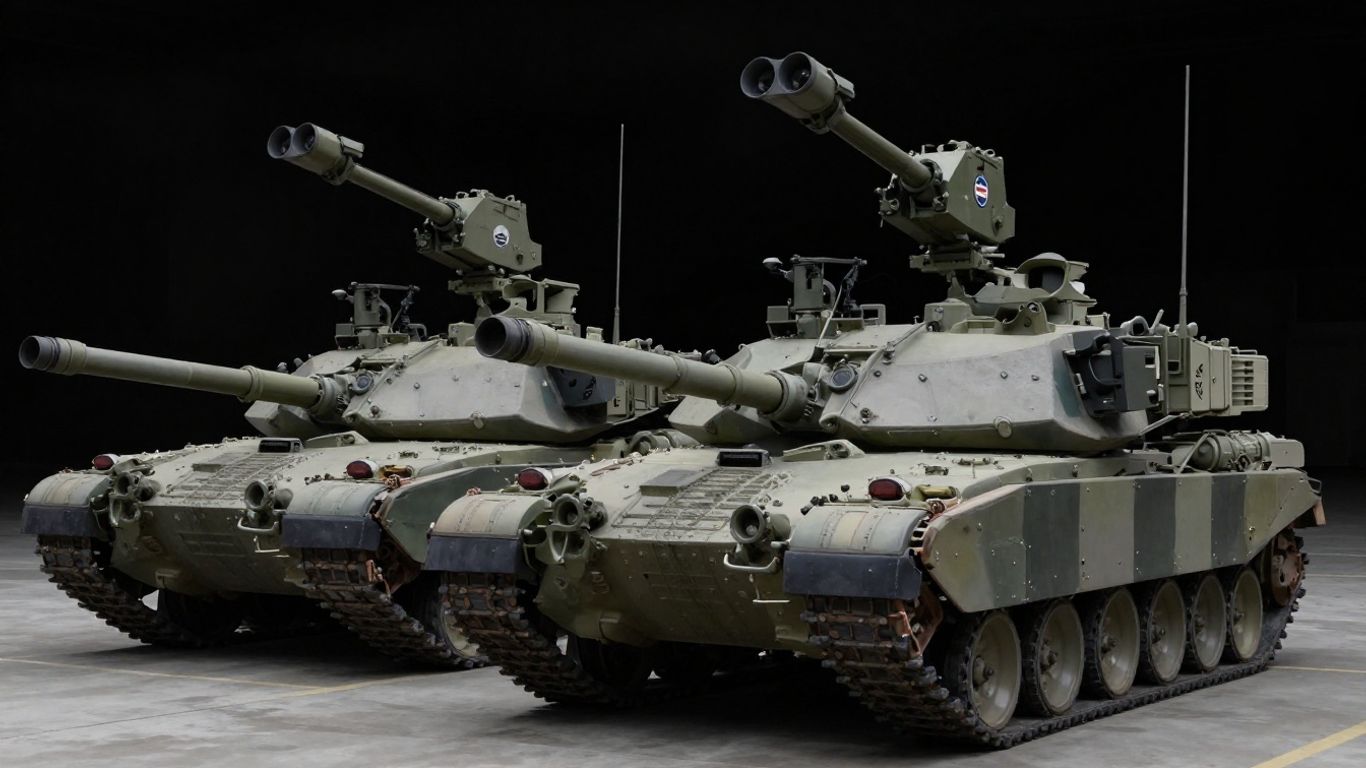
The Bullfrog system is built around a 12.7 mm machine gun, capable of firing around 600 rounds per minute. While this is the primary weapon, the system is flexible and can be fitted with other options like a 7.62 mm M240 or even an M134 Minigun if needed. Its effective range for taking down small drones is estimated to be about 1,500 meters. This makes it a short-range defense solution, but a pretty potent one for its size.
Automated Detection and Classification
What really sets Bullfrog apart is its smarts. It’s not just a gun on a turret; it’s got sensors and software designed to spot, identify, and then track unmanned aerial systems. This means it can pick out drones from other things in the sky, which is a big deal when you’re dealing with a lot of aerial clutter. It’s built to handle everything from small hobbyist drones up to larger military-grade ones.
Operational Modes for Enhanced Crew Performance
Bullfrog offers a few ways to work, making life easier for the tank or Bradley crew. It can run in semi-autonomous mode, where the system suggests targets, or go fully autonomous, handling threats on its own. This is a huge plus because it means the crew doesn’t have to constantly man the controls, freeing them up to focus on other battlefield tasks.
- Semi-Autonomous Mode: The system detects and tracks, then alerts the crew for engagement approval.
- Autonomous Mode: The system detects, tracks, and engages threats automatically.
- Manual Mode: Traditional operation where the crew directly controls the weapon system.
The system’s ability to automatically detect and engage threats is key. It cuts down reaction time significantly, which is vital when dealing with fast-moving drone threats. This automation helps reduce the crew’s workload and exposure to danger.
Strategic Implications of Vehicle-Based Counter Drone Defense
Adapting to Evolving Drone Threats
The battlefield is changing, and fast. We’re seeing drones used in ways we haven’t before, almost like flying IEDs. This means our armored vehicles, like the Abrams and Bradleys, need their own way to deal with these aerial threats. It’s not just about big, expensive drones anymore; it’s about the swarms of smaller, cheaper ones that can pop up anywhere. The Army is looking at systems like Bullfrog because they offer a way to fight back at the vehicle level, not just relying on bigger air defense units. This is a big shift in how we think about protecting our tanks and fighting vehicles.
Decentralized Air Defense Doctrine
Instead of having a few big air defense systems, the Army is moving towards a more spread-out approach. Think of it like having many small defenders instead of one big one. This means our tanks and Bradleys can act as part of a wider air defense network. The Bullfrog system, being relatively light and mountable on existing platforms, fits right into this idea. It allows for rapid deployment and gives units more freedom to move without always needing external air cover. This decentralized model means that even if one part of the defense is overwhelmed, others can still operate.
Lessons from Battlefield Deployments
What’s happening in places like Ukraine and the Middle East is a wake-up call. We’ve seen how effective even simple drones can be against heavily armored vehicles. These real-world examples are directly influencing how the Army is testing new gear. The focus is on practical solutions that can be added to current vehicles, like the Bradley IFV aerial threat defense, without a complete overhaul. It’s about learning from what’s happening now and making sure our forces are ready for what’s next. The goal is to give crews the tools they need to handle threats they might face tomorrow.
Here’s a quick look at how this fits into the bigger picture:
- Immediate Threat Response: Vehicle-mounted systems can react faster to low-flying drones.
- Reduced Reliance on Echeloned Defense: Frontline units gain organic protection, lessening the burden on dedicated air defense assets.
- Increased Survivability: Adding drone defense capabilities directly improves the chances of survival for Abrams tanks and Bradley IFVs.
- Force Multiplier: A networked approach to drone defense allows smaller units to cover larger areas and respond more effectively.
The integration of drone defense systems for military vehicles is no longer a distant concept but a present necessity. Battlefield observations highlight the vulnerability of even heavily protected platforms to unmanned aerial systems, driving the need for organic, responsive countermeasures. This evolution in tactical thinking aims to provide armored formations with greater autonomy and resilience in contested airspace.
The Bullfrog System’s Role in Modern Counter Drone Strategies
Complementing Existing Protection Suites
The battlefield is changing, and drones are a big part of that. Armored vehicles like the Abrams and Bradleys already have systems to stop rockets and missiles, but those weren’t really built for the small, buzzing things that can come at you from the sky these days. The Bullfrog system aims to fill that gap, giving these tanks and fighting vehicles their own way to deal with drone threats. It’s not meant to replace the heavy-duty protection systems already in place, but rather to work alongside them. Think of it as adding another layer of defense, specifically designed for the new kinds of dangers we’re seeing.
Closing Capability Gaps Against Small Drones
Older weapon stations on vehicles were mostly set up to fight soldiers on the ground or lightly armored vehicles. They often lack the high angle needed to hit drones that can hover or descend almost straight down. The Bullfrog, however, is designed with that in mind. It can point much higher, which is a big deal when you’re trying to track something small and agile in the air.
This system uses a 12.7 mm machine gun, capable of firing around 600 rounds per minute, and it’s integrated with sensors and software to spot, identify, and take down drones. It’s effective out to about 1,500 meters, giving vehicles a local defense zone against these aerial threats. This is a significant step up from relying solely on the gunner’s eyes and reaction time, especially when dealing with threats like loitering munitions where every second counts. The Army is looking at this as a way to give units more control over their immediate airspace.
Potential for Allied Platform Adaptation
One of the interesting things about the Bullfrog is its relatively light weight, around 165 pounds. This makes it a good candidate for being fitted onto a variety of platforms, not just U.S. Army vehicles. The idea is that allied forces could also adapt this system to their own armored vehicles, tanks, and even troop carriers. This could mean a more unified approach to drone defense across different countries’ forces. It’s about making sure that mechanized units, whether they’re American or from a partner nation, have a better chance of surviving and operating freely in areas where drones are a constant problem. The system is still in testing, but the potential for wider use is definitely there.
The battlefield is evolving rapidly, and the proliferation of small, low-cost drones presents a unique challenge to traditional armored formations. Systems like Bullfrog represent a necessary adaptation, providing organic, platform-level defense that complements existing protection measures and allows ground forces to maintain freedom of maneuver in increasingly contested airspace.
Here’s a quick look at what the Bullfrog brings to the table:
- Automated Detection: Sensors and software work together to find potential drone threats.
- Target Classification: The system can identify what it’s seeing, distinguishing drones from other objects.
- Automated Engagement: Once a threat is identified, the system can engage it with minimal crew input, reducing reaction time.
- Steep Elevation Capability: Designed to track and engage drones from high angles, a common requirement for counter-UAS operations.
While the Bullfrog is still undergoing evaluation, its integration onto platforms like the RQ-11 Raven highlights the Army’s commitment to addressing the drone threat at the vehicle level. This move away from relying solely on larger, centralized air defense assets towards a more distributed approach is a key development in modern counter-drone strategies.
Future Outlook for Counter Drone Systems on Ground Vehicles
From Prototyping to Program of Record
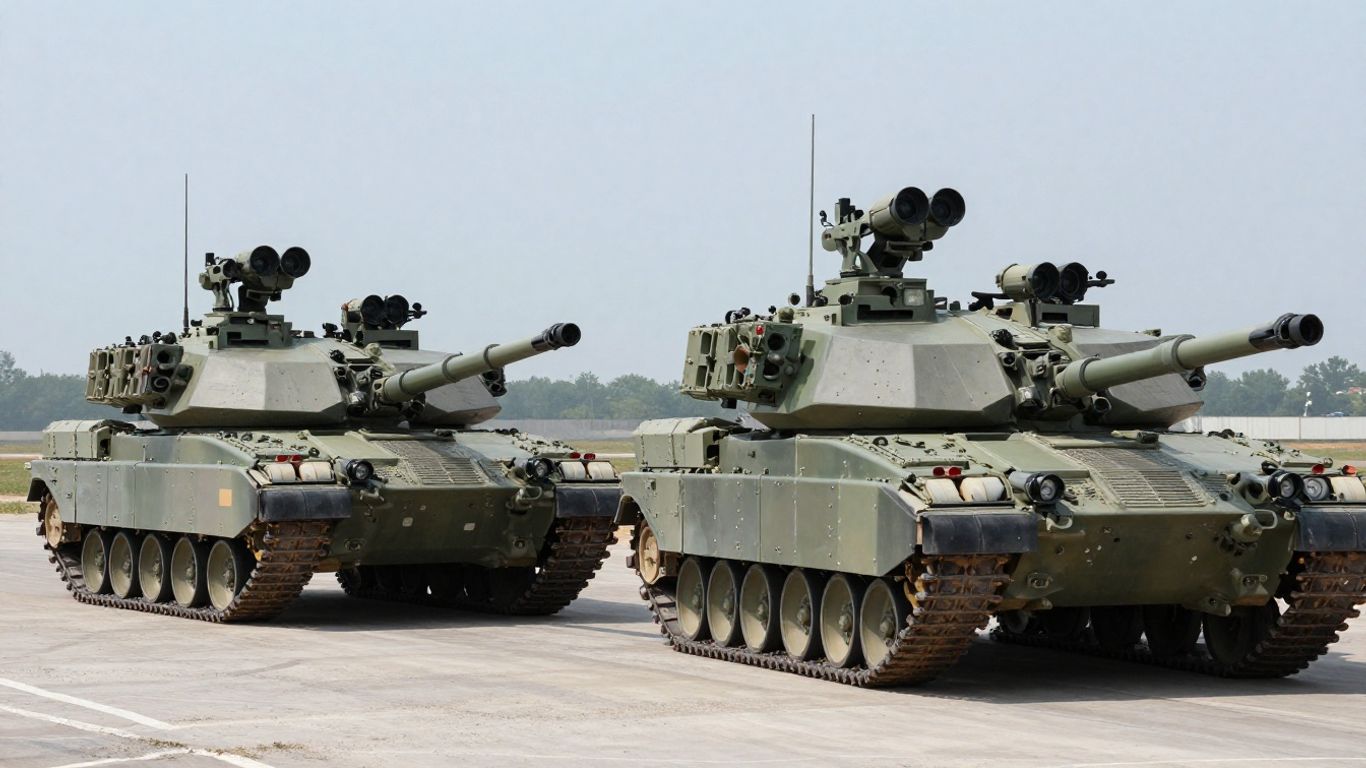
The current testing of systems like Bullfrog on Abrams tanks and Bradley IFVs marks a significant shift. It’s moving from just talking about drone threats to actually putting hardware on the ground for evaluation. This isn’t just a one-off trial; it’s a clear signal that the Army is serious about making these systems a standard part of its equipment. Right now, Bullfrog is likely still in the evaluation or rapid prototyping phase, not yet a full-blown ‘program of record.’ That means it hasn’t been officially adopted for mass production and widespread fielding. But the fact that it’s being tested on actual combat vehicles shows it’s on the path to potentially becoming a regular feature, complementing existing defenses.
Enhancing Survivability of Mechanized Forces
Armored units face a growing problem: small, cheap drones are everywhere. These aren’t the big, high-flying threats of the past; they’re often used like flying IEDs, coming in low and fast. Existing active protection systems on tanks and IFVs are great against missiles and rockets, but they weren’t really built to track and stop a swarm of quadcopters. That’s where systems like Bullfrog come in.
They aim to add a layer of defense specifically for these nuisance drones. Imagine a Bradley or an Abrams being able to handle drone threats on its own, without needing help from separate air defense units. That kind of self-sufficiency means better protection for the crew and more freedom to move around the battlefield, even when things get hairy.
The Persistent Threat of Unmanned Aircraft
It’s pretty clear that drones aren’t going away anytime soon. In fact, they’re only going to get more common and more sophisticated. We’ve seen it in places like Ukraine, where drones are used constantly. This means ground vehicles need a constant, built-in defense. It’s not just about having a few specialized anti-drone vehicles; it’s about making sure every tank and every IFV can defend itself. This leads to a more spread-out, decentralized approach to air defense, where each vehicle contributes to the overall safety of the formation. It’s a big change from how air defense used to work, and it’s all driven by the reality of modern warfare.
Here’s a look at what the Army is considering:
- Automated Detection: Systems that can spot drones without the crew having to manually search.
- Rapid Engagement: The ability to quickly lock onto and fire at incoming threats.
- Steep Elevation Capability: Turrets that can aim high enough to catch drones coming from directly overhead, a common tactic.
- Lightweight Design: Systems that don’t weigh down the vehicle too much, keeping it mobile.
The battlefield is changing fast, and the way we protect our soldiers needs to change with it. Relying solely on older methods just won’t cut it anymore when facing the kind of threats we’re seeing today. Adapting our armored vehicles with new defensive tech is the next logical step.
| System Type | Primary Role | Drone Defense Capability | Notes |
|---|---|---|---|
| Trophy APS | Active Protection System | Limited (not primary focus) | Excellent against ATGMs/RPGs |
| Bullfrog | Counter-Drone Weapon Station | High (designed for UAVs) | Adds organic drone defense |
| CROWS | Remote Weapon Station | Manual (gunner dependent) | Can engage drones, but requires crew awareness |
What’s Next for Drone Defense on Armor?
So, the Army’s giving this Bullfrog thing a serious look on their Abrams tanks and Bradleys. It makes sense, right? Drones are everywhere now, and the old ways of dealing with them just don’t cut it for these big armored vehicles. This Bullfrog system seems like it could be a pretty neat add-on, giving those tanks and IFVs their own eyes and guns to handle drone threats without needing a whole separate air defense unit. It’s still early days, though – they’re testing it out, seeing if it fits, if it works, and how much it costs.
But if it pans out, imagine our tanks and Bradleys being able to fight off those buzzing nuisances on their own. That would be a big deal for keeping our troops safer out there, especially in places where drones are a constant headache. It’s definitely a step in the right direction for keeping our ground forces ahead of the game.
Frequently Asked Questions
What is the Bullfrog system?
The Bullfrog is a special turret designed to help tanks and armored vehicles fight off small drones. It’s like giving these big vehicles their own anti-drone defense system.
Why is the Army testing Bullfrog on tanks like the Abrams and Bradleys?
Drones are becoming a big problem on the battlefield, and tanks need a way to protect themselves. The Army is testing Bullfrog to see if it can be added to these vehicles to help them deal with drone attacks.
How does Bullfrog work?
It uses a special gun, sensors, and smart computer programs to find, identify, and shoot down drones. It can even work on its own, so the soldiers inside don’t have to do all the work.
Can Bullfrog shoot down any drone?
Bullfrog is designed to take down smaller drones, the kind that can be used like flying bombs. It can spot and hit them from about 1,500 meters away, which is pretty far.
Is Bullfrog already being used in battles?
Not yet. The Army is still testing it to make sure it works well and can be easily put on their vehicles. It’s not a standard piece of equipment for all tanks and Bradleys right now.
Will Bullfrog replace other defense systems on tanks?
No, Bullfrog is meant to work alongside other defenses. It adds an extra layer of protection specifically against drones, complementing the systems that already protect against rockets and missiles.