Elevate Your Footage: Choosing the Best Drones for Videography in 2026

Thinking about getting a drone for your video projects this year? It can be a bit much to figure out what’s actually good, especially with all the new models coming out. We’ve been looking at a bunch of drones, and honestly, some are way better than others for shooting video. This guide is meant to cut through the noise and point you toward some solid choices for drones for videography in 2026. We’ll cover a few different types, from small ones that are easy to carry around to bigger ones that can do some really advanced stuff.
Key Takeaways
- For top-tier aerial videography, the DJI Air 3S offers a great balance of features and image quality, making it a strong contender for many professionals.
- If budget is a concern but you still need good video performance, the DJI Mini 5 Pro is a lightweight option that doesn’t require registration and still captures impressive footage.
- For those seeking immersive, first-person-view (FPV) style shots, the DJI Avata 2 provides agility and unique perspectives suitable for dynamic video content.
- Professional filmmakers needing the highest level of control and advanced features might consider options like the DJI Inspire 4 or the Freefly Astro for their robust capabilities.
- When selecting drones for videography, consider factors like camera resolution, flight time, obstacle avoidance, and ease of use to match the drone to your specific video needs.
1. DJI Air 3S
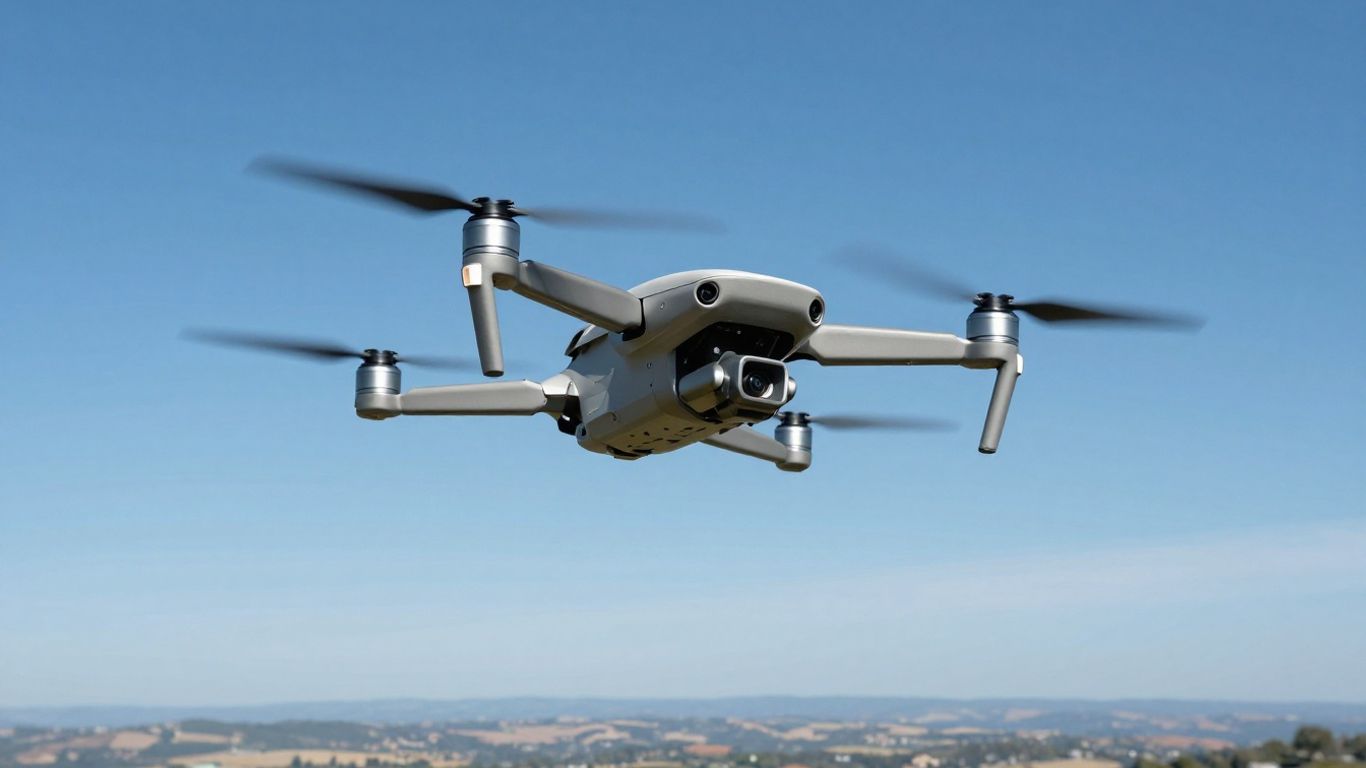
The DJI Air 3S really hits a sweet spot for a lot of people looking for a solid drone without going completely overboard on price. It’s not the cheapest, sure, but it packs a punch that makes it a go-to for many content creators and even folks who just like to get some cool aerial shots.
One of the standout features is its dual-camera setup. You get a wide-angle lens for those sweeping landscape shots, and then a medium telephoto lens that’s surprisingly useful for getting closer views without actually moving the drone. This versatility is a big deal when you’re trying to capture different kinds of footage.
Here’s a quick look at what it offers:
- Dual Camera System: A 50MP wide-angle and a 48MP medium telephoto lens.
- Video Capabilities: Shoots up to 4K at 120 frames per second for slow-motion, and also offers 9×16 vertical video for social media.
- Flight Time: Expect around 45 minutes on a single battery, which is pretty generous.
- Obstacle Avoidance: It’s got sensors all around, making it much safer to fly, especially if you’re still getting the hang of it.
- Internal Storage: Comes with 42GB of built-in memory, so you can start recording right away.
It’s also pretty good in less-than-ideal lighting, which is something you can’t say about all drones. The footage comes out stable, and the controls feel responsive, making the whole flying experience pretty smooth. For the price, the DJI Air 3S offers a really compelling mix of features that are hard to beat.
While it requires FAA registration because it’s over 249 grams, it’s still quite portable. You can easily pack it up and take it with you on trips or to different shooting locations. It’s a drone that feels capable enough for professionals but is also approachable for hobbyists.
Compared to some of the higher-end models, the Air 3S is a more budget-friendly choice, but it doesn’t really feel like it’s cutting corners on the important stuff. It’s a drone that’s easy to recommend if you want good quality footage without a professional-level price tag.
2. DJI Mavic 4 Pro
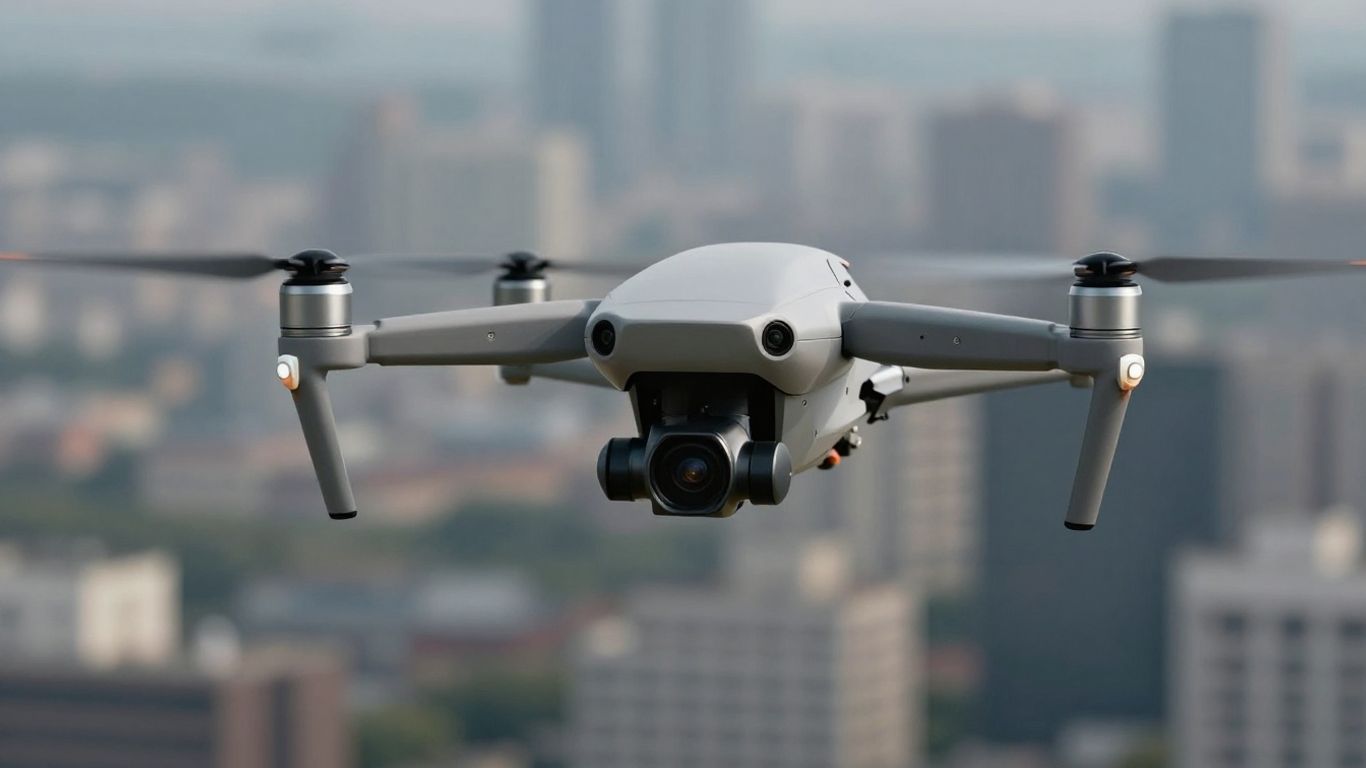
Alright, let’s talk about the DJI Mavic 4 Pro. This drone is pretty much the top-tier option if you’re serious about aerial video and photography. It’s like having a professional camera rig that can fly.
What really sets it apart is the camera system. You get three lenses: a main 100MP Hasselblad camera, a 50MP telephoto, and a 48MP medium telephoto. This setup lets you shoot video in up to 6K at 60 frames per second, and capture still images at a massive 100MP. The Hasselblad color science means your footage will look incredibly natural and rich. Plus, it shoots in 10-bit 4:2:2 color, which is fantastic for color grading later on. You can also shoot in D-Log M, which gives you even more flexibility in post-production.
Here’s a quick look at some of its specs:
- Flight Time: Up to 51 minutes
- Max Video Resolution: 6K/60fps, 4K/120fps
- Still Image Resolution: 100MP
- Internal Storage: 64GB (expandable with Creator Combo to 512GB)
- Weight: 2.34 pounds
DJI also throws in their RC Pro 2 controller with the Creator Combo. This thing has a super bright 7-inch touchscreen, and you can even rotate the screen to easily shoot vertical video without digging through menus. It makes flying feel really intuitive, even with all the advanced features packed into the drone. The build quality feels solid, too, so you don’t have to worry about it too much when you’re out shooting.
The Mavic 4 Pro is designed for creators who need the best possible image quality and flexibility. While it’s a significant investment, the results you can get are hard to match. It’s a workhorse that can handle demanding projects.
If you’re looking for a drone that combines professional-grade imaging with a long flight time and user-friendly controls, the Mavic 4 Pro is definitely worth considering. It’s a serious tool for serious filmmakers and photographers, and you can find more details about its capabilities on the DJI Mavic 4 Pro page.
3. DJI Mini 5 Pro
DJI really outdid themselves with the Mini 5 Pro. It’s like they took everything good about the Mini 4 Pro and just made it better, without making it too complicated. This thing is seriously small, tipping the scales at just under 249 grams, which is great because you don’t have to deal with FAA registration if you’re in the US. That alone makes it super appealing for a lot of people just getting into drone videography.
What really sets it apart, though, is the camera. It’s got a 1-inch sensor, which is pretty wild for a drone this size. This means it handles low light way better than you’d expect, and the footage comes out looking really clean with lots of detail. You can shoot 50-megapixel stills and video up to 4K at 60 frames per second. Plus, it shoots in D-Log M, which is a lifesaver if you like to tweak your footage in editing.
Here’s a quick look at some of its key specs:
- Flight Time: Up to 36 minutes
- Camera Sensor: 1-inch, 50MP
- Max Video Resolution: 4K/60fps (also 4K/120fps and FHD/240fps)
- Obstacle Avoidance: Omnidirectional
- Gimbal: 3-axis mechanical, 225° rotation
They also gave it a much more flexible gimbal, letting it rotate 225 degrees. This opens up a lot of creative possibilities for dynamic shots that you just can’t get with other mini drones. It feels really stable, too, thanks to the three-axis mechanical gimbal and the omnidirectional obstacle avoidance system. It’s like the drone is looking out for itself, which is a huge relief when you’re trying to get that perfect shot.
The DJI Mini 5 Pro manages to pack a serious punch in a tiny package. It’s a drone that’s easy to fly, captures stunning footage, and avoids the hassle of registration for many users. It really hits a sweet spot for content creators and hobbyists alike.
While the battery life is only slightly better than its predecessor, it’s still more than enough for most casual filming sessions. Honestly, for its size and price point, the DJI Mini 5 Pro is hard to beat. It’s a fantastic option if you want pro-level features without needing a massive drone or a pilot’s license.
4. DJI Avata 2
If you’re looking for a drone that feels more like piloting a jet than a camera platform, the DJI Avata 2 is definitely worth a look. This isn’t your typical aerial camera; it’s an FPV (First-Person View) drone. What that means is you strap on some goggles, and you’re seeing exactly what the drone’s camera sees, in real-time. It’s a totally different way to fly and capture footage.
The Avata 2 really shines when you want to get up close and personal with your shots, offering a dynamic perspective that’s hard to achieve with other drones. The nose-mounted camera is pretty decent, shooting 4K video at 60 frames per second. Plus, it’s got built-in prop guards, which are a lifesaver if you bump into something – and trust me, you probably will when you’re learning. It also has sensors that help it fly low to the ground, opening up some interesting creative possibilities.
Here’s a quick rundown of what makes it stand out:
- Immersive FPV Experience: Fly with goggles for a true pilot’s perspective.
- 4K/60fps Camera: Capture sharp, smooth video footage.
- Built-in Prop Guards: Adds a layer of protection for minor impacts.
- Low-Altitude Flight Capability: Sensors allow for flying close to the ground.
- Upgraded Battery: Expect around 23 minutes of flight time per charge.
It’s designed for people who want that adrenaline rush, but you can also slow it down for smoother, more cinematic shots if you’re going for that ‘cinewhoop’ style. Just remember, if you’re using the FPV goggles, you’ll need a spotter watching the drone visually. It’s also a bit heavier than some smaller drones, so you’ll likely need to register it with the FAA.
Flying the Avata 2 is an experience. It’s less about getting a perfect landscape shot from a thousand feet up and more about weaving through trees or following a subject at speed. The motion controller is pretty intuitive, making it accessible even if you’re new to FPV, though there’s an optional controller for more advanced pilots who want to push its limits. It’s a blast, plain and simple.
5. DJI Inspire 4
The DJI Inspire 4 is a bit of a different beast compared to some of the other drones we’ve looked at. It’s really built for those who need serious professional-grade aerial footage, and it shows. Think big productions, cinematic shots, and situations where image quality is absolutely everything.
This drone isn’t about being the smallest or the lightest; it’s about raw performance and capturing incredible detail. It comes with a top-tier camera system, often featuring a large sensor and Hasselblad color science, which means your photos and videos will have that professional look right out of the camera. The video capabilities are pretty wild, too, with options for high frame rates at resolutions like 6K. That’s a lot of pixels to play with in post-production.
Here’s a quick rundown of what makes it stand out:
- Professional Camera System: Expect Hasselblad-tuned cameras for amazing color and detail.
- High-Resolution Video: Capable of shooting at 6K resolution, giving you tons of flexibility.
- Robust Build: It’s designed to be stable and reliable, even in less-than-ideal conditions.
- Advanced Flight Controls: Built for precise maneuvering, which is a must for complex shots.
It’s definitely an investment, and you’ll need to be aware of the weight and registration requirements, but if you’re serious about aerial cinematography, the Inspire 4 is a serious contender. It feels like a proper tool for the job, not just a toy.
When you’re looking at the Inspire 4, you’re stepping into a different league. It’s not just about flying; it’s about creating professional-level visual content. The attention to detail in its design and the quality of the footage it produces are clear indicators of its intended audience: serious filmmakers and photographers.
6. Freefly Astro
The Freefly Astro is a bit of a different beast compared to some of the other drones we’ve looked at. It’s built for professionals who need serious flight time and payload capacity, not necessarily for quick selfies or casual flying. Think of it as a workhorse.
This drone is designed for serious aerial cinematography and industrial applications. It’s not your average consumer drone; it’s built with a focus on reliability and adaptability for demanding tasks.
Here’s a quick rundown of what it brings to the table:
- Flight Time: Expect up to 39 minutes with the standard battery, and even longer with the optional High-Capacity Flight Battery. That’s a lot of airtime for getting those perfect shots.
- Camera Capabilities: It can shoot 8K video at 30fps, or 5.2K at 60fps, and even 4K at a smooth 100fps. For stills, you’re looking at 55MP images, which are incredibly detailed.
- Payload Versatility: While it has its own camera options, the Astro is also designed to carry other payloads, making it suitable for more than just video.
- Obstacle Avoidance: It has forward and downward sensors to help keep it out of trouble.
It’s definitely on the pricier side, and you’ll need to register it with the FAA if you’re using the larger battery. But if you need a drone that can handle heavy lifting and extended flight times for professional work, the Astro is a strong contender.
7. DJI Neo 2
If you’re looking for a drone that won’t break the bank but still packs a punch for video and photo, the DJI Neo 2 is a solid choice. It’s super small and light, making it a breeze to take with you anywhere. Seriously, it’s so portable, you’ll probably forget it’s in your bag.
This drone is a step up from its earlier version. It shoots smooth 4K video at 60 frames per second, and the colors look pretty true to life. Plus, it can snap 12-megapixel photos, which is great if you’re into taking selfies with your drone.
One of the coolest things about the Neo 2 is its obstacle avoidance. It uses LiDAR to see in all directions, which is pretty advanced for a drone in this price range. This is a big deal for beginners who might be a little nervous about crashing.
The Neo 2 offers a really user-friendly experience, especially with its gesture control. You can actually fly it just by using your hands, which feels pretty futuristic. It also has good subject tracking and some handy automated flight modes that make getting cool shots easier.
Here’s a quick look at what it offers:
- Camera: 12MP stills, 4K video up to 60fps
- Flight Time: Around 19 minutes per battery
- Weight: Just over 5 ounces (under 249g, so no FAA registration needed in the US)
- Obstacle Avoidance: Omnidirectional LiDAR
- Storage: 49GB internal (no microSD card slot)
While it’s missing a microSD card slot, which the previous model had, the 49GB of internal storage is usually enough. You can transfer files to your phone pretty quickly, too. It’s a small trade-off for a drone that’s this affordable and capable.
8. HoverAir X1 Pro
Okay, so let’s talk about the HoverAir X1 Pro. This little guy is pretty interesting, especially if you’re someone who often finds yourself filming yourself or just wants a drone that’s super easy to get going without a ton of fuss. It’s designed to be flown hands-free, which is a pretty big deal for solo creators.
Think about it: you want to get a cool shot of yourself doing something, but you don’t have a second person to pilot the drone. The X1 Pro uses AI to track you and keep you in the frame, even if there are things like trees or buildings in the way. It’s not perfect, of course, but it’s a solid effort. It’s also incredibly small, like, pocket-sized small. That makes it super portable, which is always a plus.
Here’s a quick rundown of what it offers:
- Camera: Shoots 4K video at 60 frames per second and takes 12-megapixel photos.
- Flight Time: Around 16 minutes on a single charge.
- Control: Can be flown using preset modes without a controller, or with optional accessories like the Beacon and JoyStick for more control and extended range.
- Storage: Comes with 32GB of internal storage.
It’s not the cheapest drone out there, especially considering its size, and it can get a bit wobbly if it’s windy. But for quick, personal footage, it’s a pretty neat piece of tech. If you’re looking for a drone that simplifies the filming process for self-recorded videos, the HoverAir X1 Pro is definitely worth a look.
The focus here is on ease of use and portability. It’s not trying to be a professional cinema drone, but rather a smart, personal camera that flies itself. The hands-free operation is the main selling point, making it accessible even if you’ve never flown a drone before.
9. Potensic Atom 2
Alright, let’s talk about the Potensic Atom 2. If you’re looking for a drone that won’t break the bank but still gives you some pretty decent footage, this one’s worth a look. It’s a bit of a sweet spot for folks who are maybe past the absolute beginner stage but aren’t ready to drop serious cash on a pro setup.
One of the big draws here is that it weighs under 249 grams. That means, for most hobbyists, you don’t have to worry about registering it with the FAA, which is a nice little perk. It shoots video in 4K at 30 frames per second, and it’s got a 48-megapixel camera for stills. Plus, it can do slow-motion in Full HD at 120 frames per second, which is pretty cool for adding some dramatic flair to your clips.
Here’s a quick rundown of what it offers:
- Smooth 4K Video: Captures footage at 30fps, good for general use.
- High-Res Stills: 48MP photos give you plenty of detail.
- FHD Slow-Motion: Shoot at 120fps for those dramatic slow-mo shots.
- Lightweight Design: Under 249g, so no FAA registration needed for hobbyists.
- AI Subject Tracking: Helps keep your subject in frame automatically.
- AI Night Mode: A neat feature for boosting low-light shots.
It’s got a three-axis gimbal, which helps keep things steady, even if there’s a bit of wind. The battery life is pretty solid too, clocking in around 32 minutes, which is competitive with some of the bigger names out there. The controller and app have been updated, making it pretty user-friendly, even if you’re not a drone expert.
Now, it’s not perfect. You’re not going to find obstacle avoidance on this model. So, you really need to keep an eye on it, especially if you’re flying near trees or buildings. It’s also not the best in really gusty winds. You’ll want to be mindful of that when you’re out flying.
Overall, the Potensic Atom 2 is a solid contender if you want good video quality without the DJI price tag. It’s a step up from basic toy drones and offers features that make it suitable for licensed pilots too, thanks to its built-in Remote ID. It’s a good middle-ground option, for sure.
10. Antigravity A1
Alright, let’s talk about the Antigravity A1. This drone is kind of a big deal because it’s one of the first truly 360-degree cameras you can fly. It’s not from DJI, which is a bit of a shake-up, but it’s made by Antigravity, a company that Insta360 is backing. You know, Insta360, the action camera folks? So, they know a thing or two about capturing everything.
What’s really cool is that it can shoot video in 8K, and that’s in every direction at once. This means you can crop in later, like for a YouTube video, and still have it in 4K. Pretty neat, right?
Here’s a quick look at what it offers:
- Flight Time: Up to 39 minutes with the bigger battery.
- Camera: Two 55MP sensors for that 360 view.
- Max Video: 8K at 30fps, but you can also get 5.2K at 60fps or 4K at a super-smooth 100fps.
- Weight: It’s light, around 8.78 ounces with the standard battery, so it doesn’t need FAA registration if you’re using that one.
- Control: It comes with FPV goggles and a motion controller that makes flying feel really natural, almost like you’re moving your hand.
The Antigravity A1 is definitely aimed at people who want the latest tech and are willing to pay for it. It’s not cheap, but the ability to capture everything from every angle is something you just can’t get with most other drones out there. Plus, the editing software, which is based on Insta360’s own apps, is pretty straightforward for handling all that 360 footage.
It’s a bit of a premium product, no doubt about it. The controller and goggles are top-notch, and the software makes editing that spherical video much easier than you might expect. If you’re looking for something that feels futuristic and can capture literally everything, the A1 is worth a look, assuming your wallet can handle it.
Wrapping It Up
So, picking the right drone for your video projects in 2026 really comes down to what you need it for. Whether you’re aiming for slick real estate shots in Arizona or capturing the energy of Las Vegas, there’s a drone out there that fits. We’ve seen how technology keeps pushing forward, with better cameras and smarter flight options. Don’t forget the basics, though – knowing the rules and planning your shots makes all the difference. The best gear is great, but it’s how you use it that truly makes your footage stand out. Happy flying!
Frequently Asked Questions
What’s the best drone to buy for taking pictures in 2026?
There isn’t one single ‘best’ drone for everyone. The perfect drone for you depends on how much money you want to spend, how much experience you have, and how good you want your pictures to look. Great choices for 2026 include the DJI Air 3S, which is good for many people, and the DJI Mavic 4 Pro for those who fly drones a lot or are good at editing videos. This guide is here to help you find the right one for your needs.
Do I need to register my drone if I use it for photography?
Yes, usually. In most places, if your drone weighs more than a certain amount (often around 250 grams, or about half a pound), you need to register it with the aviation authority before you can fly it legally. Always check the rules where you plan to fly, especially if you’re traveling to another country.
What are the most important things to look for in a drone for photography?
When picking a drone for photos, think about the size and sharpness of its camera sensor, how good the camera is at taking pictures and videos, how long it can fly, how well it stays steady in the wind, if it has ways to avoid bumping into things, and if it can save photos in a format called RAW (which most new drones can do). These things really affect how good your pictures will be and how easy it is to take them, even when it’s tricky.
Are older drones still good for taking pictures in 2026?
Absolutely! Many drones that aren’t brand new, like some older DJI models, still take really great pictures. You can often find them for a good price if you buy them used or when they’re on sale. They can be a fantastic way to get started or to get a second drone without spending a lot of money.
What’s the best drone for someone who is just starting out?
For new pilots, it’s best to start with drones that are lighter and smaller. Look for ones that are easy to control, have good ways to avoid crashing, and are very stable when flying. Drones that aren’t the most expensive or advanced are usually easier to learn on, and they still take pretty nice aerial photos.
Can I use a drone for more than just taking photos?
Definitely! Drones are super versatile. You can use them for making cool videos, filming sports events, checking on construction sites, helping with farming, or even just for fun. Many drones have special features like tracking moving objects or flying pre-set paths automatically, which makes them useful for all sorts of jobs beyond just snapping pictures.