Drones in 2026: What’s Hot?

So, 2026 is almost here, and if you’re into drones, things are getting pretty interesting. It feels like just yesterday we were amazed by 4K video, but now? We’re talking about AI that practically flies the drone for you and cameras that see in the dark. It’s a lot to keep up with, honestly. The market’s changing, too. It’s not just about the newest gadget anymore; it’s about what actually works and lasts. Let’s break down the big drone trends in 2026 so you know what’s what.
Key Takeaways
- AI and automation are making drones smarter, leading to fewer crashes and more professional-looking footage with less effort.
- Cameras are getting a serious upgrade, with 6K and 8K video becoming more common, plus much better performance in low light and advanced HDR.
- Batteries are improving for longer flight times, and charging is getting way faster, while signal connections are becoming more reliable over longer distances.
- The drone market is shifting towards more strategic hardware releases and a bigger focus on software updates and making drones last longer.
- When buying a drone in 2026, think about ongoing software support, following FAA rules, and getting help from experts who know their stuff.
Smarter Flying: The Rise of AI and Automation
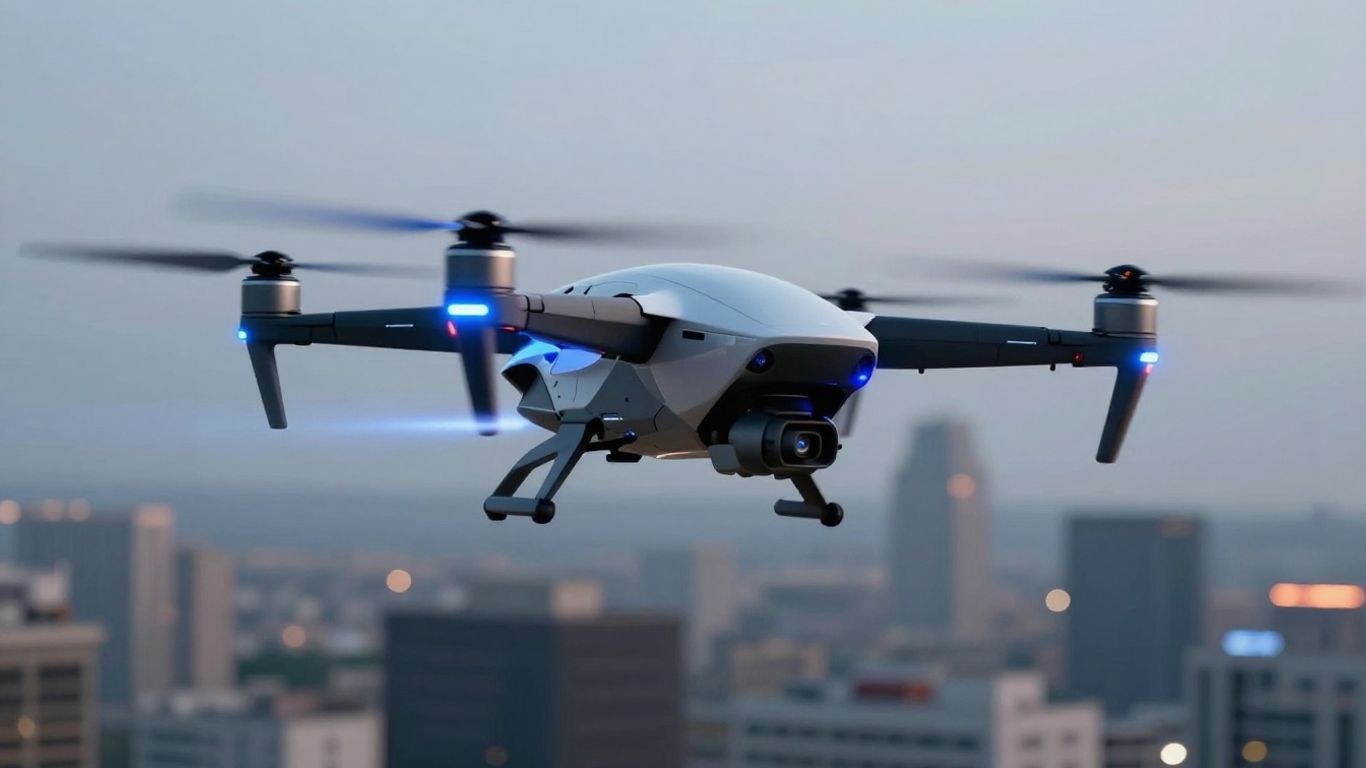
Get ready for a serious upgrade in how drones fly themselves. By 2026, artificial intelligence is basically becoming your co-pilot, making drones smarter and safer than ever before. We’re talking about drones that don’t just see what’s in front of them, but can actually predict and figure out the best way through tricky spots, like busy city skies or dense forests. This means fewer accidents and more professional-looking footage, even if you’re not a seasoned pro.
Near-Zero Collisions Through Advanced AI
Forget about those heart-stopping moments where you think your drone is about to hit something. Advanced AI algorithms are getting incredibly good at spotting and avoiding obstacles. They can process information about the environment in real-time, making split-second decisions to keep the drone out of harm’s way. This is a game-changer for flying in complex areas. The goal is to make crashes a very rare event.
Cinematic Genius with Predictive Flight Paths
Ever see those amazing, sweeping drone shots in movies? Soon, your drone might be able to do that automatically. AI is learning to predict the best flight paths to capture stunning, cinematic footage. This means you can get those professional-looking shots without needing to be a master pilot yourself. It’s like having a director of photography built right into the drone’s software.
Intelligent Return-to-Home Navigation
When it’s time for your drone to come back, it won’t just fly in a straight line anymore. The ‘Return-to-Home’ function is getting a major IQ boost. Drones will now dynamically assess the safest and most efficient route back, actively avoiding any new hazards that might have popped up since takeoff. This makes the whole process much more reliable, especially if you’re flying far out or in an area with changing conditions. This kind of smart flight is a big part of the Internet of Things evolution.
Here’s a quick look at what AI brings to the table:
- Obstacle Avoidance: Drones can now identify and steer clear of objects with much greater accuracy.
- Automated Flight Planning: AI suggests optimal routes for data collection or cinematic shots.
- Dynamic RTH: The return journey is recalculated on the fly for maximum safety.
The increasing sophistication of AI in drones is shifting the focus from manual piloting to mission oversight. This allows for more complex operations and greater efficiency in data gathering and aerial tasks. Success in the drone industry by 2026 hinges on adapting to these evolving regulations and embracing AI advancements.
Next-Generation Cameras: Beyond 4K Video
Forget 4K; that’s practically yesterday’s news in the drone world by 2026. We’re talking about cameras that push resolutions way beyond that, making your aerial shots look incredibly sharp. Think 6K and 8K video becoming pretty standard on many new models. This jump in resolution means you get way more detail, which is super handy if you need to crop into your footage later or just want that ultra-crisp look. It’s a big step up from what we’ve been used to.
6K and 8K Video Standards
So, what does this mean for your footage? Basically, you’re getting a lot more pixels to play with. This allows for much greater flexibility in post-production. You can zoom in digitally without losing a ton of quality, or you can reframe your shots entirely. It’s like having a wider field of view to start with, giving you options you didn’t have before. For professionals, this is a game-changer, but even hobbyists will notice the difference in clarity. The DJI Mavic 4 Pro, for instance, is expected to lead this charge, setting a new market standard with its imaging capabilities.
Mastering Low-Light Photography
Low-light performance is another area where drone cameras are really stepping up. You know those shots at dawn or dusk that usually end up looking grainy and dark? Well, expect that to change dramatically. New sensors and better image processing mean you can capture clear, vibrant footage even when the light is fading. This opens up a whole new window for shooting, letting you get those moody, atmospheric shots without the usual noise. It’s about getting usable, good-looking video in situations where it was previously a struggle.
Onboard Computational Photography for Dynamic Range
This is where things get really interesting. Drones are starting to do some serious image processing right on the aircraft itself. Computational photography means the drone can take multiple shots very quickly and combine them to create a single image with a much wider dynamic range. What does that mean for you? It means you can capture scenes with both very bright and very dark areas without losing detail in either. Think of a shot looking out a window on a sunny day; you’ll be able to see details both inside and outside. This onboard processing makes getting stunning, balanced shots much easier, right out of the camera. It’s a huge leap for capturing complex scenes, and it’s something we’ll see more of in top drones for real estate photography and other fields.
The ability to capture high-resolution video and excel in challenging lighting conditions, all processed onboard, means drones are becoming incredibly capable imaging tools. This advancement is making professional-quality aerial photography and videography more accessible than ever before.
Powering the Future: Battery and Connectivity Advancements
Flight time worries? They’re starting to feel like a distant memory. By 2026, we’re seeing some serious upgrades in how drones are powered and how they stay connected. It’s all about keeping you in the air longer and with a signal that won’t quit.
Extended Flight Times with New Battery Chemistries
Forget those 20-minute flights. New battery tech is changing the game. We’re talking about chemistries like silicon-anode or even solid-state batteries that could push typical flight times well past the 45-minute mark. This means more work done on a single charge, whether you’re surveying a large area or just want to get that perfect sunset shot without constantly worrying about landing.
- Silicon-anode batteries are showing promise for higher energy density.
- Solid-state batteries could offer improved safety and faster charging.
- Expect manufacturers to integrate advanced battery management systems for peak performance and longevity, like those found in lithium polymer batteries.
Rapid Re-Charging Capabilities
When you do need to power up, you won’t be waiting around forever. Next-generation charging systems are being developed to get your batteries back to full capacity much faster. Imagine being able to swap batteries or recharge quickly between flights, minimizing downtime significantly. Some new batteries, like those from Amprius Technologies, boast impressive discharge rates, meaning they can deliver power quickly when needed, contributing to overall flight performance and endurance.
| Battery Type | Typical Charge Time (2026) | Notes |
|---|---|---|
| Current LiPo | 60-90 minutes | Standard for many drones today |
| Next-Gen Fast Charge | 20-40 minutes | Aiming for quick turnaround between flights |
Rock-Solid Long-Range Transmission Systems
Having a drone that can fly far is great, but not if you lose the video feed or control. The transmission systems are getting a serious upgrade too. Think of protocols like OcuSync 5 or whatever comes next. These are designed to give you a clear, stable connection over longer distances, even if there are obstacles in the way. This reliability is key for operations that go beyond just flying around the park, especially for professional use cases like infrastructure inspection or large-scale mapping.
Reliable connectivity isn’t just about convenience; it’s a critical safety feature. Losing signal can lead to lost footage or, worse, a lost drone. The advancements here mean pilots can have more confidence when flying further afield.
These improvements in power and connection are making drones more practical and dependable for a wider range of tasks than ever before.
The Evolving Drone Market Landscape
The drone market is really shifting gears, moving beyond just hobbyist gadgets and military tech into something businesses can’t ignore. We’re seeing a big push towards making drones a standard tool for getting work done, especially in areas like industrial productivity and making deliveries smoother. It’s not just about the hardware anymore; it’s about how it all fits together.
Strategic Hardware Releases
Manufacturers are dropping new hardware that’s more capable than ever. Think drones built for specific jobs, not just general flying. This means we’re seeing more specialized airframes, better propulsion systems, and sensors that can do more. The goal is to have drones that can handle complex tasks right out of the box, reducing the need for lots of add-ons. This push for specialized gear is a big reason why the hardware side of the drone business is expected to grow the fastest.
Emphasis on Firmware Support and Longevity
It’s not enough to just buy a drone; companies need them to last and keep working well. That’s why firmware updates and ongoing support are becoming super important. Manufacturers are realizing that good software support means customers stick around and can trust their drones for critical operations. This focus on longevity means fewer drones ending up in landfills and more reliable fleets for businesses. It’s a smart move for companies looking to scale their drone programs without constant hardware upgrades.
Increased Pilot Retention and Versatility Demands
As drones become more common in workplaces, there’s a growing need for pilots who can do more than just fly. Companies want pilots who understand the data they’re collecting, can troubleshoot issues, and adapt to different tasks. This means training is changing, and there’s a bigger demand for pilots who are versatile. It’s also leading to better retention because pilots feel more valued when they have a wider range of skills and responsibilities. The push for BVLOS operations is a major driver here, requiring pilots to have advanced training and situational awareness.
The drone industry is maturing, and with that comes a greater expectation for reliability and long-term value. Companies are looking beyond the initial purchase price to consider the total cost of ownership, which includes ongoing support, software updates, and the drone’s ability to adapt to future needs. This shift is reshaping how manufacturers approach product development and customer relationships.
We’re also seeing different sectors really lean into drone use. For instance, the farming and agriculture drone market is growing, with drones helping farmers monitor crops and apply treatments more precisely. This kind of targeted adoption across various industries is what’s really shaping the market landscape right now.
Key Considerations for Drone Purchases in 2026
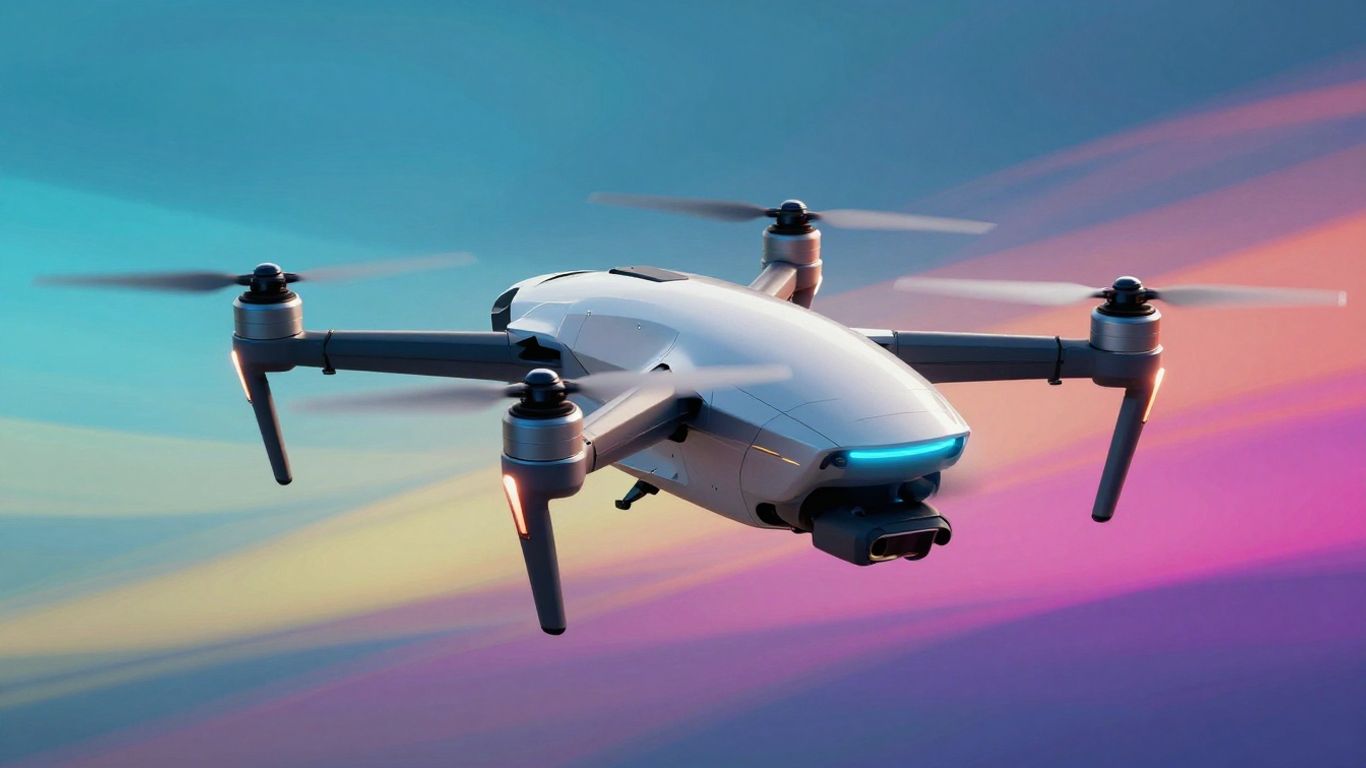
So, you’re looking to buy a drone in 2026? It’s a bit more involved than just picking the one with the coolest lights, you know. The market’s changed, and what mattered even a couple of years ago isn’t the whole story anymore. It’s less about the newest gadget and more about what actually works for you long-term.
Firmware Support and Ecosystem Stability
Think of firmware like the drone’s brain. You want that brain to keep getting smarter, not obsolete. When you’re looking at a drone, ask yourself: will this thing get updates? A drone that keeps getting software improvements is going to be more reliable and might even get new features down the line. It’s also about the whole package – are there plenty of accessories, batteries, and places to get it fixed if something goes wrong? Drones from companies with a big presence, like DJI, often have this advantage because more people use them, which means more support and better resale value. It’s a good idea to check out guides for buying drones to see which platforms are well-supported.
Compliance with FAA Operational Requirements
This is a big one, especially if you plan to fly for work. The FAA is always tweaking the rules, and staying on the right side of them is key. By 2026, we’re seeing more defined rules for things like flying beyond visual line of sight (BVLOS) and automated flights. You don’t want to buy a drone today only to find out it can’t legally do what you need it to do next year. Keeping up with FAA updates means fewer headaches and more opportunities to fly legally and safely. It’s wise to factor in the total cost of drone ownership, including potential compliance needs.
Buying From Expert Dealers for Ongoing Support
Look, nobody wants to buy a fancy piece of tech only to have it become a paperweight a year later. When you’re spending your hard-earned cash, especially on a more expensive model, it pays to buy from places that really know their stuff. These dealers often provide better advice upfront, helping you pick the right drone for your specific needs – whether that’s for stunning aerial photography or serious industrial work. Plus, they’re usually the best bet for getting help, repairs, or advice long after you’ve made the purchase. It’s about building a relationship, not just making a transaction.
Choosing the right drone in 2026 means looking beyond the specs. It’s about understanding how firmware updates, regulatory compliance, and a strong support network will impact your ability to fly now and in the future. Don’t get caught with outdated tech or legal issues; make an informed decision based on longevity and practical application.
The Future of Delivery and Heavy-Lift Drones
It’s pretty wild to think about how far drone technology has come, especially when you look at what’s happening with delivery and heavy-lift capabilities. We’re not just talking about small packages anymore. Companies are really pushing the envelope, making drones that can carry significant weight and operate over longer distances. This is opening up a whole new world for logistics and specialized transport.
Automated Logistics and Package Delivery
This is probably the area most people think of first. Imagine getting your online orders dropped off by a drone, right to your doorstep. It’s becoming a reality, with more and more companies testing and rolling out these services. The goal is to make deliveries faster and more efficient, especially for that tricky "last mile." It’s not just about convenience; it can also help reduce traffic and emissions in urban areas. For commercial operations, understanding the rules is key, and getting your Part 107 certificate is a good start for safe and responsible drone usage in drone-based logistics.
Heavy-Lift Platforms for Specialized Payloads
Beyond just packages, there are drones being developed that can lift serious weight. Think about transporting critical industrial parts to remote sites or carrying high-end cinema cameras for aerial shots that were previously impossible. These heavy-lift drones are built tough and are designed for specific, demanding jobs. They can get to places that are hard to reach with traditional vehicles, making them super useful for industries like construction, mining, and even emergency response.
Emerging Specialized Aircraft Capabilities
We’re also seeing a rise in drones designed for very particular tasks. These aren’t your everyday flyers. They might be equipped with advanced sensors for detailed infrastructure inspections, like power lines or wind turbines, or designed for search and rescue operations. The trend is towards more specialized aircraft that can perform complex missions with greater precision and autonomy. It’s a fascinating space to watch, with new applications popping up all the time. The sport of drone racing, for instance, showcases just how agile and fast these specialized aircraft can be, pushing the limits of what’s possible.
The development of specialized drones for heavy-lift and delivery tasks is rapidly changing how businesses operate. As these technologies mature, we can expect to see wider adoption across various sectors, leading to more efficient and innovative solutions for transportation and logistics challenges.
Core Innovations Shaping Drone Technology
Alright, let’s talk about what’s really changing the game for drones in 2026. It’s not just about fancier cameras or longer battery life, though those are great. We’re seeing some deep shifts in how drones actually work and what they can do, moving them from cool gadgets to serious tools.
BVLOS Operations and Scalable Deployments
This is a big one: Beyond Visual Line of Sight, or BVLOS. For ages, you had to keep your drone in sight. That really limited how far you could go or what you could cover. But by 2026, BVLOS is becoming much more common. Think about inspecting miles of power lines or pipelines without having to move your ground crew constantly. It opens up huge possibilities for things like large-scale agriculture and monitoring vast areas. New tech like better detect-and-avoid systems and Remote ID are making these long flights safer and more predictable. It also means one person can manage multiple drones at once, which is a game-changer for efficiency.
AI-Driven Autonomy for Inspections and Data Analysis
AI isn’t just a buzzword anymore; it’s actively running the show. Drones in 2026 will be able to handle a lot of tasks on their own. This includes planning routes, performing complex inspections, and even starting to sort through the data they collect. Imagine a drone spotting a crack in a bridge or a faulty solar panel without you having to manually point it out. Your job shifts from being the pilot to being more of a supervisor, checking the AI’s work and making sure everything is safe. This frees you up for more strategic tasks.
Next-Gen Mapping and Data Processing Workflows
Mapping and data processing are getting a serious upgrade. Drones are capturing more data than ever, and the tools to handle it are catching up. We’re talking about faster processing times and more sophisticated analysis right out of the box. This means you can get actionable insights much quicker, which is vital for businesses that rely on this information. The ability to process large datasets efficiently is becoming just as important as the drone itself.
The move towards more autonomous operations and advanced data handling means pilots need to adapt. The focus is shifting from manual piloting skills to understanding system management, data interpretation, and regulatory compliance. This evolution makes drone operations more scalable and valuable for a wider range of industries.
Here’s a quick look at how these innovations stack up:
- BVLOS: Enables longer missions, covering more ground efficiently.
- AI Autonomy: Automates tasks, reduces human error, and speeds up operations.
- Data Processing: Faster insights from collected data, leading to quicker decisions.
These core innovations are what truly define the leap forward for drones in 2026, making them more capable and integrated into everyday operations, from package delivery to complex industrial surveys.
So, What’s Next for Drones in 2026?
Alright, so we’ve looked at all the cool stuff coming for drones in 2026. It’s pretty wild how fast things are moving. We’re talking about drones that fly themselves smarter, take video that looks like it came straight out of a movie, and just keep going longer on a single charge. Whether you’re just starting out or you’re a pro, there’s definitely something new to get excited about. It’s not just about having the latest gadget anymore; it’s about having a tool that can really do more, safely and reliably. So yeah, the sky’s the limit, literally.
Frequently Asked Questions
Will drones be able to fly by themselves in 2026?
Yes, drones will get much smarter with AI! They’ll be able to fly around obstacles on their own and even pick the best way to get back home if they lose signal. Think of it like having a super-smart co-pilot that helps make flying safer and easier.
Will drone cameras get better in 2026?
Definitely! Many drones will start recording in super-clear 6K or 8K video, which is way better than today’s 4K. They’ll also be much better at taking clear pictures and videos when it’s not very bright outside, and some will even make pictures look amazing right after they’re taken.
Will drones fly for a longer time in 2026?
Yes, new battery technology is coming! This means drones will be able to stay in the air for much longer, maybe over 45 minutes. Plus, they’ll charge up way faster, so you won’t have to wait as long to fly again.
Do I need a special license to fly a drone in 2026?
It depends on what you’re doing. If you’re just flying for fun, you might need to pass a simple safety test. But if you want to use your drone for work, like taking pictures for a business or delivering packages, you’ll likely need a special license, like the Part 107 license in the U.S.
Are there drones that can carry heavy things in 2026?
Yes, there are! We’ll see bigger drones that can carry heavy equipment, like professional movie cameras or important parts for factories. These are called heavy-lift drones and they’ll be used for special jobs where regular drones can’t go.
What’s the most important thing to think about when buying a drone in 2026?
Besides the camera, it’s important to think about how long the drone will get updates and support. You’ll want a drone that keeps getting new features through software updates and has plenty of parts and help available if you need it. Also, make sure it follows the rules for flying, like the FAA’s rules.