AeroVironment’s Red Dragon: The Future of Autonomous, GPS-Denied Warfare

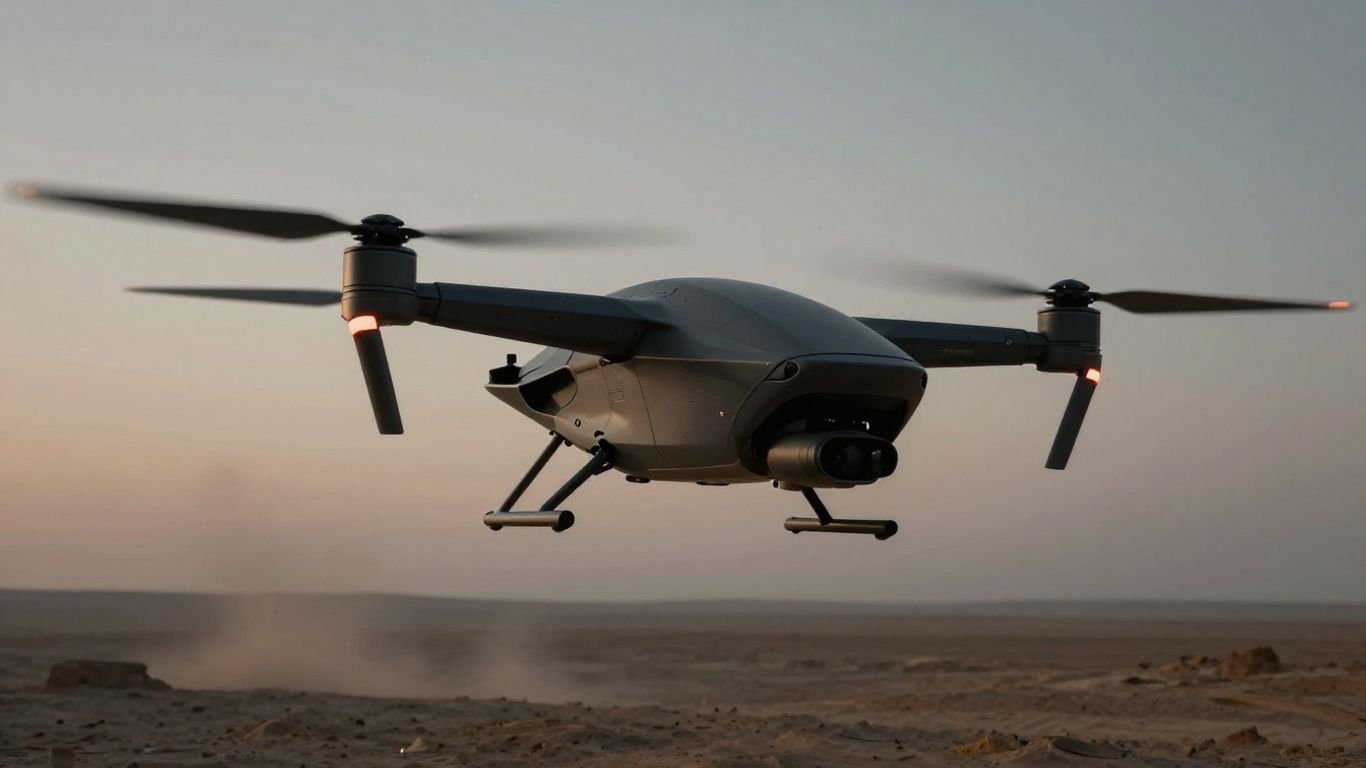
AeroVironment’s new Red Dragon system is shaking things up in the world of military tech. It’s a drone built for tough situations, like when GPS signals are weak or jammed, and it can fly and find targets all on its own. This means smaller military units can hit targets from far away, even in tricky environments. Think of it as a smart, tough little attacker that can get the job done without constant help.
Key Takeaways
- Red Dragon is a new type of drone from AeroVironment designed for dangerous places where GPS might not work.
- It can fly and find targets by itself, meaning soldiers don’t have to constantly control it.
- This drone can be used in the air, on land, or at sea, making it very flexible.
- AeroVironment is making these drones so they can be produced quickly and in large numbers.
- The Red Dragon system helps soldiers strike targets from a distance, making them safer.
AeroVironment’s Red Dragon: A New Era of Autonomous Warfare
Pioneering Autonomous Systems for High-Threat Environments
Things are changing fast in how we fight, and AeroVironment’s Red Dragon is a big part of that shift. It’s not just another drone; it’s built from the ground up for some seriously tough situations. Think about places where GPS signals are jammed or completely gone, and communication lines are shaky at best. That’s exactly where Red Dragon is designed to work. This system represents a major leap in creating unmanned aircraft that can operate independently, making decisions on their own when things get dicey. It’s all about making sure our forces have an edge, even when the environment is working against them.
Software-Defined Architecture for Rapid Development
One of the really smart things about Red Dragon is its software. It uses something called AVACORE™, which is basically a shared software blueprint. This means AeroVironment can build new versions or add new features much faster than before. It’s like having a flexible foundation that lets them adapt quickly. This approach is key for keeping up with how fast the battlefield changes. It also helps with making lots of them quickly and getting them ready for missions without a huge fuss.
Addressing GPS-Denied and Communications-Degraded Scenarios
So, what does it mean to operate without GPS or good comms? It means the drone has to rely on its own sensors and smarts to know where it is and what to do. Red Dragon uses its SPOTR-Edge perception system to see and identify targets. This allows it to function even when traditional navigation and communication methods are unreliable. It’s designed to be tough against electronic warfare, which is a growing concern. This kind of resilience is what sets it apart for modern combat scenarios. The goal is to have a system that can get the job done, no matter what the enemy throws at it, making it a truly autonomous asset.
Red Dragon’s Advanced Capabilities for Modern Battlefields
GNSS-Independent Navigation and Electronic Warfare Resilience
This drone is built tough. It can keep flying and doing its job even when GPS signals are jammed or completely gone. It uses other ways to figure out where it is and what’s around it, making it super reliable in tricky situations. This means it won’t get lost or confused if the enemy tries to mess with its navigation. It’s all about staying on mission, no matter what.
SPOTR-Edge Perception for Target Detection and Classification
Red Dragon has smart eyes, thanks to its SPOTR-Edge perception system. This tech helps it spot targets on the ground and figure out what they are. It can tell the difference between a truck and a building, for example. This is a big deal because it means the drone can make better decisions on its own, even if it can’t talk to its operators all the time. It’s like having a really sharp scout that doesn’t need constant instructions.
Autonomous Execution Without Continuous Operator Input
One of the coolest things about Red Dragon is that it doesn’t need someone watching it every second. It can fly to its target area, find what it’s looking for, and even engage it all by itself. This frees up soldiers to do other things and makes the whole operation faster. It’s designed to work independently, which is a game-changer for modern warfare where speed and quick reactions are key. This allows for faster mission completion in complex environments.
Operational Advantages of the Red Dragon System
Extended Reach for Small Unit Precision Strikes
This drone really changes the game for smaller military units. Think about it: infantry squads or special teams can now hit targets way out there, like enemy command posts or supply lines, without needing a whole support crew or relying on big, expensive assets. It’s like giving them a sniper rifle that can fly hundreds of miles. This system extends the reach of light infantry and other dispersed forces, letting them take on targets deep behind enemy lines. It’s designed to be simple enough that a small team can pack it, set it up, and launch it from almost anywhere, even from concealed spots. This means they can be more flexible and hit targets that were previously out of reach.
Cross-Domain Versatility Across Air, Land, and Maritime
What’s pretty neat is that Red Dragon isn’t just for one type of environment. It’s built to work whether you’re operating over land, sea, or even from a ship. This flexibility means different branches of the military can use it for their specific needs. Imagine a Marine unit on a beach needing to strike inland, or a Navy vessel needing to hit a coastal target. The system’s design allows it to adapt, making it a truly multi-purpose tool. This kind of cross-domain capability is becoming more important as modern conflicts aren’t confined to just one area.
Rapid Deployment and Simplified Logistics for Mass Production
Getting these drones out to the troops quickly is a big deal, and Red Dragon seems to be built with that in mind. The whole package, including the drones, launchers, and control stations, is designed to be transported and set up by small teams. This makes it easier to get them into the fight fast. Plus, the fact that it’s electrically powered and relatively simple means it can be made in larger numbers without a huge fuss. This fits with what the military is looking for: systems that can be fielded in quantity, rather than just a few high-tech, hard-to-replace ones. It’s all about making sure troops have the tools they need, when they need them, and in the numbers required for modern operations. The Army is looking at systems like this to speed up how they get new tech into the field, which is a big shift.
The Strategic Impact of Red Dragon AeroVironment
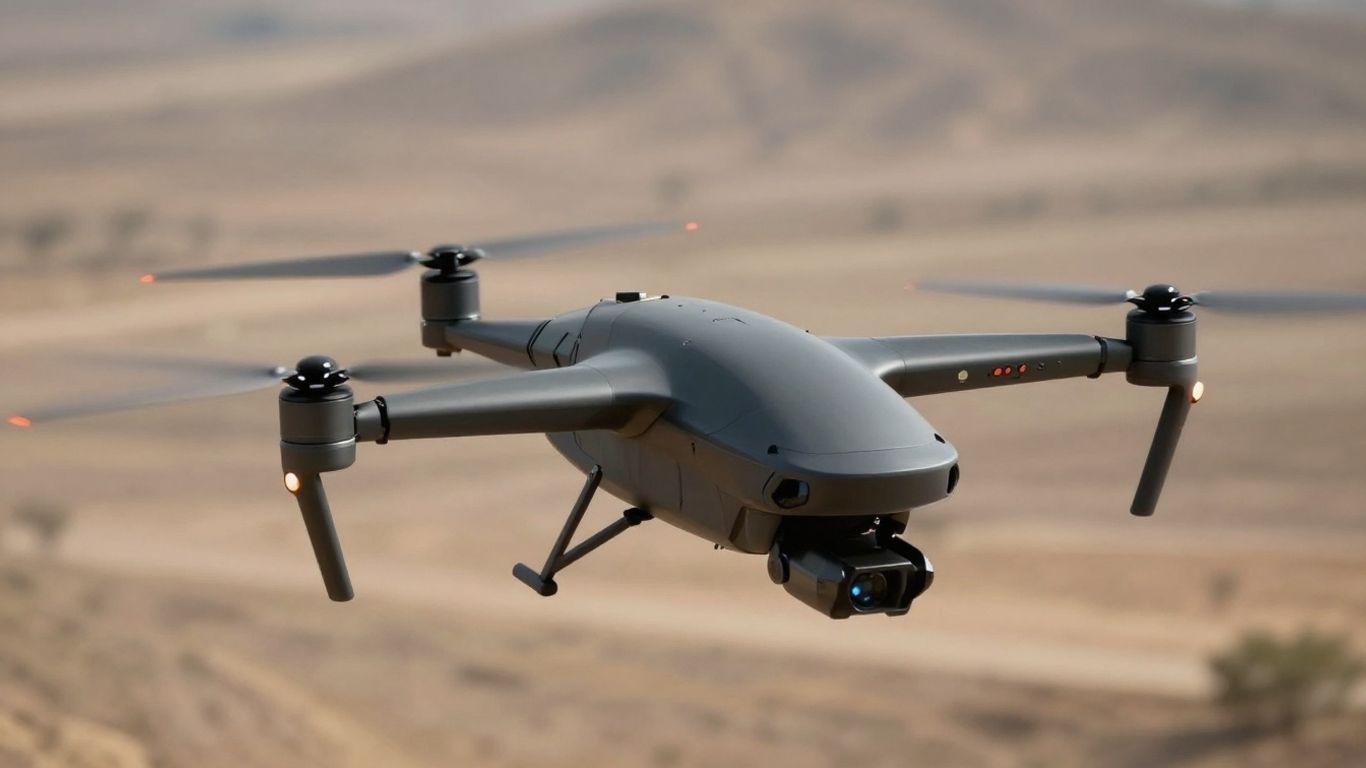
Red Dragon isn’t just another drone; it’s a game-changer for how our forces operate, especially when things get tough.
Meeting Pentagon Demand for Scalable, Attritable Drones
The military has been asking for drones that can be produced in large numbers and are affordable enough to be used in situations where losing them is acceptable. Red Dragon fits that bill perfectly. It’s designed for mass production, meaning we can get a lot of them out there quickly. This addresses a major need for scalable, attritable systems that can be deployed widely without breaking the bank. The Army’s recent contract shows they’re serious about this approach, moving beyond just testing to accelerating the evaluation of this whole new class of weapons.
Enhancing Soldier Survivability and Operational Advantage
Think about it: sending a drone to scout or strike a target means fewer soldiers are put in harm’s way. Red Dragon’s ability to operate autonomously, even when GPS is jammed or communications are spotty, means it can complete its mission without constant oversight. This extends the reach of small units, giving them precision strike capabilities that were previously out of reach. It’s about giving our troops an edge and keeping them safer on the battlefield. The system’s quick setup and launch rate also mean it can be brought to bear rapidly, providing timely support.
Transforming Warfare with Trusted, Mission-Defining Technologies
This drone represents a shift towards more autonomous capabilities that are reliable in complex environments. It’s built on a common architecture, which means it can be updated and adapted easily as threats evolve. This isn’t just about having a new piece of equipment; it’s about adopting technologies that fundamentally change how we approach conflict. The focus on software-defined systems means Red Dragon can evolve at the speed of modern warfare, making it a truly mission-defining asset for the future.
The push for systems like Red Dragon highlights a broader trend in defense: the need for adaptable, resilient, and readily available autonomous platforms. These technologies are not just about staying ahead of adversaries; they are about redefining operational effectiveness and soldier protection in an increasingly unpredictable world.
Red Dragon’s Design for Future Conflicts
A Common Architecture for Evolving Mission Variants
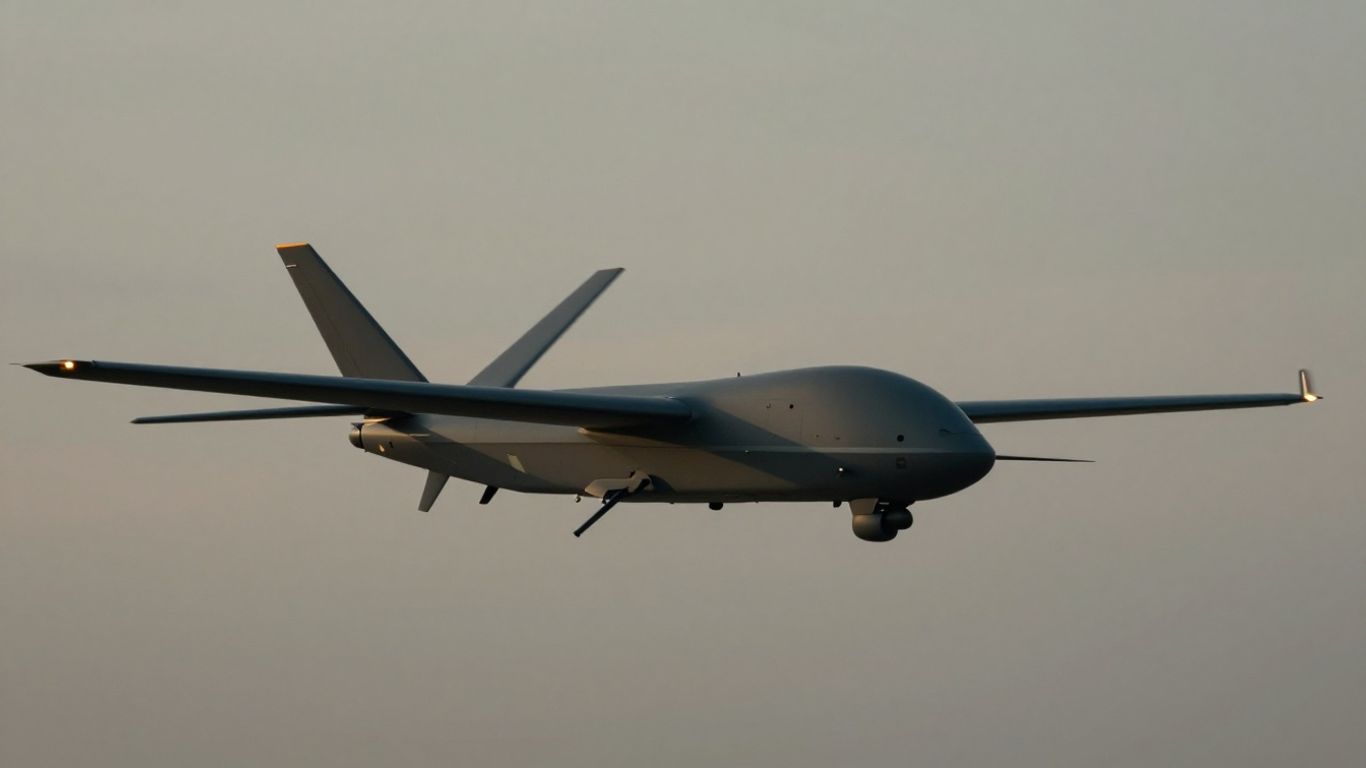
The Red Dragon isn’t just a single drone; it’s built on a flexible foundation. Think of it like a modular system where different parts can be swapped out or updated. This means AeroVironment can create new versions for specific jobs without starting from scratch. This common architecture is key for making sure the system can keep up with changing battlefield needs. It’s designed to be adaptable, allowing for future mission kits or different types of payloads to be integrated easily. This approach helps keep the technology relevant as warfare evolves.
Optimized for Speed, Scale, and Operational Relevance
When you look at the Red Dragon, you see a focus on getting it into the hands of soldiers quickly and in large numbers. It’s built to be manufactured at scale, which is a big deal for the military. The system is also designed for ease of use, meaning small teams can be trained fast. This makes it practical for units to deploy it from almost anywhere, extending their reach without needing complex support. The drone’s design prioritizes operational relevance, meaning it’s made to do what soldiers actually need it to do on today’s battlefields.
Enabling Evolutions at the Speed of Software and Warfare
What really sets the Red Dragon apart is its ability to change and improve rapidly, much like software updates. This drone is built for a future where technology moves fast, and the battlefield is unpredictable. It uses a software-defined approach, which allows for quicker development cycles and easier upgrades. This means the system can adapt to new threats or missions much faster than older, hardware-bound systems. It’s designed to be resilient in environments where GPS might be jammed or communications are spotty, using onboard intelligence and perception tools to find its way and identify targets. This makes it a truly autonomous system, capable of executing missions without constant human control, which is a game-changer for contested operations.
Key features supporting this adaptability include:
- GNSS-Independent Navigation: Operates without relying on GPS signals, making it effective in jammed or denied areas.
- Electronic Warfare Resilience: Designed to withstand interference and electronic attacks.
- SPOTR-Edge Perception: Uses onboard sensors for target detection and classification, reducing reliance on external data links.
- Autonomous Execution: Capable of completing missions without continuous operator input.
This focus on software and adaptability means the Red Dragon can evolve alongside the threats it’s designed to counter, staying ahead of the curve in a rapidly changing military landscape. The system’s ability to operate quietly, thanks to advancements in propeller design and flight path planning, further adds to its tactical advantage.
The Road Ahead
So, what does all this mean for the future of fighting? AeroVironment’s Red Dragon isn’t just another drone; it’s a sign of things to come. We’re talking about a future where small units can hit targets far away, even when the usual communication and navigation tools are jammed or just not working. It’s about giving soldiers more options and keeping them safer. This kind of tech is changing the game, making warfare smarter and, hopefully, quicker. It’s pretty wild to think about, but this is the direction things are heading.
Frequently Asked Questions
What is AeroVironment’s Red Dragon?
Red Dragon is a new type of drone made by AeroVironment. It’s designed to fly on its own and attack targets, even when GPS signals are blocked or communication is difficult. Think of it as a smart, flying weapon that can go where other drones can’t.
How does Red Dragon work without GPS?
Red Dragon doesn’t need GPS to know where it is or where to go. It uses special sensors and smart software to figure out its location and find targets. This makes it really good at working in areas where enemy forces might try to jam or block GPS signals.
Can Red Dragon fly by itself?
Yes, it can! Red Dragon is built to fly and complete its mission all by itself. While operators can still oversee it, it doesn’t need constant commands to function, which is super important in fast-moving battles where communication might be spotty.
Who can use Red Dragon?
This drone is designed to be used by small teams of soldiers. It’s made to be easy to set up and use, so even smaller units can have powerful attack capabilities without needing a lot of extra support or training.
What kind of targets can Red Dragon attack?
Red Dragon can be used to attack a variety of targets, like enemy vehicles, command posts, or radar systems. It carries a special payload, like a small bomb, that can take out these kinds of threats, giving soldiers a way to strike targets far away.
Why is Red Dragon important for future fighting?
Red Dragon is important because it makes fighting smarter and safer for soldiers. It can go into dangerous areas without risking pilots, strike targets precisely, and work even when communication is tough. This helps our forces stay ahead of enemy threats and protect lives on the battlefield.