Drones Beyond Sight: What You Need to Know

Flying drones far beyond what you can see might sound like science fiction, but it’s becoming a real thing for a lot of commercial work. We’re talking about Beyond Visual Line Of Sight, or BVLOS drone operations explained for everyday folks. It means the drone is flying so far away, you can’t just look up and spot it. This opens up a whole new world for what drones can do, from checking power lines to helping out in emergencies. But, as you can imagine, flying like this isn’t as simple as taking your average drone out for a spin. There are rules to follow, special gear you might need, and some tricky bits to figure out. Let’s break down what you need to know about BVLOS drone operations.
Key Takeaways
- BVLOS means flying a drone further than you can see it with your own eyes, opening up longer-range missions.
- While BVLOS offers big benefits like saving time and money, it comes with strict rules from aviation authorities like the FAA.
- Getting approval for BVLOS flights often involves proving your operation is safe, sometimes through special waivers.
- To fly BVLOS safely, you’ll need technology like reliable communication systems and ways for the drone to avoid other aircraft.
- Challenges include things like weather, terrain, and understanding complex airspace rules, so planning is really important.
Understanding Beyond Visual Line Of Sight Operations
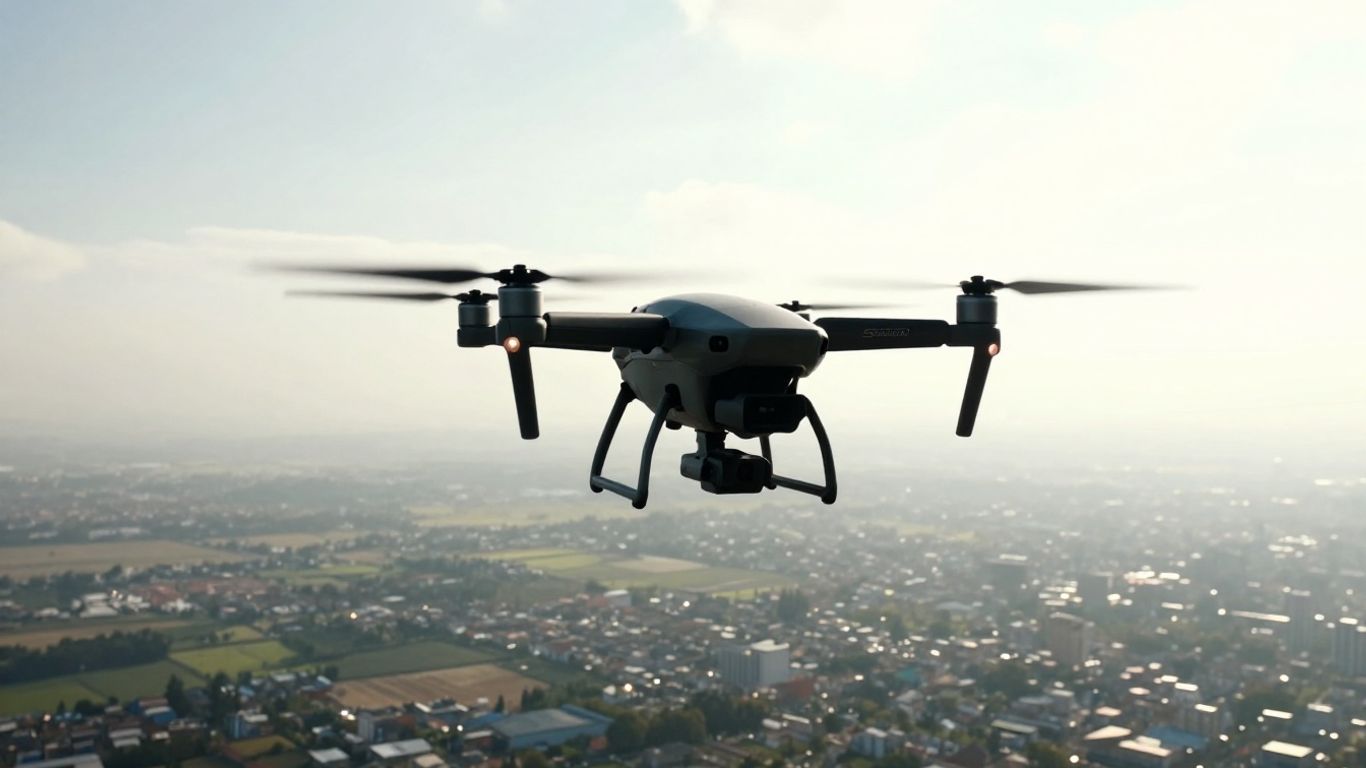
So, you’re interested in flying drones further than you can see? That’s what we call Beyond Visual Line of Sight, or BVLOS for short. It’s a pretty big deal in the drone world, especially for businesses.
Defining BVLOS Flight
Basically, BVLOS means the drone is flying outside of where the pilot can directly see it with their own eyes. Think about it – normally, you have to keep your drone in sight, right? That’s Visual Line of Sight (VLOS). BVLOS throws that rule out the window, but not in a chaotic way. Instead, we use technology like GPS, cameras, and special communication systems to keep tabs on the drone and make sure it’s flying safely. This allows for operations that were simply impossible when you were limited to just what you could see. It’s a whole new ballgame for what unmanned aircraft systems operations can do.
The Importance of BVLOS for Commercial Drones
Why bother with BVLOS? Well, for commercial uses, it opens up a ton of possibilities. Imagine inspecting a massive wind farm or a long stretch of pipeline. Trying to keep a drone in sight the whole time would be a nightmare and super inefficient. BVLOS lets drones cover huge areas quickly and get to places that are hard or dangerous for people to reach. This means less time, less money, and often, safer operations. It’s especially useful for things like checking on remote infrastructure or even helping out in disaster zones where you need to cover a lot of ground fast.
VLOS vs. BVLOS: A Clear Distinction
Let’s make this super clear. VLOS is like flying a kite on a short string – you can always see it. The pilot needs to be able to see the drone with their own eyes, without any special equipment helping them out, other than maybe their glasses. This is the standard for most hobbyist and many commercial flights, often governed by rules like Part 107. BVLOS, on the other hand, is like flying that kite on a super long, invisible string, using technology to know where it is and what it’s doing. You’re not relying on your eyesight anymore; you’re relying on sensors, data links, and sometimes even other people or systems to keep the drone safe. It’s a big jump in capability, but it also means more complex rules and technology are involved. You also need to be aware of things like airspace restrictions that might affect your flight path, even if you can’t see other aircraft.
Flying beyond what you can see requires a different mindset and a lot more planning. It’s not just about having a drone that can go far; it’s about having the systems and procedures in place to manage that flight safely from start to finish.
Navigating The Regulatory Landscape For BVLOS
So, you want to fly your drone beyond what you can see with your own eyes? That’s where Beyond Visual Line of Sight (BVLOS) operations come in, but it’s not quite as simple as just taking off and going. There’s a whole set of rules and guidelines you need to follow, mostly put in place by the Federal Aviation Administration (FAA) here in the U.S. Think of it like getting a special permit for a more advanced type of flying.
Key FAA Regulations for BVLOS
Under the standard rules, often called Part 107, drone flights are generally supposed to stay within the pilot’s direct line of sight. This is called Visual Line of Sight (VLOS). If you want to fly BVLOS, you’ll need to get a special approval, often referred to as a waiver. This waiver process is where you prove to the FAA that your BVLOS operation will be safe. It’s not just about having a drone that can fly far; it’s about showing you’ve thought through all the potential risks. This includes things like:
- Detect-and-Avoid Technology: You’ll likely need systems on your drone that can sense other aircraft or obstacles and automatically steer clear.
- Communication: Reliable ways to talk to your drone and get information back, even when it’s far away.
- Pilot Training and Procedures: Demonstrating that you and your team know how to handle the complexities of a BVLOS flight.
The Role of Waivers and Authorizations
Getting that BVLOS waiver can be a bit of a journey. The FAA looks at each application carefully, considering where you want to fly, what kind of drone you’re using, and what safety measures you have in place. They want to make sure your flight won’t be a danger to other planes, people on the ground, or property. It’s a case-by-case evaluation, so what works for one operation might not work for another. Sometimes, instead of a full waiver, you might get a Certificate of Authorization (COA) for specific types of flights. These approvals are what allow for more advanced drone activities, like those proposed in new rules aiming to normalize low-altitude BVLOS flights [0115].
Understanding 49 USC 44807
This part of the law is pretty important for drone operations, especially the more advanced ones. It gives the FAA the authority to set rules for drones and allows them to grant exemptions or waivers for operations that don’t fit neatly into existing categories. For BVLOS, this section is key because it provides the legal framework for the FAA to approve flights that go beyond the standard VLOS limitations. It’s all about making sure that as drone technology advances, the rules keep pace to allow for innovation while maintaining safety in the national airspace. Commercial drone operators often need a Part 107 certificate and special approval for these advanced flights [35ad].
The regulatory landscape for BVLOS is designed to balance the exciting possibilities of extended drone flights with the absolute necessity of safety. It requires careful planning, robust technology, and a clear demonstration of risk mitigation to the authorities.
Benefits And Applications Of BVLOS
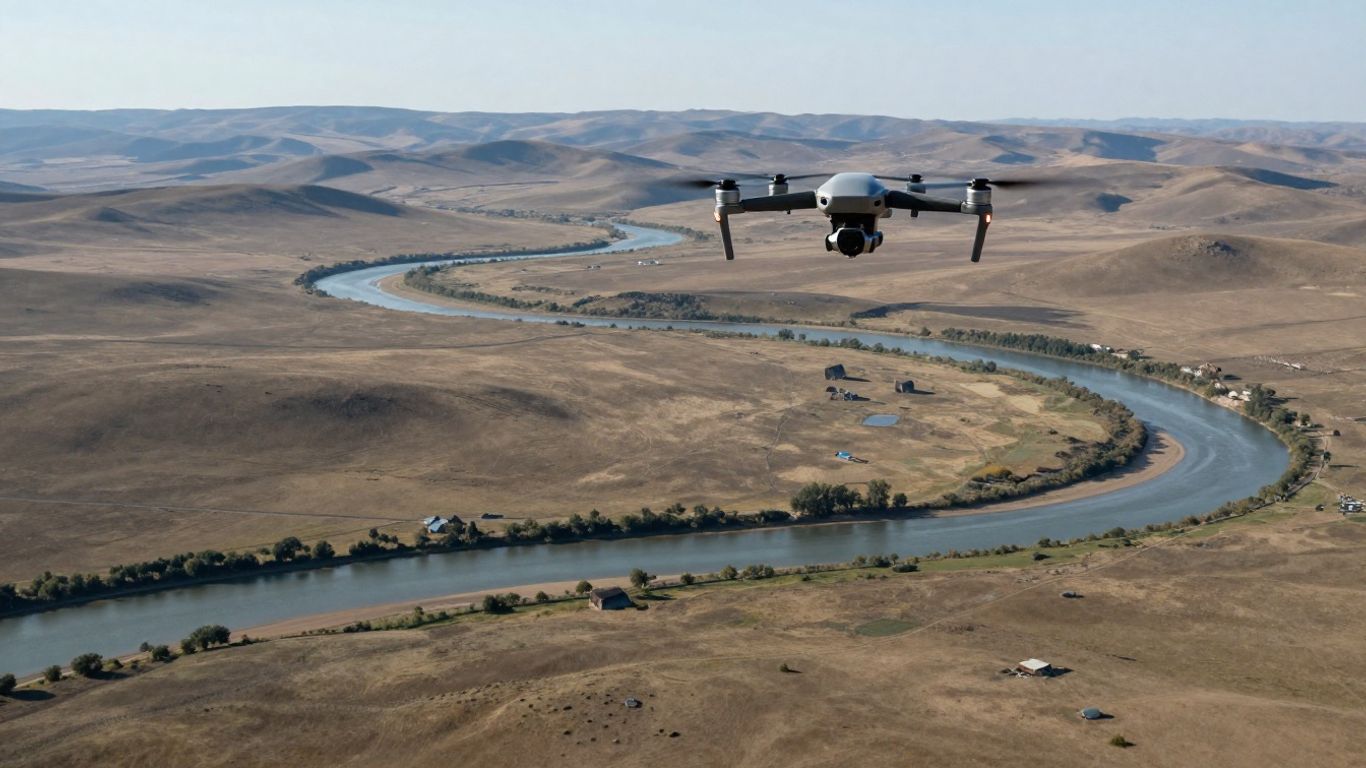
Flying drones beyond what you can see opens up a whole new world of possibilities for businesses and organizations. It’s not just about going further; it’s about doing more, faster, and often, cheaper.
Enhanced Efficiency and Cost Savings
Think about inspecting a long stretch of pipeline or a vast wind farm. Doing this with drones while keeping them in sight can be a real pain. You’re constantly moving, trying to keep the drone in view, and covering ground slowly. BVLOS changes that. You can cover huge areas without needing to reposition yourself constantly. This means less time spent on the job and fewer resources needed. It’s a game-changer for operations that cover a lot of ground. For instance, a utility company might use BVLOS drones to inspect power lines across remote areas, saving significant time and money compared to traditional methods. This capability is a big reason why many industries are looking into advanced drone operations.
Remote Inspections and Monitoring
Beyond just efficiency, BVLOS is perfect for tasks where getting close is difficult or dangerous. Imagine checking on remote infrastructure like offshore oil platforms or large construction sites. Drones can fly out to these locations, capture high-resolution images or video, and send the data back, all without putting people in harm’s way. This is a huge step up from manual inspections or using helicopters, which are far more expensive and carry their own risks. It also means you can monitor sites more frequently, catching potential issues before they become major problems.
Disaster Response and Wide-Area Searches
When disaster strikes, speed is everything. BVLOS drones can be deployed quickly to survey damage over large areas, providing first responders with a bird’s-eye view of the situation. They can help locate people in need during wide-area searches or assess the extent of damage after floods, fires, or earthquakes. This allows for a more informed and rapid response, potentially saving lives and resources. For example, a drone could be sent to survey a collapsed building to identify safe entry points for rescue teams, all while the pilot remains at a safe distance.
BVLOS operations require careful planning and the right technology to be safe and effective. This includes systems that help the drone avoid other aircraft and reliable communication links to keep the pilot in touch with the drone, even when it’s out of sight. The FAA has specific rules, often requiring waivers, to make sure these flights are conducted safely.
Here’s a quick look at how BVLOS can help:
- Infrastructure Inspection: Power lines, pipelines, bridges, wind turbines, cell towers.
- Agriculture: Monitoring large fields for crop health or irrigation issues.
- Public Safety: Search and rescue, accident scene mapping, monitoring large events.
- Construction: Site progress monitoring over large developments.
Getting approval for BVLOS flights often involves demonstrating a solid safety case to regulators. This means showing you’ve thought through all the risks and have plans in place to manage them. Investing in technology like detect-and-avoid systems and reliable communication is key to this process, and it helps build confidence for operations like those described in FAA Part 108.
Essential Technology For BVLOS Success
Flying drones beyond your sight, or BVLOS, isn’t just about having a drone that can go far. It’s about having the right gear and systems in place to keep things safe and under control, even when you can’t see the drone with your own eyes. This is where advances in drone technology really shine.
Detect-and-Avoid Systems
This is a big one for BVLOS. You need a way for the drone to see and avoid other aircraft or obstacles on its own. Think of it like giving your drone eyes and reflexes. Systems often use cameras and sensors to spot things in the air. If something gets too close, the system can automatically steer the drone away. This is super important because you won’t be there to react in real-time. Some systems use computer vision to do this, spotting other planes and making the drone take action if needed. It’s a key part of how to fly drones remotely without constant supervision.
Communication Systems for Extended Range
Losing contact with your drone is a major no-go when you’re flying BVLOS. You need reliable communication that can reach wherever your drone is going. This often means using a mix of different communication links. You might have a primary link, like a radio signal, and then a backup, like a cellular or satellite connection. If the main link has trouble, the system automatically switches to the backup. This redundancy is vital for keeping control. The FAA is looking at how new networks, like 5G, can help make these connections even more stable for longer flights.
Drone Selection for Long-Distance Flights
Choosing the right drone is more than just picking the one with the longest flight time. You need to consider a few things:
- Remote ID: Does the drone have standard Remote ID? This is a requirement for many operations. A broadcast module won’t cut it; the drone itself needs to be compliant.
- ADS-B In: Can it receive signals from other aircraft? While not always required, it’s a good safety feature, similar to how some drones show manned aircraft on their ground controller.
- Visibility: Does it have anti-collision lights? Drones need to be visible, often for at least a mile during the day. You might need to add these yourself if they aren’t built-in.
- Telemetry: Does the ground station show you all the important flight data? You need to see altitude, position, direction, and flight mode in real-time.
- Alerts: Does the system warn you about problems? It should give audible and visual alerts for things like system malfunctions or loss of connection.
Picking the right drone and communication setup is like building a safety net. It’s not just about the drone itself, but the whole system working together to keep it safe and under your command, no matter how far away it is. This is a big step for drone operators looking to expand their capabilities.
When you’re looking at options, remember that some companies offer solutions that handle these tech details for you, making it easier to get your BVLOS operation off the ground. For example, Honeywell offers BVLOS solutions that can extend flight times and reduce oversight needs. The Federal Aviation Administration (FAA) is also working on rules to help integrate these advanced drone flights safely into the airspace, which you can read about here.
Challenges And Considerations In BVLOS
Flying a drone beyond your own eyes might sound simple, but there are definitely some hurdles to jump over. It’s not just about having a drone that can go far; it’s about making sure it’s safe and legal every step of the way.
Factors Affecting Pilot Ability
Even with all the fancy tech, the person in charge still matters a lot. Think about it: if you can’t see the drone, you’re relying entirely on what your screens and sensors tell you. This means you need to be really good at interpreting that data. The pilot’s ability to stay focused and react quickly to unexpected information is paramount. It’s a different kind of skill than just flying by sight. You’re essentially managing a remote operation, and that requires a sharp mind and good judgment.
Understanding Airspace Risks
When you fly beyond your sight, you’re entering a much bigger airspace. This means you could potentially run into other aircraft, like planes or helicopters. You also have to think about things like weather changes that you might not see coming. It’s like driving on a highway versus a small country road – the potential for unexpected encounters is much higher.
- Detect-and-Avoid Systems: These are super important. They help the drone spot other objects and steer clear. Think of them as the drone’s eyes when you can’t be there to see.
- Communication Reliability: Losing connection with your drone is a big no-no. You need a solid communication link that won’t drop, even over long distances. This is where things like 5G technology are starting to play a role.
- Weather Monitoring: Real-time weather updates are critical. You need to know if a storm is rolling in or if winds are picking up.
Flying BVLOS means you’re responsible for a much larger bubble of airspace. You need to have solid plans in place to handle anything that might pop up, from other aircraft to sudden weather shifts. It’s all about being prepared for the unexpected.
Export Laws and Technical Data
This is a bit of a drier topic, but it’s important. If you’re using advanced drone technology, especially for commercial purposes, you might run into export control laws. These laws can affect where you can buy your equipment and where you can operate it. It’s not always straightforward, and sometimes, the technology you need might be restricted from leaving certain countries. This can impact your drone selection and where you can even think about flying. It’s a good idea to check with experts if you’re dealing with cutting-edge gear to make sure you’re not breaking any rules. You can find more information on drone technology advancements at uasdoc.faa.gov.
Wrapping It Up
So, we’ve talked a lot about flying drones way out there, beyond what you can see. It’s pretty cool what these machines can do, from checking power lines to searching for people. But yeah, it’s not as simple as just sending your drone off into the distance. There are rules to follow, and you really need to know what you’re doing to stay safe and legal. Getting the right approvals can be a headache, and figuring out the best gear takes some thought. It’s a big step up from just flying around the park, that’s for sure. Keep learning, stay safe, and maybe one day you’ll be flying your drone further than you ever thought possible.
Frequently Asked Questions
What does BVLOS mean for drones?
BVLOS stands for Beyond Visual Line of Sight. It means flying a drone so far away that you can’t see it with your own eyes anymore. Usually, this is more than a few football fields away. Drones use special tech like GPS and cameras to stay safe when they’re out of sight.
Why is flying drones beyond sight important for businesses?
Flying drones beyond sight is a game-changer for businesses! It lets them check on big things like power lines or pipelines without sending people out there. This saves a lot of time and money, and it’s safer because people don’t have to go to dangerous places. Think about checking a whole golf course or searching a huge area after a storm – BVLOS makes that possible.
What are the main rules for flying drones beyond sight?
The Federal Aviation Administration (FAA) has strict rules for flying drones beyond sight. You can’t just fly them anywhere you want. You usually need special permission, like a waiver or an authorization, from the FAA. They want to make sure your drone flights are safe and don’t cause problems for other planes or people.
How do I get permission to fly a drone beyond sight?
Getting permission to fly beyond sight involves asking the FAA for a waiver or authorization. You’ll need to show them exactly how you plan to fly safely. This includes explaining what technology you’ll use to avoid other aircraft and what your safety plans are. It can take time and effort to get approved.
What kind of technology do I need for flying drones beyond sight?
To fly drones beyond sight, you need special technology. This includes systems that help the drone ‘see’ and avoid other things in the air, like other drones or planes. You also need strong communication systems so you can control the drone even when it’s far away. Choosing the right drone designed for long-distance flights is also key.
What are the biggest challenges when flying drones beyond sight?
Flying drones beyond sight has challenges. Things like bad weather, buildings, or even the sun can make it hard to know where the drone is. There are also risks with sharing the sky with other aircraft. Plus, there are rules about sending drone technology to other countries, which can be complicated.