LAANC: Drone Flight Authorization Made Easy

Flying a drone in controlled airspace used to be a real headache. You’d have to fill out a bunch of paperwork and then just wait, sometimes for months. It was tough if you had a job lined up that depended on getting that approval. Thankfully, things have gotten a lot simpler. Now, there’s a system that makes getting permission to fly much faster and easier. We’re talking about LAANC authorization for drones, and it’s changing the game for pilots everywhere.
Key Takeaways
- LAANC authorization is a system that lets drone pilots get quick approval to fly in controlled airspace, usually within minutes.
- Both commercial pilots flying under Part 107 and recreational flyers can use LAANC, as long as they meet FAA requirements.
- Before LAANC, getting airspace authorization was a slow, manual process that could take months; LAANC automates this.
- LAANC apps, provided by third-party UAS Service Suppliers, are the tools pilots use to submit requests and receive near-instant approvals.
- While LAANC is great for flights below certain altitudes, flying higher or in areas not covered by LAANC may require a ‘further coordination request’ or manual FAA approval.
Understanding LAANC Authorization for Drones
What is LAANC Authorization?
So, you’ve got a drone and you’re ready to fly, but what happens when you want to fly near an airport or in other controlled airspace? That’s where LAANC comes in. LAANC stands for Low Altitude Authorizations and Notifications Capability. It’s basically a system that makes getting permission to fly your drone in controlled airspace much, much faster. Before LAANC, getting this permission could take weeks or even months. Now, for many flights, you can get approved in just a few minutes. This system is a big deal for anyone needing a drone airspace authorization, especially for low altitude drone flight permits. It helps the FAA keep track of where drones are flying, which is important for safety and national security.
Who Can Use LAANC?
Good news! LAANC isn’t just for the pros. Both commercial drone pilots and recreational flyers can use it. However, there are a few requirements:
- Commercial Pilots: You need to be operating under Part 107 rules. This means you must have a Remote Pilot Certificate and your drone needs to be registered with the FAA.
- Recreational Flyers: You need to have registered your drone and completed the Recreational UAS Safety Test (TRUST). You also need to follow the safety guidelines for recreational flyers.
Essentially, if you’re flying a drone and need permission for controlled airspace, LAANC is likely your best bet. It’s a key part of registering drone flights with FAA when you’re operating in these areas.
The Evolution of Airspace Authorizations
Think back to before LAANC. If you wanted to fly in controlled airspace, like near an airport, you had to submit a manual request to the FAA. This process was slow and could take a really long time. We’re talking up to 90 days in some cases! This made planning flights difficult and often impractical for quick jobs or spontaneous flights. The FAA recognized this bottleneck and developed LAANC to automate and speed up the process. This shift means more pilots can get the necessary permissions quickly, making operations smoother. It’s a move towards more efficient real-time drone traffic authorization and a significant improvement over the old system, which often felt like a bureaucratic maze. The FAA is also looking at broader changes, like the framework in Part 108, to further simplify drone operations in the future.
Navigating Controlled Airspace with LAANC
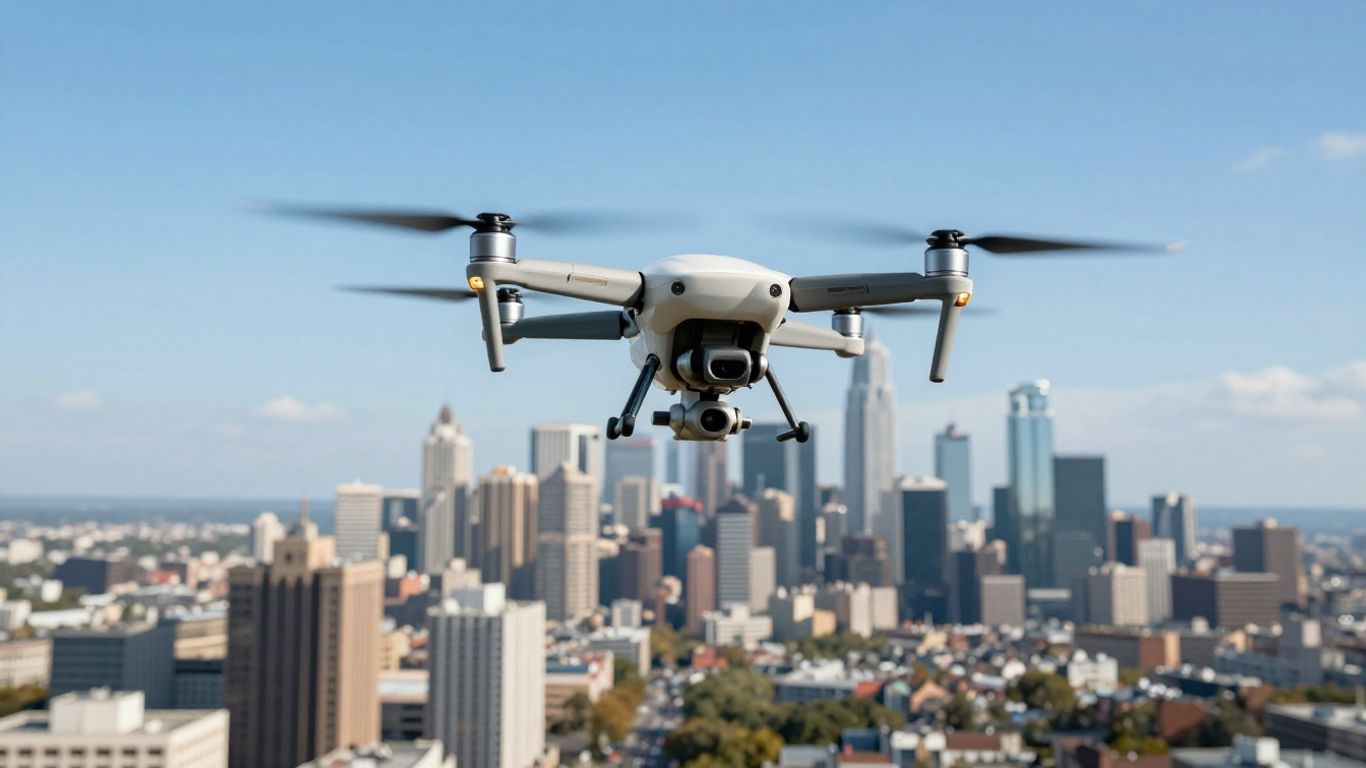
So, you’ve got your drone, you’re ready to fly, but wait – where exactly can you fly? A big chunk of the sky, especially around airports and populated areas, is considered ‘controlled airspace.’ Flying in these zones without permission is a big no-no. It’s not just about following rules; it’s about keeping the skies safe for everyone, including manned aircraft. LAANC is your ticket to getting that permission quickly and easily.
Why You Need Authorizations to Fly Safely
Think of controlled airspace like a busy highway. You wouldn’t just merge onto a highway without checking if it’s clear, right? The same applies to drones. The Federal Aviation Administration (FAA) manages this airspace to prevent collisions. When you fly a drone, especially a commercial one, you need to know if you’re in controlled airspace. If you are, you’ll need an authorization before you take off. This process helps the FAA know where drones are operating, which is a huge part of air traffic management. Without this system, it would be chaos, with potential for serious accidents.
Ensuring National Security with LAANC
Beyond just preventing mid-air collisions, LAANC plays a role in national security. By having a system that tracks drone flights in controlled areas, the FAA can help identify and manage potential threats. It gives authorities visibility into drone activity, which is important for protecting sensitive locations and events. It’s a way to integrate drones responsibly into our airspace without compromising safety or security.
Where Can You Fly with LAANC?
LAANC is available in many locations across the United States, typically around airports. The FAA provides something called UAS Facility Maps, which show these areas and the maximum altitude you can fly using LAANC. If your planned flight is within these mapped areas and below the specified altitude, you can usually get an instant approval.
Here’s a quick look at what these maps help you understand:
- Controlled Airspace Boundaries: These maps clearly outline the areas where LAANC is active.
- Maximum Altitude Limits: Each grid on the map has an altitude ceiling. You must stay below this limit for automatic approval.
- LAANC Availability: Not all controlled airspace is covered by LAANC. These maps show you where it is available.
If your flight plan takes you outside of these LAANC-approved zones or above the altitude limits, you’ll need to go through a different, more manual approval process with the FAA. It’s always best to check the UAS Facility Maps before you finalize your flight plans.
Flying in controlled airspace without proper authorization can lead to penalties. LAANC simplifies this requirement, making it accessible for most drone pilots to comply with FAA regulations and fly safely.
Getting Your LAANC Authorization
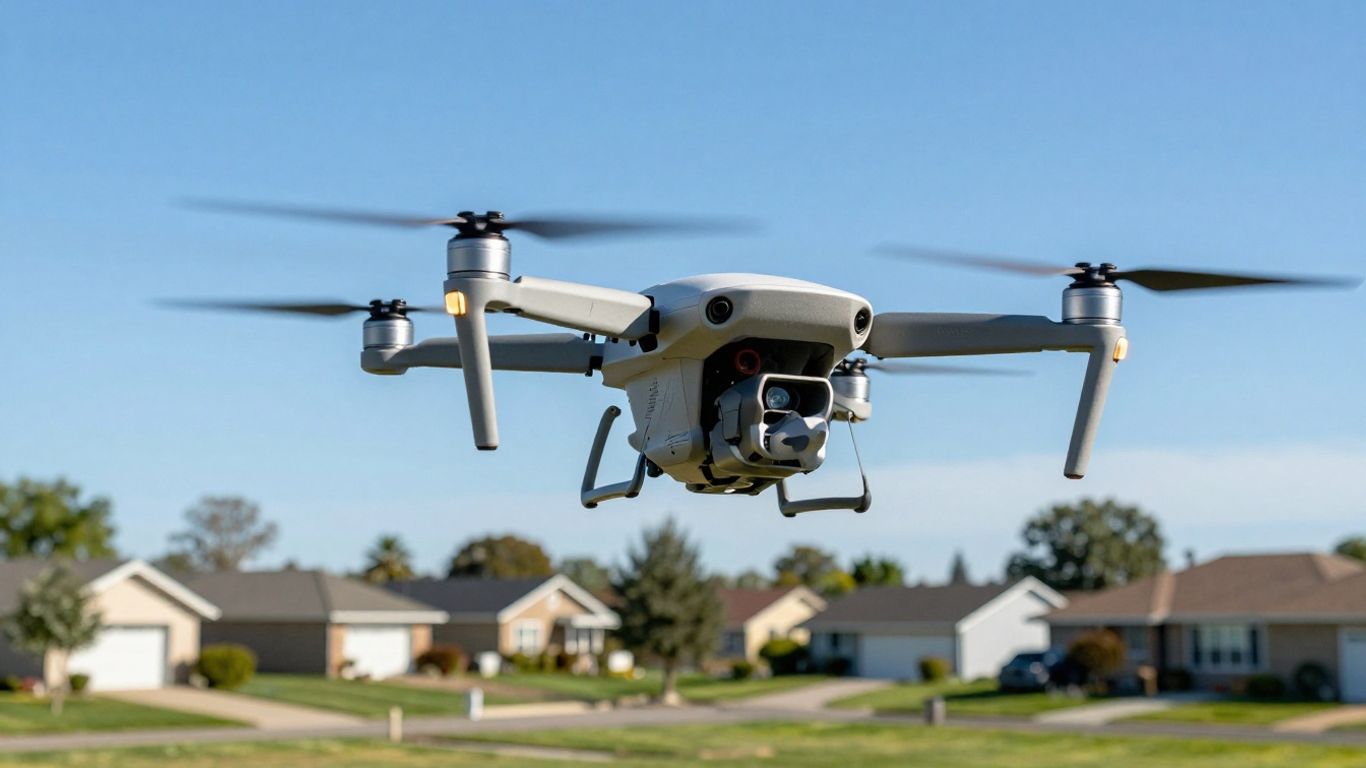
So, you’ve got your drone, you know where you want to fly, and you’ve checked the airspace. Now comes the part where you actually get permission to fly in controlled airspace. Thankfully, LAANC makes this whole process way simpler than it used to be. Before LAANC, getting authorization could take weeks, even months. You’d submit a request, and then just… wait. It was a real headache, especially if you had a job lined up that depended on that approval. But LAANC changed all that.
Step-by-Step Guide to LAANC Authorization
Getting your LAANC authorization is pretty straightforward, especially for flights within the standard altitude limits. Here’s how it generally works:
- Choose a LAANC Service Provider: First things first, you need to pick a company that’s approved by the FAA to offer LAANC services. These are often called UAS Service Suppliers (USS). Think of them as the go-between for you and the air traffic control system. There are quite a few of them out there, and we’ll talk more about picking one in a bit.
- Create an Account and Profile: Once you’ve chosen a provider, you’ll sign up on their platform. This usually involves giving them your basic contact info and, if you’re flying commercially, your Part 107 Remote Pilot Certificate number. Recreational flyers will need to have completed The Recreational UAS Safety Test (TRUST).
- Plan Your Flight: Using the provider’s app or website, you’ll map out your flight. This means putting in the location, the date, and the specific times you plan to fly. It’s super important to make sure the area you want to fly in is actually covered by LAANC. Not all controlled airspace is available through this system.
- Submit Your Request: With your flight plan ready, you’ll submit it through the app. You’ll need to specify your maximum altitude for the flight and how long you expect to be up there. The system will then check if your planned flight is within the approved altitudes shown on the UAS Facility Map.
- Receive Instant Authorization: For most requests that are within the limits shown on the UAS Facility Map, you’ll get an automated approval almost immediately. You’ll see a confirmation right in the app. It’s really that fast!
It’s always a good idea to double-check things right before you fly. Airspace can change, and Temporary Flight Restrictions (TFRs) or Notices to Airmen (NOTAMs) can pop up. Make sure you’re up-to-date on any changes that might affect your flight plan.
Choosing the Right LAANC Service Provider
With several FAA-approved UAS Service Suppliers (USS) available, picking the right one can feel a bit overwhelming. Most of them offer similar core services, but there can be differences in their apps, user interfaces, and any extra features they might provide. Some popular options include Aloft.ai, AirMatrix, and Airspace Link. When you’re choosing, think about:
- Ease of Use: Is the app or website intuitive and easy to navigate? You want something that doesn’t add extra confusion to your flight planning.
- Compatibility: Does it work on the devices you use most often (phone, tablet, computer)?
- Cost: While LAANC itself is often free for basic authorizations, some providers might have premium features or different pricing structures.
- Support: What kind of customer support do they offer if you run into issues?
Understanding UAS Facility Maps and Gridded Numbers
UAS Facility Maps are key to understanding LAANC. These maps, provided by the FAA, show the maximum altitude for drone operations in controlled airspace around airports. If your planned flight altitude is at or below the ceiling shown on the map for that specific location, you can typically get LAANC authorization instantly. The maps are divided into grids, and each grid square has a number indicating the maximum altitude. You’ll see these numbers when you use a LAANC app. Knowing these altitudes helps you determine if your flight qualifies for the quick, automated approval process. If you need to fly higher than what’s shown on the map, you’ll have to submit a different type of request, known as a further coordination request, which involves more manual review by the FAA. This is usually only an option for Part 107 certified pilots.
LAANC Apps: Your Gateway to Instant Approval
Remember the days of waiting weeks, or even months, for FAA approval to fly your drone in controlled airspace? It felt like a lifetime, especially when you had a job lined up. Well, those days are largely behind us, thanks to LAANC apps. These handy tools have completely changed the game, turning a slow, manual process into something that often takes just minutes. LAANC apps are your direct line to quick, automated flight authorizations.
How LAANC Requests Speed Up the Process
So, how exactly do these apps work their magic? Before LAANC, getting authorization meant someone at the FAA had to manually look at maps and decide. It was a bottleneck. LAANC automates this. When you use a LAANC app, you input your flight details – where, when, how high, and for how long. The app then checks this against the official UAS Facility Maps. If your flight plan fits within the pre-approved parameters shown on the map, the system grants you approval almost instantly. It’s like having a direct line to the air traffic control system, but without the endless hold music.
Top LAANC Apps for Drone Pilots
There are several companies that offer FAA-approved LAANC services through their apps. Each has its own interface, but they all perform the same core function: getting you authorized to fly. Some of the popular options include:
- FlightReady: Known for its straightforward approach to getting authorizations quickly.
- Aloft.ai: A widely used platform that offers LAANC through its mobile and web apps.
- AirMap: Provides airspace data and authorization services, accessible via web or through partner apps.
- Airspace Link: Offers a secure, web-based portal for planning and requesting authorizations.
When choosing a provider, consider factors like ease of use, compatibility with your devices (iOS, Android, web), and any additional features they might offer. You can find a full list of approved UAS Service Suppliers on the FAA’s website.
Using LAANC Apps for On-the-Go Authorizations
What’s really great about these apps is their flexibility. Many are designed for use on smartphones or tablets, meaning you can file a request right before you fly, even if you’re already at your launch site. This is a huge advantage for pilots who need to be adaptable. For instance, if you’re a commercial pilot working on a real estate shoot and the weather changes slightly, you might need to adjust your flight plan and get a new authorization. With a LAANC app, this is usually a quick process. Just remember that while LAANC is fantastic for getting approvals below certain altitudes, flying above those limits or in more complex airspace might still require a manual request through the FAA’s system, often called a "further coordination request." Also, keep in mind that all drone operations must comply with Remote ID regulations, which these apps can help you manage as well.
Always double-check your flight plan and airspace status within the app right before you fly. Conditions can change rapidly, and it’s your responsibility to fly safely and within the terms of your authorization.
Beyond Instant Approvals: Further Coordination
So, you’ve gotten the hang of LAANC for those quick flights in controlled airspace. Pretty neat, right? But what happens when your flight plan doesn’t quite fit the standard LAANC mold? Sometimes, you need to go a little deeper. This is where ‘further coordination’ comes into play.
When to Submit a Further Coordination Request
LAANC is fantastic for getting approvals quickly, especially when you’re flying below the maximum altitude shown on a UAS Facility Map. But what if your mission requires you to fly higher than that map allows, or perhaps in an area not covered by the standard LAANC grid? That’s your cue to think about further coordination. This process is specifically for Part 107 certified pilots who need to request operations that fall outside the automated LAANC system. It’s also the route to take if you need to fly in airspace that requires more detailed review than what the instant approval system can handle. Don’t wait until the last minute; these requests can take time.
What to Expect with Manual FAA Coordination
When you submit a further coordination request, you’re essentially asking the FAA to manually review your flight plan. This means you’ll need to provide more details than you would for an automated LAANC approval. Think about:
- Your specific flight path and altitude: Be precise about where you’ll be and how high you intend to fly.
- The purpose of your flight: Why do you need to fly in this particular way?
- Any safety measures you’ll implement: How will you ensure your flight is safe for other air traffic and people on the ground?
- The duration of your flight: How long will you be operating?
This isn’t a quick, automated process. It involves human review, so patience is key. You might be asked for additional information or clarification. The FAA uses this manual review to make sure your flight doesn’t interfere with manned aircraft or national security interests. It’s a more involved way to get authorization, but it’s necessary for complex operations.
Waivers and Authorizations: A Combined Approach
Sometimes, a flight might require both a specific authorization (like a further coordination request) and a waiver. Waivers are for situations where you need to deviate from specific FAA regulations, like flying at night without proper lighting or operating a drone from a moving vehicle. While LAANC handles routine authorizations, waivers address regulatory exceptions. If your operation is particularly complex or requires you to bend certain rules, you might need to apply for both. For instance, if you need to fly above the standard altitude and operate beyond visual line of sight, you’d likely need a further coordination request for the airspace and a waiver for the BVLOS operation. Understanding the difference between an authorization and a waiver is important for planning any non-standard drone mission. You can find more information on waiver applications if your needs go beyond standard flight parameters.
Wrapping Up Your Drone Flight Plans
So, there you have it. Getting permission to fly your drone in controlled airspace used to be a real headache, taking ages and involving a lot of waiting around. But with LAANC, that whole process has gotten way simpler. It’s pretty neat how quickly you can get the go-ahead now, letting you focus more on actually flying and less on paperwork. Whether you’re a pro pilot or just flying for fun, understanding and using LAANC is a big step towards flying smarter and safer. It really makes a difference in getting your drone operations off the ground without all the old-school delays.
Frequently Asked Questions
What exactly is LAANC?
LAANC stands for Low Altitude Authorizations and Notifications Capability. Think of it as a quick way to get permission from the FAA to fly your drone in certain controlled areas, like near airports. It makes getting approval much faster than the old way.
Who is allowed to use LAANC?
Both people flying drones for fun (recreational flyers) and those flying for work (commercial pilots under Part 107 rules) can use LAANC. You just need to make sure you have the right registration and certifications for your type of flying.
Why do I need LAANC to fly in controlled airspace?
Controlled airspace, especially around airports, has a lot of air traffic. LAANC helps the FAA know where drones are flying so they can keep everyone safe, prevent crashes, and protect national security by managing who gets permission to fly in these sensitive zones.
How fast can I get LAANC approval?
For many flights, especially those below a certain height, LAANC can give you approval almost instantly! You use special apps to submit your flight plan, and if it meets the rules, you get the green light in minutes, not weeks or months.
What if I need to fly higher than the automatic LAANC allows?
If you want to fly higher than what the standard LAANC map shows as automatically approved, you’ll need to submit a ‘further coordination request.’ This is usually for commercial pilots and involves a more detailed review by the FAA, which can take longer.
What are LAANC apps, and how do they help?
LAANC apps are tools made by private companies that connect you to the LAANC system. They make it super easy to plan your flight, submit your request, and get your authorization right from your phone or computer. They are your main way to get that quick approval.