Keeping Drones Out of the Airport Skies

So, drones. They’re everywhere now, right? Flying them around airports used to be a huge no-no, mostly because nobody wanted them crashing into planes or messing with air traffic control. We’ve seen some pretty big disruptions because of them. But things are changing. Airports are starting to see how useful drones can be, not just for keeping them out, but for actually using them. We’re talking about faster deliveries, greener operations, and a whole new way of moving stuff around. It’s a big shift, and it involves some pretty cool tech and new rules.
Key Takeaways
- Drones flying near airports create real risks, like mid-air crashes and interference with flight systems. Past incidents show how disruptive this can be.
- New anti drone systems for airports are being developed using advanced tech like AI and better sensors to spot and manage drones.
- Rules and regulations for drone use, especially for flying beyond sight, are still being figured out, requiring cooperation between different groups.
- Airports are now looking at how drones can help with logistics, like speeding up deliveries and cutting down on pollution.
- Technology is advancing quickly, allowing drones to be tracked in real-time and fly more complex routes, making them more useful for airport operations.
Understanding Airport Airspace Risks
When we talk about keeping drones out of airport skies, it’s not just about preventing a minor inconvenience. There are some pretty serious risks involved that we really need to get a handle on. Think about it: airports are incredibly busy places with planes taking off and landing constantly. Adding small, unpredictable drones into that mix creates a whole new set of problems.
Mid-Air Collision Concerns
One of the biggest worries is the chance of a mid-air collision. Drones are small, often hard to spot, especially for pilots of large aircraft who have a lot on their plate already. Even a small drone could cause significant damage if it were to hit a plane, potentially leading to a catastrophic event. It’s a scary thought, and something that pilots and air traffic controllers lose sleep over. We need ways to make sure these drones aren’t just flying around where they shouldn’t be, especially near active runways. The risk isn’t just to the planes, but also to people on the ground if a drone were to fall from the sky.
Disruption to Navigation and Communication Systems
Beyond the physical danger, drones can also mess with the technology that keeps air travel safe. Their signals can interfere with the sensitive navigation and communication systems that planes rely on. Imagine a pilot trying to land, and suddenly their instruments go haywire because of a drone’s radio frequency. That’s a recipe for disaster. Air traffic control relies on clear communication, and if that’s jammed or distorted by drone activity, it creates blind spots and confusion. This kind of interference can ground flights for hours, causing massive delays and impacting thousands of travelers. It’s a real headache for airport operations and a serious safety issue.
Lessons from Past Incidents
We’ve already seen what can happen when drones get too close to airports. The incident at Gatwick Airport in the UK back in 2018 is a prime example. Drones were spotted flying around the airport, and it caused a complete shutdown for over a day. Think about that – 140,000 passengers, 1,000 flights affected, all because of a few drones. It really highlighted how vulnerable our airports are and how quickly things can go wrong. That event was a wake-up call, prompting stricter rules and a push for better technology to detect and manage these aerial intruders. It showed us that we can’t just ignore the problem; we need proactive solutions to prevent similar disruptions from happening again. Learning from these past events is key to building a safer future for air travel and integrating drones safely into our airspace.
Implementing Anti Drone Systems for Airports
Advanced Surveillance Technologies
Keeping unauthorized drones out of airport skies is a big deal. We’re talking about protecting planes, passengers, and all the airport operations. One of the first lines of defense involves really good surveillance. Think radar, electro-optical cameras, and infrared sensors working together. These systems are designed to spot even small drones that might otherwise be invisible to traditional airport security. The goal is to get a clear picture of what’s happening in the airspace around the airport, identifying potential threats early on. This is key for preventing unauthorized drones at airports before they become a problem. The FAA is even conducting tests to see how well different drone detection systems work near places like Santa Teresa, New Mexico, from June 16-27, as part of ongoing research.
Detect and Avoid Capabilities
Once a drone is detected, the next step is making sure it doesn’t cause trouble. This is where ‘detect and avoid’ technology comes in. It’s like giving drones and airport systems a way to see and react to obstacles. This tech uses a mix of sensors, cameras, and radar to spot other aircraft, birds, buildings, and yes, even other drones. It helps drones fly safely through busy airport areas without hitting anything. This is a big part of making sure counter drone technology for aviation is effective. It’s not just about spotting them, but also about managing potential conflicts.
Artificial Intelligence for Decision Making
Just spotting a drone isn’t enough; you need to know what to do about it. That’s where artificial intelligence (AI) plays a role. AI can look at all the information from surveillance systems and make quick decisions. It can help figure out if a drone is a real threat or just a hobbyist flying too close. AI can also help manage drone traffic, optimize flight paths, and even suggest responses to potential intrusions. This helps airport security teams make better choices faster, which is vital for protecting airspace from drones. It’s all about using smart technology to keep things safe and secure. The development of these systems is a significant step in improving police drone programs and overall airport security.
Navigating Drone Regulations and Compliance
Developing a Comprehensive Regulatory Framework
The rules for flying drones, especially around sensitive areas like airports, are still being figured out. It’s a bit like trying to build a house while the blueprints are still being drawn. Right now, the Federal Aviation Administration (FAA) in the US often grants special permissions on a case-by-case basis for things like drone deliveries, rather than having a set of standard rules. This has led many in the drone industry to call for clearer, more complete regulations. Having a solid set of rules would really help innovation move forward. It’s not just about airports, either; these rules need to cover all sorts of drone uses.
Beyond Visual Line-of-Sight Operations
Flying a drone so it’s out of your direct sight, known as Beyond Visual Line-of-Sight (BVLOS) operations, is a big step. It’s key for things like long-distance deliveries or inspecting large areas. Canada, for example, has been a leader here, proposing rules for BVLOS flights that got a good reception from drone companies. Making these kinds of flights safe and legal means we need better ways for drones to talk to each other and to air traffic control. It’s about making sure drones can operate safely without getting in the way of regular planes or causing problems for air traffic controllers. This is where advanced communication systems become really important.
Collaboration for Safe Airspace Integration
Getting drones to work safely alongside manned aircraft and other drones is a team effort. Everyone involved – drone makers, operators, regulators, and airport authorities – needs to work together. This collaboration is vital for creating communication systems that allow everything to coordinate smoothly. Think about it: air traffic control systems, which often rely on radar, might not always pick up small drones effectively. So, we need new ways to manage this shared airspace. Tools like interactive maps and apps are already helping pilots understand where they can and can’t fly. For instance, apps like NAV CANADA’s Nav Drone can help pilots schedule flights and get permission to fly in controlled airspace. It’s all about making sure everyone stays safe and follows the rules, like not flying within 5.6 kilometers (3 nautical miles) of a certified airport unless you have the right permissions and certifications. Understanding shared airspace is key for everyone involved.
The current regulatory environment for drones is complex and evolving. Establishing clear guidelines for operations, particularly in controlled airspace near airports, is paramount. This involves not only defining where drones can fly but also how they communicate with existing air traffic management systems and how violations are addressed. The FAA’s program to expedite minor drone violations is a step towards streamlining processes.
Here are some key points to consider for drone operations near airports:
- Pilot Certification: Ensure you have the correct pilot certificate for your drone operation type (e.g., basic or advanced). This is a requirement for flying legally.
- Drone Registration: Drones within a certain weight range must be registered with the relevant authorities.
- Airspace Awareness: Always check for controlled airspace, restricted zones, and temporary flight restrictions (NOTAMs) before flying. Interactive maps and tools can assist with this.
- Airport Notifications: If flying near an airport, you often need to notify both air traffic control (like NAV CANADA) and the airport authority. Some airports have specific apps for this notification process.
- Prohibited Zones: Be aware of areas where drone flight is strictly prohibited, such as within 5.6 kilometers (3 nautical miles) of certified airports, unless specific authorization is granted. Rules for drone flyers are constantly being updated.
Enhancing Airport Logistics with Drones
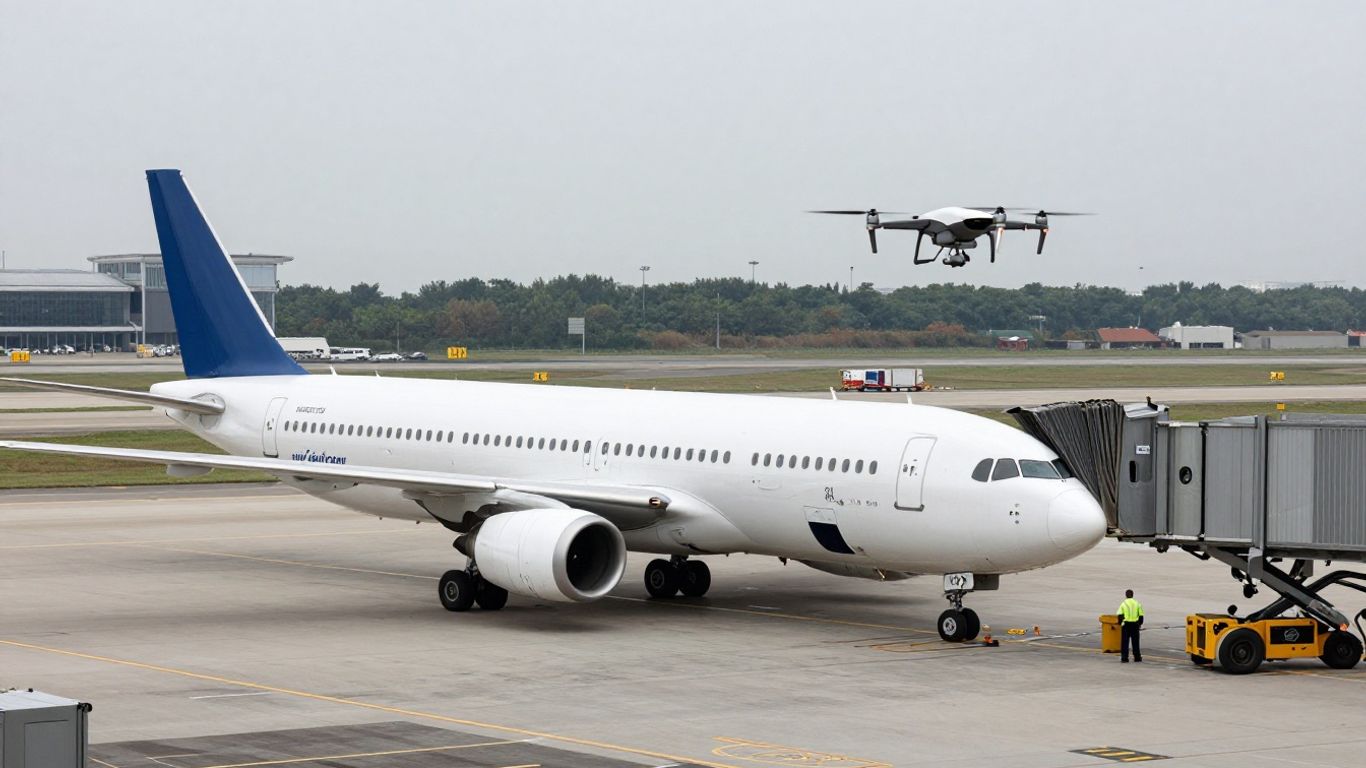
Airports are no longer just places for planes to land and take off. They’re becoming busy hubs for all sorts of transport, and drones are a big part of that shift. It wasn’t that long ago that airports were worried about drones flying where they shouldn’t. Now, they’re actively bringing them in to help with getting things moved around. Fast, reliable drone deliveries are changing how supply chains work, and airports are jumping on board to make their operations better.
Accelerated Delivery Solutions
Think about how big airport grounds are. Getting packages from one end to the other can take ages using regular vehicles, especially with traffic and parking issues. Drones offer a neat solution for these kinds of ‘last mile’ deliveries. They can quickly get important items, like medicine or parts, to where they need to go, both within the airport and to nearby businesses or homes. This speed is becoming a big deal as people expect things faster than ever.
Reduced Carbon Footprint
Using drones for deliveries is also a greener choice. Many drones run on clean energy, meaning they use less fuel and put out fewer emissions than trucks or vans. This helps businesses meet their sustainability goals and shows they care about the environment. Plus, fewer delivery vehicles on the road means less traffic congestion, which is a win-win.
Improved Intermodal Connectivity
Airports are key points where different types of transport meet. Drones can make this connection even smoother. They can help move goods between planes, trains, and trucks more efficiently. Setting up drone delivery centers at airports can create a network that links up air cargo with local industries and even consumers. This can make the whole supply chain faster and more flexible. It’s a way to connect different transport methods without needing extra storage steps in between, making things move along quicker.
The idea of a drone hub at an airport isn’t just about local deliveries. Imagine linking up airports across regions or even countries. This could create a powerful new way to move goods, potentially changing how we think about shipping on a large scale. It’s about making the whole system more agile and responsive.
Here’s a quick look at how drones help:
- Speed: Get items where they need to be much faster than traditional methods.
- Efficiency: Cut down on fuel costs and labor.
- Environment: Lower emissions and reduce road traffic.
- Reach: Connect hard-to-reach areas around the airport.
This shift towards using drones in airport logistics is still developing, but the benefits are becoming clear. It’s about making things move faster, cleaner, and more effectively. For businesses looking to streamline their operations and be more eco-friendly, drones in healthcare logistics are becoming a serious consideration. As technology improves and regulations catch up, we’ll likely see even more innovative uses for drones around airports, helping with everything from package delivery to infrastructure management.
Technological Advancements in Drone Operations
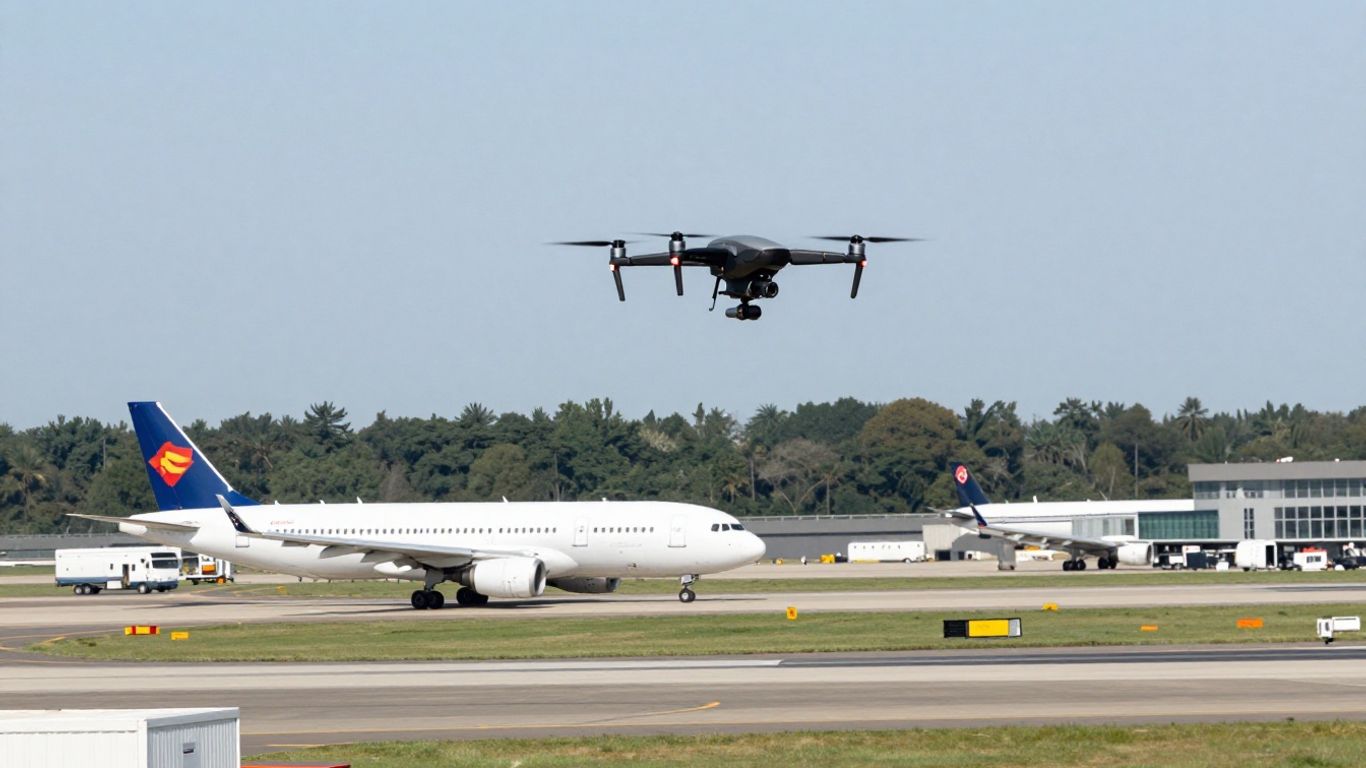
So, drones are getting pretty sophisticated, right? It’s not just about flying them around anymore. We’re seeing some really neat tech pop up that’s making them way more useful, especially around busy places like airports. Think about it – these machines are becoming smarter and more capable every day.
Real-Time Tracking and Communication Tools
One of the biggest leaps is how we can keep tabs on drones and talk to them. Gone are the days of just hoping they stay within sight. Now, we’ve got systems that let us see exactly where a drone is, all the time. This is super important for safety, obviously. It means we can track them, make sure they’re not wandering into restricted areas, and communicate with them if something unexpected happens. This kind of constant connection is what makes operations like Beyond Visual Line-of-Sight (BVLOS) flights actually work. It’s like having a direct line to the drone, no matter how far away it is.
Sophisticated Sensor Integration
Drones are also getting equipped with all sorts of fancy sensors. We’re talking about cameras that can see in the dark, radar that can detect objects from far away, and LiDAR, which uses lasers to map out the environment in 3D. These sensors help drones understand what’s around them. They can spot other aircraft, buildings, or even birds. This is key for preventing accidents, especially in complex environments like an airport where there’s a lot going on. It’s like giving the drone eyes and ears, so it can make better decisions on its own.
AI-Powered Flight Path Optimization
And then there’s the artificial intelligence part. Drones aren’t just following pre-programmed routes anymore. AI is helping them figure out the best way to get from point A to point B. This means they can adjust their paths on the fly if they encounter bad weather or unexpected obstacles. It also helps them fly more efficiently, using less energy and getting their job done faster. This smart planning is what allows drones to handle complex tasks, like delivering packages or helping with emergency response, without constant human input. It’s pretty amazing how much these machines can do now.
The integration of advanced sensors and AI is transforming drones from simple flying cameras into intelligent agents capable of complex tasks. This evolution is critical for their safe and effective use in sensitive areas like airports, where precision and real-time decision-making are paramount.
Pioneering Drone Integration in Airport Environments
It feels like just yesterday we were talking about how to keep drones away from airports. Now, things have really flipped. Airports are actually inviting drones in, seeing them as a way to speed things up and make things work better. This shift is all about making deliveries faster and more reliable, and airports are jumping on board to give their operations a boost.
Commercial Drone Delivery Projects
While the idea of drones zipping around airports might sound futuristic, it’s already happening. Take Edmonton International Airport in Canada, for example. Back in May 2022, they launched a commercial drone delivery service that’s been moving cargo around the airport and nearby areas. It was a big deal, even winning an award for innovation. They’re now planning to expand the routes and do even more with drone deliveries. It’s a real-world look at how this tech can work in a busy airport setting.
Airport Hub Models for Logistics
Setting up a drone hub at an airport opens up a lot of possibilities. Imagine linking regular air cargo with drone services. This could mean super-fast deliveries to local businesses and homes, taking some pressure off the roads. It’s not just about local deliveries, either. By connecting airports, these drone hubs could form a network that stretches across countries, changing how we move goods on a large scale. This setup can also cut down on costs because you might not need a separate warehouse. The efficiency gains from these integrated systems are significant.
Future of Drone-Enabled Supply Chains
What’s next? We’re looking at drones flying beyond what the pilot can see (that’s called BVLOS operations). This means they can go further and cover more ground. New tech, like real-time tracking and better communication tools, is making this possible and safer. It’s all about making sure drones can work alongside regular planes and ground traffic without causing problems. The goal is to create a smoother, greener, and faster way to move things, making supply chains much more agile. It’s a big change from just worrying about drone threats to actually using them to improve airport logistics. The partnership between Skeydrone and Airport Intelligence is one example of how airports are looking to integrate these systems for better security and efficiency [de59].
The integration of drones into airport logistics isn’t just about speed; it’s also about sustainability. Drones often run on cleaner energy, produce fewer emissions than traditional vehicles, and can help reduce road congestion. This makes them an attractive option for businesses looking to meet their environmental goals.
The Future is Shared Skies
So, it’s clear that keeping drones out of airport skies isn’t just about saying ‘no.’ It’s about figuring out how to let them in safely. We’ve seen how drones can actually help airports, from delivering packages faster to making things greener. But this only works if we have good rules, smart technology to spot and avoid trouble, and everyone plays by the same playbook. It’s a big shift from just blocking them to figuring out how they fit. The goal is to make sure planes, people, and these new flying machines can all share the air without any scary run-ins. It’s a work in progress, but the path forward seems to be about smart integration, not just exclusion.
Frequently Asked Questions
Why are drones a problem near airports?
Drones can be really small and hard for airplane pilots to see, which could cause a dangerous crash in the sky. They can also mess with the equipment airports and planes use to communicate and navigate, like radios and GPS. It’s super important to keep them away from airport skies to keep everyone safe.
What happened at Gatwick Airport with drones?
In 2018, drones were spotted flying around Gatwick Airport in the UK. This caused the airport to shut down for over a day because it was too risky to fly. Lots of flights were canceled, and many passengers were affected. It showed how important it is to have rules and ways to stop drones from flying where they shouldn’t.
How are airports using drones now?
Airports used to focus on keeping drones out, but now they’re finding ways to use them! Drones can deliver packages quickly around the airport or to nearby places. This can make things like getting medicine or important supplies to people much faster and easier.
What technology helps keep drones and planes safe?
New technology helps a lot! Drones are getting better at ‘seeing’ and avoiding things like planes, buildings, and even birds using special cameras and sensors. Also, smart computer programs, called Artificial Intelligence (AI), help drones make quick decisions to fly safely, even if the weather changes or something unexpected happens.
Are there rules for flying drones near airports?
Yes, there are rules, but they are still being worked out. In places like Canada, they are creating specific rules for drones, especially for ones that fly far away. It’s important for drone pilots to know these rules, get certified, register their drones, and sometimes even tell the airport they are going to fly.
How can drones help make deliveries better?
Drones can make deliveries much faster, especially for that ‘last mile’ where packages go from a hub to your door. They don’t get stuck in traffic like trucks. Plus, since many drones run on clean energy, they create less pollution than regular delivery vehicles, which is good for the environment.