
Z1 Zepher Flight Labs: A guide to its hydrogen-powered drone technology

Key Takeaways
The Z1 Zepher Flight Labs platform belongs to a growing class of hydrogen-powered unmanned aircraft designed around endurance and flexible deployment. Its promise is substantial, but its practical value depends on testing, infrastructure, regulation, and mission requirements.
- Hydrogen fuel cells can support longer aerial missions than many battery-only systems.
- The Z1 is described as a VTOL aircraft, allowing runway-independent operations.
- Airframe size, payload, altitude, weather, and energy storage all affect performance.
- Potential uses include inspection, emergency response, security, and remote observation.
- Certification and dependable hydrogen logistics remain central to wider adoption.
What the Z1 Zepher Flight Labs platform is
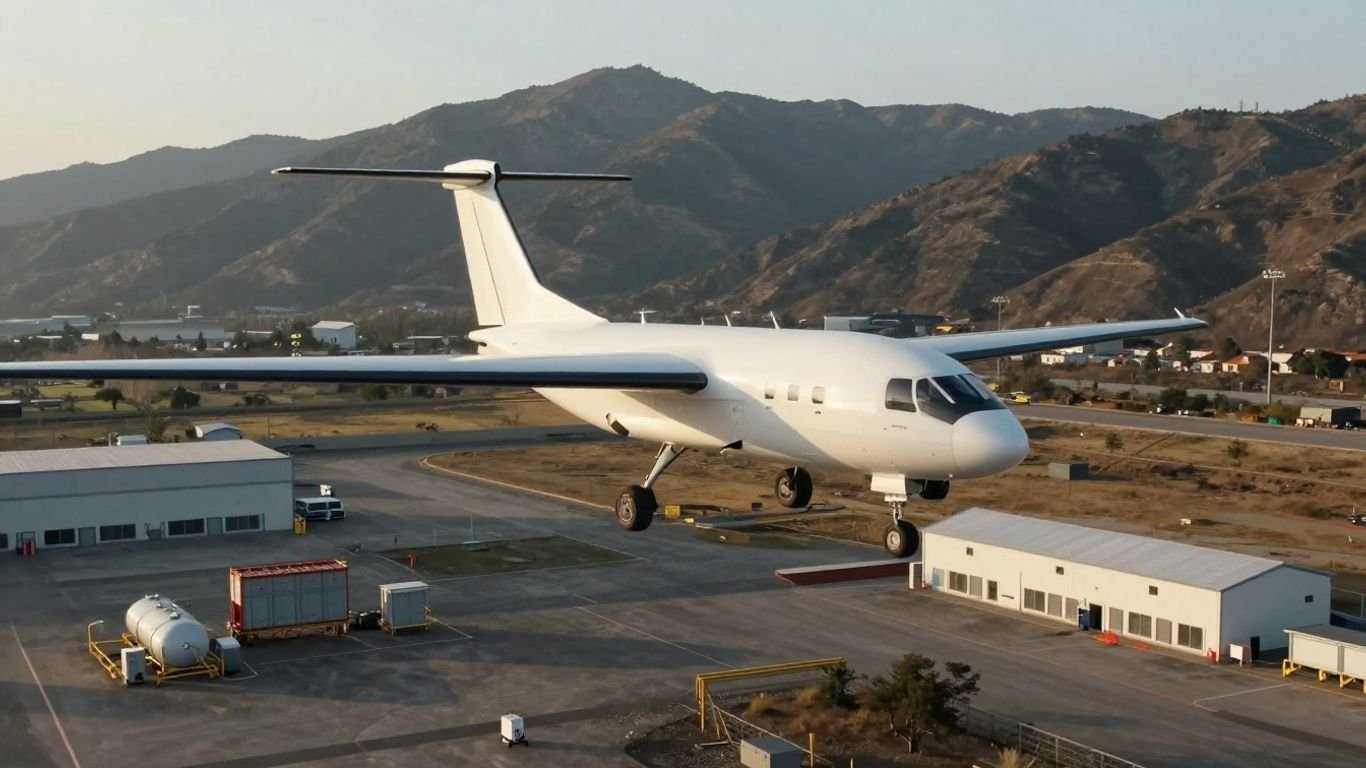
The Z1 is a hydrogen-powered vertical-takeoff-and-landing unmanned aircraft associated with Zepher Flight Labs. Publicly available material places it within the broader development of fixed-wing VTOL systems for demanding aviation and defense work. The platform is best understood as an aircraft under continued development rather than as a finished answer to every drone mission.
The role of Zepher Flight Labs in advanced unmanned aviation
Zepher Flight Labs is described as a manufacturer and systems integrator serving aerospace, defense, and autonomous systems. Its documented work spans design and development, prototyping, functional testing, and full-rate production. That background matters because an aircraft such as the Z1 requires more than an airframe: propulsion, avionics, navigation, payload interfaces, and production processes must work together.
The Z1’s intended missions and operating environments
The Z1 is associated with missions where endurance, vertical takeoff, and flexible payload integration are useful. Public descriptions connect the aircraft with intelligence, surveillance, and reconnaissance, disaster response, and logistics concepts. Those possibilities do not mean every configuration is ready for every environment; they indicate the kinds of operational problems the platform is being developed to address.
How hydrogen power supports extended flight
A fuel-cell aircraft converts stored hydrogen into electrical power for its motors, with water and heat as the principal by-products of the electrochemical reaction. Compared with carrying a large battery alone, this arrangement can make sustained flight more practical when the aircraft is sized around efficient cruise. The result still depends on tank volume, propulsion efficiency, reserve requirements, and the aircraft’s payload.
Key questions about the platform’s development stage
Readers should separate demonstrated milestones from projected performance. A reported test campaign provides useful evidence, but it does not automatically establish routine service, full certification, or performance in every weather condition. The Z1 development profile also shows why systems engineering is central: the aircraft brings mechanical, navigation, propulsion, electrical, aviation, and payload interfaces into one integrated system.
How the Z1’s propulsion system works
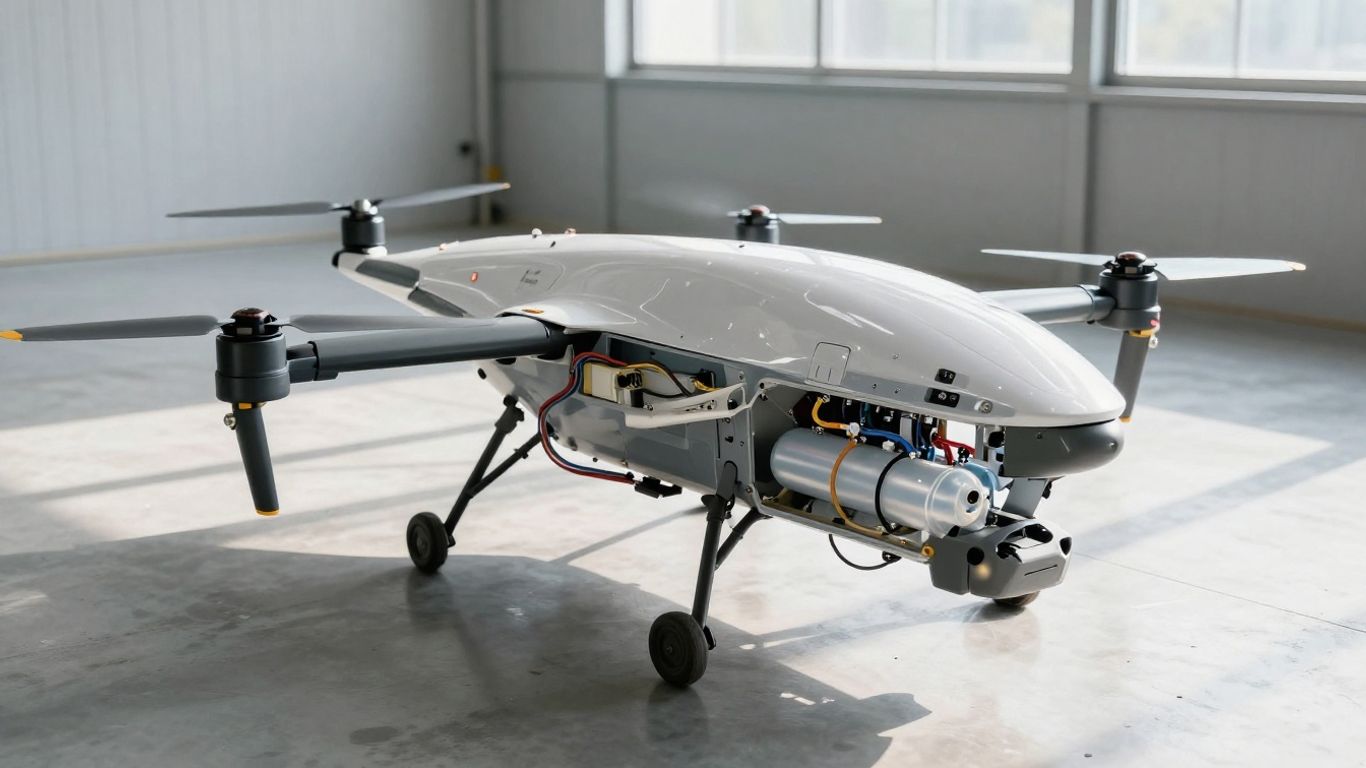
Hydrogen propulsion changes the way an unmanned aircraft is planned, operated, and supported. Instead of treating energy as a single battery pack, designers must coordinate fuel storage, fuel-cell output, electric motors, power electronics, and reserves. This creates opportunities for endurance, while adding engineering and field-management questions.
Fuel-cell power generation and onboard energy management
The fuel cell supplies electricity through a controlled electrochemical process rather than combustion. An onboard energy-management system must match generation with the changing demands of takeoff, climb, cruise, maneuvering, and descent. A small buffer battery or similar electrical reserve may also be useful in an aircraft architecture, although the exact arrangement depends on the design.
Hydrogen storage considerations for aerial systems
Hydrogen storage is a major design constraint because the aircraft needs enough fuel without allowing tanks and supporting hardware to consume too much useful mass or internal volume. Tank geometry affects the center of gravity, packaging, maintenance access, and crash-safety planning. These considerations become more demanding when an aircraft must lift vertically before transitioning to efficient forward flight.
Electric propulsion and flight-control integration
Electric motors respond quickly to changes in commanded power, which suits a VTOL aircraft managing multiple phases of flight. Flight-control software must coordinate motor output with transition logic, navigation inputs, stability requirements, and changing aircraft weight as hydrogen is consumed. Integrated control matters because a fuel-cell system is only valuable if the aircraft can turn its electrical supply into predictable flight.
Balancing endurance, payload, and aircraft size
Longer flight is not an isolated specification. More hydrogen can increase endurance, but larger tanks and stronger structures add mass; a larger payload can require more power, which in turn changes fuel consumption. A useful way to frame the trade-off is through the variables operators can actually adjust:
- Mission duration and reserve policy.
- Sensor or cargo mass.
- Cruise altitude and airspeed.
- Takeoff and landing site conditions.
These choices show why headline endurance should be read alongside payload, weather, altitude, and operating procedures. The aircraft is a system of compromises, not simply a tank attached to a drone.
Z1 design and flight capabilities
The Z1’s fixed-wing VTOL concept combines vertical access with the potential efficiency of wing-borne cruise. That combination can be valuable where runways are unavailable, but it also introduces transition controls, additional structural demands, and more complex testing. Available reporting gives a useful picture of the intended scale and test direction, while leaving room for performance to evolve.
Airframe features that influence performance
Public material describes the Z1 as a 55-pound aircraft with a 14-foot wingspan. A platform of that size can carry more useful equipment than a small consumer drone, but it also needs greater attention to launch areas, handling, ground support, and airspace coordination. The wing, vertical-lift components, fuel system, and payload installation all influence aerodynamic efficiency.
Expected endurance and range factors
A reported demonstration included vertical takeoff and an 11,000-foot climb to 12,000 feet, while published descriptions have cited more than 10 hours of flight time. Those figures should be treated as test or stated capability rather than a universal operating guarantee. Payload mass, cruising profile, reserve fuel, wind, temperature, and communications coverage can all reduce usable range or time aloft.
Payload capacity and mission equipment
The platform is described as supporting modular payload integration, which allows mission equipment to be selected around the task rather than permanently built into one configuration. Possible equipment might include cameras, mapping sensors, communications hardware, or other mission-specific systems, but the exact payload depends on the aircraft’s approved interfaces and weight limits. Modular design is most useful when changing equipment does not require rebuilding the whole aircraft.
Takeoff, landing, and operating constraints
VTOL capability can reduce dependence on prepared runways, yet it does not remove the need for a safe operating area. Operators still need clearance from obstacles, reliable positioning, suitable weather, and procedures for a transition or recovery problem. A fixed-wing aircraft may also require more room and planning than a compact multirotor once it begins forward flight.
Potential applications for the Z1
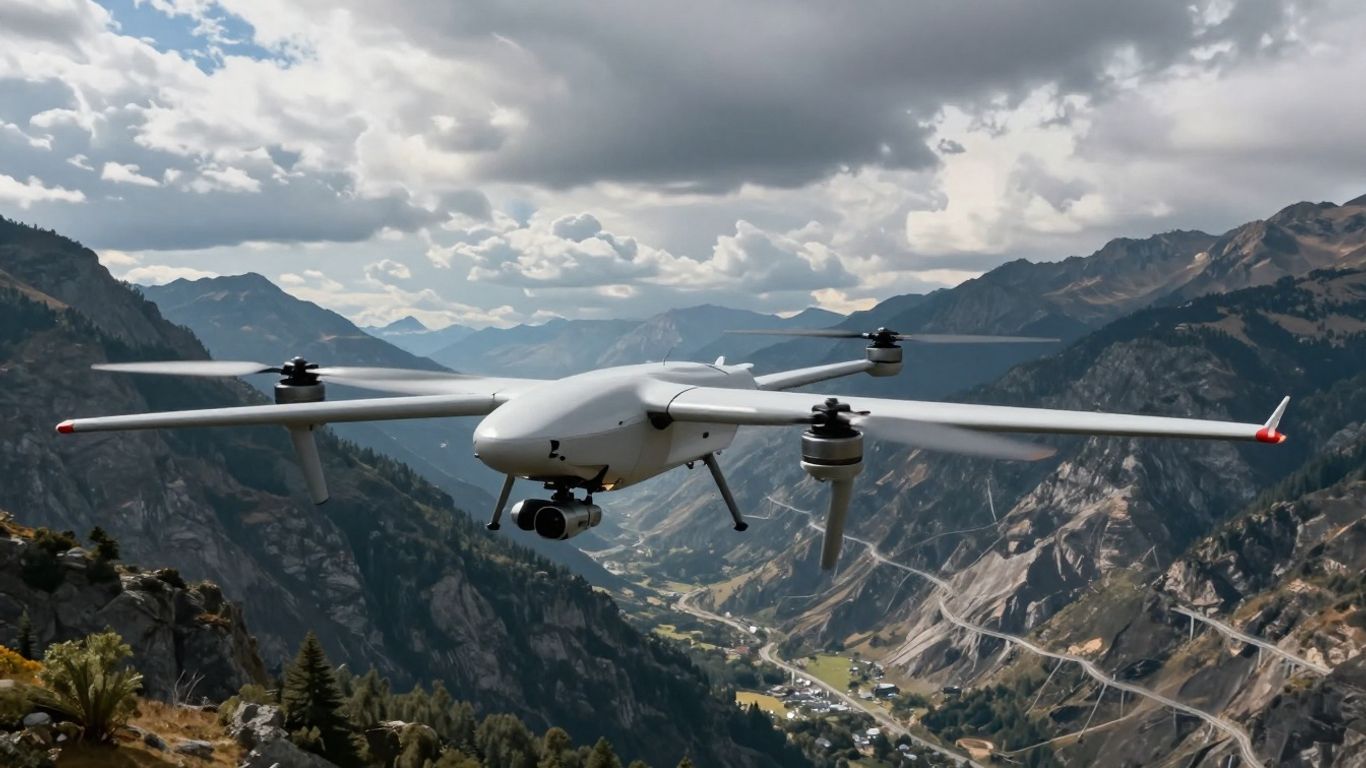
Hydrogen endurance becomes meaningful when a mission benefits from staying airborne, reaching a distant site, or carrying equipment beyond the practical limits of a small battery aircraft. The Z1’s proposed application areas are therefore broad, but each one would require a specific payload, flight plan, and approval pathway. The wider drone technology guide offers useful context for how different airframes are matched to different operational needs.
Infrastructure inspection and industrial monitoring
Longer flights could support inspection routes over utilities, transport corridors, industrial sites, or remote facilities. A modular sensor package might collect imagery or other measurements while reducing the need for repeated launches. In practice, the value would depend on image quality, repeatability, data links, weather tolerance, and whether the aircraft can safely operate near the asset being inspected.
Public safety and emergency response
Emergency teams often need aerial awareness before roads, crews, or conventional aircraft can reach an affected area. A VTOL platform could launch from a constrained site and remain available for extended observation, subject to airspace and safety rules. Disaster response would also place unusual demands on communications, wind handling, deployment speed, and the ability to work around damaged infrastructure.
Defense and security missions
Public descriptions connect the Z1 with ISR and defense-oriented missions. In that context, endurance may support wider-area observation or reduce the frequency of recovery and relaunch cycles. The Z1 flight demonstration is relevant as a reported test milestone, but operational suitability would still depend on secure communications, payload performance, reliability, and formal mission requirements.
Environmental observation and remote-area operations
Remote environmental work can involve long distances, limited roads, and few convenient charging points. Hydrogen logistics may offer an alternative energy model where flight duration is more valuable than compact size. Applications could include habitat observation, wildfire-area assessment, coastal monitoring, or mapping, provided the aircraft and payload are authorized for the task.
How the Z1 compares with conventional drones
The most useful comparison is not simply hydrogen versus batteries. It is a comparison between different operating models: how the aircraft is fueled, how long it can remain airborne, what support it needs, and how much complexity the mission can absorb. Battery-electric drones remain attractive for their simplicity, while hydrogen systems are designed to address a different endurance equation.
Hydrogen fuel cells versus battery-electric systems
Battery-electric aircraft store energy directly and can be straightforward to charge, transport, and manage at smaller scales. Fuel-cell aircraft separate energy storage from electrical generation, using hydrogen as the stored fuel and a fuel cell to produce electricity during flight. The best choice depends on mission duration, payload, turnaround expectations, site access, and the availability of charging or fueling equipment.
Endurance advantages and practical trade-offs
Hydrogen may provide an endurance advantage for aircraft designed around long missions, particularly when a battery of equivalent usable energy would become too heavy. That advantage is balanced by tank packaging, fuel availability, operator training, and additional safety procedures. The comparison should therefore focus on complete mission cost and readiness, not just the number of minutes in the air.
Maintenance, logistics, and fueling requirements
A field team must plan for more than the aircraft itself. Typical planning questions include:
- How hydrogen will arrive or be generated at the operating site.
- How tanks, valves, fuel cells, motors, and avionics will be inspected.
- How spare parts and trained technicians will be positioned.
- How flight data and maintenance records will be managed.
That support structure can be manageable for a dedicated industrial or government program, but it may be excessive for occasional short flights. The right comparison is always between the entire support chain and the mission’s actual demand.
Noise, emissions, and environmental considerations
Fuel-cell propulsion does not burn hydrogen in the same way as a conventional combustion engine, and its electrochemical output produces water as a principal reaction product. The aircraft can still create sound through motors, propellers, airflow, and VTOL operations. Environmental performance also depends on how hydrogen is produced, compressed, transported, and stored.
Deployment challenges and future outlook
The Z1’s potential rests on whether its technology can move from promising demonstrations to repeatable, compliant operations. That transition requires evidence across aircraft reliability, energy handling, payload performance, weather, communications, and maintenance. It also requires customers and regulators to understand the platform’s limits clearly.
Hydrogen storage and field infrastructure
Hydrogen support is likely to be one of the first practical questions for an operator. Fuel must be delivered, stored, inspected, and handled at a site that may have limited utilities or trained personnel. Without a dependable field process, an aircraft designed for long endurance may still spend too much time waiting for preparation.
Safety, certification, and regulatory requirements
A hydrogen aircraft must satisfy aviation rules as well as procedures governing fuel handling, site safety, crew training, and emergency response. Certification evidence must cover the airframe, propulsion system, flight controls, communications, and intended operating conditions. Those requirements are not a minor administrative step; they shape which missions can be conducted and where.
Reliability in changing weather conditions
Wind, rain, cold, heat, turbulence, and altitude can affect both the aircraft and its energy system. VTOL flight can be especially demanding because hovering consumes significant power, while fixed-wing cruise may be more efficient once the aircraft transitions. Reliable deployment will depend on testing that reflects the conditions operators actually face, not only calm demonstration flights.
The significance of Zepher Flight Labs’ industry partnerships
Partnerships can provide access to manufacturing, testing, research, and mission feedback that a small development team could not build alone. Public reporting also describes Zepher Flight Labs’ acquisition as part of a broader expansion in advanced drone technology. Such relationships may help the Z1 mature, although progress should still be judged by disclosed test results, certification milestones, and repeatable field performance.
A related discussion of corporate transportation illustrates a broader deployment principle: dependable logistics are part of a service, not an afterthought. The same principle applies to aerial systems, where fueling, transport, crew support, and scheduling can determine whether an aircraft is genuinely useful.
The conversation around air quality and remote operations also appears in very different contexts, from PuffiAir to a baby air quality guide. These are not aviation technologies, but they underline a practical point: equipment must be evaluated in the environment where people will actually use it, with maintenance and safety built into the routine.
Real-estate access in Guanacaste and residential care at Braveminds Academy are similarly unrelated to drones, yet their inclusion here reflects how broad source coverage can be separated from the Z1’s technical evidence. For this aircraft, the strongest conclusions remain tied to documented tests, stated specifications, and the conditions of deployment.
Conclusion
The Z1 Zepher Flight Labs platform presents hydrogen-powered VTOL flight as a serious approach to longer and more flexible unmanned missions. Its reported demonstrations and modular design are encouraging, but real-world adoption will depend on payload results, safety, certification, weather testing, and practical hydrogen support. For readers assessing the technology, the clearest path is to treat endurance as one part of a larger aircraft-and-operations system.
Frequently Asked Questions
What is a hydrogen-powered drone?
It is an unmanned aircraft that uses hydrogen in a fuel cell to generate electricity for its propulsion system. The fuel cell typically produces water and heat as by-products rather than relying on conventional combustion.
Why use hydrogen instead of a battery?
Hydrogen can offer a useful endurance trade-off for some aircraft because stored fuel may weigh less than a battery providing equivalent long-duration energy. The benefit depends on tank design, fuel-cell efficiency, payload, and the availability of fueling support.
What does VTOL mean?
VTOL means vertical takeoff and landing. A VTOL aircraft can rise and land vertically, while a fixed-wing configuration may provide more efficient forward flight after takeoff.
What affects drone endurance?
Endurance is shaped by aircraft weight, payload, airspeed, altitude, wind, temperature, propulsion efficiency, reserve policy, and the energy carried onboard. Published maximum figures may not match every operational mission.
What are common uses for long-endurance drones?
Long-endurance aircraft can support inspection, mapping, environmental observation, emergency awareness, communications, logistics, and security missions. The appropriate use depends on payload, permissions, and operating conditions.
Does hydrogen propulsion mean zero environmental impact?
Not necessarily. Flight emissions from a fuel cell can be low, but the environmental footprint also includes hydrogen production, compression, transport, storage, aircraft manufacturing, and maintenance.
What is the main challenge for hydrogen drones?
The central challenge is building a complete and safe operating system around the aircraft. That includes certified hardware, trained crews, reliable fueling, maintenance procedures, communications, and rules for the intended airspace.