The Black Hornet 4 by Teledyne FLIR: Capabilities, specs, and tactical significance

Key Takeaways
This article outlines the technical advancements and tactical benefits of the Black Hornet 4, an evolution in personal reconnaissance technology.
- Improved radio communication range reaches three kilometers under optimal conditions.
- The system integrates high-resolution thermal and electro-optical sensors for day-night operations.
- Enhanced durability includes IP-52 ratings for the drone and IP-54 for ground stations.
- Advanced battery technology and ergonomic tablets support extended mission durations.
- Modular design allows for rapid deployment by dismounted infantry units without specialized training.
Understanding the Black Hornet 4 architecture
Defining the nano-drone standard
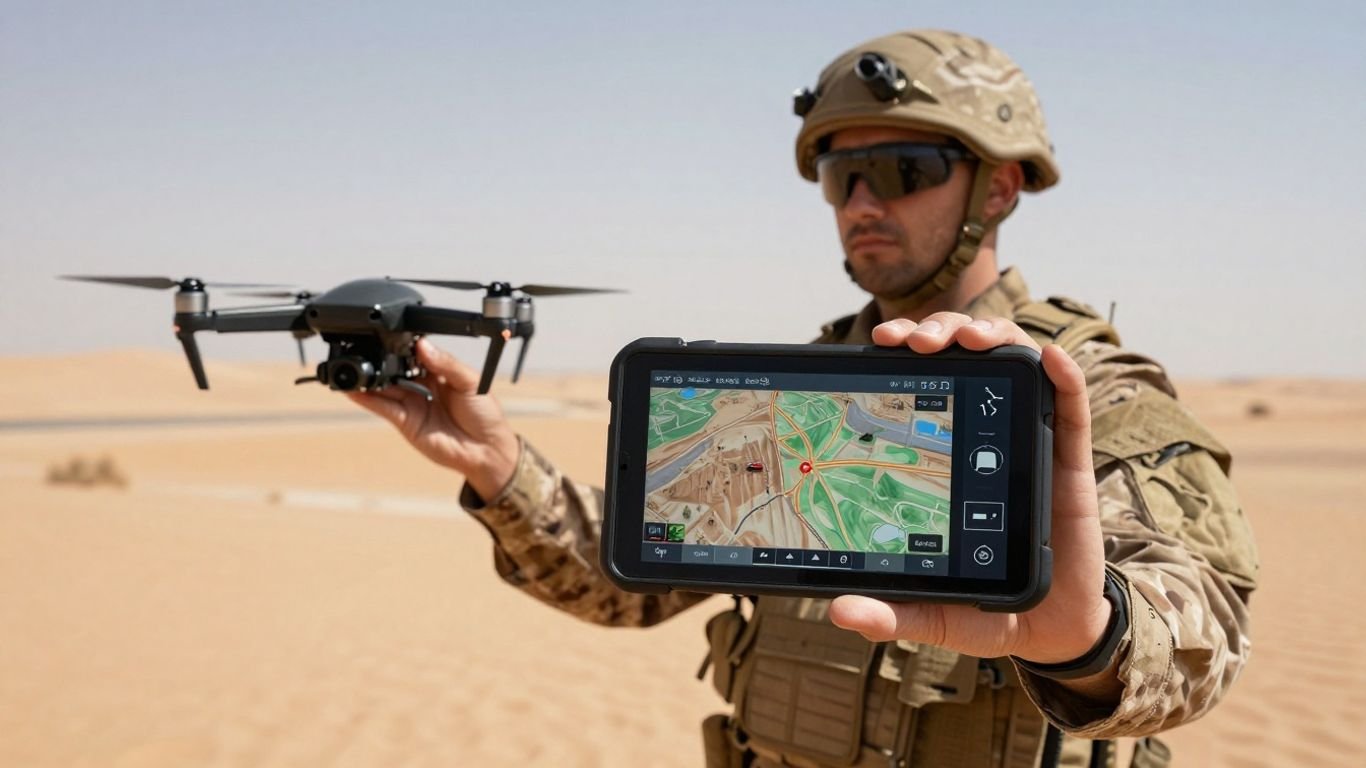
The Black Hornet 4 represents a shift in how small fighting teams gather data. By moving away from bulky or specialized equipment, this platform offers a streamlined, non-specialist nano UAV system that fits easily into a soldier’s standard kit. The architecture prioritizes ease of use, ensuring that personnel can deploy the asset in seconds to gain crucial overhead perspectives without external support.
Physical design and modular hardware enhancements
Design choices focus on resilience, ensuring the platform survives the rigors of combat and harsh weather. The frame is reinforced, and the electronics are shielded to support operations in rain, which is a significant step forward for covert nano UAV systems designed for sustained use in unpredictable outdoor environments. Following standardized testing protocols ensures that these machines remain dependable when physical integrity matters most.
| Feature | Specification | Impact |
|---|---|---|
| Weight | 70 grams | High portability |
| Wind Tolerance | 25 knots | Stable flight |
| Radio Range | 3 kilometers | Extended coverage |
These specifications detail how the system maintains functionality despite environmental challenges. Such technical benchmarks are essential for modern military procurement processes as teams look for consistent, NDAA-compliant and reliable technology for reconnaissance missions.
Integration potential for decentralized military units
Integrating these drones into small units requires more than just hardware; it demands a seamless connection to existing reconnaissance workflows. By simplifying the interface, the Teledyne FLIR team has ensured that digital reconnaissance platforms can ingest data from the drone immediately, allowing for faster decision-making cycles at the squad level.
Advanced imaging and sensory capabilities
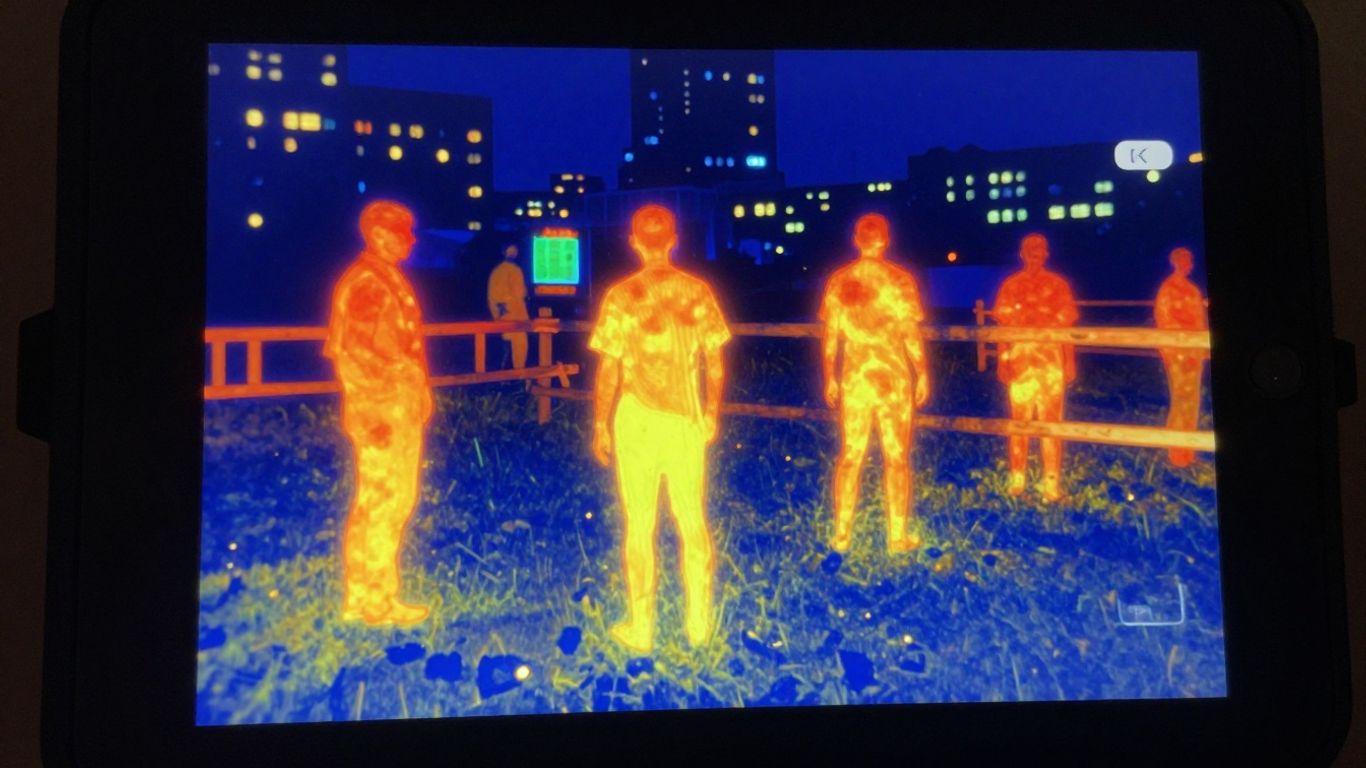
High-resolution thermal sensor arrays
Thermal imaging serves as the backbone of modern covert ISR and night operations. By capturing heat signatures, the drone allows users to identify targets through foliage, smoke, or total darkness, proving that advanced thermal drone technology remains a critical force protection asset for ground teams.
Electro-optical camera performance metrics
Daytime operations rely on a sophisticated 12-megapixel sensor that provides clear, actionable imagery. This level of visual fidelity reduces the risk of misidentification during complex urban surveillance tasks where every detail extracted from a video feed informs potential tactical decisions.
Navigating challenging lighting conditions and night operations
Operators leverage a combination of infrared and electro-optical sensors to bridge the gap between low-light visibility and high-contrast thermal mapping. This multi-spectrum approach ensures that missions continue regardless of the time of day, maintaining a continuous flow of high-quality intelligence.
The ability to swap or layer these sensor data streams effectively eliminates the reliance on perfect weather, providing a reliable tactical advantage in contested theaters while keeping operators safe from direct contact.
Operational performance and flight stability
Battery management and extended mission profiles
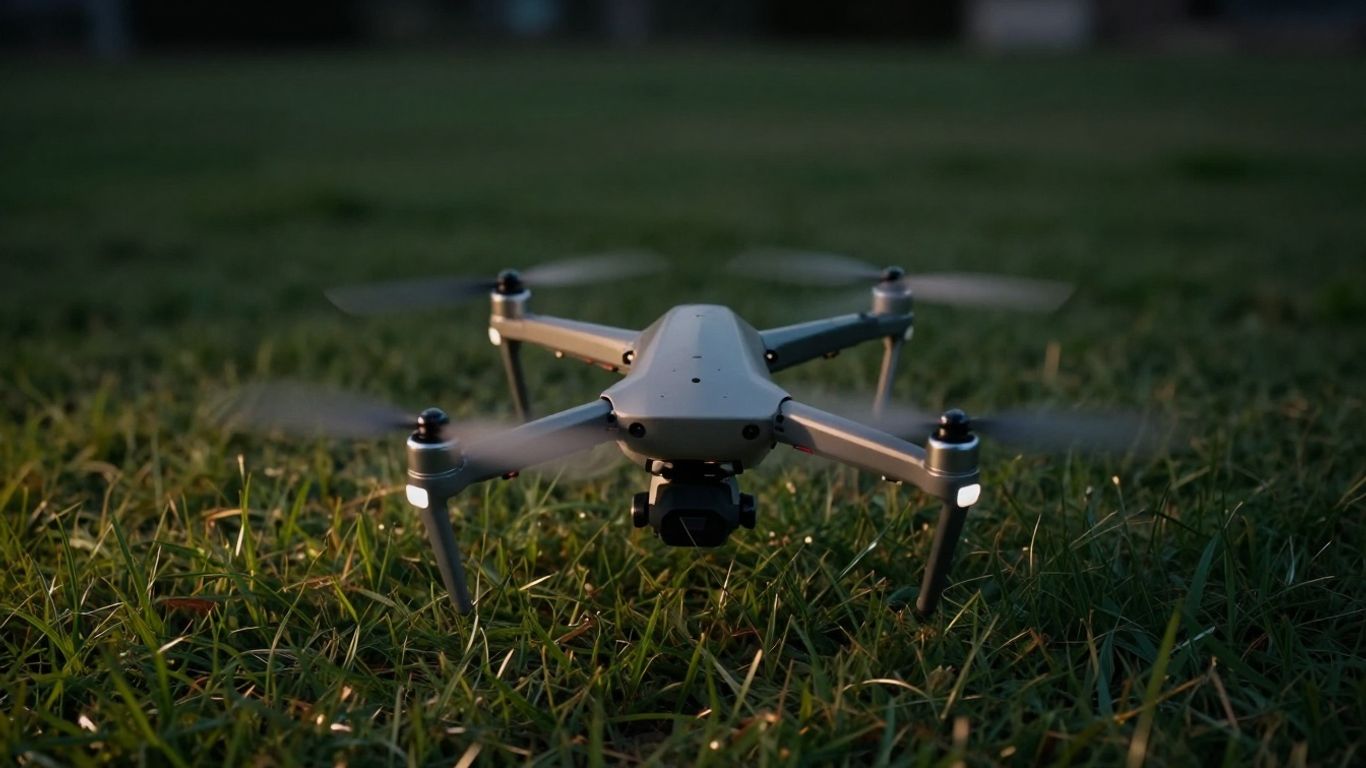
The power systems have been optimized to ensure the drone maintains flight status for over 30 minutes, meeting the high demands of dismounted soldier deployments. New charging features, including battery heaters for cold-weather reliability, further extend the usage range and environment suitability for operational commanders.
Maintaining flight stability in high-wind environments
Flight stability is the primary variable that dictates whether a micro-UAV can operate in demanding field conditions. The following list outlines key stability components that allow the system to perform in gusts up to 25 knots:
- Advanced rotor geometry that minimizes turbulence-induced jitter.
- Gyroscopic stabilization algorithms that adjust to sudden gusts.
- High-frequency sensor feedback loops for real-time trajectory correction.
- Automatic failsafe protocols that prevent loss during major wind events.
These features work together to keep the camera steady, ensuring that the processed video remains clear enough for accurate distance measurements and target detection even when weather conditions are less than ideal.
Acoustic signature reduction for covert stealth missions
Covert operations depend on the drone remaining undetected by the naked ear. By dampening the acoustic output of the rotor system, the Teledyne FLIR Black Hornet effectively hides its presence, allowing small teams to monitor high-threat environments without alerting potential targets in the immediate vicinity.
AI integration and data security
Real-time intelligence processing at the edge
Processing intelligence directly on the ground control station reduces latency and ensures that info reaches the operator without lag. This edge computing capability is fundamental for small fighting units needing to react instantly to changes on the ground without waiting for cloud connectivity.
Resilient datalinks against electronic warfare jamming
Security is paramount in current operational environments, which is why the Black Hornet 4 utilizes a robust, software-defined radio datalink. This secure link protects communication channels against interference, ensuring the operator retains full control over the flight controls and sensor feed at all times.
Interoperability with digital reconnaissance platforms
Compatibility with the broader digital reconnaissance platform landscape allows commanders to integrate the drone’s data into their existing situational awareness maps. This interoperability streamlines the transfer of information from individual soldier-carried systems up to higher-level analysis nodes.
Strategic tactical deployment
Enhancing infantry situational awareness
Situational awareness is the key to maintaining a lead over potential threats in a developing situation. Using this system, small units can peer around corners or over obstacles, turning remote intelligence gathering into a daily standard for infantry success.
Urban environment surveillance techniques
Urban settings pose specific challenges due to signal blocking and obstacles; however, the Teledyne FLIR defense design handles these obstructions by providing a direct line-of-sight capability that is agile enough for navigating narrow alleyways and multi-story structures.
Rapid response capabilities in search and rescue operations
During high-stakes operations where every second counts, the ability to deploy a drone in under a minute saves lives. By locating individuals or verifying threat locations from a safe distance, the system minimizes the danger to first responders and search teams on the ground.
Conclusion
The Black Hornet 4 advances personal reconnaissance by combining resilience, miniaturization, and high-fidelity sensing into a single, cohesive unit. These updates demonstrate a clear commitment to supporting warfighters in an evolving global landscape, while the focus on user-driven improvements points to a systems-first approach to tactical operations.
Frequently Asked Questions
How does this drone perform in rain and high winds?
The platform is built to sustain operations in adverse weather, including 25-knot winds and active rain, due to its specialized IP-rated design and flight software.
Can personnel operate this system without prior flight experience?
Yes, the system is designed as a non-specialist tool, enabling operators to achieve proficiency through minimal training periods rather than requiring advanced pilot certifications.
What is the maximum distance the system can be flown from the operator?
Under optimal conditions, the communication link allows for reliable flight and data transmission at distances reaching up to three kilometers.
Is it possible to use the drone for night-time scouting?
The system includes high-resolution thermal sensors, which explicitly allow for the detection and identification of heat signatures during night operations or in low-visibility environments.
How does the ground control terminal improve compared to earlier models?
The newer tablet features refined ergonomics for use with gloves, an extended battery life for longer missions, and integrated heaters for operations in colder temperatures.
Does the drone store any sensitive mission data on itself?
The design architecture prioritizes security by ensuring data stays with the ground control station rather than the drone, preventing intelligence compromise if an aircraft is captured.
What sort of maintenance is required for long-term deployments?
Regular firmware updates and simple battery recharging routines ensure the system stays ready for use, with the modular nature of the hardware allowing for quick component swaps in the field.