A complete guide to the Red Cat Fang F7 drone

Key Takeaways
This article examines the operational profile and technical foundations of the versatile Fang F7 tactical drone system. Readers will gain insights into its development, deployment, and long-term maintenance requirements.
- The Fang F7 is an NDAA-compliant FPV drone engineered for reliable tactical and training missions.
- Its design highlights a commitment to American-made components and secure, retrievable operational workflows.
- The system integrates seamlessly into the broader ARACHNID™ Family of Systems architecture.
- Detailed sensor integration and carbon fiber durability ensure performance in diverse and challenging field conditions.
- Field endurance and battery management are optimized to minimize the total cost of ownership for defense operators.
Overview and development of the Fang F7
Defining the Red Cat tactical drone lineup
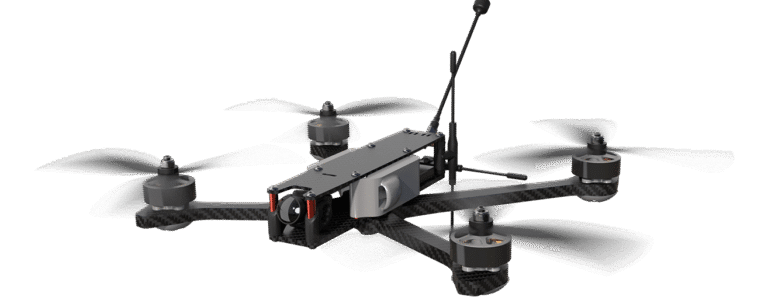
The Red Cat tactical lineup focuses on creating versatile, high-performance systems for modern security requirements. By prioritizing secure domestic manufacturing, these platforms provide agencies with reliable tools for complex missions that demand precision and data security. The FANG™ line represents a deliberate shift toward accessible, retrievable solutions that bridge the gap between expensive, attritable systems and high-end reconnaissance hardware.
Primary mission profiles for small form-factor units
These small units are tailored for rapid intelligence gathering and target identification in dynamic environments. They offer the agility needed to explore confined or obstructed spaces where larger, heavier aerial vehicles might struggle. Operators utilize these systems for iterative training exercises and real-world deployment cases requiring immediate visual situational awareness without introducing unnecessary logistical complexity.
Historical significance of the Fang series in FPV development
The development of the Fang series marks an evolutionary step in First Person View technology for non-commercial users. By integrating professional-grade hardware into a familiar manual-flight chassis, the series allows pilots to maintain active control while benefiting from the secure supply chain initiatives established by federal mandates. This approach preserves the tactile experience of manual FPV flight while ensuring that every drone meets rigorous government standards.
Technical specifications and hardware design
Flight controller architecture and sensor integration
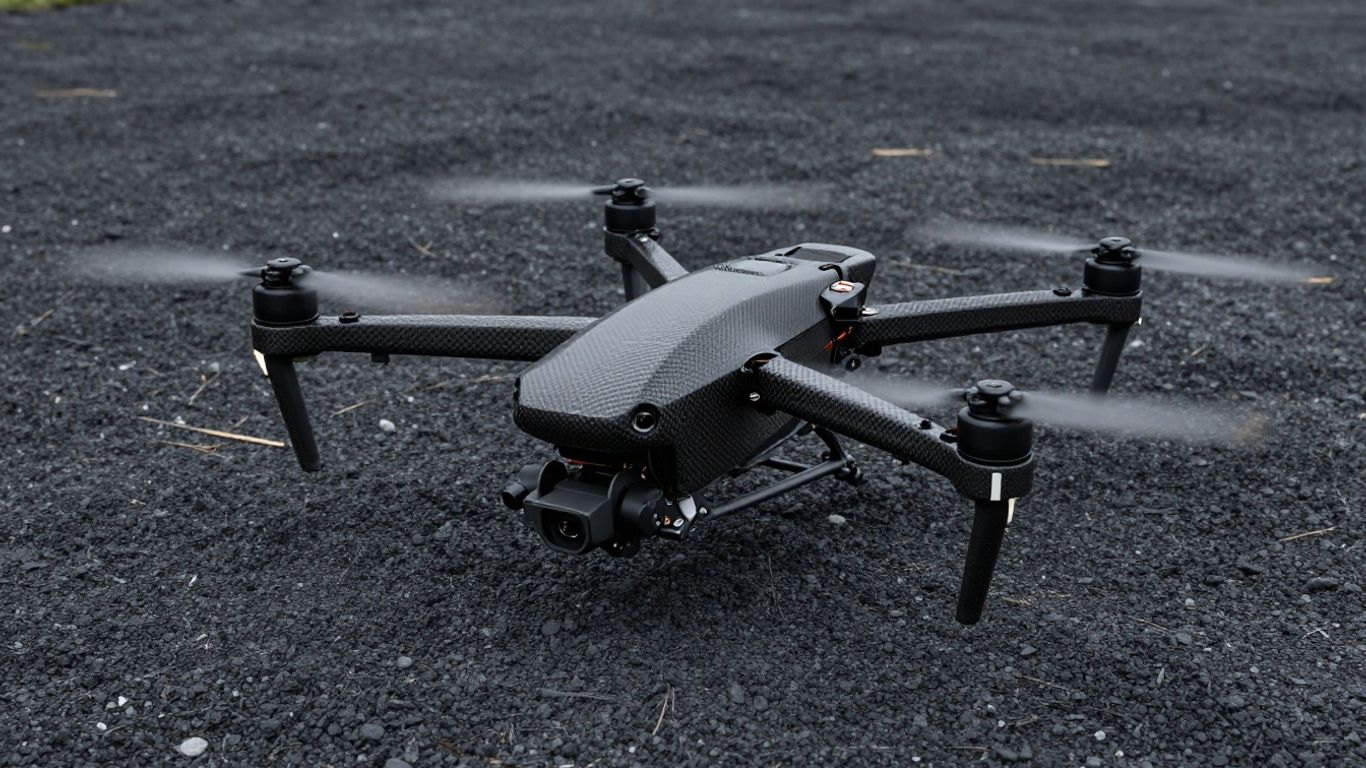
The flight controller is the central nervous system for the platform, ensuring stable command response during high-speed maneuvers. Advanced sensor suites provide the necessary telemetry to keep the pilot informed about flight status, while high-frequency data sampling helps maintain steady flight in turbulent conditions. By minimizing latency, the architecture translates pilot inputs into immediate action with exceptional precision.
Frame durability and material composition
A 7-inch carbon fiber frame serves as the structural foundation, offering a rigorous balance of impact resistance and low weight. This durable carbon fiber construction allows the airframe to endure the rigors of frequent training sessions and harsh outdoor field environments. The structural integrity is further reinforced at key junction points, ensuring that components remain protected even after repeated landings or incidental contact.
Video transmission and signal latency metrics
Reliability in transmission is critical for accurate reconnaissance, especially when navigating terrain with potential electromagnetic interference. The following data highlights the performance metrics of typical baseline hardware used in these units:
| Component Feature | Performance Benchmark | Expected Duration |
|---|---|---|
| Signal Latency | < 25 Ms | Real-time update |
| Data Link Range | 3 km – 5 km | Stable connection |
| Video Resolution | 1080p Digital Stream | Constant feed |
These metrics illustrate the system’s focus on maintaining a high-fidelity connection, which is essential for operators who require crisp, clear visual feeds during active mission phases. Stable link performance remains a pillar of reliable reconnaissance, ensuring that operators can maintain full manual flight control and situational awareness throughout the duration of the flight, as discussed in professional Drone News Network reviews.
Understanding NDAA compliance and trust requirements
Navigating federal supply chain transparency mandates
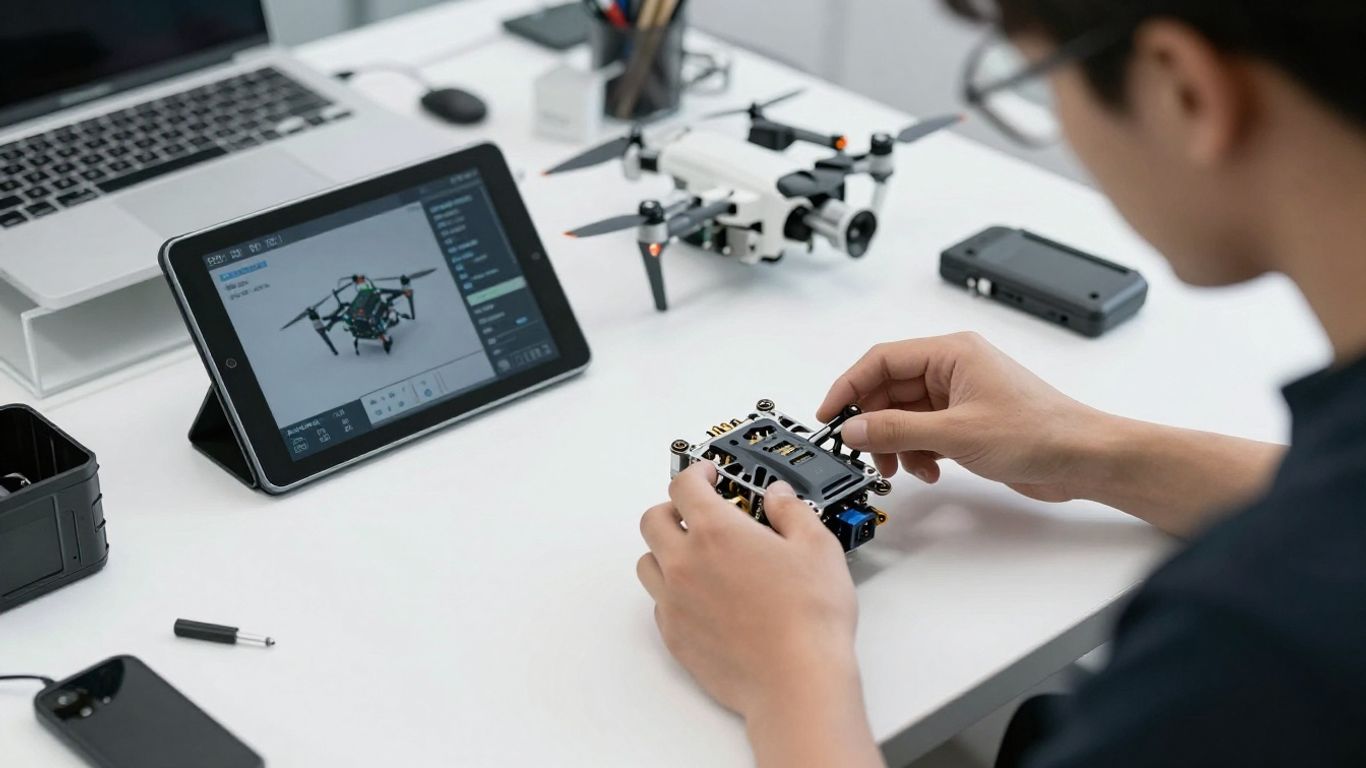
Compliance involves a transparent mapping of where components originate and how they are assembled. By adhering to federal transparency standards, manufacturers ensure that their systems can be utilized in sensitive environments without risking data leaks or foreign supply dependencies. This dedication to local manufacturing strengthens the overall resilience of the defense industry.
Data handling and privacy protocols for sensitive operations
Security is embedded into the data handling routines of the FANG™ F7, protecting sensitive flight information from unauthorized access. These protocols ensure that all recorded imagery and telemetry remain contained within secure environments, preventing accidental exposure. Robust encryption and controlled update channels provide the necessary protections for modern digital security needs.
Verification of U.S.-sourced hardware components
Each component within the system, from the motors to the flight controller, undergoes a thorough verification process to confirm its American-made status. This process prevents the risk of unauthorized hardware backdoors and stabilizes the supply chain by reducing reliance on external manufacturing nodes. Government auditors provide oversight to ensure that the claims of secure procurement are met consistently.
Tactical mission application and operational deployment
Intelligence, surveillance, and reconnaissance capabilities
These drones are designed to work as localized sensor nodes, providing immediate reconnaissance of immediate perimeters. By augmenting existing optics with aerial perspectives, teams can observe objective areas safely and effectively. The platform’s modular nature allows for quick adjustments based on the specific requirements of the operation at hand.
Integration into larger platoon-level unmanned systems
The hardware is built to integrate into the ARACHNID™ Family of Systems, enabling a multi-layered approach to mission planning. This modular integration means that teams can deploy multiple unit types simultaneously to cover disparate geographical zones or different mission targets. Collaboration between different unit categories allows for better synergy on the ground.
Deployment speeds and rapid transition workflows
Rapid transition from transport to flight is the hallmark of a well-designed tactical vehicle. Operators can achieve a near-instant setup, allowing for reactive responses if circumstances should suddenly shift in the field. This capability, supported by straightforward arming procedures, ensures that time-sensitive missions do not lose momentum.
Maintenance, battery life, and field support
Battery discharge rates and operational endurance
Operational endurance is dictated by the current load on the battery, particularly when carrying additional high-power sensors over long durations. Managing this discharge profile allows pilots to plan their arrival and departure times for maximum efficiency. The following list identifies best practices to maintain optimal battery health throughout the service cycle:
- Perform routine voltage checks before and after every flight session.
- Avoid storing batteries in extreme heat for long durations.
- Use designated balancing chargers to ensure cell consistency.
- Inspect the physical casing for signs of swelling or deformation.
Following these steps ensures that the internal chemistry of the cells remains stable, which is a vital aspect of maintaining a consistent and long-lasting platform for regular tactical missions. Proper care and strict attention to energy storage protocols can make a significant difference in the longevity of any hardware fleet.
Troubleshooting common field malfunctions
Most malfunctions stem from environmental wear or minor configuration errors that can be identified quickly by experienced operators. Establishing a methodical diagnostic process ensures that minor issues, such as loose wiring or sensor calibration tilts, do not escalate into mission failure. Regular hardware audits act as a preventive measure against most common failure points.
Best practices for fleet maintenance and longevity
Maintenance should be viewed as a standard operational task rather than an afterthought. Routine cleaning, software verification, and structural inspections build a data trail that helps predict when specific components might require replacement. Taking a proactive stance towards maintenance extends the lifecycle of specialized equipment and keeps training costs low
Conclusion
The Fang F7 serves as a practical, security-focused entry in the tactical drone landscape. Through its emphasis on retrievability and American-made reliability, it addresses the critical need for a high-performance system that remains economically viable for frequent operational training and reconnaissance. As these technologies continue to evolve, platforms that prioritize transparency and structural resilience will likely remain the standard for operators requiring capable solutions in the modern defense environment.
Frequently Asked Questions
How is the durability of carbon fiber airframes maintained in extreme conditions?
Carbon fiber is inherently resistant to environmental stress and temperature fluctuations, though operators should avoid structural impacts that cause deep gouges. Regular inspections for hairline cracks after heavy usage cycles help identify potential failure points before they manifest during flight.
Can these drones operate in GPS-denied environments?
The flight systems rely on advanced inertial navigation and integrated sensors to maintain stability even when external positioning signals are blocked. By using visual odometry, these units can track their own motion relative to the ground to ensure smooth flight paths.
How does the retrievable design impact total cost of ownership?
A system that can be recovered after training exercises eliminates the necessity of purchasing single-use platforms. This approach allows agencies to invest in higher-quality sensor suites that can be transferred between units or upgraded rather than being discarded.
Why is NDAA compliance critical for modern drone operations?
Compliance ensures that the supply chain is transparent and that sensitive government information remains protected from external digital threats. Using compliant systems is a necessary step for organizations that manage defense and security infrastructure.
What are the primary advantages of manual FPV flight over automated modes?
Manual flight provides the pilot with direct intuitive control, which is essential for maneuvering through unpredictable or cluttered environments. Pilots can react much faster to shifting obstacles than traditional autonomous algorithms, making it superior for specific tactical needs.
How does weight influence the optimal operational endurance of the drone?
Additional payload directly affects the discharge rates of the battery, leading to decreased flight times as external weight increases. Finding the right balance between necessary sensors and battery size is a critical skill for maximizing mission performance in the field.
What is the advantage of using U.S.-sourced hardware components in the drone?
Using domestic components mitigates the risk of supply chain disruptions and enhances security by ensuring no undocumented unauthorized hardware is embedded in the system. This provides a clean supply chain that meets the strictest defense procurement standards.