Drones in 2026: What to Expect!

Alright, so 2026 is looking pretty interesting for anyone involved with drones. It feels like things are really starting to shift from just playing around with them to actually using them for serious work. We’re seeing some cool tech advancements, like drones flying farther and smarter, and the rules are slowly catching up. Plus, a bunch of industries are realizing how useful these things are. If you’re flying drones now, or thinking about it, this is the year to pay attention. Let’s check out what’s coming.
Key Takeaways
- Expect drones to fly much farther and manage multiple aircraft with BVLOS (Beyond Visual Line of Sight) capabilities becoming more common.
- AI will handle more tasks like flight planning, inspections, and data analysis, shifting your role to supervision.
- Mapping and data processing will get way faster, giving you quicker, more detailed 3D models for projects.
- New sensors for things like thermal imaging and gas detection will make drones useful for more complex industrial jobs.
- Regulations are changing, especially around BVLOS and airspace management, so staying updated is key for legal and safe flying.
The Future of Drone Technology: Core Innovations Shaping 2026
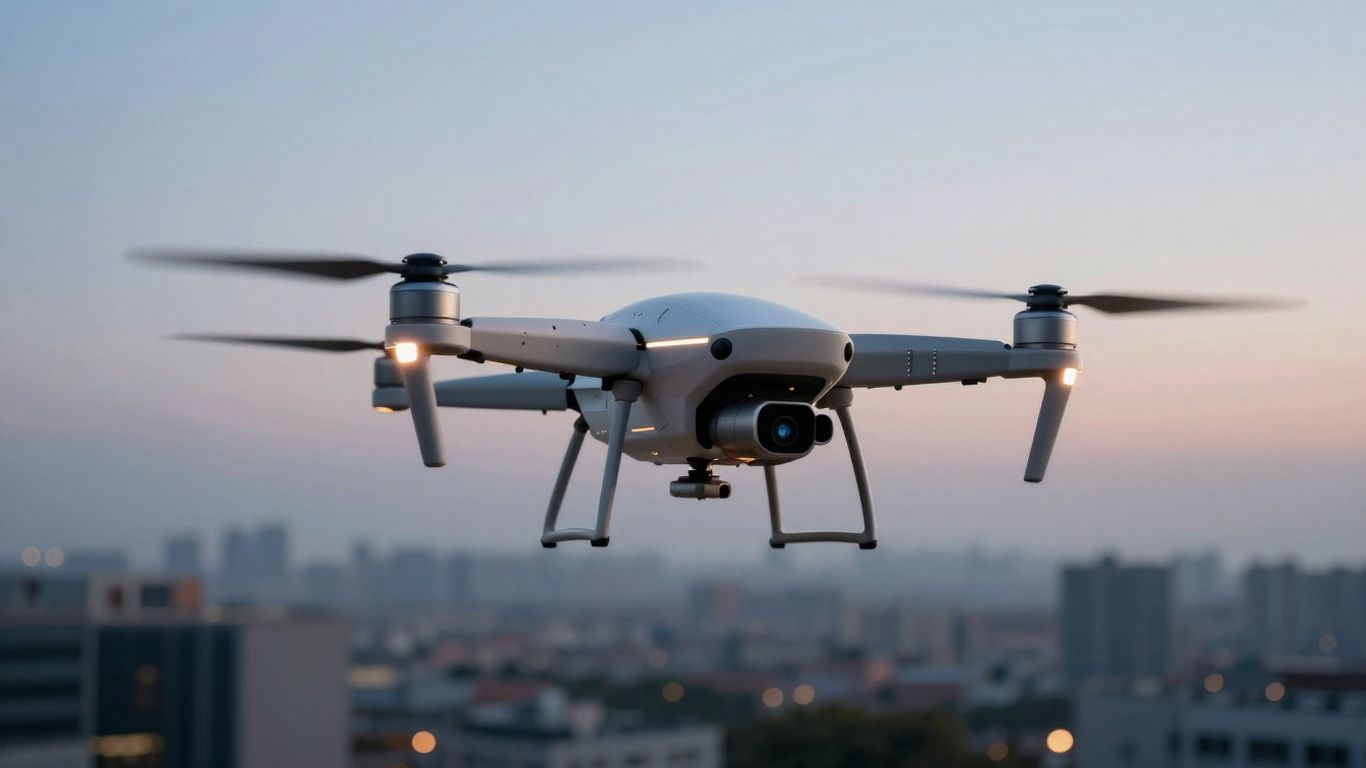
Alright, let’s talk about what’s really going to make drones tick in 2026. It’s not just about flying them anymore; it’s about what they can do. We’re seeing some pretty big leaps in upcoming drone technology that are moving beyond just cool gadgets to serious tools for businesses. The biggest shift is towards drones that can operate more independently and cover more ground than ever before.
Beyond Visual Line of Sight and Scalable Operations
This is a game-changer. Flying drones where you can’t see them (BVLOS) opens up a whole new world. Think inspecting miles of power lines without having to move your truck every few minutes, or delivering packages to remote areas. New systems are making these long-range flights safer, with better ways to avoid obstacles. This also means one person might be able to manage several drones at once, which really ramps up efficiency.
- Detect-and-Avoid Systems: Getting smarter and more reliable for safe BVLOS flight.
- Remote ID Compliance: Becoming standard, helping authorities track drones.
- One-to-Many Operations: A single pilot overseeing multiple drones.
The ability to fly beyond visual line of sight is transforming drones from niche tools into scalable operational assets for a wide range of industries.
AI-Driven Autonomy in Flight
Artificial intelligence is moving out of the lab and into the field. By 2026, AI will be handling a lot of the heavy lifting. This means drones can plan their own routes, inspect equipment automatically, and even start analyzing the data they collect right away. Your job as a pilot will change from flying every second to overseeing the AI, checking its work, and making sure everything is safe. It’s about working with the drone, not just controlling it.
Next-Generation Mapping and Data Processing
Getting data from drones is getting way faster and more accurate. Mapping and 3D modeling using things like photogrammetry and LiDAR can now happen almost in real-time. This is huge for construction sites, farms, and environmental projects that need up-to-date information quickly. Pilots who can handle this advanced data processing will be able to provide clients with much better insights, much faster.
Advanced Sensors and Industrial Payloads
Drones aren’t just carrying cameras anymore. We’re seeing more specialized sensors like thermal imagers, multispectral cameras for agriculture, and even gas detectors. These allow drones to do much more complex jobs, like finding heat leaks in buildings or checking crop health. The future drone releases will likely pack even more of these specialized tools, making drones indispensable for industrial inspections and monitoring.
Regulations Shaping the Drone Ecosystem in 2026
The drone world is moving fast, and the rulebooks are trying to keep up. By 2026, expect a lot of changes in how we fly, where we can go, and how companies use automated systems. Knowing these shifts can help you plan your work without too many surprises.
FAA Updates Expected for 2026
The Federal Aviation Administration (FAA) is getting ready to roll out some new rules that will really impact commercial drone work. A big one is the proposed Part 108 rule. This aims to create a clear path for Beyond Visual Line of Sight (BVLOS) and automated flights. It could replace a lot of the current waiver system and set standard requirements for drone airworthiness, Remote ID, and systems that help drones avoid hitting things. These updates should make longer flights and regular automated missions more common. It’ll also make it easier for companies to run bigger inspection programs. Just remember, pilots will need to stay on top of these new standards to keep flying legally.
Airspace Integration and UTM Evolution
Drone traffic management systems, often called UTM (Unmanned Aircraft System Traffic Management), are growing. These systems help coordinate drones flying at lower altitudes and stop them from getting too close to each other. By 2026, more places will likely support organized flight paths for automated drones. Pilots will need to get familiar with using these UTM platforms to fly safely and legally. This is a big step towards integrating drones more smoothly into our skies, allowing for more complex operations like package delivery and large-scale surveys. You can find more information on how these systems are developing in Canadian drone regulations.
Global Policy Shifts to Watch
It’s not just the U.S. making changes. The EU is expanding its U-space air traffic management system, and countries in Asia are speeding up approvals for autonomous flights. Even if you mostly work in the States, these worldwide trends can influence FAA decisions and open up chances for international projects. Keeping an eye on these global shifts can give you an edge.
Clear rules are super important for businesses to feel confident investing in drones. When safety and compliance rules are predictable, companies are more likely to expand their drone programs. This means more organized operations, standard ways of doing things, and a bigger need for pilots who are certified and skilled.
Here’s what you can expect:
- Standardized BVLOS Operations: Moving beyond the waiver system to more predictable rules for long-range flights.
- Remote ID Compliance: Ensuring all drones can be identified remotely, a key step for airspace safety.
- UTM Integration: Learning to work with traffic management systems for coordinated flight.
- Automated Flight Rules: Guidelines for how drones can operate with minimal human intervention.
Industry Sectors Driving 2026 Drone Demand
Energy and Utilities Inspections
Companies in the energy and utilities sector are really leaning into drones for keeping tabs on their assets. Think power lines, pipelines, wind turbines, and solar farms. It just makes sense. Sending a drone up is way safer and faster than having people climb up poles or walk miles of pipeline. Plus, with better sensors and the ability to fly beyond visual line of sight (BVLOS), drones can cover more ground and spot issues like cracks or heat anomalies that might be missed otherwise. This means fewer costly outages and a safer work environment for everyone.
Construction and Mapping Advancements
On construction sites, drones are becoming standard equipment. They’re used for everything from initial site surveys to tracking progress throughout a project. The speed at which drones can capture data and create detailed 3D maps, often called photogrammetry, is a game-changer. Project managers can get updated site views almost instantly, helping them make quicker decisions and keep projects on schedule. Expect to see more demand for pilots who are skilled in using LiDAR and other advanced mapping tools.
Logistics and Delivery Expansion
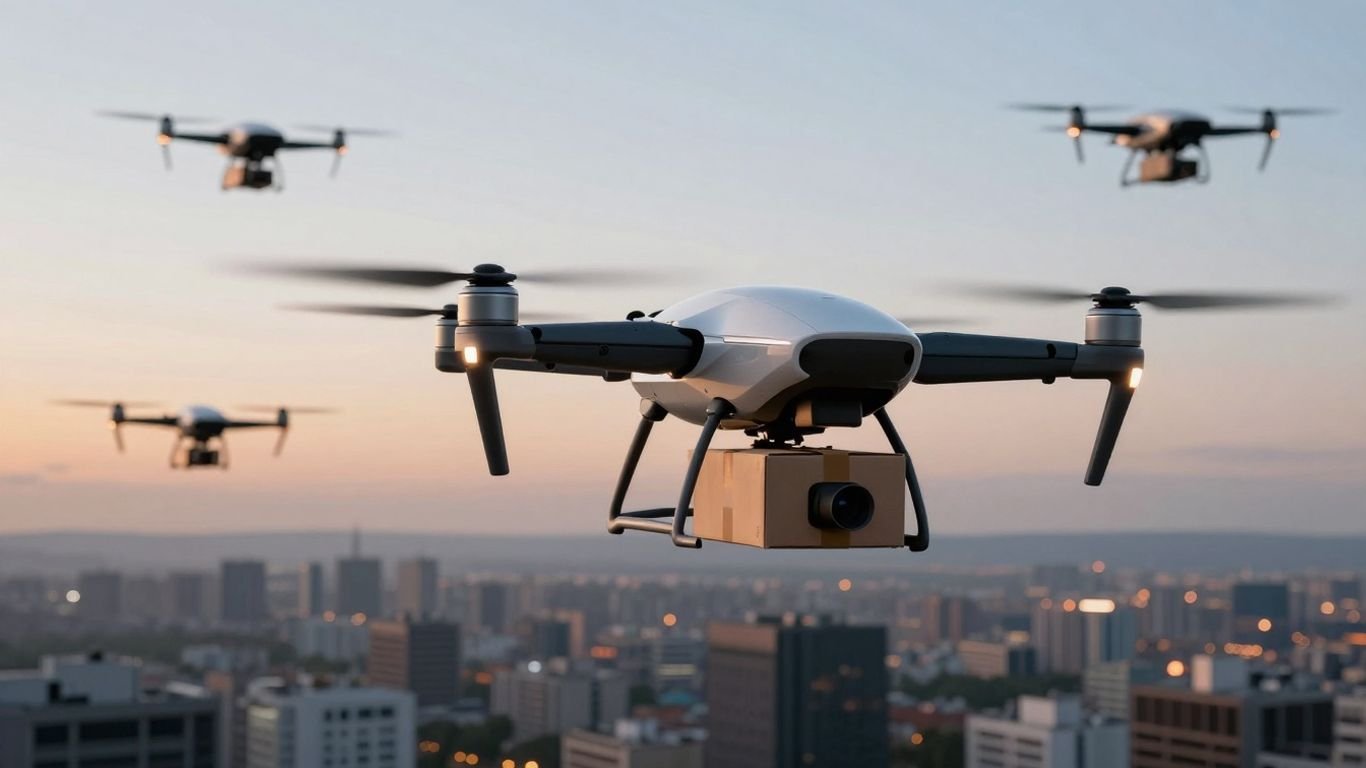
Drone delivery is moving beyond just small packages. We’re seeing it used for medical supplies, urgent parts for factories, and even food. The key here is making these flights efficient, which means BVLOS operations and smart route planning are a big deal. Instead of one pilot flying one drone, pilots will likely oversee fleets of drones making deliveries autonomously. This is a huge step towards faster, more cost-effective shipping, especially in areas that are hard to reach.
Public Safety and Emergency Response
First responders are finding drones indispensable. Police departments use them for monitoring crowds or searching for missing persons. Firefighters deploy them to get a bird’s-eye view of a fire, assess damage, and find hot spots using thermal cameras. Search and rescue teams can cover large areas quickly, especially in difficult terrain. The real-time data these drones provide can make a massive difference in how quickly and safely emergencies are handled.
The integration of drones into public safety is rapidly evolving. Their ability to provide immediate aerial perspectives, often in hazardous conditions, is proving invaluable for situational awareness and decision-making during critical incidents. This trend is expected to accelerate as technology improves and training becomes more widespread.
Here’s a look at how different sectors are adopting drones:
- Energy & Utilities: Routine inspections of infrastructure, reducing risk and downtime.
- Construction: Site monitoring, progress tracking, and detailed topographical mapping.
- Logistics: Last-mile delivery optimization and inventory management.
- Public Safety: Search and rescue operations, incident assessment, and surveillance.
The demand for skilled drone operators and data analysts across these industries is set to skyrocket in 2026.
Career and Business Opportunities in the 2026 Drone Economy
Alright, so with all this drone tech buzzing around and the rules getting clearer, there’s a whole bunch of new ways to make a living or start your own thing in 2026. It’s not just about flying anymore; it’s about what you do with the data and how you manage the whole operation. The demand for skilled drone professionals is really taking off.
High-Growth Drone Careers
If you’re looking to get into the drone field, some jobs are definitely hotter than others right now. Think about roles that combine flying with other skills.
- Remote Pilots for Specialized Tasks: This includes folks doing detailed inspections for energy companies, mapping out construction sites, or surveying land. You’re not just flying; you’re gathering specific, important information.
- Data Analysts and GIS Specialists: All those drone flights generate tons of data. Someone needs to make sense of it, turn it into useful maps, and figure out what it all means. This is where your computer skills really shine.
- AI and Autonomy Specialists: As drones get smarter and fly themselves more, people who can work on the software, the flight automation, and the computer vision systems are going to be super important.
Basically, if you can fly a drone and understand data or AI, you’re in a great spot.
Drone-as-a-Service Opportunities
Lots of businesses don’t want to buy their own drones and hire pilots. It’s easier and often cheaper for them to just hire a service. This is where Drone-as-a-Service (DaaS) comes in. You can offer:
- Inspection Services: Think power lines, wind turbines, pipelines, bridges – places that are hard or dangerous to get to otherwise.
- Mapping and Surveying: Construction projects, real estate development, and land management all need accurate maps and 3D models.
- Environmental Monitoring: Keeping an eye on crops, forests, or water bodies using special sensors.
This model lets you work with different clients and grow your business without having to own a massive fleet yourself.
Startup Ventures in the Drone Space
Got an idea? 2026 is a good time to think about starting your own drone-related business. You could focus on:
- Industry-Specific Software: Maybe a platform that helps construction companies track progress with drone data, or one for farmers to manage crop health.
- Autonomous Flight Solutions: Developing software that makes it easier for big companies to manage fleets of autonomous drones.
- New Sensor Technology: Creating specialized sensors for unique jobs, like detecting specific chemicals or mapping underground.
The drone market is growing fast, and companies are looking for smart solutions to their problems. If you can identify a need and build a service or product to meet it, there’s a real chance to succeed. It’s about finding a niche and doing it really well.
It’s an exciting time to be involved in drones, with plenty of room for both individuals and new companies to find their place.
Challenges That Will Shape the Future of 2026 Drones
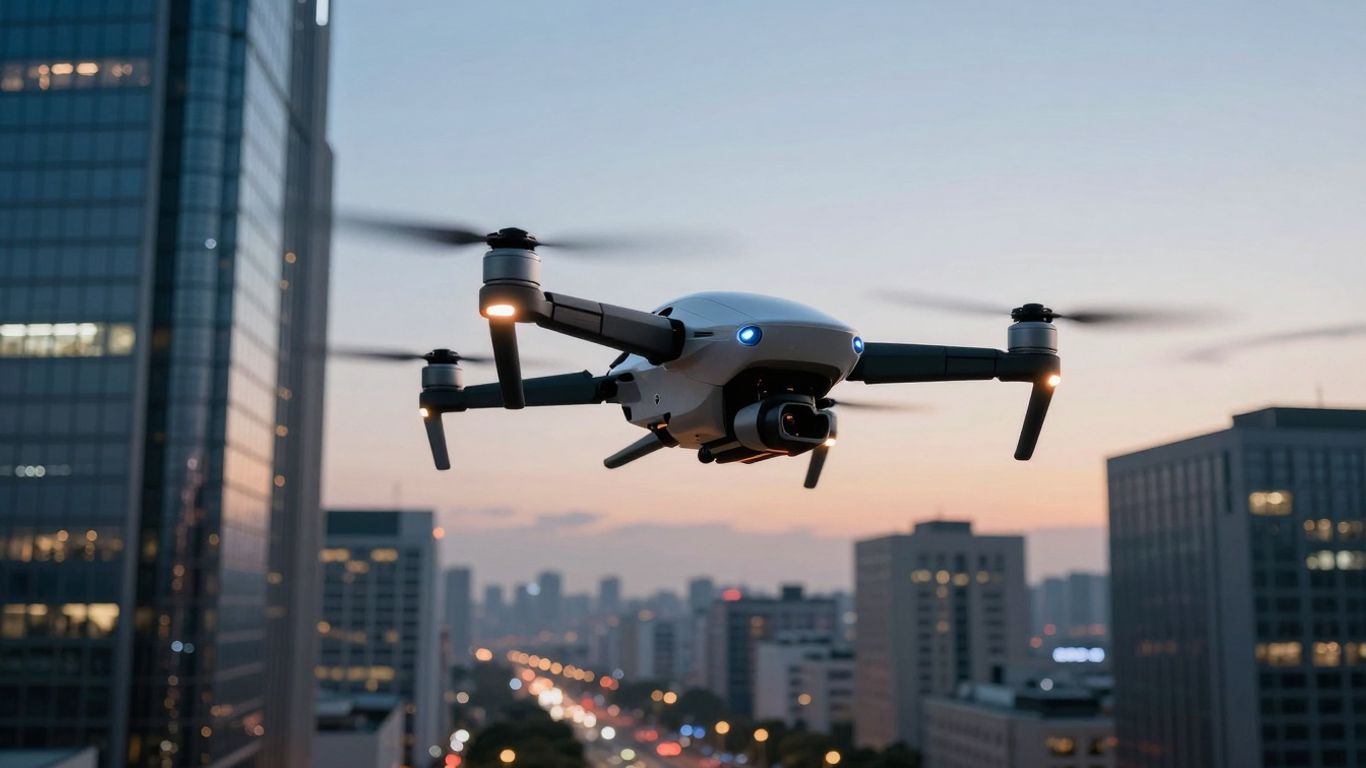
Even with all the exciting advancements and the market booming, flying drones in 2026 won’t be without its hurdles. For pilots and businesses alike, understanding these potential roadblocks is key to staying ahead and making sure operations run smoothly. It’s not all smooth sailing, even with next-gen UAVs.
Navigating Regulatory Delays
While the FAA is working on new rules, especially for flying beyond visual line of sight (BVLOS), things move slower than we’d like. These delays can really put a damper on where and how you can fly. It means you’ve got to stay super informed about what’s changing and make sure you’re always following the rules. It’s a constant game of catch-up.
Addressing Safety, Privacy, and Risk
Flying drones, especially near people or important buildings, brings up safety questions. Plus, there’s the whole privacy thing. People are watching, and for good reason. Sticking to safe flying habits, using the right tech to avoid problems, and respecting privacy rules are not just good ideas – they help you avoid trouble with the law and keep your clients happy.
Managing Data Bottlenecks and Expectations
Companies want their data fast and accurate. When you’re doing big mapping jobs or detailed inspections, you end up with a ton of information. Figuring out how to process all that data quickly can be a real headache. Pilots who are good at managing and understanding this data will be in high demand because they can actually give clients what they need, when they need it.
The Cost of Scaling Autonomous Operations
Getting those fancy autonomous fleets and advanced sensors isn’t cheap. You’ve got to figure out if the cost of the tech makes sense with the money you can actually make. Planning missions smart and offering services that clients really value is how you keep costs down while still growing your business. It’s a balancing act, for sure.
The drone industry is growing fast, but it’s not just about having the latest tech. It’s about being smart with regulations, keeping safety and privacy in mind, handling all the data that comes in, and making sure the business side makes sense. These challenges are what will really shape how drones are used in 2026 and beyond.
Looking Ahead
So, what does all this mean for you and your drone in 2026? Basically, things are getting more interesting. We’re seeing more smart tech, like AI, making drones do more on their own, and flying further is becoming a real thing. The rules are catching up too, which should make things clearer for everyone. If you’re flying drones for work, think about getting good with data and sensors, because that’s where the demand is heading. Keep an eye on industries like energy, building, and delivery, as they’ll likely be hiring drone pilots. It’s a good time to be in the drone game, but you’ll need to keep learning to stay on top of it all.
Frequently Asked Questions
What’s new with drone technology in 2026?
In 2026, drones will fly farther and smarter! We’ll see more drones flying beyond what pilots can see (called BVLOS) and using AI to fly themselves, plan routes, and even look at the data they collect. They’ll also have better cameras and special tools to inspect things like power lines or crops more closely.
Will drones be allowed to fly farther away in 2026?
Yes, flying drones farther than you can see (BVLOS) is becoming a big deal in 2026. New safety tools and rules are making these longer flights possible, which means drones can do bigger jobs like checking long pipelines or delivering packages over larger areas.
How will AI change how drones are used?
AI will make drones much more helpful. Instead of just flying, AI will help drones find problems during inspections, sort through mapping pictures super fast, and even guess when machines need fixing. This means pilots will spend more time watching over the AI and making sure everything is safe.
Are there new rules for drones coming in 2026?
The FAA is working on new rules for 2026 that will make it clearer how drones can fly long distances and operate on their own. These rules will help companies use drones more often and make sure everyone is flying safely and legally.
Which jobs will use drones the most in 2026?
Many industries will use drones a lot! Checking power lines and pipelines, building and mapping construction sites, delivering packages, and helping police and firefighters will be some of the biggest areas. Drones will help these jobs become safer and faster.
Can I get a job working with drones in 2026?
Definitely! With drones becoming more popular, there are many new jobs opening up. You could be a drone pilot for inspections or mapping, someone who analyzes the data drones collect, or even someone who helps build the AI that makes drones fly by themselves. There are also chances to start your own drone service business.