
DJI FlyCart 30 Review: The Future of Drone Delivery Explained

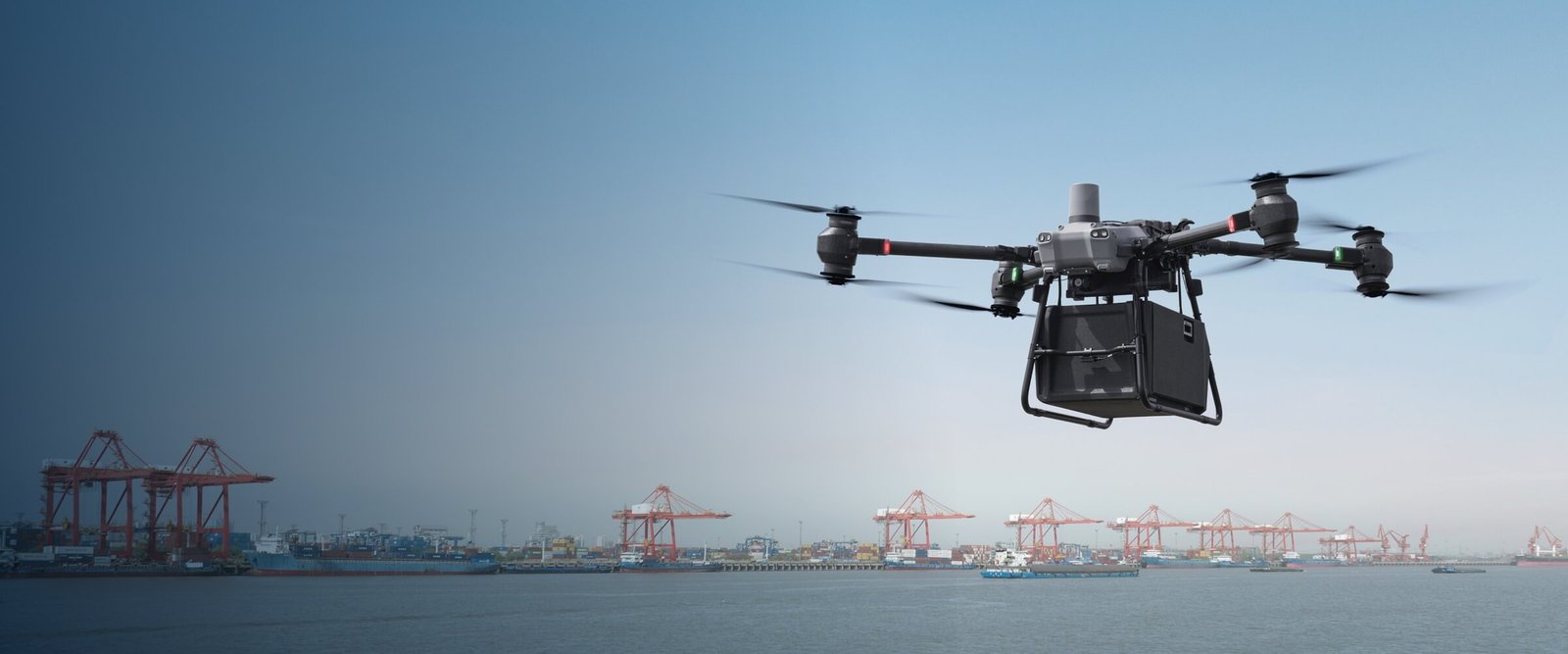
Alright, so DJI, the big name in drones, has dropped a new aircraft called the DJI FlyCart 30. This isn’t your average drone; it’s built specifically for hauling stuff. Think of it as a flying delivery truck. It’s a pretty big deal because it could really change how we get packages, food, and other things delivered, especially in places that are hard to reach. Let’s check out what this thing can do.
Key Takeaways
- The DJI FlyCart 30 is DJI’s first drone made just for deliveries, aiming to shake up e-commerce and logistics.
- It boasts a hefty payload capacity, able to carry up to 30kg (66lbs) in its cargo box or lower heavier items using its winch system.
- Advanced safety features and redundancy systems are built-in, making it suitable for professional, reliable delivery operations.
- With features like IP55 protection and a wide operating temperature range, the DJI FlyCart 30 can handle various weather conditions, opening doors for emergency response.
- Currently launched in China with a price around $17,000, DJI plans a wider global rollout as regulations permit, supported by a new fleet management platform.
Introducing The DJI FlyCart 30
A New Era For Drone Delivery
DJI, a name synonymous with aerial technology, has officially entered the dedicated delivery drone market with the unveiling of the FlyCart 30. This isn’t just another drone; it’s a purpose-built machine designed to tackle the growing demand for faster, more efficient aerial logistics. Think about it – no more traffic jams or waiting for the next available driver. The FlyCart 30 promises to change how goods move, especially in challenging environments.
DJI’s First Dedicated Delivery Drone
The FlyCart 30 represents a significant step for DJI, marking their first foray into a drone specifically engineered for transport. While they’ve made incredible camera drones for years, this new aircraft focuses on a different kind of payload. It’s built from the ground up with delivery in mind, addressing issues like carrying capacity and operational reliability. This is DJI’s serious play in the future of package transport.
Revolutionizing E-commerce and Beyond
What does this mean for us? For starters, it could mean quicker online shopping deliveries. But the potential goes much further. Imagine emergency supplies reaching disaster zones faster than ever, or goods being transported across difficult terrain where traditional methods struggle. The FlyCart 30 features are designed to make these scenarios a reality.
The development of a drone like the FlyCart 30 signals a shift towards more automated and specialized aerial solutions. It’s about solving real-world problems with advanced technology.
Here are some of the key aspects that set the FlyCart 30 apart:
- Heavy Payload Capability: Capable of carrying significant weight, opening doors for larger packages.
- Dual Delivery Methods: Offers both a cargo box for direct drops and a winch system for lowering items.
- All-Weather Operation: Designed to function in a range of temperatures and wind conditions.
- Advanced Safety Systems: Built with redundancy to ensure reliable operation.
Unpacking The DJI FlyCart 30’s Capabilities
So, what exactly can this new DJI cargo drone do? It’s built with some pretty serious features designed to make aerial delivery a reality, not just a concept. DJI really went all out to make sure this thing is practical and safe for a wide range of uses.
Impressive Payload Capacity
One of the standout features is its ability to carry a significant amount of weight. The DJI FlyCart 30 can handle a maximum payload of 30kg (about 66 lbs) in its standard cargo box setup. This is a huge leap compared to many other delivery drones out there, which often top out around 5kg. This increased capacity means it can carry larger packages, multiple smaller items at once, or heavier goods. For businesses, this translates to more efficient deliveries and the potential to transport items that were previously too heavy for drone transport.
Dual Delivery Modes: Cargo Box and Winch
The FlyCart 30 offers two distinct ways to get your package to its destination, making it adaptable to different scenarios:
- Cargo Box Mode: This mode uses a large, detachable 70-liter cargo container. The drone carries this box underneath, and upon reaching the delivery spot, it lands and unlatches the box. The recipient can then retrieve their package directly from the ground. This is great for straightforward drop-offs where the drone can land safely.
- Winch Mode: For situations where landing isn’t ideal, like on rooftops or in tight urban spaces, the winch mode comes into play. The drone hovers and uses a retractable cable system to lower the package to the ground. It can lower up to 40kg (88 lbs) and includes an automatic anti-sway feature to keep the package stable during descent.
Advanced Safety and Redundancy Features
DJI didn’t skimp on safety. They know that for professional use, reliability is key. The FlyCart 30 is packed with features to keep it and its cargo safe:
- Redundant Systems: Multiple critical components have backups, so if one fails, another can take over.
- Parachute System: In an emergency, a parachute can deploy to bring the drone down safely.
- Weatherproofing: With an IP55 rating, it can operate in a decent range of temperatures (-20° to 45° C) and winds up to 12 m/s, making it suitable for various weather conditions.
- Dual Operator Mode: This allows for seamless handover of control between two pilots, which is useful for complex missions or long-distance flights.
The focus on dual delivery methods and robust safety systems shows DJI’s commitment to making the FlyCart 30 a practical tool for real-world logistics challenges. It’s not just about carrying things; it’s about carrying them reliably and safely, no matter the environment.
These capabilities really highlight the DJI cargo drone’s potential to change how we think about shipping and transport, especially in areas where traditional methods are difficult or slow. It’s an exciting step forward for aerial logistics, though it’s worth noting that DJI drones face increasing restrictions in the U.S. which could impact their widespread adoption there.
DJI FlyCart 30: Technical Specifications
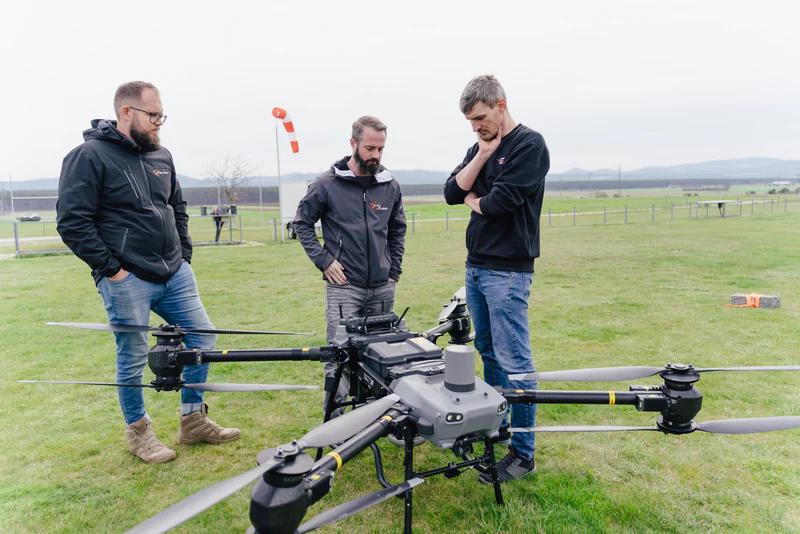
Let’s get down to the nitty-gritty of what makes the DJI FlyCart 30 tick. This isn’t just some toy drone; it’s built for serious work, and its specs show it. The drone is designed to handle a significant payload, making it a real contender for heavy-duty delivery tasks.
Dimensions and Weight
The FlyCart 30 is a substantial piece of equipment. When its arms and propellers are fully extended, it measures a good 2.8 meters long and just over 3 meters wide, standing nearly a meter tall. It’s not exactly something you’d pack in a suitcase.
| Specification | Value |
|---|---|
| Empty Weight | 42.5 kg (without batteries) |
| 65 kg (with dual batteries) | |
| Max Take-off Weight | 95 kg (standard cargo box, near sea level) |
| Dimensions (Extended) | L: 2800 mm, W: 3085 mm, H: 947 mm |
Flight Performance and Range
This is where things get interesting. The FlyCart 30 can really go the distance, especially when it’s not carrying much. With a full load, the range is obviously reduced, but still quite impressive for a drone of this size and capability.
- Max Flight Distance (No Load): Up to 28 km on dual batteries, or 12 km on a single battery.
- Max Flight Distance (Full Load): 16 km with a 30 kg load (dual battery), or 8 km with a 40 kg load (single battery).
- Max Flight Time (Full Load): Around 18 minutes with a 30 kg load (dual battery).
- Max Horizontal Speed: A brisk 20 m/s when carrying a 30 kg load.
- Max Flight Altitude: It can reach up to 6,000 meters without a load, though 3,000 meters is the recommended safe limit with a full payload.
Environmental Resistance and Durability
DJI knows that delivery drones won’t always be flying in perfect, sunny conditions. That’s why the FlyCart 30 is built tough.
The drone boasts an IP55 rating, meaning it has a good level of protection against dust and water jets. It’s also designed to operate in a wide range of temperatures, from a chilly -20°C up to a hot 45°C. Plus, it can handle winds up to 12 m/s while carrying a load, which is pretty solid for aerial operations.
This level of resilience means the FlyCart 30 can be deployed in more challenging environments, opening up possibilities for use in areas that might be difficult to reach with traditional transport methods, especially during adverse weather.
Applications For The DJI FlyCart 30
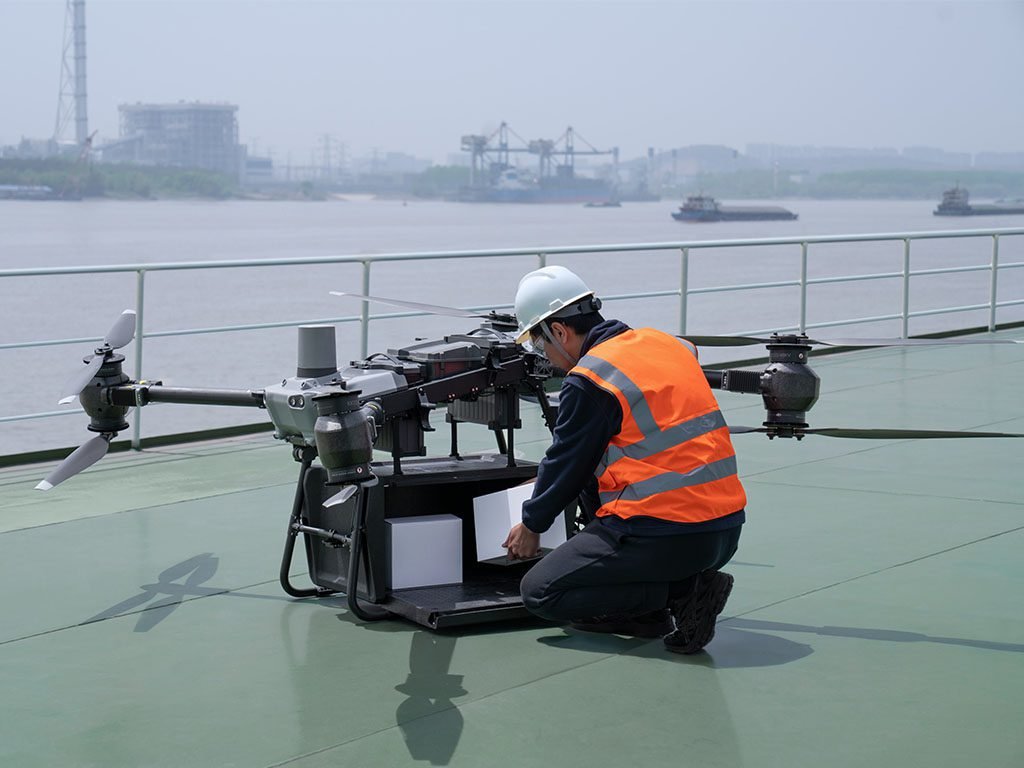
So, what exactly can this new DJI FlyCart 30 do? Beyond just dropping off your online shopping, this drone opens up a whole lot of possibilities. It’s not just about convenience; it’s about solving real-world problems.
Streamlining Urban Logistics
Think about how much time and money goes into getting packages from a warehouse to your doorstep in a busy city. Traffic jams, parking issues, delivery driver shortages – it’s a mess. The FlyCart 30 can cut through all that. It can take a direct route, avoiding roads altogether. This means faster deliveries for things like last-mile e-commerce, food orders, or even urgent medical supplies within a city. Imagine getting that prescription or your favorite takeout in minutes, not hours.
- Faster Delivery Times: Drones fly direct, bypassing traffic.
- Reduced Operational Costs: Less fuel, fewer drivers needed for certain routes.
- Access to Difficult Locations: Can reach areas with limited road access or heavy congestion.
- Lower Emissions: Electric drones are better for the environment than gas-powered vans.
Emergency Response and Disaster Relief
This is where the FlyCart 30 really shines. When a natural disaster strikes – think floods, earthquakes, or wildfires – getting help to people can be incredibly difficult. Roads might be out, and traditional transport is slow. The FlyCart 30, with its ability to fly in tough weather conditions (up to 12 m/s winds and IP55 protection), can get essential supplies to stranded communities. We’re talking about medicine, food, water, or even communication devices. The winch system is perfect for lowering supplies to areas where landing isn’t possible.
The drone’s robust design and advanced safety features mean it can operate reliably in challenging environments, providing a lifeline when it’s needed most. Its capacity to carry significant weight makes it ideal for transporting critical aid.
Bridging Geographic Divides
In many parts of the world, getting goods to remote or hard-to-reach areas is a major challenge. Whether it’s a rural village, an island community, or a research station in a difficult terrain, the FlyCart 30 can connect these places. It can carry payloads of up to 30kg over 16km, or 40kg over 8km, making it capable of transporting a decent amount of supplies. This could mean bringing medical equipment to a remote clinic, delivering parts to a remote construction site, or even just ensuring that people in isolated areas have access to everyday goods. It’s about making sure distance doesn’t mean disconnection.
| Payload Capacity | Max Range |
|---|---|
| 30 kg | 16 km |
| 40 kg | 8 km |
The DJI FlyCart 30 Price Point And Availability
So, you’re probably wondering how much this beast of a delivery drone is going to cost and when you can get your hands on one. Well, DJI has initially priced the FlyCart 30 at around $17,000 for the Chinese market. That price gets you the drone itself, a controller, two batteries, and the necessary chargers. It’s definitely an investment, but considering its capabilities, it’s aimed squarely at businesses looking to streamline their logistics.
DJI has also rolled out a new cloud-based platform called DJI Transport. This system is designed to help manage and keep track of entire fleets of these drones, which is pretty handy if you’re planning on running a large-scale delivery operation. Think of it as the command center for your aerial delivery army.
Initial Pricing and Market Launch
Right now, the FlyCart 30 is only available in China. This makes sense, given the country’s massive e-commerce sector and its more developed drone regulations. DJI seems to be taking a measured approach, testing the waters in a market that’s already quite receptive to drone technology.
DJI Transport Management Platform
This platform is a big deal for commercial users. It allows for:
- Centralized fleet management
- Real-time tracking of drone operations
- Route planning and optimization
- Data logging for performance analysis
It’s all about making the drone delivery process as smooth and efficient as possible for businesses.
Global Rollout Expectations
While it’s China-first for now, DJI has hinted at a broader international launch down the line. The company is likely waiting for regulations in other regions to catch up. Countries with existing drone corridors or trials, like parts of Europe and the UK, could be next. It’s just a matter of time before this technology becomes more widely accessible, assuming regulatory hurdles can be cleared.
The initial focus on the Chinese market allows DJI to refine the operational aspects of the FlyCart 30 and its supporting software in a real-world, high-demand environment. This phased rollout strategy is common for complex technological products, especially those operating in regulated airspace.
It’s tough to say exactly when we’ll see it hit other shores, but keep your eyes peeled. If you’re a business looking to get ahead in the delivery game, this is definitely one to watch.
The Future Of Drone Delivery With DJI
Market Trends and Consumer Demand
It’s pretty clear that the demand for faster, more efficient delivery is only going up. People want their stuff, and they want it now. This is where drones like the DJI FlyCart 30 really shine. Think about it: no traffic jams, no waiting for a driver to finish their break. Just a direct flight from point A to point B. This new DJI delivery aircraft is built for exactly that kind of speed and reliability. We’re seeing this trend play out across various sectors, from e-commerce to urgent medical supplies. The market is definitely leaning towards aerial solutions for quick transport.
Regulatory Landscape and Future Growth
Of course, getting these flying machines into the sky everywhere isn’t just a matter of having the tech. Regulations play a huge part. Different countries and even different regions within countries have their own rules about where and how drones can fly. DJI is working with authorities, and we’re seeing progress, like the development of drone “superhighways” in some places. It’s a slow process, but necessary for safety and public acceptance. As these rules become clearer and more drone-friendly, expect to see more commercial drone applications take off.
The path forward for widespread drone delivery involves a careful balance between technological advancement and regulatory approval. As DJI continues to innovate with models like the FlyCart 30, the aviation authorities are tasked with creating frameworks that permit these new capabilities while prioritizing safety and airspace management. This collaborative evolution is key to realizing the full potential of aerial logistics.
DJI’s Vision For Aerial Logistics
DJI isn’t just making one drone; they’re thinking about the whole system. They’ve introduced platforms like DJI Transport to manage fleets of these delivery drones. This shows they’re serious about making drone delivery a mainstream part of logistics.
They’re looking at everything from how to handle multiple deliveries to how these drones can help in tough situations, like disaster relief. It’s not just about selling a drone; it’s about building the infrastructure for the future of getting things from here to there. We’re seeing heavy lift drone reviews that highlight this forward-thinking approach, suggesting DJI is positioning itself as a leader in this evolving space. Their commitment extends to areas like postal logistics and emergency rescue operations, showing a broad vision for how their aircraft can serve communities DJI’s delivery drones are being utilized in Ganzi for postal logistics and emergency rescue operations.
Here’s a quick look at what makes the FlyCart 30 stand out:
- Payload Capacity: Capable of carrying significant weight, opening up new delivery possibilities.
- Dual Delivery Modes: Flexible options for different types of cargo and delivery scenarios.
- Advanced Safety: Built-in redundancies and safety features for professional use.
- Long-Range Transmission: Reliable communication over extended distances.
It’s exciting to think about what’s next. With DJI pushing the boundaries, the sky is truly becoming the limit for how we move goods.
So, What’s the Final Word on the FlyCart 30?
Alright, so we’ve taken a good look at DJI’s new FlyCart 30. It’s a pretty serious piece of kit, no doubt about it. Carrying 30kg is a big deal, and the winch system is pretty neat for tricky spots. It feels like DJI is really trying to make drone delivery a real thing, not just a concept. While it’s starting out in China, you can bet people everywhere will be watching to see how it rolls out globally. It’s definitely got the potential to change how we get stuff, especially in places that are hard to reach. We’ll have to wait and see if it lives up to all the hype, but it’s an exciting step forward for sure.
Frequently Asked Questions
What is the DJI FlyCart 30?
The DJI FlyCart 30 is a special drone made by DJI specifically for carrying and dropping off packages. Think of it as a flying delivery truck that can go places regular trucks can’t.
How much weight can the FlyCart 30 carry?
This drone is pretty strong! It can carry up to 30 kilograms (about 66 pounds) in its cargo box, or even 40 kilograms (about 88 pounds) if it’s lowering a package with its winch system.
How does the FlyCart 30 deliver packages?
It has two cool ways to deliver. It can carry a special box underneath that it drops off, or it can use a cable to lower packages down from the sky, which is great if it can’t land nearby.
Can the FlyCart 30 fly in bad weather?
Yes, it’s built tough! It can handle temperatures from very cold (-4°F) to quite hot (122°F) and can even fly in windy conditions, making it useful for deliveries in many different places and situations.
Where can I buy the DJI FlyCart 30?
Right now, it’s mainly available in China. DJI is planning to release it in other countries later, but they need to make sure the rules and laws allow for it.
Why are delivery drones like the FlyCart 30 important?
Delivery drones can make getting packages much faster because they fly directly to the destination without traffic. They can also help deliver important items to places that are hard to reach, like during emergencies or in remote areas.