
Trump-Backed Drone Interceptor Company Targets Gulf Markets Amid Rising Tensions

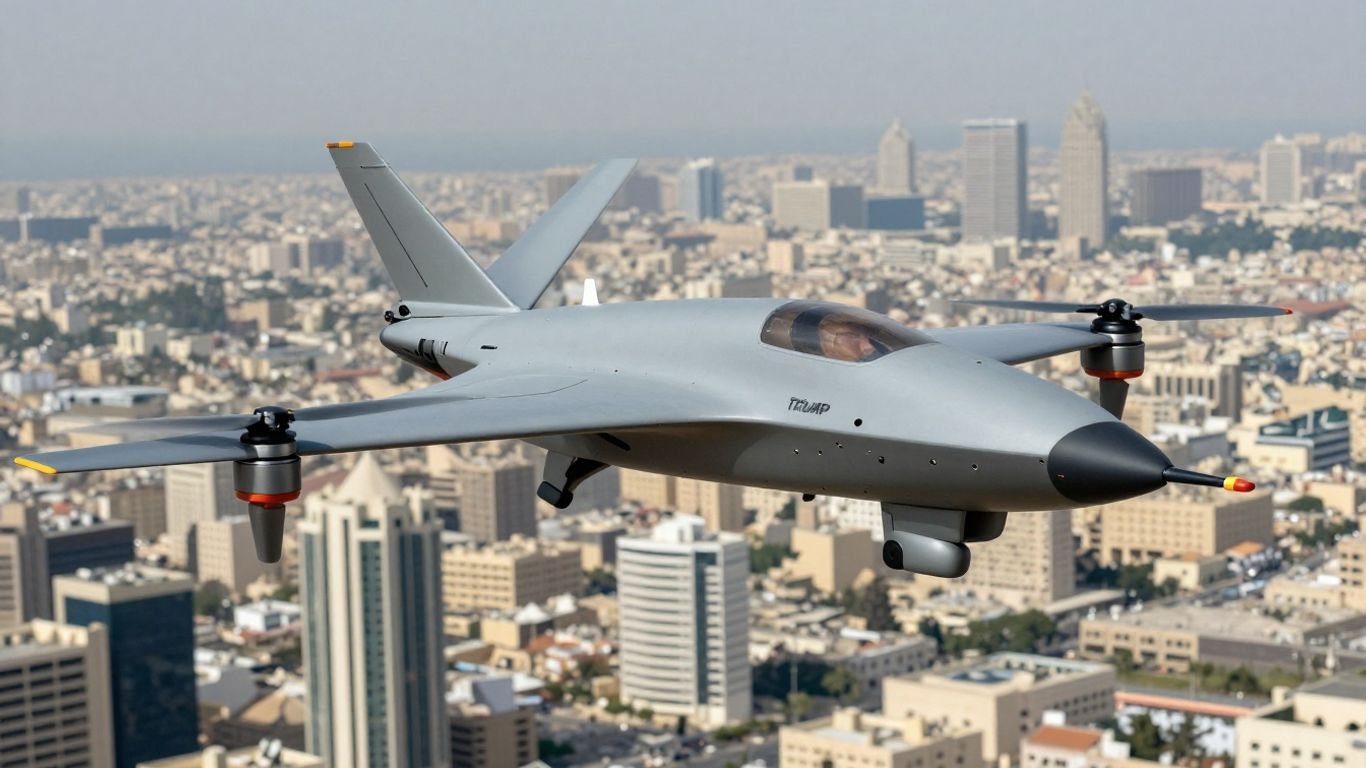
Things are heating up in the Middle East, and it’s not just the weather. With tensions rising between Iran and its neighbors, the demand for ways to stop incoming drones is going way up. Now, a company with some big-name backing, Powerus, is looking to sell its drone interceptors to countries in the Gulf. They’ve got a new system called the Guardian-1, and it’s designed to take down those cheap, but dangerous, kamikaze drones. It’s interesting because Donald Trump’s sons are investing in this company, seeing a big opportunity in the defense world.
Key Takeaways
- Powerus, a drone company with investment from Donald Trump’s sons, is exploring sales of its drone interceptors to the UAE and other Gulf nations.
- The UAE is looking to boost its defenses due to increasing regional tensions, particularly with Iran and its use of low-cost drones.
- Iran’s widespread use of inexpensive drones presents a challenge, as shooting them down often requires costly missile systems.
- Powerus has developed the Guardian-1, an interceptor specifically designed to counter ‘kamikaze’ drones, including Iranian models.
- The growing demand for counter-drone technology is fueled by the current geopolitical climate and the evolving nature of drone warfare in the region.
Powerus Targets Gulf Markets With Drone Interceptors
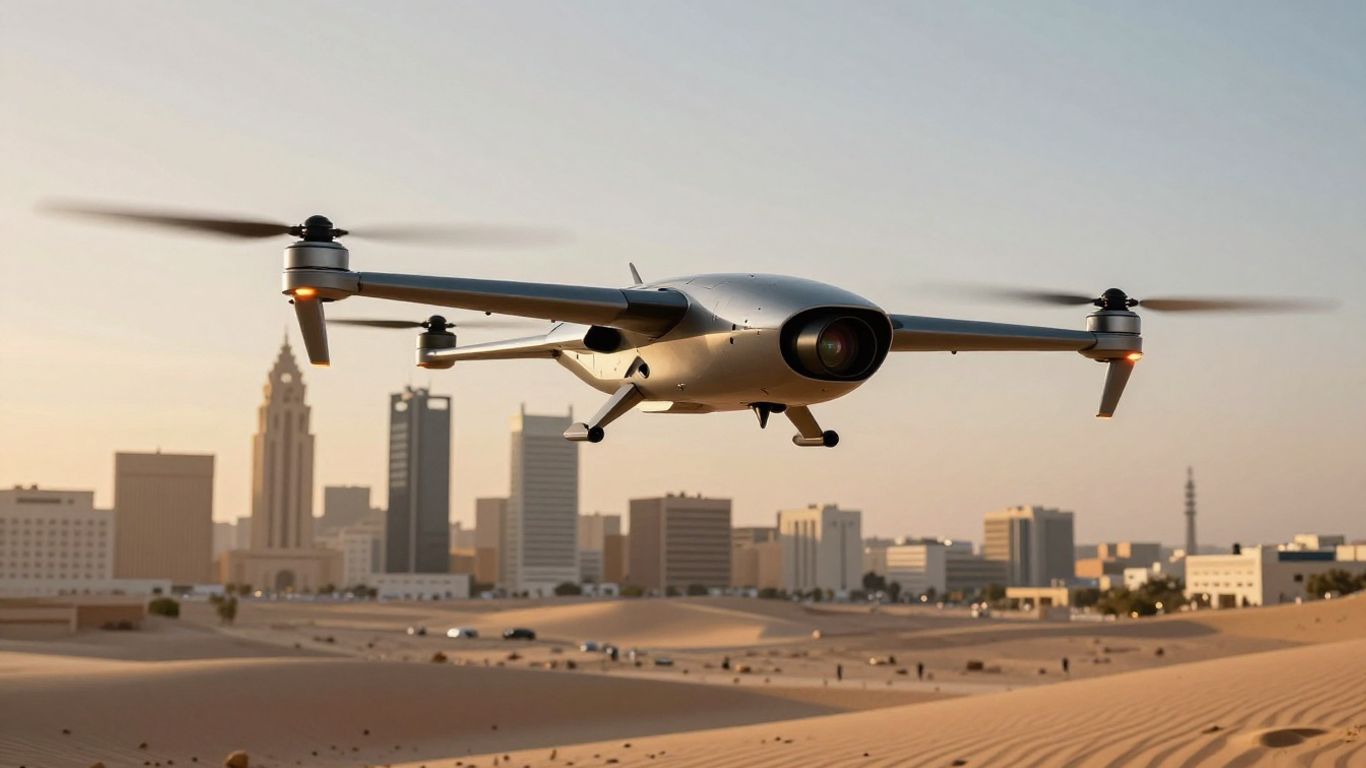
It looks like Powerus, a company with some serious backing from the Trump family, is setting its sights on the Gulf region. They’ve been chatting with folks in Abu Dhabi about their drone interceptor tech. You know, with all the rising tensions in the Middle East, especially concerning Iran, countries like the UAE are really looking to beef up their defenses. It’s a bit of a tricky situation; Iran’s been using these cheaper drones, and shooting them down often means using much more expensive missile systems. This is where companies like Powerus see an opening, developing anti drone systems that might offer a more cost-effective solution to these Middle East drone threats.
Powerus recently rolled out something called the Guardian-1, which is basically designed to take down those "kamikaze" style drones. It’s interesting because Donald Trump Jr. and Eric Trump are investing in this whole drone sector through their fund, American Ventures. They’ve apparently put close to a billion dollars into drone companies. It’s a big move, especially with the ongoing conflict and the general instability in the region.
UAE Seeks Enhanced Defenses Amid Regional Tensions
The United Arab Emirates is definitely feeling the pressure. With the ongoing conflict involving Iran, the UAE is actively looking for ways to improve its security. They’ve been targeted before, and the thought of more drone and missile attacks is a serious concern. This has led them to explore various defense options, including advanced interceptor systems.
Powerus’s Guardian-1 Interceptor Technology
The Guardian-1 is Powerus’s answer to the growing drone threat. It’s built to counter unmanned aerial vehicles, particularly the kind that are designed to crash into targets. Think of it as a specialized defense against a specific type of aerial attack that’s becoming more common.
Trump Family Investment in Drone Sector
It’s not just Powerus; the Trump family, through American Ventures, has been putting significant money into drone technology. This isn’t a small side project for them. They see the drone market, especially for defense applications, as a major growth area. Their involvement adds a certain level of attention to these ventures.
Here’s a quick look at the situation:
- Increased Regional Instability: The ongoing conflict has heightened security concerns across the Gulf.
- Demand for Counter-Drone Solutions: Countries are actively seeking effective ways to combat drone threats.
- Powerus’s Strategic Focus: The company aims to provide advanced interceptor technology to meet this demand.
The push for advanced drone defense systems is directly linked to the evolving nature of modern warfare and the specific threats emerging from the Middle East. Companies are responding to a clear market need driven by geopolitical events.
Rising Demand For Drone Interceptor Solutions
Iran’s Low-Cost Drone Threat
It’s no secret that Iran has been making waves with its drone technology. These aren’t your hobbyist quadcopters; we’re talking about unmanned aircraft that can pack a punch, often at a surprisingly low production cost. Think Shahed-136 models, which reportedly cost somewhere between $20,000 and $50,000 to build. That’s a fraction of what a sophisticated missile defense system costs. This economic disparity is creating a significant challenge for defense forces worldwide. When you have to spend millions to take down a drone that cost pocket change, it really puts a strain on military budgets and strategies. It’s a game-changer, forcing a rethink of how we approach aerial defense.
Costly Countermeasures Against Drones
Dealing with these low-cost drones means existing air defense systems are often put to the test. Shooting down a cheap drone with an expensive missile is like using a sledgehammer to crack a nut – effective, but incredibly inefficient. This is where the market for counter drone solutions is really heating up. Countries are actively looking for ways to neutralize these threats without breaking the bank. The sheer volume of attacks reported, like the 8 drone incidents in Bahrain over just 24 hours, highlights the scale of the problem. It’s not just about stopping an attack; it’s about doing so sustainably.
Opportunity for Counter-Drone Systems
This whole situation has opened up a massive opportunity for companies developing specialized counter-drone technology. We’re seeing a surge in interest from Gulf states, like the UAE, which are keen to bolster their defenses. They’re looking for effective ways to ensure unmanned aircraft security. It’s a complex problem, but one that’s driving innovation. Companies are stepping up to provide systems designed specifically to detect, track, and neutralize these aerial threats. The demand is clear, and the need for advanced, yet cost-effective, solutions is growing by the day. This is a developing area, and it’s fascinating to watch how defense strategies are adapting to this new landscape. The push for domestic manufacturing in the US, for instance, is also a big factor, creating a preference for American-made defense tech startups.
Here’s a quick look at the types of threats and responses:
- Threat: Low-cost, high-volume drone swarms.
- Challenge: Expensive legacy missile systems.
- Solution: Development of dedicated counter-drone systems.
- Market: Growing demand from regions facing increased aerial incursions.
The current geopolitical climate has made it clear that traditional defense methods aren’t always the most practical answer to modern aerial threats. The economic reality of drone warfare is pushing defense planners to seek out more affordable and specialized countermeasures.
Geopolitical Landscape Fuels Defense Industry Growth
The current global climate, marked by escalating tensions, is really pushing the defense industry into overdrive. It’s not just about big armies anymore; the nature of conflict is changing, and that means new tools are needed. We’re seeing a lot of activity in the Middle East, for instance. The ongoing conflict between the US and Iran has really put a spotlight on the need for advanced defense systems. Countries in the Gulf region are feeling the pressure and are looking to beef up their security.
US-Israel Conflict With Iran Escalates
Things have gotten pretty heated between the US and Iran, especially after recent strikes. This has created a ripple effect across the region, making everyone a bit more nervous. When major powers are in conflict, smaller nations often feel caught in the middle and start thinking seriously about their own protection. It’s a situation where defense spending tends to go up, as countries try to secure their borders and interests.
Gulf States Respond to Regional Instability
In response to the growing instability, Gulf states are actively seeking ways to bolster their defenses. They’re looking at various options, including advanced drone technology, to counter potential threats. This isn’t just about buying off-the-shelf equipment; it’s about strategic partnerships and acquiring systems that can provide a real advantage. The demand for effective counter-drone solutions is sky-high right now.
Increased Military Spending in the Gulf
Because of all this uncertainty, military budgets in the Gulf are seeing a significant boost. Countries are willing to invest more in defense to ensure they can handle any situation that arises. This increased spending creates a fertile ground for defense companies, especially those offering innovative solutions like drone interceptors. It’s a market that’s definitely growing, driven by the need for security in a volatile region. The focus is on acquiring capabilities that can address the evolving threats we’re seeing today, like the proliferation of low-cost drones that can overwhelm traditional defenses. This heightened demand is directly linked to the perceived risks from regional adversaries.
The current geopolitical situation has created a clear and present need for advanced defense technologies. Nations are prioritizing security and are willing to invest in solutions that can offer protection against a range of threats, particularly those involving unmanned aerial systems. This environment is ripe for companies that can provide effective and adaptable counter-drone capabilities.
Here’s a look at how military spending has been shifting:
| Region | Pre-Conflict Spending (Est.) | Current Spending Trend | Key Focus Areas |
|---|---|---|---|
| Gulf States | Moderate | Significant Increase | Air Defense, Drone Countermeasures |
| Middle East | Steady | Moderate Increase | Regional Security, Border Patrol |
| Global | Stable | Gradual Increase | Advanced Tech, Cyber Security |
This trend shows a clear shift towards prioritizing defense, especially in areas directly impacted by regional conflicts. Companies that can meet these specific needs are finding themselves in a strong position. The need for effective drone defense is becoming a top priority for many nations, influencing procurement decisions and driving innovation in the sector. The effectiveness of systems like Iran’s drones, which are relatively inexpensive but potent, has highlighted the need for equally cost-effective countermeasures. This is where companies like Powerus aim to make their mark, offering solutions that can counter these threats without breaking the bank. The global market for counter-drone systems is expected to grow substantially in the coming years, fueled by these ongoing geopolitical developments and the increasing use of drones in warfare. The US military’s focus on drone dominance also signals a broader trend towards integrating these technologies into national defense strategies.
Powerus’s Strategic Entry Into The Defense Sector
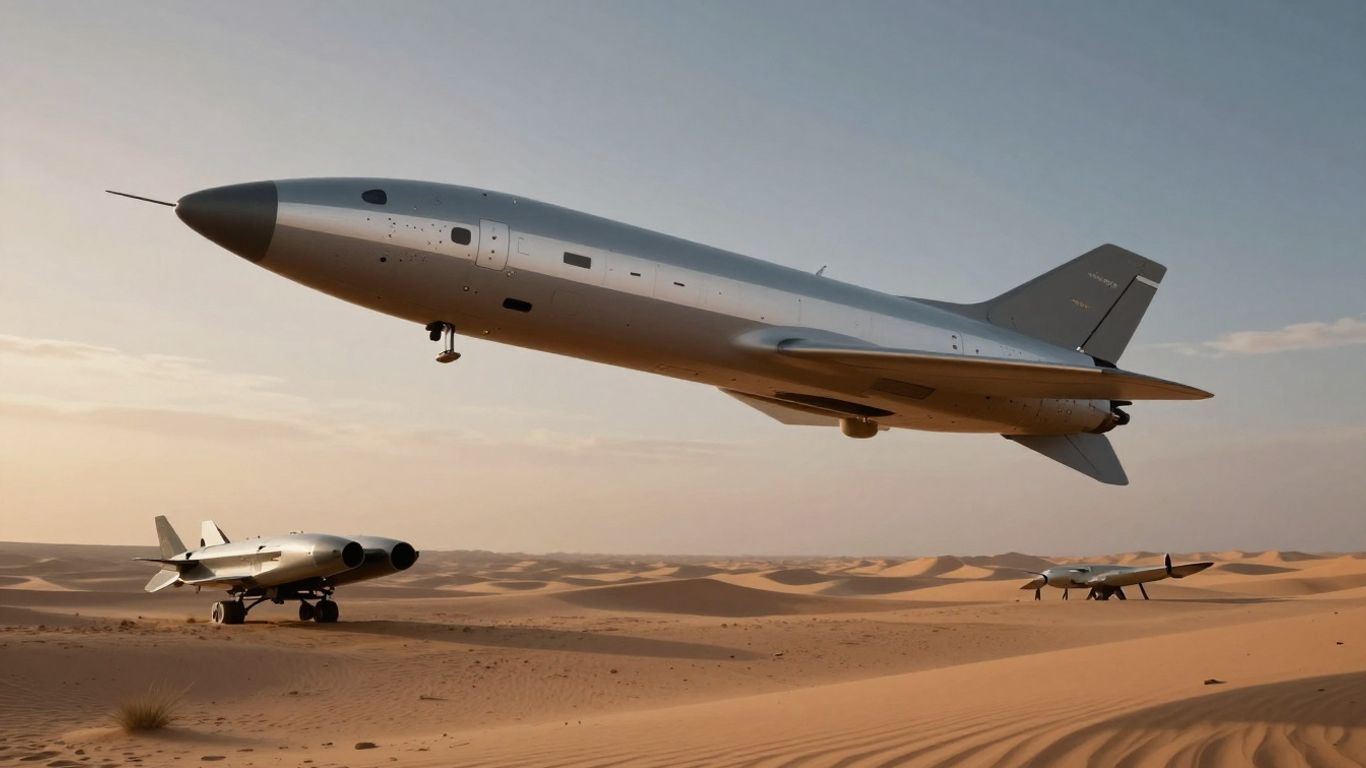
It looks like Powerus, a company that makes drones, is making a big move into the defense world. They’ve been talking with officials in the UAE, trying to sell them their drone interceptors. This comes at a time when tensions are really high in the region, and countries like the UAE are looking for ways to beef up their defenses. Powerus isn’t alone; a bunch of drone companies have been making the rounds in the Gulf lately. It’s a busy time for defense contractors.
Merger With Aureus Greenway Holdings
So, Powerus is planning to go public by merging with Aureus Greenway Holdings. This is interesting because Aureus Greenway is actually a holding company for some golf courses owned by the Trump family in Florida. Powerus itself is also based in Florida. It’s a bit of an unusual pairing, but it seems to be part of a larger strategy to get this drone business off the ground. This merger is a key step in Powerus’s plan to become a publicly traded entity.
Investment From American Ventures
What’s also noteworthy is the backing Powerus is getting. Donald Trump Jr. and Eric Trump are putting money into this new venture. They’re already active in the drone tech scene through their fund, American Ventures, which has a pretty significant amount invested. It seems like they see a real opportunity here, especially with the current global situation. It’s not just them, though; other investors are involved too, like Unusual Machines and Dominari Securities. It’s a whole network of support for this new defense company.
Focus on Autonomous Drone Technology
Powerus is really pushing its focus on autonomous drone technology. They’re building drones designed for tough environments, whether for military or commercial use. The idea is to create advanced systems that can operate independently. This kind of tech is becoming more important, especially with the ongoing conflicts and the evolving nature of warfare. The demand for these kinds of solutions seems to be growing, and Powerus wants to be a big player in that market. They’re aiming to build drone technology at scale, which is a pretty ambitious goal.
The current geopolitical climate, marked by escalating regional conflicts, has significantly amplified the demand for advanced drone interception systems. Countries are actively seeking robust solutions to counter emerging aerial threats, creating a fertile ground for companies specializing in this technology. This increased focus on defense capabilities is reshaping the market for military hardware.
Here’s a look at some of the key investors and partners involved:
- American Ventures: A Trump investment vehicle providing significant capital.
- Unusual Machines: A components company with Don Jr. on its board.
- Dominari Securities: A Trump-backed investment bank.
- Aureus Greenway Holdings: The Trump family’s golf course holding company, merging with Powerus.
This combination of financial backing and strategic partnerships seems designed to propel Powerus into a prominent position within the defense sector. The company is looking to sell its drone interceptors to nations like the UAE, which are actively seeking enhanced defenses amid rising regional tensions. This move highlights how the ongoing Iran conflict is creating new opportunities for defense contractors.
The Evolving Threat of Drone Warfare
It feels like just yesterday we were talking about drones as a novelty, maybe for taking cool aerial photos or delivering packages. Now? Things have gotten a lot more serious, especially in places like the Gulf. We’re seeing a real shift in how conflicts are fought, and drones are right at the center of it. It’s not just about big, expensive military hardware anymore; cheap, readily available drones are changing the game entirely.
Iranian Drone Attacks on Gulf Infrastructure
We’ve seen a disturbing pattern emerge where Iranian-made drones are being used to target critical infrastructure across the Gulf. These aren’t just random acts; they seem to be calculated strikes aimed at causing maximum disruption. Think about it: hitting oil facilities or water desalination plants. That’s not just about physical damage; it’s about crippling economies and affecting daily life for millions.
- The damage can be extensive, even from small, inexpensive drones.
- Attacks often target key resources like oil and water, creating widespread panic.
- These strikes put civilian populations at direct risk.
Damage to Oil and Water Desalination Plants
When we talk about damage, it’s not just a few broken windows. Attacks on oil fields and desalination plants can have massive ripple effects. For instance, the Oracle building in Dubai saw its facade damaged by debris from intercepted drones. Imagine if those drones had gotten through. It’s a stark reminder of how vulnerable these vital facilities are. The economic fallout from disrupting oil production or clean water supply is immense, impacting global markets and regional stability.
Challenges for Air Defense Systems
This new landscape presents a huge headache for existing air defense systems. Trying to shoot down swarms of cheap, fast-moving drones with expensive missiles just doesn’t make economic sense. It’s like using a sledgehammer to swat a fly. Countries are spending a fortune on countermeasures, and the attackers often have the upper hand because their weapons are so low-cost. This is where companies developing advanced drone defense technology are stepping in, trying to find more effective and affordable solutions. It’s a real arms race, but with a very modern twist.
US Military Procurement Priorities
Preference for American-Made Weapons
The U.S. military has a pretty clear directive when it comes to buying new gear: they generally prefer American-made products. This isn’t just about patriotism; it’s often tied to national security concerns and ensuring a reliable supply chain. For companies like Powerus, this preference creates a significant advantage. It means that when they’re pitching their drone interceptors, they’re already ticking a major box for the Pentagon. This policy automatically puts them ahead of foreign competitors, simplifying the sales process and potentially speeding up adoption.
Pentagon’s Drone Dominance Initiative
There’s a big push within the Pentagon to really ramp up drone capabilities, and a lot of money is being set aside for it. The "Drone Dominance" initiative, for example, is earmarking over a billion dollars specifically for U.S.-made drones. The goal here is twofold: to get the best American technology out there and to push back against the market share held by Chinese drone manufacturers. This initiative signals a clear direction for military spending and creates a fertile ground for domestic drone companies looking to secure contracts.
Competition With Chinese Drone Brands
For a long time, Chinese companies have really dominated the drone market, both for commercial and some military applications. The U.S. military is actively looking to change that. They want to build up their own domestic drone industry to reduce reliance on foreign suppliers and to ensure they have access to cutting-edge, secure technology. This competitive landscape means that companies offering innovative solutions, especially those that can directly counter threats posed by foreign drones, are in a strong position to gain traction.
The push for domestic drone technology isn’t just about having the latest gadgets; it’s about strategic independence and ensuring that the U.S. military has the tools it needs without being beholden to other nations for critical defense systems. This focus on self-sufficiency is a major driver in current procurement decisions.
Here’s a look at some key aspects of this priority:
- Domestic Manufacturing Focus: A strong emphasis on supporting and growing the U.S. defense industrial base.
- Technological Superiority: Aiming to acquire drones that offer a distinct advantage over potential adversaries.
- Supply Chain Security: Reducing vulnerabilities associated with relying on foreign-produced components or systems.
- Countering Foreign Influence: Directly addressing the market dominance of certain international drone manufacturers.
Impact of Conflict on Global Markets
Soaring Global Oil Prices
The ongoing conflict in the Gulf has sent shockwaves through the global energy markets. Oil prices have seen a significant jump, with benchmark U.S. crude climbing over 11% and Brent crude following suit. This isn’t just a minor fluctuation; it’s a direct consequence of the instability and the very real threat to supply lines. Analysts are pointing to a prolonged conflict as a major driver, warning that disruptions could extend well beyond the immediate fighting, impacting prices for months to come.
Disruptions to Strait of Hormuz Shipping
The Strait of Hormuz is a critical artery for global oil transport. Its effective closure due to the conflict means that a substantial amount of oil that would normally flow to international markets is now either rerouted or completely stalled. This bottleneck has a ripple effect, tightening global supply and pushing prices higher. Even with major oil producers like Saudi Arabia and Russia pledging to increase output, getting that extra oil to consumers becomes a much harder, and more expensive, task when this key waterway is compromised.
Extended Conflict’s Economic Repercussions
It’s not just about gas at the pump. The economic fallout from this conflict is widespread. We’re seeing impacts on everything from interest rates to the cost of everyday goods. For consumers already feeling the pinch, this adds another layer of financial strain. Governments are also feeling the pressure, with some European nations calling for measures like windfall taxes on energy companies to help offset the burden on citizens. The longer this situation persists, the deeper and more complex the economic consequences become, affecting everything from manufacturing costs to international trade.
Here’s a look at some of the immediate market reactions:
| Commodity | Price Change (Approx.) |
|---|---|
| U.S. Crude Oil | +11.4% |
| Brent Crude | +7.8% |
The interconnectedness of global markets means that regional conflicts can quickly translate into tangible economic effects felt far from the front lines. Restoring damaged energy infrastructure is also proving to be a costly and time-consuming endeavor, further prolonging market uncertainty.
What’s Next?
So, it looks like this drone company, with some big names from the Trump family involved, is trying to get its foot in the door in the Middle East. With all the recent trouble and drone attacks in places like the UAE and Bahrain, it’s no surprise countries there are looking for ways to beef up their defenses. Powerus is pushing its counter-drone tech, hoping to cash in on the demand. Whether they actually land a deal is still up in the air, but it definitely shows how much the current situation is shaking up the defense industry, especially when it comes to these cheaper drone systems that are causing big headaches for bigger military powers.
Frequently Asked Questions
What is Powerus and why is it targeting Gulf markets?
Powerus is a company that makes drones, and it’s getting help from Donald Trump’s sons. They are trying to sell their drone-stopping technology to countries in the Gulf, like the UAE. These countries are worried about attacks from Iran and want to protect themselves better.
What kind of drone technology does Powerus offer?
Powerus has created a system called Guardian-1. This system is designed to take down ‘kamikaze’ drones, which are drones packed with explosives that fly into their targets. Iran has been using these types of drones, and Powerus aims to provide a way to stop them.
Why is there a growing need for drone defense systems?
Tensions are high in the Middle East, especially between the US and Iran. Iran has been using cheap but effective drones to attack targets. This forces other countries to use very expensive weapons to shoot down these low-cost drones, making defense really costly. This creates a big opportunity for companies like Powerus that offer more affordable solutions.
How are the Trump family’s investments related to Powerus?
Donald Trump Jr. and Eric Trump are investing in Powerus through their investment fund, American Ventures. They believe drones are a good investment and want to help build this technology. Powerus is also planning to become a publicly traded company by joining with another company.
What kind of damage have drones caused in the Gulf region?
Drones have caused significant damage. They have hit oil refineries, water treatment plants, and even damaged buildings. These attacks can disrupt important services and hurt the economy, which is why countries are keen on improving their defenses.
Does the US military prefer American-made drone technology?
Yes, the US military generally prefers to buy weapons made in America. This is part of a plan to support domestic companies and reduce reliance on foreign technology. This preference can be an advantage for companies like Powerus, which are based in the US.