Beginner Drone Picks: The Best Drones to Start Flying Today

Thinking about getting a drone? It’s a pretty cool hobby, honestly. You can get some amazing shots from up high, and honestly, just flying them is fun. But with so many options out there, picking the right one for your first go can feel a bit much. Don’t worry, we’ve checked out a bunch of them to help you find the best drones for beginners. Whether you’re looking to take photos, shoot videos, or just have a blast, there’s something out there for you.
Key Takeaways
- For new pilots, look for drones under 250g. This usually means fewer rules and easier flying.
- The DJI Mini 4K is a great all-around choice for beginners, offering good video quality and simple controls without costing too much.
- If budget is a big concern, the Ryze Tello is a small, affordable drone perfect for learning the basics of flight.
- Consider safety features like prop guards or built-in sensors, especially if you’re flying near obstacles or people.
- Even simple drones can capture decent photos and videos, but for better quality, expect to spend a bit more, especially on models like the DJI Mini 4 Pro.
Choosing Your First Drone
So, you’re thinking about getting into drones? That’s awesome! It’s a really fun hobby, and getting started doesn’t have to be complicated or break the bank. When you’re looking for your very first drone, there are a few things to keep in mind to make sure you pick something that’s actually enjoyable to fly and won’t cause you too much hassle. We’re talking about easy to fly drones here, the kind that let you focus on the fun part, not wrestling with controls.
Understanding Drone Weight Regulations
One of the biggest things that trips up new pilots is understanding the rules, and a lot of those rules come down to weight. Most drones recommended for beginners weigh under 250 grams (about 8.8 ounces). Why? Because in many places, like the US and UK, drones under this weight are considered “toy” drones. This means you can often bypass registration requirements and some flight restrictions, which makes getting started a whole lot simpler. Heavier drones usually require you to register them and sometimes pass a basic online test. It’s not super difficult, but it’s an extra step. Plus, lighter drones are generally safer to fly around people and property, which is a big plus when you’re just learning.
Key Features For New Pilots
When you’re just getting your feet wet with drone flying, you don’t need all the bells and whistles. What you do want are features that make flying easier and safer. Think about these:
- GPS Return-to-Home: This is a lifesaver. If you lose sight of your drone, the battery gets low, or the signal drops, it can automatically fly back to its takeoff point. Super handy!
- Controller Type: While some drones connect via Wi-Fi to your phone, a dedicated radio controller often gives a more stable and longer-range connection, which is better for outdoor flying.
- Live Video Feed: Seeing what the drone sees on your phone or controller screen is incredibly helpful for framing shots and knowing where you’re going.
- Obstacle Avoidance: While not always on the most affordable entry level camera drones, sensors that detect and help the drone avoid obstacles can prevent crashes, especially when you’re still getting a feel for the controls.
Ease Of Use And Control Methods
Learning to fly a drone is often compared to playing video games, and for good reason. Most beginner drones use a two-stick controller. One stick typically controls the throttle (up/down) and rotation (yaw), while the other controls forward/backward and left/right movement (pitch and roll). If you’ve ever used a game controller, you’ll likely pick this up quickly. Some drones also offer app-based controls, which can be intuitive for simple movements. The goal is to find a drone that feels natural in your hands, allowing you to focus on enjoying the flight and capturing some cool footage, rather than fighting with the controls. For affordable drones for new pilots, simplicity is often key.
Top Picks For Beginner Pilots
Alright, so you’re ready to get your first drone. That’s awesome! Picking the right one when you’re just starting out can make a huge difference in how much fun you have and how quickly you learn. We’ve flown a bunch of them, and here are a few that really stand out for folks new to the game.
Best Overall: DJI Mini 4K
This one is a really solid choice for most people dipping their toes into drone flying. It’s super light, which is great because it means fewer registration headaches in many places. Plus, it folds up nicely, so you can toss it in a backpack without much fuss. The controls are pretty straightforward, making it easy to get the hang of flying without feeling overwhelmed. And the video? It shoots in 4K, which is pretty impressive for a beginner drone, giving you some really nice footage to show off.
- Great value for the price.
- Easy to learn and fly.
- Produces good quality 4K video.
While it’s fantastic for learning, don’t expect it to handle super windy conditions like a pro. It’s best flown on calmer days.
Budget-Friendly Option: Ryze Tello
If you’re on a tighter budget, or maybe you just want something small and inexpensive to practice with before committing to a bigger purchase, the Ryze Tello is a smart pick. It’s tiny, seriously, you can almost fit it in your pocket. It’s perfect for flying indoors or in very calm outdoor conditions. It’s not going to win any awards for camera quality or wind resistance, but for learning the basics of flight control, it’s hard to beat for the price.
- Very affordable.
- Compact and portable.
- Good for indoor practice.
Premium Choice: DJI Mini 4 Pro
Now, if you’ve got a bit more cash to spend and want something with a few more bells and whistles, the DJI Mini 4 Pro is a fantastic option. It’s still under that magic 250g weight limit, but it packs in some really advanced features. Think better obstacle avoidance sensors to help prevent crashes and more intelligent flight modes. The camera is also top-notch, giving you even better image quality, especially in tricky lighting. It’s a bit more of an investment, but it offers a really smooth and safe flying experience that’s hard to match for beginners who want the best.
| Feature | DJI Mini 4K | DJI Mini 4 Pro |
|---|---|---|
| Weight | 246g | 249g |
| Video Resolution | 4K | 4K HDR |
| Obstacle Sensing | No | Yes (All-direction) |
| Price Point | Lower | Higher |
Exploring Different Drone Categories
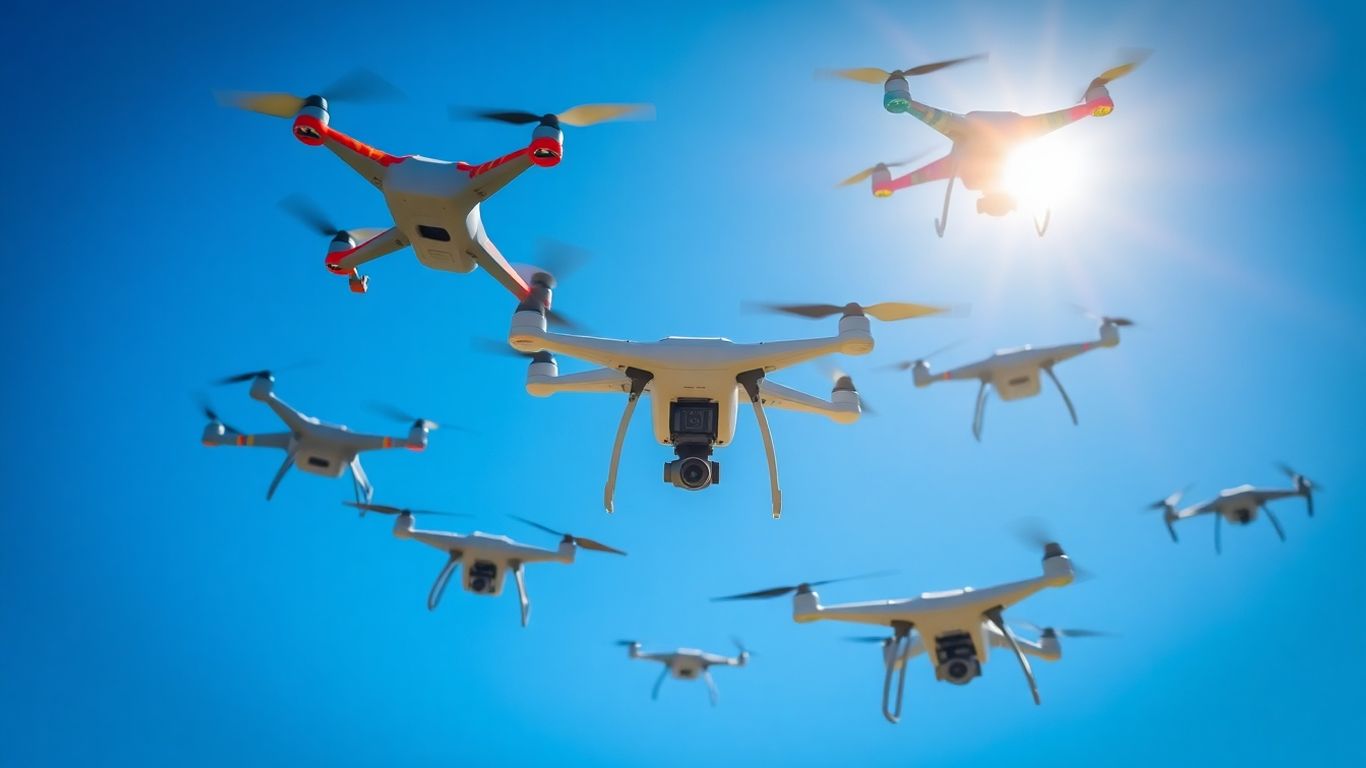
So, you’ve got the basics down and you’re ready to see what else is out there beyond the standard beginner drone. It’s a big world, and drones come in all shapes and sizes, built for all sorts of different things. Let’s break down some of the more specific categories you might run into.
Best DJI Alternative: Potensic Atom 2
If you’re eyeing up DJI but want to see what else is on the market, the Potensic Atom 2 is a solid contender. It packs a lot of features that you’d typically find on more expensive drones, making it a great value. Think good camera quality and stable flight, all without breaking the bank. It’s a smart choice if you want a capable drone that’s still easy to handle.
Getting Started With FPV: BetaFPV Cetus X
Now, if you’re feeling a bit more adventurous and want to get into the thrilling world of First-Person View (FPV) flying, the BetaFPV Cetus X is a good starting point. FPV drones put you right in the cockpit, so to speak, with a camera feed streamed to goggles. It’s a totally different experience from flying a regular drone. The Cetus X is designed to be beginner-friendly within the FPV space, meaning it’s not as intimidating as some of the more advanced setups out there. You can get a whole kit with everything you need to start, which is super convenient.
Ideal For Selfies: HoverAir X1 Pro
For those who love capturing themselves in action, the HoverAir X1 Pro is pretty neat. This little drone is designed to take off and land right from your hand, and it’s built with propeller guards to keep things safe. It’s perfect for getting those dynamic aerial selfies or quick video clips without a lot of fuss. It’s all about convenience and getting those shots you couldn’t easily get otherwise. It’s a fun gadget for content creators or just anyone who likes a unique photo op.
It’s important to remember that even with specialized drones, safety is still the number one priority. Always check local regulations before flying and practice in open areas away from people and obstacles. Understanding how your specific drone operates is key to a good experience.
Here’s a quick look at what makes these categories stand out:
- DJI Alternatives: Often offer similar features at a lower price point, giving you more bang for your buck.
- FPV Drones: Provide an immersive flying experience, great for those seeking a thrill and a new perspective.
- Selfie Drones: Prioritize ease of use and portability for quick, personal aerial shots.
Choosing the right category depends on what you want to do with your drone. Whether you’re looking for value, excitement, or convenience, there’s likely a drone out there for you. For more on what makes a good beginner drone, check out this guide.
Essential Considerations For New Flyers
Safety Features To Look For
When you’re just starting out, safety is probably the most important thing to think about. You don’t want to crash your new drone on its first flight, right? Many beginner drones come with built-in safety features that make flying a lot less stressful. Things like altitude limits can prevent your drone from flying too high, which is handy if you’re not used to judging distances. Another big one is ‘Return to Home’ (RTH). If your drone loses its signal or the battery gets low, it can automatically fly back to where it took off. It’s like a built-in safety net.
Some drones also have obstacle avoidance sensors. These are like little eyes that help the drone see things in front of it and stop before it hits them. It’s not foolproof, but it’s a great help, especially when you’re still getting a feel for the controls. For indoor flying, a propeller guard can be a lifesaver, protecting both the drone’s propellers and anything it might bump into.
Understanding Flight Controls
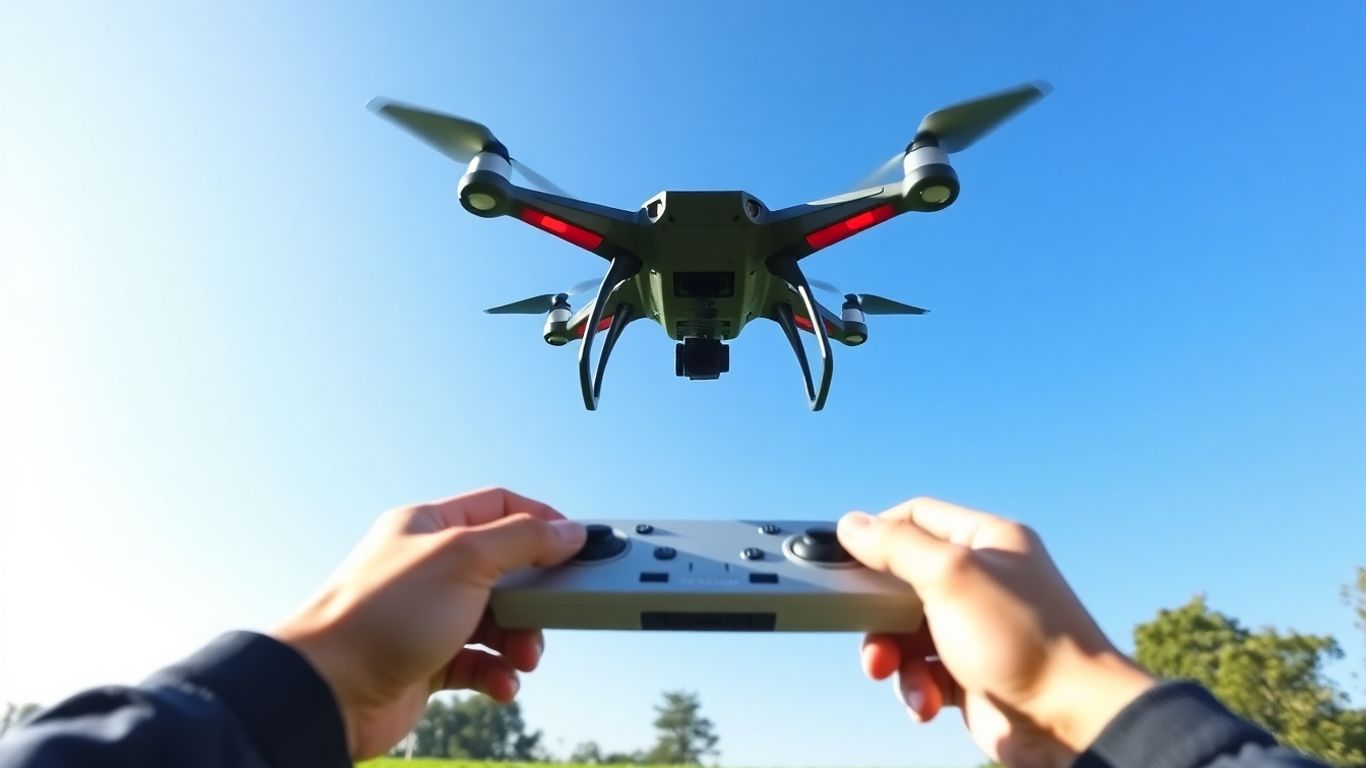
Getting a handle on how to fly your drone is key. Most drones use a remote control with two joysticks. The left stick usually controls the drone’s ascent (up/down) and rotation (spinning left/right). The right stick typically controls the drone’s forward/backward and left/right movement. It might feel a bit strange at first, like learning to pat your head and rub your stomach at the same time, but you’ll get the hang of it. Many beginner drones have simplified controls or even modes that make flying easier, like ‘headless mode’ where the drone always moves in the direction you push the stick, regardless of which way the drone is actually facing. This can really help when you’re first learning.
Learning To Fly Safely
Before you even take your drone outside, it’s a good idea to get familiar with its controls. Many drones come with simulators or can be flown indoors in a large room. This lets you practice without worrying about wind or losing sight of your drone. Always check the local regulations for drone flying in your area. In the US, drones under 250 grams generally don’t require registration, which simplifies things. However, rules can change, and it’s always best to be informed. Keep your drone within your line of sight at all times – don’t let it fly so far away that you can’t see it. Also, be mindful of where you’re flying. Avoid flying near airports, crowds, or private property without permission. Respecting these guidelines helps keep everyone safe and ensures you can keep enjoying your drone for a long time.
Flying a drone is a skill that improves with practice. Don’t get discouraged if your first few flights aren’t perfect. Focus on mastering basic movements and gradually try more complex maneuvers. Patience and a focus on safety will make your drone flying experience much more enjoyable.
Advanced Features For Aspiring Pilots
Videography Capabilities For Beginners
So, you’ve gotten the hang of flying, and now you’re thinking about making some cool videos. That’s awesome! Many beginner drones today come with cameras that can shoot in 4K, which is pretty neat. This means your footage will look sharp and clear, even if you zoom in a bit later. Some models even have special gimbals, which are like little stabilizers for the camera. They help keep your video smooth, even when the drone is moving around. It’s a big step up from shaky, home-movie style footage. You might also find features like HDR (High Dynamic Range) video, which helps capture more detail in both the bright and dark parts of your scene. This can make your videos look more professional without you needing to be a video editing wizard.
Outdoor Flight Considerations
Flying outside is where drones really shine, but there are a few things to keep in mind. Wind is probably the biggest factor. Lighter drones can get pushed around easily, so if you’re flying in breezy conditions, you’ll want a drone that’s a bit more robust. Also, think about the range. How far away can you fly before the signal gets weak? For longer flights, especially over open areas, a drone with a good range is important. GPS is another big one for outdoor flying. It helps the drone stay in place, even if there’s a bit of wind, and it’s key for features like ‘Return to Home,’ which brings the drone back to where it took off if the battery gets low or the signal is lost. Always check the local rules before you fly outdoors, too; some places have restrictions.
Exploring Multi-Control Options
Flying a drone doesn’t always mean just using the sticks on a controller. Some newer drones offer a bunch of different ways to fly. You can often control them using just your smartphone app, which is super convenient. For a more immersive experience, especially if you’re interested in FPV (First-Person View) flying, you can get special goggles that show you what the drone’s camera sees in real-time. It’s like being in the cockpit! Some drones even let you use voice commands, or they can follow you automatically using their cameras and AI. This flexibility means you can choose the control method that feels best for you and the kind of flying you want to do. It’s pretty cool how much technology is packed into these things now.
When you’re ready to step up your drone game, looking into advanced features can really open up new possibilities. Think about what you want to capture and how you want to fly. Features like better cameras, longer flight times, and more control options can make a big difference in your experience. Don’t forget to check out accessories that can help too, like filters for your camera lens. Selecting the right drone is key to enjoying these advanced capabilities.
Durable And Fun Options
Sometimes, you just want a drone that’s built tough and is a blast to fly without worrying too much about breaking the bank or the drone itself. These models are perfect for those who want a bit more resilience and straightforward enjoyment.
Best Toy Drone: Potensic A20
The Potensic A20 is a fantastic entry point for anyone looking for a simple, fun, and safe drone to fly indoors. It’s small, lightweight, and comes with propeller guards already attached, which is a big plus for beginners and flying around furniture. You don’t need to worry about it bumping into things too hard. It’s designed for easy take-offs and landings, and the controls are pretty intuitive, making it a great way to get a feel for flying without much stress.
- Propeller Guards: Built-in protection for safer indoor flights.
- One-Key Takeoff/Landing: Simplifies the flying process.
- Altitude Hold: Keeps the drone steady at a set height, making it easier to control.
- Multiple Batteries: Often comes with a few batteries so you can fly for longer periods.
This little drone is surprisingly zippy for its size. It’s the kind of thing you can pull out on a rainy day and have a good laugh with, trying to fly it through hoops or just seeing how long you can keep it airborne without incident. It’s not going to win any awards for camera quality, but that’s not really the point here. The focus is purely on the fun of flying and getting comfortable with the controls.
Rugged and Pocketable Designs
For those who want to take their drone adventures on the go, a rugged and pocketable design is key. These drones are built to withstand a bit more wear and tear and are small enough to toss into a backpack or even a large pocket. They often feature foldable arms and durable materials, making them ideal travel companions. While they might not have all the bells and whistles of larger professional drones, they offer a great balance of portability, durability, and decent flight performance for casual use and capturing spontaneous moments.
| Feature | Example Drone 1 (e.g., Potensic Atom 2) | Example Drone 2 (e.g., HoverAir X1 Pro) |
|---|---|---|
| Weight | Under 249g | Under 125g |
| Foldable Design | Yes | Yes |
| Durability | Good | Very Good |
| Portability | High | Extremely High |
| Camera Quality | 4K Video | 4K Video |
| Ease of Use | High | Very High |
Ready for Takeoff?
So, you’ve looked through some options and maybe even picked out a drone that feels right for you. That’s awesome! Getting started with drones doesn’t have to be complicated or break the bank. Whether you’re aiming for cool aerial shots, just want to have some fun flying around, or maybe even get the whole family involved, there’s a drone out there that fits the bill. Remember to start slow, get a feel for the controls, and always keep an eye on the rules in your area. The sky’s the limit, and we can’t wait to see what you capture!
Frequently Asked Questions
What’s the most important thing to consider when buying my first drone?
For your very first drone, it’s smart to pick one that’s lightweight, usually under 250 grams. This makes flying easier and often means you don’t have to register it, which simplifies things a lot. Also, look for drones that are easy to control and have helpful safety features.
Do I need a special license to fly a drone?
In many places, if your drone weighs less than 250 grams, you don’t need a special license. However, if your drone is heavier, you might need to register it and take a simple online test. Always check the specific rules where you plan to fly.
How hard is it to learn to fly a drone?
Learning to fly a drone is usually pretty straightforward, especially if you’re used to video games. Most beginner drones come with simple controls. It’s best to start with short, low flights to get comfortable before trying more complex maneuvers.
What are ‘FPV’ drones, and are they good for beginners?
FPV stands for First-Person View. These drones let you see what the drone sees through special goggles, making it feel like you’re actually flying it! While super exciting, FPV drones can take a lot of practice and patience to master, so they might be better for your second drone.
What safety features should I look for in a beginner drone?
Good safety features include propeller guards to protect the blades, ‘return-to-home’ functions that bring the drone back automatically if it loses signal, and obstacle avoidance sensors that help prevent crashes. Some drones even have a ‘headless mode’ which makes controlling the direction easier.
Can I use a beginner drone for taking photos or videos?
Yes, many beginner drones come equipped with cameras! While the cheapest models might only be for fun flying, drones like the DJI Mini 4K can shoot great 4K video. For the best quality, you’ll generally need to spend a bit more, but you can definitely start capturing awesome aerial shots.