Awesome Drones for Little Pilots!

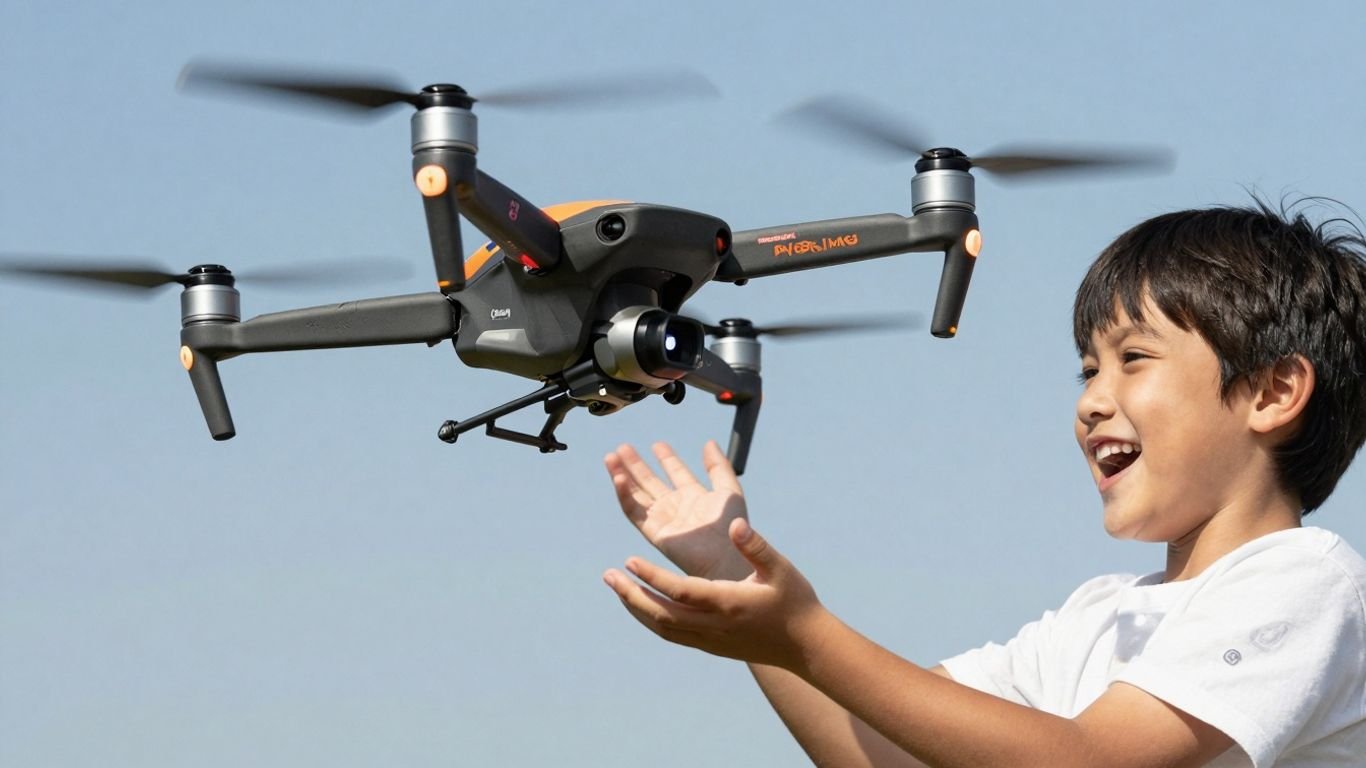
Thinking about getting your kiddo a drone? It’s a pretty cool idea! Drones are not just for grown-ups anymore. There are tons of options out there designed just for younger pilots. Whether they want to zoom around the backyard or learn how to take cool aerial shots, there’s a drone for them. We’ve checked out a bunch of them to help you find the best drones for kids, so you can pick the perfect one without all the fuss.
Key Takeaways
- When picking a drone for a child, look for features like propeller guards for safety and altitude hold for stable flight.
- Headless mode can make flying easier for beginners, but it’s not ideal if the goal is to become a better pilot.
- The DJI Neo is a popular choice for kids because it’s affordable and has built-in propeller guards.
- For kids interested in building, the Techvio Mini Drone offers a Lego-like building experience.
- Smaller, less expensive drones are great for indoor practice and learning the basics without the stress of damaging a costly device.
Choosing The Best Drones For Kids
Understanding Beginner Drone Features
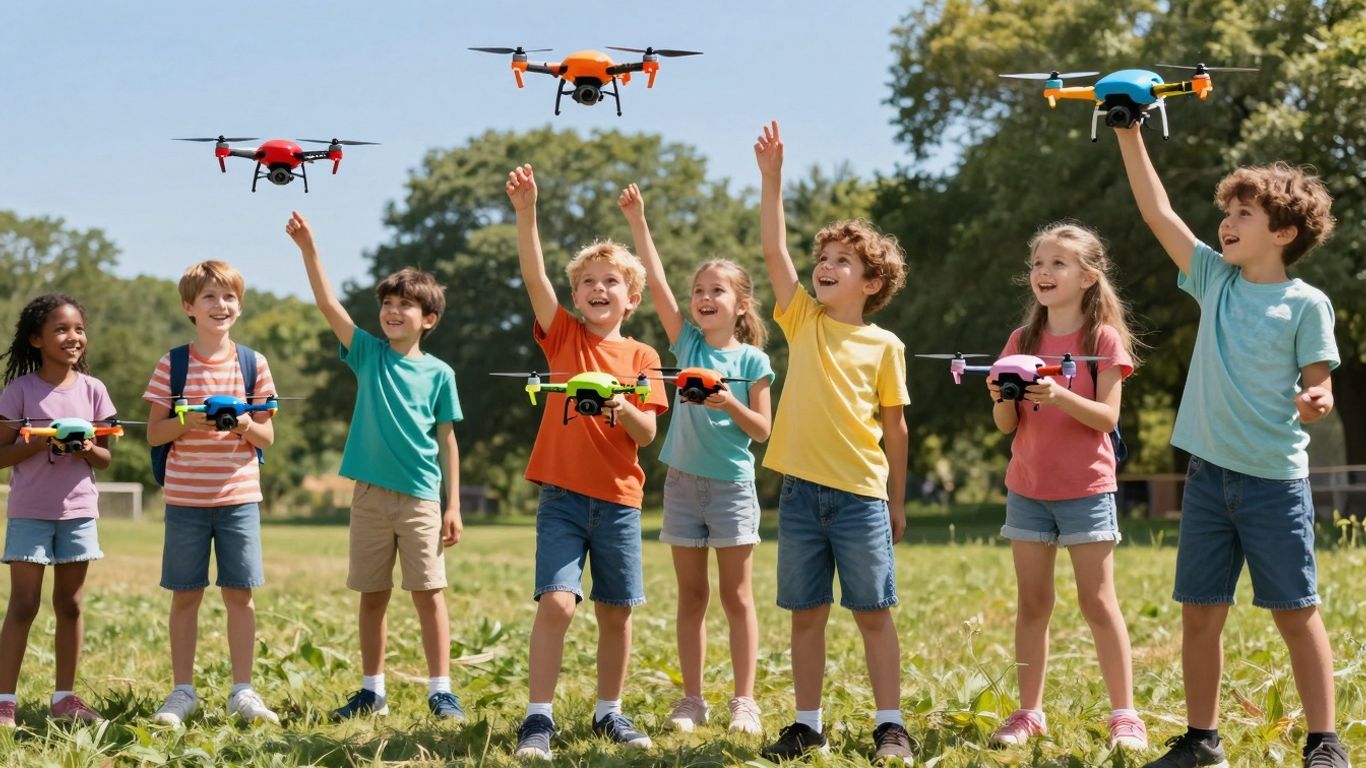
When you’re looking for toy drones for children, it’s easy to get overwhelmed by all the options. But don’t worry, focusing on a few key features can make the process much simpler. For young pilots just starting out, ease of use is the most important factor. You want something that’s intuitive and doesn’t require a steep learning curve. Look for drones with simple controls, often found on remote controls with joysticks that mimic basic video game setups.
Features like auto-hover, also known as altitude hold, are fantastic because they keep the drone steady in the air, allowing the pilot to focus on direction rather than constantly adjusting for stability. Another helpful feature for beginners is headless mode. This mode simplifies control by making the drone’s forward direction always relative to the controller, regardless of which way the drone is actually facing. This is a game-changer for new pilots who might otherwise get confused about which way is ‘forward’.
Why Drones Are Great For Kids
Drones offer a unique blend of fun and learning. They’re not just toys; they can be powerful educational tools. Flying a drone helps develop hand-eye coordination and spatial awareness. Kids learn about basic physics, aerodynamics, and even a bit about electronics and programming if they get into more advanced models.
It’s a fantastic way to get them interested in STEM subjects in a hands-on, engaging way. Plus, flying a drone encourages outdoor activity and can spark creativity, whether they’re imagining aerial adventures or trying to capture cool videos. Finding easy to fly drones for youth can open up a whole new world of exploration and skill-building. It’s a great way to get them away from screens and interacting with the physical world in a new dimension.
Key Considerations For Young Pilots
Before you buy, think about who will be flying the drone and where. For younger children, safety is paramount. Look for drones with propeller guards to prevent accidental bumps and injuries. Durability is also a big plus; kids can be a bit rough, so a sturdy drone that can withstand minor crashes is ideal.
Consider the flight time – most beginner drones offer around 5-10 minutes per battery charge, so having extra batteries can significantly extend playtime. The range of the drone is another factor; for indoor flying or small backyards, a shorter range is perfectly fine and often safer. For those looking for top rated children’s drones, consider models that offer a good balance of these features. It’s also worth checking out resources that explain basic drone operations, like understanding a drone’s center of gravity, especially if you plan on adding any accessories later on.
Here’s a quick rundown of what to look for:
- Propeller Guards: Protects fingers and the drone itself.
- Altitude Hold: Makes flying much more stable and easier.
- Headless Mode: Simplifies directional control.
- Durable Construction: Withstands minor impacts.
- Rechargeable Batteries: Consider extra batteries for longer fun.
Choosing the right drone for a child involves balancing fun features with safety and ease of use. A well-chosen drone can provide hours of entertainment while also teaching valuable skills.
Top Picks For Young Aviators
DJI Neo: The All-Around Favorite
The DJI Neo is a fantastic starting point for any young pilot. It’s designed with simplicity and safety in mind, making it super easy to get airborne. This drone is incredibly lightweight, weighing in at just 135 grams, which means it’s less likely to cause damage if it bumps into something. Plus, it comes with propeller guards already built-in, offering that extra layer of protection for both the drone and your home.
You don’t even need a separate controller; you can fly it using your hand gestures, voice commands, or the handy DJI Fly app on your smartphone. With up to 18 minutes of flight time, kids get a good amount of stick time to practice their skills and capture some cool aerial shots. It’s a great way to introduce them to the world of drones without a steep learning curve.
DJI Flip: Advanced Features For Budding Creators
If your young aviator is showing a bit more interest and wants to get creative, the DJI Flip is a step up. While it’s a bit more of an investment than the Neo, it opens up a lot of possibilities. It’s still pretty compact and easy to carry around, which is a big plus.
The camera on this model is quite capable, letting kids shoot decent photos and videos. It also boasts longer flight times, sometimes up to 31 minutes, giving them more time to experiment with different shots and flying techniques. For those who want to explore more advanced flying, it often includes features like GPS assistance for stable flight and even some automated flight paths. It’s a drone that can grow with your child as their skills develop.
Tomzon Mini Drone: Simple Flight Fun
For pure, unadulterated flying fun, the Tomzon Mini Drone is a solid choice, especially if you’re looking for something that’s ready to go right out of the box. These mini drones are often designed for quick takeoffs and landings, which is perfect for younger kids who just want to get flying. They usually come with features like altitude hold, meaning the drone will hover at a set height on its own, making it much easier to control.
Many also include headless mode, which simplifies directional control, so you don’t have to worry about which way the drone is facing. It’s a great way to build confidence in new pilots without the stress of complex controls. These are often quite affordable, making them a low-risk way to see if your child enjoys flying. You can find some really good options for beginners that are quite budget-friendly, making it easy to get started.
When choosing a drone for a child, think about their age and how much they might already know about flying. A drone that’s too complicated can be frustrating, while one that’s too simple might get boring quickly. Finding that sweet spot is key to keeping them engaged and excited about their new hobby. Safety features like propeller guards are always a good idea, no matter the model.
Drones For Creative Exploration
Sometimes, the best way for kids to learn about flying is through play and imagination. These drones aren’t just about hovering; they’re about sparking creativity and building fun adventures. They are fantastic drones for beginner flyers who want to do more than just fly straight. Think of them as digital sketchpads in the sky!
Techvio Mini Drone: Build Your Own Adventure
The Techvio Mini Drone is a great little flyer that lets kids create their own stories. It’s simple to get going, which is a big plus. You can control it with your hands or a simple remote. It’s perfect for indoor fun or a calm day outside. This drone is a good example of a creative toy that’s also a drone. It’s a fun flight experience that can be a gift for anyone. fun flight experience
Pterosaur Drone: Roaring Fun For Dinosaur Fans
For the dino-loving kid, the Pterosaur Drone brings a unique twist. It’s designed to look like a flying dinosaur, making flights feel like an epic prehistoric journey. While it might not have all the fancy camera features of more expensive models, its appeal lies in its imaginative play potential. It’s a sturdy little flyer, good for kids who might be a bit rougher with their toys. It’s a fun way to get kids interested in flight without them even realizing they’re learning.
- Easy Controls: Simple joystick operation makes it accessible for young children.
- Durable Design: Built to withstand minor bumps and tumbles.
- Imaginative Play: Encourages storytelling and creative scenarios.
When choosing a drone for creative exploration, think about how it can be a tool for play. Does it have features that encourage storytelling? Can it be used in different ways beyond just flying? These aspects can make a drone much more engaging for a child.
Essential Features For Kid-Friendly Drones
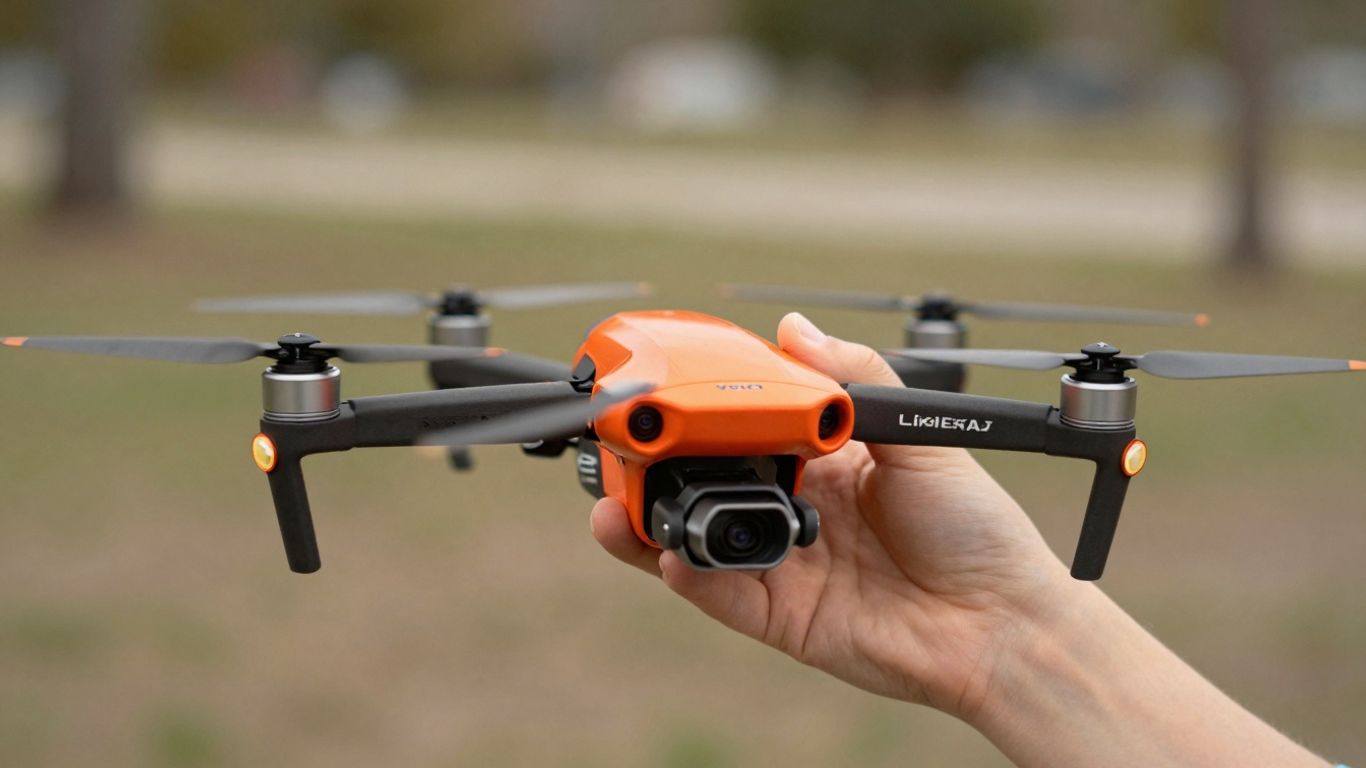
When picking out a drone for a young pilot, a few key features really make a difference. It’s not just about the cool factor; these elements help keep things safe and make flying way less frustrating. Safety and ease of use are the top priorities for kid-friendly drones.
Propeller Guards For Safety
These are like little bumpers around the spinning blades. They’re super important because they stop little fingers (or furniture!) from getting too close to the fast-moving propellers. Most beginner drones come with these built-in, which is a big plus. It means fewer worries about accidental bumps and scrapes. You’ll find that drones with these guards are generally a bit more robust, too, able to handle the occasional oopsie.
Altitude Hold For Stable Flight
This feature is a game-changer for new pilots. Altitude hold basically means the drone can hover in place on its own, without you having to constantly adjust the controls. Imagine trying to learn to ride a bike, but the bike just stayed upright by itself – that’s kind of what altitude hold does for a drone. It lets the pilot focus on steering and moving forward, rather than fighting to keep the drone from going up or down unexpectedly. This makes the whole experience much more enjoyable and less intimidating.
Headless Mode For Easier Control
Normally, a drone’s front is always its front, no matter which way it’s facing. This can get confusing when the drone is flying away from you, and you push the stick forward to make it go left! Headless mode fixes this. When it’s on, the drone’s controls are relative to the pilot, not the drone itself. So, pushing the stick forward always moves the drone away from you, and pulling it back always brings it closer, regardless of which direction the drone is pointing.
It simplifies the learning curve a lot, making it feel more like playing a video game. Some people find it takes away from the ‘real’ drone flying experience, but for beginners, it’s a fantastic way to get comfortable in the air.
Choosing the right features can turn a potentially frustrating experience into hours of fun. Think of it like getting the right tools for a job; the right drone features make the learning process smoother and more rewarding for young aviators. It’s all about building confidence and encouraging exploration in the sky.
Here are some common features you’ll find on kid-friendly drones:
- Propeller Guards: Protects propellers from damage and prevents accidental contact.
- Altitude Hold: Keeps the drone hovering at a set height.
- Headless Mode: Simplifies directional control for beginners.
- One-Key Takeoff/Landing: Automates the start and end of a flight with a single button press.
- Durable Construction: Built to withstand minor impacts.
These features help make drones more accessible and enjoyable for younger users, allowing them to focus on the fun of flying. You can find more information on the evolving drone ecosystem at Drone News Network.
Budget-Friendly Flying Fun
Getting a drone doesn’t have to cost a fortune. There are plenty of awesome options out there that won’t break the bank, perfect for kids just starting out. You can find some really neat little flyers for under $50, and even some great value picks if you’re looking to spend a bit more, maybe up to $100 or $200. These cheaper drones are often smaller and lighter, which is actually a good thing for beginners. They’re less likely to cause damage if they bump into something, and honestly, you’ll feel a lot more relaxed flying them when you’re not worried about wrecking something expensive. Plus, replacement parts are usually pretty affordable too.
Affordable Drones Under $50
When you’re looking at drones under the $50 mark, think simple and fun. These are usually mini drones, great for indoor practice or calm days outside. They might not have all the bells and whistles of their pricier cousins, but they’re fantastic for learning the basics of flight control. Features like auto take-off and landing are common, making it super easy to get airborne and back down safely. Some even have altitude hold, which helps the drone stay at a steady height so you can focus on steering.
- Auto Take-off/Landing: Press a button and the drone handles the rest.
- Altitude Hold: Keeps the drone at a set height for easier control.
- Headless Mode: Simplifies directional control, especially when the drone is facing away from you.
- Durable Build: Often made of flexible materials to withstand minor crashes.
Remember, with very inexpensive drones, the focus is on the joy of flying and getting a feel for how drones respond. Don’t expect professional-grade cameras or super long flight times, but do expect a lot of fun.
Value Picks For First-Time Flyers
Stepping up slightly, you can find some really solid drones in the $50 to $200 range that offer even more. These might include better cameras, longer flight times (aim for at least 10 minutes per battery), and more stable flight thanks to features like improved stabilization or even basic GPS. These are great for kids who have already gotten the hang of a mini drone and want to try something a bit more capable.
You might even find some that are designed to be a bit more robust, ready for a few more bumps and tumbles as your young pilot gains confidence. It’s a good idea to check out brands that are known for making reliable, budget-friendly options. For instance, some of the DJI drones, while often pricier, do have entry-level models that can sometimes be found at good prices, though many of their popular models are geared towards more advanced users and might be outside this budget. DJI drones are popular, but there are many other brands worth exploring in this price bracket.
Here’s a quick look at what to expect:
| Feature | Under $50 Drones | $50-$200 Drones |
|---|---|---|
| Camera Quality | Basic | Decent (1080p) |
| Flight Time | 5-8 minutes | 10-15 minutes |
| Durability | Moderate | Good |
| Control Features | Basic | Altitude Hold, Headless Mode |
| Range | Shorter | Moderate |
Indoor Flying Adventures
Compact Drones For Indoor Practice
When the weather outside isn’t cooperating, or you just want some controlled fun, indoor flying is the way to go. Small, lightweight drones are perfect for zipping around the living room or a playroom. They’re less likely to cause damage if they bump into things, and they don’t need a lot of space to maneuver. Think of them as the remote-control cars of the sky, but with a vertical dimension!
Many of these mini flyers come with propeller guards already attached, which is a big plus for safety when you’re flying in close quarters. They often have features like altitude hold, making them super stable and easy to keep in the air, even for absolute beginners. It’s a great way to get a feel for drone controls without the worry of wind or open spaces.
Robust Designs For Home Use
Flying indoors means your drone might take a few tumbles. That’s why choosing a drone with a sturdy build is smart. Look for models with protective cages or ‘funnels’ around the propellers. These help absorb impacts and keep those spinning blades from causing trouble. Some drones are specifically designed to be tough, able to bounce off walls and furniture without much fuss. This kind of resilience means more flying time and less downtime for repairs. It’s also helpful if the drone is lightweight, as this reduces the force of any accidental collisions.
For parents, this means fewer worries about broken lamps or startled pets. You can find some really good options that are built to last, making them a solid investment for hours of fun. It’s amazing how much enjoyment you can get from a small, tough drone right in your own home. You can even find kits that come with multiple batteries, so the fun doesn’t stop when one runs out. This is a great way to get started with aerial technology without needing a lot of space or a pilot’s license. For those interested in the latest in aerial tech, keeping up with drone news is always a good idea.
- Propeller Guards: These are a must-have for indoor flying, protecting both the drone and your home.
- Lightweight Construction: Reduces the impact of collisions and makes the drone safer.
- Durable Frame: Look for models designed to withstand bumps and minor crashes.
- Altitude Hold: Keeps the drone steady at a set height, making it easier to control.
- Headless Mode: Simplifies control by making the drone’s direction relative to the pilot, not the drone itself.
When selecting a drone for indoor use, prioritize safety features and a robust design. Compact size and ease of control are also key for maximizing fun and minimizing frustration. Remember, the goal is to have a good time without worrying about breaking things or getting hurt.
Ready for Takeoff!
So, there you have it! Getting a drone for a young pilot doesn’t have to be complicated or break the bank. Whether you’re looking for something super simple to just get them flying right away, a kit they can build themselves, or even a fun dinosaur-shaped flyer, there’s a drone out there. These little machines are not just toys; they’re a cool way for kids to learn about technology and have a blast doing it. Pick one up, and get ready to see some smiles as your little pilot takes to the skies!
Frequently Asked Questions
What makes a drone good for kids?
Drones made for kids usually have special features like propeller guards to keep fingers safe and something called ‘altitude hold’ that keeps the drone steady in the air. They’re also often smaller and lighter, so they don’t break things easily if they bump into walls or furniture. Simple controls are a big plus too!
Do I need a special license to fly a drone for my child?
For most small toy drones that kids fly, you don’t need a license. However, if a drone weighs more than 250 grams (about half a pound), you might need to register it with the FAA for recreational flying. Always check the drone’s weight and local rules.
Is it safe to fly drones indoors?
Yes, especially with smaller, lighter drones that have propeller guards. Flying indoors is great because there’s no wind to worry about, and you can practice anytime. Just make sure you have enough space and be careful not to fly too close to people or breakable objects.
What is ‘headless mode’ on a drone?
Headless mode is a helpful feature for beginners. Normally, you have to think about which way the drone is facing. With headless mode, the drone always moves in the direction you push the control stick, no matter which way its ‘head’ is pointing. It makes it much easier to fly when you’re just starting out.
How long do drone batteries usually last?
Toy drone batteries typically last between 7 to 15 minutes per charge. It’s a good idea to get extra batteries so your child can keep flying while one battery is recharging. Some drones come with multiple batteries included.
Are drones good for learning?
Absolutely! Drones are fantastic for learning about science, technology, engineering, and math (STEM). Kids can learn about flight, how things work, and even coding. Plus, flying a drone helps improve hand-eye coordination and problem-solving skills.