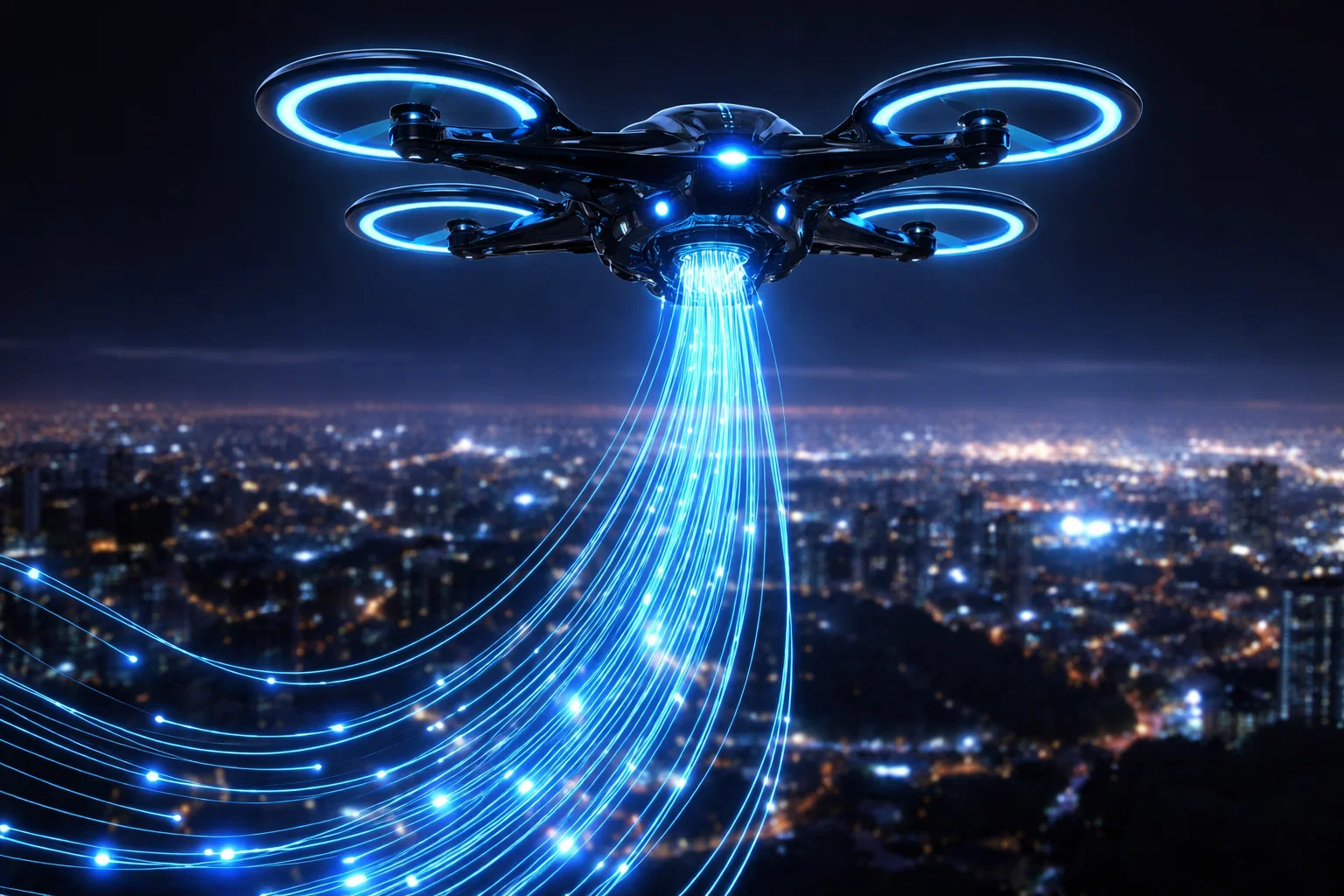
Drones + Fiber Optics: A Match Made in the Sky?

So, I’ve been reading up on this whole drone thing, specifically the ones that use fiber optics. It sounds kind of wild, right? Like something out of a sci-fi movie, but apparently, it’s happening now, especially in places like Ukraine. These drones are supposed to be harder to mess with than the regular radio-controlled ones, which is a big deal when you’re talking about warfare. But it’s not all smooth sailing; there are definitely some downsides to consider. Let’s break down what’s going on with these fiber optic drones and what it might mean for the future.
Key Takeaways
- Fiber optic drones are emerging as an alternative to traditional radio-controlled drones because they are immune to jamming and interception, which are major problems in modern electronic warfare.
- The war in Ukraine has become a testing ground for these fiber optic drones, with domestic manufacturers rapidly developing and improving them based on real combat feedback.
- A major advantage of fiber optic drones is their secure, wired connection, which bypasses existing electronic warfare systems and provides clear video feeds for better operator control and precision targeting.
- However, these drones are not perfect; they tend to be heavier, less agile, and more susceptible to wind and entanglement compared to their wireless counterparts, and the cable itself can be a physical vulnerability if cut.
- The future of fiber optic drone technology includes potential integration with advanced munitions and improvements driven by field experience, though countermeasures are already being developed.
- There are environmental concerns, including the pollution and messy aftermath of deployed fiber optic cables accumulating in fields, posing cleanup issues and potential impacts on wildlife.
- The broader impact of drone technology, including fiber optic variants, is reshaping warfare by providing real-time information, collapsing reconnaissance and strike timelines, and democratizing advanced military capabilities.
- Countering fiber optic drones presents a unique challenge due to their immunity to jamming, pushing defense strategies towards direct engagement tactics and the development of new countermeasures like net guns.
The Emergence Of Fiber Optic Drones
Technological Context For Fiber Optic Drones
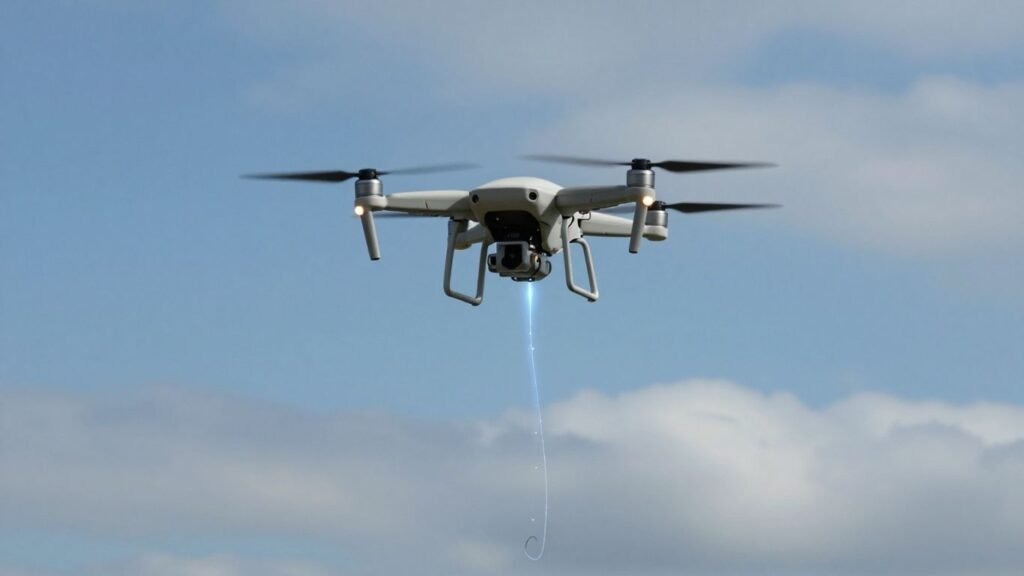
So, what exactly is a fiber optic drone? Think of it as a regular drone, but instead of talking to its operator through the air using radio waves, it’s tethered by a super-thin cable. This cable isn’t just any old wire; it’s a fiber optic line, which is pretty neat technology. This wired connection is the key difference that sets it apart from the drones you might be more familiar with.
Traditional drones, the ones you see flying around for fun or even for some military uses, rely on radio frequency (RF) signals. That’s how the controller talks to the drone and how the drone sends back video. It works fine most of the time, but there’s a big catch: these signals can be easily messed with. That’s where fiber optics come in as a potential game-changer.
Industrial Drivers For New Drone Technology
There’s a real push for new drone tech right now, and it’s not just for kicks. Industries are looking for ways to get more reliable data, especially in tricky situations. Drones are already useful for all sorts of things, from inspecting power lines to mapping out construction sites. But when the signal gets weak or gets jammed, the whole operation can go south. This need for dependable communication is a big reason why people are looking at alternatives like fiber optic connections for these unmanned aerial vehicles.
Security Imperatives Behind Fiber Optic Drones
When we talk about security, especially in military or sensitive operations, keeping communications private and uninterrupted is a huge deal. Radio signals can be intercepted, and worse, they can be jammed, meaning the drone just stops working or goes haywire. This is a massive problem when you need eyes on a target or need to guide a drone precisely. Fiber optic cables offer a way around this. Because the connection is physical, it’s much harder to jam or intercept compared to wireless signals. This makes them attractive for situations where security and reliability are top priorities.
Limitations Of Traditional RF Drones
Radio frequency (RF) drones have been around for a while, and they’re pretty common. They’re generally lighter and more agile because they don’t have a cable dragging behind them. This freedom of movement is great for quick maneuvers and covering large, open areas. However, their biggest weakness is their reliance on radio waves. These signals are vulnerable to interference, jamming, and interception. In environments where electronic warfare is active, RF drones can quickly become useless, leaving operators blind and unable to control their assets.
Signal Jamming And Interception Threats
Imagine you’re trying to guide a drone, and suddenly, poof, the signal is gone. That’s jamming. It’s like throwing static into the communication channel, making it impossible for the controller and the drone to talk. Interception is when someone else listens in on that conversation, potentially getting sensitive information. Both of these are serious threats, especially in conflict zones or for critical infrastructure monitoring. The constant battle against jamming and interception is a major driver for exploring new communication methods for drones.
Electronic Warfare Challenges For Drones
Electronic warfare (EW) is all about controlling the electromagnetic spectrum. This includes jamming enemy communications, radar, and navigation systems. For drones, EW presents a significant challenge. If a drone relies on RF signals, it’s a prime target for EW tactics. Sophisticated adversaries can disrupt drone operations, forcing them to crash or preventing them from completing their missions. This has led to a search for drone communication methods that are resistant to these kinds of attacks.
Exploring Fiber Optics As A Drone Alternative
Given the issues with RF signals, fiber optics are being explored as a robust alternative for drone communication. The core idea behind aerial fiber cable deployment is to provide a secure, jam-proof link. This involves spooling out a thin fiber optic cable as the drone flies, creating a physical connection between the drone and its operator or a ground station. This method of unmanned aerial vehicle fiber installation bypasses the vulnerabilities of wireless communication, offering a more reliable way to transmit data and maintain control, even in heavily contested electronic environments. The data travels through light pulses within the glass fibers, making it inherently resistant to radio frequency interference and jamming.
| Feature | Traditional RF Drone | Fiber Optic Drone |
|---|---|---|
| Communication Method | Radio Frequency | Fiber Optic Cable |
| Jamming Resistance | Low | High |
| Interception Risk | Moderate to High | Low |
| Latency | Variable | Very Low |
| Agility | High | Moderate |
| Weight | Lower | Higher |
Fiber Optic Drones In Modern Warfare
The war in Ukraine has really become a place where new drone ideas are being tested out, and fiber optic drones are a big part of that. You know, those regular drones that use radio signals to talk to their operators? Well, they have a big weakness: they can be jammed. Think of it like trying to have a conversation in a really loud room – the signal gets lost.
That’s where fiber optic drones come in. Instead of radio waves, they use a thin cable, like a super-fine wire, that connects the drone to the operator. This wired connection means they can’t be easily jammed by enemy electronic warfare systems. It’s a pretty clever way to get around a major battlefield problem.
Ukraine As A Testing Ground For Drone Innovation
Ukraine has turned into a real hub for drone development, especially since the conflict started. Domestic manufacturers are working overtime, taking what soldiers are learning on the ground and using it to make better drones. It’s a fast-paced environment where ideas are put to the test quickly. The feedback loop from the battlefield to the factory floor is shorter than ever.
Accelerated Development By Domestic Manufacturers
With the constant need for better equipment, Ukrainian companies have really stepped up. They’re not just building drones; they’re innovating. This means quicker design cycles and more specialized drones tailored to specific battlefield needs. It’s impressive to see how quickly they can adapt and produce.
Circumventing Jamming Systems With Fiber Optics
This is the main selling point. Traditional drones rely on radio frequencies, which are easy targets for jamming. A fiber optic cable, however, bypasses this entirely. The data travels through light pulses in the cable, making it immune to the kind of electronic interference that can take out a regular drone. It’s like having a private, secure line that can’t be easily cut off.
Clear Video Feeds For Enhanced Operator Control
Beyond just avoiding jamming, the fiber optic connection often provides a really clear video feed. This means the operator gets a sharp, uninterrupted view from the drone’s camera. Better video means better control, which is vital for precise targeting and overall mission success. It helps the operator steer the drone more accurately, especially when trying to hit small or moving targets.
Real-World Combat Testing Of Fiber Optic Drones
These aren’t just theoretical ideas; they’re being used in actual combat. Soldiers are operating these fiber optic drones, providing valuable insights into their performance. This real-world testing is crucial for ironing out any kinks and proving the technology’s worth in the chaos of war.
The Evolving Nature Of Warfare
What we’re seeing in Ukraine highlights how warfare is changing. Technology, especially drone technology, is playing an ever-larger role. The ability to adapt and use new tools like fiber optic drones quickly can make a significant difference on the battlefield. It’s a constant race to stay ahead.
Implications For Global Security Agencies
The lessons learned from Ukraine about fiber optic drones have broader implications. Security agencies worldwide are watching closely. If these drones can bypass jamming, it means new challenges for protecting sensitive areas or dealing with rogue drones. It forces a rethink of current security measures and defenses.
Operational Advantages Of Fiber Optic Drones
Fiber optic drones represent a significant shift from their radio frequency (RF) controlled counterparts. Instead of relying on wireless signals, these drones transmit data and receive commands through a physical fiber optic cable. This wired connection is the key to many of their operational benefits, making them a compelling option in certain scenarios. The primary reason for using fiber optics is its inherent security and resistance to interference. Unlike RF signals, which can be intercepted or jammed, a fiber optic cable provides a direct, private link.
Immunity To Jamming Devices
One of the most significant advantages is their immunity to jamming devices. Traditional drones use radio waves to communicate, and these signals are vulnerable to electronic warfare tactics designed to disrupt or block them. Fiber optic drones bypass this entirely. Because the connection is physical, jamming signals can’t interfere with the data stream. This means operators maintain control and receive clear feeds even in heavily contested electronic environments. This resilience is a major factor in their adoption, especially in conflict zones where jamming is common.
Secure Wired Connection For Data Transmission
The wired nature of fiber optic drones offers a highly secure channel for data transmission. Intercepting or tapping into a fiber optic cable is far more difficult than disrupting radio waves. This security is vital for sensitive operations where data integrity and privacy are paramount. The connection is direct, reducing the risk of unauthorized access or data breaches. This is one of the key advantages of drone fiber optic surveying, where accurate and secure data collection is essential.
Bypassing Existing Electronic Warfare Systems
Many modern military operations involve sophisticated electronic warfare (EW) systems designed to neutralize enemy drones. Fiber optic drones are built to circumvent these systems. Since they don’t rely on radio frequencies that EW systems target, they can operate effectively where RF drones would be rendered useless. This ability to operate unimpeded by enemy EW capabilities gives them a distinct tactical edge.
Precision Targeting Capabilities
Operators using fiber optic drones often report enhanced precision. The stable, uninterrupted video feed transmitted through the fiber optic cable allows for more accurate steering and targeting. Without the risk of signal degradation or loss common with RF drones, operators can maintain a clear view and make finer adjustments, leading to more successful mission outcomes. This clear video feed is a direct benefit of the wired connection.
Immunity To Spoofing And Radio Hacking
Beyond jamming, RF drones are also susceptible to spoofing, where an adversary sends false signals to trick the drone or its operator. Fiber optic drones are immune to these types of radio-based attacks. The physical cable ensures that the commands and data are authentic and come directly from the intended source, eliminating the risk of malicious manipulation through radio signals.
Detection Solely By Sound And Sight
Since fiber optic drones do not emit radio signals, their detection is limited to more traditional means: sound and visual observation. This makes them stealthier in terms of electronic signature compared to RF drones, which can be detected by radio frequency scanners. This reduced electronic footprint can be a significant advantage in reconnaissance and surveillance missions.
Effectiveness Against Counter-Drone Measures
Many existing counter-drone systems rely on detecting and disrupting RF signals. Fiber optic drones, by their very nature, are resistant to these measures. This forces adversaries to develop entirely new strategies and technologies to counter them, often focusing on physical interception methods like net guns or direct engagement. The challenge for defense is significant when dealing with jam-immune drones.
The operational advantages of fiber optic drones, particularly their immunity to jamming and secure data transmission, make them a formidable tool. While they present new challenges, their ability to bypass common electronic warfare tactics is a game-changer in modern drone operations.
Limitations And Challenges Of Fiber Optic Drones
While fiber optic drones offer some pretty compelling advantages, especially when it comes to avoiding jamming, they’re not exactly perfect. Like any piece of tech, they come with their own set of drawbacks and hurdles that need to be considered.
Increased Weight Compared To Wireless Drones
One of the first things you notice is that these drones tend to be heavier. That extra weight comes from the spool holding the fiber optic cable and the cable itself. Think about it – you’re carrying around a physical tether, which adds bulk compared to a drone that just relies on radio waves. This added mass can affect how the drone performs overall.
Reduced Agility In Flight
Because they’re heavier and tethered, fiber optic drones often aren’t as nimble as their wireless counterparts. They might not be able to zip around or make those super sharp turns as easily. This can be a problem if you need a drone that can quickly maneuver in tight spaces or react to fast-changing situations. It’s like trying to do ballet with a rope tied to you – possible, but definitely harder.
Susceptibility To Wind Conditions
That tether, while providing a secure connection, can also act like a sail in windy conditions. A strong gust of wind can push the drone around more easily, making it harder for the operator to keep it steady or on course. This means operations might be limited to calmer weather, which isn’t always an option on the battlefield.
Risk Of Cable Entanglement In Dense Environments
Imagine flying a drone through a thick forest or a cluttered urban area. That thin fiber optic cable could easily snag on branches, buildings, or other obstacles. If the cable gets tangled, it can pull the drone down or even damage it. This limits where these drones can be effectively used, especially in environments with lots of things to get caught on.
Physical Disruption If Cables Are Cut
While immune to jamming, the cable is a physical vulnerability. If an enemy can cut or sever the fiber optic line, the drone is immediately disabled or lost. This means the operator has to be extra careful about where the cable is running and how it’s protected. It’s a different kind of threat than radio jamming, but just as serious.
The Need For Efficient Countermeasures
Because these drones bypass traditional jamming, defense forces are scrambling to find new ways to counter them. This involves developing tactics and technologies specifically designed to deal with a wired threat. It’s a constant back-and-forth as new drone tech emerges, and countermeasures have to catch up. You can’t just hit a button to jam a fiber optic drone.
Ongoing Development Of Counter-Fiber Drone Technology
This leads to the challenge of developing effective counter-fiber drone technology. Since jamming isn’t an option, people are looking at things like net guns or even direct engagement tactics to bring these drones down. It’s a new problem, and the solutions are still being figured out, which means there’s a race to stay ahead of the threat. The development of these countermeasures is a key area of focus for defense companies seeking countermeasures.
The core idea behind a fiber optic drone is simple: instead of relying on radio frequencies (RF) for control and data, it uses a physical cable, usually made of fiber optics, to connect the drone to its operator. This wired connection is the key difference. Why use fiber optics? Well, it’s incredibly secure, virtually impossible to jam with traditional electronic warfare methods, and offers very low latency, meaning the signal travels almost instantly. This makes them resistant to signal jamming and interception threats that plague RF drones.
The Future Of Fiber Optic Drone Technology
So, what’s next for these fiber optic drones? It’s a pretty interesting question, especially when you think about how fast things are changing. These aren’t your grandpa’s remote-controlled planes; they’re a whole new ballgame. A fiber optic drone is basically a drone that uses a thin, physical cable – usually fiber optic – to communicate with its operator.
This is a big deal because traditional drones rely on radio frequencies (RF), which can be easily jammed or intercepted. Think of it like a phone call versus a text message; one is much more secure and less prone to interference. The fiber optic cable provides a super secure, low-latency connection, making it resistant to jamming and spoofing. This makes them ideal for situations where reliable, secure data transmission is key, like in modern conflict zones or for critical infrastructure monitoring.
Potential For One-Time Use Kamikaze Drones
One of the more striking developments is the move towards single-use, or ‘kamikaze’, drones. These are designed to be expended in a single mission, often carrying an explosive payload. After hitting their target, they self-destruct. This approach simplifies logistics and removes the need for recovery, though it does raise questions about waste and environmental impact, which we’ll get to later.
Integration With Advanced Munitions
We’re seeing these drones being outfitted with more sophisticated weaponry. Beyond just dropping grenades, they’re being integrated with precision-guided munitions. This means they can be used for more targeted strikes, increasing their effectiveness and reducing collateral damage. The secure, real-time video feed from the fiber optic connection is key here, allowing operators to guide these advanced munitions with incredible accuracy.
Improvements Driven By Field Feedback
What’s really pushing this technology forward is the direct feedback from soldiers using these drones in real-world scenarios. Manufacturers are working closely with military personnel, taking their battlefield experiences and using them to refine designs. This iterative process means improvements are happening much faster than in traditional defense procurement cycles.
The Role Of IT Professionals In Drone Development
It’s not just military engineers working on these systems anymore. People with backgrounds in information technology are playing a bigger role. Their expertise in secure communications, data management, and network infrastructure is proving invaluable in developing more robust and reliable drone systems. This blend of traditional aerospace engineering and IT know-how is shaping the future of aerial data transmission.
Collaboration With Defense Contractors
Major defense contractors are also getting involved, bringing their resources and experience to the table. This collaboration is helping to scale up production and integrate fiber optic drone technology into broader military systems. It’s a sign that this technology is moving beyond niche applications and becoming a more mainstream part of military operations.
The Inevitability Of Technological Advancement
Honestly, once a technology like this proves its worth, especially in high-stakes environments, there’s no stopping it. The advantages are just too significant. The development of fiber optic drones is a clear example of how necessity truly is the mother of invention. It’s a bit like that saying, ‘you can’t put the genie back in the bottle.’
Discussions On Ramifications Of Fiber Drone Use
Of course, with any powerful new technology, there are discussions about its broader implications. This includes how it might be used by different actors, the ethical considerations, and the potential for an arms race in drone technology. It’s a complex topic with a lot of different angles to consider, and these conversations are just as important as the technical development itself.
Environmental Considerations Of Fiber Optic Drones
So, we’ve talked a lot about how these fiber optic drones are pretty neat for military folks, especially because they can’t be easily jammed. Unlike regular drones that use radio waves, these ones are tethered by a super-thin fiber optic cable. This wired connection means they’re way more secure and don’t get messed with by electronic warfare stuff. Plus, the data comes through super fast and clear, which is a big deal when you’re trying to see what’s going on.
But, like anything, there’s a flip side. When we start using these things a lot, especially in places like Ukraine where they’re being tested out a ton, we’ve got to think about the mess they leave behind. It’s not just about the drone itself, but all the bits and pieces that come with it.
Pollution From Deployed Fiber Optic Cables
These fiber optic cables, even though they’re thin, aren’t exactly biodegradable. When they get left out in fields or forests after a mission, they just sit there. Think about it – you’ve got these long strands of plastic and glass just littering the landscape. It’s not great for the soil or anything that lives in it.
Messy Aftermath Of Drone Operations
After a drone operation, especially a busy one, you can end up with quite a bit of leftover material. It’s not just the cable, but also any packaging, discarded parts, or even the drone itself if it crashes. Cleaning all this up takes time and resources, and sometimes it just gets left behind.
Cable Accumulation In Fields
Imagine a battlefield where lots of these drones have been used. You could end up with fields literally covered in these fiber optic cables. It makes the land unusable for farming or other purposes, and it’s just an eyesore. It’s like a tangled mess that’s hard to get rid of.
Impact On Wildlife And Nesting Habits
Birds and other animals don’t know any better. They might see these cables as useful material. We’ve heard reports of birds actually using these discarded cables to build their nests. While it might seem like they’re adapting, it’s probably not good for them in the long run, and it just adds to the environmental problem.
Massive Clean-Up Issues
Getting rid of all this cable material is a big job. It’s not like you can just sweep it up. You need specialized equipment and a lot of effort to clear large areas. This becomes a significant logistical challenge, especially in areas that have seen heavy drone use.
Comparison To Lithium Battery Pollution
It’s worth noting that other types of drones, like the FPV ones, also have environmental impacts, mainly from their lithium batteries. These batteries are known to be toxic and can leach harmful chemicals into the ground. So, while fiber optic cables have their own set of problems, it’s part of a bigger picture of drone-related pollution.
The Necessity Of Current Solutions
Right now, the military advantages of fiber optic drones are seen as outweighing these environmental concerns. The ability to bypass jamming and maintain a secure connection is a big deal in conflict zones. However, as drone technology becomes more widespread, finding better ways to manage the waste and clean up after these operations will become increasingly important. We need to start thinking about sustainable drone use, even in warfare.
The Broader Impact Of Drone Technology
It’s pretty wild how much drones are changing things, not just in the military but in how we even think about war. You’ve probably heard about fiber optic drones, right? They’re basically drones that use a thin fiber optic cable, instead of radio waves, to send data back and forth.
This makes them super secure and really hard to jam, which is a big deal when you’re trying to get clear video feeds or control a drone without interference. Traditional drones use radio frequencies (RF), and those can be messed with pretty easily by jamming signals or even intercepted. Fiber optics, though? That’s a whole different ballgame. It’s like having a direct, private line, which means less lag and a much more reliable connection, even in chaotic situations.
Drones As The Tip Of A Communications System
Think of these drones, especially the fiber optic ones, as more than just flying cameras. They’re really the leading edge of a whole communication network. They gather information, like video or sensor data, and then stream it instantly to whoever needs it – commanders, analysts, you name it. This real-time information flow is what’s really shaking things up. It’s like the old ‘fog of war’ is just… gone. Commanders can see what’s happening right now, not hours or days later.
Real-Time Information Streaming Capabilities
This ability to stream data in real-time is a game-changer. Imagine seeing enemy movements the second they happen and being able to react almost instantly. That’s what these drones enable. It collapses the time it takes to go from spotting a target to actually hitting it. This means even smaller groups or less advanced armies can suddenly have a much clearer picture of the battlefield and the ability to strike precisely.
Eradicating The Traditional Fog Of War
For centuries, military leaders relied on anticipation and intelligence that was often delayed. Now, with drones constantly overhead, providing live feeds, that uncertainty is significantly reduced. Commanders can see troop movements, equipment locations, and other activities as they unfold. This transparency means fewer surprises and a much more informed decision-making process.
Collapsing Reconnaissance And Strike Timelines
When you can see a target and strike it almost immediately, the whole pace of conflict changes. The time lag between identifying a threat and neutralizing it shrinks dramatically. This allows for quicker responses and can prevent enemy actions before they gain momentum. It’s a shift from reacting to proactively engaging.
Democratization Of Advanced Military Capabilities
What’s really interesting is that these advanced capabilities, like high-quality reconnaissance and precision strikes, aren’t just for the biggest, richest militaries anymore. Drones have made these tools more accessible. This levels the playing field in some ways, giving more actors the ability to conduct sophisticated operations.
Reshaping Tactics And Operational Art
Because drones can see everything, you can’t just mass your troops and equipment like you used to. If you do, you become a big, easy target. So, armies have to spread out and hide better. This changes how battles are fought, moving away from big, concentrated pushes towards more dispersed and hidden movements. It’s a fundamental shift in military strategy.
The Irreversible Revolution In Warfare
It’s hard to overstate how much drones have changed warfare. They’re not just another weapon; they’re changing how armies operate, how they plan, and even how they think about winning. This isn’t just a temporary trend; it’s a lasting revolution. The way conflicts are conducted has been altered, and there’s no going back.
Countering The Fiber Optic Drone Threat
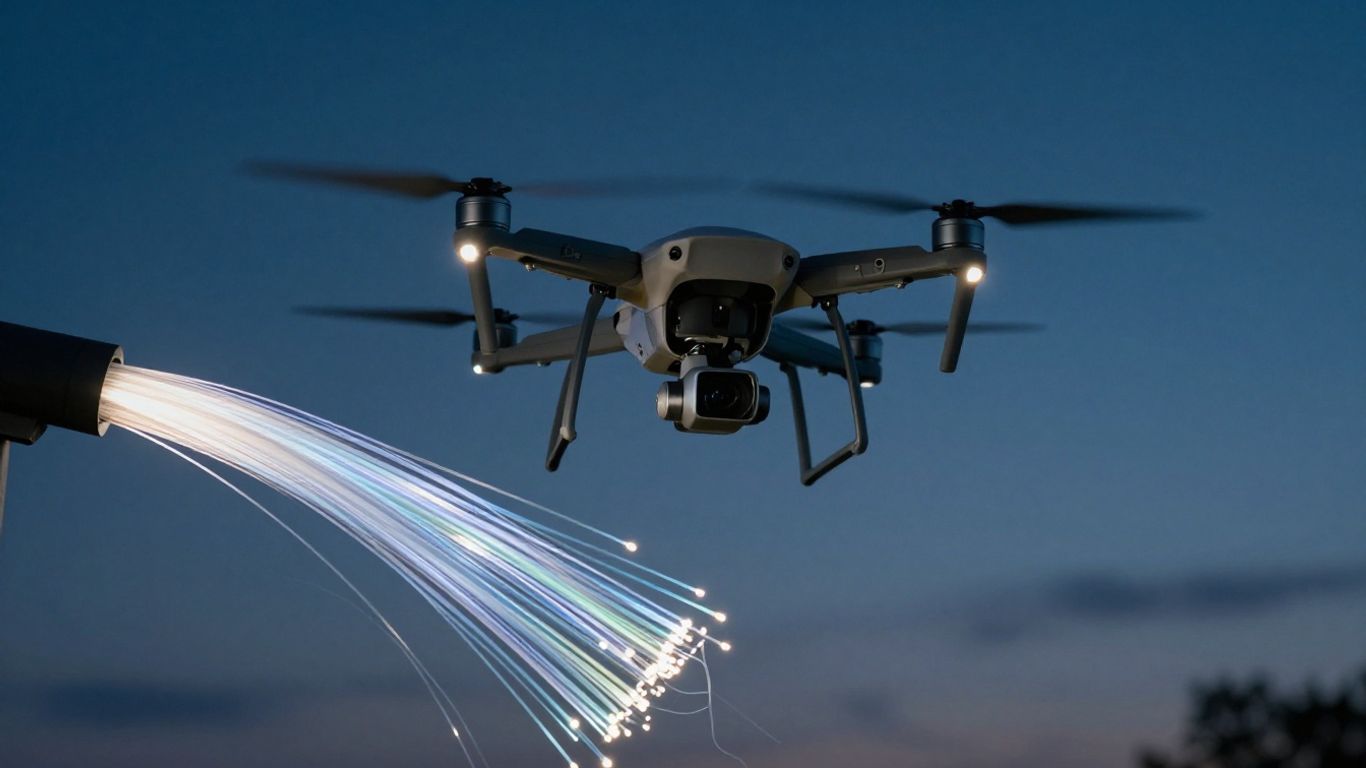
So, we’ve talked a lot about how cool fiber optic drones are, right? They’re like the stealth bombers of the drone world, zipping around immune to all those pesky jamming signals that usually take down regular drones. Instead of radio waves, they use a thin, almost invisible fiber optic cable tethered to the operator. This wired connection means no jamming, no spoofing, and a super clear video feed for pinpoint accuracy. Think of it as a direct line, bypassing all the electronic warfare noise. But, as with any new tech, especially in conflict, people are already figuring out how to fight back.
It’s a bit of a head-scratcher, honestly. Traditional anti-drone systems rely heavily on jamming radio frequencies. When that’s not an option, you’re left scrambling. These fiber optic drones, with their wired connection, just shrug off those jamming attempts. It’s like trying to block a phone call by shouting at the internet – it doesn’t really work.
Limitations of Anti-Drone Systems
Most of the gear designed to take down drones works by disrupting their communication signals. If there’s no radio signal to disrupt, these systems are pretty much useless. It forces a rethink of what defense even looks like.
Exploring Net Guns as a Countermeasure
One idea gaining traction is the use of net guns. Instead of electronic warfare, it’s a more physical approach. Think of it like a giant, high-tech butterfly net. These devices shoot a net designed to entangle the drone and its cable, bringing it down. It’s a bit more direct, and potentially less messy than other methods. Some systems are being developed to control where the disabled drone lands, which is a big deal in populated areas. You can find more about these systems and their testing here.
The Need for Direct Engagement Tactics
When jamming is out, you have to get creative. This often means moving away from electronic countermeasures and towards more direct methods. It’s a shift from disabling the drone remotely to physically stopping it.
Shooting Down Drones as the Primary Defense
Ultimately, if you can’t jam it or net it effectively, shooting it down becomes the go-to. This means relying on more traditional projectile weapons or specialized anti-drone cannons. It’s a return to more kinetic solutions when electronic ones fail.
Developing Effective Countermeasures
The race is on, really. As soon as a new technology like fiber optic drones emerges, defense contractors and military researchers start working on ways to counter it. It’s a constant back-and-forth, a technological arms race.
The Race for Technological Superiority
This whole situation highlights how quickly warfare evolves. The development of fiber optic drones, particularly in places like Ukraine, shows that innovation is happening fast. And just as quickly, countermeasures are being developed. It’s a cycle: invent, counter, invent again. The goal is always to stay one step ahead of the adversary.
Innovation And Adaptation In Drone Warfare
The battlefield is a constantly shifting landscape, and when it comes to drones, things move at lightning speed. It feels like every week there’s a new trick or a new counter-trick. This rapid cycle of measures and countermeasures is what really defines modern drone warfare. It’s not just about having the latest tech; it’s about how quickly you can adapt when that tech is countered.
Bureaucracy As An Obstacle To Innovation
Sometimes, the biggest hurdle isn’t the enemy, but the red tape. Traditional military systems, especially in the West, were built for a different era. They often treat innovation as an exception, not the rule. This can mean that by the time a new system is approved and fielded, the enemy has already moved on. It’s a slow process, and in a fast-paced conflict, that slowness can be a real problem. We’ve seen how quickly things can change, with a battlefield learning cycle sometimes as short as six weeks. It’s a stark contrast to how things used to be done.
Rapid Updates To Drone Designs And Software
On the flip side, we’re seeing incredible speed in how drone designs and software are updated. Engineers and soldiers are working together, testing and modifying systems in weeks, not years. This feedback loop is vital. It means that a drone that might have been vulnerable one day can be improved the next. This constant evolution is key to staying ahead. It’s not just about the hardware; the software controlling these machines is getting smarter too, with AI playing a bigger role in targeting and navigation.
Adapting Troop Tactics Against Drones
It’s not just the drones themselves that are changing; how soldiers fight with and against them is changing too. Tactics have to evolve. If drones can spot large troop movements easily, then soldiers need to move in smaller groups, perhaps using cover more effectively. The idea of large, concentrated forces might become less common. This means rethinking basic military strategy and how units operate on the ground. It’s a whole new ballgame out there.
Learning From Adversary Solutions
One of the most effective ways to innovate is to see what your opponent is doing and learn from it. Both sides in recent conflicts have been observed copying each other’s successful drone tactics and technologies. If one side develops a jamming-resistant drone, the other side will try to figure out how it works and develop their own version or a countermeasure. This back-and-forth is a constant driver of change. It’s a bit like a high-stakes game of chess, but with much higher stakes.
Western Bureaucratic Rigidity Concerns
There’s a recognized concern that Western military structures can be too rigid. This can slow down the adoption of new technologies and tactics. While the need for reform is discussed, actual changes can take a long time to implement. This is a worry when you see how quickly other nations are adapting and fielding new drone capabilities. The risk is that Western counter-drone systems might become outdated before they even see widespread use.
Obsolescence Of Counter-Drone Systems
Because drone technology is advancing so rapidly, counter-drone systems can become obsolete quickly. A system designed to stop one type of drone might be useless against the next generation. This means there’s a continuous need to develop new ways to defend against these aerial threats. It’s a race, and falling behind can have serious consequences. The cost of intercepting drones, especially with expensive missiles, highlights this issue.
The Importance Of Machine Vision And AI
Machine vision and artificial intelligence are becoming incredibly important in drone warfare. AI can help drones identify targets more effectively, even in complex environments or when facing electronic jamming. This technology is key to developing smarter, more autonomous drones. It’s also crucial for developing better counter-drone systems that can quickly identify and track threats. The integration of AI is changing what drones are capable of on the battlefield, making them more than just remote-controlled cameras.
Fiber optic drones, for instance, offer a different approach. Unlike traditional drones that rely on radio frequencies (RF) for control and data, these drones use a physical fiber optic cable. This cable provides a secure, jam-proof connection, which is a major advantage in environments where RF signals can be easily disrupted or intercepted. The data transmission is low-latency and highly secure, making them ideal for sensitive reconnaissance or precise targeting missions. While they might be heavier and less agile than their wireless counterparts, their immunity to electronic warfare makes them a compelling option in certain scenarios. The development of these specialized drones highlights the ongoing innovation in this field fiber-optic FPV drones.
The Evolving Landscape Of Drone Applications
Beyond Traditional Medium-Altitude UAVs
We’re seeing a big shift away from the old idea of what a drone should be. For a while, it felt like the standard was a medium-sized drone that could just hang out in the air for hours, watching things from up high. Think of those Turkish Bayraktars or Chinese Wing Loongs – they were the poster children for this kind of drone. They were good for reconnaissance and could carry small bombs or missiles. But, as things have played out, especially in places like Ukraine, that’s not the whole story anymore. The battlefield has shown us that other types of drones are really stepping up.
The Rise Of Loitering Munitions
Loitering munitions, often called “kamikaze drones,” are becoming super important. These aren’t just for watching; they’re designed to find a target and then dive right into it. They can hang around an area, waiting for the right moment to strike. This changes how attacks happen because the drone itself is the weapon. It’s a pretty direct way to deal with a target, and it’s proving effective.
FPV Quadcopters In Combat
Then you have the FPV (First-Person View) quadcopters. These little guys are agile and can be flown with incredible precision, almost like playing a video game. They’re great for getting into tight spots or for quick, targeted strikes. Their low cost and ease of use mean a lot more people can operate them effectively. Because you’re seeing what the drone sees in real-time, it makes for very precise control. They’ve become a common sight on the modern battlefield, often used for scouting or direct attacks.
Fixed-Wing Kamikaze Drones
Similar to loitering munitions, fixed-wing kamikaze drones offer a different approach. They can cover more ground and carry a bit more payload than a quadcopter. These are often used for longer-range attacks or for hitting targets that are harder to reach. They combine the speed and range of a fixed-wing aircraft with the destructive capability of a kamikaze drone. It’s a versatile tool for offensive operations.
Mitigating Weaknesses Through Clever Tactics
It’s not just about the drone itself, but how it’s used. Many drones have limitations, like not being able to fly too far or being easily disrupted by electronic warfare. But soldiers and engineers are getting really smart about how to work around these issues. They’re using tactics like flying in swarms, using decoys, or coordinating drone attacks with other military actions.
This clever use of tactics can make even a less advanced drone a serious threat. It shows that innovation isn’t just about building better hardware; it’s also about smarter ways to employ the technology we have. This is a key part of how drone warfare is evolving, making sure that even with limitations, these systems can still be effective on the modern battlefield.
The Continued Relevance Of Larger Drones
While the small, agile drones are getting a lot of attention, don’t count out the bigger ones just yet. Drones like the Bayraktar are still very useful, especially when facing an enemy that doesn’t have strong air defenses. They can stay airborne longer, cover larger areas, and carry heavier payloads. So, while the landscape is changing, these larger UAVs still have a solid role to play in reconnaissance and strike missions where their capabilities are best suited.
Constant Evolution Of Drone Types And Tactics
What’s clear is that drone technology and how we use it are always changing. New types of drones are being developed all the time, and the ways we fight with them are constantly being updated. What works today might be old news tomorrow. This rapid evolution means that staying ahead requires continuous learning and adaptation, both for those using drones and for those trying to defend against them. It’s a dynamic field, and the only constant is change.
Geopolitical Implications Of Drone Advancements
Russian Drone Incursions Into NATO Airspace
Lately, there have been some concerning reports about Russian drones, and even jets, crossing into NATO airspace. It’s not just a minor oopsie; it’s seen by some as a deliberate signal, a way to test boundaries and show a willingness to escalate things. But beyond the political message, these incursions have really highlighted a technological gap. For instance, in one incident over Poland, a bunch of Russian decoy drones weren’t intercepted.
They just sort of fell out of the sky when they ran out of fuel. The few that were shot down cost NATO a fortune, way more than the drones themselves, not even counting the cost of scrambling fighter jets. It makes you wonder about the cost-effectiveness of current defenses.
Exposing Western Technological Disadvantages
After watching the conflict in Ukraine unfold, a lot of military watchers are talking about a “drone revolution.” They argue that drones have completely changed how wars are fought, making old Western strategies look outdated. It’s like the battlefield has been flipped on its head. However, not everyone agrees. Some experts think it’s less of a revolution and more of a messy improvisation, showing the weaknesses on both sides. They believe that maybe the West doesn’t need to churn out millions of drones like Russia and China. Instead, the focus should be on learning how to actually fight against them. It’s a complex debate, for sure.
The High Cost Of Intercepting Drones
When it comes to taking down these drones, it’s proving to be incredibly expensive. Imagine shooting down a drone that costs a few thousand dollars with a missile that costs tens or even hundreds of thousands. That’s not a winning strategy in the long run. It’s like using a sledgehammer to crack a nut, but the sledgehammer costs a fortune. This economic imbalance is a major concern for defense planners. We’re seeing a situation where the cost of defense is far outstripping the cost of the threat itself. It’s a tough problem to solve, and it’s forcing a rethink of how we approach air defense.
Drones Rendering Western Doctrines Obsolete
It’s been suggested that the current drone situation is making some long-held Western military doctrines seem less relevant. For decades, military strategy has focused on things like armored breakthroughs and concentrating forces. But with drones everywhere, it’s becoming almost impossible to mass troops and equipment without them being spotted and targeted. The idea now is that concealment and dispersion are key. You have to hide and spread out your forces. This shift is pretty significant, changing how armies plan and operate on the battlefield. It’s a big adjustment, and not one that’s happening overnight.
The Debate Between Revolution And Improvisation
There’s a real split in how people are viewing the current drone situation. On one side, you have those who see it as a full-blown revolution, a complete game-changer that’s fundamentally altering warfare. They point to the speed of development and the widespread adoption of drone technology. On the other side, there are those who see it more as a series of improvisations, a response to specific battlefield conditions rather than a true paradigm shift.
They argue that while drones are important, they haven’t entirely replaced traditional military capabilities. This debate is important because it influences how countries decide to invest their defense budgets and develop their military strategies. It’s about whether we’re witnessing a fundamental change or just a clever adaptation.
Learning To Fight Against Drones
Given the challenges, a lot of focus is shifting towards learning how to effectively counter drones. It’s not just about shooting them down, though that’s part of it. It’s also about developing new tactics, understanding their weaknesses, and creating systems that can detect and neutralize them without breaking the bank. This involves a mix of technological solutions, like advanced sensors and electronic warfare, as well as tactical adjustments. The goal is to adapt to this new threat landscape and ensure that Western forces can operate effectively in an environment where drones are prevalent. It’s a continuous learning process, and staying ahead requires constant innovation.
The Need To Match Production Numbers
One of the most striking aspects of the current drone landscape is the sheer volume being produced and deployed, particularly by Russia and China. Some analysts argue that Western nations need to seriously consider matching these production numbers, especially for smaller, more expendable drones. The idea is that quantity can be a strategy in itself, overwhelming enemy defenses through sheer numbers. This is a departure from traditional Western military thinking, which often emphasizes high-tech, low-volume platforms.
The discussion is about whether the future battlefield will be won by the side that can produce the most drones, rather than just the most advanced ones. It’s a complex economic and industrial challenge, but one that many believe is becoming increasingly important. The accessibility of drone technology means that even less wealthy nations can field significant drone capabilities, posing a challenge for countries protecting against nefarious drones.
The Future Battlefield With Fiber Optic Drones
The Dominance of Drones on the Battlefield
So, what does the future battlefield look like with these fiber optic drones? It’s a pretty big shift from what we’re used to. Think about it: traditional drones, the ones you see flying around with radio signals, they’re great, but they have a big weakness. Jamming. Enemy forces can just blast radio frequencies and knock them out of the sky. It’s like trying to have a conversation in a really loud room – the message just doesn’t get through.
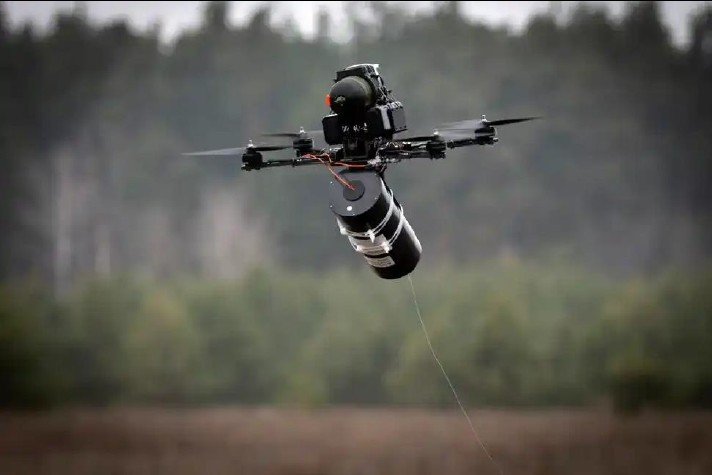
Fiber optic drones, though? They’re different. Instead of radio waves, they use a thin, physical cable, like a super-fine thread, that unspools as the drone flies. This cable connects the drone directly to the operator. This wired connection makes them immune to jamming and radio hacking. It means the video feed stays clear, and the control signal is solid, no matter what electronic warfare the enemy throws at them. It’s a game-changer because it bypasses a whole layer of defense that used to be pretty effective.
Reshaping Strategy and Operations
This immunity to jamming means a lot for how battles are fought. Commanders can rely on these drones for real-time information, knowing that their feed won’t suddenly cut out. This allows for much faster decision-making. Instead of waiting for intel that might be delayed or lost, they get a constant stream of what’s happening on the ground. This collapses the time between spotting a target and striking it, which is a huge deal in modern conflict. It really changes the traditional ‘fog of war’ that soldiers have dealt with for centuries.
Drones Replacing Other Weapon Types
We’re also seeing drones, especially these fiber optic ones, start to take on roles that used to be handled by other, more traditional weapons. For reconnaissance, they’re obviously superior. But they’re also being equipped with munitions, turning them into precision strike platforms. This means that instead of sending in larger, more vulnerable vehicles or even troops for certain missions, a drone can do the job more safely and effectively. It’s not that they’ll replace everything, but they’re definitely becoming a go-to option for many tasks.
The Impact on Troop Concentration
With reliable drone surveillance and strike capabilities, the need for large troop concentrations might decrease. If you can monitor and engage targets from a distance with drones, you don’t necessarily need to put as many soldiers in harm’s way. This could lead to tactics that favor dispersion and concealment, making units harder to find and target. The battlefield is becoming less about mass and more about precision and information.
The Necessity of Drone Superiority
Because of these advantages, having drone superiority is becoming absolutely necessary. If one side has reliable, jam-proof drones and the other doesn’t, the side with the better drone tech has a massive edge. It’s not just about having drones; it’s about having the best drones that can operate effectively in a contested electronic environment. This is why countries are pouring resources into developing and producing these systems, like the efforts seen in Ukraine.
Concealment and Dispersion Tactics
As drones become more prevalent and capable, tactics will continue to evolve. Expect to see more emphasis on hiding equipment and troops, moving around more, and generally making yourself a harder target to spot from the air. The clear video feeds from fiber optic drones mean that even small, camouflaged targets can be found if you’re not careful. So, staying hidden and dispersed becomes even more important.
The End of Armored Breakthroughs
Large, slow-moving armored formations might find themselves increasingly vulnerable. A fiber optic drone can provide persistent surveillance, spotting these formations long before they can advance. Then, it can either call in strikes or, in some cases, even engage directly with its own munitions. This makes the classic armored breakthrough much riskier. The battlefield is changing, and these drones are a big part of that change.
Security Concerns And Fiber Optic Drones
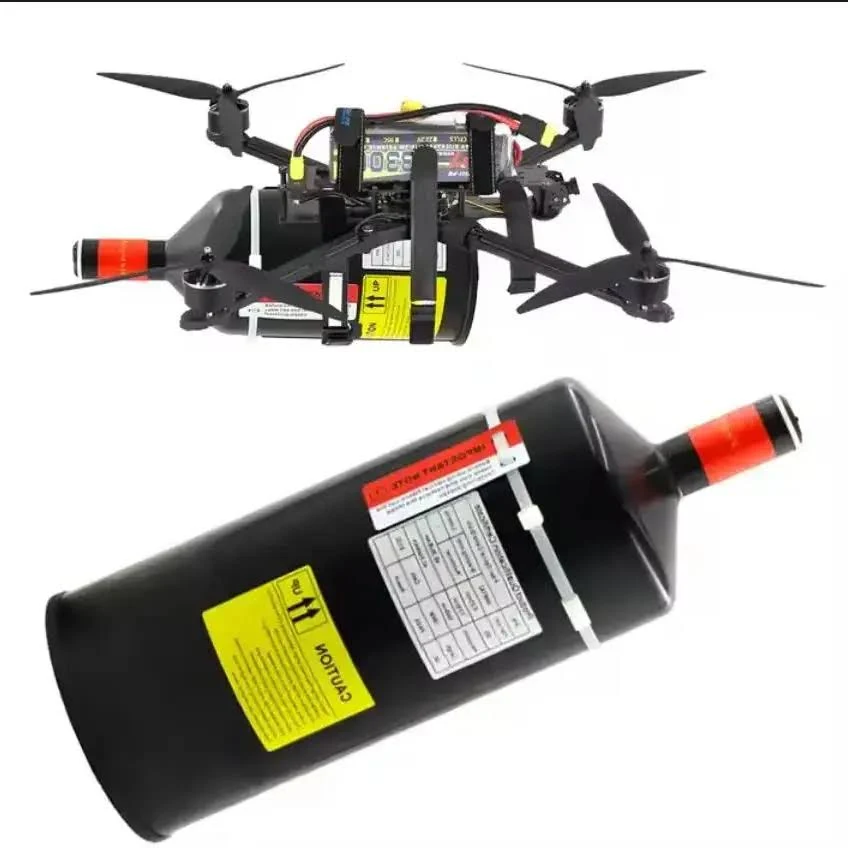
So, what’s the deal with these fiber optic drones and why are they popping up in security discussions? Basically, a fiber optic drone is a type of unmanned aerial vehicle that uses a physical cable, usually a thin fiber optic line, to communicate with its operator. This is a pretty big departure from the usual drones you see, which rely on radio frequencies (RF) to send and receive signals. Think of it like this: RF drones are like talking on a walkie-talkie, while fiber optic drones are more like a direct phone line.
Why bother with a cable? Well, it’s all about security and reliability. That physical connection means the drone is immune to jamming, which is a huge problem for RF drones. Jamming devices basically flood the airwaves with noise, making it impossible for the drone to get commands or send back video. This wired connection bypasses all that electronic warfare nonsense. It also offers a super secure data stream, meaning it’s much harder to intercept or hack. Plus, the latency is incredibly low, giving operators a really clear, real-time view and precise control.
Challenges For Countries Protecting Against Nefarious Drones
This whole fiber optic drone thing really throws a wrench into how countries protect themselves. When you can’t just jam a drone out of the sky, you’ve got a whole new set of problems to figure out. It’s not just about military applications anymore; the thought of terrorists or criminals getting their hands on these jam-proof devices is pretty unsettling. Imagine trying to secure a major event, like a big sports game, when a drone can fly right in, completely unaffected by jamming equipment that would normally be on standby.
The Threat Of Terrorists And Criminals Using Drones
It’s not just state actors we need to worry about. The idea of non-state groups using these drones for nefarious purposes is a real concern. They could be used for surveillance, delivering small payloads, or even causing disruptions in ways we haven’t fully anticipated yet. The fact that they’re harder to detect and can’t be easily disabled by common anti-drone measures makes them a more attractive option for those looking to operate under the radar.
High-Profile Events As Potential Targets
Think about places like stadiums during major sporting events, or even critical infrastructure. These are places where security is already tight, but the introduction of jam-immune drones adds a significant layer of complexity. Traditional security measures, like setting up no-drone zones and having jamming equipment ready, become less effective. It forces security agencies to rethink their entire approach to aerial threats.
No-Drone Zones And Jamming Equipment
Setting up a ‘no-drone’ zone is a standard security practice. You’d typically have jamming equipment ready to go, just in case. But with fiber optic drones, that jamming equipment is pretty much useless. The drone isn’t relying on radio waves that can be disrupted. This means that even with all the usual precautions in place, a fiber optic drone could potentially slip through the cracks.
The Security Risk Of Jam-Immune Drones
This immunity to jamming is the core of the security risk. It means that a drone can operate in heavily contested electronic warfare environments without being affected. For security forces, this is a major headache. It’s like trying to fight an enemy you can’t disable with your usual tools. The drone can get closer, stay longer, and transmit data without interruption, giving its operator a significant advantage.
The Difficulty Of Intercepting Fiber Optic Drones
Because they can’t be jammed, the options for intercepting these drones become much more limited. You can’t just disable them remotely. This often means resorting to more direct methods, like shooting them down, which isn’t always feasible or desirable, especially in populated areas. The physical cable itself also presents a challenge; while it’s a weakness if cut, it also means the drone is tethered, which might make it easier to track visually or by sound, but still difficult to stop without direct engagement.
The Need For New Security Paradigms
Ultimately, fiber optic drones are pushing us to develop entirely new ways of thinking about security. We need to explore different countermeasures, perhaps focusing more on visual detection, acoustic sensors, or even physical interception methods like net guns. It’s a constant cat-and-mouse game, where one side develops a new technology, and the other has to scramble to find a way to counter it. The development of these tethered drones is a prime example of how military technology continues to evolve, forcing security experts to adapt.
| Security Measure | Effectiveness Against RF Drones | Effectiveness Against Fiber Optic Drones |
|---|---|---|
| Jamming | High | None |
| Visual/Acoustic Detection | Medium | Medium |
| Net Guns | Medium | Medium |
| Direct Engagement (e.g., shooting) | High | High |
Technological Evolution In Drone Design
Improvements In Drone Spool Capacity
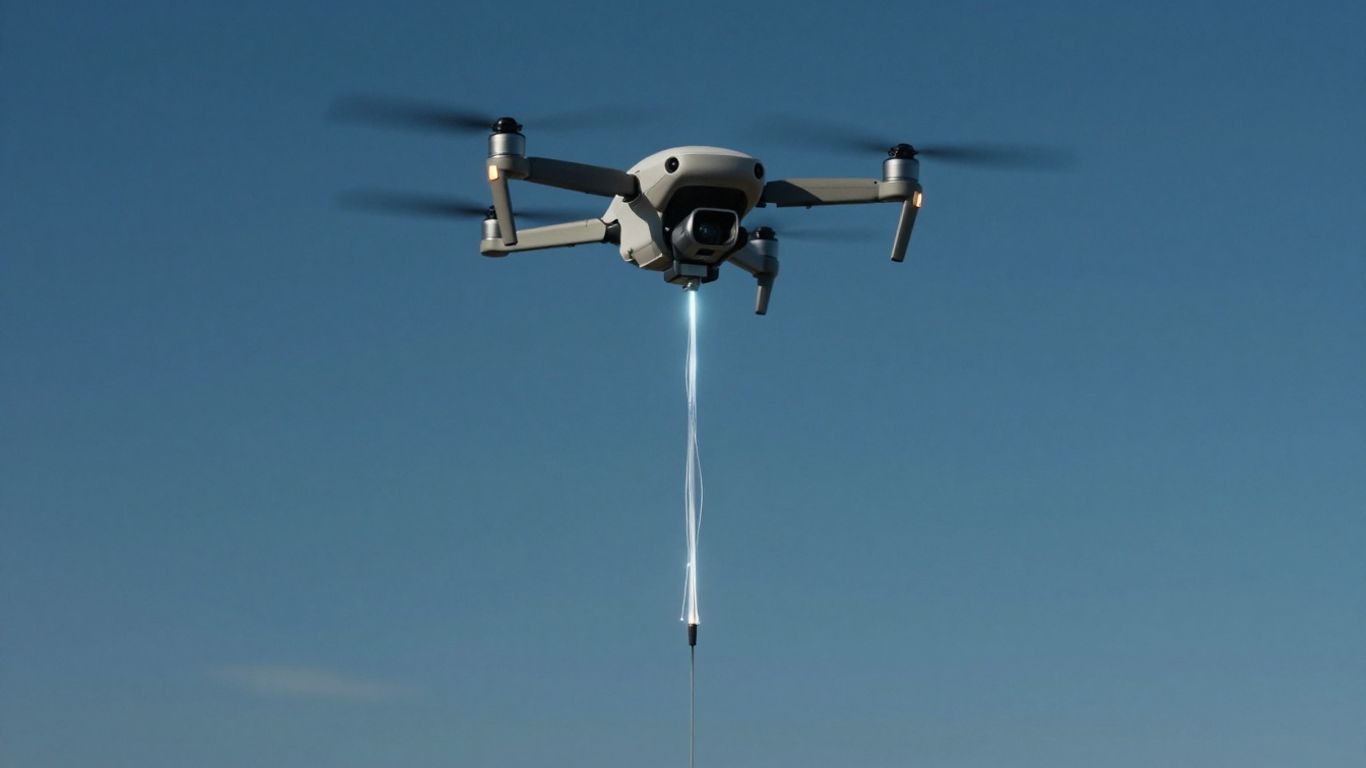
When we talk about fiber optic drones, the first thing that comes to mind is that long, thin cable connecting the drone to its operator. Traditional drones, the ones you see flying around for aerial photography or just for fun, usually rely on radio frequencies (RF) to send and receive commands and data. This works fine for most hobbyists, but in more demanding situations, like military operations, RF signals can be a real problem. They can be jammed, intercepted, or even spoofed, meaning someone else could take control of your drone.
That’s where fiber optics step in. Instead of radio waves, these drones use a physical cable, usually a thin fiber optic line, to communicate. This makes the connection incredibly secure and immune to jamming. The real trick with these tethered drones is how much cable they can carry and deploy. Think of it like a fishing reel, but for data. The more cable the drone can spool out, the further it can fly from its launch point while maintaining that secure, high-bandwidth connection. Early models were pretty limited, but engineers are constantly working on making those spools bigger and lighter.
Extending Fiber Optic Cable Lengths
So, you’ve got a drone with a decent spool of fiber optic cable. Great. But what if you need to go even further? That’s the next big challenge: extending the effective range. It’s not just about cramming more cable onto the drone; it’s about the physics of the cable itself. Longer cables mean more weight, which affects flight time and maneuverability. Plus, there’s the risk of the cable snagging or breaking. Researchers are looking into lighter, stronger cable materials and more efficient spooling mechanisms.
Some ideas involve using lighter-than-air components to offset the cable’s weight or developing drones that can deploy a relay system, essentially extending the tether without the drone itself having to carry the entire length. It’s a bit like how you might use multiple routers in your house to get Wi-Fi everywhere; they’re trying to do something similar with these physical tethers. The goal is to give operators more operational freedom without sacrificing the security and reliability that fiber optics provide. It’s a constant push and pull between capability and practicality, a common theme in drone development.
Enhancing Drone Speed And Maneuverability
Let’s be honest, a drone with a long cable trailing behind it isn’t exactly going to be doing acrobatic flips. The cable acts like an anchor, limiting how quickly and agilely the drone can move. This is a major hurdle, especially when you need a drone to react fast, like for reconnaissance in a dynamic environment or for precise targeting. Engineers are tackling this in a few ways. One approach is to design drones with more powerful motors and better aerodynamic shapes to counteract the drag and pull of the cable.
Another is to develop smarter spooling systems that can pay out or retract cable on demand, allowing the drone to adjust its tether length on the fly. Imagine a drone that can quickly reel in its cable to make a sharp turn or extend it to maintain a stable position. This kind of dynamic control is key. We’re also seeing advancements in the control software, making it more intuitive for operators to manage the drone and its tether simultaneously. It’s about making the drone feel less encumbered by its connection, allowing it to perform tasks that require more agility. This is especially important if you’re looking for good drones for videography.
Developing More Robust Cable Materials
Fiber optic cables, while amazing for data, can be surprisingly fragile. They’re not exactly built for the rough and tumble of battlefield conditions or even just being dragged across rough terrain. Snapping a cable means losing your connection, and potentially your drone. So, a lot of the design evolution is focused on making these cables tougher. We’re talking about new materials for the outer sheath that can resist abrasion, extreme temperatures, and even minor impacts. Think of it like upgrading from a standard phone charger cable to a heavy-duty braided one.
Some research is even looking into self-healing materials that could repair minor nicks or cuts automatically. The spooling mechanism itself also needs to be robust, able to handle the tension and stress of constant deployment and retraction without jamming or damaging the cable. It’s a bit like building a better extension cord that can survive being run over by a truck – not that you’d want to test it that way, but you get the idea. Durability is key for these systems to be reliable in the field.
Integrating Advanced Sensor Technology
While the fiber optic connection is the defining feature, it’s what the drone does with that connection that really matters. A secure, high-bandwidth link means you can send a lot more data back to the operator, and that opens the door for much more sophisticated sensors. We’re not just talking about a basic camera anymore. Think high-resolution electro-optical and infrared (EO/IR) cameras for seeing in different light conditions, advanced radar systems for mapping terrain or detecting hidden objects, and even chemical or biological sensors.
Because the data stream is so robust and low-latency thanks to the fiber optic cable, operators can process this information in near real-time, making much faster and more informed decisions. It’s like upgrading from a blurry black-and-white TV to a crystal-clear 4K display with surround sound – the amount of detail and clarity you get is vastly different. This integration of advanced sensors, powered by the reliable fiber optic link, is what makes these drones so potent for reconnaissance and surveillance missions.
Improving Battery Life And Power Systems
Even though the drone is tethered, it still needs power to fly, and that’s where battery life becomes a consideration. While the cable provides a data link, it doesn’t typically provide power for the drone itself. So, the drone still relies on its onboard battery. This means that improvements in battery technology – higher energy density, faster charging, and longer lifespan – directly translate to longer operational times for fiber optic drones.
Engineers are constantly looking for ways to optimize power consumption, too. This might involve more efficient motors, smarter power management systems that can put non-essential components into low-power modes, or even exploring hybrid power solutions. The aim is to keep the drone airborne for as long as the mission requires, without being constantly tethered by battery limitations. It’s a balancing act, as batteries add weight, which, as we’ve discussed, impacts maneuverability. So, it’s a continuous cycle of innovation in both power storage and drone design.
The Role Of 3D Printing In Drone Production
Additive manufacturing, or 3D printing, is really changing the game for drone production, including fiber optic models. It allows for rapid prototyping of new designs and components. Need a custom-shaped housing for a new sensor? Print it. Want to test a different wing design? Print it. This speeds up the development cycle dramatically.
It also means that parts can be produced on-demand, closer to where they’re needed, which can be a big advantage in remote or conflict zones. For fiber optic drones, 3D printing can be used to create specialized spooling mechanisms, lightweight internal structures to offset cable weight, or even custom mounts for the fiber optic connector. It makes it easier to iterate on designs based on feedback from the field, something that’s happening at an incredible pace in places like Ukraine. This flexibility is a huge part of why drone technology is evolving so quickly right now. It allows for quick adaptation and customization, which is exactly what you need when facing a rapidly changing threat landscape.
The Role Of Operators With Fiber Optic Drones
Operator’s View Through Goggles
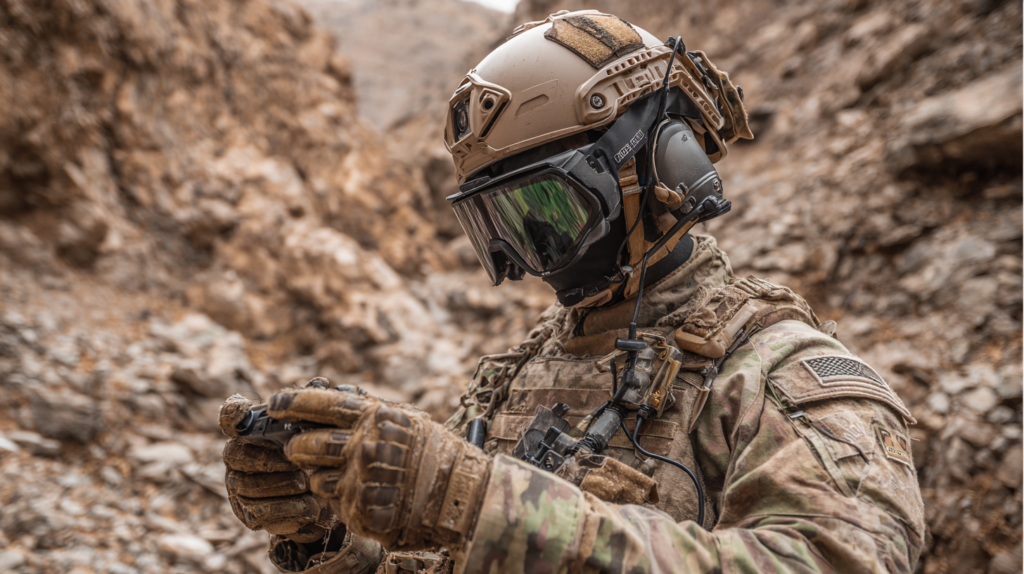
When you’re controlling a fiber optic drone, it’s a bit different from the usual remote-controlled stuff. Instead of just looking at a screen, operators often wear special goggles. These goggles show them exactly what the drone’s camera sees, almost like they’re sitting right there in the cockpit. It makes steering the drone really precise, especially when you need to hit a small target or fly through tricky spots.
Real-Time Video Feed For Precise Steering
This direct video feed is a big deal. Because the connection is wired with fiber optics, there’s hardly any delay. This means when you move the controls, the drone reacts almost instantly. This low latency is key for accurate flying and targeting. It’s a huge step up from wireless drones where signal lag can sometimes cause problems, especially in fast-moving situations.
Wired Connection For Uninterrupted Control
Unlike drones that rely on radio waves, fiber optic drones use a physical cable. This cable connects the drone to the operator’s ground station. This wired link means the signal can’t be easily jammed or messed with by enemy electronic warfare systems. It’s a much more reliable way to keep control of the drone, no matter what’s happening around it.
Enhanced Situational Awareness
With that clear, real-time video feed right in front of their eyes, operators get a much better sense of what’s going on. They can see the terrain, potential threats, and the target area in detail. This helps them make better decisions on the fly and understand the bigger picture, which is super important when you’re operating in a dangerous area.
The Importance Of Operator Skill
Even with advanced tech, the person flying the drone still matters a lot. Flying a fiber optic drone, especially one that’s unspooling a cable, takes practice. Operators need to be good at steering, managing the cable, and understanding how the drone handles. It’s not just about pushing buttons; it’s about skill and quick thinking.
Training For Fiber Optic Drone Operation
Because these drones are a bit different, training is important. Operators need to learn how to handle the cable, how the drone behaves differently due to its weight, and how to use the goggles effectively. Getting this training right means the drone can be used to its full potential.
Operator’s Perspective On Drone Effectiveness
From what operators are saying, these fiber optic drones are pretty effective. They like that they can bypass jamming and get a clear view. One operator mentioned, “We are highly likely to hit targets with this. We can bypass all existing electronic warfare systems.” While they note the drones can be heavier and less agile, the security of the connection and the clarity of the video feed make them a strong choice for certain missions.
| Feature | Fiber Optic Drone | Traditional RF Drone |
|---|---|---|
| Signal Transmission | Wired (Fiber Optic) | Wireless (Radio) |
| Jamming Resistance | High | Low |
| Latency | Very Low | Moderate to High |
| Detection Method | Sound & Sight | Radio Signals |
| Agility (General) | Moderate | High |
Manufacturing And Production Of Fiber Optic Drones
Production Facilities In Kharkiv Region
In the Kharkiv region, production facilities are buzzing with activity, churning out a new breed of drone. These aren’t your typical radio-controlled aircraft. Fiber optic drones, as the name suggests, use a thin, physical cable – a fiber optic thread – to communicate with their operators. This is a big departure from traditional drones that rely on radio frequencies (RF). Why the switch? Well, RF signals are easily jammed or intercepted, which is a massive problem on the modern battlefield. Fiber optics, on the other hand, offer a secure, wired connection. This means they’re immune to jamming devices, provide a clear, low-latency video feed, and are much harder to hack. It’s this resistance to electronic warfare that’s driving their development.
Utilizing Feedback From Soldiers
What’s really interesting is how these drones are being improved. It’s not just engineers in labs; soldiers on the front lines are providing direct feedback. Imagine being in a tense situation, using a drone for reconnaissance or targeting, and realizing something isn’t working quite right. That information is gold. Manufacturers are taking these battlefield insights and integrating them into new designs. This iterative process, fueled by real-world combat experience, is speeding up development significantly. It’s a practical approach to making sure the technology actually works when it counts.
Scaling Up Drone Production
With the increased demand and proven effectiveness, scaling up production is a major focus. This involves not just assembling the drones themselves but also securing the necessary components. A key part of this is sourcing reliable fiber optic cables. These aren’t your everyday internet cables; they need to be durable enough to withstand the rigors of flight and deployment. Companies are working to increase their manufacturing capacity to meet the growing need for these jam-proof systems. It’s a complex logistical challenge, but one that’s essential for equipping forces with this new capability.
Sourcing Components Like Fiber Optic Cables
Getting the right parts is a big deal. For fiber optic drones, the cable itself is critical. It needs to be strong, flexible, and long enough for the drone’s mission – sometimes up to 20 kilometers or more. Finding suppliers who can provide these specialized cables in the quantities needed is a constant effort. It’s not just about the cable, though; other components like batteries, motors, and the drone’s airframe also need to be sourced efficiently. The whole supply chain has to be robust to keep production lines moving.
The Growing Ukrainian Drone Industry
Ukraine has become a hotbed for drone innovation, especially with fiber optic technology. The war has acted as a catalyst, pushing domestic manufacturers to develop and refine these systems rapidly. What started as a necessity to overcome jamming has blossomed into a burgeoning industry. This local expertise is crucial, allowing for quick adaptation and production tailored to the specific needs of the conflict. It’s a testament to ingenuity under pressure.
Collaboration With International Firms
It’s not all happening in isolation, though. There’s a significant amount of collaboration with international firms. Companies from other countries are partnering with Ukrainian manufacturers, sharing technology, and providing resources. For instance, a U.S. technology firm might supply specialized fiber optic cable, or offer expertise in drone design. This international cooperation helps accelerate development and ensures that the drones being produced are as advanced as possible. It’s a global effort to push the boundaries of drone warfare.
Ensuring Quality Control In Manufacturing
With rapid production and the use of feedback from the field, maintaining quality control is paramount. A drone that fails mid-mission due to a manufacturing defect can have serious consequences. Therefore, rigorous testing and quality checks are integrated into the production process. This includes testing the drones’ flight capabilities, the integrity of the fiber optic connection, and the reliability of any attached payloads. Ensuring each drone meets high standards is vital for operational success.
The shift towards fiber optic drones highlights a critical adaptation in modern warfare. The reliance on physical connections bypasses the vulnerabilities of wireless communication, presenting a new set of challenges and advantages for both attackers and defenders. This technological evolution is reshaping how conflicts are fought and perceived.
| Component | Key Considerations |
|---|---|
| Fiber Optic Cable | Length, durability, tensile strength, signal integrity |
| Drone Airframe | Weight, stability, maneuverability, payload capacity |
| Spooling Mechanism | Smooth unspooling, cable management, capacity |
| Ground Control Station | Operator interface, video feed display, control inputs |
| Power System | Battery life, power draw, charging capabilities |
The Strategic Significance Of Fiber Optic Drones
So, what’s the big deal with these fiber optic drones? Basically, they’re a bit different from the usual drones you see flying around. Instead of relying on radio waves to communicate with the operator, these drones use a thin, physical cable, often made of fiber optics, that unspools as the drone flies. This wired connection is the key. It means they’re pretty much immune to jamming devices, which are a huge problem for regular radio-controlled drones.
Think about it: if the signal can’t be messed with by electronic warfare, the drone keeps working. Plus, this wired link offers a really clear video feed, letting the operator steer with more precision. It’s a game-changer in modern conflict, offering a way to bypass existing electronic warfare systems that would normally shut down a drone.
A Game-Changer In Modern Conflict
These drones are shaking things up on the battlefield. Because they’re not sending signals through the air, they’re much harder to detect and disrupt. This immunity to jamming means they can operate reliably even in areas where the airwaves are choked with electronic noise. It’s a significant advantage when you need constant surveillance or a precise strike. The war in Ukraine has really become a testing ground for this kind of tech, with domestic manufacturers speeding up development based on what soldiers are actually experiencing. It’s all about staying ahead in what’s become a technological war.
Immunity To Electronic Warfare Dominance
Traditional drones are vulnerable to electronic warfare (EW) systems designed to disrupt their radio signals. Fiber optic drones sidestep this entirely. The physical cable acts as a direct line, making them resistant to jamming and spoofing. This means they can maintain a stable connection and transmit data without interruption, even when facing sophisticated EW countermeasures. This reliability is a massive plus for reconnaissance and attack missions where a dropped signal can mean mission failure.
Implications Beyond The War Zone
While the current focus is on military applications, the technology has broader implications. Think about security at major events or protecting critical infrastructure. Regular drones can be a nuisance or even a threat, and jamming them is a common response. But what happens when a drone can’t be jammed? It forces security agencies to rethink their strategies. We’re already seeing discussions about how to counter these jam-immune drones, with ideas like net guns being explored. It’s a clear sign that this technology isn’t just a battlefield curiosity; it’s something that could change security protocols everywhere.
The Future Of Reconnaissance And Attack
Fiber optic drones offer a more secure and reliable way to gather intelligence and conduct strikes. The clear, uninterrupted video feed allows for better target identification and engagement. Some models are even designed for one-time use, crashing into their target with an explosive payload. This makes them effective for specific missions where a direct hit is needed. The development is ongoing, with feedback from soldiers in the field driving improvements in drone design and cable length. It’s a fast-moving area, and we’re likely to see even more advanced versions emerge.
Shifting Military Doctrines
The effectiveness of these drones is forcing a re-evaluation of military tactics and strategies. Their ability to bypass jamming and provide clear data streams changes how reconnaissance and strike missions are planned and executed. It means that traditional methods of air defense might not be enough. Countries are looking at how to integrate these new capabilities and defend against them. The U.S. Army, for instance, is testing counter-drone systems on tanks, showing a clear need to adapt existing protection suites against evolving aerial threats.
Maintaining A Technological Edge
In the world of defense, staying ahead technologically is paramount. Fiber optic drones represent a significant leap forward, offering capabilities that were previously difficult or impossible to achieve. The rapid development seen in places like Ukraine highlights the drive to innovate and adapt. For nations and defense contractors, investing in and understanding this technology is key to maintaining a strategic advantage. It’s a constant race to develop new tools and find ways to counter the opponent’s advancements.
The Unstoppable March Of Innovation
It’s pretty clear that once a technology like this is out there, it’s hard to put the genie back in the bottle. Defense companies are already working on countermeasures, and the technology itself is constantly being refined. Field feedback is leading to improvements in drone spool capacity, cable length, and overall maneuverability. The ongoing evolution means that fiber optic drones, and the systems designed to counter them, will continue to shape the future of warfare for years to come. It’s a dynamic landscape, and adaptation is the name of the game.
Ethical And Societal Implications
So, we’ve been talking a lot about these fiber optic drones, right? They’re pretty different from the usual radio-controlled ones. Instead of signals flying through the air, these drones use a thin fiber optic cable to send data. This makes them super secure because you can’t easily jam a wire, and the connection is really stable with almost no delay. It’s like the difference between shouting across a crowded room and having a private phone call.
The ‘Genie Is Out Of The Bottle’ Scenario
Once a technology like this is out there, it’s hard to put it back. Fiber optic drones, with their jam-proof communication and secure data streams, represent a significant shift. The genie is definitely out of the bottle on this one. It means that the capabilities we’re seeing on battlefields today are likely to become more widespread, and that brings a whole host of questions about how we manage them.
Defense Companies Seeking Countermeasures
Naturally, as soon as one side develops an advantage, the other side starts looking for ways to level the playing field. Defense contractors are already working on ways to deal with these new drones. It’s a constant back-and-forth. They’re exploring everything from physical interception methods to new ways of detecting these wired systems. It’s a whole new arms race, really.
The Dual-Use Nature Of Drone Technology
This is a big one. Most advanced technologies, drones included, can be used for good or bad. While fiber optic drones offer clear military advantages, the same principles could potentially be adapted for less savory purposes. Think about it: secure, untraceable communication for… well, you can imagine. This dual-use aspect is something society has to grapple with.
Potential For Misuse By Non-State Actors
And that brings us to non-state actors. Terrorist groups or criminal organizations could potentially get their hands on this kind of technology. Imagine them using jam-immune drones for surveillance or even attacks. It’s a scary thought, and it means security agencies have to think about threats that are harder to track and disrupt than traditional radio-controlled drones. The difficulty of intercepting fiber optic drones is a major concern.
The Responsibility Of Developers And Manufacturers
There’s a heavy responsibility on the shoulders of the people creating these drones. They’re not just building machines; they’re building tools that can change the nature of conflict. This means thinking about the ethical implications from the very beginning of the design process. It’s not just about making something that works, but making sure it’s used responsibly.
Public Perception Of Autonomous Systems
People are still getting used to the idea of drones, especially autonomous ones, being used in warfare. There’s a lot of unease, and rightly so. When you add in the complexity of fiber optic communication, which isn’t as widely understood as radio waves, it can make people even more wary. Building public trust is going to be a challenge.
Balancing Security Needs With Ethical Concerns
Ultimately, it’s a balancing act. Nations need to protect themselves, and that means exploring new technologies like fiber optic drones. But they also have to consider the ethical side of things. How do we use these powerful tools without crossing lines? It’s a tough question, and one that will likely be debated for a long time. The need for new security paradigms is clear.
The rapid advancement of drone technology, particularly with the introduction of fiber optic communication, presents a complex ethical landscape. While offering tactical advantages like immunity to jamming and secure data transmission, these systems also raise concerns about potential misuse, the responsibility of developers, and public perception. Striking a balance between national security imperatives and ethical considerations is paramount as this technology evolves.
- Fiber optic drones use a physical cable for communication, unlike traditional radio-controlled drones.
- This wired connection provides enhanced security and resistance to electronic warfare.
- The development and deployment of such technologies necessitate careful consideration of their broader societal and ethical impacts.
| Aspect | Traditional RF Drones | Fiber Optic Drones |
|---|---|---|
| Jamming Resistance | Low | High |
| Data Security | Moderate | High |
| Latency | Moderate | Very Low |
| Physical Detection | Radio Signals | Sight and Sound |
The Economic Impact Of Drone Warfare
It’s pretty wild how much drones have changed things, especially when you think about the money involved. We’re talking about a whole new ballgame when it comes to military spending and the industries that support it. Let’s break down how these flying gadgets are shaking up the economy.
Cost-Effectiveness Of Drone Deployment
When you look at the price tag, drones often come out ahead compared to older military tech. Think about it: a traditional fighter jet costs a fortune to build, maintain, and fly. A drone, even a sophisticated one, is usually much cheaper. This makes them accessible to more countries and even smaller groups. For instance, a simple FPV drone, the kind you might see hobbyists flying, can be modified for military use for a few thousand dollars. Even more advanced reconnaissance drones, while pricier, are still a fraction of the cost of manned aircraft. This lower barrier to entry means more actors can participate in drone warfare, which has its own economic ripple effects.
Investment In Drone Technology Research
Because drones are so important now, there’s a huge push for research and development. Companies and governments are pouring money into making them better, faster, and smarter. This includes everything from improving battery life and sensor technology to developing new ways to control them and make them more resistant to jamming. This R&D spending creates jobs and drives innovation. It’s a cycle: the more we use drones, the more we invest in making them better, and the better they get, the more we use them.
The Emerging Drone Industry Ecosystem
It’s not just about the drones themselves. A whole industry has popped up around them. You’ve got companies that make the drones, companies that make the parts (like fiber optic cables, sensors, and motors), software developers, training services, and even companies that specialize in counter-drone technology. This creates a complex ecosystem with many different businesses and job opportunities. It’s a rapidly growing sector, and it’s changing how defense contracts are awarded and how military technology is developed.
Economic Opportunities In Drone Manufacturing
Manufacturing drones, especially at the scale needed for modern conflicts, is a big business. Countries and companies that can produce drones efficiently and in large numbers gain a significant economic advantage. This often involves setting up new factories, sourcing materials globally, and building supply chains. The demand for drones has spurred growth in regions that can meet this need, sometimes leading to unexpected economic booms. For example, Ukraine’s domestic drone industry has seen significant growth due to the ongoing conflict, creating jobs and boosting local economies.
The Cost Of Counter-Drone Systems
Of course, where there’s a weapon, there’s a need for something to defend against it. The rise of drones has led to a boom in the counter-drone market. This includes everything from net guns and jammers to sophisticated radar systems and directed energy weapons. These counter-drone systems are often very expensive. The cost of intercepting a cheap drone with a high-tech defense system can be economically unfavorable, as seen in some recent conflicts where the cost of intercepting drones far outweighed the cost of the drones themselves. This creates a constant economic arms race.
Impact On Defense Budgets
Defense budgets are being reshaped by the drone revolution. More money is being allocated to drone procurement, research, and training. Conversely, spending on traditional platforms like tanks or manned aircraft might be re-evaluated. This shift in spending priorities has a significant impact on the defense industry, favoring companies that can adapt to the new drone-centric landscape. It forces governments to make tough decisions about where to allocate limited resources.
The Global Market For Fiber Optic Drones
While the term “fiber optic drone” might sound niche, it represents a specific technological advantage. These drones use a physical fiber optic cable for communication, unlike traditional radio-frequency (RF) drones. This wired connection offers several benefits: it’s immune to jamming and interception, provides a secure and low-latency data link, and allows for high-bandwidth video feeds. The market for these specialized drones is growing, particularly in military applications where security and reliability are paramount. The economic impact here is tied to the specialized manufacturing of these drones and their unique components, like high-strength, lightweight fiber optic spools and deployment systems. This specialized market is still developing but shows strong potential for growth.
The economic landscape of warfare is rapidly changing. The affordability and adaptability of drones mean that conflicts are becoming more accessible to a wider range of actors. This necessitates a re-evaluation of defense spending, with significant investments shifting towards drone technology and its countermeasures. The economic opportunities are vast, but so are the challenges in maintaining a technological edge and managing the costs associated with this new era of warfare.
So, What’s the Takeaway?
It’s pretty clear that these fiber optic drones aren’t just a passing fad. They’ve popped up because regular drones have some big problems, especially when it comes to staying connected and safe from jamming. The war in Ukraine has really shown how useful these wired drones can be, letting operators see and hit targets without worrying about electronic interference. But, they aren’t perfect.
They can be heavier and harder to handle, and dealing with all those cables left behind is going to be a whole new headache. Still, the genie is out of the bottle, as they say. This technology is here, and figuring out how to deal with it, both for offense and defense, is something militaries and security folks worldwide are going to be working on for a long time. It’s a game-changer, for sure, and we’ll likely see more of it, for better or worse.
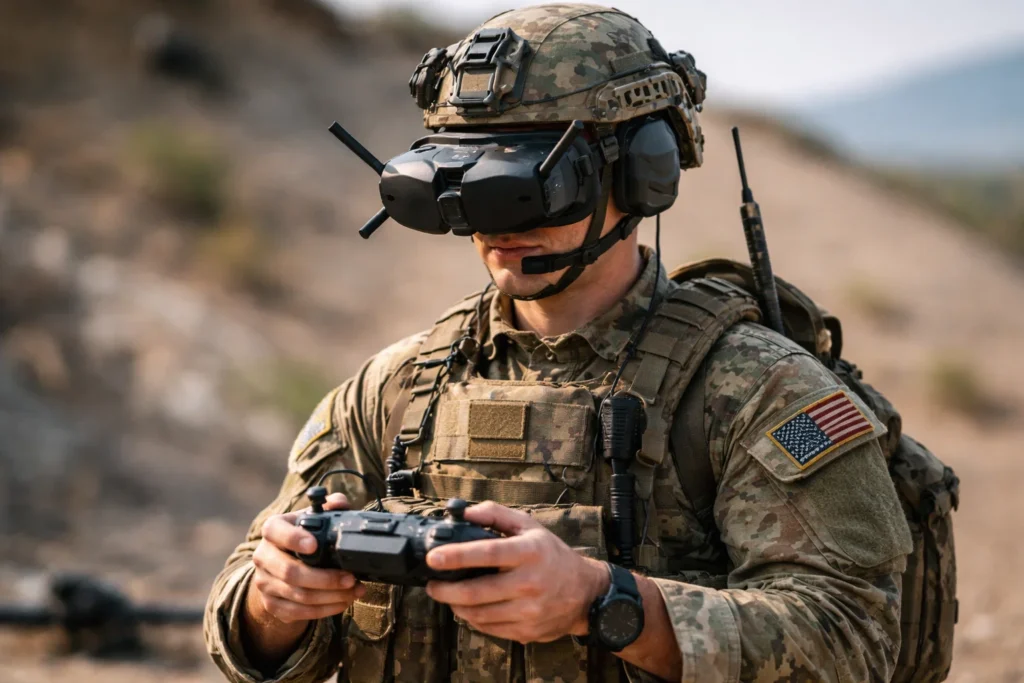
Frequently Asked Questions
What are fiber optic drones and why are they being used?
Fiber optic drones are special drones that use a thin cable, like a tiny wire, to send information back to their operator instead of using radio signals. This cable makes them super hard to block or jam, which is a big problem with regular drones that use radio waves. Because they’re so hard to jam, they’re being used a lot in places like Ukraine where jamming is common.
How are fiber optic drones different from regular drones?
Regular drones use radio signals to talk to their controller. These signals can be easily messed with by jamming devices, making the drone lose connection or crash. Fiber optic drones use a physical cable, so they can’t be jammed by radio waves. This means they have a more reliable connection and can send clearer pictures.
What are the main benefits of using fiber optic drones?
The biggest advantage is that they can’t be jammed by electronic devices. They also provide a very clear and secure video feed, helping operators see and control the drone better. This makes them great for spying on enemies or attacking specific targets without worrying about losing control.
Are there any downsides to fiber optic drones?
Yes, they can be a bit heavier and less speedy than regular drones because of the cable. The cable can also get tangled in trees or other obstacles, and if it gets cut, the drone is in trouble. They can also be more affected by strong winds.
How do fiber optic drones help in modern warfare, like in Ukraine?
In places like Ukraine, where both sides use a lot of jamming devices, regular drones often can’t fly. Fiber optic drones get around this problem, allowing soldiers to keep their eyes on the enemy and even attack targets. They’ve become a really important tool for gathering information and carrying out missions.
Can fiber optic drones be detected?
Since they don’t use radio signals, they can’t be detected by electronic jamming equipment. However, they can still be seen and heard, just like any other drone. So, the main way to stop them is by shooting them down directly.
What are the security risks associated with fiber optic drones?
Because they are so hard to jam, they pose a challenge for security. Imagine trying to protect a big event like the Super Bowl from drones – jamming devices might not work. This means security forces need to find new ways to stop them, like using nets.
How are people trying to stop fiber optic drones?
Since jamming doesn’t work, people are looking at other methods. One idea is using net guns to catch the drone in the air. There’s also a race to develop new technologies that can counter these cable-connected drones, but it’s an ongoing challenge.
Are fiber optic drones good for just one use?
Many of the fiber optic drones being developed are designed for a single mission. They fly to their target and then explode, destroying themselves and the target. This makes them like a guided bomb that can be precisely controlled.
What happens to the fiber optic cables after the drone is used?
The cables can create a mess after the drone operation. They can end up scattered across fields, and cleaning them up can be a big job. This is a different kind of environmental issue compared to the pollution from drone batteries.
Who is developing and improving these fiber optic drones?
In places like Ukraine, local manufacturers are working hard to make these drones better, often using feedback from soldiers who use them in battle. There’s also collaboration with international companies and former military personnel to push the technology forward.
Could fiber optic drones change how wars are fought in the future?
Yes, they could significantly change warfare. By providing a reliable way to see and strike targets without being jammed, they can make the battlefield much clearer and faster. This might change how armies plan their attacks and defend themselves, making drones even more important.