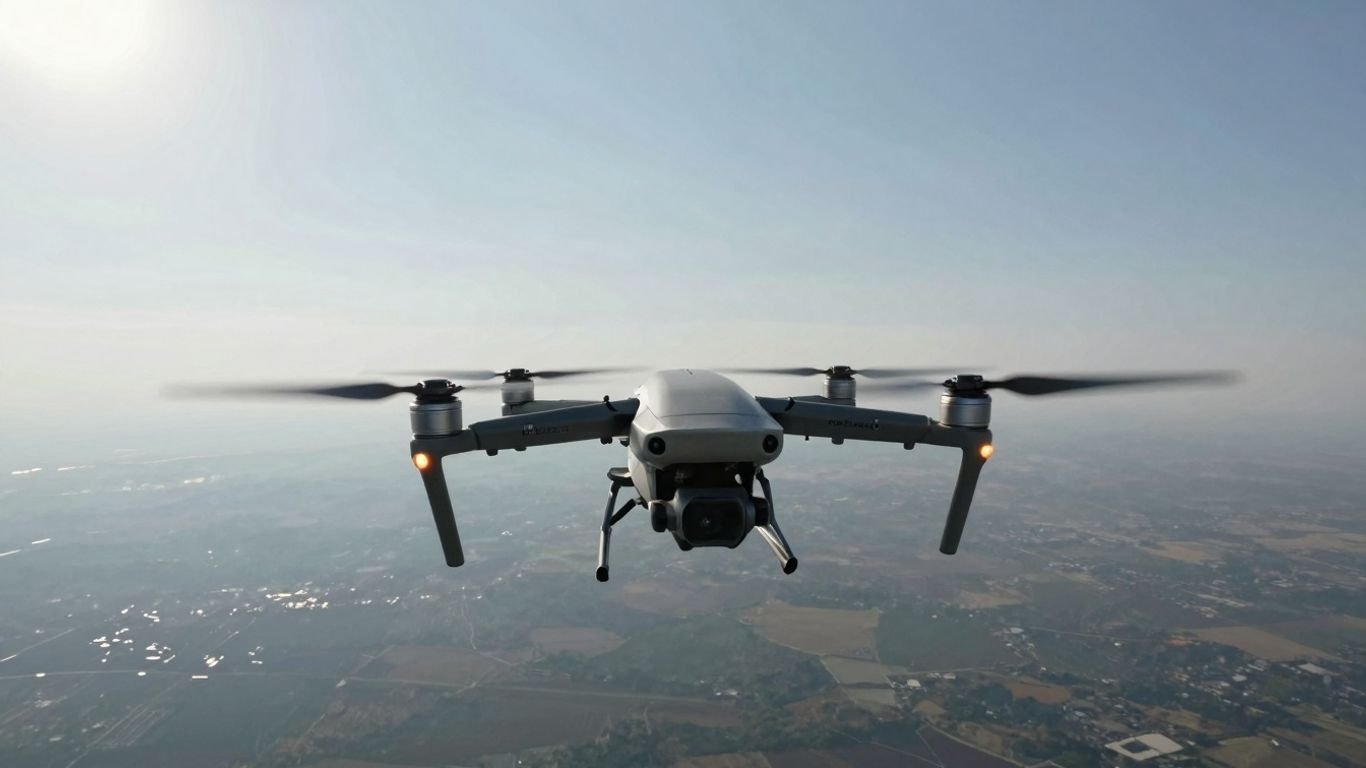
Long-Range Drones for Maximum Flight Time and Range

So, you’ve heard about drones that can go the distance, right? It sounds pretty cool, like something out of a sci-fi movie. But these aren’t just for Hollywood. Long-range drones are becoming a big deal for all sorts of jobs, from checking out farms to keeping an eye on big construction projects. They can fly way further than the ones you see at the park, and that opens up a whole lot of possibilities. We’re going to break down what makes these drones special and why you might need one.
Key Takeaways
- Long-range drones are built to fly much farther and stay in the air longer than typical drones, making them useful for big jobs.
- Different types of long-range drones exist, like fixed-wing (good for covering lots of ground efficiently) and VTOL (which can take off and land anywhere).
- Getting the best range often means using special communication tech, like relay systems or even satellites, to keep the drone connected.
- When picking a long-range drone, think about how long the battery lasts, how strong the signal is, and what special flying modes it has.
- These drones are used in many fields, including farming, checking on buildings and roads, and helping out in search and rescue missions.
Understanding Long-Range Drone Capabilities
When we talk about drones capable of flying miles away, we’re stepping into a whole new ballgame compared to your average hobbyist flyer. These aren’t just toys; they’re sophisticated tools built for serious work. Understanding what makes them tick, especially when they’re out of sight, is pretty important.
Defining Long Range in Drone Technology
So, what exactly counts as “long range”? It’s not a one-size-fits-all number, but generally, we’re looking at drones that can maintain a stable connection and transmit data over distances of several kilometers, often 10 km (about 6.2 miles) or more. This is a big jump from the typical 1-2 km range you might see on consumer models. Think about it: being able to cover vast areas without constantly worrying about losing the signal is a game-changer for many jobs.
The Importance of Signal Reliability and Video Transmission
Flying far away means you need a rock-solid connection. It’s not just about keeping the drone in the air; it’s about seeing what it sees in real-time. A dropped video feed or a laggy connection can mean missing critical details or, worse, losing control. That’s why these long-range machines often use advanced communication tech, sometimes even hopping between different frequencies, to fight off interference and keep that video stream clear and steady. A reliable signal is the lifeline between the operator and the drone, especially when it’s miles out.
Autonomous Operations and Enhanced Mission Planning
Because these drones can go so far, operators can’t always keep their eyes on the controls every second. This is where smart planning and autonomous features come in. You can program a flight path, set waypoints, and let the drone handle the navigation. This means it can fly a complex route, cover a large area methodically, and even return home on its own if the battery gets low or the signal weakens. It takes a lot of the guesswork out of long missions and makes them much more efficient.
Planning is key when you’re sending a drone out for extended missions. Thinking through the route, potential obstacles, and communication links beforehand can save a lot of headaches and make sure the job gets done right.
Types of Drones Built for Extended Flights
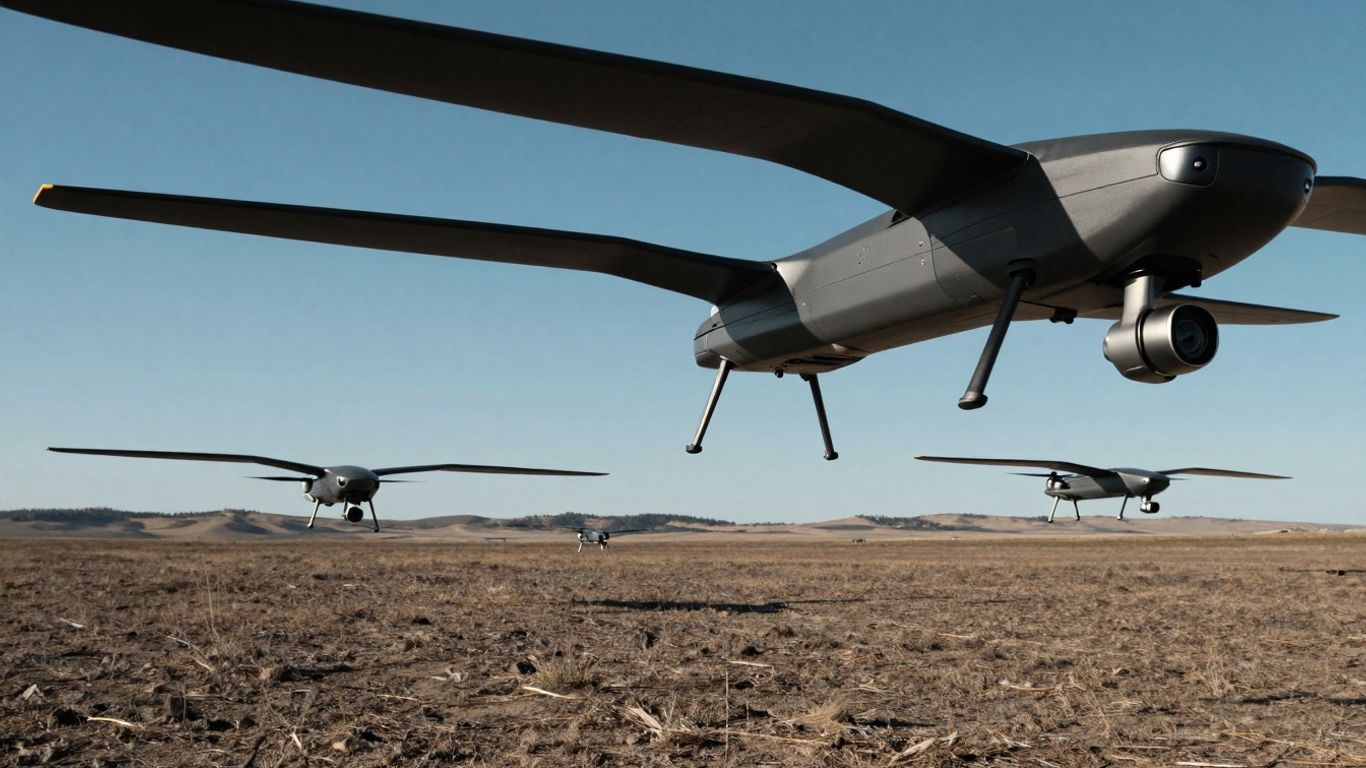
When we talk about drones that go the distance, we’re really looking at a few main categories. Each type has its own strengths, making it better suited for different kinds of long-haul missions. It’s not a one-size-fits-all situation, that’s for sure.
Fixed-Wing Drones for Efficient Coverage
Think of these like miniature airplanes. Fixed-wing drones are built for covering a lot of ground, really efficiently. Their design means they can glide through the air using less energy, which translates directly into longer flight times. They’re fantastic for tasks like mapping huge areas, doing agricultural surveys over large fields, or keeping an eye on environmental changes across vast landscapes. They are the marathon runners of the drone world.
VTOL Drones: Combining Agility and Reach
VTOL stands for Vertical Takeoff and Landing. These drones are pretty neat because they give you the best of both worlds. They can lift off and land like a regular multirotor drone, but then they can fly like a fixed-wing aircraft for that extended range and efficiency. This makes them super versatile. You can launch them from tight spots, but they can still cover significant distances. They’re great for search and rescue in tricky terrain or for quick reconnaissance missions where you need both flexibility and reach.
Multirotor Drones for Versatile Applications
Multirotor drones, like quadcopters and hexacopters, are probably what most people picture when they think of drones. While they might not always match the sheer endurance of fixed-wing models, the ones designed for longer flights are still incredibly capable. Their main advantage is maneuverability. They can hover in place, fly sideways, and navigate complex environments with ease.
This makes them ideal for detailed inspections of structures, capturing cinematic footage, or any job where precise positioning is key. Many of these are now built with improved battery tech and communication systems to extend their operational range significantly, making them viable for tasks that previously required other drone types. You can find some pretty impressive options available, even from brands like DJI, though it’s worth noting that some government agencies are looking for alternatives due to regulations.
Choosing the right type of drone often comes down to balancing the need for speed and coverage against the requirement for hovering and detailed maneuverability. Each design has trade-offs that mission planners must consider.
Maximizing Drone Operational Distance
So, you’ve got a drone that’s built for distance, but how do you actually get it to go as far as possible? It’s not just about having a big battery, though that’s part of it. There are some clever ways to push those limits and keep your drone connected and flying.
Leveraging UAV Relay Systems
Think of relay systems like a chain of communication. Instead of one long, potentially weak link from your controller to the drone, you use intermediate points. These can be other drones or even ground stations set up along the flight path. This setup is fantastic for covering really large areas, like when you’re mapping out a huge farm or surveying a long stretch of coastline. It means your main drone can keep going, and you can still talk to it reliably.
- Extended Operational Range: Drones can travel much further than their direct control range would normally allow.
- Reliable Signal Transmission: It helps cut down on dropped signals, especially if you’re flying over tricky terrain.
- Enhanced Mission Capabilities: Great for big jobs like environmental studies or disaster response where you need eyes on a wide area.
Satellite-Based Control for Global Reach
For the ultimate in long-distance flying, especially in really remote spots where cell towers are non-existent, satellite communication is the way to go. This uses satellite networks to keep your drone connected to the ground station, no matter how far away it is. It’s not cheap, but if you need to operate globally or in places no one else can reach, this is your best bet. It’s also pretty secure, which is a big plus for sensitive missions.
Satellite communication offers a robust solution for extending drone operational range, particularly in remote or inaccessible locations. It provides a high degree of reliability and global coverage, making it suitable for demanding applications where terrestrial communication is not feasible.
Advanced Communication Technologies
Beyond relays and satellites, there’s a whole bunch of tech working behind the scenes. This includes things like using different radio frequencies that are less crowded, or employing systems that can automatically switch to a better signal if one gets jammed or weak. These smart communication systems are key to maintaining a stable connection over many miles. It’s all about making sure that video feed stays clear and your commands get through, even when the drone is really far away. You can find out more about controlling long-range drones by looking into these specific technologies.
Key Features for Long-Range Drones
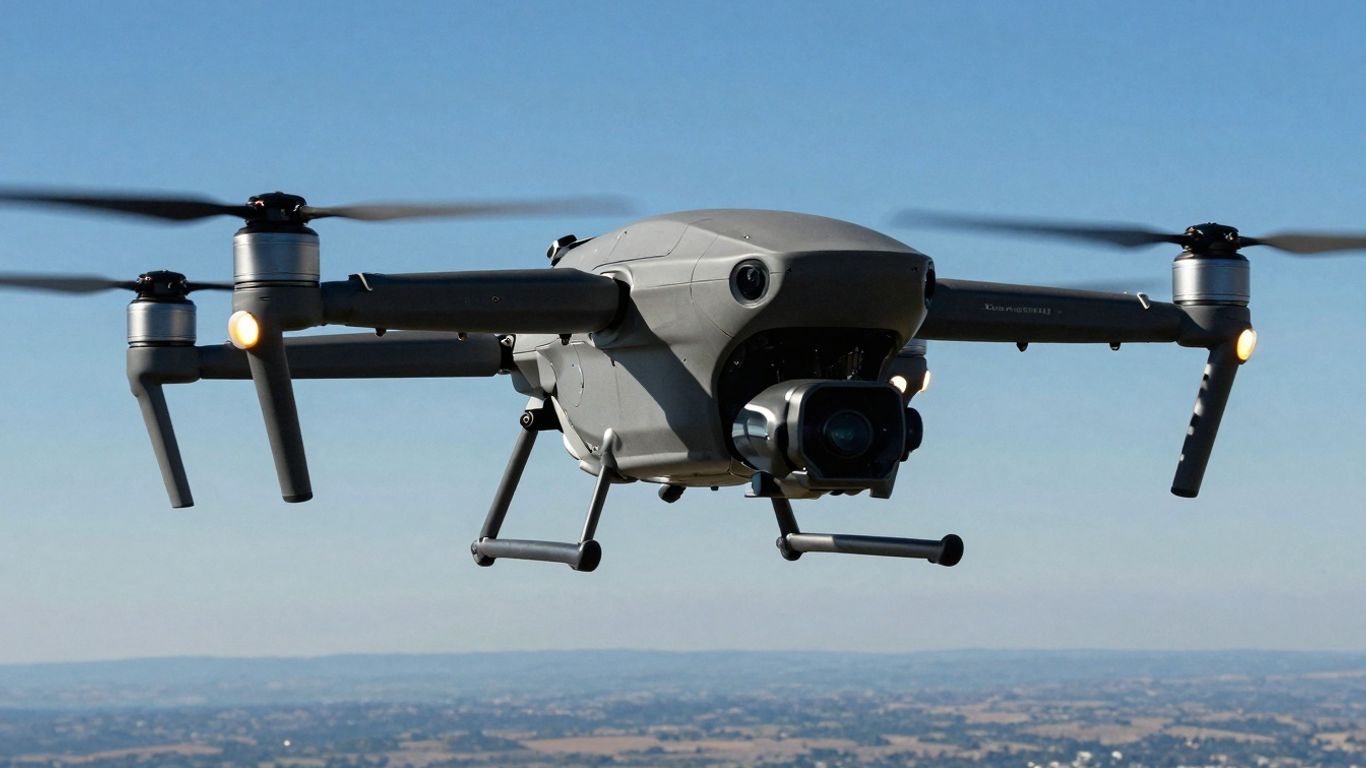
When you’re looking at remote control aircraft for far away flights, a few things really stand out. It’s not just about how far it can go, but how reliably it gets there and back. Think of it like planning a long road trip; you need a car that’s not just fast, but also dependable and comfortable for the long haul.
Battery Capacity and Flight Endurance
This is pretty straightforward: the longer the battery lasts, the longer your drone can stay airborne. For uas with high operational range, this means more ground covered, more data collected, or more time spent on a specific task. We’re talking about drones that can fly for hours, not just minutes. Some of the top-tier models boast flight times that can stretch over several hours, which is a game-changer for large-scale mapping or continuous surveillance.
- Extended flight times: Look for drones rated for 45 minutes or more on a single charge.
- Swappable batteries: The ability to quickly swap batteries means less downtime.
- Efficient power management: Drones designed to use power wisely will naturally fly longer.
Anti-Interference and Stable Connections
Flying far away means your signal has to travel a long way, and that journey can be bumpy. Interference from other radio signals or even the environment itself can mess with your connection. Drones built for distance often have advanced communication systems. This might include dual-frequency bands (like 2.4GHz and 5.8GHz) that can switch automatically to find the clearest channel. A stable, uninterrupted connection is absolutely vital for safe and effective long-range operations.
Intelligent Flight Modes and Safety Protocols
Modern long-range drones aren’t just flying on autopilot; they’re smart. Features like “Return to Home” (RTH) are standard, but advanced models offer much more. Think obstacle avoidance that works in multiple directions, automated flight path planning, and even the ability to follow a moving subject. These intelligent functions not only make flying easier but also add layers of safety, especially when you’re operating beyond visual line of sight. It’s good to know that your drone has built-in safeguards, like those discussed in “Your Drone Questions. Answered.”.
Operating a drone at extended ranges requires a robust set of features that go beyond basic flight. It’s about building confidence through reliable technology and smart systems that manage the complexities of distance and potential environmental challenges.
Choosing the Right Long-Range Drone
So, you’ve decided you need a drone that can go the distance. That’s great! But with so many options out there, picking the right one can feel a bit overwhelming. It’s not just about how far it can fly, but how well it performs that distance. The best drones for long distance surveillance are those that balance range, reliability, and your specific needs. Let’s break down how to make a smart choice.
Assessing Your Mission Requirements
Before you even look at drone specs, think about what you actually need the drone to do. Are you mapping a huge farm? Inspecting a long pipeline? Or maybe you need to cover a large area for security?
- Flight Time: How long do you need it to stay airborne? Longer missions require more battery.
- Range: How far from the controller does it need to operate reliably? This is different from just battery life.
- Payload: What do you need to carry? A heavy camera or other sensors will affect flight time and performance.
- Environment: Will you be flying over water, mountains, or in areas with lots of radio interference?
Understanding your mission’s demands is the first step. Don’t get a drone that’s overkill, but definitely don’t get one that falls short when you need it most.
Considering Camera and Payload Capabilities
What you want the drone to see or carry is just as important as how far it flies. A drone with a fantastic range is useless if its camera can’t capture the detail you need, or if it can’t lift the equipment required for your job.
- Camera Resolution & Zoom: For detailed inspection or surveillance, you’ll want high resolution and good zoom capabilities. Think about whether you need still images or video, and what quality is acceptable.
- Gimbal Stability: A stable gimbal is key for clear footage, especially when the drone is moving or in windy conditions.
- Payload Capacity: If you plan to use specialized sensors, thermal cameras, or other equipment, check the drone’s maximum payload weight. Some drones, like the DJI Air 3, are designed with versatility in mind.
Balancing Performance, Quality, and Price
It’s the classic triangle: performance, quality, and price. You usually can’t max out all three. Long-range drones can get expensive, especially those with advanced features and robust build quality.
Here’s a quick look at what you might expect:
| Feature Category | Entry-Level (Lower Price) | Mid-Range (Moderate Price) | High-End (Higher Price) |
|---|---|---|---|
| Max Range | 5-10 km | 10-20 km | 20+ km |
| Flight Time | 20-30 min | 30-45 min | 45+ min |
| Camera Quality | Basic HD | 4K, good stabilization | 4K/6K, advanced features |
| Build Quality | Standard | Durable, some weather resist | Rugged, weather-sealed |
| Advanced Features | Basic RTH, GPS | Obstacle avoidance, modes | Advanced AI, redundant systems |
Think about what features are non-negotiable for your work. Sometimes, spending a bit more upfront on a higher-quality, longer-range drone can save you money and headaches in the long run by reducing the need for replacements or specialized repairs.
Industry Applications for Long-Range Drones
Agriculture and Environmental Monitoring
Long-range drones are really changing the game for farmers and environmental folks. Think about it: instead of walking miles of fields or trekking through dense forests, you can send a drone up. It can cover huge areas quickly, taking pictures and gathering data. For farms, this means spotting problems like dry patches or bug infestations way earlier. This lets farmers use water and pesticides only where they’re needed, saving money and being kinder to the planet. It’s all about being more precise.
For environmental work, these drones are like having super-powered eyes in the sky. They can track wildlife without disturbing them, monitor how forests are doing, or check on remote areas after a fire. Getting this kind of detailed information from hard-to-reach places used to be a massive undertaking, but now it’s much more manageable.
- Precision Farming:
- Early detection of crop diseases.
- Optimized irrigation and fertilization.
- Yield prediction.
- Environmental Conservation:
- Wildlife population tracking.
- Deforestation monitoring.
- Habitat assessment.
Drones equipped for long-range missions provide a bird’s-eye view that’s both broad and detailed, helping us manage our land and natural resources more effectively than ever before.
Infrastructure Inspection and Surveying
Inspecting things like bridges, power lines, or wind turbines used to be risky and time-consuming. You’d need cranes, scaffolding, or even helicopters. Now, a long-range drone can fly up close, get high-definition video and photos, and even use special sensors to check for cracks, corrosion, or other damage. This is way safer for the workers and can often be done much faster. Plus, it means you can inspect more of your infrastructure more often, catching problems before they become big, expensive issues.
When it comes to surveying large areas for construction or urban planning, drones are also a huge help. They can map out terrain quickly and accurately, creating detailed 3D models. This information is super important for planning new roads, buildings, or even just understanding how water flows across the land.
| Infrastructure Type | Common Issues Detected | Drone Benefit |
|---|---|---|
| Bridges | Cracks, corrosion, structural wear | Reduced risk, faster inspection |
| Power Lines | Damaged insulators, sagging wires | Improved safety, quicker fault finding |
| Wind Turbines | Blade damage, structural integrity | Access to heights, detailed imagery |
Public Safety and Search Operations
In emergencies, time is everything. Long-range drones can be deployed rapidly to get an overview of a disaster scene, like a flood or a wildfire. They can help emergency responders see where the biggest problems are, find safe routes to get people out, and even spot individuals who might be lost or trapped. Their ability to cover large areas quickly means search parties can be more efficient.
For police and security, these drones can help monitor large events, track suspects over extended distances, or patrol borders. The real-time video feed gives them a much better picture of what’s happening on the ground, helping them make smarter decisions and respond more effectively.
- Search and Rescue:
- Rapid aerial reconnaissance of large areas.
- Locating missing persons in difficult terrain.
- Assessing damage after natural disasters.
- Law Enforcement & Security:
- Monitoring large public gatherings.
- Providing aerial support during pursuits.
- Border surveillance.
The extended reach and persistent presence offered by long-range drones are proving invaluable in situations where quick, broad situational awareness can make a critical difference.
Taking Your Reach Further
So, we’ve looked at a bunch of drones that can really go the distance. Whether you need to survey a huge farm, keep an eye on a remote pipeline, or just want to fly further than ever before, there’s a drone out there for you. Things have changed a lot, and now even regular folks can get their hands on some pretty impressive long-range machines. Just remember to fly smart and follow the rules, and you’ll be exploring new horizons in no time.
Frequently Asked Questions
What makes a drone ‘long-range’?
A drone is considered ‘long-range’ when it can stay connected to its controller over a significant distance, usually several miles. This is different from how long it can fly. A strong connection means a better video feed and a more reliable ‘return home’ feature, even when flying closer.
How far can the furthest drones fly?
Some advanced drones can travel up to 124 miles (200 kilometers) from their controller! However, most hobbyist and professional drones can fly several miles. The exact distance depends a lot on the drone’s design and technology.
Are long-range drones difficult for beginners to fly?
Not at all! Many newer long-range drones have helpful features like GPS to keep them steady, sensors to avoid bumping into things, and smart flight modes that make them easy for beginners to use safely.
What’s the difference between fixed-wing and multi-rotor drones for long flights?
Fixed-wing drones are like small airplanes; they’re great for covering large areas efficiently because they use less power. Multi-rotor drones (like quadcopters) are more agile and can hover, making them good for detailed work in tricky spots, but they usually don’t fly as far or as long as fixed-wing types.
Can weather affect how far a drone can fly?
Yes, weather can definitely impact a drone’s flight. Strong winds can push it off course or use up battery faster. Cold temperatures can also make the battery less effective, reducing its flight time and potentially its range.
What accessories can help a drone fly further or better?
To get the most out of a long-range drone, you can use accessories like extra-large batteries for longer flight times, sunshades for the controller screen so you can see better, and special antennas that boost the signal range.