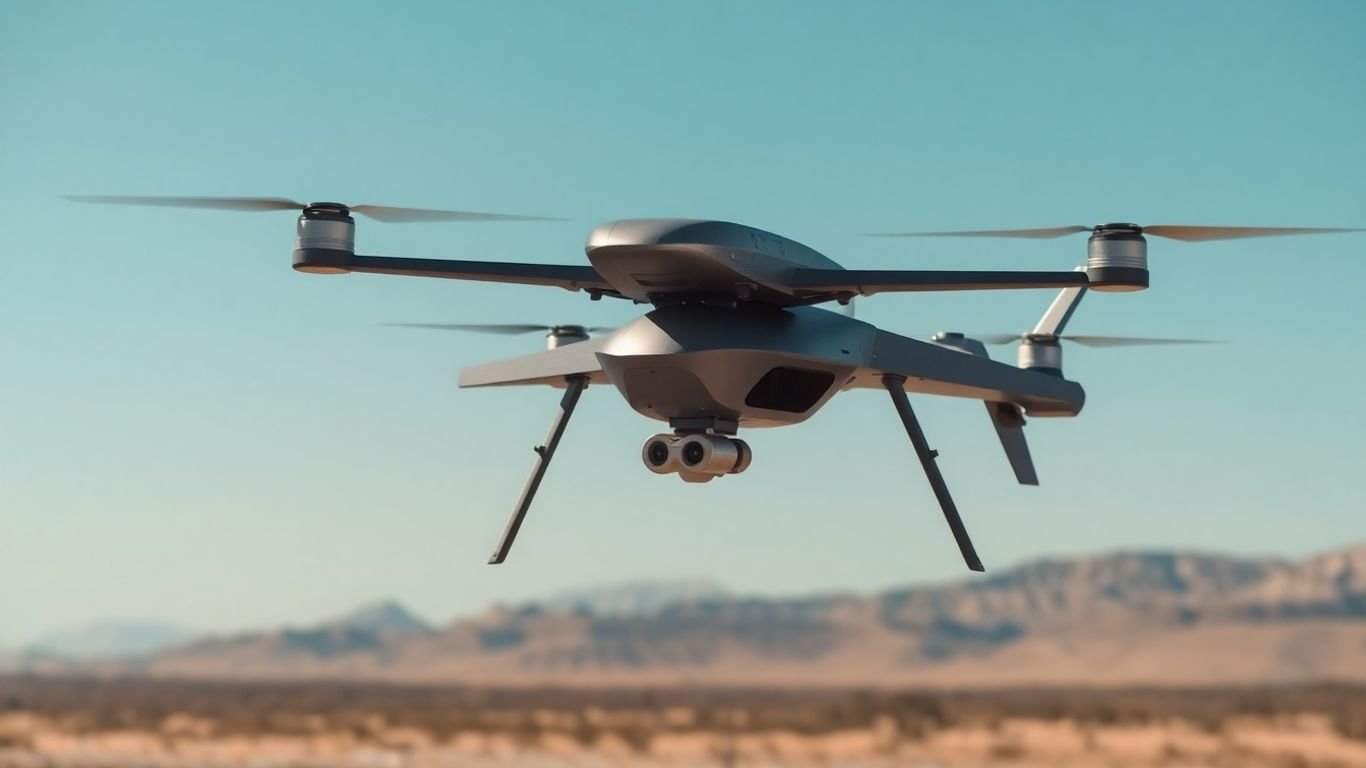
Drones in the Military: What’s New?

Drones are changing how militaries operate, plain and simple. It’s not just about spying anymore; these unmanned machines are becoming vital tools for everything from reconnaissance to direct action. The U.S. military, in particular, is pushing hard to get more of them, looking to boost domestic production and integrate advanced technology. This shift is all about staying ahead in a world where aerial warfare is rapidly evolving. From the big, workhorse drones to smaller, nimble ones, the focus is on making them smarter, more autonomous, and easier to get into the hands of soldiers. It’s a big push to make sure the U.S. has the edge.
Key Takeaways
- The U.S. military is making a major push to increase its drone capabilities, aiming for “drone dominance” by 2027.
- There’s a significant effort to boost domestic drone production, reducing reliance on foreign components, especially from China.
- New programs like SkyFoundry are being developed to rapidly produce thousands of small drones monthly using innovative methods.
- Soldier feedback is becoming a key part of drone development, ensuring new systems meet real-world operational needs.
- Advanced technologies like AI and improved sensors are being integrated to make drones more autonomous and effective.
- Platforms like the MQ-9 Reaper and Bayraktar TB2 represent different ends of the spectrum in terms of capability and cost, both playing important roles.
- The Pentagon is looking at acquiring tens of thousands of drones to meet demand and address limitations seen in recent conflicts.
- Acquisition reforms are underway to speed up the process of buying and fielding new unmanned systems, moving away from traditional, slower methods.
Transforming Military Operations With Drones
The Evolving Role of Unmanned Aerial Vehicles
Unmanned Aerial Vehicles, or UAVs, are no longer just a futuristic concept; they’re a present-day reality reshaping how militaries operate. What started as specialized tools for reconnaissance has rapidly expanded into a wide array of applications, including direct combat. These flying machines are fundamentally changing the battlefield. They offer capabilities that were once unimaginable, all while keeping human personnel out of harm’s way.
Precision Strikes and Enhanced Reconnaissance
Drones have become incredibly adept at pinpointing targets with high accuracy. This means fewer mistakes and more effective missions. Their ability to stay airborne for extended periods also provides a constant eye in the sky, gathering intelligence that is vital for planning and executing operations. This dual capability of striking precisely and observing continuously makes them invaluable.
Reducing Risk to Human Operators
One of the biggest advantages of using drones is the significant reduction in risk to human lives. Sending a drone into a dangerous area for surveillance or even a strike mission means that if something goes wrong, it’s a machine that’s lost, not a soldier. This alone is a massive shift in military strategy and capability.
Drones as Essential Military Assets
It’s clear that drones have moved from being a novelty to a necessity. Most modern military forces now see them as a core component of their operational toolkit. The demand for platforms that are not only fast and lethal but also capable of operating autonomously is growing by the day. This shift means that procurement numbers for these systems are climbing rapidly.
Meeting the Demand for Autonomous Platforms
The military is actively seeking out systems that can operate with less direct human control. This push for autonomy is driven by the need for faster reaction times and the ability to operate in complex environments where constant human oversight might be difficult or impossible. The goal is to have machines that can make decisions and act on them quickly.
Reshaping the Future of Aerial Warfare
We’re witnessing a major transformation in how air power is used. Drones are not just supplementing traditional aircraft; they are creating entirely new ways of conducting warfare. Their flexibility and adaptability mean that aerial combat is evolving at an unprecedented pace.
Cutting-Edge Technology in Combat Drones
The technology packed into today’s combat drones is truly impressive. From advanced sensors that can see through camouflage to sophisticated artificial intelligence that aids in decision-making, these machines are at the forefront of military innovation. This constant technological advancement keeps them effective against evolving threats.
Dominant Unmanned Combat Aerial Vehicles Today
Several types of unmanned combat aerial vehicles, or UCAVs, stand out for their capabilities and widespread use. These platforms are setting the standard for what’s possible in modern aerial conflict. Some of the most notable include:
- General Atomics MQ-9 Reaper: Known for its long range, heavy payload capacity, and extensive combat record.
- Bayraktar TB2: Praised for its cost-effectiveness and proven success in various international conflicts.
- CAIG Wing Loong II: An affordable yet powerful option from China.
- Kronshtadt Orion: Russia’s own homegrown medium-altitude, long-endurance drone.
- TAI Anka: A Turkish drone offering enhanced endurance and multi-mission capabilities.
These UCAVs represent the cutting edge of drone technology currently deployed by military forces worldwide.
The Pentagon’s Drive for Drone Dominance
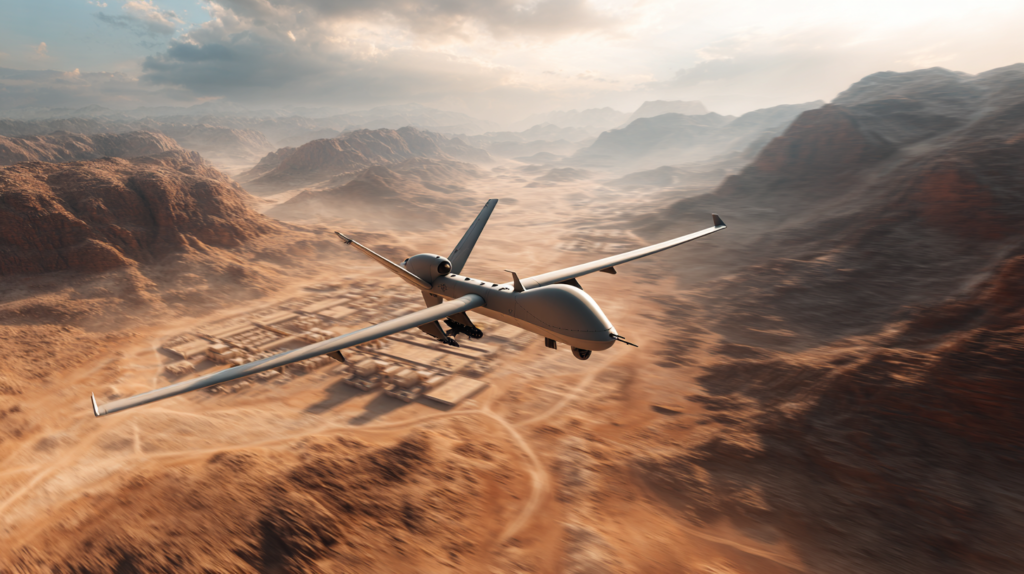
The folks at the Pentagon are really pushing hard to get the U.S. military ahead in the drone game. It’s not just about having more drones; it’s about changing how they get them and how they’re made. They’ve noticed how much drones are used in places like Ukraine and realized the U.S. has some catching up to do. This whole effort is a big deal, aiming to make sure American forces have the best unmanned tech out there.
Overhauling the U.S. Military Drone Program
There’s a big push to fix the way the U.S. military buys and uses drones. It’s like they’re trying to clear out a lot of old paperwork and slow processes. The goal is to make things faster and more efficient, so they can get the right drones into the hands of soldiers without all the usual delays. It’s a pretty significant shift from how things have been done.
Streamlining Procurement Processes
This is a huge part of the overhaul. Think about it: buying military gear usually takes ages. They’re trying to cut through that red tape. The idea is to make it simpler and quicker to get drones, from the small ones a single soldier might use to larger, more complex systems. It’s about getting rid of the bottlenecks that slow everything down.
Expanding Homegrown Drone Production
One of the biggest issues they’ve found is that a lot of the drones the U.S. uses, even the ones made here, have parts that come from other countries, especially China. That’s a security risk. So, there’s a major push to build more drones right here in the U.S. and to make sure the components are also sourced domestically. This means supporting American companies and building up our own manufacturing capabilities.
Acquiring Tens of Thousands of Drones
They’re not just talking about a few hundred drones; the numbers being thrown around are massive. We’re talking about acquiring tens of thousands of drones in the near future. This isn’t just a small upgrade; it’s a wholesale change in how many unmanned systems the military will have at its disposal. It’s a clear signal of how important drones have become.
Addressing U.S. Drone Limitations
Let’s be honest, the U.S. military hasn’t always been perfect when it comes to drones. Conflicts and real-world use have shown where the current systems fall short. This drive is partly a response to those shortcomings. They’re looking at what went wrong, what didn’t work as well as expected, and figuring out how to fix it. It’s about learning from experience and making sure the next generation of drones is much better.
Presidential Priority for Drone Technology
This isn’t just a Pentagon idea; it’s something that’s been highlighted at the highest levels. The President has made drone technology a priority. This means it gets more attention, more funding, and more urgency. When the top leader says something is important, it tends to get a lot more done, a lot faster.
Overcoming a Mixed Track Record in Drone Acquisition
As mentioned, the U.S. has had some ups and downs when buying drones. There have been programs that didn’t quite hit the mark or took way too long. The Pentagon knows this. They’re trying to move past those past issues and build a more successful acquisition strategy. It’s about proving they can get this right this time.
The Replicator Initiative’s Ambitious Goals
One of the big programs trying to make this happen is called Replicator. The idea behind it is pretty bold: to get thousands of autonomous drones out into the field pretty quickly, by mid-2025. It’s a sign of the urgency and the scale of what they’re trying to achieve. They want to field these systems fast, not in years, but in months.
The push for drone dominance isn’t just about buying more machines; it’s a fundamental shift in military strategy. It acknowledges that the future battlefield will be heavily influenced, if not defined, by unmanned systems. This means rethinking everything from how we train soldiers to how we design and deploy these technologies.
Key Military Drone Platforms and Capabilities
When we talk about military drones today, a few names really stand out. These aren’t just flying cameras anymore; they’re sophisticated tools that have changed how armies operate. Think of them as the workhorses, the ones doing the heavy lifting in reconnaissance and striking targets.
General Atomics MQ-9 Reaper: The Gold Standard
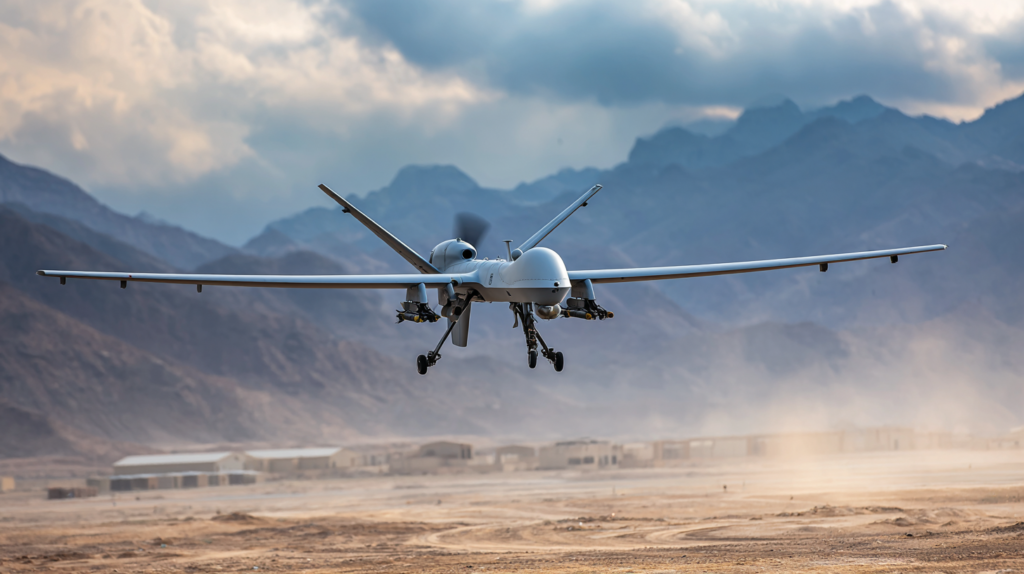
The MQ-9 Reaper is pretty much the benchmark for combat drones. It’s been around for a while, and it’s seen action in pretty much every major conflict zone since it entered service. It’s known for being able to stay airborne for a really long time and carry a good amount of gear.
- Long Range and High Payload: This drone can fly for up to 27 hours, covering over 1,000 nautical miles. It can haul up to 1,700 kg of weapons, like Hellfire missiles and JDAMs.
- Multi-Role Versatility: It’s not just for bombing runs. The Reaper is equally good at intelligence gathering, surveillance, and reconnaissance (ISR) missions, as well as providing close air support.
- Advanced Sensors and Targeting: It’s equipped with top-notch sensors, including synthetic aperture radar and electro-optical/infrared cameras, plus laser targeting systems.
- Combat Proven Record: Its track record is solid, having been used extensively by the U.S. Air Force and sold to about 10 other nations.
The MQ-9 Reaper represents a significant leap in unmanned aerial capabilities, offering a blend of endurance, payload capacity, and sensor technology that makes it a highly adaptable asset on the modern battlefield. Its widespread adoption by allied forces underscores its effectiveness and reliability.
Bayraktar TB2: Affordable and Deadly
Turkey’s Bayraktar TB2 is a different kind of success story. It’s become a go-to for many countries because it’s much more affordable than the big Western drones, but it still packs a punch. It’s proven itself in places like Syria, Libya, and Ukraine.
- Cost-Effectiveness and Deployability: The TB2 costs a fraction of what other drones do, making advanced airpower accessible to more nations. It can also be deployed from basic airstrips.
- Combat Success and Upgrades: It’s seen significant action and has been continuously upgraded to stay relevant. It’s a testament to how effective a well-designed, cost-conscious drone can be. You can find more details on defense drones and their roles here.
These two platforms, the MQ-9 Reaper and the Bayraktar TB2, really show the range of what military drones can do today, from high-end, heavy-duty operations to more accessible, yet still very effective, solutions.
Advancements in Drone Technology
The world of military drones is changing fast, and it’s not just about bigger and faster machines. We’re seeing some pretty cool upgrades that make these unmanned aerial vehicles way more useful on the battlefield. These advancements in defense drones are really pushing the envelope.
Improved Sensors and AI-Assisted Autonomy
Think about it: drones are getting smarter. They’re equipped with better cameras and sensors that can see more, even in bad weather or at night. But the real game-changer is AI. Drones can now process information on their own, helping them identify targets or navigate tricky situations without constant human input. This means they can react quicker and operate more independently.
Enhanced Drone Capabilities in Modern Warfare
Modern conflicts demand more from our drones. They’re not just for watching anymore. We’re seeing drones that can do a lot more, like providing close air support for troops on the ground or carrying out precise strikes. This versatility makes them incredibly valuable assets.
Long Endurance Flight Operations
One of the biggest headaches with older drones was how long they could stay in the air. Now, many new models can fly for hours, even days, without needing to refuel. This extended flight time is a huge deal for surveillance and reconnaissance missions, allowing drones to cover more ground and stay on station for longer periods.
Massive Payload Capacity for Weapons
It’s not just about carrying cameras anymore. Drones are being designed to carry heavier and more diverse payloads, including a variety of munitions. This allows them to act as flying weapon platforms, capable of engaging targets with precision.
Intelligence, Surveillance, and Reconnaissance Roles
This is still a core function, and it’s getting better. Drones equipped with advanced sensors can gather detailed intelligence, providing real-time information to commanders. They can map out areas, track enemy movements, and provide situational awareness that was previously impossible.
Close Air Support and Precision Strikes
When ground troops need help, drones can now provide it. They can loiter over an area, identify threats, and engage them with guided munitions. This capability can be a lifesaver and allows for very accurate targeting, minimizing collateral damage.
Electronic Warfare Capabilities
Some drones are now being outfitted with electronic warfare systems. This means they can jam enemy communications, disrupt radar, or gather signals intelligence. This adds another layer of capability beyond just kinetic actions.
Semi-Autonomous and Remotely Piloted Operations
While full autonomy is still a ways off for many complex missions, drones are getting much better at semi-autonomous operations. They can handle tasks like takeoff, landing, and basic navigation on their own, freeing up the human operator to focus on more critical decisions. This blend of human control and machine intelligence is key.
The pace of innovation in military drone technology is accelerating. What was cutting-edge a few years ago is now standard, and the focus is on making these systems smarter, more persistent, and more capable across a wider range of missions. This constant evolution is reshaping how modern militaries operate.
Domestic Production and Procurement Initiatives
Addressing Reliance on Foreign Components
It’s a big deal that most of our current drones use parts made overseas, especially from China. This reliance creates all sorts of problems, from supply chain worries to security risks. The push is on to change that. We need more drones built right here at home, using American-made parts. This isn’t just about having more drones; it’s about making sure they’re reliable and secure.
The Department of Government Efficiency’s Role
The Department of Government Efficiency, or DOGE as some call it, is stepping up to help sort out the military’s drone situation. They’re looking at what drones the different branches of the military are using and what they need. It’s a big job, trying to get a handle on all the different types of drones and their capabilities. They’re gathering information to figure out the best way forward.
Streamlining Drone Acquisition for the Military
Buying new military gear usually takes forever, and drones are no exception. The goal here is to speed things up. Think less paperwork, fewer hoops to jump through, and getting drones into the hands of soldiers much faster. It’s about making the whole process simpler and more efficient so we can get the technology we need, when we need it.
Expanding U.S.-Made Drone Platforms
This is where the rubber meets the road. We’re talking about approving a lot more American-made drone models. The idea is to have a wide variety of options available, from small, cheap ones to more complex systems. This variety helps make sure our forces have the right tool for any job.
The Goal of 30,000 Drones in Coming Months
There’s a concrete target: get at least 30,000 drones acquired in the near future. This isn’t just a small order; it’s a significant number that will make a real difference. It shows a serious commitment to building up our drone capabilities quickly.
Significant Wins for U.S. Drone Companies
All this activity means good news for American companies that make drones. They’re getting more opportunities to supply the military. Companies that have been making drones, even smaller ones, are now in a good position to get contracts and grow their business. It’s a boost for the domestic industry.
Venture-Backed Startups in the Drone Market
It’s not just the established companies. New, innovative startups are also getting a piece of the action. Some of these companies, backed by venture capital, are already signing deals with branches like the Marines. This shows that fresh ideas and new technology are a big part of the plan.
The Leadership of the DOGE Drone Team
Leading this charge is a team within DOGE focused specifically on drones. Owen West, who has a background in the military and finance, is at the helm. His team is working to bring together different parts of the military and industry to make this drone push a success. They’re the ones driving the effort to get more drones made and fielded.
The SkyFoundry Program: Scaling Small Drone Production
So, the Army’s cooking up something pretty neat called SkyFoundry. Basically, it’s a new program designed to get a whole lot of small drones made, and fast. They’re talking about being able to churn out thousands of these things every single month. This is a big deal because it means we won’t be waiting around forever for new drone tech to get into the hands of our soldiers.
They’re looking at different places to set up these production lines. The idea is to use some smart manufacturing techniques to speed things up. It’s not just about building the drones themselves, either. They want to work with companies on the software and the special gear that goes on the drones, the payloads. That’s where a lot of the real magic happens, not just in the plastic and metal.
Here’s a quick look at what they’re aiming for:
- Rapid Development: Get new drone designs tested and ready to go quickly.
- Mass Production: Build drones in big numbers, aiming for 10,000 per month.
- Industry Collaboration: Work with private companies on software and payloads.
- Faster Deployment: Get these drones to soldiers much quicker than usual.
The whole point is to make sure our troops have the tools they need, when they need them. By getting feedback directly from soldiers using the drones, they can tweak and improve them based on real-world experience. It’s all about making the Army more ready and more capable.
They’re even looking at setting up dedicated hubs for research, development, and testing. This way, they can learn from what’s happening out in the world and quickly update drone designs. It’s a pretty ambitious plan, but it sounds like they’re serious about getting this done.
Soldier Feedback and Iterative Development
Getting new gear into the hands of the folks who will actually use it is a big deal, right? The Army knows this. They’re not just building drones in some lab and hoping for the best. Instead, they’re actively bringing soldiers into the loop, letting them kick the tires, and then using what they learn to make these systems better. It’s all about making sure the tech actually works for the people on the ground.
Incorporating Soldier Input into Drone Development
This whole process is a bit of a departure from how things used to be done. Forget those years-long development cycles where nobody saw the final product until it was already fielded. Now, the Army is trying to flip that script. They’re getting these systems, like the new Launched Effects, out to units pretty quickly. Soldiers get to play around with them, figure out what’s good, what’s not so good, and then tell the folks in charge. This direct feedback loop is key to making sure the drones are actually useful and not just expensive paperweights.
Refining Operational Concepts Based on Experience
When soldiers use these drones in realistic scenarios, they start to see things that the designers might have missed. Maybe a certain control sequence is awkward, or perhaps a particular sensor isn’t picking up what it needs to. These aren’t just minor annoyances; they can affect how well a mission goes. By listening to soldiers talk about their experiences, the Army can tweak how these drones are supposed to be used, making sure they fit into actual combat operations.
Identifying Limiting Constraints and Capabilities
It’s not always about what the drone can do, but also what it can’t do, or what makes it hard to use. Soldiers are the ones who will find these limits. They might discover that a drone’s battery life isn’t long enough for a specific mission, or that its communication range is too short. Pinpointing these limitations early on is super important for figuring out what needs to be improved or what kind of training is needed to work around them. It helps everyone understand the real-world performance.
Integrating Drones into Existing Operations
Putting a new piece of technology into the military isn’t just about the tech itself. It’s about how it fits with everything else. Soldiers are figuring out how these drones can work alongside their current gear and tactics. For example, a scout drone could give a heads-up about enemy positions, allowing attack drones to take out threats before soldiers even get close. This kind of integration makes the whole force more effective.
Experimentation and Augmentation of Missions
Sometimes, soldiers come up with uses for new tech that the original planners never even thought of. By letting them experiment, the Army can discover new ways these drones can help out. Maybe a drone can be used for a surveillance task in a tricky spot, or perhaps it can help guide other assets. It’s about seeing how these systems can add to what soldiers are already doing.
Informing Future Drone Capabilities
All the feedback and data collected from these soldier trials isn’t just for the current batch of drones. It’s vital information that shapes what the next generation of unmanned systems will look like. What worked well? What needs a complete overhaul? This input directly influences the requirements for future drone development, making sure that the Army is always moving forward.
Ensuring Lethality and Readiness Through Technology
Ultimately, the goal is to make the Army more lethal and ready for whatever comes its way. Drones are a big part of that. When soldiers can rely on their equipment, and when that equipment is constantly being improved based on real-world use, it boosts overall readiness. It means soldiers have better tools to do their jobs and come home safe.
Continuous Iteration on Drone Systems
This isn’t a one-and-done deal. The Army plans to keep iterating on these drone systems. They’ll leave some equipment with units for ongoing training and feedback. This constant cycle of testing, feedback, and improvement is how they plan to stay ahead and make sure their drone capabilities are always top-notch. It’s a dynamic process, always adapting to new challenges and technologies.
The Army’s approach to fielding new drone technology is a significant shift. Instead of lengthy development cycles, they are prioritizing getting systems into soldiers’ hands quickly. This allows for rapid feedback and continuous updates, making sure the technology evolves alongside battlefield needs and soldier experiences. It’s about building capability through direct user input and ongoing refinement.
| Aspect | Description |
|---|---|
| Feedback Mechanism | Direct input from soldiers using systems in training and simulated combat. |
| Development Cycle | Accelerated, iterative process with frequent updates. |
| Goal | Enhance soldier readiness and lethality through improved drone technology. |
| Key Initiative Example | Launched Effects program, focusing on rapid fielding and soldier testing. |
This focus on soldier feedback is a smart move. It means the drones being developed are more likely to be practical, effective, and well-integrated into how soldiers fight. It’s a practical way to build the future of aerial warfare, one piece of feedback at a time. The Army is looking to equip every division with these types of systems by 2026, a goal that relies heavily on this iterative process and getting real-world data from the field.
The Future of Military Drones
The landscape of aerial warfare is changing fast, and drones are right at the center of it all. We’re moving beyond just remote-controlled planes; the next generation is all about smarter, more independent systems. The goal is to achieve ‘Drone Dominance’ by 2027, which means having a significant edge in this technology.
The Rise of Autonomous Platforms
Think of drones that can make decisions on their own, without constant human input. This is where things are headed. These autonomous platforms can react quicker and operate in ways that are just not possible with current systems. They’re not just about flying and watching; they’re about acting.
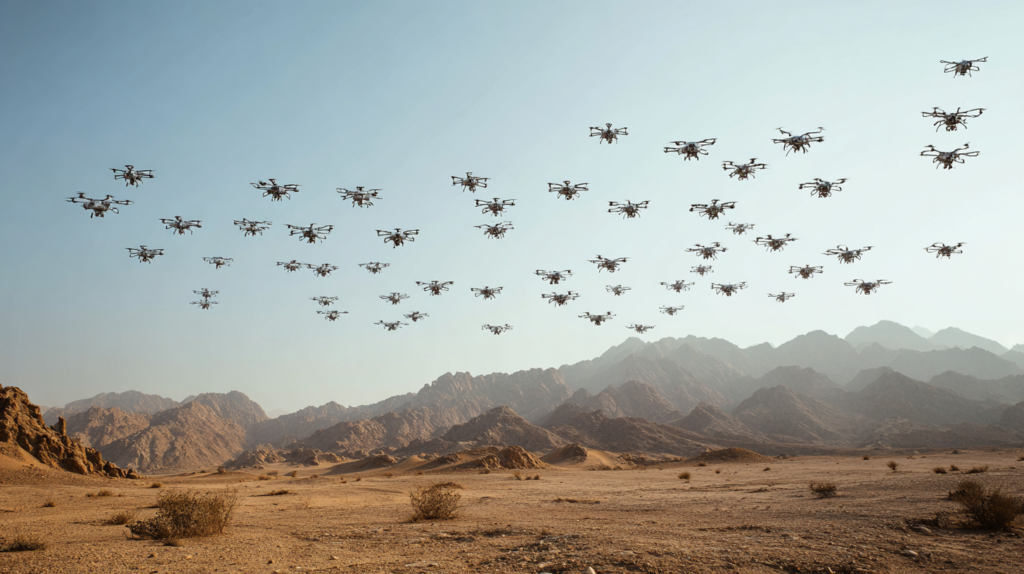
Launched Effects: A New Class of Autonomous Systems
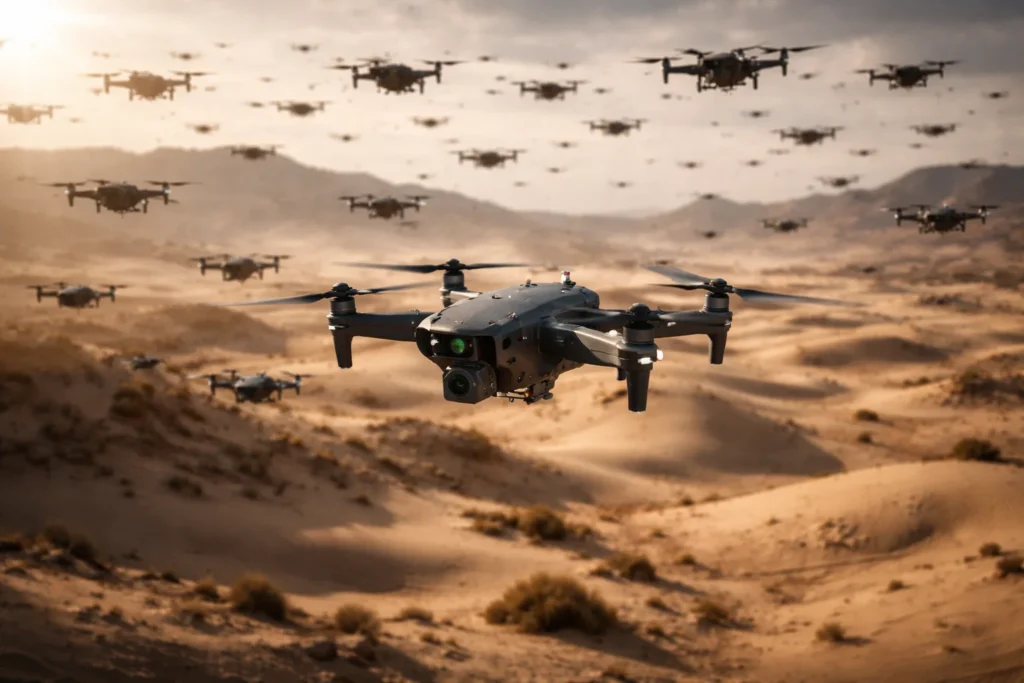
This is a pretty interesting concept. Launched Effects are essentially small, autonomous systems that can be deployed in swarms or individually. They can do a lot of different jobs, from scouting out tricky areas to carrying out kinetic strikes.
- Scouting and Surveillance: They can get into places humans can’t easily go, providing eyes on target in complex environments.
- Kinetic Strikes: These drones aren’t just for looking; they can also be armed and used for direct attacks.
- Flexible Deployment: They come in different sizes, for short, medium, and long-range missions, making them adaptable to various scenarios.
Continuous Iteration and System Updates
One thing is clear: this technology won’t stand still. The military is focused on constantly updating and improving these systems. It’s not a one-and-done deal. Feedback from soldiers on the ground is key to refining what works and what doesn’t, making sure the drones are practical and effective in real-world situations. This iterative process is vital for staying ahead.
The Army Transformation Initiative
This initiative is all about making the Army more agile and ready for future conflicts. Drones are a big part of that. The idea is to integrate these modern military UAVs so deeply that they become a natural extension of the soldier’s capabilities. It’s about more than just having the tech; it’s about how it’s used to change how the Army operates.
Achieving ‘Drone Dominance’ by 2027
This isn’t just a catchy phrase; it’s a strategic objective. It means the U.S. military wants to be the undisputed leader in drone technology and deployment. This involves not only developing advanced platforms but also figuring out how to produce and field them in large numbers. The focus on surveillance drones in warfare is a big part of this push, aiming to give forces unparalleled situational awareness.
The future of military aviation technology is undeniably linked to the advancement and integration of unmanned systems. As these platforms become more autonomous and capable, they will fundamentally alter operational tactics and strategic planning. The push for ‘Drone Dominance’ reflects a broader understanding of how critical these assets are in modern conflict zones.
| Drone Type | Primary Role | Key Feature |
|---|---|---|
| Autonomous Swarms | Reconnaissance, Electronic Warfare | Rapid, distributed operations |
| Launched Effects | ISR, Precision Strike | Small, attritable, decision-making |
| Advanced ISR Drones | Persistent Surveillance | Long endurance, high-resolution sensors |
International Military Drone Landscape
Emerging Drone Platforms from China and Russia
It’s not just the US and Turkey making waves in the drone world. China and Russia are also pushing forward with their own designs, aiming to compete on the global stage. These countries are developing platforms that offer a mix of capabilities, often focusing on affordability and specific mission roles.
CAIG Wing Loong II: Affordable and Powerful
The CAIG Wing Loong II, a Chinese-made drone, is a good example of this trend. It’s known for being a powerful option that doesn’t break the bank. This makes it attractive to countries looking for advanced capabilities without the high price tag of some Western systems. It’s designed for reconnaissance and strike missions, fitting into a similar niche as other medium-altitude, long-endurance (MALE) drones.
Kronshtadt Orion: Russia’s Homegrown MALE Drone
Russia has also been working on its own MALE drone, the Kronshtadt Orion. This platform represents Russia’s effort to build its domestic drone industry and reduce reliance on foreign technology. It’s intended for surveillance and attack roles, aiming to provide the Russian military with a versatile aerial asset.
TAI Anka: Enhanced Endurance and Capability
Turkey’s drone development doesn’t stop with the popular Bayraktar TB2. The TAI Anka is another significant platform from the country. It offers more endurance and a greater payload capacity compared to the TB2, making it suitable for longer missions and carrying more equipment or weapons. Originally designed for surveillance, it has evolved into a capable strike platform.
Anka’s Evolution into a Weaponized Platform
The Anka’s journey from a pure reconnaissance drone to a weaponized system shows how these platforms are constantly being adapted. This evolution is driven by the changing needs of modern warfare, where drones are expected to perform multiple tasks.
Anka-S: Serial Production with SATCOM and Munitions
The Anka-S is the production version of the Anka, featuring satellite communications (SATCOM) for extended range control and options for carrying various munitions. This makes it a more robust and versatile option for military operations.
NATO Compatibility of Turkish Drones
Interestingly, Turkish drones like the Anka are designed with NATO compatibility in mind. This is a smart move, as it opens up more opportunities for sales and cooperation with allied nations. It means these drones can potentially integrate more easily into existing military networks and procedures of NATO members.
Global Interest in Advanced Military Drones
There’s a lot of interest worldwide in these advanced military drones. Countries are looking to acquire these systems to bolster their own defense capabilities. The global military drone market is expected to grow significantly, showing just how important these unmanned systems have become. The market is projected to expand from an estimated USD 14.22 billion in 2024 to USD 35.24 billion by 2034, with a compound annual growth rate of 9.50% over the forecast period. This indicates a strong demand for new drone technology.
- China’s CAIG Wing Loong II offers a balance of power and affordability.
- Russia’s Kronshtadt Orion is a key part of their domestic drone program.
- Turkey’s TAI Anka series provides enhanced endurance and weaponization options.
The international landscape for military drones is becoming increasingly diverse. Nations are not only developing their own advanced systems but also looking for cost-effective solutions that can be integrated into existing military structures. This competition and collaboration are driving innovation across the board.
Strategic Importance of Drone Technology
Addressing Challenges in Sourcing U.S.-Made Drones
It’s a bit of a puzzle, isn’t it? We’re pushing hard for more drones, but a lot of the ones made here in the U.S. still end up using parts from China. That’s a big concern when you think about national security. The goal is to get away from that reliance, to build up our own ability to make these things from scratch, or at least with as many domestic components as possible. It’s not just about having drones; it’s about having our drones, built with our tech, that we can count on.
Reducing Reliance on Chinese Components
This ties right into the last point. The Pentagon has been pretty clear about wanting to cut down on using Chinese parts in military drones. It’s a move to protect our technology and make sure our systems aren’t vulnerable to outside interference or supply chain disruptions. Think about it – if a key component comes from somewhere else, and that supply gets cut off, your whole drone program could grind to a halt. So, finding and using American-made alternatives is a top priority.
The Role of Drones in Modern Conflict Zones
Drones have really changed the game in places like Ukraine. We’ve seen firsthand how they’re used for everything from watching enemy movements to dropping small bombs. It’s a constant back-and-forth, with both sides using drones to gain an edge. This real-world use shows us what works and what doesn’t, and it’s pushing everyone to get better, faster, and smarter with their drone tech.
Exposing U.S. Drone Limitations in Ukraine
Seeing drones used so widely in conflicts like the one in Ukraine has been a wake-up call. It’s shown us where our own drone systems might be falling short. Maybe they’re not fast enough, or they can’t stay in the air long enough, or perhaps they’re too easy for the enemy to spot and shoot down. This isn’t about pointing fingers; it’s about learning from what’s happening on the ground and figuring out how to improve.
The Need for ‘Drone Wars’ Preparedness
Because of what we’ve seen, there’s a big push to get ready for what some are calling ‘drone wars.’ This means not just having a lot of drones, but having the right kind of drones, and making sure our soldiers know how to use them effectively, and how to fight against enemy drones. It’s about building up our capabilities so we’re not caught off guard.
Integrating AI into Drone Security
Artificial intelligence is starting to play a bigger role, even in how we secure our drone systems. AI can help detect unusual activity or potential cyber threats that might try to mess with our drones. It’s like having an extra layer of digital protection, making sure our unmanned systems stay safe and do what they’re supposed to do.
The Impact of Generative AI on Drone Operations
Generative AI is also starting to pop up in drone work. Think about using it to help design new drone parts faster, or maybe to analyze the huge amounts of video footage drones collect. It could speed up how we develop new drone tech and make sense of all the data. It’s still early days, but the potential is pretty interesting.
Securing Operational Technology for Defense
Ultimately, all of this comes down to securing our operational technology. Drones are a big part of that, but it’s broader than just drones. It’s about making sure all the tech we rely on for defense is safe, reliable, and can’t be easily compromised. This focus on secure, domestically produced drone technology is becoming a major defense priority.
Counter-Drone Technology and Security
Grant Programs for Counter-Drone Technology
The government is putting money into developing ways to stop enemy drones. The Department of Homeland Security, for example, has grant programs to help states and local governments get the gear they need to detect and deal with drone threats. This is especially important for big events where a lot of people are gathered, like sporting events or concerts. You don’t want some rogue drone flying around causing trouble.
Protecting Against Drone Threats at Major Events
When you have thousands of people in one place, the idea of a drone being used for bad things is a real worry. That’s why there’s a push to get better counter-drone systems in place for these kinds of gatherings. It’s not just about stopping a drone from dropping something; it’s also about preventing them from spying on sensitive areas or disrupting operations. The goal is to make sure these events can happen safely, without the constant threat of aerial interference.
The Importance of Domestic Drone Manufacturing
We’ve seen how much we rely on parts from other countries for our own drones, and that’s a problem. If something happens, or if a supplier decides to cut us off, we could be in a tough spot. That’s why building up our own drone manufacturing is so important. It means we have more control over our supply chain and can make sure we have the drones and the tech we need, when we need them. It also helps create jobs here at home.
Ensuring the Security of Indo-Pacific Networks
In the Indo-Pacific region, keeping communication networks secure is a big deal. Drones can be used to disrupt these networks or gather intel. So, having strong defenses against drone incursions is part of a larger strategy to keep those networks safe and operational. It’s all connected to national security.
Shortfalls in Electronic Warfare Operations
It turns out, our electronic warfare (EW) capabilities aren’t quite where they need to be, especially when it comes to dealing with drones. This means we might not be as good as we should be at jamming drone signals or taking control of them remotely. There’s a recognized need to get better at this, and fast.
Training for Advanced Electronic Warfare
Because of those shortfalls, there’s a big push for better training in electronic warfare. Soldiers and operators need to know how to use the latest EW tools effectively. This isn’t just about knowing the buttons; it’s about understanding how to counter sophisticated drone threats in a complex environment. It’s a skill that needs constant practice and updating.
The Intersection of Weapons and Technology
When you think about drones, they’re not just flying cameras anymore. They’re weapons platforms. And the technology behind them is changing so fast. This means the weapons we use against them, and the technology that guides those weapons, also have to keep up. It’s a constant race between offense and defense, with technology driving both sides.
National Security Implications of Drone Technology
All of this ties back to national security. The ability to use drones effectively, and the ability to defend against them, has a huge impact on how safe we are. If we can’t counter enemy drones, or if our own drone technology falls behind, it could put us at a disadvantage. It’s a big part of the modern defense picture.
Acquisition Reforms and Innovation
It feels like the military is finally waking up to the fact that buying drones the old way just isn’t cutting it. For years, we’ve seen programs drag on forever, with soldiers not even seeing the final product until it’s practically obsolete. But things are changing. There’s a real push now to speed things up, get new tech into soldiers’ hands faster, and make sure we’re not stuck relying on foreign parts or slow-moving bureaucracy.
Accelerating Prototyping and Experimentation
Forget those multi-year development cycles. The new approach is all about getting working prototypes out the door quickly and letting soldiers try them out. Think of it like this: instead of designing a whole car in a lab for years, you build a basic model, let people drive it, and then tweak it based on what they say. This is exactly what’s happening with programs like ‘Launched Effects’ (LE).
They’re using an ‘urgent capability acquisition pathway,’ which basically means they have a two-year window to get systems fielded. This allows them to constantly update requirements and even bring in new companies if they have better ideas. It’s a big shift from the old way of doing things, where you’d spend ages building something perfect without much input from the actual users.
Funding Boosts for Drone Programs
Money talks, right? And there’s a lot more money flowing into drone development and acquisition. This isn’t just about buying more drones; it’s about investing in the whole ecosystem – from research and development to manufacturing. The goal is to build a robust domestic industry that can keep up with the demand and innovate rapidly. This funding is also helping to explore new concepts and technologies that might have been too risky or expensive under traditional models.
The FUZE Program’s Potential
While specific details on the ‘FUZE Program’ might be under wraps, the name itself suggests a focus on rapid integration and deployment. Programs like this are designed to break down barriers, making it easier to get new drone capabilities from the drawing board to the battlefield. It likely involves streamlining the technical aspects of integrating new hardware and software, making systems more adaptable and quicker to field.
Departing from Traditional Acquisition Programs
The old way of buying military gear was often slow, rigid, and expensive. It involved lengthy planning, detailed specifications, and a single vendor often locked in for years. The new thinking is about flexibility and speed. This means embracing modular designs, using off-the-shelf components where possible, and being open to new vendors and technologies on a regular basis. It’s about creating an environment where innovation can thrive, rather than being stifled by process.
Making it Easier to Buy and Field Unmanned Systems
This is a big one. The Pentagon is actively looking at ways to cut through the red tape that often slows down the acquisition of new technologies, especially drones. This includes simplifying procurement processes, reducing the number of approvals needed, and making it easier for the military to test and field systems quickly. The aim is to get the right technology to the warfighter without unnecessary delays.
The Goal of ‘Drone Dominance’
This isn’t just a catchy slogan; it’s a strategic objective. ‘Drone dominance’ means having a superior capability in terms of numbers, technology, and operational effectiveness when it comes to unmanned systems. It’s about being able to deploy drones faster, more effectively, and in greater numbers than any potential adversary. This requires a coordinated effort across acquisition, development, and training.
Defining the End State for Drone Capabilities
What does ‘drone dominance’ actually look like? It’s not just about having a certain number of drones. It’s about having the right mix of capabilities – from small, expendable systems for reconnaissance to larger, more lethal platforms. It also means having the infrastructure, training, and doctrine in place to use these systems effectively. The military is working to define what this end state looks like so that acquisition efforts are focused and aligned with the overall strategy.
The Evolution of Unmanned Systems
From Niche Tool to Essential Asset
It feels like just yesterday that drones were mostly a novelty, something you saw in hobby shops or maybe in some very specialized military roles. Now? They’re practically everywhere, and in the military world, they’ve gone from being a cool gadget to a total game-changer. The demand for fast, lethal, and autonomous platforms has never been higher. We’re talking about systems that can do jobs that used to be way too risky for people, or just plain impossible.
The Demand for Fast, Lethal, and Autonomous Platforms
Think about it: the battlefield is always changing, and the military needs tools that can keep up. That means drones that aren’t just flying around taking pictures, but ones that can act fast, hit hard, and make decisions on their own. This shift is pushing the development of some seriously advanced tech. It’s not just about having more drones; it’s about having the right kind of drones that can handle complex situations without needing constant human input.
Battle-Hardened MQ-9 Reaper
The MQ-9 Reaper is a prime example of how far we’ve come. This thing has been around, seen action, and proven itself time and again. It’s not just a drone; it’s a workhorse. With its ability to fly for ages and carry a serious payload, it’s become a go-to for all sorts of missions, from watching over an area for hours on end to taking out specific targets with precision.
Cost-Effective Bayraktar TB2
Then you have drones like the Bayraktar TB2. What’s really interesting about this one is how it balances capability with cost. It’s shown it can do some pretty impressive stuff in real-world conflicts, making it a really attractive option for many countries. It proves that you don’t always need the most expensive piece of gear to get effective results on the battlefield.
Emerging Chinese and Russian Drone Platforms
It’s not just the US and its allies who are pushing drone technology. Countries like China and Russia are also developing their own advanced systems. We’re seeing platforms like the CAIG Wing Loong II and the Kronshtadt Orion, which show that the global race for drone dominance is well underway. These emerging systems are definitely something to keep an eye on as they bring new capabilities and challenges to the table.
Reshaping Aerial Warfare with Dominant UCAVs
Unmanned Combat Aerial Vehicles (UCAVs) are fundamentally changing how aerial warfare is done. They offer capabilities that were science fiction not too long ago. Precision strikes, detailed surveillance, and reconnaissance are now possible with reduced risk to human lives. This is a massive shift in military strategy and operations.
The Role of Drones in Intelligence Gathering
Beyond just combat, drones are incredibly important for gathering information. Their ability to loiter over areas, capture high-resolution imagery, and transmit data in real-time gives commanders a much clearer picture of what’s happening on the ground. This intel is vital for planning and executing missions effectively.
Surveillance and Reconnaissance Missions
When it comes to surveillance and reconnaissance, drones are invaluable. They can go places that are too dangerous or difficult for manned aircraft or ground troops. This allows for continuous monitoring of enemy movements, identifying potential threats, and providing situational awareness that can make all the difference in a conflict.
Drone Integration and Soldier Experience
Demonstrating Drone Capabilities to Soldiers
Getting new tech into the hands of the folks who will actually use it is a big deal. It’s not just about showing them what a drone can do in theory; it’s about letting them get their hands dirty with it. Think of it like this: you wouldn’t want to try out a brand-new piece of gear for the first time when you’re already in a tough spot, right? That’s why these demonstrations are so important. Units get to see the systems, learn how to set them up, and even do some practice flights. It’s all about making sure they’re comfortable and ready before they need it for real.
Using Drones for Scout Missions
One of the most talked-about uses for these drones is scouting. Imagine a unit needing to know what’s ahead before they move out. Sending a drone in first can give them eyes on the ground, or rather, eyes in the sky, without putting anyone at immediate risk. This scout capability is a game-changer. It means soldiers can get a better picture of the area, identify potential threats, and plan their next move more effectively. This ability to see without being seen significantly reduces the unknowns on the battlefield.
Reducing Security Concerns with Remote Operations
Sending soldiers into unknown territory always comes with risks. Drones help dial those risks back. When a drone can go ahead and check things out, it means fewer soldiers have to venture into potentially dangerous areas. This is especially true when you can combine different types of drones. For example, a scout drone can identify what’s ahead, and then an attack drone can deal with any immediate threats it finds. It’s like having a remote recon team that can also handle business if needed.
Eliminating Enemy Detection Risks
Sometimes, just operating your standard gear can give away your position. Radios, for instance, can emit signals that the enemy might pick up. If a scout drone can identify and neutralize those potential threats before they become a problem, it adds a whole new layer of security. It’s about minimizing your footprint and making sure you’re not giving away your position unnecessarily. This kind of proactive threat management is what makes the difference.
Integrating Attack Drones with Scout Capabilities
This is where things get really interesting. You have a drone that can go out and scout, and then you have another drone that’s ready to strike. The idea is to use them together. The scout drone finds the target or the threat, and then the attack drone can take it out. This coordinated approach means you can deal with problems quickly and efficiently, all while keeping your human operators at a safer distance. It’s a smart way to combine reconnaissance with direct action.
Augmenting Mission Capabilities with Drones
Beyond just scouting and attacking, drones can do a lot more. They can provide real-time intelligence, help with targeting, and generally give commanders a better understanding of the battlefield. Think of them as an extra set of eyes and ears that can go places humans can’t easily reach. This added capability can really change how missions are planned and executed, making units more flexible and effective.
Ensuring Systems are Not Seen for the First Time Downrange
This point is pretty straightforward but incredibly important. The goal is to get these systems into soldiers’ hands early and often. Soldiers need to train with them, experiment with them, and get comfortable with them before they are deployed in a combat zone. Learning to use a new system in a training environment is a world away from figuring it out under pressure. The feedback loop from soldiers using these systems in training helps iron out the kinks and makes sure the technology is ready when it counts.
Making the Army More Lethal and Ready
Ultimately, all of this comes down to making the Army better. By integrating drones effectively and getting soldiers comfortable with them, the aim is to increase lethality and readiness. It’s about giving soldiers the tools they need to succeed and making sure those tools are reliable and easy to use. Continuous feedback and iteration are key to this process, ensuring that the technology keeps pace with the needs of the modern soldier.
The Economic Impact of Military Drones
It’s pretty wild how much money is being poured into military drones these days. We’re talking billions of dollars, and it’s not just a few programs here and there. The Pentagon alone has a ton of initiatives going on, all aimed at getting more of these unmanned systems into the hands of our troops. This whole push is really shaking things up for a lot of companies.
Billions of Dollars in Government Drone Programs
The sheer scale of government investment in drones is staggering. These aren’t small, experimental projects anymore; they’re major defense programs. The goal is to modernize the military, and drones are seen as a key part of that. It’s a big shift from how things used to be, where drones were more of a specialized tool. Now, they’re becoming a standard part of the arsenal, and that requires a lot of funding.
Expanding the Domestic Drone Industry
This surge in government spending is a huge boost for companies that make drones right here in the U.S. For a long time, there’s been a worry about relying too much on foreign parts, especially from China. So, the focus is shifting to building up our own capabilities. This means more contracts, more jobs, and more innovation happening domestically. It’s a chance for American businesses to really step up and supply what the military needs.
Opportunities for U.S. Drone Companies
Companies that can produce drones quickly and affordably are finding themselves in a really good spot. We’re seeing a lot of interest in models that are not only effective but also cost-efficient. Think about companies that make quadcopters or other smaller systems; they’re getting significant attention and contracts. Even startups are getting in on the action, signing deals with branches like the Marines. It’s a dynamic market right now.
Companies Well-Positioned to Benefit
Several types of companies are set to gain from this increased demand. Those that can offer reliable, mass-producible drones are prime candidates. We’re also seeing a lot of venture capital flowing into drone startups, which signals a lot of confidence in the future of this sector. It’s not just about the big defense contractors anymore; smaller, agile companies are also finding their niche.
Low-Cost Drone Models for the Army
There’s a particular emphasis on acquiring drones that are affordable, especially for widespread use by the Army. The idea is to equip every squad with these systems, and that kind of scale requires cost-effective solutions. So, companies that have developed lower-priced but still capable drone models are getting a lot of attention. It’s about getting the most bang for the buck while still meeting operational needs.
Contracts with the Marines for Low-Cost Drones
The Marines, for example, have been signing contracts for low-cost drone models. This shows a clear strategy to integrate these systems broadly without breaking the bank. It’s a practical approach that acknowledges the need for large numbers of drones that can be easily deployed and, if necessary, replaced.
The Market for Military Drone Platforms
Overall, the market for military drone platforms is booming. Projections show it reaching tens of billions of dollars in the coming years. This growth is driven by a combination of factors, including the need for advanced surveillance, reconnaissance, and strike capabilities, as well as the desire to reduce risks to human personnel. The military drone market is definitely one to watch. The military drone market is projected to reach $47 billion, fueled by increased government defense spending and the rising acquisition of military drones. This growth highlights a significant trend in defense procurement.
Investment in Drone Technology Startups
Beyond established companies, there’s a significant amount of investment going into drone technology startups. These newer companies are often at the forefront of innovation, developing cutting-edge AI, advanced sensors, and novel manufacturing techniques. This influx of capital suggests a strong belief in the future potential of drone technology across various applications, including military use.
Global Drone Deployments and Partnerships
MQ-9 Reaper Operated by 10 Nations
The MQ-9 Reaper isn’t just a U.S. military staple; it’s a globally recognized platform. Currently, about ten different countries are operating this advanced drone. This widespread adoption shows how much other nations value its capabilities for surveillance and strike missions. It’s a pretty big deal when so many allies are using the same tech.
Sales to Allied Militaries
Beyond just the Reaper, there’s a significant market for drones among U.S. allies. The U.S. military is actively selling various drone systems to friendly nations. This helps build interoperability and strengthens partnerships, meaning we can work together more effectively if needed. It’s all about sharing the load and the technology.
Bayraktar TB2’s Role in International Conflicts
The Bayraktar TB2 drone has really made a name for itself on the international stage. It’s been used in several conflicts, and its performance has been quite notable. Think about places like Azerbaijan, Qatar, Ethiopia, and Libya – the TB2 has seen action in all of them. Its effectiveness in these real-world scenarios has definitely put it on the map.
Poland’s Purchase of the Bayraktar TB2
Poland’s decision to buy the Bayraktar TB2 is a prime example of its international appeal. They acquired a significant number of these drones, showing a strong commitment to integrating them into their defense strategy. This kind of deal highlights the drone’s growing importance in European defense.
TAI Anka’s Service with the Turkish Air Force
Turkey’s own TAI Anka drone is also making waves. It’s been in service with the Turkish Air Force for a while now, proving its worth. The Anka has seen upgrades, evolving into a more capable platform, especially the Anka-S variant which comes with SATCOM and can carry munitions. This shows how countries are developing their own advanced drone tech.
International Interest in Drone Technology
There’s a huge amount of interest globally in advanced military drone technology. Countries are constantly looking for ways to improve their aerial capabilities, and drones are a big part of that. This global demand is pushing innovation forward at a rapid pace.
Collaborative Drone Development Efforts
Sometimes, countries team up to develop drone technology. These collaborative efforts can speed up development and share costs. It’s a smart way to pool resources and expertise, leading to even better drone systems for everyone involved. Working together on drone tech is becoming a key part of modern defense strategies.
The global drone market is dynamic, with nations not only acquiring existing platforms but also investing in their own development and seeking partnerships. This international cooperation and competition are shaping the future of aerial warfare, making it more accessible and diverse.
The Role of AI in Military Drones
AI-Assisted Autonomy in Drones
Artificial intelligence is really changing how drones work. It’s not just about remote control anymore. AI helps drones make decisions on their own, which is a big deal for missions where quick reactions are needed. This means drones can do more complex tasks without constant human input. Think about drones that can fly themselves through tricky areas or identify targets automatically. It’s like giving them a brain, so they can process information and act much faster than a person could.
Bolstering Security of Defense Networks with AI
AI is also being used to make sure our defense systems are safe. It can watch over networks, spot unusual activity, and help block cyber threats before they cause problems. This is super important for keeping sensitive military information secure.
Integrating Generative AI Tools into Workflow
We’re seeing generative AI pop up in military drone work too. This kind of AI can help create new designs, analyze data faster, and even help write reports. It’s about speeding up the whole process, from designing a new drone part to figuring out what a drone saw during a mission.
AI for Enhanced Drone Performance
AI helps drones fly better and do more. It can optimize flight paths to save power, improve how sensors collect data, and even help drones work together in swarms. This makes them more effective in the field.
AI-Powered Threat Detection
One of the most exciting uses of AI is in spotting threats. Drones equipped with AI can analyze video feeds and sensor data to identify potential dangers, like enemy vehicles or unusual movements, much quicker than a human observer. This gives soldiers a heads-up much sooner.
Autonomous Decision-Making in Drones
This is where AI really shines. Drones are starting to make their own decisions in real-time. For example, if a drone is scouting an area and spots something unexpected, AI can help it decide the best course of action, whether that’s to observe, report, or even engage, depending on its programming and the situation.
The Future of AI-Driven Warfare
Looking ahead, AI is set to play an even bigger role. We’re talking about drones that can coordinate complex attacks, adapt to changing battlefield conditions on the fly, and work together in ways we can only imagine now. It’s a big shift in how wars might be fought.
Ethical Considerations of AI in Military Drones
Of course, all this power comes with questions. We need to think carefully about the ethics of AI making decisions, especially when it comes to using force. Who is responsible if an AI makes a mistake? These are tough questions that need clear answers as the technology develops.
The integration of AI into military drones isn’t just about making them smarter; it’s about making them more capable and responsive. This technology allows for faster analysis of battlefield information and quicker reactions, which can be a significant advantage. However, it also brings up important discussions about control, accountability, and the future of human involvement in combat operations.
Challenges and Future Directions
Figuring out exactly how many drones the Army needs is a big question. It’s not something leaders in offices can just decide. We want soldiers to tell us what that answer is, we want them to inform us. That’s why programs like Launched Effects are so important. They get systems into soldiers’ hands quickly so they can figure out the real numbers and needs.
Determining the Optimal Number of Drones Needed
It’s tough to put a precise number on drone requirements. A brigade combat team might need 80, 100, or even 300. The real answer comes from the people using them in the field. This is why the Army is focusing on getting systems to soldiers early and often.
Informing Requirements Based on Soldier Needs
Soldier feedback is key. When troops use systems like the scout drones and attack drones together, they find out what works and what doesn’t. They identify what’s holding them back and what capabilities are really useful. This direct experience helps shape what the Army buys next.
The Need for Rapid Iteration and Updates
Technology moves fast, and so should drone development. Programs that take years to get a system out the door are already behind. The Army’s approach with Launched Effects uses an urgent capability acquisition pathway. This lets them move quickly, update requirements regularly, and keep bringing in new ideas from industry. It’s about providing a constantly improving capability.
Addressing Shortfalls in Electronic Warfare
Electronic warfare (EW) is a big area where the U.S. military has acknowledged gaps. Drones can be vulnerable to jamming or spoofing. Improving EW capabilities is vital for protecting drone operations and making sure they can function even when facing sophisticated threats. This is an area that needs serious attention and investment.
The Importance of Continuous Training
Just having the drones isn’t enough. Soldiers need to be trained on how to use them effectively, integrate them into their missions, and maintain them. Continuous training ensures that units are ready and can make the most of these advanced tools. It’s not just about learning the basics; it’s about adapting to new tactics and technologies.
Adapting to Evolving Battlefield Threats
The battlefield is always changing. New threats emerge, and adversaries develop new ways to counter our technology. Drone systems need to be adaptable and upgradable to keep pace. This means designing them with flexibility in mind, so they can be modified or replaced as needed.
Sourcing Reliable and Secure Drone Components
There’s a big push to reduce reliance on foreign components, especially from China. Building a strong domestic industrial base for drones is important for national security. This includes not only assembling the drones but also manufacturing the parts and software that go into them. It’s about having control over the supply chain.
The Long-Term Vision for Military Drone Technology
The goal is “drone dominance” by 2027. This isn’t just about having a lot of drones; it’s about having the right mix of capabilities, integrating them effectively into operations, and staying ahead of potential adversaries. It involves a continuous cycle of development, testing, and fielding, all informed by the warfighter. The SkyFoundry program is a good example of an initiative focused on scaling up production to meet these ambitious goals.
Drone Manufacturing and Industrial Base
Building a strong domestic drone industry is a big deal right now. The military needs a lot more drones, and relying on other countries for parts just isn’t cutting it anymore. There’s a real push to make more drones right here in the U.S., which is good for American companies.
Establishing Government-Run Production Facilities
The idea is to have government facilities, like the one proposed in the SkyFoundry Act of 2025, that can churn out drones. This isn’t just about putting metal and plastic together; it’s about creating a hub for research, development, and testing. They want to take what we learn from conflicts around the world and use it to make our own drone designs better, faster. The goal is to have the capacity to produce a huge number of small unmanned aerial systems each month, like 10,000 or even more, once things are up and running.
The SkyFoundry Act of 2025
This act is a big part of the plan. It’s all about setting up a government-run place to make small drones. Think of it as a dedicated factory, but also a place where new ideas can be tested and worked on. They’re looking at places like the Red River Army Depot in Texas for this. It’s meant to speed things up, so we don’t have to wait years for new drone tech to get into the hands of soldiers.
Research, Development, and Testing Hubs
These hubs are key. They’re not just for building drones, but for figuring out how to make them better. This includes working with companies on the software and the special equipment, or payloads, that drones carry. It’s about making sure the whole system works well, not just the drone itself. This kind of collaboration is what’s really needed to keep our drone technology ahead.
Integrating Lessons Learned from Global Conflicts
What happens on the battlefield directly influences what we build. By looking at how drones are used in places like Ukraine, we can see what works and what doesn’t. This feedback loop is vital for improving drone designs and capabilities. It means our drones can be more effective and better suited for the challenges soldiers face.
Evolving U.S. Small Unmanned Aircraft Systems Designs
Because of lessons learned and new tech, U.S. drone designs are changing. They’re getting smarter, more capable, and hopefully, easier to use. The focus is on making sure these systems can keep up with the fast pace of modern warfare. It’s a constant process of improvement.
Annual Production Capacity Goals
Setting targets for how many drones can be made each year is important for meeting demand. The aim is to reach massive production numbers, like a million small UAS annually once fully established, according to the legislation. This scale is needed to equip all the soldiers who will be using them.
Partnerships for Drone Hardware and Software
It’s not just about the physical drone. Working with private companies on the software and payloads is a big part of the strategy. This partnership approach helps bring in outside innovation and ensures that the drones are equipped with the best technology available. It’s about building a complete system.
The Importance of the Drone Industrial Base
A strong domestic drone industrial base means we’re less dependent on foreign suppliers, which is a major security advantage. It also means more jobs and economic growth here at home. This whole effort is about making sure the U.S. can produce the drones it needs, when it needs them, without outside interference. It’s a matter of national security and economic strength.
This push for domestic manufacturing is a significant shift. It’s about building up the capacity to produce not just the drones themselves, but also the components and the advanced technology that goes into them. This includes things like specialized sensors and communication systems.
The goal is to have a robust ecosystem that can support the military’s drone needs for years to come. It’s a complex undertaking, but one that seems to be gaining serious momentum. The military is looking to partner with companies that can help scale up production, and there’s a lot of interest from U.S. drone companies that see this as a major opportunity. For example, companies that already supply the Army with quadcopter models are well-positioned to benefit from these new initiatives.
The Marines have also been signing contracts with startups for low-cost drone models, showing a clear trend towards supporting domestic production. This focus on building up our own drone manufacturing capabilities is a key part of the Pentagon’s strategy to achieve drone dominance. It’s about more than just acquiring drones; it’s about building the industrial muscle to support them. This effort is also seen as a way to address limitations exposed in recent conflicts, making sure the U.S. military has the advanced drone technology it needs. The Canada’s military drone base program is another example of how nations are looking to bolster their domestic capabilities in this area.
What’s Next for Military Drones?
So, where does all this leave us? It’s pretty clear that drones aren’t just a passing trend in the military; they’re a big deal and they’re here to stay. We’re seeing a huge push to get more of them, especially cheaper, American-made ones, into the hands of soldiers. The focus is shifting towards making them easier to get and use, with a lot of input coming directly from the folks on the ground. It feels like we’re moving towards a future where these unmanned systems will be a standard part of how the military operates, changing the game on the battlefield in ways we’re still figuring out.
Frequently Asked Questions
What are military drones used for?
Military drones, also called Unmanned Aerial Vehicles (UAVs), are like remote-controlled or self-flying planes. They’re used for many important jobs, like spying on enemy areas, taking pictures from high up, and even attacking targets without putting a pilot in danger. They’re becoming super important for how armies fight.
Why is the U.S. military buying so many drones?
The U.S. military wants to have the best drone technology and make sure they can make enough of them right here at home. They’ve seen how useful drones are in recent conflicts and want to make sure they have plenty of advanced ones to stay ahead of other countries.
What’s the difference between different military drones?
There are many types of drones. Some are big and can fly for a long time, carrying lots of weapons, like the MQ-9 Reaper. Others are smaller and cheaper, like the Bayraktar TB2, which is great for quick missions. New ones are also being developed that can fly and make decisions on their own.
Are drones making warfare safer for soldiers?
Yes, a big reason for using drones is to keep soldiers out of harm’s way. When a drone can do a dangerous job like scouting enemy territory or attacking a target, soldiers don’t have to go there themselves, which greatly reduces the risk.
What does ‘autonomous’ mean for military drones?
Autonomous means a drone can fly and make decisions by itself, without a person controlling it all the time. This allows drones to react faster to situations on the battlefield and perform complex tasks more efficiently.
Why is making drones in the U.S. important?
Right now, many drones made in the U.S. still use parts from other countries, especially China. Building more drones in the U.S. helps make sure the military has a reliable supply and isn’t dependent on foreign parts, which could be a problem in a conflict.
What is the ‘SkyFoundry’ program?
SkyFoundry is a new plan by the Army to quickly build and test lots of small drones. The goal is to be able to make thousands of these small drones every month, using new and efficient ways to build them right here in the U.S.
How does soldier feedback help improve drones?
The military is making sure that the soldiers who will actually use the drones get to try them out and give their opinions. This feedback helps engineers understand what works well, what needs to be fixed, and what new features soldiers really need to do their jobs better.
What are ‘Launched Effects’?
‘Launched Effects’ are a new type of military system that’s like a drone but can be launched from the ground or a vehicle. They can do things like scout, gather information, or even attack targets, and they are designed to be updated quickly based on what soldiers report.
Are drones from other countries a concern for the U.S. military?
Yes, countries like China and Russia are also developing advanced military drones. The U.S. military is paying close attention to these foreign drones to understand their capabilities and ensure they can counter any threats they might pose.
What is ‘drone dominance’?
‘Drone dominance’ is the goal for the U.S. military to have the most advanced and widespread drone capabilities in the world. It means having enough drones, the right kinds of drones, and the ability to use them effectively in any situation.
How is AI used in military drones?
Artificial Intelligence (AI) helps drones fly better, make smarter decisions on their own, and spot threats more easily. AI can also help analyze the huge amounts of information drones collect, making them much more powerful tools for the military.