Drones That See Heat: A Quick Look

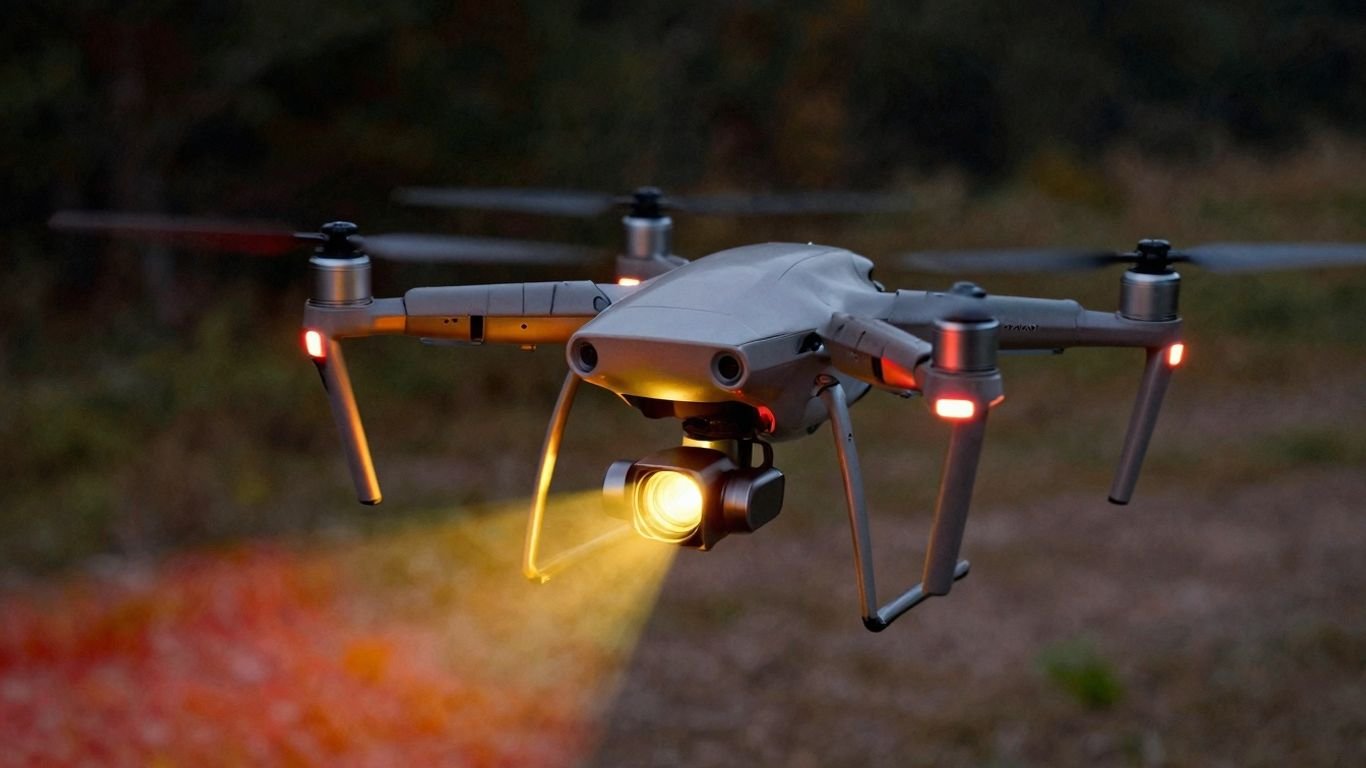
You know, I was reading up on drones lately, and it turns out some of them can actually see heat. It sounds like science fiction, right? But these thermal imaging drones are a real thing, and they’re pretty amazing. They’re not just for spying or taking cool aerial shots; they’re actually helping people in some pretty serious ways. I thought I’d take a quick look at what makes them tick and where they’re being used.
Key Takeaways
- Thermal imaging drones use special cameras to detect heat, creating a visual map of temperatures that our eyes can’t see.
- These drones are incredibly useful for finding people in difficult situations, like at night or in bad weather, making search and rescue much faster.
- Firefighters can use them to spot dangerous hot spots, and inspectors can find problems in buildings or equipment by looking for temperature changes.
- When picking a thermal drone, think about how clear the images are, how long it can fly, and how easy it is to use.
- New features like obstacle avoidance and smart AI are making these drones even more capable for various jobs.
Understanding Thermal Imaging Drones
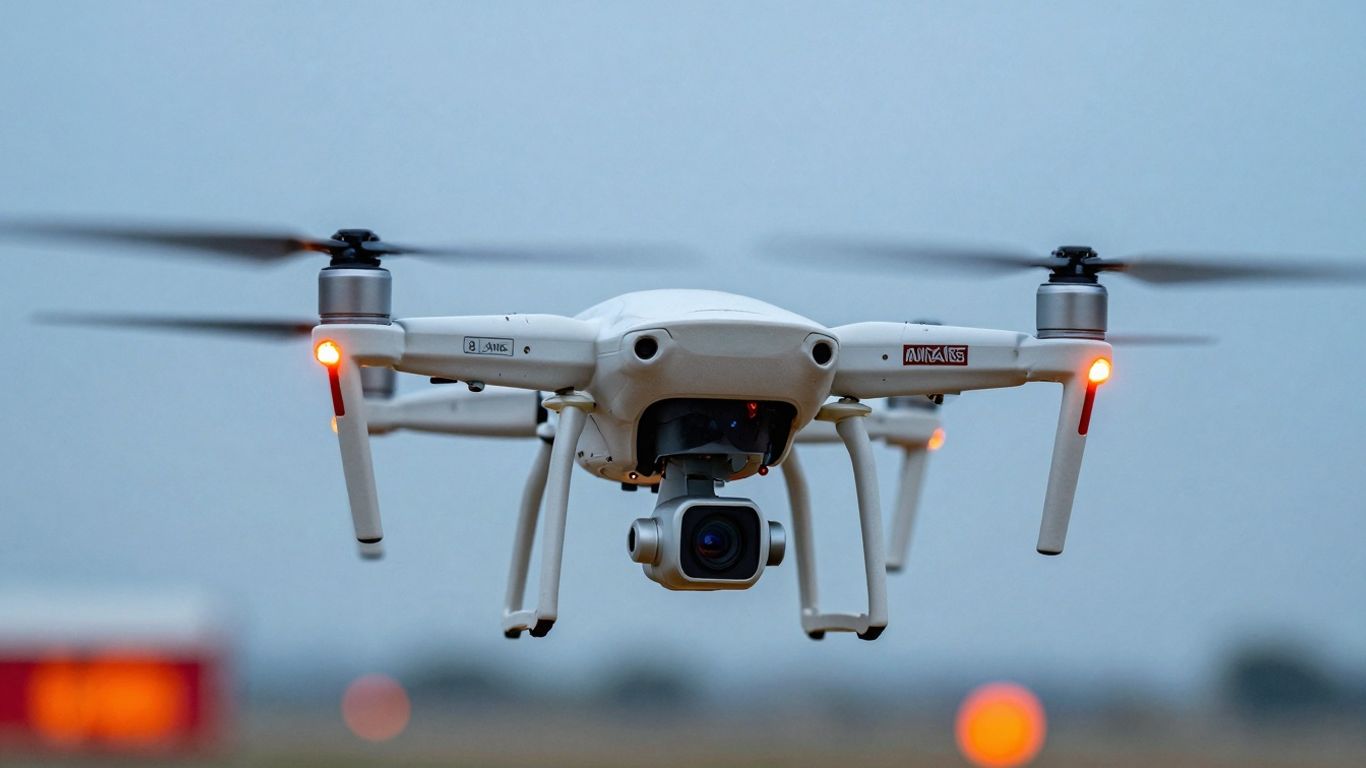
So, what exactly are these thermal imaging drones we keep hearing about? Think of them as super-powered eyes for your drone. Unlike regular cameras that see light, these drones use special cameras that detect heat. This means they can see things even when it’s pitch black outside or if there’s smoke or fog getting in the way. It’s pretty neat stuff.
How Thermal Drones See Heat
These drones are equipped with infrared cameras. These cameras pick up on the heat energy that objects naturally give off. Then, they turn that heat energy into a visual image, kind of like a map where different colors show different temperatures. Warmer things usually show up as brighter or lighter colors, while cooler things appear darker. This heat-sensing aerial technology is what makes them so useful for spotting things that would otherwise be invisible.
The Science Behind Infrared Detection
It all comes down to infrared radiation. Everything with a temperature above absolute zero emits this kind of radiation. A thermal camera on a drone focuses this energy onto a sensor. This sensor then converts the radiation into electrical signals. These signals are processed to create a thermal image, often called a thermogram. The resolution of the thermal camera is important here; higher resolution means you can see more detail and detect smaller temperature differences. This is key for aerial thermal inspection tasks.
Visualizing Temperature Differences
When you look at a thermal image, you’re not seeing colors like you would in a normal photo. Instead, you’re seeing a representation of temperature. Different shades of gray or specific color palettes are used to show how hot or cold different areas are. For example, a person or a running engine will stand out as a bright spot against a cooler background. This ability to visualize temperature differences is what makes drones with a thermal camera for drones so effective for tasks like temperature mapping.
Here’s a quick look at what influences what you see:
- Object Temperature: The hotter an object, the more infrared radiation it emits.
- Emissivity: How well an object radiates heat. Different materials have different emissivity.
- Reflected Temperature: Heat from surrounding objects can be reflected off the surface you’re looking at.
- Ambient Temperature: The temperature of the surrounding air.
Understanding these factors helps interpret thermal images correctly. It’s not just about seeing heat; it’s about understanding what that heat means in the context of the environment and the object being viewed. This nuanced view is what makes thermal drones so powerful for various applications.
These capabilities open up a whole new world for drone use. Whether it’s for search and rescue operations or checking on buildings, the ability to see heat is a game-changer. You can find more information on how these systems work on pages about thermal imaging.
Key Applications For Thermal Imaging Drones
Thermal imaging drones are way more than just fancy cameras; they’re tools that can literally see heat. This ability opens up a bunch of really useful applications that were pretty tough to handle before. Think about situations where seeing in the dark or through smoke is a game-changer. That’s where these drones shine.
Search and Rescue Operations
When someone goes missing, especially in tough conditions like at night, in thick woods, or after a big storm, time is super important. Thermal drones can spot a person’s heat signature even when it’s dark or visibility is bad. This means rescue teams can find people much faster than just looking around on foot. They can cover large areas quickly, scanning forests or open fields from above. This technology is seriously changing how we approach finding lost individuals, making those critical first hours count.
- Locating individuals in low visibility conditions (night, fog, smoke).
- Speeding up search times in wilderness and disaster areas.
- Detecting heat signatures through light foliage or debris.
The ability of thermal drones to detect heat signatures is a lifesaver in search and rescue. They can cut through darkness and smoke, revealing hidden individuals that would otherwise be missed. This technology provides a critical advantage when every second counts.
Firefighting and Hotspot Detection
For firefighters, seeing through smoke and darkness is a huge deal. Thermal drones can fly over a burning building or a wildfire to pinpoint exactly where the hottest spots are. This helps them direct water or fire retardant more effectively, saving resources and getting the fire under control faster. They can also check for people trapped inside by looking for body heat. It’s like giving firefighters an extra set of eyes that can see through the flames and smoke. You can find out more about how drones are used in public safety missions here.
Infrastructure and Building Inspections
Buildings and infrastructure can have hidden problems that show up as temperature differences. Thermal drones can fly around a building and spot areas where heat is escaping, which means poor insulation or air leaks. They can also check electrical equipment for overheating, which could signal a problem before it causes a failure. After a storm, they can quickly survey damage by looking for temperature changes that indicate structural issues. This saves time and money compared to traditional inspection methods.
Agricultural Monitoring
Farmers are starting to use thermal drones to keep a closer eye on their crops. These drones can detect differences in plant temperature that might show if a crop is stressed, needs more water, or has a disease. They can even spot pests. This allows farmers to be more precise with watering and pest control, using resources only where they’re needed. It’s a smart way to keep crops healthy and boost yields without wasting water or chemicals.
Choosing The Right Thermal Drone
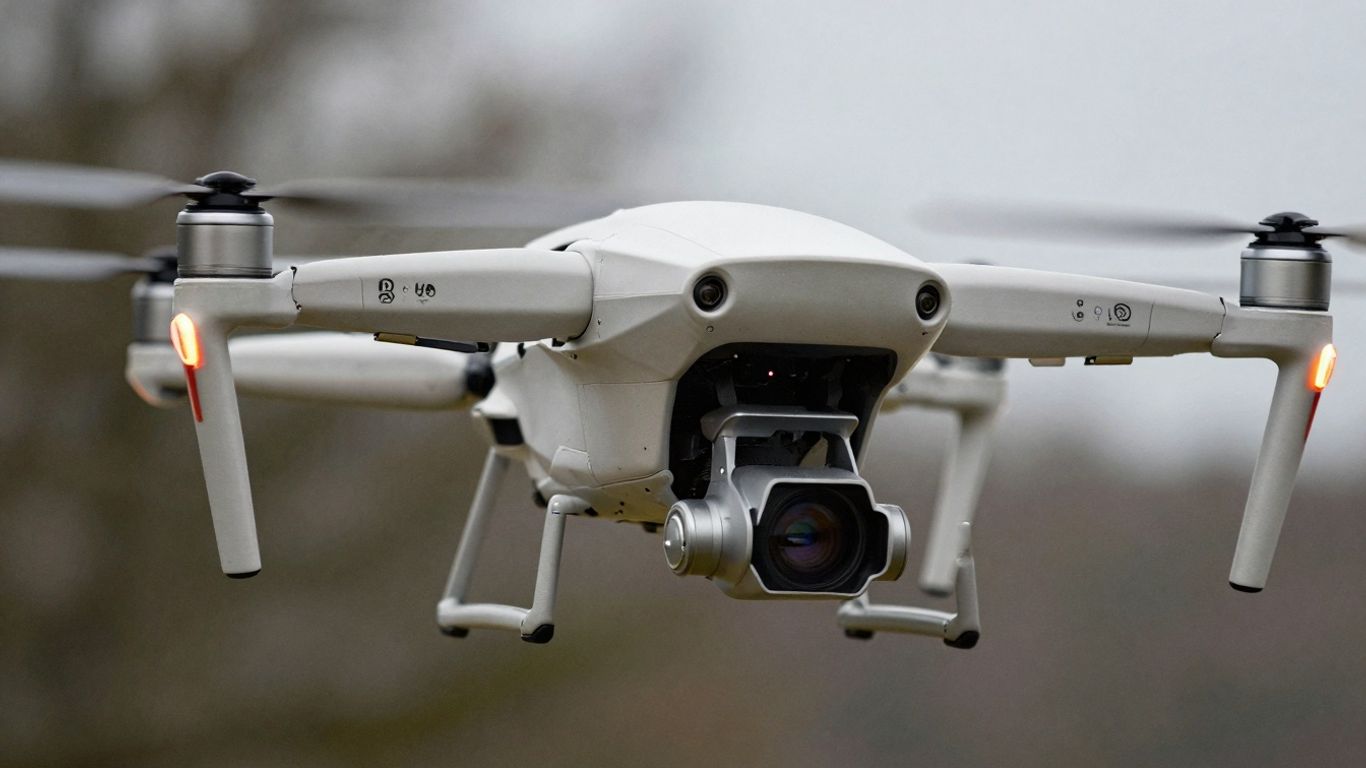
So, you’ve decided a thermal drone is the way to go. That’s awesome! But with so many options out there, picking the right one can feel a bit overwhelming. It’s not just about grabbing the first shiny drone you see; you’ve got to think about what you’ll actually be using it for. The best thermal drone for a firefighter might be totally different from what a farmer needs. Let’s break down what really matters.
Sensor Resolution And Image Quality
This is where the magic happens. The thermal sensor is the heart of the drone. You’ll see numbers like 320×256 or 640×512. Think of it like megapixels on a regular camera – higher numbers mean more detail. A 640×512 sensor will give you a much clearer picture, letting you spot smaller temperature differences from further away. This is super important if you’re doing detailed inspections or searching for tiny heat sources.
Image quality isn’t just about resolution, though. It’s also about how well the camera handles different temperatures and lighting. Some cameras are better at showing subtle gradations of heat, while others might struggle in really hot or cold conditions. You want a camera that gives you accurate readings and a visual representation that’s easy to interpret. For agricultural use, a drone like the P4 Multispectral offers a sophisticated system that integrates thermal data for detailed crop analysis.
Flight Time And Control Range
How long can this thing stay in the air? If you’ve got a big area to cover, like a large farm or a sprawling industrial site, you’ll want a drone with a decent flight time. Nobody wants to be constantly swapping batteries. Aim for at least 30 minutes, but more is always better if your budget allows.
Then there’s the control range. This is how far away you can fly the drone before the signal starts to get shaky. For most general purposes, a few kilometers is plenty. But if you’re operating in areas with a lot of interference or need to cover vast distances, you’ll want to look at drones with longer, more robust control ranges. Safety first, right?
Ease of Use And Ease of Deployment
Let’s be real, not everyone is a seasoned drone pilot. If you’re new to this, look for a drone that’s intuitive to fly. Many modern drones have features like automated takeoff and landing, and obstacle avoidance systems that make flying much less stressful. You want to focus on getting the thermal data, not wrestling with the controls.
Deployment is also a factor. How quickly can you get the drone out of its case and into the air? Some drones are super compact and fold up neatly, making them easy to transport. Others are larger and might require a bit more setup. Think about where you’ll be storing and transporting your drone.
Considering Visual Camera Capabilities
While the thermal camera is the star of the show, don’t forget about the regular visual camera. Many thermal drones come with a high-resolution visual camera too. This is incredibly useful because you can often overlay the thermal image onto the visual one. This helps you pinpoint exactly what’s causing the heat signature you’re seeing. For instance, if you see a hot spot on a roof, the visual camera can show you if it’s a faulty solar panel or just a patch of sunlight.
The combination of thermal and visual data provides a much richer picture than either could alone. It’s like having night vision and regular vision rolled into one, allowing for more precise identification and analysis of what you’re observing from above. This dual-camera approach is a game-changer for many applications.
Here’s a quick look at some common specs to compare:
| Feature | Entry-Level Example | Mid-Range Example | Professional Example |
|---|---|---|---|
| Thermal Resolution | 320×256 | 640×512 | 640×512+ |
| Flight Time | 25-30 minutes | 30-40 minutes | 40+ minutes |
| Visual Camera Resolution | 12MP | 48MP | 50MP+ |
| Control Range | 1-3 km | 5-7 km | 7+ km |
Advanced Features In Thermal Drones
Obstacle Avoidance Systems
Modern thermal drones aren’t just about seeing heat; they’re also getting smarter about how they fly. Many now come equipped with obstacle avoidance systems. Think of it like having eyes all around the drone. These systems use sensors to detect things like trees, buildings, or even power lines, and then they automatically steer the drone away from a crash. This is super helpful, especially when you’re flying in tricky environments like dense forests or busy urban areas. It means less worry about damaging the drone and more focus on getting the thermal data you need.
Radiometric Thermal Sensors
This is where things get really interesting for professionals. Not all thermal cameras are created equal. Some are "radiometric." What does that mean? It means the sensor doesn’t just show you where it’s hot or cold; it actually measures the exact temperature of every single pixel in the image. This is a big deal for things like industrial inspections or scientific research where precise temperature readings are important. You can get detailed reports showing temperature variations across a surface, which can help pinpoint problems like overheating equipment or insulation leaks.
AI-Powered Autonomy
Artificial intelligence is showing up in drones too, and it’s changing how they operate. AI-powered autonomy can help drones fly themselves more intelligently. For example, a drone could be programmed to automatically scan a specific area for heat signatures, or it could follow a person or vehicle autonomously. This frees up the pilot to concentrate on interpreting the thermal data rather than constantly controlling the drone’s flight path. It’s like having a co-pilot that’s really good at spotting things.
Modular Payload Systems
Some higher-end thermal drones are designed with modularity in mind. This means you can swap out different cameras or sensors depending on the mission. Need to do a quick visual inspection? Pop on a high-resolution regular camera. Need to find a heat source? Attach the thermal camera. This flexibility is great because it means one drone platform can be used for many different jobs. You’re not locked into just one type of sensor. It also means you can upgrade just the camera part as technology improves, without having to buy a whole new drone.
The integration of advanced features like AI and radiometric sensors is transforming thermal drones from simple heat-detecting tools into sophisticated data-gathering platforms. This evolution allows for more precise analysis and automated operations, making them indispensable for complex tasks across various fields.
Real-World Impact Of Thermal Drones
These heat-seeing drones are seriously changing how we do things, especially when time is super critical. Think about search and rescue missions. Before, finding someone lost in a thick forest or after a big disaster was a slow, tough job. Ground teams could only cover so much area, and helicopters needed good weather and daylight. Now, a thermal drone can fly over the same spot much faster, spotting a heat signature that would otherwise be completely hidden. This ability to see heat makes a massive difference in finding people quickly.
Transforming Search and Rescue Efficiency
It’s not just about speed, though. Thermal drones help rescue teams work smarter. They can scan large areas from above, identifying potential locations of missing individuals. This lets ground crews focus their efforts where they’re most likely to find someone, saving precious time and energy. They’re also great for spotting people in water, even at night, or finding survivors in collapsed buildings where visual searches are impossible. It’s like giving rescuers a superpower to see through darkness and debris.
Enhancing Public Safety Missions
Beyond just finding people, thermal drones are becoming a go-to tool for public safety. Firefighters use them to spot hidden hotspots in fires, preventing them from reigniting. Police departments use them for surveillance or to track suspects in low-light conditions. Inspectors can use them to check for heat leaks in buildings, which saves energy and money. The applications just keep growing as more people see what these drones can do. It’s a big step forward for keeping communities safe and managing resources better.
Driving Innovation Across Industries
It’s not just emergency services. Think about agriculture, where thermal drones can monitor crop health by detecting temperature differences that signal stress or disease. Or infrastructure checks, like inspecting power lines or solar farms for overheating components before they fail. This kind of proactive monitoring, made possible by thermal imaging technology, helps prevent bigger problems down the line and keeps essential services running smoothly. The data these drones collect is helping businesses and organizations operate more efficiently and safely than ever before.
Navigating Regulations For Thermal Drones
So, you’ve got your eye on a thermal imaging drone, ready to spot heat signatures from above. That’s awesome! But before you take off, let’s talk about the rules of the road, or rather, the sky. Flying drones, especially those with advanced capabilities like thermal cameras, isn’t quite as simple as just launching it from your backyard. There are regulations in place to keep things safe and orderly for everyone.
Understanding Flight Restrictions
One of the first things you’ll run into is understanding where you can and can’t fly. Most countries have specific rules about flying near airports, over crowds, or in restricted airspace. Thermal drones, because they can see heat, might also attract extra scrutiny in certain sensitive areas. It’s always a good idea to check with your local aviation authority before any flight. They usually have maps and guidelines available online. Always check the latest airspace advisories before you fly. Some drone manufacturers, like DJI, even have their own ‘Flysafe’ databases that can restrict flights in certain zones, sometimes requiring you to get their approval too, which can take a few days.
Drone Registration Requirements
If your drone weighs more than a certain amount (often 250 grams), you’ll likely need to register it. This applies to most thermal drones because they tend to be a bit heavier than basic recreational models. Registration helps authorities keep track of who is flying what. In the US, for instance, the FAA has specific requirements for drone registration. It’s a pretty straightforward process, usually done online, and it’s a necessary step for legal operation. You can find more details on drone registration requirements on the FAA’s website.
International Trade Considerations
Things get a little more complex if you’re looking to buy or sell drones across borders, or if you’re operating internationally. Some countries have restrictions on importing certain drone technologies, especially those with advanced sensors. For example, there have been discussions and changes regarding trade with Chinese drone manufacturers in the US, which could affect which drones are available. It’s worth keeping an eye on international trade news and specific country import/export laws if you plan on operating a thermal drone outside your home country. This can also impact the availability of certain models, so staying informed is key.
Flying a drone with a thermal camera can feel like having a superpower, but it comes with responsibilities. Understanding and adhering to regulations isn’t just about avoiding fines; it’s about ensuring the safety of people on the ground and in the air, and maintaining public trust in drone technology.
Wrapping Up
So, there you have it. These heat-seeing drones are pretty wild, aren’t they? They’re not just fancy toys; they’re actually helping people out in big ways, from finding lost folks to keeping an eye on buildings. It’s kind of amazing how much they can do, seeing things our eyes just can’t. While picking the right one might seem a bit much with all the options out there, the core idea is simple: they give us a new way to look at the world, especially when things get tough or dark. It’s definitely a technology worth keeping an eye on as it keeps getting better.
Frequently Asked Questions
How do thermal drones actually see heat?
Thermal drones have special cameras that can sense infrared light, which is a type of heat energy that our eyes can’t see. They turn this invisible heat into a colorful picture, like a map, showing where things are hotter or colder.
Can these drones see through things like smoke or fog?
Yes, thermal drones are great at seeing through things that block normal light, like smoke, fog, or even thick bushes. Because they’re looking for heat, they can still find something even if it’s hidden from view.
What are the most common uses for thermal drones?
They’re used a lot for finding lost people in difficult spots, checking for dangerous hot spots in fires, inspecting buildings for energy leaks, and even helping farmers keep an eye on their crops.
Is it hard to fly a thermal drone?
Many thermal drones are designed to be user-friendly, with smart controls and features that help you fly them safely and capture good pictures. Some even have systems that help them avoid bumping into things.
Do I need any special permission to fly a thermal drone?
Depending on where you live and what you plan to do, there might be rules about flying drones, especially those with thermal cameras. It’s always a good idea to check the local laws and any registration requirements.
Are thermal drones very expensive?
The cost can vary a lot. Simpler models for basic tasks might be more affordable, while professional-grade drones with advanced features and high-quality sensors can be quite an investment.