
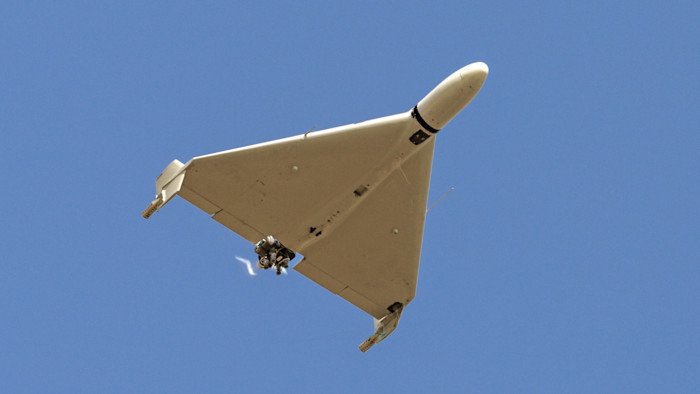
Iran’s Drones: What’s the Buzz?

You might have heard a distinctive buzzing sound lately, especially if you follow news from conflict zones. That buzz? It’s often Iran’s drones. These unmanned aerial vehicles, particularly the Shahed series, have become a big deal in modern fighting. They’re cheap, they can fly far, and they’re being used in ways that really change how battles are fought. From Ukraine to the Middle East, Iran’s drone program is making its presence known, and it’s something we need to pay attention to.
Key Takeaways
- Iran’s drones, like the Shahed, are a game-changer in modern warfare due to their low cost and effectiveness.
- These drones are being used in large numbers, often in swarms, to overwhelm enemy air defenses.
- Russia has acquired and is now producing its own versions of Iranian drones, significantly increasing their use in Ukraine.
- The Shahed drones are relatively slow but have a long range and carry a significant explosive payload, causing considerable damage.
- Iran uses drones not just for direct attacks but also to deplete enemy missile stockpiles and apply psychological pressure.
- While advanced air defenses can intercept some drones, cheaper, less protected targets are more vulnerable.
- Iran has exported drone technology to allies, leading to widespread proliferation and replication of its designs.
- The US is also developing its own versions of these drones, adapting Iranian designs for its own use.
The Rise Of Iran Drones In Modern Warfare
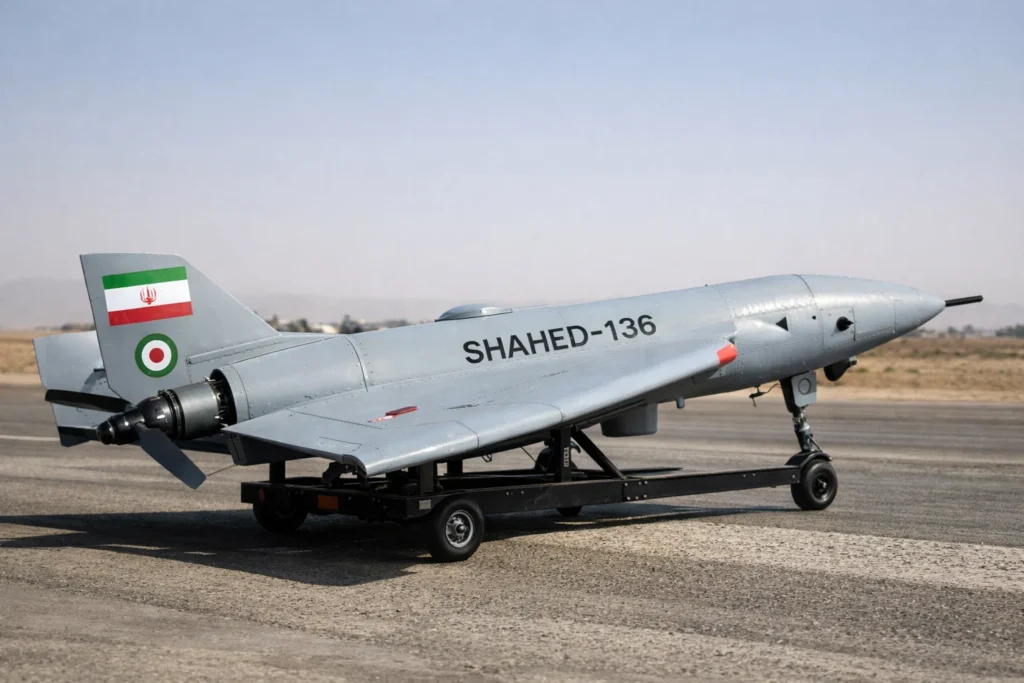
Distinctive Buzz Heard Across Conflict Zones
You know that sound? That low, persistent hum that’s become a bit too familiar in places like Ukraine and the Persian Gulf? That’s the sound of Iran’s drones, and it’s changing how wars are fought. For years, we’ve heard about high-tech jets and fancy missiles, but these relatively simple flying machines are making a huge impact. They’re not just a nuisance; they’re a serious tool in modern conflict.
Transformative Impact On Battlefield Tactics
These drones are really shaking things up on the battlefield. Think about it: instead of sending expensive planes or missiles that cost millions, you can send a swarm of these drones. They might not be as fast or as powerful individually as a cruise missile, but their sheer numbers and low cost mean they can do some serious damage. It’s a whole new way of thinking about military strategy.
Cost-Effectiveness Versus Traditional Missiles
Let’s talk numbers, because they really tell a story here. A single advanced missile can run into the millions of dollars. A drone like the Shahed? We’re talking tens of thousands, maybe even less. This massive price difference means countries can produce and deploy them in numbers that were previously unthinkable. It’s a game-changer for countries that might not have the same budget as superpowers.
Oversaturating Air Defenses With Swarms
One of the cleverest tricks these drones pull is overwhelming enemy defenses. Imagine trying to shoot down hundreds of incoming targets all at once. Even the best air defense systems can get swamped. By sending in large groups, or swarms, these drones can distract defenses, allowing other, perhaps more valuable, assets to get through or simply causing chaos and confusion.
Inflicting Damage At A Low Financial Cost
It’s pretty straightforward: you get a lot of bang for your buck. These drones are designed to be cheap to make and cheap to fly. This means that even if some get shot down, it doesn’t break the bank. The ability to inflict significant damage without a massive financial outlay is a huge strategic advantage.
Cheap But Effective Weaponry
Don’t let the low price fool you. These drones are proving to be incredibly effective. They can carry explosives, conduct surveillance, and hit targets with surprising accuracy. They’ve become a go-to weapon for nations looking for a reliable and affordable way to project power or defend themselves.
The Shahed Drone’s Growing Prominence
The Shahed drone, in particular, has become a symbol of this new era. You’ve probably heard about it. It’s become a workhorse, seen in conflicts from Ukraine to the Middle East. Its design has been copied and adapted, showing just how influential this one type of drone has become on the global stage. It represents a significant shift in how nations approach aerial warfare.
Iran Drones Debut In The Ukraine Conflict
A Familiar Sound In Ukrainian Skies
The distinctive buzz of Iranian-made drones has become a pretty common sound in Ukraine. After Russia’s initial push towards Kyiv didn’t go as planned, the conflict really settled into a long, drawn-out war of attrition. And drones, especially these Iranian ones, have played a big part in how that war is fought now. They’re not just a minor nuisance; they’ve seriously changed how battles play out on the ground.
War Of Attrition Shaped By Drones
When the fighting shifted from quick advances to grinding down the enemy, drones became way more important. Both sides started using them more, not just for scouting but for actual attacks. It’s a different kind of warfare than what we saw at the start of the invasion. Russia’s reliance on these drones has been a key factor in prolonging the conflict. It’s a constant back-and-forth, with drones adding a whole new layer to the strategy.
Longer-Range Strikes Into Enemy Territory
These aren’t just small drones buzzing around the front lines anymore. Both Russia and Ukraine have been using longer-range models to hit targets deep inside each other’s territory. This means no place feels entirely safe. It’s a way to pressure the enemy where they least expect it, stretching their defenses thin and causing damage far from the actual fighting.
Russia’s Deal With Tehran For Shahed Drones
Early on, Russia struck a deal with Iran to get its hands on the Shahed drones. These drones, which mean “witness” in Farsi, have proven to be quite effective. It’s a clear example of how countries can cooperate militarily, even when facing international scrutiny. This partnership has had a noticeable impact on the battlefield dynamics.
Localization Of Production By Russia
Russia didn’t just import the drones; they figured out how to make them themselves. They’ve been working on improving the design, making them fly higher and be tougher to jam. They’ve also managed to fit them with more powerful warheads, making them even more dangerous. It shows a real effort to adapt and build up their own drone capabilities.
Russian Variants Like The Geran
What we’re seeing now are Russian versions of the Shahed, often called “Geran” (or geranium). These aren’t exact copies, though. Russian engineers have tweaked them, and they’re being produced in larger numbers. It’s a smart move for Russia, allowing them to sustain a high tempo of drone attacks without relying solely on imports. You can find out more about counter-drone technologies from Ukrainian companies.
Increased Output From Tatarstan Plant
There’s a specific plant in Russia’s Tatarstan region that’s been ramped up to produce these Geran drones. The output has gone way up, meaning Russia can now launch hundreds of these drones in a single night. That’s a huge increase compared to earlier in the war. This mass production is a big deal for their strategy.
Battering Ukraine With Hundreds Of Drones
Launching so many drones at once is a tactic designed to overwhelm Ukraine’s air defenses. The idea is to saturate the skies, making it harder for Ukraine to shoot down every single one. It’s a war of attrition, and these drone barrages are a key part of Russia’s effort to wear down Ukrainian defenses and infrastructure. It’s a tough situation for Ukraine, facing such a constant barrage.
The sheer volume of these drone attacks presents a significant challenge. It forces defenders to expend resources rapidly and stretches their capabilities to the limit. The low cost of each drone, compared to the interceptors used against them, makes this a particularly difficult problem to solve economically.
Technological Advancements In Iran Drones
Improved Altitude Capabilities
Iran’s drone technology has seen some serious upgrades, especially when it comes to how high they can fly. Early models were pretty limited, but newer versions are pushing higher into the sky. This isn’t just about looking cool; it means they can fly over more terrain and potentially avoid some lower-level defenses. It’s a big step up from just skimming the treetops.
Enhanced Jamming Resistance
One of the biggest headaches for drone operators is electronic warfare – basically, jamming signals. Iran has been working on making its drones tougher to disrupt. They’re getting better at resisting attempts to block their communications or navigation signals. This makes them more reliable when they’re out on a mission, even in areas where the enemy is actively trying to mess with them.
Fitted With More Powerful Warheads
It’s not just about getting there; it’s about what happens when they arrive. Iran has been equipping its drones with more potent warheads. This means they can inflict more damage on their targets, whether it’s infrastructure or something else. It’s a simple but effective way to increase the punch of these relatively cheap weapons.
Persistent Surveillance And High-Precision Strikes
This is where things get really interesting. Drones are no longer just dumb bombs. They’re increasingly capable of persistent surveillance, meaning they can loiter over an area for a long time, gathering intel. When it’s time to strike, they’re also getting much better at hitting their targets with high precision. This combination is a game-changer on the battlefield.
Improved Targeting Systems
Linked to the point above, the targeting systems on these drones have gotten a significant upgrade. We’re talking about better cameras, more sophisticated sensors, and improved software that helps the drone identify and lock onto its target more accurately. This means fewer misses and more effective strikes.
Integration Of Artificial Intelligence
Artificial intelligence, or AI, is starting to creep into drone design. While we’re not talking about fully autonomous killer robots yet, AI can help drones make better decisions in flight, improve navigation, and even assist in target identification. It’s a complex area, but it’s definitely part of the advancement.
Ease Of Concealment And Deployment
One of the practical advantages of many Iranian drones, like the Shahed series, is how easy they are to hide and deploy. They aren’t massive aircraft; they can often be transported and launched from relatively simple setups, even something as basic as a truck. This makes them harder to track before they’re launched and allows for more flexible operations.
Surprise Factor In Scale Of Retaliation
When Iran has retaliated in the past, the scale and ferocity of its drone attacks have often caught observers by surprise. This isn’t just about the technology itself, but how it’s used. The ability to launch a large number of drones, coupled with their improved capabilities, can create a significant impact that adversaries might not have fully anticipated.
The combination of persistent surveillance, high-precision strikes, and increasingly sophisticated targeting systems, all powered by advancements in AI and resistance to jamming, is transforming how these drones operate. They’re becoming more effective, more reliable, and harder to counter, making them a significant factor in modern conflicts.
Strategic Deployment Of Iran Drones
Overwhelming Air Defenses With Numbers
Iran’s drone strategy often hinges on sheer volume. By launching swarms of drones, they aim to saturate enemy air defenses, making it incredibly difficult for interceptors to track and destroy every incoming threat. This tactic forces defenders to expend valuable resources, potentially leaving them vulnerable to other, more costly munitions. We’ve seen footage of Iran war drones video showing these mass launches, a clear indicator of this approach.
Distracting From More Expensive Munitions
When a barrage of drones fills the sky, it serves as a powerful diversion. While air defense systems are busy dealing with the drone swarm, more significant threats, like ballistic missiles, might slip through unnoticed. It’s a way to make defenders choose between stopping the immediate, numerous threat or preparing for a potentially more devastating one.
Targeting Softer Infrastructure
Drones, especially the Shahed variants, are effective against targets that aren’t heavily fortified. This can include power stations, communication hubs, or even military bases that lack advanced air defense coverage. The goal is often to disrupt essential services or degrade enemy capabilities without needing a direct, high-cost confrontation.
Imposing Terror And Psychological Pressure
Beyond the physical damage, the constant threat of drone attacks can have a significant psychological impact. The distinctive buzz of an approaching drone, especially at night, can create widespread fear and anxiety among civilian populations and military personnel alike. This pressure can be a tool to influence political decisions or sow discord.
Forcing Interceptor Stockpile Depletion
Every drone shot down requires an interceptor, whether it’s a missile from a fighter jet or a surface-to-air system. By launching large numbers of drones, Iran can systematically deplete an adversary’s stockpile of these expensive interceptors. This is a long-term strategy aimed at weakening an opponent’s defensive capacity over time. Reports suggest that Iran war drones destroyed in large numbers still put a strain on defensive resources.
Strategic Goal Of Ceasefire Negotiations
In some contexts, the sustained pressure from drone and missile attacks can be seen as a tactic to push adversaries towards the negotiating table. By demonstrating a persistent ability to inflict damage and disrupt operations, Iran might aim to create conditions more favorable for its diplomatic objectives, potentially seeking a ceasefire on terms it finds acceptable.
Sustaining Pressure Over Time
Iran’s ability to produce drones in large quantities allows for sustained offensive operations. Unlike more complex and expensive weapons systems, drones can be produced relatively quickly and in significant numbers. This allows for a continuous application of pressure, wearing down an opponent’s defenses and resolve.
Unknown Remaining Stockpile After Strikes
While Iran has been observed to mass-produce drones, the exact size of its remaining stockpile after facing counter-strikes is often unclear. This ambiguity itself can be a strategic advantage, making it difficult for adversaries to gauge the true extent of Iran’s offensive capabilities and plan accordingly.
Iran Drones In The Persian Gulf And Beyond
Strikes Following U.S. And Israeli Attacks
The distinctive buzz of Iranian-designed drones has become a familiar sound, not just in Ukraine, but increasingly across the Persian Gulf. Following recent attacks by the U.S. and Israel against Iran, Tehran has retaliated, unleashing a barrage of drones and missiles. These strikes have targeted multiple locations across Saudi Arabia, Bahrain, Kuwait, Qatar, and the United Arab Emirates. It’s a clear demonstration of Iran’s willingness to project power beyond its borders.
Barrage On Multiple Targets In The Gulf
These aren’t just isolated incidents. We’re talking about a coordinated barrage hitting various critical points. The targets have included U.S. bases, ports, airports, vital oil facilities, and even oil tankers. Some strikes have also hit high-rise buildings, showing a broad and indiscriminate approach.
Attacks On U.S. Bases And Infrastructure
U.S. military installations and related infrastructure have been directly targeted. This escalates tensions significantly, putting American personnel and assets in the region at risk. It’s a direct challenge to U.S. presence and interests in the Middle East.
Impact On Oil Facilities And Tankers
Given the region’s global importance, attacks on oil facilities and tankers are particularly concerning. Such actions can disrupt global energy markets, causing significant economic fallout far beyond the immediate conflict zone. The potential for widespread damage to these critical assets is a major worry.
Strikes On High-Rise Buildings
While drones are often associated with military targets, the inclusion of high-rise buildings in the target list is alarming. This raises serious questions about the precision and intent behind these attacks, potentially impacting civilian areas and increasing the risk of collateral damage.
Dealing With Ballistic Missiles And Drones
Air defense systems in the Gulf have been put to the test. Officials in Dubai, for instance, reported dealing with a massive number of threats, including ballistic missiles, cruise missiles, and a huge volume of Iranian drones. Intercepting such a mixed and numerous aerial assault is a significant challenge.
Debris Sparking Fires In Iconic Locations
Even when intercepted, the debris from these weapons can cause problems. Reports from Dubai mention that downed drones and missiles sparked fires in some of the city’s well-known landmarks. While defenses may succeed in stopping the main threat, the aftermath can still be destructive.
Reaching Distant Military Bases
Some of these drones have demonstrated an impressive reach. Reports indicate Iranian drones have flown as far as a U.K. military base in Cyprus. This shows the extended operational range of these weapons and the widening scope of potential targets, stretching defenses thin across a vast area.
The sheer volume of attacks, combining drones and ballistic missiles, aims to overwhelm sophisticated air defense networks. This strategy forces defenders to expend valuable interceptor munitions, potentially depleting stockpiles and creating openings for subsequent, more damaging strikes. It’s a tactic designed to strain resources and create a persistent state of alert and vulnerability.
The Shahed Drone’s Characteristics
Dubbed ‘Mopeds’ For Distinctive Buzz
You know that sound? That sort of droning buzz that’s been heard more and more lately? Yeah, that’s often the Shahed drone. People have even nicknamed them ‘mopeds’ because of that distinctive noise they make as they fly. It’s a sound that’s become pretty familiar, especially in places like Ukraine and the Persian Gulf.
Slow Flight Speed At 180 KPH
These aren’t exactly speed demons. The Shahed-136 drone, for instance, cruises along at about 180 kilometers per hour. That’s not super fast, especially when you think about how quickly other aircraft can move. But this slower speed has its advantages, making them harder to spot on radar sometimes.
Long Range Of 2,000 Kilometers
What they lack in speed, they make up for in reach. The Shahed drones boast an impressive range, capable of traveling up to 2,000 kilometers. This means they can cover a lot of ground, striking targets far from their launch point. It’s a big deal for projecting power without needing to get too close.
Carrying A Significant Explosive Payload
Don’t let the size fool you; these drones pack a punch. They can carry a substantial explosive payload, enough to cause serious damage. This makes them a real threat, not just a nuisance.
Explosives Detonate On Impact
When a Shahed drone hits its target, the explosives go off right away. There’s no complex detonation sequence; it’s a direct impact and boom. This straightforward design contributes to their effectiveness in causing immediate destruction.
Causing Significant Damage
Combined, the payload and the impact mean these drones can inflict significant damage. We’ve seen them used against infrastructure, and the results can be quite devastating. It’s a low-cost way to hit hard.
Used To Target Densely Populated Cities
Unfortunately, these drones have been used to target areas where people live, like cities. This is a grim aspect of their deployment, aiming to cause widespread disruption and fear.
Effective Against Power Stations
Another common target has been power stations and other critical infrastructure. Their ability to carry a decent explosive charge makes them effective at taking down these kinds of facilities, leading to widespread outages.
How many Shahed drones does Iran have? That’s a question many are asking, and the exact number is hard to pin down. Iran has produced tens of thousands of these drones, and they’ve also been exported to allies. It’s a massive inventory that makes them a persistent threat. The U.S. military has even deployed its own versions, like the Shahed-238, which are jet-powered and have advanced guidance systems, showing how influential the original design has become.
| Characteristic | Detail |
|---|---|
| Speed | Approx. 180 KPH |
| Range | Up to 2,000 km |
| Payload | Significant explosive charge |
| Detonation | On impact |
| Primary Targets | Infrastructure, populated areas |
The Shahed drone represents a shift in warfare, offering a way to project force at a fraction of the cost of traditional missiles. Their sheer numbers and ability to saturate defenses mean even a ‘cheap’ weapon can have a strategic impact.
Defensive Responses To Iran Drones
Dealing with Iran’s drone swarm tactics presents a real headache for modern militaries. It’s not just about having fancy, state-of-the-art air defense systems, though those are definitely part of the picture. The sheer number of drones launched in a single wave can overwhelm even the best defenses, forcing them to make tough choices about what to prioritize.
State-Of-The-Art Air Defense Assets
Top-tier systems, often developed by countries like the U.S. and Israel, are designed to intercept a wide range of aerial threats, including missiles and drones. These advanced platforms use sophisticated radar and tracking technology to identify and engage incoming targets. However, their effectiveness can be strained when faced with a massive, coordinated drone attack. While they might successfully take down many drones, the sheer volume can still allow some to slip through, hitting softer targets that might not have the same level of protection.
Efficiency In Intercepting Missiles
These advanced air defense assets have shown a good track record against ballistic missiles. The precision and speed required to take down a missile are different from dealing with a slower, more numerous drone swarm. This means that while defenses might be robust against one type of threat, they can be less effective against another, especially when the enemy mixes tactics.
Challenges Against Large Numbers Of Drones
The core challenge is the overwhelming quantity. Imagine trying to catch hundreds of fast-moving insects all at once – it’s incredibly difficult. Iran’s strategy often involves saturating an area with drones, making it nearly impossible for air defense units to track and destroy every single one. This tactic aims to deplete interceptor stockpiles and cause damage through sheer persistence. It’s a strategy that forces defenders to constantly adapt and rethink their approach to air defense.
Ukraine’s Low-Cost Countermeasures
Looking at the conflict in Ukraine offers some insights. Defenders there have found that relying solely on expensive Western missiles for every drone isn’t sustainable. Instead, they’ve turned to more economical methods. Mobile teams equipped with machine guns can be effective against lower-flying drones, especially when deployed in large numbers. This approach conserves more valuable munitions for higher-priority threats.
Mobile Teams With Machine Guns
This is a practical, on-the-ground tactic. Think of it like a rapid response unit. When a drone is spotted, these teams can quickly engage it with conventional firearms. It’s not as high-tech as a missile defense system, but it’s a lot cheaper and can be quite effective against certain types of drones, especially in less defended areas or when used in conjunction with other methods.
Development Of Interceptor Drones
Another innovative approach is using drones to fight drones. This involves developing specialized interceptor drones that can track and disable or destroy enemy drones. It’s a bit like a dogfight in the sky, but with unmanned aircraft. This technology is still evolving, but it offers a potentially scalable and cost-effective way to counter drone swarms.
Straining Defensive Capabilities
Ultimately, the constant barrage of drone attacks puts a significant strain on any defense system. It requires continuous vigilance, rapid response, and a constant supply of interceptors. The psychological pressure on defenders is also immense. The goal for attackers is often to wear down the defenders, both materially and mentally.
The experience gained in conflicts like the one in Ukraine is invaluable. Military planners are looking closely at how different nations have adapted their defenses and are working to incorporate these lessons into their own strategies. This includes not just the technology but also the tactics, training, and operational procedures needed to effectively counter drone threats.
International Reactions To Iran Drones
U.S. And Israeli Air Defense Interceptions
When Iran launched its recent wave of attacks, the United States and Israel were ready with some pretty advanced air defense systems. These systems did a decent job, managing to shoot down most of the ballistic missiles aimed at Israel. It’s impressive, really, how much firepower they can stop. But here’s the thing: those cheaper, swarming drones? They presented a different kind of challenge. Because they came in such large numbers, and targeted areas that didn’t have the same heavy-duty protection, some of them managed to get through and cause damage. It’s a bit like trying to catch every single raindrop in a storm – some are bound to slip past.
Concerns Over Soft Target Vulnerabilities
This whole drone situation has really highlighted where some defenses might be a bit weaker. While the big, expensive missiles get a lot of attention and are met with equally sophisticated defenses, the low-cost drones can exploit gaps. Think about it: these drones are relatively slow, but they can be packed with explosives and sent in waves. They’re not necessarily aiming for the most heavily fortified military bases, but rather softer targets that are easier to hit and can cause significant disruption or fear. It’s a tactical shift that defense planners are now having to seriously consider.
Observers Tapping Ukrainian Experience
Lots of folks watching this unfold have pointed to Ukraine. You know, with Russia using a lot of drones against them, Ukraine has gotten pretty good at figuring out how to deal with them. So, the thinking is, why not share that knowledge? The U.S. and its allies are looking at what Ukraine has learned, trying to apply those lessons to their own defense strategies. It’s a smart move, really – why reinvent the wheel when someone else has already figured out how to deal with a similar problem?
Calls For Institutionalizing Defensive Lessons
Following on from that idea of learning from Ukraine, there’s a strong push to make sure these lessons aren’t just forgotten. People in defense circles are saying we need to formally incorporate what we’ve learned about drone defense into our military planning and training. It’s not enough to just react; we need to build these defenses and tactics into the system so we’re better prepared for whatever comes next. It’s about making sure that the hard-won experience from places like Ukraine translates into real, lasting improvements in how we protect ourselves.
Potential Degradation Of Drone Capabilities
There’s a hope among some observers that the sheer effort and resources put into intercepting Iran’s drone and missile attacks might actually degrade Iran’s ability to launch them effectively over time. The idea is that by forcing Iran to expend its assets and by potentially striking at its production or launch sites, its offensive capability could be weakened. It’s a bit of a waiting game, trying to see if the pressure applied can truly diminish the threat.
Hopes To Take Steam Out Of Attacks
This ties into the previous point. The U.S. and Israeli forces are calculating that by intercepting a large percentage of the incoming threats and potentially disrupting supply lines or production, they can reduce the intensity and effectiveness of Iran’s drone attacks. It’s about trying to blunt the edge of the offensive, making it less impactful and perhaps less sustainable for Iran in the long run. They’re hoping to ‘take the steam out’ of the attacks, as one expert put it.
Military Pressure Persisting
Despite the challenges, the military pressure on Iran isn’t letting up. Both the U.S. and Israel are continuing their efforts to counter Iran’s drone and missile programs. This includes not just intercepting attacks but also taking actions to degrade Iran’s capabilities. It’s a sustained effort, aiming to make it harder for Iran to conduct these kinds of operations.
Struggling To Sustain Attacks
There are indications that Iran might be finding it difficult to keep up the same pace and scale of drone and missile attacks. Reports suggest that the number of launches has fallen significantly since the initial days of heightened conflict. This could be due to a number of factors, including the effectiveness of defensive measures, potential damage to Iran’s own infrastructure, or limitations in their production and supply chains. It suggests that while the threat is still present, its sustainability might be a challenge for Iran.
Iran’s Drone Export And Replication
It seems like Iran’s drone game has really taken off, and not just for their own use. They’ve been sending their designs out to allies, and guess what? Russia is now building its own versions of these drones. It’s kind of wild to think about, but these Iranian-made drones have proven to be pretty effective in conflicts, which is why other countries are looking to get their hands on them or even copy them.
Export To Allies Like Russia
Iran has been quite active in sharing its drone technology with countries that align with its interests. Russia, in particular, has become a major recipient, especially given the ongoing conflict in Ukraine. This partnership has allowed Russia to bolster its aerial capabilities without having to develop everything from scratch. It’s a strategic move for both nations, strengthening their military ties and operational capacity.
Russia Producing Own Variants
Following the initial acquisition of Iranian drones, Russia didn’t just stop at using them. They’ve gone ahead and started producing their own versions. This process involves taking the original Iranian design and tweaking it, often to improve performance or adapt it to Russian operational needs. Think of it like getting a great recipe and then adding your own secret ingredients.
Based On Iranian Design
It’s important to note that these Russian-made drones aren’t entirely new creations. They are fundamentally based on the Iranian blueprints, particularly the well-known Shahed series. This means the core technology and flight characteristics are inherited, but with modifications that reflect Russian engineering and battlefield experience.
Proven Highly Effective In Conflicts
The reason for this widespread interest and replication is simple: these drones work. They’ve shown their worth in various combat scenarios, demonstrating a capability to inflict damage and disrupt enemy operations effectively. This track record makes them a very attractive option for military planners.
US Developing Own Versions
Interestingly, the effectiveness of Iranian drones hasn’t gone unnoticed by adversaries either. The United States, for instance, has developed its own drone programs inspired by the Iranian models. This is a bit of a tit-for-tat situation, where the success of one nation’s technology prompts rivals to create their own countermeasures or equivalents.
Lucas Drone As A Counterpart
One example of this is the US drone program, which has been seen as a direct response. These new systems are designed to compete with or even surpass the capabilities of the Iranian drones, reflecting a technological arms race.
US Making Iranian Design Better
Reports suggest that the US hasn’t just copied the design; they’ve aimed to improve upon it. By incorporating their own technological advancements and battlefield insights, they’re looking to create a superior product. It’s a competitive process where each side tries to outdo the other.
Firing Back At Iran With Modified Drones
In a rather direct turn of events, these US-developed drones, which are based on Iranian designs but improved, have reportedly been used in operations that could be seen as targeting Iranian interests. It’s a complex situation where technology developed by one nation, inspired by another, is then used against the original developer or their allies. It really highlights how quickly technology can spread and evolve in the military sphere.
The Scale And Frequency Of Iran Drone Attacks
Launched More Than 2,000 Low-Cost Drones
It’s pretty wild to think about, but Iran has reportedly launched over 2,000 of these low-cost drones. The idea behind sending so many at once is to really overwhelm the enemy’s air defenses and just create a general sense of chaos. It’s a tactic that’s been seen quite a bit, especially in conflicts where one side has a significant advantage in traditional weaponry. This sheer volume is a key part of their strategy.
Overwhelming Defenses And Sparking Chaos
When you’re talking about hundreds of drones buzzing through the sky, it’s bound to cause some serious disruption. Air defense systems, even the really advanced ones, can only track and intercept so many targets at once. This tactic forces them to spread their resources thin, potentially leaving other areas or more valuable targets vulnerable. It’s a bit like trying to catch a swarm of bees with a single net – incredibly difficult.
Deadliest Strike On US Forces
One of the most sobering examples of the impact these drones can have was a strike on a U.S. base in Kuwait. It was a devastating attack that resulted in the deaths of six U.S. troops. This incident really highlights the serious threat that even seemingly low-cost drone technology can pose to well-defended military installations. It’s a stark reminder that the battlefield is constantly changing.
Six US Troops Killed In Kuwait Attack
As mentioned, the attack in Kuwait was particularly tragic. It wasn’t just a minor incident; it was the deadliest drone strike against U.S. forces up to that point. This event underscored the need for constant vigilance and adaptation in military defense strategies, especially when facing threats from unconventional sources like drone swarms. The cost of these drones, which can be around $20,000 to $50,000 each, makes them an attractive option for attackers looking to inflict significant damage without breaking the bank. You can find more details on drone costs.
Number Of Drones Launched Has Fallen
Interestingly, reports suggest that the number of drones Iran has been launching has actually decreased significantly since the initial fighting began. One admiral noted an 83% drop in drone launches compared to the first day of the conflict. This kind of fluctuation can happen for a number of reasons, including supply issues, strategic shifts, or pressure from opposing forces.
Significant Decrease Since Fighting Began
This decrease is quite notable. It suggests that Iran might be struggling to maintain the same pace of attacks. Factors like depleted stockpiles or successful interdictions by adversaries could be contributing to this reduction. It’s a dynamic situation, and the frequency of attacks can change based on the ongoing military and political landscape.
Use Of Ballistic Missiles Also Down
It’s not just the drones; the use of ballistic missiles has also seen a substantial drop, reportedly down by 90%. This combined reduction in both drone and missile launches points towards a potential strain on Iran’s offensive capabilities. Maintaining a high tempo of operations involving such a variety of weapons systems requires significant resources and logistical support.
Struggling To Sustain Missile And Drone Attacks
Putting it all together, the evidence points to Iran facing difficulties in sustaining its missile and drone attacks at the levels seen earlier in the conflict. As military pressure from the U.S. and its allies continues, it’s likely to become even harder for Iran to keep up these operations. This ongoing pressure could be a key factor in shaping the future trajectory of the conflict and Iran’s military actions.
Iran’s Drone Production And Capabilities
When we talk about Iran’s drone program, it’s easy to get lost in the headlines, but there’s a lot going on behind the scenes. Iran has been busy building up its drone fleet, and it’s not just a few hobby projects. We’re talking about serious production, with footage showing drones lined up in what look like underground facilities. The Islamic Revolutionary Guard Corps is heavily involved, and they’ve apparently mass-produced tens of thousands of Shahed drones.
It’s hard to pin down the exact Iran drone technology ranking, but their output is significant. The big question is how many of these are still ready to go after recent strikes. Some reports suggest a drop in the number of drones being launched, but Iran is also known for its ability to adapt and increase output. They’ve got localized production facilities now, which means they can keep churning them out even under pressure.
Footage Of Drones In Underground Bunkers
Visuals have emerged showing large numbers of drones stored in what appear to be underground bunkers. While the exact timing of this footage isn’t always clear, it points to a deliberate strategy of protecting and storing these assets. This method of concealment makes it harder for adversaries to target their drone stockpiles effectively.
Islamic Revolutionary Guard Corps Affiliation
The IRGC’s direct involvement signifies the strategic importance Iran places on its drone program. This affiliation suggests that drone development and deployment are integrated into Iran’s broader military and security objectives, not just a side project.
Mass-Produced Tens Of Thousands Of Shahed Drones
The sheer scale of production is a key factor. Manufacturing tens of thousands of Shahed drones means Iran can afford to use them in large numbers, overwhelming defenses or conducting sustained campaigns. This mass production capability is a significant aspect of their military strength.
Unknown Remaining Stockpile After Strikes
Following retaliatory strikes on Iran, the exact size of their remaining drone stockpile is a subject of speculation. While production is ongoing, the impact of these attacks on their available assets is a critical unknown that influences future operational capacity.
Potential For Exponential Output Increase
Iran’s ability to ramp up production, especially with localized facilities, presents a potential threat. If needed, they might be able to significantly increase their drone output, making it difficult for opponents to keep pace with the supply.
Localized Production Facilities
Having production capabilities spread across different locations reduces vulnerability. It means that even if one facility is targeted, others can continue to operate, ensuring a steady supply of drones for various operations. This is a smart move for maintaining operational readiness.
Adapting Designs For Enhanced Performance
Iran isn’t just churning out old designs. They are actively adapting and improving their drones, incorporating lessons learned from conflicts. This continuous development means their drones are likely becoming more capable over time, posing a persistent challenge.
Continuous Development Of Drone Technology
This ongoing evolution is perhaps the most concerning aspect. It suggests a long-term commitment to drone warfare, with research and development efforts focused on staying ahead. The goal is to keep their drone technology competitive and effective on the modern battlefield.
The Economic And Strategic Value Of Iran Drones
Tens Of Thousands Of Dollars Per Unit
When you look at the price tag, it’s pretty wild. We’re talking about drones that cost maybe a few tens of thousands of dollars each. Compare that to a ballistic missile, which can run into the millions, and you start to see the appeal. This affordability is a game-changer for Iran’s military strategy. It means they can field a lot more of these things without breaking the bank.
A Tiny Fraction Of Ballistic Missile Cost
It’s not just about being cheap; it’s about being significantly cheaper. The cost difference between a drone and a traditional missile is enormous. This allows Iran to conduct operations that would be financially impossible with more expensive weaponry. Think about it: you can launch dozens, even hundreds, of drones for the price of one missile.
Available In Large Numbers
Because they’re so inexpensive to produce, Iran can make them in huge quantities. We’re talking about tens of thousands, possibly more. This sheer volume is a strategic advantage in itself. It means they can sustain operations over longer periods and overwhelm defenses through sheer numbers.
Low Cost Per Strike
This affordability translates directly into a low cost per successful strike. Even if some drones are shot down, the ones that get through inflict damage at a fraction of the cost of other methods. It’s a way to maximize impact while minimizing financial outlay.
Strategic Advantage Through Affordability
The economic model behind Iran’s drone program is simple: mass production of low-cost, effective weapons. This allows them to project power and influence without the massive financial burden associated with conventional advanced military hardware. It’s a smart way to level the playing field.
Sustained Offensive Capability
Having a large number of cheap drones means Iran can maintain offensive pressure for extended durations. They don’t have to worry as much about depleting a limited, expensive arsenal. This sustained capability can wear down an adversary over time.
Economic Pressure On Adversaries
By using these drones, Iran can also put economic pressure on its opponents. Forcing adversaries to spend significant resources on air defense systems to counter cheap drones can strain their budgets. It’s a form of asymmetric warfare where Iran uses its economic advantages to counter a technologically superior foe.
Maximizing Impact With Minimal Investment
Ultimately, Iran’s drone program is about getting the most bang for its buck. They’ve figured out how to create a weapon system that is effective, can be produced in large numbers, and is incredibly cost-efficient. This allows them to achieve strategic objectives that might otherwise be out of reach.
Iran Drones’ Impact On Global Security
Shifting Dynamics Of Modern Warfare
The way wars are fought is changing, and Iran’s drones are a big part of that. They offer a way for countries with fewer resources to challenge bigger military powers. It’s like a whole new game is being played on the battlefield, and everyone’s trying to figure out the new rules. These drones are making traditional defenses work much harder.
New Challenges For Air Defense Systems
Air defense systems, the fancy radar and missile setups designed to shoot down incoming threats, are really being tested. When you have a lot of cheap drones coming at you, it’s not just about having good technology; it’s about having enough of it. It’s like trying to catch a swarm of gnats with a fly swatter – difficult, even if the swatter is top-notch. Ukraine’s experience fighting off waves of Russian drones, often using simpler methods, is now being studied by others.
Proliferation Of Drone Technology
Iran isn’t keeping its drone know-how a secret. They’re sharing designs and technology with allies, and other countries are starting to build their own versions. This means more actors on the world stage have access to these kinds of weapons, which can make regional conflicts more complicated and potentially more dangerous.
Potential For Asymmetric Warfare
This is where smaller, less powerful forces can use clever tactics and technology, like drones, to go up against much stronger opponents. It levels the playing field a bit, allowing for surprising attacks that can cause significant disruption without the massive cost of traditional military hardware. Think of it as a David and Goliath situation, but with drones instead of a slingshot.
Regional Instability Fueled By Drone Use
When drones are used in conflicts, especially in already tense regions like the Middle East or Eastern Europe, it can really stir the pot. Attacks on infrastructure or military targets, even if they don’t cause massive casualties, can escalate tensions and make it harder to find peaceful solutions. It adds another layer of unpredictability to already volatile situations.
Escalation Risks In Conflicts
Using drones can sometimes lead to bigger fights. If one side feels threatened or pushed too far by drone attacks, they might respond with more powerful weapons, potentially drawing in other countries or widening the conflict. It’s a delicate balance, and drone use can easily tip it the wrong way.
Need For International Cooperation
Because drones are becoming so widespread and can be used in so many ways, countries need to work together. Sharing information about drone threats, developing common strategies for defense, and discussing rules for drone warfare are becoming more important. It’s a global issue that needs global solutions.
Adapting Military Strategies To Drone Threats
Military planners everywhere are having to rethink their strategies. They can’t just rely on old ways of doing things. They need to figure out how to defend against drone swarms, how to use drones themselves effectively, and how to counter the asymmetric advantage they provide. It’s a constant race to keep up with the technology and its uses.
The widespread availability and effectiveness of low-cost drones present a significant challenge to established military doctrines. Nations are compelled to re-evaluate their defense postures, invest in new counter-drone technologies, and adapt their operational plans to account for this evolving threat landscape. The economic advantage offered by drones means their proliferation is likely to continue, demanding ongoing innovation in both offensive and defensive capabilities.
Iran Drones: A Persistent Threat
It feels like you hear about Iran’s drones everywhere these days, doesn’t it? From the skies over Ukraine to the Persian Gulf, their distinctive buzz has become a familiar sound in modern conflicts. These aren’t just some fly-by-night gadgets; they’re a serious part of Iran’s military strategy, and frankly, they’re proving to be a real headache for a lot of countries.
Familiar Sound in Ukraine and the Gulf
Whether it’s the ongoing war in Ukraine or tensions flaring up in the Gulf region, Iran’s unmanned aerial vehicles (UAVs) are frequently involved. They’ve shown up in places like Saudi Arabia, Bahrain, and even near U.S. bases. It’s like they’ve got a global reach now, which is pretty concerning when you think about it. The sheer number of these drones being deployed is a major factor in their effectiveness.
Cheap Yet Devastating Weaponry
One of the biggest reasons Iran’s drones are so persistent is their cost. We’re talking about units that cost tens of thousands of dollars, which is a tiny fraction compared to traditional missiles. This affordability means Iran can produce and deploy them in large numbers, making them a strategic advantage. They can inflict significant damage without breaking the bank, which is a tough problem to solve for adversaries.
Adaptable and Evolving Designs
These aren’t static weapons. Iran has been busy improving its drone designs. We’re seeing better altitude capabilities, enhanced resistance to jamming, and even more powerful warheads. They’re also getting better at persistent surveillance and high-precision strikes, sometimes fitted with improved targeting systems and even hints of artificial intelligence. Plus, they’re designed to be easily concealed and deployed, adding a surprise factor.
Strategic Use to Overwhelm Defenses
Iran often uses its drones in swarms, and there’s a method to this madness. The idea is to overwhelm enemy air defenses with sheer numbers. This can distract defenses from more expensive munitions or simply deplete interceptor stockpiles. It’s a smart, albeit disruptive, tactic that forces defenders to constantly scramble.
Psychological Impact on Adversaries
Beyond the physical damage, there’s a significant psychological element. The constant threat and the sound of these drones can create a sense of unease and terror. This pressure is a deliberate part of Iran’s strategy, aiming to influence decision-making and potentially push for outcomes like ceasefires. It’s a way to impose pressure over time, even if the immediate physical damage isn’t always catastrophic.
Long-Range Capabilities Demonstrated
Don’t let the low cost fool you; these drones have impressive range. The Shahed series, for example, can travel up to 2,000 kilometers. This means they can reach targets far beyond Iran’s borders, impacting regions like Ukraine and the Persian Gulf. This long reach is a key part of their strategic value.
Continued Export and Replication
Iran isn’t just using these drones; it’s exporting them. Allies like Russia have acquired them and even started producing their own variants, often based on Iranian designs. This proliferation means the threat isn’t contained to just one region. It’s a global issue, and it’s something that U.S. defense planners are watching closely.
A Key Component of Iran’s Military Strategy
All in all, Iran’s drones are more than just weapons; they’re a strategic enabler. They extend Iran’s reach, provide asymmetric warfare capabilities, and act as a deterrent. They allow Iran to achieve objectives at a lower cost and with greater flexibility than traditional military options. It’s clear that these UAVs are a central pillar of Iran’s national security and military planning for the foreseeable future.
The Evolution Of Iran’s Drone Program
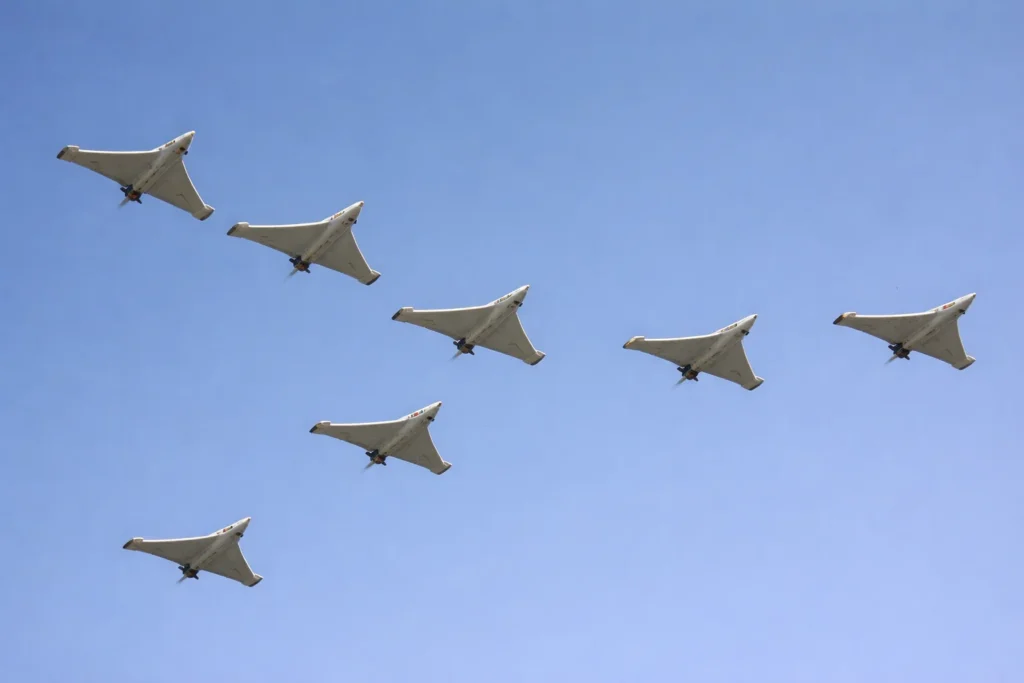
From Early Designs to Advanced Models
Iran’s journey with drone technology didn’t happen overnight. It’s been a steady climb, starting with simpler designs and gradually moving towards more sophisticated models. Think of it like going from a basic bicycle to a high-performance motorcycle – the core idea is the same, but the capabilities are vastly different. This evolution is a testament to their persistent focus on developing asymmetric warfare tools.
Continuous Improvement in Performance
What’s really interesting is how Iran keeps tweaking and improving these drones. They aren’t just churning out the same old models. Each iteration seems to get a bit faster, a bit more accurate, or able to carry a heavier payload. It’s a constant cycle of refinement, driven by battlefield feedback and a desire to stay ahead.
Integration of New Technologies
We’re seeing Iran incorporate newer tech into their drones. This includes things like better navigation systems and improved communication links. They’re also looking at how to make them more resistant to jamming, which is a big deal when you’re trying to operate in contested airspace. It’s about making sure their drones can do the job even when facing electronic countermeasures.
Adapting to Battlefield Feedback
One of the smartest things Iran has done is listen to what works and what doesn’t on the actual battlefield. Drones used in conflicts like the one in Ukraine have provided a real-world testing ground. Lessons learned from these engagements are then fed back into the design process. This practical approach means their drones are becoming more effective in real combat scenarios, not just on paper. It’s a pragmatic way to build better weapons, and it’s why they’ve become such a talking point. The ability to adapt quickly is key in modern conflict, and Iran seems to be doing just that.
Focus on Mass Production
It’s not just about having a few fancy drones; it’s about having a lot of them. Iran has put a significant effort into scaling up production. We’ve seen footage suggesting they can produce tens of thousands of drones, often stored in underground facilities. This mass production capability is what allows them to overwhelm defenses and sustain attacks over time. It’s a strategy that relies on sheer numbers as much as technological sophistication. This focus on quantity is a major part of their drone export and replication strategy.
Development of Specialized Variants
Iran isn’t just making one type of drone. They’re developing specialized versions for different tasks. Some might be better for long-range strikes, others for surveillance, and some are likely optimized for carrying specific types of warheads. This specialization allows them to tailor their drone arsenal to specific mission requirements, making them a more versatile threat.
Research and Development Efforts
Behind the scenes, there’s a lot of research and development happening. Iran is investing in its capabilities, looking for ways to improve existing designs and create entirely new ones. This ongoing R&D is what keeps their drone program evolving and prevents it from becoming stagnant. It’s a long-term play to maintain a technological edge in a rapidly changing military landscape.
Maintaining a Technological Edge
Ultimately, Iran’s goal is to keep its drone technology competitive. They’re not just reacting; they’re actively trying to anticipate future needs and threats. This proactive approach, combined with their ability to adapt and mass-produce, makes their drone program a significant factor in regional and global security discussions. It’s a complex picture, but the evolution is undeniable. A Phoenix startup even managed to reverse-engineer an Iranian drone, showing just how much attention their designs are getting. This breakthrough happened in just eight months, highlighting the rapid pace of technological development in this area.
Iran Drones And International Law
When we talk about Iran’s drones, it’s not just about the tech or the battlefield. There are some pretty big questions about how they fit into the whole international law picture. It gets complicated fast, especially when these drones are used in conflicts where Iran isn’t directly involved but supports one side.
Questions Of Accountability
Figuring out who’s responsible when a drone is used in a conflict zone can be a real headache. International law has rules about warfare, but applying them to drone strikes, especially when they’re carried out by proxies, is tough. It’s not always clear-cut who gave the order or who should be held accountable if things go wrong, like hitting civilian areas.
Use In Proxy Conflicts
Iran has been known to supply drones to various groups in the Middle East. This means that when these drones are used, it raises questions about Iran’s role and responsibility. Are they just suppliers, or are they more involved? International bodies struggle to draw a clear line.
Impact On Civilian Populations
One of the biggest concerns is how these drones affect people who aren’t fighting. When drones are used to target areas with lots of people, or if they miss their intended targets, civilians can get hurt or killed. This brings up serious issues under international humanitarian law, which aims to protect non-combatants during conflicts.
Debates On Drone Warfare Ethics
Beyond the legal aspects, there are ongoing ethical debates about using drones in warfare. Some argue that drones make war too easy, or that they reduce the perceived risk for the side using them. Others point out that they can be more precise than older weapons, potentially reducing civilian casualties if used correctly. It’s a tricky balance.
Challenges In Attribution
Pinpointing exactly who launched a drone attack can be difficult. Iran’s use of drones, sometimes through intermediaries, makes it hard for other countries to definitively say who is responsible. This lack of clear attribution can make it harder to enforce international rules or seek justice.
Enforcement Of Arms Control
There are international agreements and sanctions aimed at controlling the spread of weapons, including drones. However, enforcing these controls, especially when dealing with a country like Iran that has a significant drone program, is a constant challenge. It’s a cat-and-mouse game, trying to keep advanced weapons out of the wrong hands.
The Role Of International Bodies
Organizations like the United Nations play a role in trying to address these issues. They can investigate incidents, pass resolutions, and try to mediate disputes. However, their effectiveness often depends on the cooperation of member states and the political will to act.
Preventing Misuse Of Drone Technology
Looking ahead, the main goal is to prevent the misuse of drone technology. This involves a mix of diplomatic efforts, strengthening international laws, and developing better ways to track and control drone proliferation. It’s a global effort that requires countries to work together to keep the skies safer for everyone.
Future Implications Of Iran Drones
Continued Proliferation Globally
It’s pretty clear that Iran’s drone tech isn’t staying put. We’re seeing these systems pop up everywhere, and it’s not just allies getting their hands on them. Other countries, even those without huge defense budgets, are looking at these drones and thinking, ‘Hey, we could do that.’ This means more and more nations will have access to drone capabilities, changing the game for everyone.
Advancements In Drone Autonomy
What’s next? Think smarter drones. We’re talking about systems that can make more decisions on their own, maybe even coordinate attacks without constant human input. This could lead to faster reaction times and more complex operations. It’s a bit unsettling, honestly, when you think about machines making critical choices in conflict zones.
Integration With Other Weapon Systems
Iran’s drones aren’t just going to be flying solo. The future likely involves them working together with other military hardware, like missiles or even cyber warfare tools. Imagine a coordinated strike where drones scout, jam defenses, and then guide more powerful weapons. It’s a multi-layered approach that’s going to be tough to counter.
Potential For New Types Of Attacks
As drone tech evolves, so will the ways they’re used. We might see attacks that are harder to predict or defend against. This could involve swarms that do more than just hit targets, perhaps disrupting communications or infrastructure in novel ways. It’s a constant cat-and-mouse game between developing new weapons and figuring out how to stop them.
Arms Race In Drone Technology
This whole situation is pretty much fueling an arms race. Countries are scrambling to develop their own advanced drones and, just as importantly, effective ways to defend against them. This means a lot of investment and research going into drone tech, both for offense and defense. It’s a cycle that’s likely to continue for a while.
Impact On Future Military Budgets
All this drone activity is going to shake up how countries spend their defense money. There’s a growing need for counter-drone systems, which are expensive. Plus, nations will want to keep up with the latest drone offensive capabilities. This could mean less money for traditional forces and more for specialized drone units and defenses.
Need For Advanced Counter-Drone Measures
Right now, defending against drone swarms is a huge challenge. Future implications mean we’ll need even better ways to detect, track, and neutralize these threats. This could involve new radar tech, electronic warfare, or even directed energy weapons. It’s a big area of focus for militaries worldwide.
Shaping Future Geopolitical Landscapes
Ultimately, the widespread use and development of drones, especially by countries like Iran, are changing the global power balance. Nations with strong drone programs might gain significant strategic advantages. This could lead to new alliances, increased regional tensions, and a general shift in how international security is managed. It’s a complex picture, and drones are a big part of it.
Iran Drones: A Strategic Enabler
Extending Reach and Influence
Iran’s drone program has significantly broadened its military reach, allowing it to project power and influence far beyond its borders without the same risks associated with traditional air or missile strikes. These unmanned aerial vehicles act as a force multiplier, enabling Tehran to engage in operations that might otherwise be too costly or politically sensitive.
Asymmetric Warfare Capabilities
These drones are a prime example of asymmetric warfare. They offer a way for Iran to counter more technologically advanced adversaries by employing low-cost, high-volume tactics. This approach allows Iran to challenge conventional military superiority by overwhelming defenses and inflicting damage at a fraction of the cost of traditional weaponry.
Deterrence Through Drone Power
The widespread deployment and demonstrated effectiveness of Iran’s drone arsenal serve as a deterrent. The constant threat of drone attacks, especially against critical infrastructure or military assets, forces potential adversaries to divert resources towards defense, potentially influencing their strategic calculations.
Supporting Regional Allies
Iran has been a significant supplier of drone technology to its allies and proxy groups across the Middle East and beyond. This support bolsters their military capabilities, allowing them to conduct operations and challenge regional rivals, thereby extending Iran’s own strategic influence indirectly.
Undermining Adversary Defenses
One of the key strategic uses of these drones is to saturate and degrade enemy air defense systems. By launching large numbers of drones, Iran can deplete interceptor stockpiles and create openings for other, potentially more potent, munitions. This tactic forces defenders into difficult choices about resource allocation.
Achieving Objectives at Lower Cost
Compared to ballistic missiles or manned aircraft, drones are remarkably inexpensive. This affordability means Iran can sustain a high tempo of operations and achieve strategic objectives, such as reconnaissance, harassment, or direct strikes, without incurring massive financial burdens. The cost per unit is often in the tens of thousands of dollars, a stark contrast to the millions for a single missile.
Flexibility in Military Operations
Drones offer a level of flexibility unmatched by many other weapon systems. They can be deployed rapidly, adapted for various missions from surveillance to attack, and their relatively small size and ease of concealment allow for surprising deployment methods. This adaptability makes them a versatile tool in Iran’s military planning.
A Key Element of Iran’s National Security
Ultimately, Iran’s drone program has become a cornerstone of its national security strategy. It provides a credible means of defense, offense, and deterrence, allowing Iran to pursue its interests and counter perceived threats in a complex geopolitical environment. The continuous development and proliferation of this technology underscore its importance to Tehran’s long-term strategic vision.
Understanding The ‘Buzz’ Of Iran Drones
The Sound Of Modern Conflict
That distinctive buzzing sound. It’s become a signature of sorts, hasn’t it? You hear it in Ukraine, you hear it in the Persian Gulf. It’s the sound of Iranian-designed drones, and it’s hard to ignore. This noise signifies a major shift in how wars are fought. It’s not just a random sound; it’s the sound of a new era in warfare, where cheaper, more accessible technology is making a big impact.
Symbol Of A New Era In Warfare
These drones, often called ‘mopeds’ because of that unique buzz, are changing the game. They’re not as fast as missiles, sure, but they’re incredibly cost-effective. We’re talking tens of thousands of dollars per unit, a fraction of what a ballistic missile costs. This affordability means they can be produced and deployed in large numbers, something that traditional, expensive weapons just can’t match. It’s a smart way to get a lot of bang for your buck, or in this case, a lot of buzz for your budget.
Indicator Of Iran’s Military Prowess
Iran has really leaned into drone technology. They’re not just making a few; we’re talking tens of thousands, often produced in underground facilities. This mass production capability, combined with continuous improvements in their designs – like better altitude, jamming resistance, and more powerful warheads – shows a serious commitment to this technology. It’s a clear sign that Iran is a player to watch in the drone space.
A Warning To Regional Adversaries
When these drones are launched, especially in swarms, they can overwhelm even advanced air defense systems. Think about it: trying to shoot down hundreds of incoming drones is a massive challenge, even with state-of-the-art equipment. This tactic isn’t just about destruction; it’s also about psychological pressure, forcing defenders to deplete their expensive interceptor stockpiles. It’s a strategic move designed to wear down an opponent.
The Sound Of Technological Adaptation
What’s really interesting is how adaptable these drones are. Iran is constantly refining them, incorporating lessons learned from the battlefield. They’re getting better targeting systems, and there’s talk of integrating artificial intelligence. This means they’re not static weapons; they’re evolving. This adaptability is key to their effectiveness and makes them a persistent threat.
A Constant Presence In Contested Airspace
From Ukraine to the Middle East, the presence of these drones is undeniable. They’ve been used to strike targets deep within enemy territory, impacting everything from infrastructure to military bases. The sheer volume and persistence of these attacks mean they’re a constant factor in modern conflicts. It’s a situation where even low-cost countermeasures, like mobile teams with machine guns, are being developed to combat the threat.
The Sound Of Strategic Innovation
Iran’s approach with these drones is a masterclass in asymmetric warfare. They’re using affordable technology to challenge much more powerful adversaries. This strategy allows them to extend their reach and influence without the massive financial outlay that traditional military campaigns require. It’s about maximizing impact with minimal investment, a smart way to operate when resources are a concern.
The Sound Of Asymmetric Advantage
Ultimately, the buzz of Iran’s drones is the sound of a strategic advantage being carved out. It represents a new way of thinking about warfare, where technology doesn’t have to be prohibitively expensive to be effective. It’s a development that forces everyone, from military planners to defense contractors, to rethink their strategies and defenses. The world is watching, and listening, to what comes next in this evolving landscape of drone technology, including advancements in secure communication like fiber optic drones [becc].
Here’s a quick look at what makes them tick:
- Cost: Tens of thousands of dollars per unit.
- Range: Up to 2,000 kilometers.
- Payload: Significant explosive warhead.
- Deployment: Can be easily concealed and deployed rapidly.
The effectiveness of these drones lies not just in their individual capabilities but in their collective application. Swarming tactics, combined with their low cost, create a dilemma for defenders who must balance intercepting numerous cheap drones against the risk of more expensive munitions bypassing their defenses.
So, What’s the Takeaway?
It’s pretty clear these Iranian drones, like the Shahed, aren’t just a passing trend. They’ve really changed how wars are fought, especially with their low cost and ability to just swarm defenses. Russia using them a lot in Ukraine, and now Iran using them in the Middle East, shows they’re a big deal. While fancy missiles are still around, these drones offer a different kind of punch, one that’s hard to ignore. We’ve seen how they can hit targets, even with advanced air defenses trying to stop them. It’s a whole new ballgame out there, and figuring out how to deal with these buzzing threats is something everyone’s going to be focused on for a while.
Frequently Asked Questions
What makes Iranian drones so noticeable?
These drones make a distinct buzzing sound, almost like a moped, which is why people sometimes call them ‘mopeds’. This sound has become well-known in places where they are used.
Why are Iran’s drones considered effective in war?
They are cheap to make, costing much less than big missiles. Iran can build a lot of them, and they can fly long distances. They can also carry bombs and cause damage, making them a powerful tool.
How did Iran’s drones get used in the Ukraine conflict?
Russia started using Iran’s Shahed drones early in the war. Russia liked them so much that they began making their own versions, helping them attack Ukraine more often.
What are the Shahed drones like?
The Shahed drone is not very fast, flying at about 110 miles per hour. But it can travel up to 1,240 miles and carry a bomb weighing about 88 pounds. When it hits something, the bomb explodes.
Can these drones fly very far?
Yes, some Iranian drones have a very long range, up to about 1,240 miles. This means they can reach targets far away from where they are launched.
How do these drones change how wars are fought?
They allow countries to attack enemies from far away without using expensive missiles. They can also be used in large numbers to overwhelm enemy defenses, making it harder for them to protect themselves.
Are there ways to defend against these drones?
Yes, countries are using advanced air defense systems to shoot them down. Sometimes, they use teams with machine guns or even other drones to intercept them. It’s a constant challenge, especially when many drones attack at once.
Has the US developed its own versions of these drones?
Yes, the US has created its own version based on the Iranian design. They’ve even improved it and used it to fly back towards Iran, showing how effective the basic idea is.
Why does Iran use drones instead of just missiles?
Drones are much cheaper than missiles and can be made in huge numbers. This allows Iran to keep attacking over and over, even if some drones are shot down. It’s a way to put pressure on enemies without spending too much money.
What happens when many drones attack at the same time?
When lots of drones attack together, they can overwhelm air defenses. It’s like trying to catch hundreds of baseballs at once. This allows some drones to get through and hit their targets.
Where else besides Ukraine have these drones been used?
Iranian drones have also been used in the Persian Gulf and other areas. They have been used to strike targets like oil facilities, bases, and even buildings, especially after attacks on Iran.
Is Iran still making a lot of these drones?
Iran has been shown to have large underground facilities where they produce many drones. They have made tens of thousands, and they keep improving their designs and production methods.