The Thrilling World of Drone Racing Competitions: What You Need to Know

So, drone racing competitions. It sounds pretty wild, right? Imagine tiny, super-fast drones zipping through obstacle courses, all controlled by pilots wearing special goggles. It’s a whole thing, and it’s getting bigger by the day. If you’ve seen these things in action, you know it’s intense. We’re talking about high speeds, crazy maneuvers, and a whole lot of skill. Let’s break down what makes drone racing competitions such a cool spectacle and what you might need to know if you’re curious about getting into it.
Key Takeaways
- Drone racing involves pilots using FPV (First-Person View) goggles to control small, fast drones through complex obstacle courses.
- Racing drones are built for speed and agility, unlike regular drones, often featuring lightweight materials like carbon fiber.
- Rules for drone racing competitions vary by league, with different course designs, including shortcuts and mandatory obstacles.
- Getting started can involve simulators and beginner drones before moving to more advanced equipment for competitive play.
- The sport is growing, with amateur groups, professional leagues, and increasing global broadcasting, hinting at a bright future with emerging talent and prizes.
Understanding The Thrill Of Drone Racing Competitions
So, what’s all the fuss about drone racing? It’s not just about flying a remote-controlled toy around; it’s a high-octane sport that pushes pilots and their machines to the absolute limit. Imagine strapping on a pair of goggles and suddenly seeing the world from the perspective of a tiny, incredibly fast aircraft. That’s the core of it.
What Is Drone Racing?
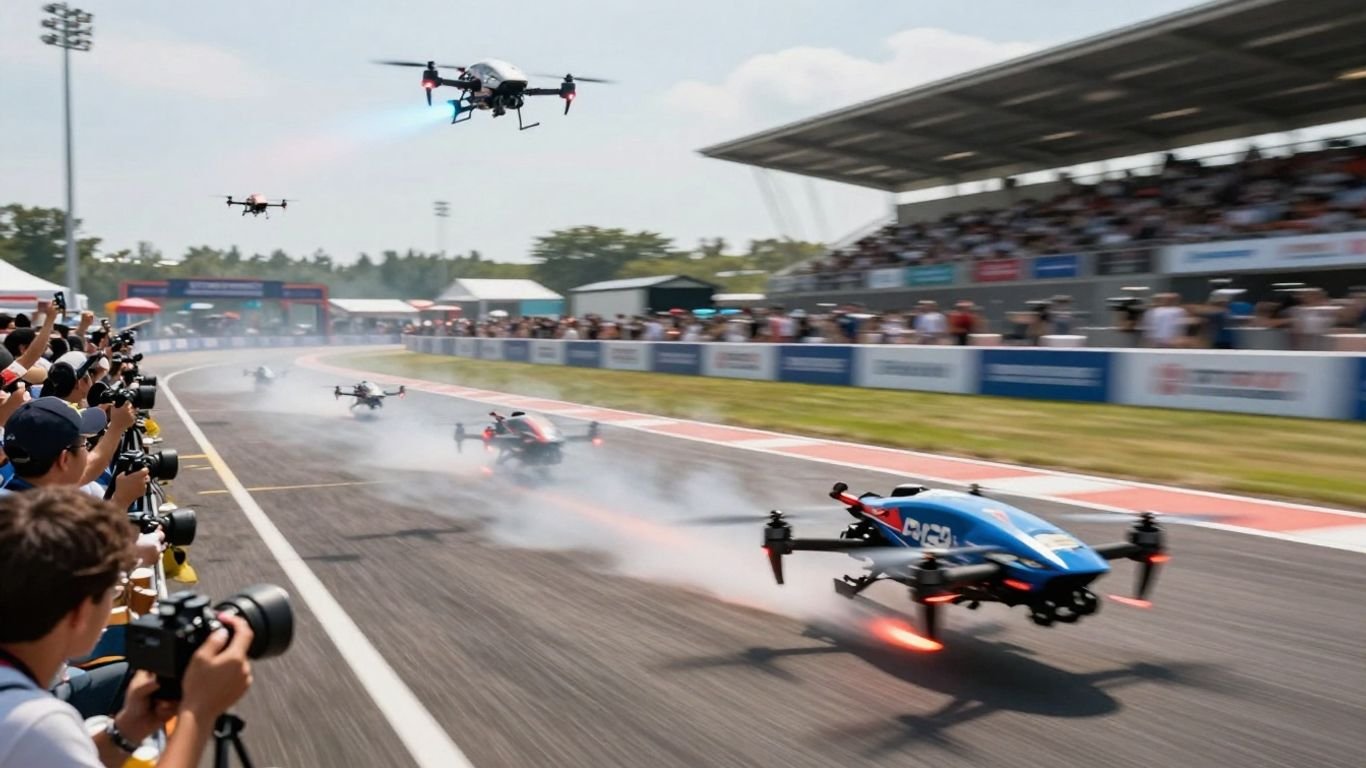
At its heart, drone racing involves pilots controlling specialized, high-speed drones through a complex obstacle course. The goal is simple: complete the course in the fastest time possible. These aren’t your average camera drones; they’re built for pure speed and agility. Think of it like a miniature, aerial Formula 1 race. Competitors zip through gates, around flags, and under bridges, all while trying to outmaneuver each other. It’s a test of reflexes, precision, and nerve.
The Immersive FPV Experience
The real magic happens thanks to First-Person View (FPV) technology. Pilots wear special goggles that display a live video feed directly from a camera mounted on the drone. This creates an incredibly immersive experience, making it feel like you’re actually inside the cockpit. You’re not just watching a drone fly; you’re experiencing the race from its point of view. This intense connection between pilot and machine is what sets drone racing apart and makes it so captivating for both participants and spectators. You can find some of the best FPV gear available to get started.
Spectacular Mid-Air Maneuvers
Because these drones are so agile, pilots can perform some truly breathtaking aerial stunts. We’re talking about rapid flips, sharp turns that would make a fighter pilot sweat, and daring dives through tight spaces. These maneuvers aren’t just for show; they’re often necessary to shave off precious seconds from lap times or to navigate tricky sections of the course. The ability of these small craft to twist and turn at high speeds is something you really have to see to believe. Crashes are frequent, but often spectacular, adding to the drama of the competition.
The speed and precision required are immense. Pilots often train for hours, honing their skills on simulators before even touching a real racing drone. It’s a blend of high-tech engineering and raw human talent, all happening at breakneck speeds.
The Specialized Drones Of Competitive Racing
Forget those camera drones you see people flying in parks. The machines used in drone racing are a whole different beast. They’re built for one thing: speed and agility. Think less about stable aerial photography and more about a tiny, high-performance aircraft that can zip, flip, and dive through a course.
Agility and Speed Over Stability
Racing drones are designed to be incredibly nimble. Unlike drones made for smooth video, these are equipped with powerful motors and props that allow for rapid acceleration and sharp turns. They can bank, roll, and twist in ways that look almost impossible, all thanks to their specialized design. This focus on maneuverability is what makes the races so exciting to watch.
Lightweight Construction for Performance
To achieve that incredible speed and agility, every ounce counts. Racing drones are typically constructed from very light yet strong materials, with carbon fiber being a popular choice. This keeps the drone’s weight down, allowing it to respond instantly to pilot commands and reach top speeds quickly. Most racing drones are also quite small, often under 10 inches across, which further aids in their quick movements.
Customization and Standardized Builds
Rules can vary quite a bit between different racing leagues. Some leagues encourage pilots to build and customize their own drones from the ground up, allowing for upgrades to motors, frames, and electronics. This leads to a lot of unique builds. However, other professional leagues, like the Drone Racing League (DRL), opt for standardized builds. They provide a specific, identical drone model to all competitors. This levels the playing field, ensuring that the race is won by the pilot’s skill, not just their equipment.
- Custom Builds: Pilots select individual components like motors, propellers, flight controllers, and frames to create a drone tailored to their flying style.
- Standardized Builds: Leagues provide identical drones to all racers, focusing competition on pilot skill and strategy.
- Component Upgrades: Even with standardized builds, pilots might tune certain aspects within league rules, like battery choices or prop balancing.
The constant push for better performance means that even standardized drones are incredibly advanced. They often feature integrated HD cameras for the pilot’s FPV feed and bright LEDs for visibility during high-speed races, especially those held in low-light conditions or indoors.
Navigating The Rules Of Drone Racing
Varied League Regulations
Every drone racing league has its own set of rules, and they can differ quite a bit. It’s not like there’s one single rulebook that everyone follows. Some leagues are really strict about the types of drones you can use, while others are more laid-back. For example, some might require pilots to build their own drones from scratch, allowing for a lot of customization. Others might provide a specific, standardized drone to all competitors to keep things fair. This standardization is key in professional leagues to ensure that it’s the pilot’s skill, not just their gear, that wins the race. It’s a good idea to check the specific rules for any competition you’re interested in before you even think about showing up.
Obstacle Courses And Special Lanes
Drone races aren’t just about flying in a straight line. They’re usually set up on complex obstacle courses. Think hoops to fly through, gates to pass, and sometimes even tunnels. The layout of these courses can really change how a race plays out. Some tracks might have a "joker lane" – a trickier, longer path that pilots have to take at least once. Others might include a shortcut that you can only use if you pull off a really difficult maneuver. It’s all about testing the pilot’s ability to handle their drone under pressure and make quick decisions. The courses can be indoors or outdoors, using the environment to create challenging paths. Getting your FAA drone pilot certification can help you understand airspace and regulations, which is useful even in these specialized courses [a14f].
Lap Time Versus Time Limits
When it comes to scoring, there are a couple of main ways races are decided. Some competitions focus purely on lap time. The pilot who completes a set number of laps the fastest wins. This is pretty straightforward – it’s all about speed and efficiency around the course. Other races, sometimes called Rotocross, work on a time limit. Here, the goal is to complete as many laps as possible within a specific timeframe. So, you might have a race where pilots have 10 minutes to get around the track as many times as they can. Battery life becomes a huge factor in these types of races, as pit stops for battery changes can eat into valuable flying time. It’s a different kind of pressure compared to just chasing the fastest single lap.
The variety in rules and race formats keeps drone racing exciting and unpredictable. It means that different skills can shine, from raw speed to strategic course management and quick pit stop execution. This adaptability is a big part of why the sport is growing so fast.
Getting Started In Drone Racing
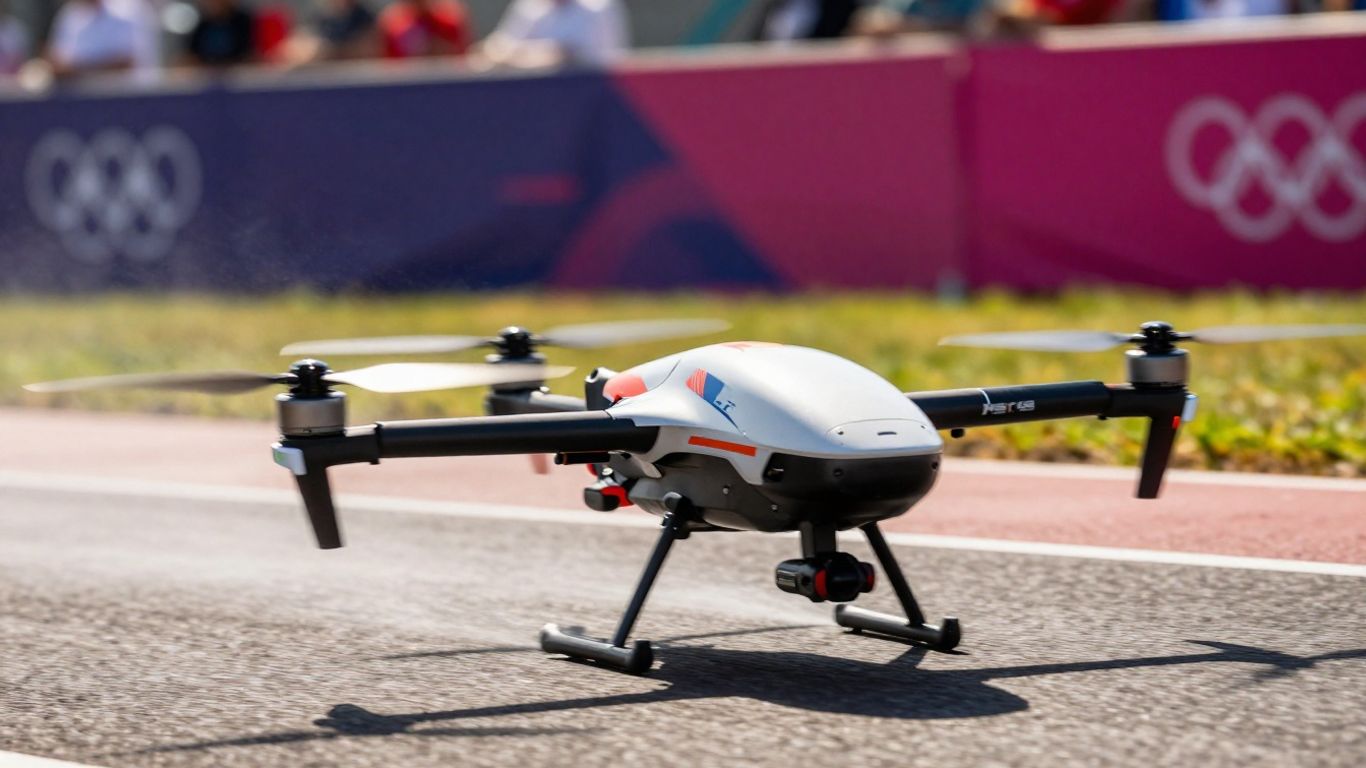
So, you’ve seen the crazy speeds and impossible turns and thought, ‘I want to do that!’ Awesome. But jumping straight into a professional league might be a bit much. Think of it like learning to drive – you don’t start with a Formula 1 car, right? The same applies here.
Beginner Drones And Simulators
First things first, you need to get a feel for flying. A good way to start is with a simulator. These programs let you practice flying in a virtual environment without the risk of smashing a real drone. You can get used to the controls and the general feel of speed. Many pilots swear by simulators as a way to build muscle memory before even touching a physical drone. After you’ve spent some time in the digital skies, consider a beginner-friendly drone. These are usually smaller, more durable, and less expensive than racing drones. They’re built to take a few knocks as you learn the basics of control and orientation. Look for something with replaceable parts, because, trust me, you’ll be needing them.
The First-Person View Advantage
Once you’re comfortable with basic flight, it’s time to experience what makes drone racing so intense: First-Person View (FPV). This means wearing goggles that show you the live video feed from a camera mounted on your drone. It’s like you’re actually sitting inside the drone, zipping through the air. This immersive perspective is what separates drone racing from just flying a remote-controlled toy. It allows for much more precise control and a far more thrilling experience. Getting used to FPV takes a little practice, as your brain has to adjust to seeing the world from a drone’s perspective, but it’s totally worth it. You can find beginner FPV setups that include a basic drone and goggles to get you started with this beginner’s guide.
Transitioning To Professional Gear
As you get better, you’ll naturally want to upgrade. This is where you start looking at dedicated racing drones. These machines are built for speed and agility, often featuring powerful motors and lightweight frames made from materials like carbon fiber. You’ll also want to invest in better FPV goggles and a more responsive radio transmitter. Don’t feel pressured to buy the most expensive gear right away. Many amateur races have fairly relaxed rules about drone specifications, allowing you to compete with a wide range of setups. The key is to gradually improve your equipment as your skills develop and your budget allows. Remember, practice and skill are more important than having the fanciest drone.
Here’s a quick look at what you might consider:
- Simulators: Practice flying virtually.
- Beginner Drones: Durable and affordable for learning basics.
- FPV Goggles: For an immersive flight experience.
- Racing Drones: High-speed, agile machines for competition.
The journey from a beginner to a competitive drone racer is a gradual one. It involves building foundational skills through simulators and entry-level drones, then progressively upgrading your equipment as your confidence and abilities grow. Patience and consistent practice are your best allies in this exciting sport.
The Growing Landscape Of Drone Racing Organizations
Amateur Local Groups
It all starts small, right? Many drone pilots begin by finding local groups. These aren’t the big leagues with flashing lights and huge crowds, but rather groups of enthusiasts who just love to fly and race. You can often find these folks through online platforms like Meetup or by checking out regional drone associations. Some towns even have regular meetups, like the Xtreme Drone Circuit that happens in Las Vegas. It’s a great way to get your feet wet, learn from others, and maybe even find a friendly rival. MultiGP is another big name that has local chapters all over the place, organizing races whenever they can. It’s a really accessible entry point into the sport.
Professional Racing Leagues
As the sport matures, so do the organizations running it. We’re seeing more and more professional leagues popping up, and they’re serious business. Groups like the Drone Racing League (DRL) and the World Drone Prix are setting up events that draw big crowds and serious talent. These leagues often have their own standardized drones, like the DRL Racer 2, to keep things fair. The goal is to create a level playing field where pilot skill is the deciding factor, not just who has the fanciest gear. They’re also securing sponsorships and offering some pretty impressive prize money, which is definitely attracting a lot of attention. Some of these leagues are even partnering with major broadcasters, bringing the thrill of drone racing to a much wider audience. The racing drones market is poised for substantial growth, projected to increase from $1.72 billion in 2025 to $2.02 billion in 2026. This indicates a strong upward trend in the industry.
Global Broadcasting Partnerships
This is where things get really exciting for spectators. Drone racing isn’t just a niche hobby anymore; it’s becoming a broadcast sport. Organizations like the International Drone Racing Association (IDRA) have inked deals with major networks, meaning you can catch high-octane drone races on TV or streaming services. This kind of exposure is a game-changer. It not only brings in more viewers but also attracts bigger sponsors and allows for more elaborate events. Imagine watching a drone zip through a complex obstacle course, live, with commentary and multiple camera angles – it’s pretty wild. These partnerships are helping to legitimize drone racing as a professional sport and are a big reason why it’s growing so fast.
The structure of drone racing organizations is evolving rapidly. From informal local gatherings to highly structured professional leagues with global reach, the sport is building a robust framework. This growth is supported by increasing media coverage and the development of standardized equipment, making it more accessible and competitive.
The Future Of Drone Racing Competitions
Emerging Stars And Big Prizes
Drone racing is really starting to blow up, and it’s not just about the hobbyists anymore. We’re seeing younger pilots step up, showing off some seriously impressive skills. Think about it, some of these kids are practically growing up with a controller in their hands. This is leading to some pretty big prize pools at major events. We’re talking about amounts that can actually make a career out of this. It’s exciting to see new talent emerge and challenge the established names. The competition is getting fiercer, and that’s only good for the sport.
Technological Advancements
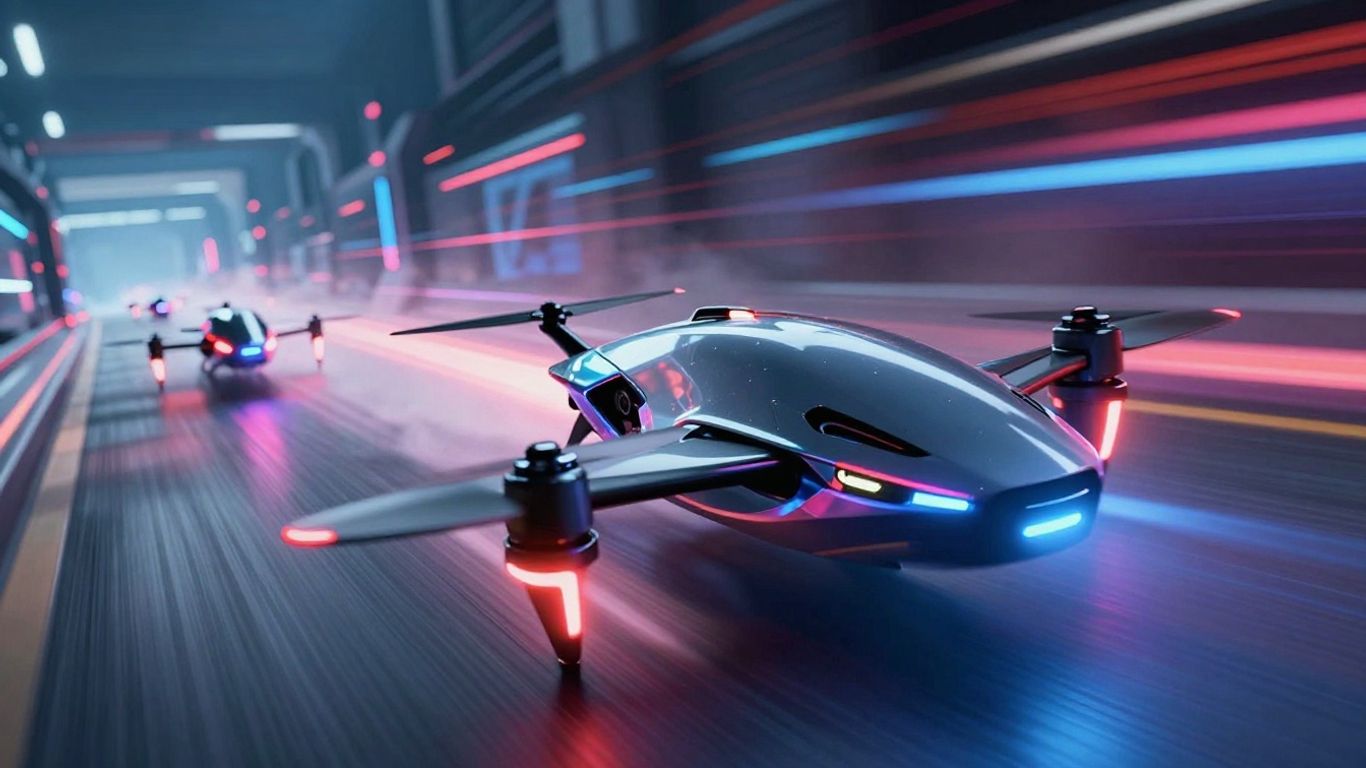
The drones themselves are getting wilder. Manufacturers are constantly pushing the limits on speed, agility, and durability. We’re seeing lighter materials, more powerful motors, and better camera systems that give pilots an even clearer view. Expect to see more AI integration too, maybe helping with course design or even offering real-time performance feedback. The tech is evolving at a breakneck pace, and it’s directly impacting how races are flown. It’s not just about the pilot’s skill anymore; it’s also about the machine they’re flying. Keeping up with the latest gear is going to be key for any aspiring racer.
Educational And Skill Development
Beyond the thrill of the race, drone piloting is becoming a recognized skill. Many schools and clubs are starting to incorporate drone flying into their programs. It’s a fantastic way to teach about aerodynamics, electronics, and even coding. Plus, the hand-eye coordination and quick decision-making skills developed in drone racing are transferable to many other fields. It’s more than just a game; it’s a pathway to learning valuable technical abilities. For anyone looking to get into the skies legally, remember that understanding airspace rules, like those from the FAA, is important, especially for pilots operating drones over 0.55 pounds understanding FAA regulations.
Drone racing is no longer just a niche hobby; it’s rapidly becoming a recognized sport with a growing professional circuit. The combination of cutting-edge technology, skilled pilots, and increasing spectator interest points towards a very bright future for competitive drone events worldwide.
Ready to Join the Race?
So, there you have it. Drone racing is way more than just flying toys around. It’s a fast-paced sport that needs serious skill and quick thinking. Whether you’re looking to get into it yourself, or just want to watch the pros zip by, it’s definitely something to keep an eye on. Who knows, maybe you’ll be the next big name in drone racing. It’s a wild ride, and it’s only getting bigger.
Frequently Asked Questions
What exactly is drone racing?
Drone racing is a super exciting sport where pilots fly special, fast drones through tricky obstacle courses. They use goggles that show them what the drone sees, like they’re actually inside it! The goal is to get through the course the fastest.
Why is it called ‘FPV’ racing?
FPV stands for ‘First-Person View.’ This means when the pilot wears special goggles, they see the race exactly as the drone’s camera sees it. It makes the race feel incredibly real and intense, like you’re flying yourself!
Are the drones used in racing different from regular drones?
Yes, they are very different! Racing drones are built for speed and quick turns, not for steady photos. They’re usually smaller, lighter, and have powerful motors to zoom around. Regular drones are more about stable flight and capturing clear pictures or videos.
How fast can these racing drones go?
These drones can get seriously fast! Many can reach speeds of up to 80 miles per hour, and some professional racers can even go over 100 mph. It’s truly amazing to watch them zip through the air.
How do I get started if I want to try drone racing?
It’s a good idea to start with a drone simulator on a computer to get a feel for flying fast. Then, you can get a beginner-friendly drone that’s not too expensive, as you’ll likely crash a lot while learning. Practice is key!
Are there different kinds of drone racing rules?
Absolutely! Each racing group or league can have its own set of rules. Some races focus on getting the quickest lap time, while others might have special lanes or challenges, like a shortcut that requires a difficult move or a mandatory obstacle everyone must fly through.