Navigating Drone Laws in the U.S.: What Every Pilot Needs to Know in 2026

Hey everyone, so 2026 is here and drone laws in the U.S. are still a thing we all need to keep up with. It feels like every time you turn around, there’s a new rule or an update to an old one. Whether you’re just flying for fun in your backyard or using a drone for your job, knowing the ins and outs of these regulations is super important. We don’t want any surprise fines or, worse, trouble with the FAA. This article is going to break down what you absolutely need to know to fly legally and safely this year. Let’s get into it.
Key Takeaways
- Always keep your drone in sight while flying. No exceptions.
- Drones over 0.55 pounds (250 grams) need to be registered with the FAA.
- Make sure your drone broadcasts Remote ID if it’s required, especially if you’re flying outside of a FRIA.
- Know where you can and can’t fly. Check for restricted areas and temporary flight restrictions (NOTAMs) before you take off.
- If you fly for work or business, you’ll likely need that Part 107 certification.
Understanding The FAA’s Core Drone Regulations
So, you’ve got a drone and you’re ready to take to the skies. That’s awesome! But before you lift off, it’s super important to know the basic rules the FAA has in place. Think of these as the ground rules for flying in the U.S. airspace, which is pretty busy, even if you can’t always see the other traffic. These aren’t meant to be a buzzkill; they’re there to keep things safe for everyone, from other drone pilots to airplanes and people on the ground.
Maintaining Visual Line of Sight
This one’s pretty straightforward: you need to be able to see your drone with your own eyes at all times while it’s flying. No binoculars, no fancy long-range cameras to spot it. You, the pilot, need to have a direct view. If you’re flying with a buddy, they can act as a visual observer, but they need to be right there with you, talking to you constantly. It’s all about knowing where your drone is and what’s around it.
Adhering to Altitude Restrictions
Generally, you can’t fly your drone higher than 400 feet above the ground. This limit is in place to keep drones clear of manned aircraft, which usually fly much higher. There are ways to get permission for higher flights, but for most recreational and even many commercial uses, 400 feet is the ceiling.
Understanding Recreational vs. Commercial Flight Rules
This is a big one. Are you flying just for fun, like taking cool shots of your neighborhood or a park? That’s recreational. But if you’re getting paid for your drone services – maybe you’re shooting real estate photos, inspecting a roof, or filming an event – you’re operating commercially. The rules are different for each. Recreational flyers have a simpler set of requirements, including passing a short online test called The Recreational UAS Safety Test (TRUST). Commercial operators, however, need to get a more in-depth certification, known as the Part 107 license. It’s really important to know which category you fall into because flying commercially without the proper license can lead to some serious trouble. You can find more details on drone pilot training to help you understand these differences.
The FAA’s regulations are designed to integrate drones safely into the National Airspace System. Understanding and following these core rules is not just about avoiding penalties; it’s about being a responsible member of the aviation community and helping to ensure drones continue to be a safe and beneficial technology.
Essential Drone Registration And Identification Protocols
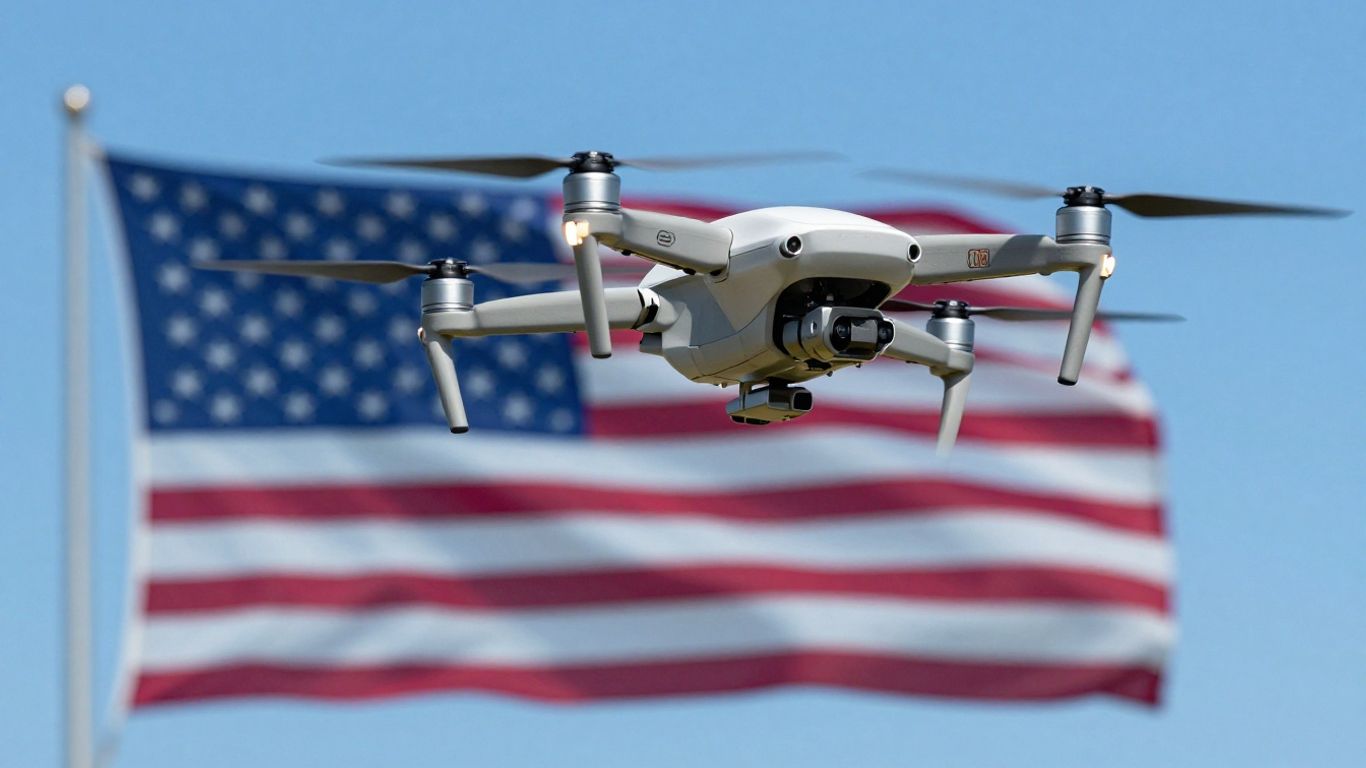
Alright, so you’ve got your drone, and you’re ready to take to the skies. But before you do, there are a couple of really important steps involving registration and making sure your drone can be identified. Think of it like getting a license plate for your car; it’s how authorities know who’s operating what.
Weight Thresholds for Registration
First off, not every tiny drone needs to be registered. The FAA has a specific cutoff point. If your drone weighs more than 0.55 pounds, which is about 250 grams, then you absolutely need to get it registered with the FAA. This applies whether you’re flying for fun or for business. The registration process itself is pretty straightforward and can be done online through the FAADroneZone. It costs a small fee, usually around $5, and it’s good for three years. It’s a legal requirement, and not doing it can lead to some hefty fines.
Remote ID Broadcast Requirements
This is a newer rule that’s become a big deal. It’s often called the "digital license plate" for drones. Basically, your drone needs to broadcast certain information while it’s flying – things like its location and identification. This helps the FAA and law enforcement keep track of what’s in the air, which is super important for safety as more and more drones take to the skies. Most newer drones come with this capability built-in. If yours doesn’t, you might need to get a separate module to add it. If your drone weighs over 250 grams, or if you’re flying commercially, Remote ID is a must. You can find out more about how to register your drone on the FAA website.
Displaying Registration Numbers
Once you’ve got that registration number, you can’t just keep it in your pocket. You need to physically put it on your drone. It has to be visible on the outside of the aircraft. This is pretty simple – just a sticker or painted on. It’s another way to make sure your drone is identifiable. So, remember: register it, make sure it has Remote ID if required, and then slap that registration number on the outside where everyone can see it. It’s all part of being a responsible pilot and keeping our airspace safe and orderly.
Navigating Airspace Restrictions And No-Fly Zones
So, you’ve got your drone, you’ve registered it, and you’re ready to fly. But hold on a second – not all sky is open for business. The Federal Aviation Administration (FAA) has put some serious thought into keeping our skies safe, and that means there are specific areas where you just can’t fly your drone, or where you need special permission. It’s like driving; you can’t just go anywhere you please, right?
Identifying Controlled Airspace
Think of controlled airspace as the busy highways of the sky. These are areas around airports, and they’re classified into different types like Class B, C, D, and surface Class E. Flying in these zones requires prior authorization from the FAA. You can’t just wing it. You’ll typically need to use systems like LAANC (Low Altitude Authorization and Notification Capability) or the FAA’s DroneZone portal to get permission. Without it, you’re breaking the rules, plain and simple.
Awareness of Temporary Flight Restrictions (NOTAMs)
Beyond the permanent no-fly zones, there are also temporary flight restrictions, or TFRs. These pop up for all sorts of reasons – think major sporting events, presidential visits, or even wildfire response. The FAA issues these as Notices to Air Missions, or NOTAMs. It’s your job as a pilot to check for these before you fly. Apps like the FAA’s B4UFLY can be super helpful here, giving you real-time info on where you can and can’t go. Ignoring a TFR is a big no-no and can cause serious problems, especially if it’s related to an emergency situation. You don’t want to be that person interfering with first responders.
Respecting Sensitive Location Prohibitions
Then there are the places that are just off-limits, period. This usually includes areas around military bases, critical infrastructure, and national parks. The FAA wants to protect these sensitive locations, and flying a drone over them is generally prohibited. It’s not just about national security; it’s also about preserving the environment and ensuring public safety. Always do your homework on the specific area you plan to fly in. A quick search on the FAA’s drone page can often clarify these restrictions.
It’s really on you, the pilot, to know where you can and can’t fly. The FAA provides tools and information, but ultimately, staying compliant is your responsibility. Think of it as part of being a good neighbor in the sky. We all want to enjoy our drones, and following these rules helps make sure everyone can.
Pilot Certification And Training Mandates
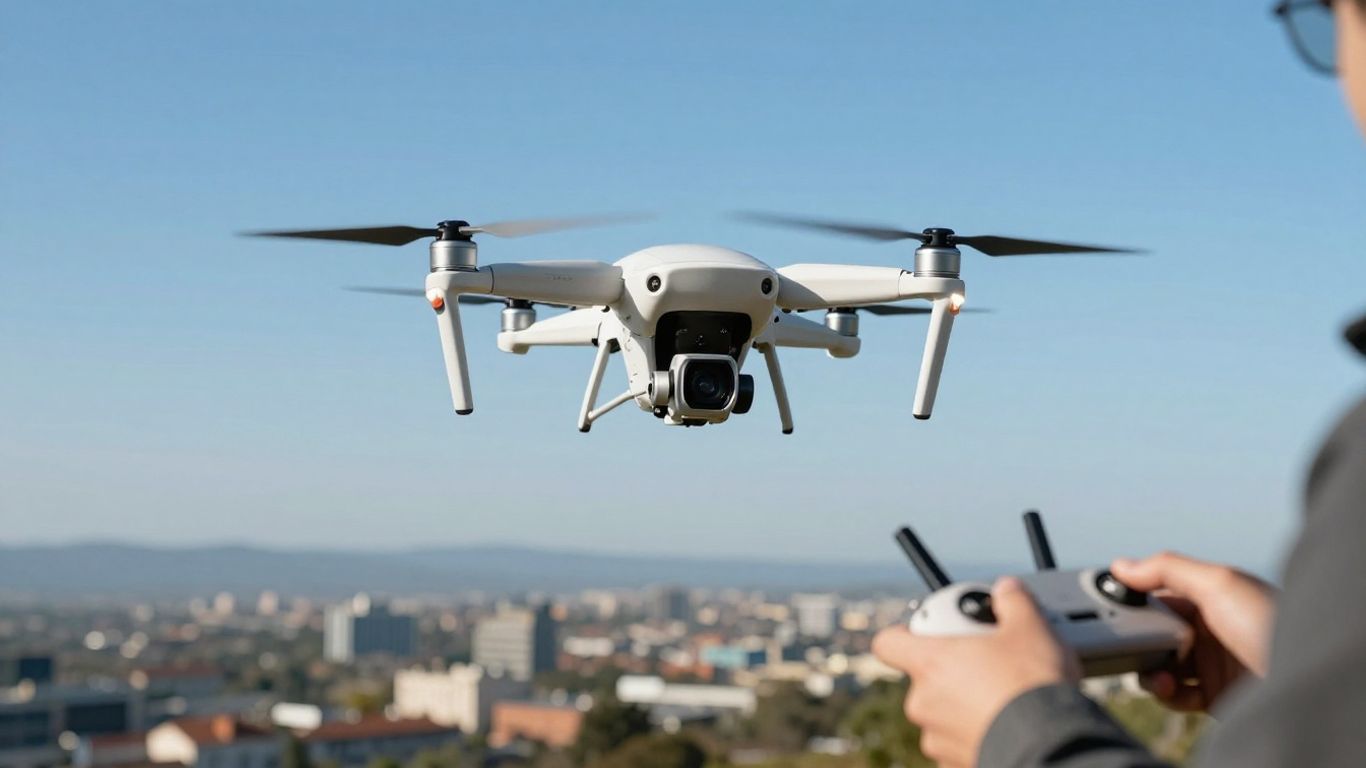
So, you’ve got your drone, you’re ready to fly, but wait – are you legally cleared to do so? The FAA has specific requirements to make sure everyone in the sky knows what they’re doing. It’s not just about having fun; it’s about safety and responsibility.
Part 107 Certification for Commercial Operations
If you’re thinking about making money with your drone – whether it’s for photography, inspections, or anything else that brings in cash – you’ll need to get your Part 107 Remote Pilot Certificate. This is the FAA’s official stamp of approval for commercial drone pilots. To even be considered, you have to be at least 16 years old and pass a pretty thorough aeronautical knowledge exam. This test isn’t a walk in the park; it covers things like weather, airspace rules, and how to handle emergencies. You’ll need to take it at an FAA-approved testing center. Once you pass, you’re good to go for commercial flights, but remember, it’s not a one-and-done deal.
Recurrent Training Requirements
Keeping your Part 107 certificate current means you can’t just forget about it after passing the initial test. The FAA requires you to complete recurrent training and pass a knowledge test every 24 months. This ensures you stay up-to-date with any changes in regulations or aviation practices. Think of it as a refresher course to keep your skills sharp and your knowledge current. It’s a free online test, which is a nice perk, but you still need to dedicate the time to study and pass it to keep flying commercially.
The Recreational UAS Safety Test (TRUST)
Now, if you’re flying purely for fun, not for any kind of payment or business, you fall under the recreational flyer rules. But even hobbyists have to prove they know the safety basics. That’s where TRUST comes in – The Recreational UAS Safety Test. It’s a free, online test that covers important safety guidelines. You need to pass TRUST and carry proof of completion with you whenever you fly. It’s a simple step, but it’s a legal requirement for all recreational pilots. It helps make sure everyone, from beginners to experienced flyers, understands how to operate safely and responsibly.
The sky is a shared space, and with that comes a responsibility to know the rules. Whether you’re flying for profit or pleasure, getting the right certification and staying current with training isn’t just about avoiding fines; it’s about being a good steward of the airspace and ensuring everyone’s safety.
Key Regulatory Bodies Shaping Drone Laws
So, who’s actually making the rules for flying drones in the U.S. and beyond? It’s not just one big agency, but a few key players that keep things moving. Knowing who they are helps you understand why certain rules exist and how they might change.
The Federal Aviation Administration (FAA)
This is the big one for us here in the States. The FAA is in charge of all civil aviation, and that absolutely includes drones, or Unmanned Aircraft Systems (UAS) as they often call them. They set the standards for pretty much everything: how you register your drone, what kind of training you need, where you can fly, and all the safety stuff. By 2026, they’ve really ramped up enforcement on Remote ID for drones over 250 grams and are looking at ways to get drones flying safely alongside regular air traffic. The FAA’s decisions here often set a precedent for other countries too.
International Harmonization Efforts (ICAO)
While the FAA handles U.S. rules, the International Civil Aviation Organization (ICAO) works on getting countries to agree on common drone standards. Think of it like trying to get everyone to speak a similar language when it comes to drone operations, especially for international flights or logistics. They put out guidelines that countries can adopt, which helps make flying across borders a bit less complicated. It’s a slow process, but important for the future of global drone use.
Evolving Global Standards
Beyond the FAA and ICAO, other countries and regions have their own powerful aviation authorities. For example, the European Union Aviation Safety Agency (EASA) has its own set of rules that apply across EU member states. They’ve been busy with things like U-Space, which is their system for managing drone traffic in busy areas, and updating risk assessments for autonomous flights. It’s a good idea to be aware that rules can differ significantly from one continent to another. What’s perfectly legal in the U.S. might require a different approach in Europe or Asia.
Staying informed about these different bodies and their evolving standards is more than just a good idea; it’s a necessity for any serious drone pilot. Regulations are constantly being updated to keep pace with the technology and its uses.
Privacy Considerations For Drone Operators
Avoiding Unauthorized Data Gathering
When you’re up in the air, it’s easy to forget that your drone’s camera can capture a lot more than just pretty landscapes. Think about what you’re pointing that camera at. Are you filming someone’s backyard without them knowing? Or maybe capturing footage of private property? It’s super important to be mindful of people’s privacy. This isn’t just about being a good neighbor; there are actual laws about this stuff. You can’t just go around recording people or their private spaces without a good reason and, often, their permission. It’s a good idea to check out the rules about data collection and privacy before you even take off, especially if you’re flying in populated areas. Remember, just because you can see it from above doesn’t mean you should be recording it without a second thought. For commercial operations, this becomes even more critical, as data privacy laws can be quite strict. Understanding how to operate within these boundaries is key to responsible drone use. You can find more information on responsible drone operation at the FAA’s website.
Maintaining Public Trust
Look, nobody likes feeling like they’re being spied on. When drone pilots are careless with their cameras, it gives all of us a bad name. It makes people nervous and can lead to more restrictions for everyone. So, if you’re flying for fun or for work, try to be considerate. Don’t hover over private events or zoom in on people without a clear purpose. Think about how your actions might affect others. Building and keeping public trust means showing that drone pilots are responsible and respectful. It’s about being a good citizen of the sky. This helps ensure that we can continue to enjoy and utilize drone technology without facing undue suspicion or overly burdensome regulations.
Understanding Data Protection Standards
This is where things can get a bit technical, but it’s worth knowing the basics. If your drone is collecting data – like video footage, photos, or even location information – you need to think about how you’re storing and protecting that data. Are you keeping sensitive information secure? Who has access to it? Different regions and industries have specific rules about data protection, and it’s your job as the operator to be aware of them. For instance, if you’re flying for a business, you might have to comply with regulations like GDPR or similar privacy laws depending on where your data subjects are located. It’s not just about the flight itself; it’s about the entire lifecycle of the data you collect.
Here are a few points to keep in mind:
- Secure Storage: Make sure any data you collect is stored securely, whether it’s on your device or in the cloud. Use strong passwords and encryption if possible.
- Purpose Limitation: Only collect data that you actually need for your stated purpose. Don’t just record everything "just in case."
- Data Minimization: Collect the least amount of personal data necessary to achieve your objective.
- Transparency: Be upfront about what data you are collecting and why, especially if you are operating commercially.
Being a responsible drone pilot means more than just knowing how to fly. It involves a commitment to respecting privacy and protecting the data you gather. This ethical approach is vital for the continued growth and acceptance of drone technology in our society. It’s about being a good steward of the airspace and the information it holds.
Wrapping It Up
So, we’ve covered a lot of ground about drone rules in the U.S. for 2026. It’s clear that as these flying gadgets get more advanced, the rules keep pace. Whether you’re just flying for fun or using your drone for work, knowing the ins and outs of the regulations is super important. It’s not just about avoiding trouble, like fines or losing your flying privileges, but also about being a good neighbor in the sky. Keeping up with these laws helps make sure everyone can fly safely and responsibly. Think of it as part of the deal when you take to the air – stay informed, stay legal, and keep those drones flying right.
Frequently Asked Questions
Do I need to register my drone?
Yes, if your drone weighs more than 0.55 pounds (about 250 grams), you must register it with the FAA. This registration is good for three years and helps the FAA keep track of drones in case of an emergency. Make sure to put your registration number on your drone so it’s easy to see.
What is ‘Remote ID’ and do I need it?
Remote ID is like a digital license plate for your drone. It broadcasts information about the drone and its location. Most drones that need to be registered also need to broadcast Remote ID. This helps authorities know who is flying and where, making the skies safer. If your drone doesn’t have it built-in, you might need a special device to add it.
How high can I fly my drone?
Generally, you can’t fly your drone higher than 400 feet off the ground. This rule helps keep drones away from airplanes and helicopters. If you need to fly higher for a special reason, you’ll likely need permission from the FAA.
Do I need a special license to fly my drone for fun?
If you’re just flying for fun and not making money or promoting anything, you usually don’t need a special license. However, you do need to pass a short test called The Recreational UAS Safety Test (TRUST) and follow all the safety rules. It’s important to always keep your drone in sight when you’re flying.
When do I need a Part 107 license?
You need a Part 107 license if you fly your drone for any kind of business or work. This includes flying for a job, making money from videos, or even promoting a business. It means the flight is ‘in furtherance of a business.’ If you’re not sure, it’s best to get the license to be safe.
How do I know if I’m flying in a no-fly zone?
It’s super important to check for no-fly zones before you fly. You can use apps like the FAA’s B4UFLY app or other approved tools that show you where you can and can’t fly. These apps will tell you about areas like airports, military bases, and temporary restrictions for big events. Always check before you take off!