Drone Pilot Dreams: Your Guide to Going Pro

Ever looked up and seen a drone buzzing around, maybe filming something cool or helping out in a tough spot? It’s pretty neat, right? Well, that could be you. Drones are popping up everywhere now, and making a career out of flying them is totally doable. But it’s not just about buying a drone and hitting the skies. You need actual training, good advice, and the right paperwork. This guide is going to break down how to become a commercial drone pilot, step-by-step.
Key Takeaways
- The drone industry is growing fast, creating lots of job possibilities for trained pilots.
- Becoming a professional drone pilot requires more than just flying skills; it includes understanding airspace, weather, and soft skills like problem-solving.
- Getting your FAA Part 107 license is a must for flying drones commercially in the US.
- Hands-on training is better than just watching videos because it builds real flying skills and confidence.
- Beyond the basic license, advanced training in areas like photography, mapping, or inspection can open up more specialized and higher-paying jobs.
Understanding The Booming Drone Industry
The Growing Demand for Drone Services
Drones aren’t just a passing trend; they’re rapidly becoming standard tools across many fields. Think about it: inspecting a tall building used to mean sending someone up a ladder or renting expensive equipment. Now, a drone can do it safely and quickly. This shift is happening everywhere, from agriculture, where drones monitor crop health, to construction sites, where they track progress and map terrain. The need for skilled pilots who can operate these machines for specific tasks is really taking off. The drone industry is projected to create over 100,000 new jobs and contribute billions to the economy in the coming decade. This growth means more opportunities for people who know how to fly and use drones professionally.
Career Opportunities in Aviation
When people think of aviation careers, they often picture airline pilots or air traffic controllers. But the drone sector is opening up a whole new avenue. It’s not just about flying; it’s about data collection, aerial photography, surveying, and more. These roles require a unique blend of technical flying skills and an understanding of the specific industry they’re serving. For instance, a drone pilot working in real estate needs different skills than one working in public safety. The FAA’s Part 107 certification is the key to unlocking many of these commercial opportunities, allowing pilots to legally operate drones for business purposes. This certification is a stepping stone into a dynamic part of the aviation world.
Economic Impact of Drones
Drones are more than just gadgets; they’re economic drivers. They help businesses save money by reducing the need for manual labor, cutting down on travel time, and improving efficiency. For example, insurance companies can use drones to assess damage after a storm much faster than traditional methods, speeding up claims processing. Farmers can use them to apply pesticides more precisely, saving on costs and reducing environmental impact. This increased efficiency and capability translate directly into economic benefits, making drone technology a smart investment for companies across various sectors. The ability to gather data from the air quickly and affordably is changing how businesses operate and compete.
The integration of drones into daily operations is no longer a futuristic concept but a present-day reality. Businesses are actively seeking ways to incorporate this technology to gain a competitive edge, improve safety, and reduce operational costs. This widespread adoption fuels the demand for trained professionals who can pilot these advanced machines effectively.
Essential Skills for Professional Drone Pilots
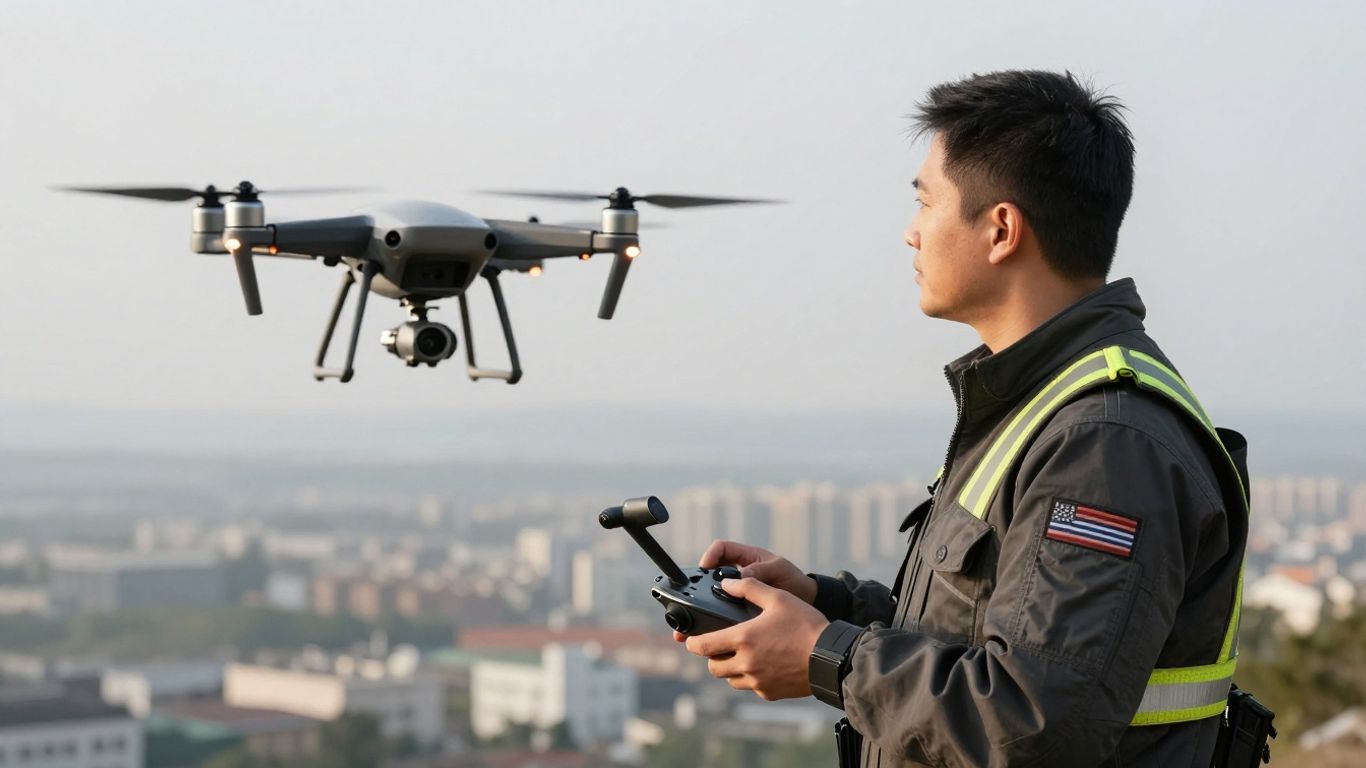
Flying a drone for fun is one thing, but doing it for a living? That requires a different set of abilities. You need to be more than just a good flyer; you need to be a skilled operator, a smart thinker, and a reliable professional. It’s about mastering the machine, understanding the rules, and knowing how to handle unexpected situations.
Technical Flying Proficiency
This is the bedrock of being a professional drone pilot. It’s not just about pushing buttons; it’s about developing a feel for the aircraft. You need to be able to control the drone smoothly, even in tricky conditions like wind or tight spaces. This includes:
- Precise Maneuvering: Executing complex flight paths and hovering accurately for extended periods.
- Emergency Handling: Reacting quickly and correctly to loss of signal, unexpected obstacles, or system malfunctions.
- Payload Management: Operating cameras, sensors, or other equipment attached to the drone effectively.
Navigating Airspace and Weather
Flying legally and safely means understanding the sky. You have to know the rules of the air and how weather can affect your flight. This involves:
- Understanding Airspace: Knowing where you can and cannot fly, including restrictions around airports and other sensitive areas. This is a key part of getting your FAA Part 107 license.
- Weather Assessment: Being able to read weather reports and understand how wind, rain, temperature, and visibility will impact drone performance and safety.
- Chart Interpretation: Learning to read sectional charts and other aeronautical maps to identify hazards and airspace classifications.
Developing Critical Soft Skills
Beyond the technical stuff, how you interact with people and solve problems is just as important. Clients need to trust you, and you need to be able to handle the unexpected.
- Problem-Solving: When something goes wrong mid-flight, you need to think on your feet and find a solution quickly.
- Communication: Clearly explaining your flight plans, capabilities, and any limitations to clients, ground crew, or authorities.
- Planning and Organization: Meticulously planning each mission, from pre-flight checks to post-flight analysis, to ensure everything runs smoothly and safely.
Being a professional drone pilot means constantly learning and adapting. The technology changes, regulations evolve, and every job presents unique challenges. Staying sharp and prepared is part of the gig.
Debunking Common Drone Pilot Myths
There are a lot of ideas floating around about becoming a professional drone pilot, and honestly, some of them just aren’t true. Let’s clear a few things up.
The Necessity of Certified Training
Some folks think they can just pick up a drone, watch a few YouTube videos, and be ready to fly for hire. That’s a big misconception. While online videos are great for learning basic controls, they don’t cover the legal stuff, safety protocols, or the kind of practical flying experience needed to pass the FAA’s Part 107 test. You need structured, certified training to really understand the rules and fly safely. It’s not just about having fun; it’s about operating legally and professionally. Without proper training, you’re missing out on vital knowledge about airspace and weather, which are critical for any commercial flight. You can’t just assume you know how high you can fly, for example; there are specific rules about drone altitude regulations that must be followed.
Investment in Drone Education
Another myth is that drone pilot training is way too expensive. Sure, some programs have a high price tag, but think of it as an investment in your future career. The cost of good training, including getting your Part 107 license, is usually pretty small compared to the earning potential in the drone industry. Many schools offer payment plans, and the skills you gain can lead to a stable, well-paying job or even your own business. It’s about getting the right education to open doors.
The Reality of the Drone Job Market
People sometimes worry that the drone job market is already full and too competitive. The truth is, the demand for skilled drone pilots is actually growing faster than the supply. Companies in all sorts of fields—like construction, agriculture, real estate, and filmmaking—are looking for pilots. They need people who can inspect infrastructure, map land, capture unique footage, and more. Getting certified and gaining hands-on experience puts you in a great position to land one of these jobs. Plus, with new regulations allowing for flights over people under specific conditions, new opportunities are constantly opening up.
Getting your FAA Part 107 license is the first big step. It shows you know the rules and can fly safely. After that, practical experience is key. You’ll want to get comfortable with different types of drones and learn how to handle various flight scenarios. Building a portfolio of your work, whether it’s stunning aerial photos or detailed inspection reports, will also help you attract clients.
Here’s a quick look at what you’ll need:
- FAA Part 107 License: Your ticket to flying commercially.
- Quality Drone Equipment: Reliable drones suited for your chosen field.
- Insurance: Protect yourself and your business.
- Portfolio: Showcase your best work to potential clients.
- Networking: Connect with others in the industry.
Achieving FAA Certification: The Part 107 License
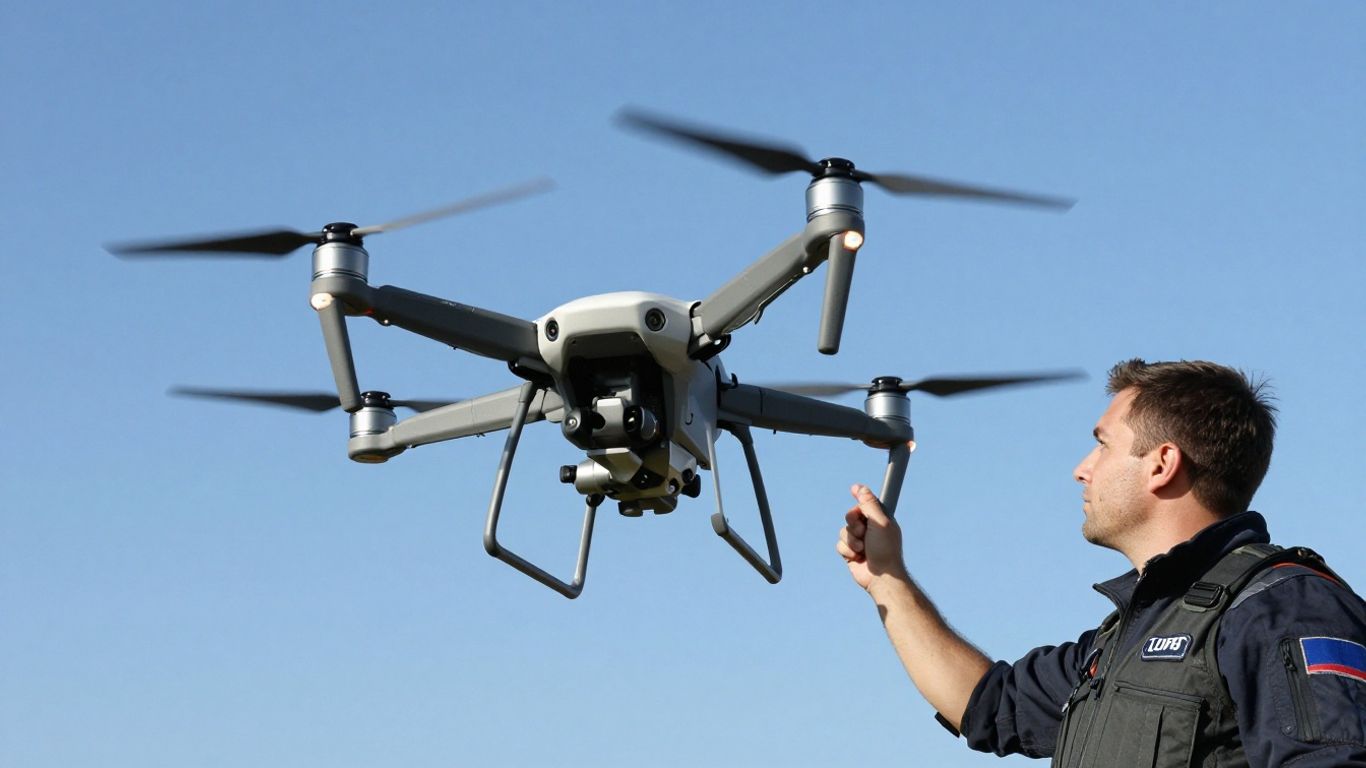
So, you want to fly drones for a living? That’s awesome! But before you start thinking about fancy camera gear or landing big clients, there’s a really important step you absolutely have to take: getting your FAA Part 107 license. Think of it as your official ticket to operate drones commercially in the United States. Without it, flying for any kind of business purpose is a no-go, and you could face some serious penalties.
Understanding FAA Part 107 Requirements
The Federal Aviation Administration (FAA) has put this rule in place to make sure everyone flying drones for work does so safely. It’s not just about knowing how to fly; it’s about understanding the rules of the sky. This includes things like:
- Knowing airspace classifications and restrictions.
- Understanding weather impacts on drone flight.
- Learning about drone weight limitations and performance.
- Recognizing emergency procedures and accident reporting.
- Understanding FAA regulations and how they apply to your operations.
Key Knowledge Areas for the Exam
To get your FAA Part 107 license, you’ll need to pass a knowledge test. It covers a lot of ground, so studying is key. You’ll be tested on:
- Regulations: This is the big one. You need to know the rules inside and out.
- Airspace: Understanding different types of airspace and how to get permission to fly in them is vital.
- Weather: Basic meteorology and how it affects your drone’s flight performance.
- Loading and Performance: How to properly load your drone and understand its capabilities.
- Operations: Best practices for safe and effective drone operations.
Passing the Part 107 exam requires dedicated study. Many aspiring pilots find success by using practice tests and study guides that break down the complex information into manageable chunks. It’s about building a solid foundation of knowledge, not just memorizing answers.
The Importance of Commercial Drone Operation
Getting certified isn’t just a hoop to jump through; it’s about building trust and credibility. When you have your Part 107 license, clients know you’re serious about safety and professionalism. It opens doors to a wide range of jobs, from real estate photography and construction site monitoring to agricultural surveys and event videography. The demand for skilled drone pilots is growing, and having this certification is your first step toward tapping into that market. You can find more details about the certification process at FAA Part 107 information.
Remember, this license is just the beginning. It’s your foundation for a career in the exciting world of commercial drone piloting.
Your Path to Becoming a Commercial Drone Pilot
Step-by-Step FAA Part 107 Exam Preparation
Getting your commercial drone pilot license, officially known as the FAA Part 107 certificate, is your ticket to flying drones for business. It might seem like a big hurdle, but breaking it down makes it totally manageable. The first step is understanding the drone pilot certification requirements. This means hitting the books to learn about airspace, weather, drone operations, and FAA regulations. Many aspiring pilots find that structured study programs really help. These programs often include practice tests that mimic the real exam, which is a smart way to gauge your readiness.
Advanced Drone Skills Beyond Certification
Once you’ve passed the Part 107 test, you’ve got the basics down. But to really stand out and land those interesting jobs, you’ll want to pick up some advanced skills. Think about specialized training in areas like aerial photography, mapping, or even using drones for inspections. These aren’t always covered in the basic certification, but they’re what clients are often looking for. Learning these can open up a lot more doors and lead to better-paying work.
Specialized Training for Industry Niches
Different industries use drones in unique ways. For example, a drone pilot working in agriculture will need different skills than one working in film production. Consider what kind of work excites you most. Are you interested in real estate photography, construction site monitoring, or maybe search and rescue operations? Finding training that focuses on these specific areas can give you a real edge. It shows you’re serious about a particular field and have the specific knowledge to back it up. Investing in specialized training is key to carving out your own niche in the drone industry.
Here’s a look at some common areas where specialized drone skills are in demand:
- Agriculture: Crop monitoring, soil analysis, and precision spraying.
- Construction: Site surveying, progress tracking, and safety inspections.
- Filmmaking & Photography: Capturing cinematic shots and high-quality aerial images.
- Public Safety: Search and rescue, accident scene reconstruction, and situational awareness.
- Infrastructure Inspection: Power lines, bridges, wind turbines, and cell towers.
Getting your Part 107 license is the foundation, but building on that with practical experience and specialized knowledge is what truly sets a professional drone pilot apart. Don’t stop learning after you pass the test; keep pushing your skills forward.
The Value of Hands-On Drone Training
You can watch all the YouTube videos you want, but honestly, it’s not the same as actually flying. Real training, the kind where you’re holding the controls and feeling the drone respond, is where the magic happens. This is especially true when you’re aiming to become a professional, a certified commercial drone operator training is key.
Why Practical Experience Outperforms Videos
Watching someone else fly or seeing animations on a screen just doesn’t build the same skills as being in the pilot’s seat. You need to feel how the drone moves, how it reacts to wind, and how to make those smooth, precise adjustments. Online videos are a start, but they can’t replicate the actual feel of the controls or the pressure of a real flight.
Building Muscle Memory and Confidence
Flying a drone professionally requires quick reactions and a steady hand. This comes from practice, from building that muscle memory that lets you fly without thinking too hard. When you’re out in the field, maybe dealing with tricky weather or a tight space, that ingrained skill makes all the difference. Confidence comes from doing, not just watching. It’s about knowing you can handle the aircraft when it counts. This is why hands-on commercial drone operator training is so important.
Real-World Scenarios and Instructor Feedback
Good training programs put you in situations you’ll actually face on the job. Think flying near obstacles, dealing with changing light conditions, or even handling unexpected equipment issues. Having an experienced instructor right there to guide you, correct your mistakes on the spot, and offer tips is incredibly helpful. They can spot things you might miss and help you improve much faster than you could on your own. It’s about getting that personalized feedback that helps you grow as a pilot. You can find programs that offer this kind of practical experience, which is a great step towards a career in aviation [3c15].
Investing in hands-on training means you’re not just learning theory; you’re building practical competence. This direct experience is what employers look for and what makes you a reliable professional.
Here’s a quick look at what hands-on training typically covers:
- Basic Flight Maneuvers: Mastering takeoffs, landings, hovering, and basic directional control.
- Advanced Flight Techniques: Practicing precision flying, obstacle avoidance, and flying in varied weather.
- Equipment Handling: Learning to set up, calibrate, and troubleshoot your drone and its accessories.
- Mission Simulation: Recreating common commercial tasks like aerial inspections or photography flights.
When you’re looking at training options, check if they offer actual flight time with certified instructors. It’s a big part of what makes the training stick and prepares you for the real job [b43a].
Launching Your Drone Career
So, you’ve got your Part 107 license and you’re ready to start getting paid to fly drones. That’s awesome! But where do you actually go from here? It’s not always as simple as just showing up with a drone and expecting a job. Think of it like this: you wouldn’t open a restaurant without knowing how to cook or having a place to serve food, right? The same applies to your new career as a drone pilot.
Career Placement Support Services
Many training programs, like the ones we’ve talked about, don’t just leave you hanging after you pass the test. They often have services designed to help you actually land a job. This can include things like resume workshops, interview practice, and even direct connections to companies that are hiring drone pilots. It’s a big help when you’re just starting out and don’t know who to ask or where to look. They’ve already built relationships, so you can benefit from that.
Building Your Own Drone Business
Maybe you’re more of an entrepreneur. Starting your own drone service business is totally doable. You’ll need to think about what kind of services you want to offer. Are you into real estate photography? Maybe inspecting cell towers? Or perhaps mapping construction sites? Each of these requires different gear and skills. You’ll also need to figure out your pricing, marketing, and how to handle clients. It takes work, but the freedom can be really rewarding.
- Identify your niche: What specific drone services will you provide?
- Acquire necessary equipment: Beyond your drone, consider extra batteries, specialized cameras, or software.
- Develop a business plan: Outline your services, target market, pricing, and marketing strategy.
- Understand legal requirements: Ensure you have the right insurance and business licenses.
Starting a business means you’re the boss, but it also means you’re responsible for everything. From finding clients to managing finances and ensuring you’re always up-to-date with regulations, it’s a full-time commitment. But for many, the ability to set their own path is worth the effort.
Success Stories from Certified Pilots
It’s inspiring to hear about people who have successfully transitioned into this field. Take Sarah, for example. She was working a desk job and felt stuck. After getting her Part 107 license and taking an advanced course in aerial cinematography, she now flies for a local production company, capturing stunning shots for commercials and documentaries. Then there’s Mark, who started his own drone inspection business after realizing the demand from local utility companies. He now has a small team working with him. These aren’t just random stories; they show what’s possible with the right training and a bit of drive. You can find more examples of pilots who have turned their passion into a profession through dedicated training programs like this one.
Remember, getting your certification is just the first step. The real journey begins when you start applying those skills in the real world, whether that’s working for someone else or building your own venture. And hey, if you’re interested in expanding your skills, did you know that flying a drone at night is now legal under certain conditions? It opens up even more possibilities for professional work with the right gear.
Ready to Take Flight?
So, you’ve read all about what it takes to become a pro drone pilot. It’s not just about having the coolest gadget; it’s about getting the right training, understanding the rules, and knowing how to use these amazing machines for real work. The drone world is growing fast, and there are tons of jobs out there waiting for people like you. Whether you want to shoot incredible videos, help out on a construction site, or do something else entirely, getting certified is your first big step. Don’t just dream about it – start planning your path today and get ready to see the world from a whole new angle.
Frequently Asked Questions
What exactly is a drone and why are they so popular now?
A drone is like a small flying robot you can control from the ground. They’re popular because they can do jobs faster and cheaper than people, go to places that are dangerous for humans, and take amazing pictures and videos from high up. Think of them as super useful tools for all sorts of tasks.
Do I really need special training to fly a drone for work?
Yes, absolutely! If you want to fly drones to make money, you need a special license called the FAA Part 107 certificate. It’s like a driver’s license for drones. You have to pass a test to show you know how to fly safely and follow the rules. Just watching videos online isn’t enough to be legal or safe for professional flying.
What kind of skills do I need to be a good drone pilot?
You need to be good at actually flying the drone, of course. But you also need to understand things like weather, how to read maps of the sky, and all the FAA rules. Plus, it helps to be good at solving problems, talking to people, and planning your flights carefully. It’s a mix of technical skills and smart thinking.
Is it hard to get the FAA Part 107 license?
It might seem a little tricky at first, but with the right preparation, it’s totally doable! The test covers important stuff like flying rules, weather, and how drones work. Many training programs, like the ones that focus on hands-on learning, are designed to help you learn everything you need to pass the test on your first try.
Can I learn to fly drones even if I’m not a tech whiz?
Definitely! You don’t need to be a computer expert. If you can use a smartphone, you can learn to fly a drone. Many people of all ages, from teenagers to older adults, have learned to fly drones and started great careers. The key is getting good training that breaks things down simply.
What happens after I get my drone pilot license?
Once you have your license, you’re ready to start working! You can fly drones for many different jobs, like taking pictures for real estate, inspecting buildings, helping farmers, or even working on movie sets. Some training programs also help you find job opportunities or even start your own drone business.