Night Flying: Can Your Drone Take Off After Dark?

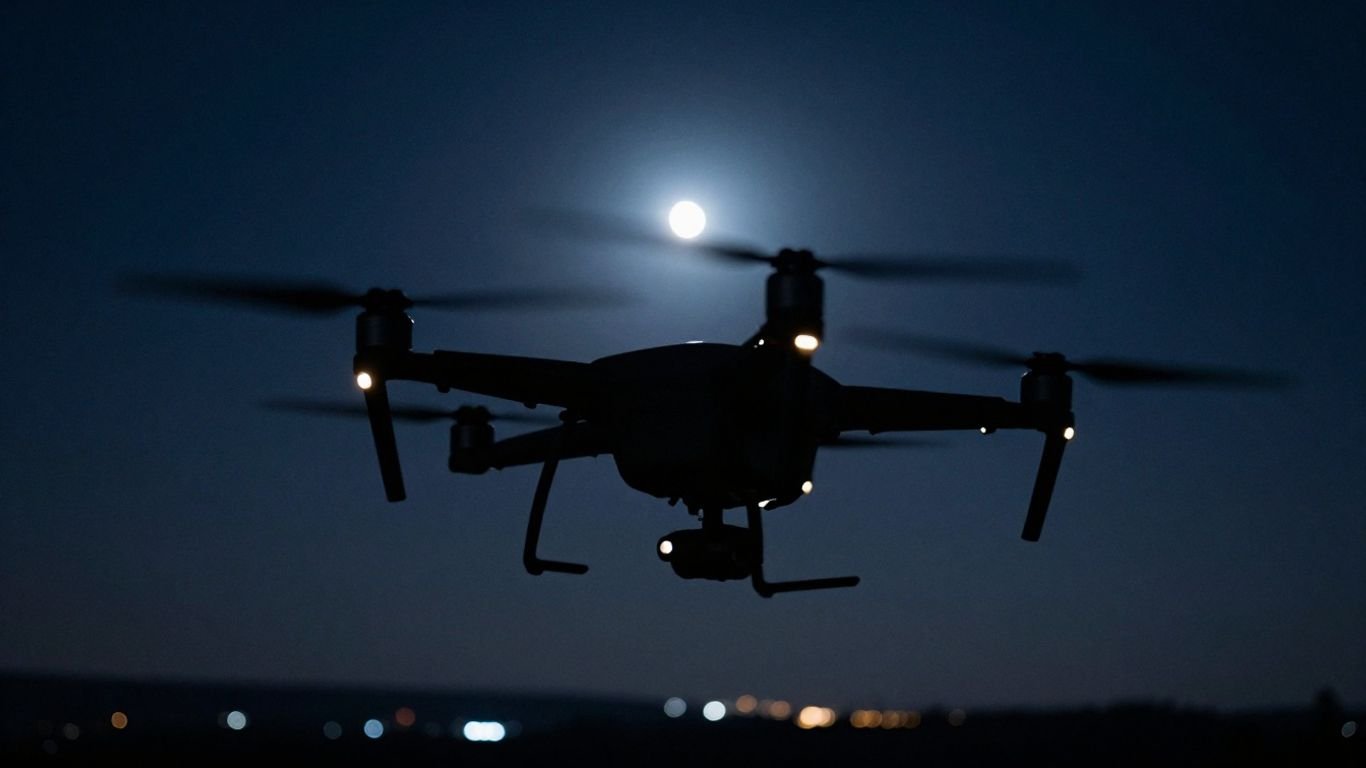
Flying a drone after the sun goes down can open up a whole new world of possibilities, from capturing stunning cityscapes to conducting important inspections. But before you take off into the twilight, there are some important things you need to know. It’s not as simple as just flipping a switch; there are rules, gear, and skills involved. So, can I fly a drone at night? The short answer is yes, but with specific conditions. Let’s break down what you need to be aware of to fly safely and legally after dark.
Key Takeaways
- Night flight is defined by the FAA as the period from 30 minutes after sunset to 30 minutes before sunrise, also known as civil twilight.
- To fly legally at night in the US, your drone must have anti-collision lighting visible from at least three statute miles, and you must have completed night flight training.
- Preserving your night vision is important; avoid bright lights and consider using colored flashlights for pre-flight checks.
- Obstacle avoidance systems, reliable GPS, and return-to-home features are vital for safe night operations, along with optimizing camera settings for low light.
- Always scout your flight area during daylight to identify potential hazards that might be hidden in the dark.
Understanding Night Flight Regulations
So, you’re thinking about taking your drone up after the sun goes down? It’s definitely possible these days, but there are some important rules you need to know. Gone are the days when flying a drone at night meant a complicated waiver process. The Federal Aviation Administration (FAA) updated its rules a few years back, making nighttime drone operations legal for most pilots, provided you follow the guidelines. It’s not just about slapping a light on your drone and going.
FAA Definition of Night for Drone Flights
First off, what exactly is night according to the FAA? It’s not simply when it gets dark. The FAA defines "night" as the period starting 30 minutes after sunset and ending 30 minutes before sunrise. This time frame is known as civil twilight. Even during civil twilight, visibility can be tricky, and depending on how dark it is, you might still need specific lighting. Flying even a few minutes before this official start time without the right gear means you’re not compliant.
Legal Requirements for Night Operations
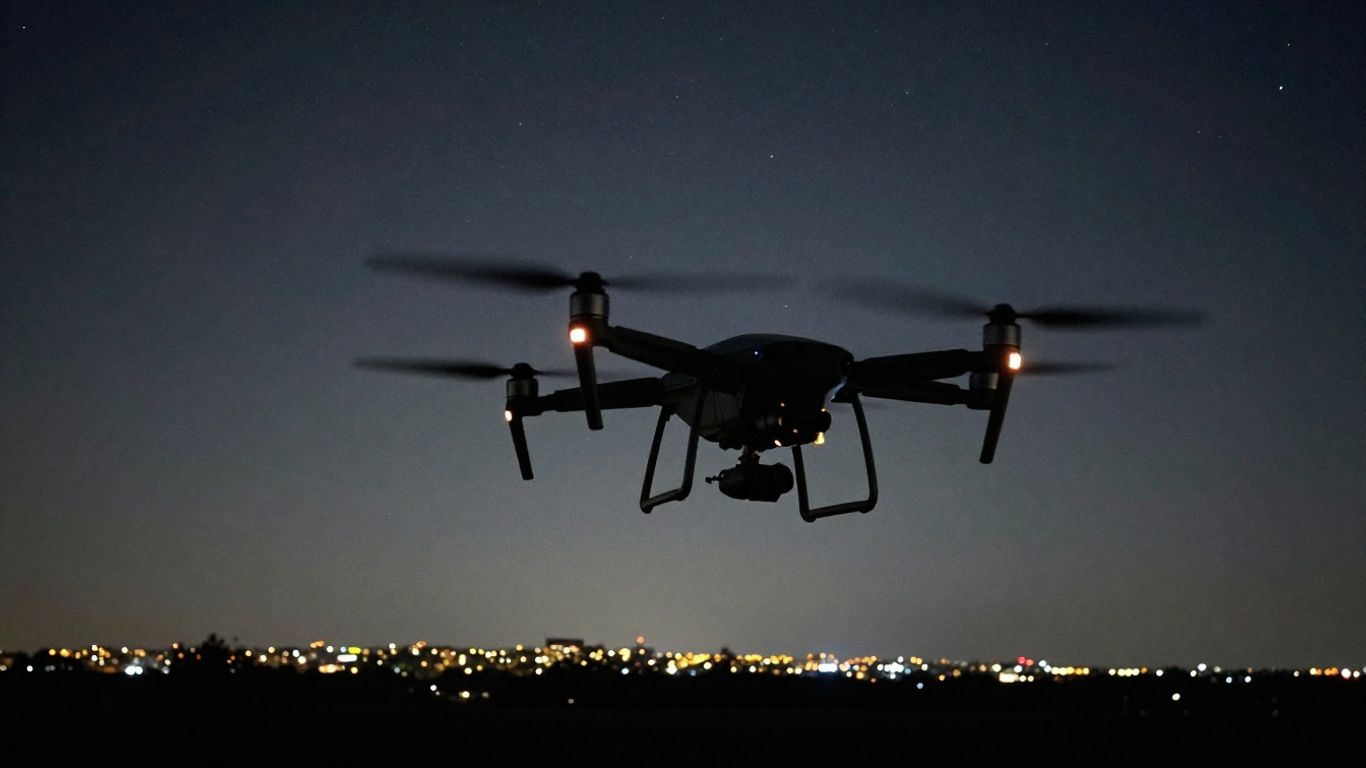
Flying after dark comes with specific requirements, especially for commercial operators under Part 107. The biggest change was that you no longer need a waiver for night flights, but you must meet all the other rules. This means your drone needs proper anti-collision lighting. We’re talking lights visible from at least three statute miles that flash between 40 and 100 times per minute. A simple steady light won’t cut it. You also need to complete specific night flight training. If you got your certification before April 21, 2021, you had to take recurrent training covering night operations. If you got certified after that date, the training is part of your initial exam, but staying current is on you. And remember, Remote ID must be active if your drone requires it.
Failing to meet these regulations isn’t just a slap on the wrist. It can lead to significant fines, suspension of your pilot certificate, and other legal trouble. It’s serious business.
Recreational vs. Commercial Night Flying
While the FAA has made night flying more accessible, the core requirements largely apply to everyone. However, there are some nuances. For recreational flyers, while the strict FAA Part 107 rules might not always apply directly, it’s still highly recommended to follow best practices for safety, including adequate lighting and maintaining visual line of sight. Commercial operators, on the other hand, must strictly adhere to all FAA drone rules for night flights. This includes the mandatory lighting and training. If you’re operating in controlled airspace, you still need authorization, just like during the day. It’s always wise to check the latest guidelines, as rules can change. For commercial operations that might fall outside standard rules, understanding Part 107 waivers can still be relevant for specific, complex scenarios, though they are no longer required for basic night flight.
Essential Equipment for Night Operations
So, you’re thinking about taking your drone up after the sun goes down? That’s pretty cool, but you can’t just wing it. Flying at night means you need some specific gear to stay safe and legal. It’s not just about having a drone; it’s about having the right drone setup for the dark.
Mandatory Anti-Collision Lighting
This is non-negotiable. The FAA has rules about this, and you need to follow them. Your drone needs to have lights that flash to show where it is. We’re talking about anti-collision lights, specifically. These aren’t just little LEDs you stick on for looks; they have to meet certain standards. The lights need to flash between 40 and 100 times per minute. If your lights are solid or too dim, you’re not going to pass the inspection, and more importantly, other aircraft won’t see you. It’s all about making sure your drone is visible from a good distance, usually around 3 statute miles. Think of it as your drone’s way of saying "Here I am!" to anything else in the sky.
Importance of Drone Lighting Visibility
Beyond just meeting the minimum requirements, good lighting is key for situational awareness. When you’re flying at night, judging distance and orientation can get tricky. Having bright, clear lights on your drone helps you keep track of it, especially if you’re flying further away or in areas with few ground lights. It also helps anyone on the ground, like a visual observer, keep an eye on your aircraft. Some pilots even use lighted landing pads to make sure they have a clear target when it’s time to come back down. It’s like a beacon guiding you home.
Advanced Gear for Enhanced Night Vision
While the anti-collision lights are mandatory, there’s other gear that can make night flying a lot easier and safer. For starters, think about your own eyes. Using red lights at your ground station, instead of bright white ones, helps preserve your night vision. This is super helpful if you need to look at screens or talk to your visual observer. Some people also use FPV goggles that offer a more immersive view, making it feel more natural to understand depth and where your drone is in relation to everything else. It’s a big step up from just looking at a small screen. And don’t forget extra batteries; cold night air can drain them faster, so having spares means you can keep flying longer without worry. A good headlamp, ideally with a red light option, is also a lifesaver for checking your gear or reading notes in the dark. If you’re looking for ways to improve your drone’s visibility, checking out drone lighting accessories can give you some great ideas.
Pilot Preparedness for Night Flights
Flying a drone after dark isn’t just about having the right lights; it’s about being mentally and technically ready. Think of it like preparing for a road trip – you wouldn’t just hop in the car and go, right? Same idea here. You need to get your head in the game and make sure your gear is up to snuff.
Completing Night Flight Training
First off, you can’t just wing it. The FAA has specific requirements, and for good reason. You’ll need to complete an updated recurrent online training course if you’re operating under Part 107. This isn’t just a formality; it covers the latest rules and safety practices for night operations. It’s a good idea to take this seriously, as it covers things like understanding the FAA’s definition of night, which is from the end of civil twilight to the beginning of morning civil twilight. This training is your first step to being legally prepared.
Preserving Your Night Vision
This is a big one that people often overlook. When you’re out there in the dark, your eyes need time to adjust. Using bright white lights on the ground, like on your controller screen or a flashlight, can totally ruin your night vision. It takes about 30 minutes for your eyes to fully adapt to the dark. So, what’s the fix? Use red lights whenever possible. A headlamp with a red light setting is a lifesaver. It lets you see your gear, check your tablet, and still keep your night vision intact. This makes a huge difference when you’re trying to spot your drone or any unexpected obstacles.
The Role of a Visual Observer
While not always strictly required by the FAA for every night flight, having a Visual Observer (VO) is highly recommended, especially when you’re flying in complex areas. A VO is basically a second set of eyes on the ground. They can help maintain visual line of sight with the drone, spot hazards you might miss on your FPV feed, and keep an eye out for other aircraft. It’s a smart safety measure that adds an extra layer of security to your operation. Make sure your VO is briefed on the flight plan and knows what to look for. They should also be using red lights to preserve their own night vision.
Technical Considerations for Safe Night Flying
Flying a drone after dark brings a whole new set of challenges. It’s not just about having lights on your drone; it’s about making sure your tech works with you, not against you, when the sun goes down. We need to think about how the drone itself handles the dark and what systems are in place to keep it from bumping into things or getting lost.
Obstacle Avoidance Systems
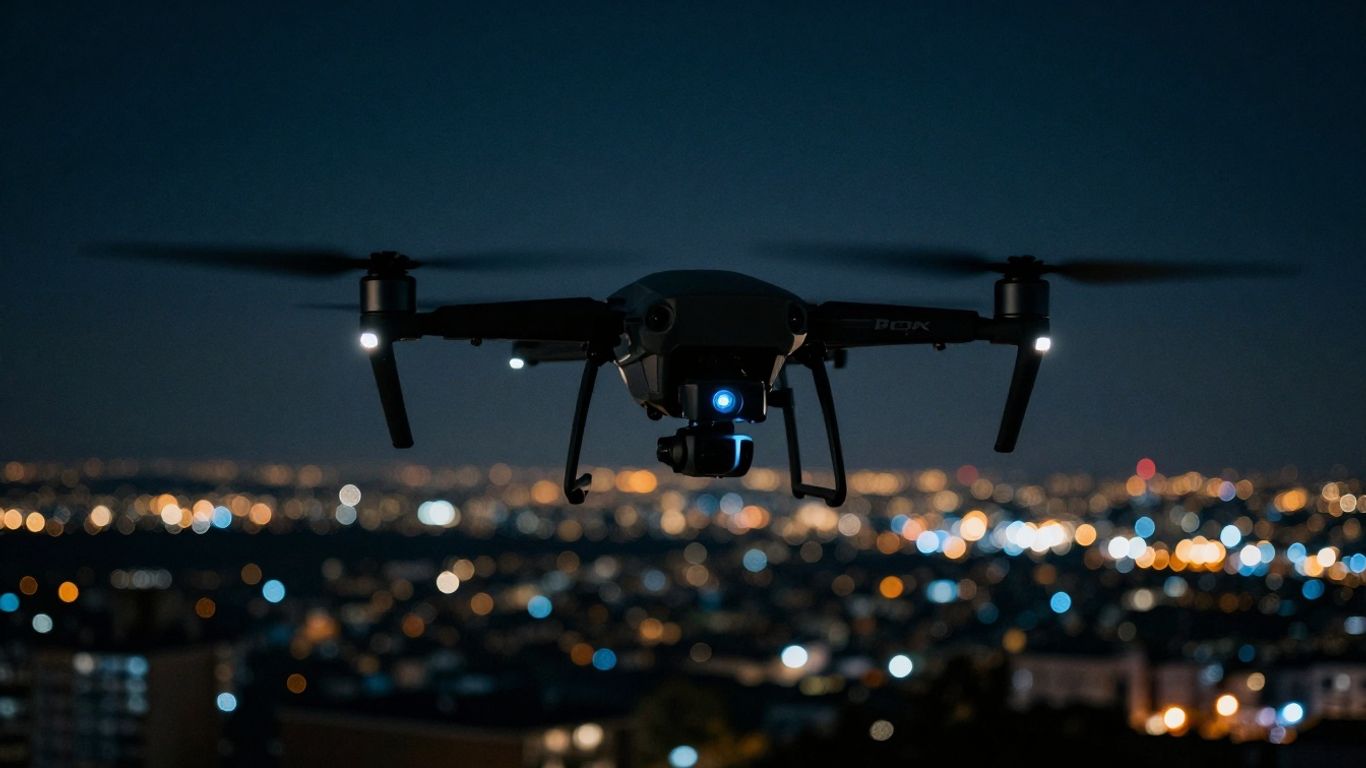
Your drone’s eyes aren’t as good in the dark, plain and simple. That’s where obstacle avoidance systems come in. These sensors are super important for flying safely when you can’t see much. It’s a good idea to get familiar with how these sensors work during the day, so you know what to expect. When flying at night, going a bit slower gives you more time to react if something unexpected pops up. Always keep an eye out for hazards like trees or power lines, especially if you’re in a new spot. Some advanced drones use a mix of sensors, like radar and visual systems, to help them fly autonomously and safely even when it’s really dark.
Utilizing GPS and Return-to-Home Features
Safety is the big word here, and you’ve got to make sure your GPS and Return-to-Home (RTH) features are ready to go. Before you even power up, find an open area and check that your drone has a strong lock on at least six GPS satellites. This makes sure it knows exactly where ‘home’ is. Then, set your RTH altitude. This needs to be higher than any obstacle you might encounter, like tall trees or buildings. You should test this manually to be sure it works when you need it. This feature is your most critical automated safety net if you lose connection or sight of the drone.
Optimizing Camera Settings for Low Light
If you’re looking to capture footage at night, you’ll need to tweak your camera settings. Forget auto mode; it usually struggles in low light. Switch to manual and open up the aperture as wide as it can go, maybe between f/2.8 and f/4.0. This lets in more light, which helps your camera get a better picture. Your camera’s sensor has to work harder in the dark, and sometimes that means using a higher ISO, but be aware that too high an ISO can make your footage look grainy. Getting good light is key for clear night shots. Remember, the FAA requires your drone to have anti-collision lights visible from at least three statute miles, and these lights must flash between 40–100 times per minute to meet FAA standards.
Flying at night means you’re relying more on technology and less on your own eyes. Double-checking that your obstacle avoidance is working, your GPS is locked, and your RTH is set correctly are non-negotiable steps. It’s also smart to have a visual observer, someone else to keep an eye out, especially in unfamiliar areas. Logging your flights and making sure your anti-collision lights are functioning properly before every takeoff adds another layer of safety and accountability.
It’s also worth noting that compliance with Remote ID regulations is still required, even when flying after dark. Make sure your drone is broadcasting its identification and location data as required by the FAA.
Navigating the Night Sky Safely
Flying a drone after dark presents unique challenges, and staying safe means being extra prepared. It’s not just about having the right lights; it’s about how you approach the flight itself. Paying attention to details before and during your flight is key.
Maintaining Drone Orientation
Keeping track of which way your drone is pointing can be tricky when you can’t see it as clearly. The flashing lights help, but it’s easy to get disoriented, especially if the drone is far away or moving quickly. Relying solely on the drone’s lights can be tough. Some pilots use a small, colored LED on the front or back of the drone that’s different from the anti-collision lights to give a clearer visual cue of its direction. It’s a simple trick that makes a big difference in keeping your bearings.
Awareness of Visual Illusions
Darkness plays tricks on your eyes. Without familiar visual cues, judging distance and speed becomes harder. You might think the drone is closer or further away than it actually is. This is where having a good sense of your drone’s normal flight patterns and speeds comes in handy. Also, remember that your own night vision takes time to adjust. Avoid looking at bright lights, like your phone screen, for too long. Using a red light at your ground station can help preserve your vision.
Scouting Flight Areas During Daylight
This is probably the most important step for any night flight. You absolutely need to check out your flying spot before it gets dark. Walk around the entire area and look for anything that could be a hazard. Think power lines, tall antennas, thin tree branches, or even unexpected structures. Make a mental note, or even mark them on a map, so you know exactly where to avoid when you can’t see them well. This pre-flight check is your best defense against flying into something unseen. It’s also a good time to pick out a clear, safe spot for takeoff and landing. If you’re flying in an area you don’t know well, this step is non-negotiable. It’s a good idea to confirm your drone’s Return-to-Home altitude is set higher than any obstacles you find.
Here’s a quick checklist for your daylight scout:
- Identify all potential obstacles (power lines, trees, buildings).
- Note any unusual terrain features.
- Select a clear, flat area for takeoff and landing.
- Check for any temporary hazards like construction equipment.
Flying at night requires a different mindset. It’s about being deliberate and methodical. Don’t rush. Take your time with pre-flight checks and during the flight itself. Slow, controlled movements are your friend when visibility is limited. Always have a plan, and be ready to adjust it if conditions change.
International Night Flying Guidelines
Night Flight Rules in the UK
In the United Kingdom, flying a drone after dark is permitted, but you’ve got to stick to the rules set by the Civil Aviation Authority (CAA). The main thing is maintaining visual line of sight (VLOS) with your drone and its surroundings at all times. This means you need to be able to see your drone clearly, plus everything around it, without any aids. For better visibility, it’s a good idea to have at least one flashing green light on your drone that can be seen from a distance. Keep in mind, poor visibility at night can make it tricky, and factors like drone size, lighting, weather, and even your own eyesight play a role in how far you can safely see.
Night Flight Regulations in the EU
Across the European Union, night flying for drones falls under specific regulations. Generally, you’ll need to have your drone equipped with anti-collision lighting that’s visible from a good distance. The exact requirements can vary slightly between member states, but the core idea is to make your drone easily detectable in low light conditions. You’ll also need to complete any required training or obtain certifications that cover night operations. Always check the specific rules for the country you’re flying in, as they can differ.
Canadian Drone Night Flight Considerations
Canada has its own set of rules for flying drones at night. Similar to other regions, you’ll need to ensure your drone has appropriate lighting, typically anti-collision lights visible from at least 3 statute miles with a suitable flash rate. Pilots operating commercially often need to complete specific training that covers night operations. It’s also important to remember that standard rules, like maintaining visual line of sight, still apply. The Canadian government has been working to harmonize regulations, but it’s always best to check the latest guidelines from Transport Canada before you fly.
When flying internationally, remember that regulations can change. Always do your homework on the specific country’s aviation authority rules before you plan any night operations. What’s allowed in one place might not be in another, and staying compliant is key to safe and legal flying.
Here’s a quick rundown of what’s generally expected:
- Lighting: Your drone needs lights that make it visible, especially anti-collision lights. These usually need to be seen from a few miles away and flash at a specific rate.
- Training/Certification: Many countries require specific training or knowledge tests that cover the challenges of flying in the dark. This might be part of your initial certification or a separate module.
- Visual Line of Sight (VLOS): This rule usually remains in effect, meaning you or a visual observer must be able to see the drone with your own eyes at all times, even at night.
- Documentation: Keep records of your training, drone modifications, and any specific permissions you might have. This can be helpful if questioned by authorities.
So, Can You Fly Your Drone After Dark?
Flying a drone when the sun goes down is definitely doable, but it’s not quite the same as a daytime flight. You’ve got to be prepared. That means getting the right training, making sure your drone has those blinking lights so others can see it, and always checking out your flying spot when it’s still light out. When you’re up in the air, take it slow. Get a feel for how things look and move in the dark. Doing this right will make you feel more confident and open up a whole new world of cool shots and places to explore with your drone.
Frequently Asked Questions
What exactly counts as ‘night’ for drone flying?
The FAA has a specific definition for night flying. It’s not just when the sun goes down. Night officially starts 30 minutes after sunset and ends 30 minutes before sunrise. This period is called “civil twilight.” Even during civil twilight, you might still have some light, but if you fly beyond that, you need to be prepared for night flying.
Do I need special lights on my drone to fly at night?
Yes, absolutely. For night flights, your drone must have anti-collision lights. These lights need to be bright enough to be seen from at least three miles away and should flash at a specific rate to help prevent accidents. Think of them like the lights on an airplane, making your drone visible to others.
Can anyone fly a drone at night, or is it just for professionals?
Both recreational and commercial drone pilots can fly at night, but everyone needs to follow the rules. This includes having the right anti-collision lights and understanding the FAA’s definition of night. It’s important to check local rules too, as some places might have extra restrictions.
What’s the best way to see my drone when it’s dark?
It takes time for your eyes to get used to the dark, about 30 minutes. To help keep your night vision sharp, avoid looking at bright lights, like your phone screen or bright flashlights. Some pilots even use red-tinted glasses before flying to help preserve their eyes’ ability to see in low light.
Do I need a second person to help me fly at night?
While not always required by law, having a ‘visual observer’ is highly recommended, especially if you’re new to night flying. This person acts as an extra set of eyes, watching the sky for other aircraft and helping you stay aware of your surroundings. This lets you focus more on flying and capturing footage.
Are there any special camera settings for flying at night?
Yes, flying at night means your camera needs to work harder. It’s often best to switch your camera to manual mode instead of auto. You’ll want to open up the lens (lower the f-stop number, like f/2.8) to let more light in. You might also need to adjust the ISO, but be careful, as too high an ISO can make your footage look grainy.