Drone Pilot Pay in 2026: What to Expect

Thinking about a career in flying drones? It’s a field that’s really taking off, and by 2026, things are looking pretty interesting for drone pilots. You might be wondering what you can actually earn. Well, the drone pilot salary 2026 picture isn’t just one number; it’s a mix of different things like where you work, what you do, and how much time you’ve spent doing it. We’ll break down what you can expect.
Key Takeaways
- Drone pilot pay in 2026 depends a lot on your experience. New pilots might start around $42,000, while those with over five years under their belt could see $88,000 or more.
- The industry you work in makes a big difference. Think construction, mapping, or defense – these sectors often pay more than, say, basic real estate photography.
- Where you live matters too. Big cities and areas with lots of industry, like California, might offer higher pay compared to other regions.
- Going freelance means you can set your own rates, often between $35 to $150 an hour, but work can be unpredictable. Full-time jobs offer stability and benefits.
- Getting extra certifications, specializing in areas like AI data or infrastructure inspection, and building connections can really boost your earning potential as a drone pilot.
Understanding Drone Pilot Salary 2026 Variables
So, you’re curious about how much drone pilots will actually make in 2026? It’s not a simple number, honestly. A lot of things play into the final paycheck, and understanding these variables is key to figuring out your own future drone operator income. Think of it like this: you wouldn’t expect a brand-new driver to earn the same as someone who’s been behind the wheel for twenty years, right? The same logic applies here.
Experience Level’s Impact on Earnings
This is probably the biggest factor. When you’re just starting out, you’re building your skills and your portfolio. Entry-level drone pilots, those with less than a year under their belt, might see starting salaries around $42,000 annually. As you gain more experience, say one to four years, that number jumps up. Pilots in this mid-career range can expect to earn between $57,000 and $75,000. And for the seasoned pros, those with five or more years of flying under their belt? They’re looking at salaries well over $88,000, sometimes even reaching six figures, especially in specialized fields. The more you fly and the more complex projects you handle, the more you’re likely to earn.
Industry Sector and Compensation Tiers
Where you apply your drone skills makes a huge difference in your projected earnings for drone pilots. Some industries just pay more than others. For instance, working in aerospace and defense can bring in figures upwards of $200,000 annually. Construction and mapping/surveying often hover around the $95,000 mark. On the other hand, film and video, while exciting, might see average salaries closer to $70,000. It really pays to look at which sectors are booming and where your skills fit best.
Here’s a quick look at how different sectors might stack up:
| Sector | Average Annual Salary (Approx.) |
|---|---|
| Aerospace and Defense | $215,000+ |
| Mapping and Surveying | $95,000 |
| Construction | $95,000 |
| Environmental Services | $84,000 |
| Real Estate | $84,000 |
| Transportation | $86,000 |
| Film and Video | $70,000 |
Geographic Location and Earning Potential
Location, location, location. It’s a classic real estate saying, but it holds true for drone pilots too. The cost of living and the demand for drone services in a particular area will affect how much you can charge. For example, a drone pilot in California might earn around $78,000 a year, while someone in Texas might see closer to $68,000 for similar work. Big cities and areas with a high concentration of industries that use drones often offer better pay for anticipated pay for commercial drone users. It’s worth considering where you set up shop, or at least where you’re looking for work.
The drone industry is growing, but making good money isn’t just about having the latest drone. It’s about knowing the rules, having solid skills, and finding the right clients. Think about what you want to do and where you want to do it.
So, when you’re thinking about how much will drone pilots make in 2026, remember it’s a mix of your experience, the industry you choose, and where you’re located. There’s no single answer, but by understanding these factors, you can get a much clearer picture of your earning potential.
Emerging Industries Driving Drone Pilot Demand
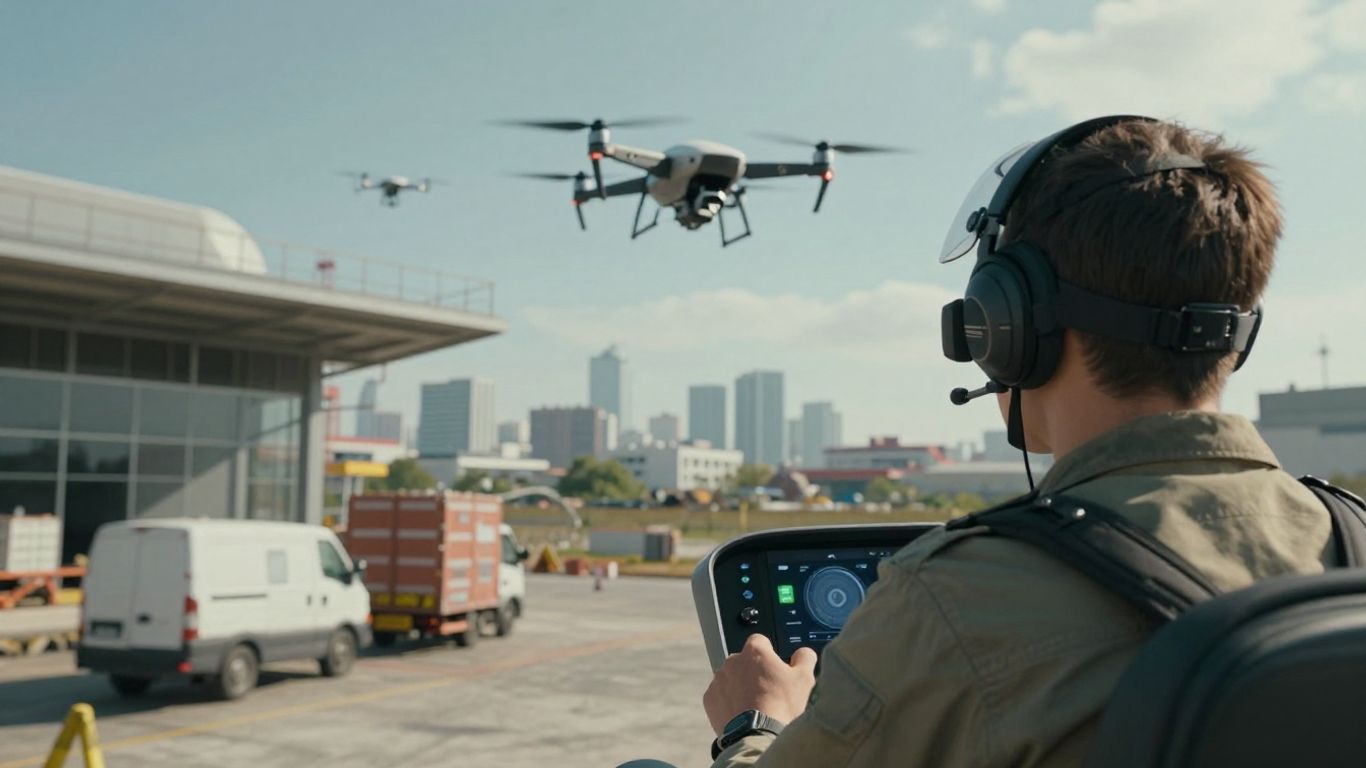
Forget just snapping pretty pictures of houses or weddings, though that’s still a thing. The real money and the most stable drone piloting career outlook in 2026 is showing up in some less glamorous, but way more important, sectors. These industries are finding that drones aren’t just a cool gadget; they’re becoming a necessary tool for efficiency and safety.
Construction and Infrastructure Inspection
Think about it: inspecting a bridge, a towering skyscraper, or a sprawling construction site from the ground is slow, dangerous, and expensive. Drones change all that. They can get up close to structures, capture high-resolution imagery and even thermal data without putting people at risk. This means fewer accidents and faster project timelines. Companies are increasingly relying on drone pilots to monitor progress, identify structural issues before they become major problems, and create detailed 3D models of sites for better planning and management. This is a huge area for growth, especially with the ongoing need to maintain and upgrade our nation’s infrastructure.
Agriculture and Environmental Services
Farmers are using drones to keep a closer eye on their crops. Instead of walking miles of fields, a pilot can survey vast areas quickly, checking for irrigation problems, pest infestations, or nutrient deficiencies. This precision agriculture approach saves resources and boosts yields. On the environmental side, drones are being used for everything from monitoring wildlife populations and tracking deforestation to mapping pollution and assessing damage after natural disasters. The data collected helps scientists and policymakers make better decisions about conservation and recovery efforts. The demand for pilots who can handle these specialized tasks is definitely on the rise.
Advanced Data Capture for AI and Digital Twins
This is where things get really interesting for the drone piloting career outlook. Many companies are now using drones to gather massive amounts of data that feed into artificial intelligence (AI) systems and create what are called ‘digital twins.’ A digital twin is basically a virtual replica of a physical object or system, like a factory, a city block, or a wind turbine. Drones capture the detailed imagery and sensor data needed to build these incredibly accurate models. This data is then used for simulations, predictive maintenance, and optimizing operations. Pilots who can operate drones equipped with advanced sensors like LiDAR and provide clean, structured data are in high demand. It’s less about flying and more about being a data specialist who uses a drone as their primary tool. This field is expanding rapidly as more businesses look to harness the power of AI and virtual modeling.
The drone job market in 2026 is shifting. While creative fields still exist, the most consistent and high-paying opportunities are emerging in sectors that require specialized data collection for industrial applications. Think infrastructure, agriculture, and AI development, not just pretty aerial shots.
Here’s a quick look at how these industries are shaping demand:
- Construction: Site monitoring, progress tracking, safety inspections, and creating 3D models.
- Agriculture: Crop health monitoring, yield prediction, precision spraying, and soil analysis.
- Environmental: Wildlife tracking, deforestation monitoring, pollution mapping, and disaster assessment.
- AI/Digital Twins: High-detail data capture for virtual replicas, simulations, and operational optimization.
If you’re looking to build a solid career in drone piloting, focusing on these emerging areas is a smart move. It’s about becoming an indispensable part of complex operations, not just a hobbyist with a remote control. You can find more insights into the driving forces behind this industry growth at current talent shortfalls.
| Industry Sector | Key Drone Applications |
|---|---|
| Construction & Infrastructure | Inspection, progress monitoring, 3D mapping, safety checks |
| Agriculture | Crop health, yield analysis, precision application, mapping |
| Environmental Services | Wildlife monitoring, pollution tracking, disaster response |
| AI & Digital Twins | High-res data capture, LiDAR, sensor integration |
The Freelance vs. Full-Time Drone Pilot Landscape
When you’re thinking about making a career out of flying drones, one of the first big questions is whether to go it alone as a freelancer or find a steady, full-time gig. Both paths have their ups and downs, and what works best really depends on your personal goals and how you like to work.
Freelance Earning Potential and Variability
Freelancing can be pretty appealing because you get to pick your projects. Some freelance drone pilots can pull in anywhere from $40,000 to $75,000 a year, and if you’re really good and land the right contracts, you might even make six figures. The hourly rates can also be quite good, often ranging from $35 to $150 per hour. However, this flexibility comes with a catch: income can be unpredictable. You might have busy months followed by slower ones, and you’re responsible for finding your own work, managing clients, and handling all the business side of things. It’s not just about flying; it’s about running a small business. This is where understanding the market and marketing yourself becomes key. You might find more consistent work if you focus on areas with high demand, like energy corridors or active construction zones.
Full-Time Employment Benefits and Stability
On the flip side, a full-time job offers a different kind of reward: stability. While the hourly rates might seem a bit lower on average, typically between $80 and $120 per hour, you get a predictable paycheck. Plus, full-time roles usually come with benefits like health insurance, retirement plans, and paid time off. This can add significant value and peace of mind. Instead of constantly chasing new clients, you can focus on honing your skills and contributing to a specific company’s goals. For example, companies that need regular data capture for AI or digital twins might hire full-time pilots to ensure consistent operations. When considering a full-time role, it’s worth looking into the total compensation package, not just the base salary. Think about things like overtime pay and any other perks that might be offered.
Hourly Rate Benchmarks for Both Models
It’s helpful to have some numbers to compare. For freelancers, the hourly rate can swing quite a bit, but a common range is $35-$150/hr. This variability means you need to budget carefully. Full-time pilots often see rates in the $80-$120/hr range, but remember this usually includes benefits that freelancers have to pay for out-of-pocket. It’s not always a simple comparison of hourly rates; you have to look at the whole picture. For instance, a freelance pilot might charge $100 an hour, but if they only work 20 hours a week, that’s less than a full-time pilot earning $90 an hour but working 40 hours a week and getting health insurance. The choice between freelance and full-time often comes down to your tolerance for risk versus your desire for security.
When evaluating your options, consider not just the immediate income but also the long-term career growth and the kind of work-life balance you’re aiming for. Some pilots find success by starting freelance and then transitioning to full-time roles as they gain experience and connections, or vice versa. It’s a dynamic field, and your path might change over time.
Maximizing Your Drone Pilot Salary 2026
So, you’ve got your drone pilot wings, maybe even that coveted Part 107 certificate. That’s a great start, but how do you actually turn those skills into a really solid income in 2026? It’s not just about flying; it’s about smart strategy. The drone pilot job market is growing, but making top dollar requires more than just knowing how to operate a UAV. Let’s break down how to boost your earnings.
The Value of Advanced Certifications
Sure, the basic Remote Pilot Certificate is a must. But think of it as your entry ticket. To really stand out and command higher rates, you’ll want to look into specialized training. Things like thermography, which lets you do thermal inspections for buildings or solar panels, are super valuable. Or maybe drone mapping and GIS certifications? These open doors to surveying and environmental work that pays well. It’s about adding specific, in-demand skills to your toolkit.
- Thermography: For inspections in construction, energy, and building diagnostics.
- Drone Mapping & GIS: For surveying, land development, and environmental monitoring.
- Advanced Flight Systems: Training on more complex drones and their specific applications.
Specializing in High-Demand Niches
Instead of being a jack-of-all-trades, becoming a master of one or two high-paying niches can seriously pay off. Think about industries that are really leaning into drone tech. Powerline inspections, for example, require precision and safety, and pilots who can do that are in demand. Precision agriculture is another big one, helping farmers optimize their crops. Even specialized real estate photography, like detailed architectural or large property surveys, can fetch better rates than general aerial shots. Finding a niche means you become the go-to expert.
Focusing on a specific area allows you to build a reputation and attract clients who are willing to pay a premium for specialized knowledge and reliable service. It’s about positioning yourself as an indispensable asset, not just another pilot.
Building a Strong Professional Network
This might sound a bit soft, but it’s incredibly important. Who you know can open up a lot of doors. Attend industry events, join online forums, and connect with people in fields that use drones – construction managers, real estate developers, agricultural consultants. Sometimes the best jobs aren’t advertised; they come through referrals. Building relationships can lead to consistent work and even opportunities to partner on larger projects. Don’t underestimate the power of a good professional connection.
Regulatory Influences on the Drone Job Market
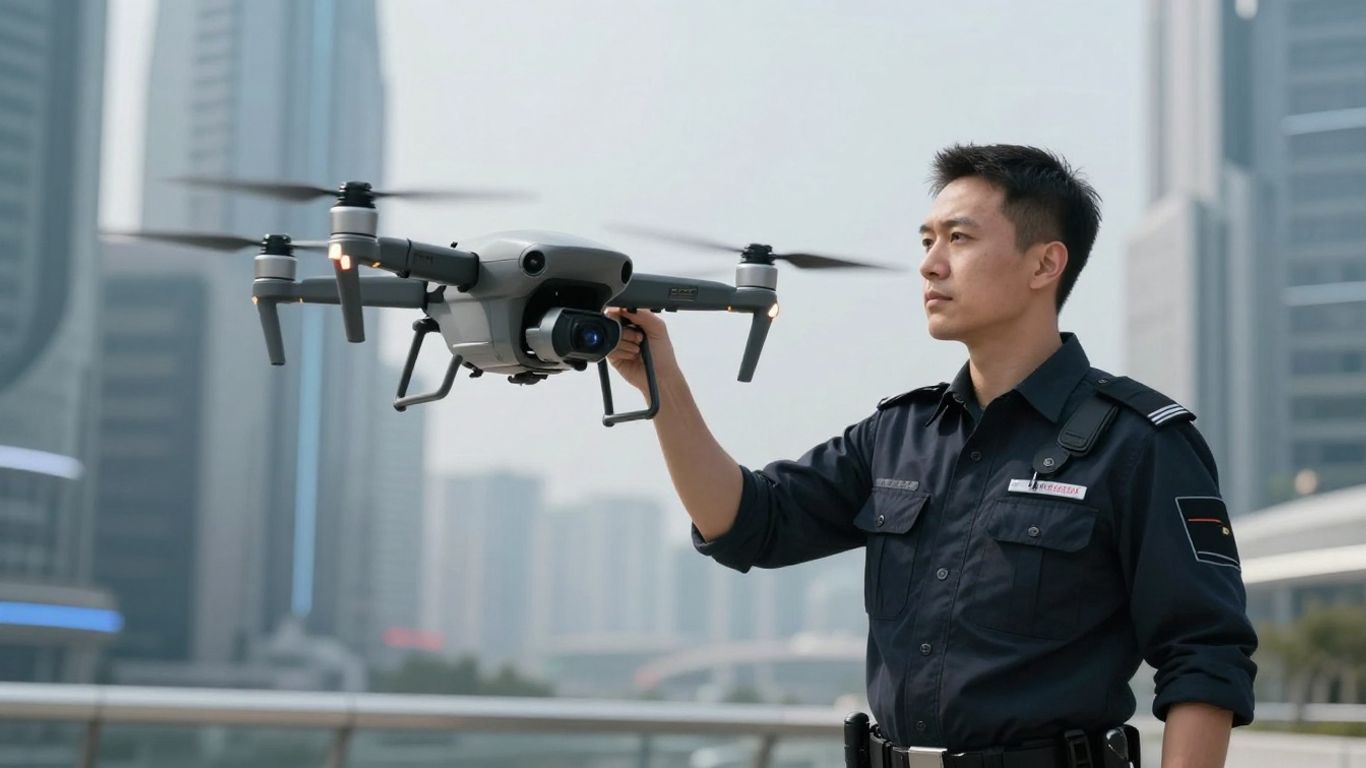
Navigating the drone industry in 2026 means keeping a close eye on the rules and regulations. These aren’t just bureaucratic hurdles; they directly shape where the jobs are and how pilots get paid. The Federal Aviation Administration (FAA) is a big player here, setting the standards that everyone has to follow.
FAA Part 107 Requirements
Getting your Remote Pilot Certificate under FAA Part 107 is pretty much the entry ticket for any commercial drone work in the US. It shows you know the basics of flying safely and legally. This certificate isn’t just a one-and-done thing; you need to keep up with it. Passing the initial test and understanding the operational rules are non-negotiable for most drone pilot jobs. Without it, you’re grounded for any professional flying.
Future Regulations and Opportunities
The regulatory landscape is always shifting. We’re seeing a lot of talk about rules for flying drones beyond the pilot’s direct line of sight, often called BVLOS operations. These new rules, expected to be more defined in 2026, could open up a whole new world of possibilities for drone pilots. Think about long-distance infrastructure inspections or large-scale agricultural monitoring. These kinds of jobs require more advanced training and certifications, but they also come with higher pay. The FAA is working on these updates, and staying informed is key to spotting these emerging opportunities. New drone rules are definitely something to watch.
The Role of Certified Pilots
Being certified isn’t just about following the law; it’s about building trust. Clients, especially larger companies and those in sensitive industries like construction or energy, want to know their drone pilot is properly trained and insured. This is where having the right certifications and understanding things like commercial drone insurance requirements comes into play. It signals professionalism and reduces risk for everyone involved. As the technology advances, so will the need for pilots who can operate complex systems safely and compliantly, making certified pilots more important than ever.
Technological Advancements Shaping Drone Pilot Roles
The drone industry isn’t standing still, and neither should drone pilots. Technology is changing super fast, and staying on top of it is key to making good money in 2026. Think about it: the drones themselves are getting way better, and the software they use is getting smarter too. This means pilots need to keep learning to keep up.
Enhanced Drone Capabilities
Drones today can do a lot more than just take pretty pictures. They’re equipped with better cameras, more advanced sensors like thermal imaging, and can fly longer and more reliably. This opens doors to more complex jobs. For instance, inspecting wind turbines or mapping large construction sites used to be a huge hassle, but now drones can handle it with more precision. The ability to carry specialized payloads is a game-changer. This means pilots who can operate drones with these advanced sensors are in higher demand.
Integration with AI and Automation
Artificial intelligence (AI) and automation are starting to play a big role. Drones can now collect data, and AI can help process it much faster. This means pilots might not just be flying; they could be involved in setting up automated data collection routes or even helping to interpret the initial findings. Think about AI helping to spot defects in infrastructure or identify specific crop issues. It’s about working with the technology, not just operating it. This shift means pilots need to understand how data is collected and what happens to it after the flight.
New Skillsets for Future Pilots
So, what does this mean for you? You can’t just get your basic pilot certificate and expect to be set forever. You’ll likely need to pick up new skills. This could involve learning how to use specific software for data analysis, understanding how to calibrate advanced sensors, or even getting familiar with drone fleet management systems. It’s becoming less about just flying and more about being a data professional who uses drones as a tool. Building a strong professional network can also help you find opportunities in these evolving areas.
Here’s a quick look at some skills that are becoming more important:
- Data Processing Software: Familiarity with platforms that turn raw drone data into usable maps, models, or reports.
- Sensor Operation: Knowing how to properly use and maintain specialized sensors like LiDAR or thermal cameras.
- Basic AI Interpretation: Understanding how AI tools can analyze drone-collected data and what the outputs mean.
- Flight Planning Automation: Skills in setting up autonomous flight paths for repetitive tasks.
The drone pilot job market in 2026 is increasingly looking like a skilled trade. Success often comes from specializing in a specific industry, acquiring the right advanced equipment, and proving you can deliver consistent, high-quality results. It’s about becoming a specialist, not just a general operator.
Wrapping It Up
So, looking ahead to 2026, it’s clear that the drone pilot scene is still growing. While the idea of just flying drones for fun or simple photography might not pay the bills, there are definitely solid opportunities out there. The key seems to be getting specialized skills, maybe in areas like data collection for big industries or complex inspections. Staying up-to-date with new tech and getting extra certifications will likely make a big difference in what you can earn. Whether you go the freelance route or find a steady job, understanding the market and what clients really need will be your best bet for a good income in this field.
Frequently Asked Questions
How much money can a drone pilot make in 2026?
Drone pilot earnings can change a lot! New pilots might start around $42,000 a year. But if you become really good with lots of experience, especially in fields like construction or mapping, you could earn $88,000 or even more. Some pilots in special jobs can make over $200,000!
What kind of jobs pay drone pilots the most?
The jobs that pay the most often involve using drones for important tasks. Think about checking big buildings and bridges, mapping land for construction, or helping with defense projects. These jobs need pilots with special skills and training, which is why they pay more than, say, taking pictures for real estate.
Is it better to be a freelance drone pilot or work for a company?
Both have good and bad points. Freelance pilots can set their own hours and rates, sometimes making a lot of money per hour ($35 to $150!). But, work can be spotty. Full-time jobs offer steady pay and benefits like health insurance, which means more security.
Do I need special certificates to be a drone pilot?
Yes, for most jobs, you’ll need a certificate from the FAA called a Part 107 Remote Pilot Certificate. This shows you know how to fly safely and follow the rules. For even better jobs, you might want extra training in things like using special cameras or mapping.
What new things are making drone pilot jobs more interesting?
Drones are getting smarter! They can do more than just fly and take pictures. They can now help with things like building digital copies of places (digital twins), using artificial intelligence to understand data, and working more on their own. Pilots who learn these new skills will be in high demand.
Where can I find the most drone pilot jobs?
Jobs are popping up everywhere, but places with lots of building, farming, or energy work often need drone pilots the most. Big states like California, Texas, and Florida tend to have more opportunities. Also, cities usually have steady work for things like filming and inspections.