Drone Biz Ideas for 2026: Get Ahead!

Thinking about starting a drone business in 2026? You’re in luck. The drone world is really taking off, and there are tons of ways to make money with these flying gadgets. Whether you’re into cool aerial shots, helping out with infrastructure checks, or even delivering packages, there’s probably a niche for you. We’re going to look at some of the best drone business ideas 2026 has to offer, so you can get a head start. It’s a growing market, and getting in now could be a smart move.
Key Takeaways
- Focus on areas like inspections, mapping, public safety, farming, and creating content with drones.
- The drone market is growing fast, with lots of different ways to use the technology for businesses.
- Starting a drone business can be profitable, especially if you find a specific need that isn’t being met.
- Make sure you get the right licenses and training before you start flying for clients.
- Plan your business well, including how you’ll find customers and what equipment you’ll need.
Emerging Drone Business Opportunities for 2026
Alright, let’s talk about where the drone world is heading in 2026. It’s not just about cool flying cameras anymore; we’re seeing some really practical and profitable emerging drone service opportunities. The future drone industry trends point towards specialized skills and reliable solutions.
Aerial Photography and Videography Services
This is still a big one, and for good reason. Think real estate agents needing stunning shots of properties, filmmakers looking for unique angles, or even event planners wanting aerial views of their setup. High-quality aerial visuals are in demand across many industries. You can focus on a niche, like luxury homes or wedding venues, or offer a broader range of services. It’s about capturing perspectives that ground-level cameras just can’t reach. Getting your FAA Part 107 certification is a must here, and it opens doors to many commercial drone pilot jobs [f596].
Drone Inspections for Infrastructure
This is where drones really shine for safety and efficiency. Inspecting bridges, power lines, wind turbines, or pipelines is often dangerous and time-consuming work for people. Drones can get up close safely, capturing detailed images and data that help identify problems early. This saves companies money and prevents accidents. You’ll need drones with good cameras and maybe thermal sensors, plus software to process the data into useful reports. It’s a serious business that requires attention to detail and understanding of the structures you’re inspecting.
Precision Agriculture Drone Solutions
Farming is getting smarter, and drones are a big part of that. Farmers can use drones to monitor crop health, check irrigation systems, and even apply treatments precisely where needed. This means less waste of water, fertilizer, and pesticides, leading to better yields and a healthier environment. It’s a growing field, and if you have any interest in agriculture or data analysis, this could be a great path. The market for these solutions is really taking off.
Drones are moving beyond simple photography. They are becoming essential tools for data collection and analysis in fields like agriculture and infrastructure management. This shift means businesses need pilots who understand not just how to fly, but also how to interpret the data their drones gather.
Here’s a quick look at some key areas:
- Infrastructure Inspection: Bridges, power lines, cell towers, pipelines.
- Agriculture: Crop monitoring, soil analysis, spraying, yield estimation.
- Public Safety: Search and rescue, accident scene mapping, disaster assessment.
- Content Creation: Real estate, events, marketing videos, tourism promotion.
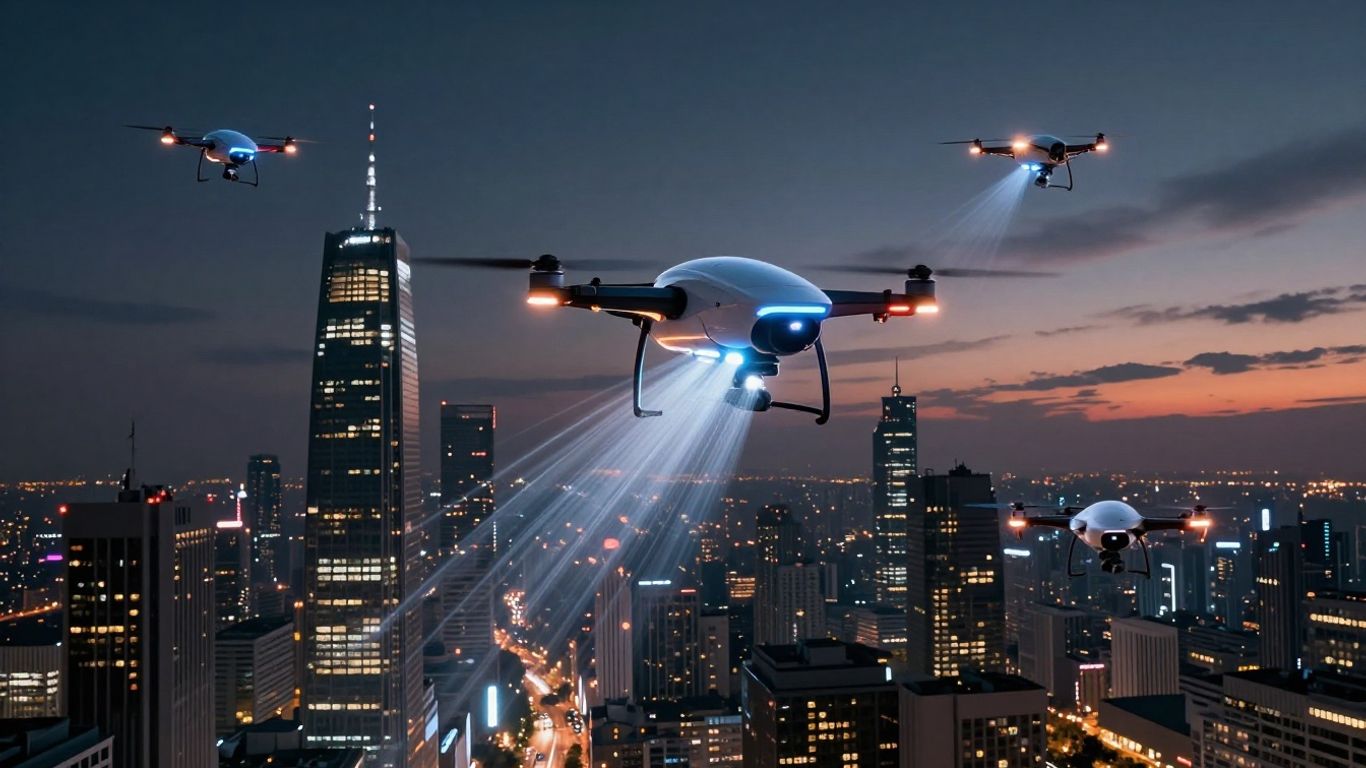
Remember, flying at night is now legal for many pilots with the right equipment and training [d1ef], opening up even more possibilities for services like nighttime infrastructure checks or unique event videography.
Specialized Drone Services Gaining Traction
Beyond the basic aerial shots, the drone world is really opening up with some pretty cool, specialized services. These aren’t just for hobbyists anymore; they’re becoming serious business tools. Think about it – using drones for things that used to be dangerous, time-consuming, or just plain impossible.
Public Safety and Emergency Response Drones
When seconds count, drones are proving their worth. Fire departments are using them to get a bird’s-eye view of fires, spotting hotspots and planning their attack without putting firefighters in immediate danger. Search and rescue teams are deploying drones with thermal cameras to find lost hikers or people in disaster zones, covering ground way faster than a ground crew could. Even law enforcement is finding uses, like monitoring crowds or getting aerial perspectives during critical incidents. These drones are literally saving lives.
Content Creation and Marketing with Drones
Okay, so aerial photography is still big, but it’s getting more creative. We’re talking about dynamic video for real estate that makes houses look amazing, or capturing the energy of a music festival from above. Businesses are using drone footage for marketing campaigns that really stand out. It’s not just about pretty pictures anymore; it’s about telling a story from a unique angle. If you’re good with a camera and can get those cinematic shots, there’s a market here.
Environmental Monitoring and Conservation Drones
This is a growing area that feels good to be a part of. Drones are being used to keep an eye on wildlife populations, map out areas for reforestation, or even monitor pollution. They can get into remote areas without disturbing the environment, which is a huge plus. Conservation groups and researchers are finding these tools invaluable for gathering data they couldn’t get otherwise. It’s a way to use technology for good, and there’s a real need for these services. You can even look into services like mapping habitats for conservation projects.
Here’s a quick look at some costs involved in starting specialized services:
| Service Type | Estimated Startup Cost Range |
|---|---|
| Basic Photography/Videography | $3,000 – $10,000 |
| Advanced Mapping/Surveying | $8,000 – $25,000+ |
| Industrial Inspections | $10,000 – $50,000+ |
| Specialized Sensor Integration | $20,000 – $250,000+ |
Starting a drone business, especially in specialized fields, requires careful planning. It’s not just about buying a drone; you need to consider the right sensors, software for data processing, insurance, and of course, the necessary licenses and certifications. Thinking about your specific niche from the start will help you choose the right equipment and avoid unnecessary expenses. The initial investment can vary wildly depending on what you want to do.
- Infrastructure Inspections: Think bridges, power lines, wind turbines, and cell towers. Drones can get up close safely to spot damage or wear that might be missed from the ground. This saves companies money on scaffolding and reduces risk for inspectors.
- Precision Agriculture: Farmers are using drones to monitor crop health, identify areas needing water or fertilizer, and even spray pesticides precisely where needed. This leads to better yields and less waste.
- Mapping and Surveying: Creating detailed 3D maps of construction sites, land parcels, or even archaeological digs is becoming standard practice. Drones can cover large areas quickly and accurately.
Innovative Drone Business Models to Explore
Thinking about starting a drone business in 2026? The landscape is ripe with possibilities beyond just taking pretty pictures. We’re talking about truly innovative aerial services that can build a solid, profitable drone company concept. Let’s look at some entrepreneurial drone ventures that are really taking off.
Drone Delivery and Courier Services
This is a big one, and it’s only going to get bigger. Imagine getting packages, medical supplies, or even food delivered right to your doorstep by a drone. It’s faster, often more efficient for certain routes, and can cut down on traffic. Setting up a drone delivery service requires careful planning around regulations, payload capacity, and safe landing zones. It’s a complex operation, but the potential rewards are huge, especially in urban or hard-to-reach areas. This is a prime example of the innovative aerial services market really expanding.
Underwater Drone Inspections and Filming
Don’t forget about what’s beneath the surface! Underwater drones, or ROVs (Remotely Operated Vehicles), are opening up new avenues. Think about inspecting pipelines, bridge foundations, ship hulls, or even conducting environmental surveys in lakes and rivers. For those with a creative streak, underwater filming for documentaries or even recreational purposes is another option. This niche requires specialized equipment and knowledge, but it’s a less crowded space with significant demand.
Drone Rental and Equipment Services
Not everyone needs a drone full-time, but many businesses and individuals need them for specific projects. A drone rental service can be a fantastic business model. You provide the drones, the necessary accessories, and maybe even basic training. This could range from renting out high-end photography drones for a weekend wedding shoot to providing specialized drones for construction site surveys. It’s a flexible model that can scale by simply adding more equipment to your inventory. You could even partner with drone manufacturers to offer their latest models. Finding the right drone partner is key here.
- Identify your target market: Who needs drone rentals most? Photographers, real estate agents, construction companies, hobbyists?
- Curate your fleet: Offer a variety of drones suited for different tasks.
- Develop a clear rental agreement: Outline terms, insurance, and responsibilities.
- Provide support: Offer basic troubleshooting or operational guidance.
The future of many industries will involve aerial data. Businesses that can provide the tools and services to collect and interpret this data will be well-positioned for success. Focusing on specialized applications and reliable service is how you build a lasting drone business.
Building Your Drone Business Foundation
So, you’ve got a killer idea for a drone business, maybe focusing on detailed infrastructure inspections, stunning real estate visuals, or even helping farmers out with precision agriculture. That’s awesome! But before you start booking clients, there are some pretty important groundwork steps to lay down. Think of it like building a house – you need a solid foundation, right?
Obtaining Necessary Certifications and Licenses
First things first, you absolutely need to be legit. In the U.S., this means getting your FAA Part 107 certification. It’s not just a piece of paper; it shows you know the rules of the sky and how to fly safely. This involves passing a pretty thorough exam covering things like airspace, weather, and drone operations. Seriously, don’t skip this part. It’s the gateway to flying commercially. Beyond that, depending on your specific services, you might need other permits or registrations. For instance, if you’re doing work for government agencies or in certain restricted areas, there could be extra hoops to jump through. It’s always a good idea to check with your local aviation authority and maybe even consult with a legal pro to make sure you’re covered. Flying a drone over people, for example, has specific safety rules you need to follow. Check FAA safety regulations to understand these requirements.
Choosing the Right Drone and Equipment
Okay, so you’re certified. Now, what are you actually going to fly? This really depends on what you plan to do. For crisp aerial photography and videography, you’ll want a drone with a top-notch camera. If your focus is on inspecting bridges or wind turbines, you’ll need a drone that’s stable in various conditions and can carry specialized sensors, maybe even thermal cameras. For agriculture, think about drones with multispectral sensors to monitor crop health. Beyond the drone itself, you’ll need extras: plenty of batteries (flight time is always a concern!), a reliable charging system, a sturdy case for transport, and maybe even spare parts. Don’t forget software for flight planning and data processing, too.
Creating a Comprehensive Business Plan
This is where you map out your entire operation. What services are you offering? Who are your ideal customers – construction companies, farmers, real estate agents, or maybe local police departments for public safety? What’s your pricing structure? How will you market yourself? A good business plan also includes your financial projections. How much will it cost to get started (equipment, insurance, certifications)? How much revenue do you expect to make? This document is your roadmap and is super important if you ever plan to seek funding or partnerships. It helps you stay focused and makes sure you’ve thought through all the angles. Forming a legal entity and setting up finances are key parts of this planning phase.
Building a drone business isn’t just about the cool tech. It’s about understanding the regulations, picking the right tools for the job, and having a clear vision for how you’ll operate and make money. Taking the time to get these foundational elements right will save you a lot of headaches down the road and set you up for success.
Marketing and Scaling Your Drone Venture
So, you’ve got your drone business off the ground – maybe you’re doing stunning aerial shots for real estate, inspecting cell towers, or helping farmers get a better view of their fields. That’s awesome! But now comes the part where you actually get people to know about it and use your services. This is where marketing and scaling come in, and honestly, it’s not as scary as it sounds.
Developing a Strong Brand Identity
First things first, what’s your business all about? Think about what makes you different. Are you the go-to for super-fast emergency response footage, or the most detailed agricultural mapping service around? Your brand is how people see you. It’s more than just a logo; it’s the feeling they get when they think of your company. A good logo and a clean website are a start, but consistency is key. Use the same colors, fonts, and tone across everything – your website, social media, even your email signature. This builds trust and makes you look professional, whether you’re pitching to a big construction company for infrastructure inspections or a local vineyard.
Effective Marketing Strategies for Drone Services
Getting the word out requires a plan. You can’t just hope people find you. For specialized services like public safety or environmental monitoring, you’ll want to target specific organizations and agencies. Think about industry events, direct outreach, and case studies that show exactly how you solved a problem for someone else. For aerial photography or content creation, social media is your friend. Show off your best work! High-quality photos and videos on platforms like Instagram and YouTube can really grab attention. Don’t forget about local SEO – make sure people searching for "drone services near me" can find you.
Here are a few ways to get started:
- Content Marketing: Share blog posts or videos about how drones are changing industries like agriculture or infrastructure inspection. This shows you know your stuff.
- Social Media Engagement: Post regularly, interact with followers, and run targeted ads to reach potential clients in specific geographic areas or industries.
- Networking: Attend local business events, join industry associations, and connect with potential clients and partners. Building relationships is huge.
- Partnerships: Collaborate with complementary businesses, like real estate agencies, construction firms, or agricultural consultants.
Marketing isn’t just about shouting from the rooftops; it’s about having smart conversations with the right people. Understand their pain points and show them how your drone service is the solution they’ve been looking for. This approach works whether you’re offering drone delivery services or detailed mapping for land development.
Prioritizing Excellent Customer Service
Once you get a client, don’t drop the ball. Happy customers come back, and they tell their friends. This is especially true in fields like inspections or public safety where reliability is everything. Make sure you’re responsive, professional, and always deliver what you promise. If something goes wrong, own it and fix it. Good service turns one-time clients into loyal advocates for your business. Think about how you handle inquiries, the quality of your reports (especially for mapping or inspection data), and your follow-up process. A smooth experience makes a big difference.
Scaling Your Drone Venture
As your business grows, you’ll need to think about scaling. This could mean buying more drones, hiring more pilots, or even expanding into new service areas. Maybe you started with just aerial photography and now you’re looking at offering drone-based surveying. Scalability means having systems in place to handle more work without sacrificing quality. This might involve investing in better software for data management or training your team to handle more complex projects. Don’t be afraid to explore new technologies or service models, like offering drone rental options for businesses that need temporary aerial capabilities. Staying adaptable is key to long-term success in this fast-moving field. You can find more actionable advice on growing your drone business at drone company marketing strategies.
Leveraging Technology for Drone Business Success
Staying on top of the tech game is pretty important if you want your drone business to really go places in 2026. It’s not just about having a cool drone; it’s about using the right tools and data to give your clients something extra. Think about how advancements can make your services in inspection, mapping, public safety, agriculture, and content creation even better.
Staying Ahead with Drone Technology Advancements
The drone world moves fast. New models come out, sensors get better, and software gets smarter. For inspection services, this means drones with advanced thermal or zoom cameras can spot issues that were hard to see before. Mapping businesses benefit from drones with higher accuracy GPS and better photogrammetry software, producing incredibly detailed 3D models. Public safety agencies can use drones with powerful spotlights and loudspeakers for search and rescue, or even deploy them with specialized sensors for hazardous material detection. In agriculture, drones equipped with multispectral or hyperspectral sensors can give farmers super detailed insights into crop health, helping them use resources more efficiently. And for content creators, drones with incredible stabilization and high-resolution video capabilities are a must-have.
Keeping your equipment and software up-to-date is key to offering cutting-edge solutions. It might seem like a big investment, but it often pays off by letting you take on more complex jobs or charge a premium for your advanced capabilities. Plus, staying current means you’re less likely to be left behind by competitors. It’s a good idea to look into drone pilot insurance to cover your advanced gear.
Creating Online Drone Courses and Educational Content
Once you’ve built up some solid skills and experience, why not share that knowledge? Creating online courses or educational content can be a fantastic way to generate extra income and build your brand. You could focus on specific niches, like teaching beginners how to get their FAA Part 107 license, offering advanced techniques for agricultural drone mapping, or showing filmmakers how to capture cinematic shots. This not only helps others get started but also positions you as an authority in the field. Think about creating video tutorials, written guides, or even interactive workshops. The global drone market is expected to keep growing, so there’s definitely an audience for good educational material in 2026.
Utilizing Data Analysis for Drone Services
This is where things get really interesting. Drones collect a ton of data – photos, videos, sensor readings. But raw data isn’t always useful on its own. The real value comes from analyzing it. For infrastructure inspections, this means using software to automatically detect cracks or corrosion, rather than just looking at a pile of photos. In agriculture, analyzing multispectral data can pinpoint areas of stress or disease in a field, allowing for targeted treatment. Mapping services can use data analysis to create detailed reports on land use or construction progress. Public safety can analyze drone footage to track crowd movements or assess damage after an event.
Here’s a quick look at how data analysis can change the game:
- Inspection: Automated defect detection, structural integrity reports.
- Agriculture: Crop health monitoring, yield prediction, variable rate application maps.
- Mapping: Site progress tracking, volumetric calculations, environmental change analysis.
- Public Safety: Incident scene reconstruction, real-time situational awareness, damage assessment.
The ability to transform raw drone data into actionable insights is what separates good drone businesses from great ones. It’s about providing clients with clear, concise information that helps them make better decisions, save money, or improve safety.
By embracing these technological aspects, you’re not just operating a drone; you’re running a data-driven service that offers real, measurable value to your clients.
Ready to Take Flight?
So, we’ve looked at a bunch of ways drones can be used for business in 2026. From snapping cool aerial shots to checking on big structures or helping farmers, the opportunities are really out there. It’s not just about having a cool gadget; it’s about finding a real need and filling it. Remember to do your homework, get the right gear, and most importantly, get out there and start talking to people. The drone world is growing fast, and there’s definitely room for you to find your spot and make it work. Good luck!
Frequently Asked Questions
What kind of drone businesses are popular right now?
Lots of businesses are using drones for cool things! Some of the most popular ones include taking amazing aerial pictures and videos for real estate or events, checking on big structures like bridges and power lines to make sure they’re safe, helping farmers grow crops better, and even helping police and firefighters in emergencies.
Do I need a special license to fly drones for a business?
Yes, in most places, you’ll need a special license to fly drones for work. In the U.S., you usually need to pass a test to get an FAA Part 107 license. It shows you know how to fly safely and follow the rules. You might also need insurance for your business.
What’s the best drone to buy for a new business?
The best drone depends on what kind of business you want to start. If you’re taking photos, you’ll want a drone with a really good camera. If you’re checking on farms, you might need one with special sensors. It’s good to research what kind of drones are best for the jobs you want to do.
How do I get customers for my drone business?
Getting customers is super important! You can make a website to show off your work, use social media to tell people about your services, and even go to local events to meet potential clients. Offering a special deal for first-time customers can also help get your business noticed.
Is it hard to make money with a drone business?
It can be a great way to make money, but it takes work! The drone market is growing fast, so there are lots of opportunities. By offering good services and finding clients who need what you do, you can definitely build a successful and profitable business. Just be patient and keep trying!
Can I rent out my drone instead of flying it myself?
That’s a great idea! If you have a drone that people might need for a short time, you could start a rental service. There are even websites where people can list their drones for rent. This can be a good way to make money from your equipment when you’re not using it yourself.