
Drones: The New Way to Check Bridges

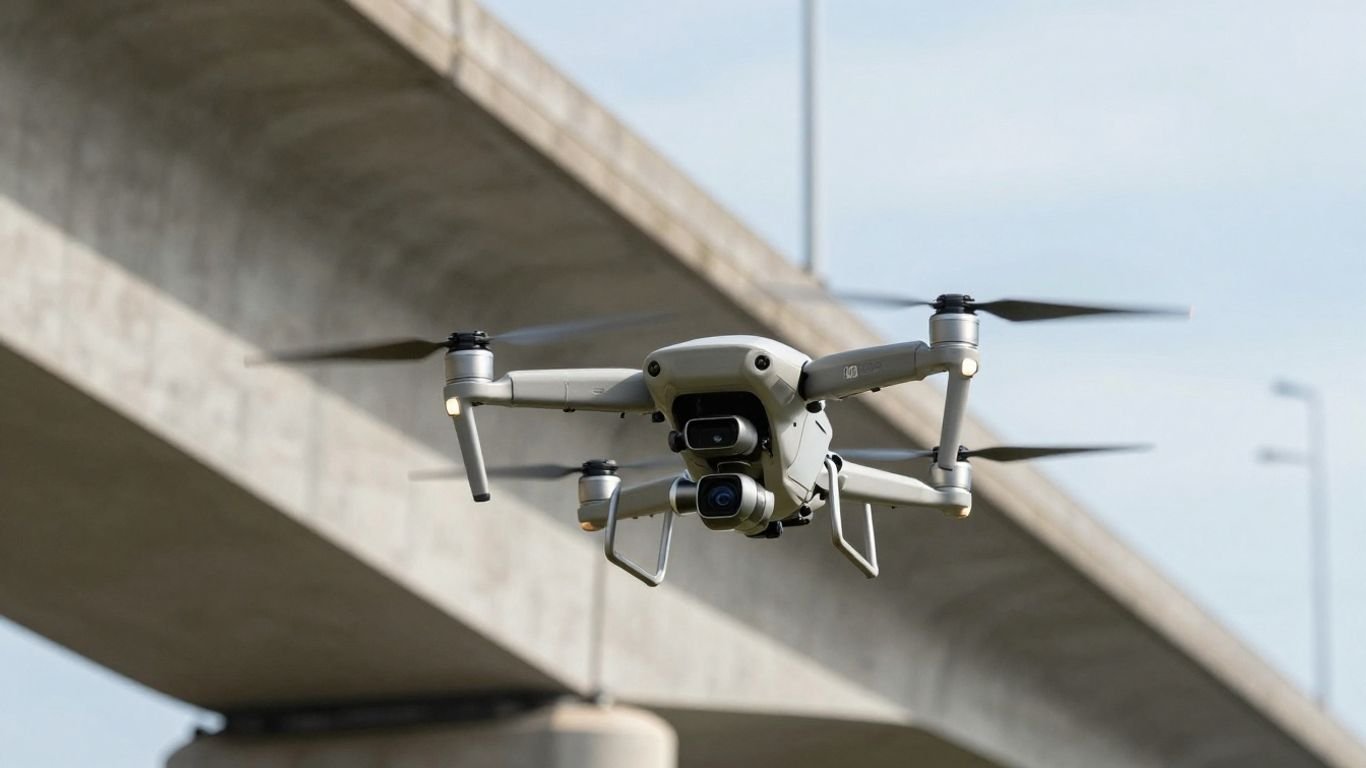
So, bridges. We all drive over them, right? But have you ever stopped to think about how they’re checked? It turns out, the old ways were pretty rough – lots of climbing around, risky business for the workers, and honestly, a real pain for traffic. But now, there’s this new thing happening with bridge inspection drones. It’s changing how we keep these vital structures safe, making things faster, cheaper, and way less dangerous. Let’s dive into how these flying gadgets are becoming the go-to tool for keeping our bridges in shape.
Key Takeaways
- Bridge inspection drones significantly improve safety by keeping workers away from dangerous heights and busy traffic.
- Using drones makes bridge inspections much faster and more efficient than traditional methods, cutting down on inspection time.
- The cost of inspecting bridges with drones is generally lower compared to older techniques, saving money and resources.
- Advanced technologies like LiDAR and AI are being integrated into drones for more detailed and predictive analysis of bridge conditions.
- While drones are transforming bridge inspections, they are seen as a supplement to, not a replacement for, hands-on inspections by certified professionals.
Revolutionizing Bridge Inspections With Drones
Enhanced Safety For Workers And The Public
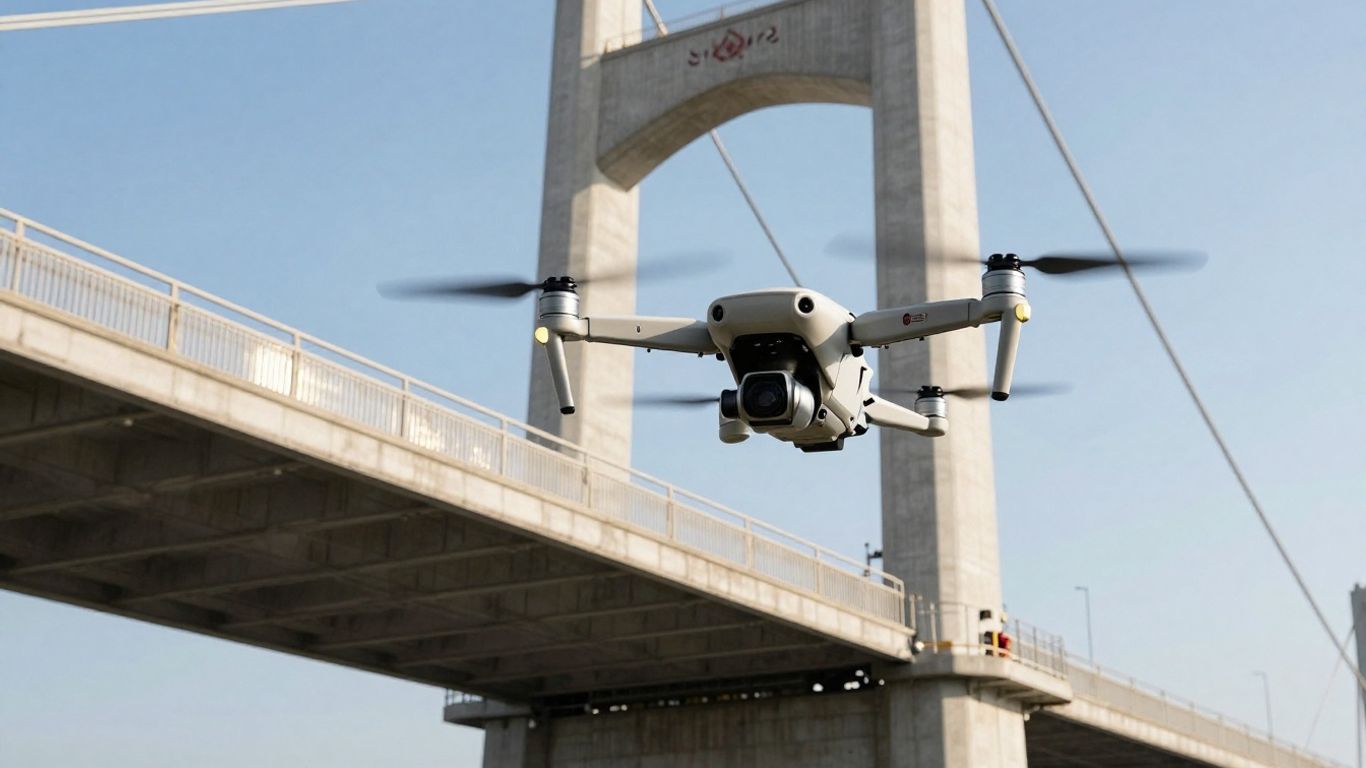
Remember the old days of bridge inspections? It often meant guys in harnesses dangling precariously over busy highways or rappelling down sheer concrete faces. That’s a tough gig, and frankly, pretty dangerous. Drones are changing all that, making inspections significantly safer for everyone involved. Instead of putting people in harm’s way, we can now send a drone to get a close-up look. This means fewer risks for inspection crews and less disruption for the public using the bridge. It’s a win-win, really. We get the data we need without the high-stakes drama.
- Reduced Risk of Falls: Drones eliminate the need for inspectors to work at extreme heights or in precarious positions.
- Minimized Traffic Disruption: Inspections can be conducted with less impact on traffic flow, often without needing to close lanes.
- Access to Difficult Areas: Drones can easily reach spots that are hard or impossible for humans to access safely.
The shift towards using drones means we can gather detailed visual information from angles previously considered too risky or time-consuming to inspect manually. This proactive approach helps identify potential issues before they become major problems.
Faster And More Efficient Inspections
Think about how long a traditional bridge inspection could take. You’d need specialized equipment, traffic control, and a whole crew. Now, imagine deploying a drone. It’s much quicker to get airborne and start collecting data. This speed-up means we can inspect more bridges in less time, or spend more time on the ones that really need it. It’s about working smarter, not just harder. This improved efficiency is a big deal for infrastructure management. We can even get real-time feedback from the drone’s camera, allowing for immediate assessment of certain issues. This is a huge step up from waiting days or weeks for reports. The ability to conduct inspections more frequently is also a major plus, helping to keep tabs on bridge health over time. This is similar to how drones are revolutionizing other maintenance tasks, like those for solar panels [d598].
Reduced Costs And Resource Allocation
Let’s talk money. Traditional bridge inspections can be expensive. You’ve got labor costs, equipment rental, traffic management, and potential downtime for the bridge. Drones can significantly cut down on these expenses. While there’s an initial investment in the technology, the long-term savings are substantial. Fewer personnel are needed on-site, and specialized access equipment often becomes unnecessary. This frees up budget and resources that can then be allocated to other critical maintenance or repair work. It’s not just about saving money; it’s about using our resources more effectively. This allows for more frequent inspections of vulnerable bridges, which is a smart way to manage our aging infrastructure. The data gathered can also help prioritize repairs, ensuring that funds are directed where they are most needed. This approach to infrastructure assessment is truly transforming how we manage our bridges [c564].
Advanced Technologies Enhancing Drone Bridge Inspections
Utilizing Advanced Sensor Technologies
It’s not just about pretty pictures anymore. Modern drone technology for infrastructure is packing some serious sensor power. Beyond just visual cameras, these unmanned aerial vehicles can carry a suite of tools that give us a much deeper look at a bridge’s health. Think about ultrasonic sensors that ping sound waves through metal to check for internal flaws, or pulsed eddy current sensors that can find corrosion hiding under paint or insulation without needing to scrape anything off. We’re also seeing dry film thickness measurements being taken by drone, making sure protective coatings are up to snuff. This kind of data collection means we’re getting a more complete picture of structural integrity, spotting issues that older methods might just miss. It’s all part of the push for more thorough remote bridge safety checks.
AI-Powered Defect Detection and Predictive Maintenance
This is where things get really interesting. Artificial intelligence is starting to do the heavy lifting when it comes to analyzing all the data drones collect. AI algorithms can sift through high-resolution images and LiDAR scans, spotting tiny cracks, rust spots, or other wear and tear that a human eye might overlook, especially after a long day. More than just finding problems, these AI systems can actually predict when a bridge might start to deteriorate, allowing engineers to get ahead of issues before they become major headaches. This shift towards automated bridge monitoring systems means we can move from just reacting to problems to proactively preventing them, saving a lot of time and money down the road.
Next-Generation LiDAR and Imaging Capabilities
We’re seeing some pretty impressive leaps in the hardware itself. Newer drones are equipped with LiDAR systems that create incredibly detailed 3D models of bridges. These models are so precise they can pick up on the smallest shifts or deformations in the structure. On top of that, advancements in thermal and multispectral cameras mean drones can now detect things like material fatigue or water seeping into places it shouldn’t be. This level of detail is a game-changer for understanding the true condition of a bridge and planning repairs effectively. It really helps with the overall unmanned aerial vehicle structural analysis.
The Evolving Landscape Of Drone Bridge Inspection
Autonomous Drone Operations And BVLOS Advancements
Things are really changing fast in how we inspect bridges, especially with drones. We’re seeing a big shift towards drones that can fly themselves, which is pretty wild. This means they can follow pre-set paths and even avoid obstacles without a person constantly steering them. It’s not just about making things easier, though. It’s also about safety and getting better data. These autonomous systems can get into tight spots that would be super risky for people. Plus, with improvements in Beyond Visual Line of Sight (BVLOS) tech, drones can inspect bridges without the pilot needing to see them the whole time. This opens up a lot more possibilities for inspecting really long or complex structures. It’s like giving the drones a mind of their own, letting them do the heavy lifting so human inspectors can focus on what they do best.
Integration With GIS And CAD Engineering Software
Once the drones have collected all their data – think high-res photos and detailed scans – it needs to go somewhere useful. That’s where GIS and CAD software come in. It’s pretty neat how this information can be plugged right into systems like Geographic Information Systems (GIS) for mapping and analysis, or Computer-Aided Design (CAD) for detailed engineering plans. This lets engineers see exactly where any issues are on a digital model of the bridge. They can even overlay the drone data onto existing blueprints to spot wear and tear or deviations. It makes planning repairs way more precise and helps in understanding how the environment might be affecting the bridge over time. It’s all about making the data actionable and easy to understand for the people who manage these structures.
Regulatory Changes And Industry Adoption
Of course, all these new drone capabilities mean rules and regulations have to catch up. The Federal Aviation Administration (FAA) is working on new rules, like the upcoming Part 108, which aims to standardize BVLOS operations. This is a big deal because it could make it much easier and safer for drones to inspect bridges without a pilot constantly in sight. As these regulations become clearer, more and more companies are starting to see the real benefits and are adopting drone technology for their bridge inspections. It’s a sign that this isn’t just a passing trend; it’s becoming a standard part of how we maintain our infrastructure. The industry is definitely moving towards making these advanced tools a regular part of the inspection process, which is great for keeping our bridges safe and sound.
How drones reduce dangerous manual inspections
Before drones, inspecting bridges often meant sending workers up in lifts or even rappelling down structures. This is obviously pretty dangerous work, with risks of falls and other accidents. Drones completely change this picture. They can get up close to bridge decks, piers, and abutments without putting anyone in harm’s way.
- Minimizing fall risks: Workers no longer need to be suspended precariously to get a good look.
- Accessing difficult areas: Drones can fly under bridges or into confined spaces that are hard or impossible to reach manually.
- Reducing exposure: Less time spent in potentially hazardous environments, like near traffic or at great heights.
The shift to drone-based inspections means fewer people are exposed to the inherent dangers of working at heights or in challenging physical conditions. This directly translates to a safer working environment for inspection teams and, by extension, the public who use the bridges.
This move away from manual, high-risk inspections is a major win. It means we can inspect bridges more often and more thoroughly, all while keeping people out of danger. It’s a smarter, safer way to do things. For example, using advanced imaging technologies like LiDAR can create detailed 3D models, helping engineers spot tiny issues before they become big problems.
Benefits Of Bridge Inspection Drones
Improved Safety By Minimizing Risks
Let’s face it, climbing around on bridges, especially the big ones over rivers or busy highways, is pretty risky business. Traditional methods often mean inspectors are dangling from ropes, perched on rickety scaffolding, or working right next to live traffic. It’s a recipe for accidents, plain and simple. Drones completely change this picture. By using a drone, inspectors can gather all the necessary data from the ground, or at least from a much safer vantage point. This means fewer people are put in harm’s way, reducing the chances of falls or other job-related injuries. It also means less disruption for the public, as roads don’t need to be shut down as often.
- Reduced fall hazards for inspection crews.
- Minimized risk during overwater or high-traffic inspections.
- Less need for disruptive traffic control measures.
Drones allow for detailed visual and sensor data collection without putting personnel in dangerous physical proximity to structural elements or traffic.
Increased Efficiency And Reduced Downtime
Think about how long it used to take to inspect a bridge. You’d need to set up scaffolding, bring in cranes, or block off lanes. All that takes time, and time is money, not to mention the inconvenience to drivers. Drones can be launched and operational in a fraction of the time. They can zip around the structure, capturing high-resolution images and video much faster than a person could manually inspect the same area. This speed means bridges can be checked more frequently, and any issues found can be addressed quicker. This also cuts down on the overall downtime for the bridge, which is a big deal for transportation networks.
Cost-Effectiveness And Resource Optimization
When you add up the cost of specialized equipment like cherry pickers, scaffolding, and the personnel needed to operate them, traditional bridge inspections can get really expensive. Drones offer a much more budget-friendly alternative. They cut down on the need for that costly equipment and often require a smaller team to get the job done. Plus, the data collected is digital and easily stored, meaning fewer repeat site visits are needed for follow-up checks. This smart approach helps allocate resources more effectively, saving money that can be put towards actual repairs or other infrastructure needs. It’s a win-win for bridge maintenance budgets and for public infrastructure in general.
The Future Of Bridge Maintenance With Drones
Transforming Infrastructure Assessment
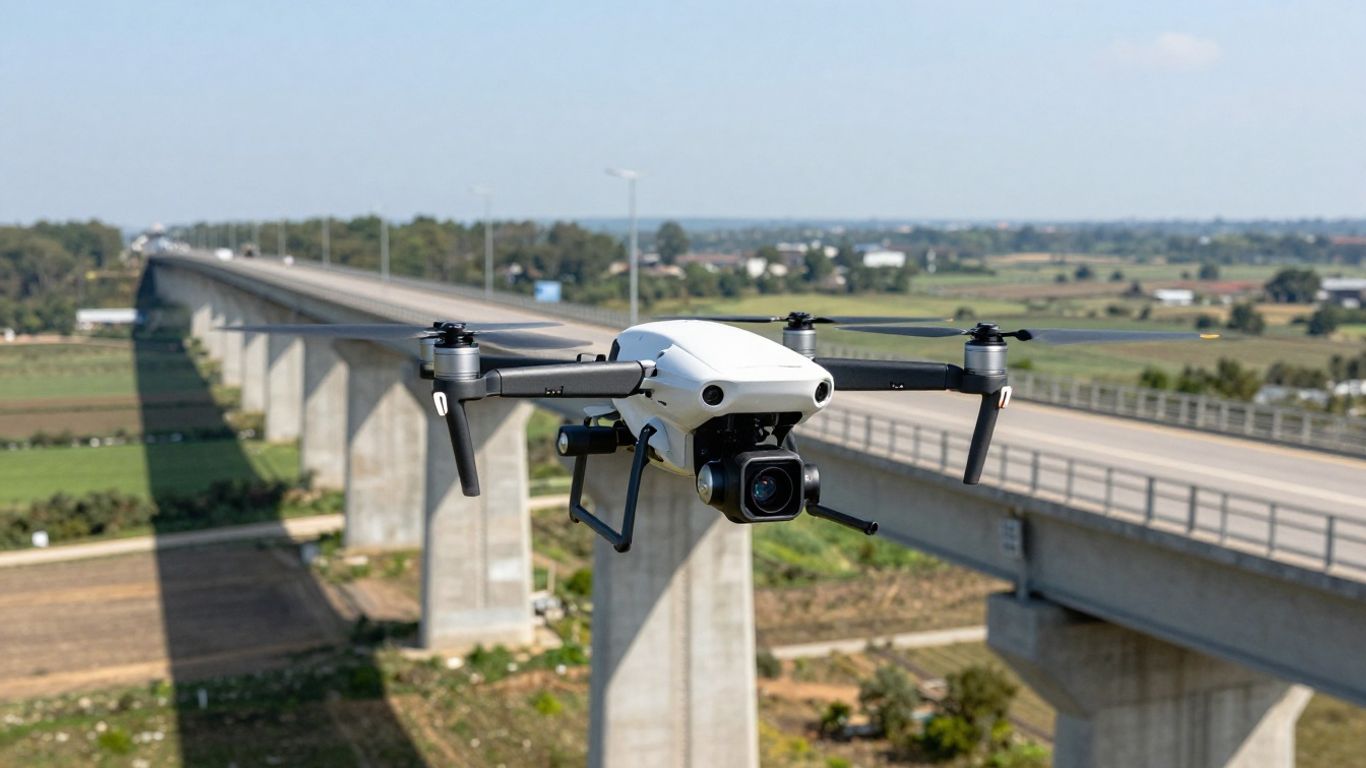
It’s pretty clear that drones are changing how we look at keeping our bridges in good shape. We’re moving beyond just the old ways of doing things. Think about it: instead of sending people up in cherry pickers or rappelling down structures, we can now send a drone. This makes it way easier to get to those tricky spots that were always a pain to reach. Plus, the data these machines collect is getting better and better. We’re talking about super high-resolution photos and even 3D models made with things like LiDAR. This kind of detail helps engineers really understand what’s going on with a bridge, planning repairs more accurately and making sure the structure lasts longer. It’s a big shift in how we assess our aging infrastructure.
Ensuring Structural Longevity and Safety
One of the most exciting parts of this drone revolution is how it helps us spot problems early. We’re seeing more and more AI being used to look at the images and data drones collect. This AI can find tiny cracks, rust spots, or other wear and tear that a human eye might miss, especially after a long day. It’s like having a super-powered assistant that never gets tired. This means we can do predictive maintenance, fixing things before they become big, expensive disasters. Imagine getting alerts about potential issues weeks or months in advance. This proactive approach is key to keeping bridges safe for everyone and extending their lifespan significantly. It’s about being smart with our maintenance.
The Necessity of Drone Integration
Honestly, it feels like integrating drones into bridge inspection isn’t just a good idea anymore; it’s becoming a must-do. As drone tech gets more advanced, with things like autonomous flights and the ability to fly beyond what the pilot can see (BVLOS), the possibilities grow. This means fewer people are put in risky situations, and inspections can happen more often and more thoroughly. We’re also seeing better ways to connect this drone data with the software engineers already use, like GIS and CAD programs. This makes it easier to manage all the information and make informed decisions. For anyone involved in infrastructure, getting on board with drone technology now is just smart planning for the future. It’s about making our roads and bridges safer and more reliable for years to come.
- AI-powered defect detection helps find small issues before they grow.
- Autonomous operations allow for more frequent and detailed inspections.
- Integration with engineering software streamlines data analysis and planning.
Drones are not just a tool for taking cool aerial shots; they are becoming indispensable for the practical, day-to-day work of keeping our infrastructure sound. The ability to gather detailed information safely and efficiently is transforming maintenance practices across the board.
We’re also seeing developments in how drones can work with sensors already on bridges. Some systems use vibration sensors that store data on RFID tags. Drones can then fly by and collect this data, flagging any changes that might signal a problem. If an issue is detected, the drone’s cameras can then focus on that specific area for a closer look. This smart system helps direct resources where they’re needed most, avoiding unnecessary checks on bridges that are perfectly fine. It’s a more targeted and efficient way to manage a large number of structures. This kind of innovation is what makes drone technology so compelling for infrastructure inspection. It’s about working smarter, not just harder.
The Road Ahead
So, it looks like drones are really changing the game when it comes to checking on our bridges. They’re making things safer for the folks doing the inspections, cutting down on costs, and getting the job done faster. Plus, they can get to those tricky spots that were a real headache before. While they won’t be replacing the hands-on checks entirely – you still need people to get up close and personal with the bridge – they’re a fantastic addition to the toolkit. As the technology keeps getting better and the rules catch up, we’ll likely see drones become an even bigger part of keeping our bridges in good shape for years to come. It’s a smart move for making sure our infrastructure stays solid.
Frequently Asked Questions
How do drones make bridge inspections safer?
Drones help keep people safe by doing the dangerous parts of checking bridges. Instead of workers climbing high or using risky equipment, drones can fly close to the bridge and take pictures and videos. This means fewer people are put in danger from falls or traffic.
Are drone inspections faster than the old way?
Yes, drones can inspect bridges much faster. Setting up special equipment like scaffolding can take a long time. Drones can be ready to fly in just a few minutes, which speeds up the whole inspection process a lot.
Do drones cost less for checking bridges?
Generally, yes. While buying drones and training people costs money, it’s often cheaper than using large crews and expensive equipment for traditional inspections. This saves money that can be used for other important bridge work.
Can drones find hidden problems on bridges?
Drones can be equipped with special tools like cameras that see heat or lasers that create 3D maps. These tools can help spot problems like cracks, rust, or weak spots that might be hard to see with just the human eye, helping to find issues earlier.
Will drones replace human inspectors completely?
No, drones are meant to help, not replace, human inspectors. Experts still need to check the bridge closely in person. Drones help inspectors do more frequent checks and focus on bridges that might have problems, making sure everything is safe.
What kind of information can drones collect about bridges?
Drones can collect many types of information. They take clear photos and videos, and some can use special cameras to see heat or use lasers to measure shapes. This detailed information helps engineers understand the bridge’s condition very well.