Your Guide to Police Drones

Thinking about getting drones for your police department? It’s a big step, and honestly, it can feel a bit overwhelming with all the options and rules out there. Drones are changing how police work, helping with everything from finding missing people to just getting a better view of a busy event. This guide is here to break down what you need to know, from picking the right gear to making sure you’re following all the regulations. We’ll cover the basics and some of the more advanced stuff, too, so you can make informed decisions about starting or improving your own police drone program guide.
Key Takeaways
- Police drone programs are growing fast, helping departments with staffing shortages and improving how they respond to calls.
- Drones offer a bird’s-eye view for better situational awareness, quicker response times, and objective evidence gathering.
- When choosing drones, think about the specific jobs they’ll do, the hardware needed, and the software to manage them.
- Understanding FAA rules, like the Part 107 certificate and COAs, is vital for legal and safe drone operations.
- Building community trust means being open about how drones are used, especially regarding privacy and data collection.
Understanding the Police Drone Program Guide
What Constitutes a Police Drone System?
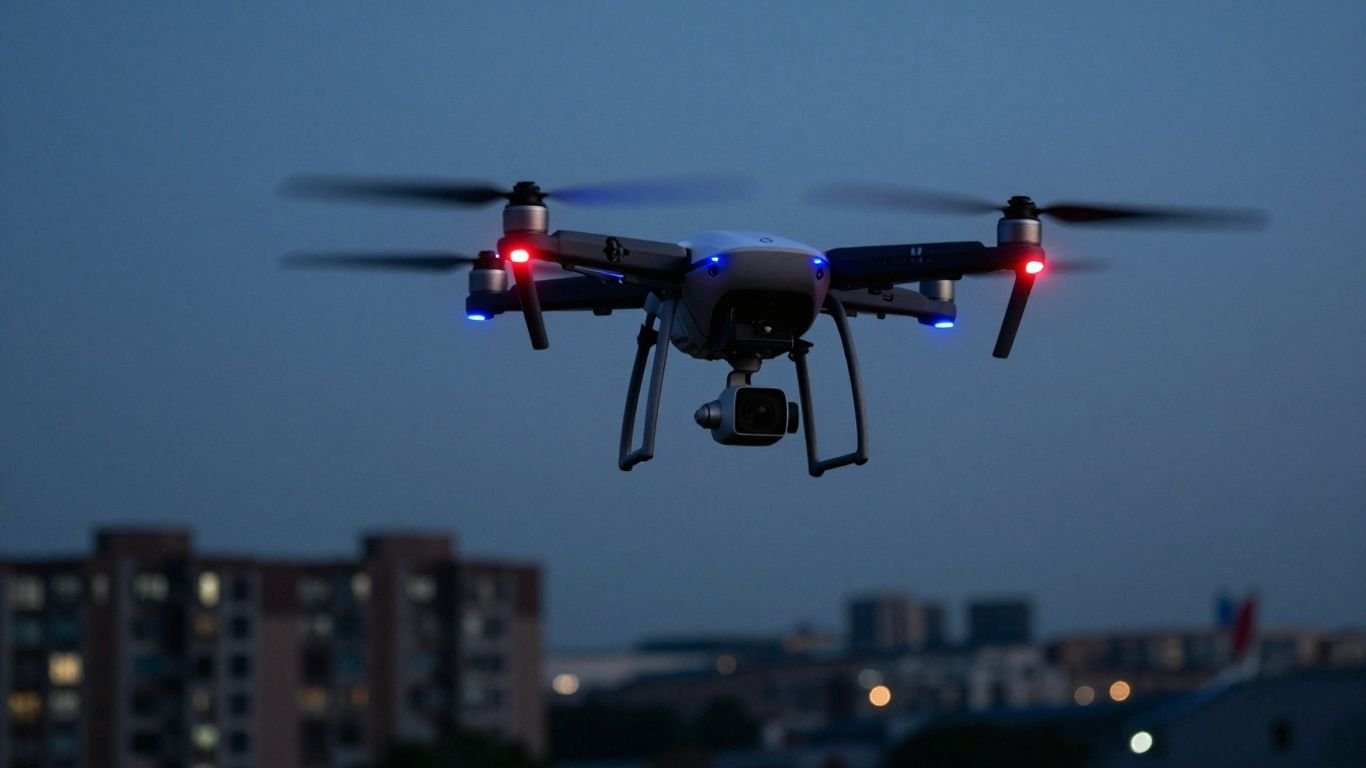
A police drone system, often called an Unmanned Aircraft System (UAS), is more than just the flying gadget itself. It’s a complete setup. Think of it as the drone (the actual aircraft, or UAV), the ground control station (that’s the computer or tablet used to fly it), and the person in charge, the Remote Pilot in Command (RPIC). This pilot is the one responsible for making sure the drone flies safely and does what it’s supposed to do. It’s a whole package designed to give law enforcement a new set of eyes in the sky.
The Evolving Landscape of Law Enforcement Drones
It feels like just yesterday that drones were a novelty, but they’ve really become a big deal in policing. Back in 2020, only a few hundred police departments were using them. Now, that number has shot up to over 1,500 agencies. This growth isn’t just because the tech is cool; it’s because drones are actually helping police do their jobs better. They help out when departments are short on staff, get to places faster than cars sometimes, and give officers a better view of what’s happening. It’s a tool that’s changing how police work every day.
Key Components of a Drone Program
Setting up a drone program isn’t just about buying a few drones. You need a solid plan. This means figuring out the long-term goals for the program, not just the immediate costs. It also involves picking the right hardware – the drones themselves, cameras, and other gear – that fit the specific needs of public safety. Then there’s the software side of things, which is just as important for managing the data and operations. Finally, you have to think about the rules and regulations, like getting the right pilot certificates and understanding airspace restrictions. It’s a multi-faceted approach to making sure the program is set up for success.
Building a successful drone program requires careful planning, including selecting appropriate hardware and software, and understanding the regulatory environment. It’s an investment that needs a strategic blueprint for long-term viability.
Here’s a quick look at what goes into a program:
- Strategic Planning: Defining the mission, objectives, and how the drone program fits into the department’s overall goals.
- Hardware Selection: Choosing drones and sensors suited for public safety tasks, considering factors like flight time, payload capacity, and durability.
- Software Solutions: Implementing systems for flight planning, data management, evidence collection, and analysis.
- Pilot Training: Ensuring all operators are properly trained and certified, with ongoing skill development.
- Policy Development: Creating clear Standard Operating Procedures (SOPs) for all drone operations, including data privacy and security measures.
- Regulatory Compliance: Staying up-to-date with FAA regulations and obtaining necessary authorizations for flight operations. This includes understanding options like the FAA Part 107 Remote Pilot Certificate or Certificates of Authorization (COA).
Getting these pieces right from the start helps avoid problems down the road and makes the program more effective. It’s about building a robust system that can be relied upon. You can find more resources to help get started with establishing a professional drone program.
Transforming Law Enforcement Operations with Drones
Law enforcement agencies are finding that drones are changing how they do their jobs, and not just in small ways. It’s a big shift. Think about it: police departments are often short on staff, the public wants more openness, and there are constant calls for better safety. Drones are stepping in to help with all of this. They’re becoming a key tool that lets officers do more with less.
Bridging Personnel Gaps and Enhancing Efficiency
Staffing shortages are a real problem for many police forces. It’s hard to cover all the ground needed with fewer officers. This is where drones really shine. A single pilot can oversee a large area from the sky, freeing up multiple officers on the ground to focus on more pressing issues. It’s like having extra eyes everywhere without needing extra people. Some departments are finding that their drone programs can resolve a good chunk of calls before an officer even has to show up in person. This is a huge time saver and makes the whole operation run smoother.
Accelerating Response Times and Situational Awareness
When something happens, every second counts. Drones can get to a scene much faster than ground units, sometimes in just a minute or two. This means police get a real-time look at what’s going on right from the start. This quick aerial view gives commanders the information they need to make smart decisions immediately. It helps them understand the situation before officers even arrive, which is a massive advantage in critical moments. This kind of immediate intelligence gathering is a game-changer for how police respond to emergencies.
Providing Objective Transparency and Promoting Safety
One of the big benefits of police drone deployment is the objective record it creates. Drones stream live, unedited video that can be sent to a command center. This footage serves as undeniable proof of what happened. It’s good for everyone involved. It can protect citizens by showing that officers acted appropriately, and it can also protect officers by proving they weren’t at fault if false accusations arise. Plus, officers can use the live video feed to check out a situation from the safety of their car before getting out. They can spot potential dangers, like weapons, from a distance. This aerial awareness helps them figure out the best way to handle a situation safely and calmly. It’s all about making sure everyone stays safe, both the public and the officers on the street. Many departments are now looking at how police use drones for more than just emergencies, exploring their use in routine patrols and public events.
The integration of drones into law enforcement is more than just adopting new technology; it’s a fundamental shift in operational strategy. By providing rapid aerial assessment and continuous monitoring, these systems allow departments to manage resources more effectively, respond to incidents with greater speed, and gather objective evidence that supports both accountability and public trust. This evolution means officers can spend less time reacting to unfolding events and more time proactively serving their communities.
Here’s a quick look at how drones are making a difference:
- Faster Scene Arrival: Drones can often reach incidents in under two minutes.
- Reduced Officer Risk: Remote assessment allows officers to understand threats before engagement.
- Improved Evidence Collection: High-definition video provides clear, objective records.
- Resource Optimization: Frees up ground units for other critical tasks.
Essential Considerations for Investing in Police Drones
So, you’re thinking about getting drones for your department. That’s a big step, and honestly, it’s not just about buying a few flying cameras. Think of it more like a serious investment, like buying a new patrol car, but with its own set of rules and needs. You’ve got to have a solid plan, or it’s just money flying away, literally.
Strategic Blueprint for Long-Term Viability
Before you even look at a drone, you need a roadmap. What problems are you trying to solve? Are you short on officers for certain tasks? Do you need better eyes on a large event? Having clear goals helps you pick the right gear and avoid buying something that just sits in a closet. It’s about making sure this program lasts and actually helps the community, not just a quick fix. This means thinking about how the program will grow and adapt over the next five, ten years. It’s a marathon, not a sprint.
Hardware Selection for Public Safety
When it comes to the actual drones, there’s a ton of stuff out there. You’ll see everything from tiny quadcopters to bigger, more specialized aircraft. For police work, you’ll want something reliable, easy to fly, and capable of carrying useful payloads like high-definition cameras, thermal sensors, or even spotlights. Think about the environment you’ll be flying in – wind, rain, extreme temperatures. Durability is key. You don’t want a drone failing during a critical situation because it couldn’t handle the weather. Also, consider the battery life; you don’t want to be constantly swapping batteries when you need continuous coverage. Some departments are even looking at drones that can be launched quickly, almost like a first responder, to get eyes on a scene before ground units arrive. This is often called Drone as a First Responder (DFR) and it’s changing how some agencies operate.
Choosing the Right Software Solutions
It’s not just about the drone itself. The software that controls it and manages the data is just as important. You’ll need software for flight planning, real-time video streaming, and data analysis. Think about how you’ll store and share the video footage. Is it secure? Can it be easily accessed for investigations or court? Some systems can automatically generate reports or stitch together aerial photos into detailed maps. This kind of tech can really speed things up. You also need to consider how the software integrates with your existing systems, like your dispatch or records management. It’s all about making the workflow as smooth as possible.
Investing in a police drone program requires careful planning. It’s not just about the technology itself, but how it fits into the department’s overall strategy and operational needs. A well-thought-out approach will lead to better outcomes and more efficient use of public funds.
Navigating Regulatory Frameworks for Drone Operations
So, you’ve got your drone program in mind, but before you even think about taking off, you’ve got to deal with the rules. It’s not exactly a free-for-all out there. The Federal Aviation Administration (FAA) is the main player here, and they’ve got a few ways you can operate.
FAA Part 107 Remote Pilot Certificate
This is pretty much the baseline for most drone flying. To operate under Part 107, your pilots need to get a Remote Pilot Certificate. Think of it like getting a driver’s license, but for drones. You’ll need to pass a test covering things like airspace rules and weather. It’s not super complicated, but you can’t skip it. This rule set has some limits, though. For instance, flying over people or out of sight isn’t allowed without a special okay, which can slow things down.
Certificate of Authorization (COA) for Tactical Flexibility
If Part 107 feels a bit too restrictive for what you need to do, a Certificate of Authorization, or COA, might be the way to go. This is specifically for government entities, like police departments. It gives you more wiggle room. You can often get permission for things like flying at night, over crowds, or beyond visual line of sight. The flip side is that getting a COA can take more time and paperwork. You’ll likely need a pretty solid program in place, with clear procedures and trained staff, before the FAA will even consider it. It’s a trade-off between speed and flexibility.
Understanding Future Regulations Like Part 108
Things are always changing, and the FAA is working on new rules. One that’s on the horizon is Part 108, which is expected to make flying beyond visual line of sight (BVLOS) more standard. This could really change the game for public safety, potentially cutting down on the need for individual waivers and making it easier to manage drone fleets. It’s smart to keep an eye on these upcoming changes because they could impact how you plan and operate your drone program down the road. Staying informed means you can adapt your strategy before new rules even take effect.
It’s important to remember that state and local laws can also add layers of regulation. Some places might require warrants for drone use in specific situations, while others have rules about data collection. Always check with your legal team to make sure you’re covered on all fronts.
Implementing and Managing a Successful Police Drone Program
Getting a police drone program off the ground and keeping it running smoothly takes more than just buying a few aircraft. It’s about building a solid plan from the start. Think of it like setting up a new squad – you need clear rules, good gear, and people who know what they’re doing.
Planning and Executing Drone Operations
Before you even think about flying, you need to figure out why you’re flying. What problems are you trying to solve? Are you looking to help with search and rescue, monitor traffic, or get a better view during a tense situation? Defining these missions helps you pick the right drones and software. It also means you can start talking to the community early about what you’re doing and why. This kind of proactive outreach and transparency can go a long way in building trust.
- Define clear mission objectives. What specific tasks will the drones perform?
- Develop Standard Operating Procedures (SOPs). These are your rulebook for everything from flight to data handling.
- Establish a UAS committee. This group can help guide the program’s direction and policies.
A well-defined mission prevents the program from becoming a general surveillance tool. It keeps the focus on specific, justifiable public safety needs.
Conducting Pre-Flight Checks and Mission Flights
Every flight needs preparation. This isn’t just about checking the weather. It involves making sure the drone is in good working order, the batteries are charged, and the pilot has all the necessary information for the flight. Thorough pre-flight checks are non-negotiable for safety and mission success. This includes checking the drone’s physical condition, its software, and the flight area for any potential hazards.
- Drone inspection: Check for damage, ensure propellers are secure.
- Battery check: Verify charge levels and condition.
- Software update: Confirm firmware is current.
- Flight area assessment: Identify any obstacles or restricted airspace.
Analyzing Data and Post-Operation Assessments
After the drone lands, the work isn’t over. The data collected – whether it’s video footage, photos, or sensor readings – needs to be reviewed. This helps in investigations, provides evidence, and also tells you how well the drone operation went. Was the mission successful? What could be done better next time? This feedback loop is vital for improving your public safety drone training and overall program effectiveness. It’s also where you can start to see the real value in terms of efficiency and objective reporting, much like how drones are revolutionizing search and rescue operations.
- Data review: Analyze collected footage and sensor data.
- Performance evaluation: Assess mission success against objectives.
- Lessons learned: Document findings for future mission planning and training adjustments.
Fostering Community Trust and Engagement
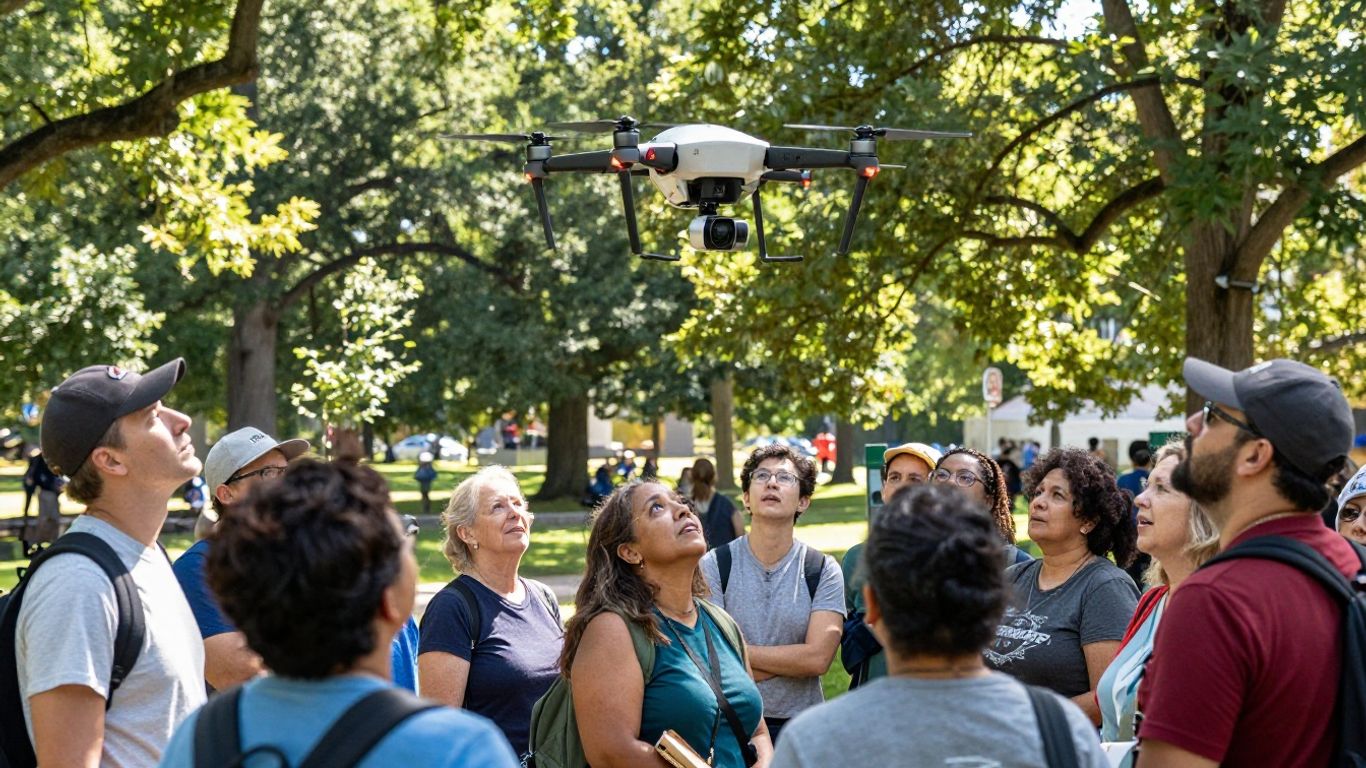
Building trust between police and the community is a big deal, especially when new tech like drones comes into play. If the public feels left out, or if things happen behind closed doors, suspicion and pushback go way up. So, making drone programs work isn’t just about cool hardware — it’s about honest, open conversations and thoughtful rules.
Proactive Outreach and Transparency
Transparency is the backbone of any trustworthy police drone program. Law enforcement agencies have found real value in doing the following:
- Publicly sharing drone use policies, operations data, and updates online or at local meetings
- Hosting Q&A sessions so neighbors can see drones in action and ask tough questions
- Posting videos that walk people through how the technology actually gets used
- Sharing honest stats on drone use, flight data, and outcomes, so everyone knows what’s happening
For departments looking to improve their outreach, incorporating these steps—like described with some successful public engagement approaches to build trust—can really shift public perception for the better.
Addressing Privacy Concerns and Data Collection
Let’s face it, nobody wants to feel like they’re being watched 24/7. Privacy questions can stop a drone program in its tracks if they aren’t handled with care. A few ways to keep privacy front and center include:
- Defining clear boundaries: When, where, and why drones can (and can’t) record
- Explaining what data is collected, how long it’s kept, and who gets access
- Reviewing policies with independent groups—sometimes even partnering with organizations like the ACLU for outside input
| Privacy Policy Element | Example Practice |
|---|---|
| Data retention limit | Delete footage after 30 days unless evidence |
| Mission transparency | Post all drone flights quarterly |
| Independent audits | Annual external privacy review |
Establishing Guardrails for Mission-Specific Use
A good drone program isn’t a blank check—it has rules. Guardrails keep operations mission-focused, guarding against misuse and preserving public trust.
- Limit drone use to specific, approved purposes (search & rescue, traffic crash investigation, SWAT support)
- Require warrants for surveillance, except in narrowly defined emergencies
- Use technology like geofencing to prevent flights over off-limits locations
Regular policy reviews with community representatives make rules feel less like secret paperwork and more like shared commitments. Even when folks start out skeptical, direct involvement gives them a voice—and often, more peace of mind.
You can get more ideas on creating effective, balanced drone policies from this guide about policies that serve both public safety and community interests.
In the end, the hard work isn’t just flying drones—it’s answering questions, listening, and building real confidence step by step.
The Future of Drones in Policing
Convergence of AI and Specialized Forensics
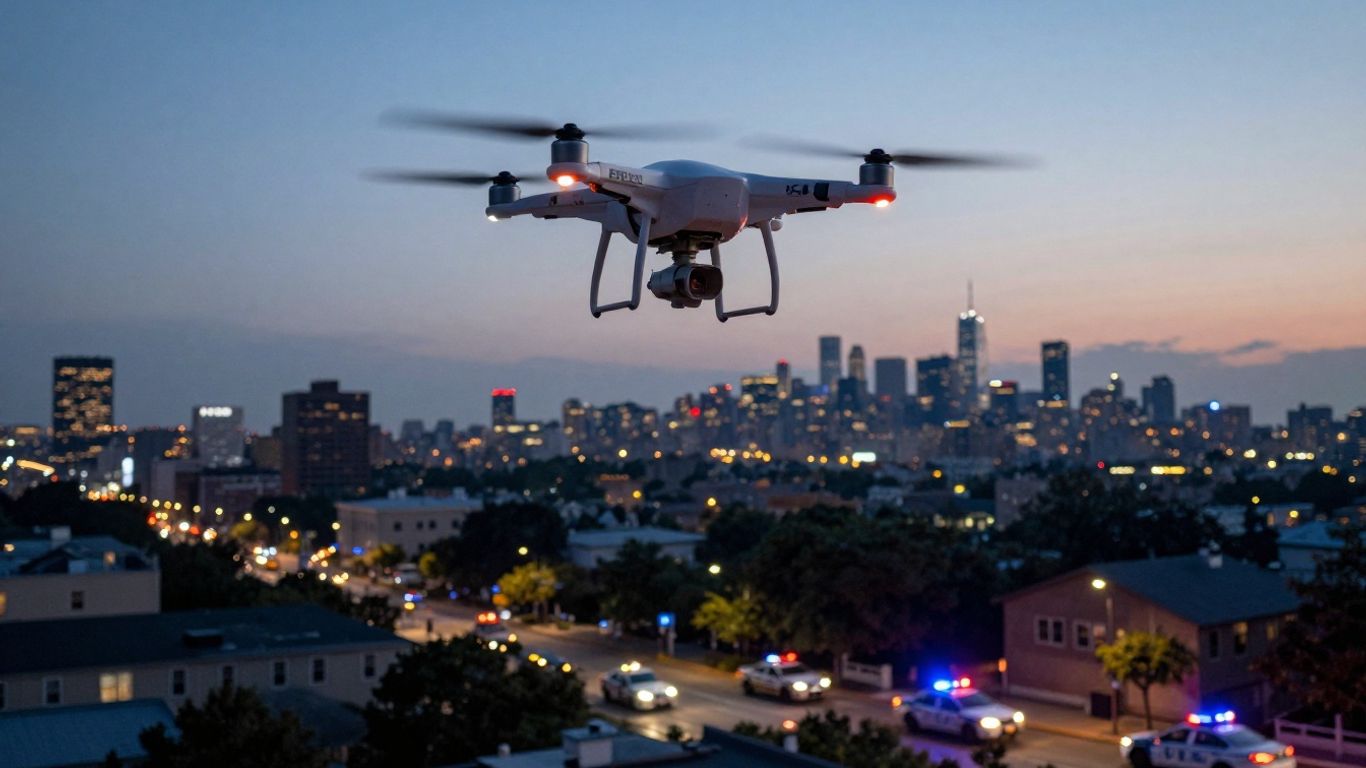
The way police departments use drones is changing fast. We’re seeing a big shift towards using artificial intelligence (AI) with these flying machines. Think about it: AI can help drones process information way quicker than a person can. This means faster analysis of crime scenes or accident sites. Specialized forensics, like advanced imaging or chemical detection, will also become more common. These combined technologies promise to give officers better tools for understanding complex situations. It’s not just about seeing things from above anymore; it’s about understanding what you’re seeing on a deeper level.
Advanced Applications Beyond Routine Patrol
We’re moving past just using drones for basic surveillance or traffic monitoring. New uses are popping up all the time. For instance, drones equipped with special sensors could help identify hazardous materials at a scene, making it safer for first responders. Imagine a drone that can translate languages in real-time during an incident, or one that automatically drafts initial reports based on the video footage it captures. This kind of tech could really change how officers work day-to-day. It’s about making their jobs more efficient and safer. The FAA’s move to streamline drone regulations, like the upcoming Part 108, is paving the way for more complex operations, including flying beyond the pilot’s direct line of sight. This opens up a whole new world of possibilities for public safety, making it easier for departments to manage their fleets without a ton of red tape. When looking at the best drones for police departments, agencies are now considering these advanced capabilities.
Preparing for High-Growth Trajectories
With so many new programs starting up, it’s clear that drone use in policing is on a steep upward curve. Departments need to plan ahead. This means thinking about training, maintenance, and how to integrate drone data into existing systems. It’s also super important to keep the public in the loop. Being open about how drones are used, especially regarding privacy and data collection, builds trust. Agencies are finding that working with community groups helps set clear rules for drone use, making sure they’re used for specific tasks and not for constant watching. This proactive approach is key to making sure these advanced tools are accepted and used effectively. Understanding current drone regulations for police is just the first step; preparing for what’s next is where the real work lies.
The rapid evolution of drone technology, coupled with advancements in AI and specialized sensors, is transforming law enforcement capabilities. Agencies that strategically plan for integration, training, and community engagement will be best positioned to benefit from these powerful new tools.
Wrapping Up: The Future is Looking Up
So, we’ve covered a lot about police drones, from how they got here to what they can do now. It’s pretty clear these flying gadgets aren’t just a passing trend. They’re becoming a regular part of how police work, helping out with everything from finding missing people to keeping an eye on big events. As the tech gets better and cheaper, more departments will likely start using them. It’s all about making things safer for everyone, officers and the public alike, and doing it more efficiently. The main thing is to keep talking about it, making sure everyone understands how they’re used and that privacy is respected. It seems like drones are here to stay, and they’ll probably keep finding new ways to help keep our communities safe.
Frequently Asked Questions
What exactly is a police drone system?
A police drone system is basically a whole package. It’s not just the flying machine itself, which is called a drone or an unmanned aerial vehicle (UAV). It also includes the ground station, which is like the control center where pilots manage the drone, and the pilot, who is trained to fly it safely and legally. Think of it as the drone, its remote control, and the skilled person flying it, all working together for police work.
How do police drones help officers do their jobs better?
Drones are like having an extra pair of eyes in the sky! They can get to a scene much faster than a car, sometimes in just a couple of minutes. This means police can see what’s happening right away, even before officers arrive. Drones can also help find missing people, keep an eye on big events, or check out dangerous situations from a safe distance, making things safer for everyone.
Are police drones used for spying on people?
That’s a common worry, but police departments are supposed to be clear about how they use drones. They usually have rules in place to make sure drones are used for specific police tasks, like finding someone or checking out an emergency, not for just watching people all the time. Many departments talk openly with the community about their drone rules to build trust.
Do police officers need special training to fly drones?
Yes, they absolutely do! To fly drones for official police work in the U.S., officers usually need to get a special pilot certificate from the Federal Aviation Administration (FAA). This means they’ve passed tests to show they know how to fly safely and follow all the rules. They also get specific training on how to use the drones for police missions.
Can police use drones anywhere, anytime?
Not quite. There are rules set by the FAA that control where and how drones can fly. Police need to follow these rules, which include things like keeping the drone within sight or getting special permission for certain types of flights. They also have to think about privacy and where they are flying, especially near airports or over private property.
What’s next for police drones in the future?
The technology is getting smarter all the time! In the future, drones might use artificial intelligence (AI) to help analyze video footage faster or even help translate languages in real-time during an incident. They could also be used for more advanced tasks, like creating detailed 3D maps of crime scenes or helping manage large crowds more effectively. It’s all about making police work more efficient and safer.