A comprehensive guide to Trace Vantage Robotics

Key Takeaways
- The Trace system prioritizes portability, weighing just 153 grams while delivering high-end surveillance and reconnaissance capabilities.
- Advanced navigation features include 360-degree obstacle avoidance and GPS-denied flight functionality for complex indoor environments.
- Deployment is streamlined through integrated public safety bundles, including specialized ground control stations for tactical operations.
- Secure operational integrity is maintained through AES-256 encryption and NDAA compliance, meeting strict government deployment standards.
- Flight endurance and rapid setup times make the platform a reliable option for time-sensitive public safety missions.
Overview of Trace Vantage Robotics
Design philosophy and portability
The Trace platform was clearly developed with the needs of frontline field operators in mind who require immediate aerial intelligence without the burden of heavy equipment. By keeping the airframe weight to just 153 grams, the design simplifies transit and reduces the logistics required for deployment in crowded or tight areas. This form factor ensures that operators can maintain stealth during covert missions where being unheard and unseen is a priority.
Key technological specifications
Technical performance is anchored by a flight endurance that peaks around 36 minutes, allowing for consistent overwatch. The onboard system supports multi-constellation GPS and is capable of maintaining stability in wind conditions reaching up to 25 knots. It is built to operate reliably in harsh temperature environments, which is essential for deployments in varied geographic regions.
Primary target industries
This technology has found a natural home among public safety agencies looking for tools that offer resilience and modularity. Beyond tactical use, it suits critical infrastructure monitoring and professional surveying where high-fidelity optics in a small package are required. It fits well into existing workflows that utilize standard MAVLink communication protocols.
Safety features and flight mechanics
Propeller guards and collision avoidance
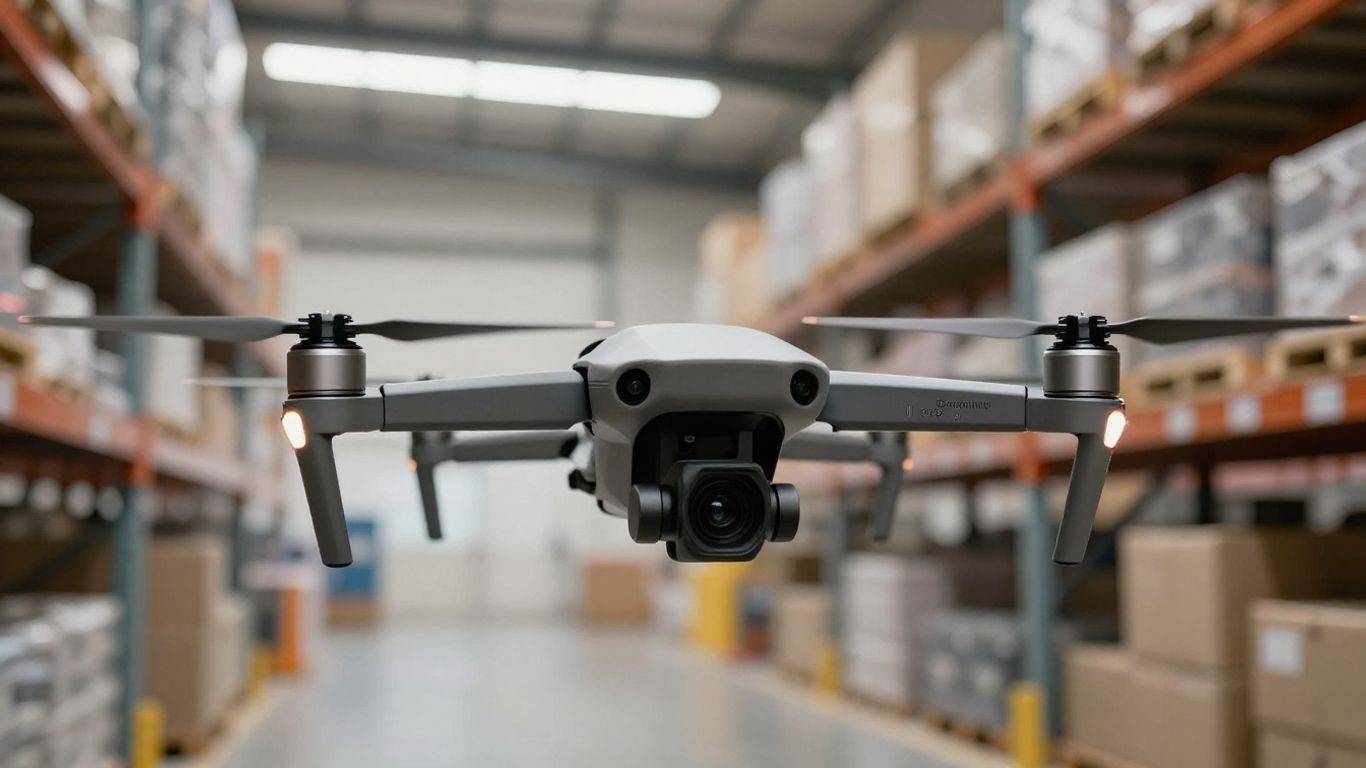
Operating in tight spaces requires a level of reliability that goes beyond basic manual piloting skills. The system includes full 360-degree obstacle avoidance, which helps navigate complex geometries safely. Operators find comfort in these automated aids during high-stakes reconnaissance tasks in cluttered rooms or hallways.
- Active obstacle proximity sensing.
- Automated scene illumination for dark spaces.
- GPS-denied navigation via internal visual sensors.
- Auditory stealth features for quiet operations.
These integrated safety systems allow for a lower threshold of pilot fatigue when managing drones in environments where visibility is limited.
Handling wind and environmental variables
The airframe is surprisingly capable of resisting gusts of wind that would normally ground a drone of this size. This resilience comes from the flight controller’s ability to adjust motor output instantaneously, keeping the camera stable even in turbulent air. Being able to continue operations despite these environmental stressors is a massive relief for teams that can’t wait for perfect weather.
Emergency automated flight protocols
If the connection flickers or battery levels drop to a critical point, the system triggers built-in safety measures. These automated return-to-home protocols protect the asset while ensuring data integrity is never compromised. It provides a level of operational peace of mind that is usually absent from smaller platforms.
Camera and imaging capabilities
Sensor size and resolution
Visual data is processed through a stabilized 48MP electro-optical sensor, which provides enough clarity for target identification at range. The inclusion of an uncooled infrared sensor completes the suite for operations that demand thermal clarity. Having both capabilities in one device removes the need to swap drones during an active event.
Gimbal stabilization performance
Mechanical stabilization ensures that the video stream remains smooth despite the vibrations of flight or aggressive maneuvering. This level of steady footage is essential when viewing targets in motion or generating maps that require frame-to-frame alignment. It is quite a contrast to cheaper systems that rely solely on digital correction.
Low-light and challenging environment utility
Thermal performance is matched by low-light sensitivity, allowing for effective surveillance through the night. Whether tracking movement in a dark lot or searching for a lost individual at dusk, the thermal-visible sensor blend provides the perspective needed to act. This versatility makes the platform a solid alternative to larger enterprise systems like the Skydio X2D for specific tactical needs.
Deployment in public safety and law enforcement
Situational awareness for first responders
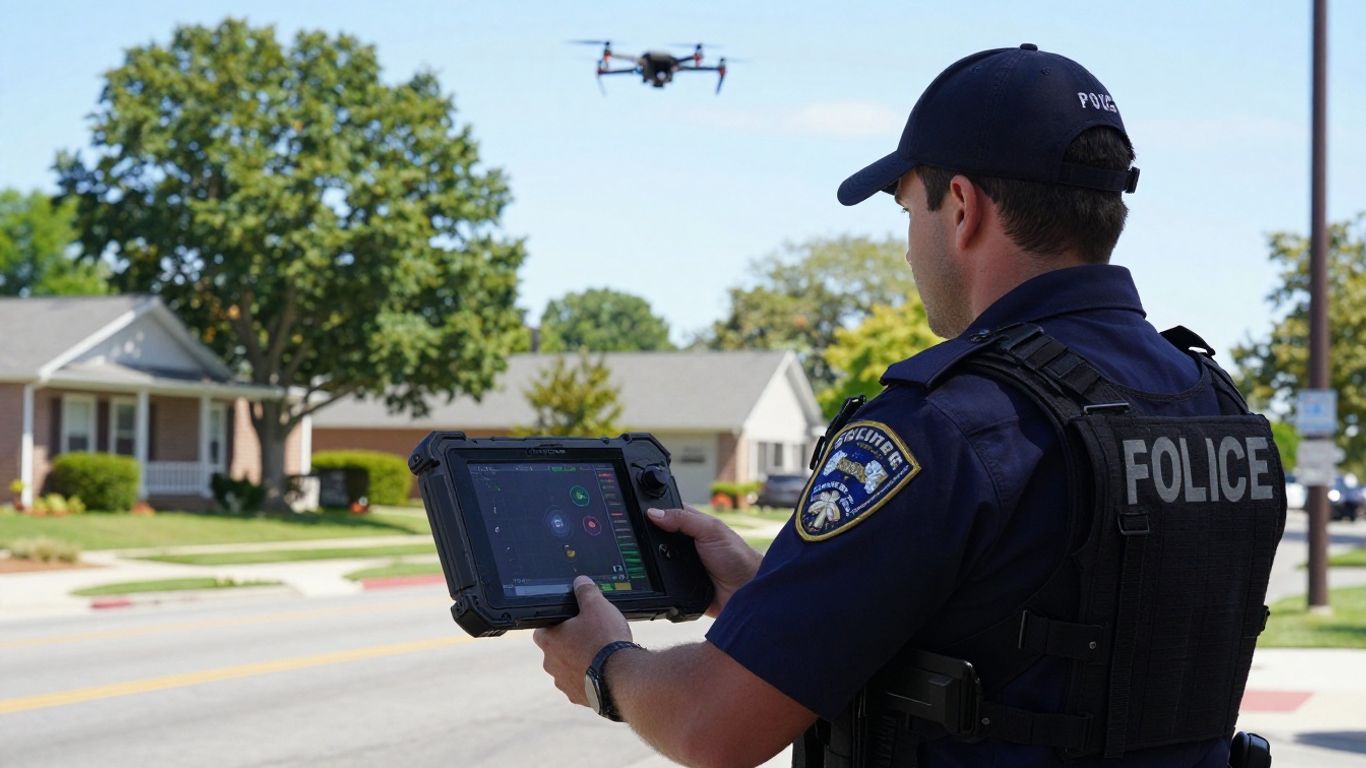
Providing a bird’s-eye view into a developing situation significantly alters the safety profile of a standard police operation. By deploying an eye in the sky quickly, teams gain data points that were previously hidden by obstacles or physical walls. It changes how teams plan their entry and exit strategies on the ground.
Surveillance and evidence gathering
Records generated by these missions are archived using industry-standard security protocols to maintain the chain of custody. High-resolution imagery supports better after-action analysis, which is vital for both training and criminal justice processes.
Tactical coordination during operations
Integration with common tactical maps and software like ATAK allows for shared situational awareness across team units. This alignment ensures that every officer knows where the drone is and what it sees in real-time. It’s similar in concept to the professional capabilities seen in the ModalAI Stinger Vision FPV for high-stakes intelligence gathering.
Managing the Trace software ecosystem
User interface design for operators
Operators interface with the system through a streamlined controller that prioritizes ease of use under stress. The dashboard presents critical telemetry—like battery and link strength—at a glance without digging through endless menus. This efficiency means more pilot attention on the field and less on the screen.
Data transmission security protocols
Communication between the drone and the controller is locked down with AES-256 encryption. By focusing on secure local transmission, Vantage Robotics ensures that data points are protected from unauthorized interception during flight. This is a non-negotiable feature for government and security organizations.
Firmware updates and maintenance
Regular updates are applied to keep the system compliant and performative as security threats evolve. Maintaining the fleet is simplified because the modular design allows for clear assessment cycles. Agencies find that keeping these systems updated is a straightforward process that doesn’t disrupt long-term mission readiness.
Purchasing and configurations
Understanding public safety bundles
Most agencies opt for a package that includes everything needed for flight straight out of the box. The Vantage Robotics Trace UAV Public Safety Bundle typically combines the aircraft with extras like enhanced battery modules and a ruggedized case.
| Item | Function | Notes |
|---|---|---|
| Vision2 GCS | Flight Control | Optimized for sunlight |
| High-Endurance Pack | Battery | Extends flight window |
| IP67 Field Case | Transport | Weatherproof design |
These bundles help simplify the procurement process by providing a unified solution that meets standard industry requirements.
Battery management and flight time
Managing multiple battery packs is a standard part of the mission prep cycle for effective operations. Because each pack supports roughly 36 minutes of flight, teams typically carry spares to ensure they can maintain persistent presence. Proper storage and charging habits contribute significantly to the lifespan of these lithium-ion components.
Warranty and support expectations
Professional hardware is backed by support frameworks designed to minimize downtime during critical working periods. Agencies should expect reliable access to technical support and replacement parts, which is a baseline expectation for high-end gear. This investment in support infrastructure is what makes the technology viable for long-term fleet deployment.
Conclusion
Selecting the right nano UAV requires a focus on security, ease of use, and integration within existing command structures. As demonstrated by the performance of the Trace platform, modern tactical operators can leverage lightweight technology to solve heavy-duty problems on the ground. By prioritizing robust encryption alongside advanced flight sensors, these systems provide a path for better decision-making in the field.
Frequently Asked Questions
How does a nano drone typically handle flying in windy outdoor conditions?
Most high-end nano systems utilize high-speed motor adjustments and advanced flight controllers that enable the frame to remain steady in winds up to 25 knots.
Can thermal cameras be used effectively during the day?
Yes, thermal sensors are capable of detecting heat signatures during the day, which helps in identifying objects that might be hidden to the human eye or standard optics.
What are the main benefits of using encrypted data links in drone operations?
Encryption ensures that the signal between the pilot and the drone remains private, preventing interference or unauthorized data sniffing during sensitive missions.
Does a drone need constant GPS access to fly safely in a warehouse?
No, modern systems use optical sensors to track visual landmarks, which provides precise positioning even when GPS signals are unavailable or blocked.
How quickly can a tactical drone bundle be deployed in an emergency?
Public safety kits are designed for rapid setup, with most professional systems ready to fly in under 30 seconds from a stored state.
Are specific licenses required to operate these systems in public safety roles?
Operators generally need to follow local aviation regulations and may require professional certification for commercial or public agency operation.
Why is modularity considered a key feature for tactical drone fleets?
Modularity allows for easier repairs, the ability to swap components based on mission needs, and faster maintenance, which keeps the equipment mission-ready for longer.