
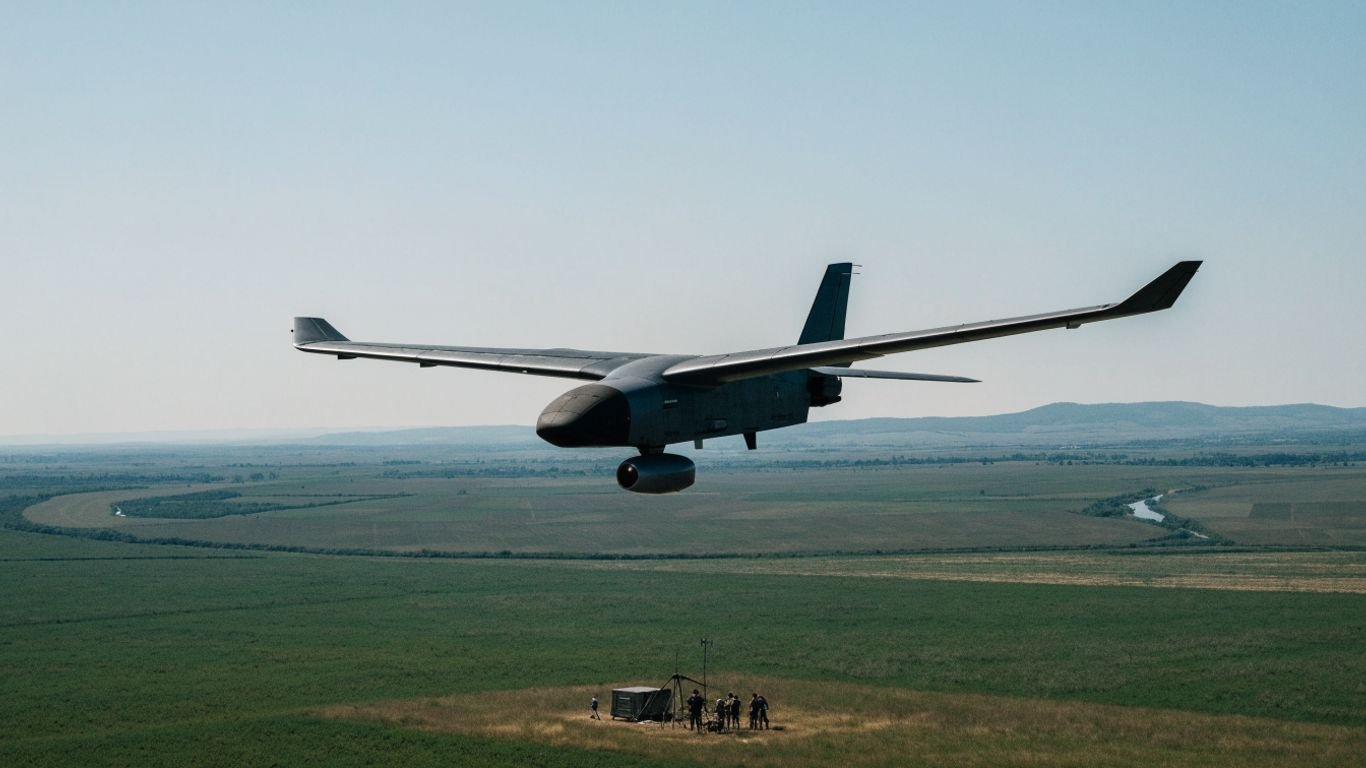
Navmar RQ-23 Tigershark Tactical ISR: a guide to its role and capabilities

Key Takeaways
The RQ-23 is best understood through the mission it is meant to support and the limits of what public information establishes. Tactical ISR depends on more than an aircraft: planning, communications, and interpretation all matter.
- Tactical ISR combines intelligence, surveillance, and reconnaissance in support of operational awareness.
- Public descriptions do not establish every aircraft-specific performance figure or configuration.
- Sensor collection is useful only when information can be transmitted and interpreted in context.
- Weather, communications, and mission planning can shape what an unmanned aircraft can accomplish.
- A platform’s value depends on whether its documented capabilities match the task at hand.
What the Navmar RQ-23 Tigershark is
The Navmar RQ-23 Tigershark Tactical ISR is an unmanned aircraft discussed in the context of tactical intelligence, surveillance, and reconnaissance. That description gives a useful starting point, but it does not by itself establish precise performance figures, payload options, or operating procedures. Those details should be verified against authoritative program or manufacturer documentation rather than inferred from a model name. For readers new to the field, it helps to separate the broad mission category from the capabilities confirmed for a particular aircraft.
The aircraft’s place in the unmanned aircraft landscape
Unmanned aircraft range from small systems intended for nearby observation to larger aircraft designed for different operating conditions and mission demands. The RQ-23 appears in public material as a tactical UAS, but that label alone is not a complete specification. The U.S. military’s broad group framework sorts systems using factors such as weight, altitude, and speed; it is a classification tool, not a guarantee of how any one aircraft performs. A general overview of UAS classification groups can help readers understand the vocabulary without treating category membership as a mission result.
What tactical ISR means in practice
Tactical ISR brings together intelligence, surveillance, and reconnaissance to help people build a timely picture of an area or situation. Surveillance may involve observing activity over time, while reconnaissance can focus on collecting information about a particular place or question. Intelligence work then depends on interpreting that information alongside other reporting. The phrase useful operational context matters here: imagery alone is not automatically an answer, and its value depends on what is being asked and how the information is assessed.
How the RQ-23 designation identifies the platform
The RQ-23 designation identifies an aircraft model within the U.S. military’s naming convention; it does not encode a full specification in plain language. The letter-number combination is a label, not a reliable guide to endurance, sensor type, range, or communications. Those details require aircraft-specific documentation. For the Navmar RQ-23 Tigershark, the designation is a useful way to identify the subject, while operational claims should remain bounded by what sources actually confirm.
TigerShark’s intended users and mission context
Tactical ISR aircraft are relevant where operators need collected information to support activity at a local or operational level. The exact user, deployment setting, and task can vary, and the public information available here does not establish a single standard mission profile for this aircraft. A sound account therefore describes the mission category without assuming a particular unit, customer, or field procedure. That restraint matters: intended use and proven capability are related, but they are not interchangeable.
Airframe and flight characteristics
An aircraft’s physical design influences how it can be deployed and what kind of mission planning it requires. For this platform, the sources available for this article do not establish a complete set of airframe dimensions, propulsion details, or flight-performance figures. It is more useful to distinguish confirmed information from assumptions than to supply numbers without a dependable basis. That keeps a general overview readable without turning gaps in public documentation into claims.

Design choices for extended surveillance
The demands of surveillance can make time on task an important consideration, but an aircraft’s actual endurance depends on its documented design and operating conditions. The name or mission label alone does not confirm a particular duration, range, or payload. For the RQ-23, those values should be checked in authoritative aircraft-specific material before being used for planning. The same caution applies to claims about airframe features: a general ISR role does not prove a particular design choice.
Launch, recovery, and ground support considerations
Launch and recovery methods affect where an aircraft can operate and what support it needs on the ground. Public details provided for this article do not confirm a specific launch or recovery method for the RQ-23, so it would be misleading to assign one. In practical terms, planners need to know what equipment, personnel, site preparation, and safety procedures a documented operating concept requires. Those are not small details; they can shape whether a mission is feasible at a given location.
How operating altitude and endurance shape missions
Altitude and endurance influence the area an aircraft can observe and how long it may remain available, but their effect depends on verified performance and mission conditions. Without reliable aircraft-specific figures, a reader should avoid treating broad category descriptions as precise operating limits. The distinction between a system’s nominal characteristics and the conditions of a particular sortie is useful well beyond this platform. It is one reason public classification material should be read as context, not as a substitute for a technical specification.
Factors that can affect flight performance
Weather, operating conditions, payload, and mission profile can all influence flight performance in general. The extent of each effect depends on the aircraft and its approved operating envelope, details not established here for the RQ-23. Even a well-planned flight can face changing conditions, so operators need applicable procedures and current information rather than a generic expectation. The relevant point is not to guess at a limit, but to recognize that published performance figures—where available—must be read with their conditions attached.
Sensors and intelligence collection
Sensors are a central part of an ISR mission because they shape what information an aircraft can collect. However, the material available for this article does not verify a specific sensor package for the RQ-23. It would therefore be inaccurate to state that a particular imaging or tracking capability is fitted as standard. The sections below describe how sensor information generally fits into ISR work, while leaving aircraft-specific configuration to confirmed documentation.
Electro-optical and infrared imaging roles
Electro-optical and infrared sensors are common terms in discussions of airborne observation, but their presence and configuration must be verified for each aircraft. In general, electro-optical imaging can provide visual information, while infrared sensing can support observation based on heat differences. Those broad descriptions do not establish resolution, operating conditions, or sensor availability on the RQ-23. A careful reader should look for a dated, authoritative payload description before drawing conclusions about what an aircraft can see.
Supporting target detection and tracking
Detection and tracking are processes that depend on sensor data, software or operator procedures, and the mission’s objectives. A broad ISR label does not confirm automated tracking or any specific target-detection feature. For that reason, it is useful to distinguish between collecting imagery, identifying something within it, and maintaining awareness of its movement over time. Each step can involve different tools and judgment, and claims about a platform should specify which step is actually documented.
Transmitting imagery and other collected information
Collected information is most useful when it can reach the people who need it in a suitable form and timeframe. Yet the available material here does not establish a particular RQ-23 data link, transmission range, encryption method, or delivery workflow. Those details should not be assumed from the aircraft’s mission category. In general, communications planning and interpretation are part of the ISR process, not afterthoughts added once a sensor has gathered material.
Payload choices and mission-specific configurations
Payloads can vary across aircraft and missions, so an overview should not imply that a single configuration applies everywhere. The sources available here do not confirm a menu of RQ-23 payloads or identify a standard fit. Mission-specific configuration is a topic for official technical and program records. Until those are available, readers can still understand the basic point: what an aircraft can collect depends on the equipment actually installed and on how the mission is organized.
Tactical ISR missions
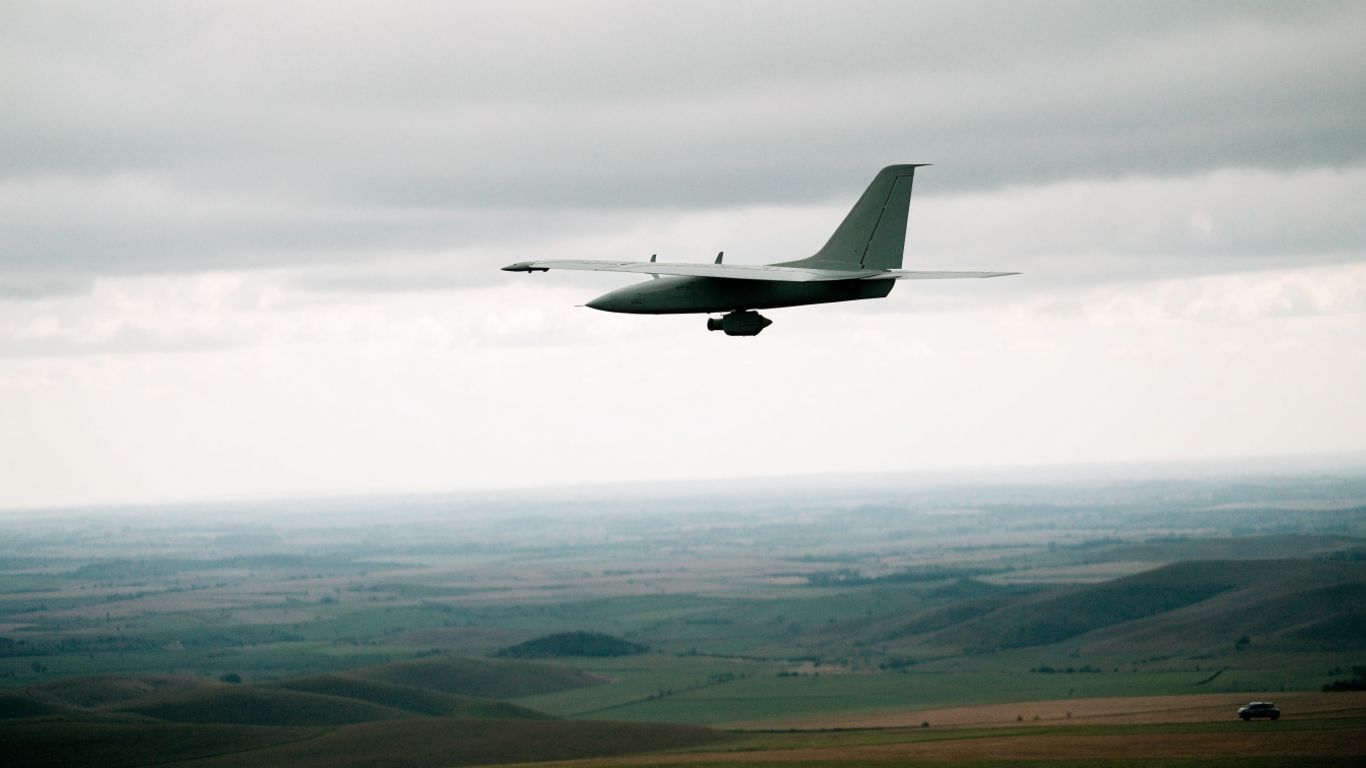
Tactical ISR is not one fixed activity but a set of information-gathering tasks shaped by operational questions. The aircraft is only one part of that process; people decide what to observe, how to interpret collected information, and when it is useful. Public detail about the RQ-23’s exact mission profiles is limited in the material considered here. A careful guide can still explain the general workflow without presenting examples as confirmed deployments.
Monitoring areas of interest
Monitoring an area means collecting information relevant to a defined place or question. The observation period, sensor, and reporting method depend on mission requirements and the capabilities actually available. For the Navmar RQ-23 Tigershark, no particular monitoring pattern should be assumed without a source that confirms it. This distinction helps readers understand the role of tactical ISR while avoiding the mistaken impression that every aircraft performs every kind of observation.
Supporting situational awareness for ground forces
Information from aerial observation can contribute to a broader understanding of conditions on the ground. Its usefulness depends on whether the information is timely, understandable, and relevant to the decisions people need to make. It should not be described as a substitute for other reporting or for human judgment. A platform’s role is best framed as one possible contributor to situational awareness, with its actual contribution determined by the mission and the information it can deliver.
Tracking activity over time
Observing change over time can help analysts distinguish a single event from a pattern, provided the collection is consistent and the resulting information can be compared. That general principle does not establish a specific persistent-surveillance capability for the RQ-23. Duration, revisit frequency, and continuity are aircraft- and mission-dependent questions. They should be answered with documented figures and operational context, not inferred from the word “surveillance.”
Coordinating aircraft, operators, and intelligence teams
A useful ISR effort requires coordination among those who plan the collection, operate the aircraft, review information, and use the resulting assessment. To make the workflow clearer, it helps to distinguish a few general steps rather than treating collection as a single action:
- Define the question the mission is meant to address.
- Decide what information would help answer it.
- Collect and communicate information using approved procedures.
- Review the material in context before acting on it.
This sequence is a general planning aid, not a description of a verified RQ-23 operating procedure. It shows why coordination matters even when the aircraft itself is the most visible part of the mission.
Operating the RQ-23 in the field
Field operation involves decisions that begin before flight and continue after information is collected. Planning, communications, crew coordination, and interpretation all influence how well an ISR task serves its purpose. The material available here does not establish a complete RQ-23 field manual or a definitive operating concept. Accordingly, this section focuses on general considerations and avoids presenting unconfirmed procedures as platform-specific facts.
Planning routes and collection priorities
A route and collection plan should follow the information need, applicable safety requirements, and confirmed aircraft limits. Priorities may change as conditions or questions change, so planning also involves deciding what information matters most and how it will be used. Exact range, endurance, and routing constraints for the RQ-23 cannot be inferred from its designation. Anyone planning a real operation would need current aircraft documentation and the relevant operational approvals.
Managing communications and data links
Communications planning considers what information must be exchanged, by whom, and under what approved procedures. Public information considered here does not verify specific RQ-23 data-link features or security arrangements. Those points require reliable technical documentation; they should not be supplied by analogy to another aircraft. Broader editorial topics such as international contractor rates or the Snoooz Trust Center concern different kinds of planning and information safeguards, not evidence about this aircraft.
Integrating information into operational decisions
Collected material has to be assessed alongside its source, timing, and limitations before it can inform a decision. An image or report may answer one question while leaving another unresolved. The process therefore benefits from clear communication between the people collecting information and those interpreting or acting on it. For context on how different subjects require their own evidence, unrelated guides to hardwood flooring and ABA therapy costs should not be confused with aircraft documentation.
Training and crew coordination requirements
Training and coordination requirements depend on the operating organization, aircraft configuration, and applicable procedures. No particular RQ-23 crew structure or qualification standard is established by the information used here. In general, teams need clarity about roles, communications, safety responsibilities, and how collected information will be handled. Wider resource topics such as Design Concepts belong to a separate subject area and do not establish anything about aircraft support arrangements.
Capabilities, constraints, and context
A balanced assessment considers what is documented, what remains uncertain, and what the mission actually needs. The available information supports discussing the RQ-23 as a tactical ISR platform, but not filling in missing specifications through assumption. General constraints—such as weather, communications, and mission planning—apply across unmanned aviation, though their exact effects vary by system. The most useful comparison is therefore a disciplined one, based on verified requirements and evidence.
What the platform can contribute to a mission
At the broadest level, the RQ-23 belongs in a discussion of unmanned aircraft used in a tactical ISR context. That description frames the kind of mission under consideration but does not confirm a specific sensor, range, endurance, or deployment outcome. A clear account separates a mission role from a measured capability. Readers who want wider background on drone coverage can browse drone mission guides, while checking aircraft-specific claims against authoritative records.
Weather, range, and communications limitations
Weather, range, and communications are common planning considerations for unmanned aircraft. Their practical effect depends on verified aircraft performance, operating rules, and the conditions of a particular mission. No exact RQ-23 limits are established here, so quoting figures without a reliable source would create false precision. For an operational assessment, the relevant documentation should state both the limit and the conditions under which it applies.
How the RQ-23 compares with other tactical UAS
Comparisons are meaningful only when they use consistent measures, such as documented mission role, verified payload, or stated operating limits. The RQ-23 should not be ranked against other aircraft using specifications that are absent or based on different test conditions. Public classification systems can provide broad context, but they are not direct performance comparisons. A fair evaluation starts with the task and then checks which relevant capabilities are actually confirmed for each system.
| Comparison question | Why it matters | What to verify |
|---|---|---|
| Mission role | Broad labels can conceal different tasks | Official mission descriptions |
| Sensor configuration | Collection depends on installed equipment | Confirmed payload documentation |
| Flight performance | Conditions affect stated figures | Dated specifications and test context |
| Communications | Information delivery shapes practical use | Documented link and operating details |
The table is a checklist for evaluating evidence, not a claim that the details listed are publicly known for this aircraft. Keeping the questions separate makes it easier to compare systems without turning an unknown into an assumed capability.
Why mission needs determine its usefulness
An aircraft is useful when its documented capabilities and operating requirements fit the task, the environment, and the people who need the information. A platform may be a poor fit if a mission depends on an unverified feature or an operating condition outside its approved limits. For the Navmar RQ-23 Tigershark, a reliable assessment depends on aircraft-specific evidence that is not supplied by broad ISR descriptions alone. That is a practical standard for evaluating any tactical UAS: begin with the need, then test the claims against documentation.
Conclusion
The RQ-23 can be discussed responsibly as a tactical ISR aircraft, but a useful guide must distinguish that broad role from details that require authoritative confirmation. Mission planning, collection, communications, and analysis all shape the value of an unmanned system. For readers evaluating the platform, the soundest next step is to verify aircraft-specific specifications and procedures before drawing conclusions about what it can do.
Frequently Asked Questions
What does tactical ISR mean?
Tactical ISR refers to intelligence, surveillance, and reconnaissance activities that gather and interpret information for operational awareness and decision-making.
What is an unmanned aircraft system?
An unmanned aircraft system includes the aircraft and the people, equipment, and processes needed to operate and support it.
Why do public specifications matter?
Specifications help distinguish confirmed performance from assumptions, and their context shows the conditions under which stated figures apply.
What can affect an ISR mission?
Mission objectives, weather, aircraft limits, communications, sensor configuration, and the quality of interpretation can all influence the result.
How do sensors support reconnaissance?
Sensors collect information about an area or activity; analysts and operators then interpret that information in light of the mission question.
Why is communication important in aerial surveillance?
Collected information can only inform decisions when it reaches the right people in a usable form and within an appropriate timeframe.
How should readers compare tactical unmanned aircraft?
Compare documented capabilities against the mission’s requirements, using consistent measures and avoiding conclusions based on missing or incomparable data.