Blue UAS Drones: What You Need to Know

Here are the main things to remember about Blue UAS drones. They represent a trusted and vetted selection of unmanned systems for government and defense applications, focusing on security and compliance.
Key Takeaways
- Blue UAS drones are specifically vetted by the Department of Defense for cybersecurity and supply chain integrity.
- These drones are pre-approved for government use, often simplifying the buying process.
- Key features include strong cybersecurity, adherence to DoD policies, and proven reliability for missions.
- They offer benefits like faster acquisition and better operational capabilities compared to unvetted systems.
- The Blue UAS list is transitioning to the DCMA, so always check the latest official source for approved drones.
Understanding Blue UAS Drones Explained
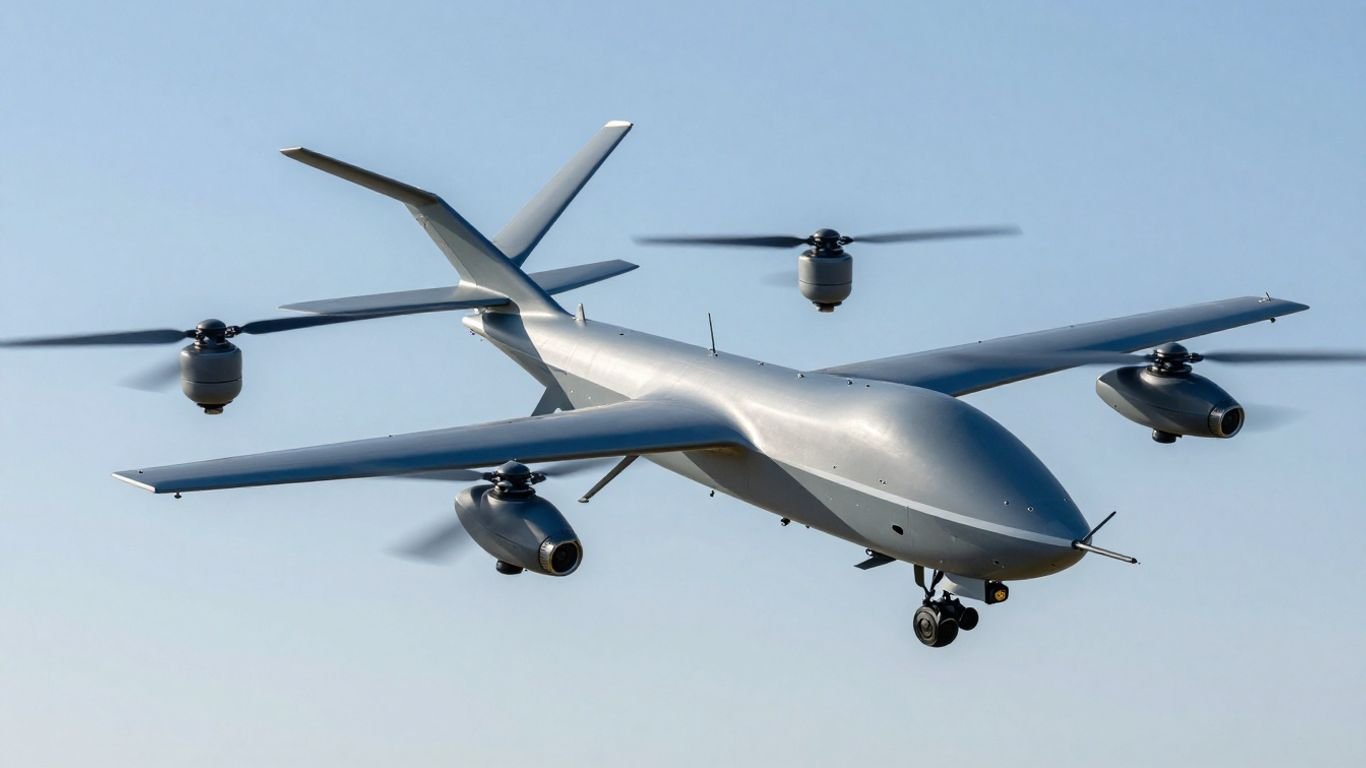
So, what exactly is this "Blue UAS" thing everyone’s talking about in the drone world? It’s basically a special designation for drones that the Department of Defense (DoD) has looked over with a fine-tooth comb. Think of it as a stamp of approval, meaning these particular drones meet some pretty strict requirements for government and military use. It’s not just about whether the drone can fly; it’s about where it came from, how it’s built, and how it handles your data.
What Blue UAS Means for Government Use
For government agencies, especially those in defense, finding reliable and secure drone technology can be a headache. There are a lot of options out there, but not all of them are suitable for sensitive operations. The Blue UAS program aims to simplify this. Drones that make it onto the "Blue List" have already been vetted for things like cybersecurity and supply chain integrity. This means agencies can more easily acquire and deploy these systems without needing to jump through a bunch of extra hoops or get special permissions. It’s all about making sure the technology is trustworthy and ready for the job. The Blue UAS Cleared List is actually transitioning to management by the Defense Contract Management Agency (DCMA), which should make things even more streamlined.
The Purpose Behind the Blue List
The main idea behind the Blue List is to create a trusted set of drone options for government use. It’s a way to ensure that the drones being used don’t pose security risks. This involves checking out the hardware, the software, and how the data is managed. They want to make sure that sensitive information stays secure and that the drones themselves are reliable.
- Cybersecurity: Making sure the drone can’t be easily hacked or compromised.
- Supply Chain Integrity: Knowing where the parts come from and that they aren’t from sources that could pose a risk.
- Mission Readiness: Confirming the drone performs as expected and can be depended on.
This vetting process is designed to give government users confidence in the technology they are deploying, reducing worries about foreign influence or data breaches. It’s a proactive step to secure national interests.
When Blue UAS Matters Most
Blue UAS becomes particularly important when you’re dealing with missions where security and reliability are absolutely non-negotiable. This includes things like:
- Military Operations: Where national security is on the line.
- Critical Infrastructure Protection: Monitoring power plants, water treatment facilities, and other vital assets.
- High-Security Government Functions: Any operation where data privacy and system integrity are paramount.
Essentially, if the drone is going to be used for anything that could impact national security or involve highly sensitive data, then having a Blue UAS cleared drone is a big deal. It means the system has passed a rigorous review, giving users peace of mind. These drones are policy-approved for the Department of Defense, meaning units can get them into service faster.
Key Features of Blue UAS Cleared Drones
When you’re looking at drones for government or defense work, especially anything involving sensitive data or critical operations, the "Blue UAS" label is a big deal. It’s not just a marketing term; it means these drones have gone through some serious checks and balances. Think of it as a stamp of approval that says, "Yep, this thing is built right and won’t cause a security headache."
Cybersecurity and Supply Chain Integrity
This is probably the most important part. Blue UAS cleared drones are thoroughly vetted to make sure they’re not going to be a backdoor for bad actors. This means looking at everything from the hardware components to the software code. They check where the parts come from, too, to avoid any sketchy supply chains that could be compromised. It’s all about making sure your data stays yours and the drone operates as intended, without any hidden surprises. This focus on secure alternatives is why many agencies are looking into these platforms.
Compliance with Department of Defense Policy
Drones on the Blue UAS list are specifically cleared for use by the Department of Defense (DoD). This isn’t just a suggestion; it means they meet strict DoD policies. For government agencies, this compliance simplifies a lot of the red tape. You don’t need to go through a lengthy process of getting special permission or waivers to use these drones for official business. They’re already on the approved list, ready to go.
Ensuring Mission Readiness and Reliability
Beyond just security and policy, Blue UAS drones have to prove they can actually do the job. This involves testing for reliability and performance in real-world conditions. The DoD wants to know that when a drone is needed for a mission, it’s going to work. This means they’re built to be dependable, whether it’s for surveillance, logistics, or any other task. You can count on these systems to perform when it matters most.
The vetting process for Blue UAS drones is designed to give government users confidence. It addresses concerns about foreign influence and data security, which are major considerations in today’s digital landscape. This rigorous evaluation means fewer surprises down the line and a more predictable operational experience.
Here’s a quick rundown of what that means:
- Cybersecurity: Protection against hacking and unauthorized data access.
- Supply Chain: Assurance that components are sourced responsibly and aren’t compromised.
- Policy Compliance: Pre-approved for government use, cutting down on acquisition hurdles.
- Reliability: Tested to perform consistently in operational environments.
It’s a pretty thorough process, and it’s why the Blue UAS designation is so significant for anyone in the government or defense sectors looking for trustworthy drone solutions. If you’re looking for a U.S.-approved drone, this is a good place to start your search.
Benefits of Utilizing Blue UAS Technology
Streamlined Acquisition Processes
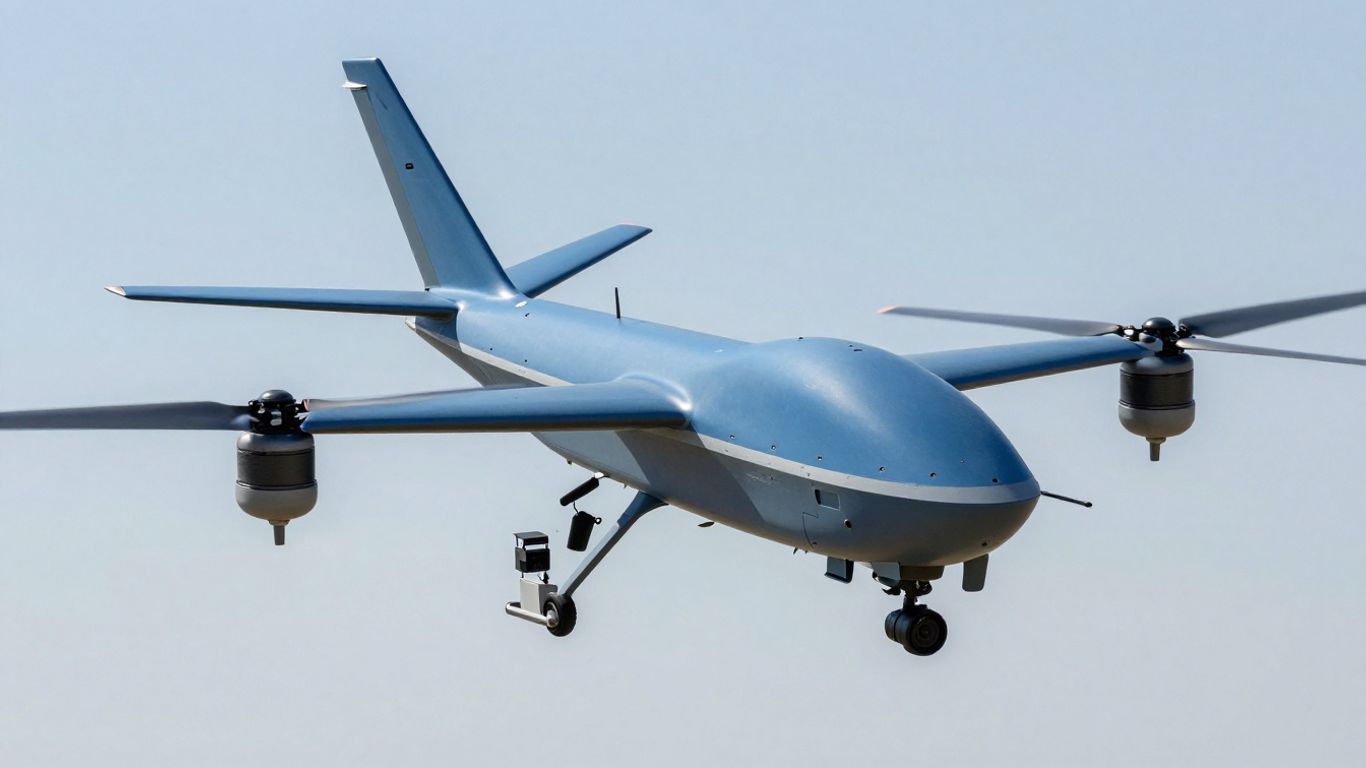
Getting the right drone for the job used to be a real headache, especially for government folks. You’d have to jump through hoops, get special permissions, and basically prove your drone wasn’t going to be a security risk. It was slow and frankly, pretty annoying. The Blue UAS program changes that game. Because these drones are already vetted and cleared by the Department of Defense, the whole buying process gets way simpler. You don’t need those extra waivers or endless paperwork. It means agencies can get their hands on trusted technology faster, which is a big deal when you need to get things done.
Enhanced Operational Capabilities
When you’re using drones that are built with security and reliability in mind, your operations just work better. Think about it: you’re not constantly worried about data breaches or the drone failing at a critical moment. This peace of mind lets you focus on the actual mission. Whether it’s public safety teams needing a clear view of a disaster scene or military units needing to survey an area, having a dependable drone makes a huge difference. Plus, the technology on these cleared drones is often pretty advanced, allowing for more complex tasks and better data collection. It’s like having a reliable tool that just does what it’s supposed to, every time.
Reduced Administrative Burden
Remember all that paperwork and those endless exception requests? Well, using Blue UAS cleared drones cuts down on that significantly. Once a drone is on the official list, it’s good to go for government use without needing constant re-approval. This frees up a lot of time and resources for the people who actually use the drones, letting them concentrate on their missions instead of administrative tasks. It’s a win-win: less red tape for the users and a more efficient system overall. This also means that as new, policy-compliant commercial drones are vetted and added, the government can adopt them more quickly, keeping pace with technological advancements without getting bogged down in bureaucracy. You can find the official list of approved drones at the Blue UAS cleared list.
The shift towards pre-vetted drone systems simplifies procurement and boosts confidence in operational security. This allows agencies to focus on mission outcomes rather than compliance hurdles.
Blue UAS vs. NDAA-Compliant Drones
Defining Blue UAS Cleared Platforms
So, you’re looking into drones for government or defense work, and you keep hearing about "Blue UAS." What’s the deal? Basically, Blue UAS is a program run by the Department of Defense (DoD). They put drone systems through a really thorough check to make sure they’re secure, that the parts come from reliable places, and that they’ll actually work when you need them to. Think of it as a gold standard for government-approved drones. These are often American-made and have already been cleared for use, meaning less paperwork and fewer headaches for federal agencies and their contractors. It’s all about having trusted tech without needing special permission every time. You can find the official list of these cleared platforms, which is regularly updated. The whole process aims to make sure sensitive data stays safe and that operations aren’t interrupted by security risks. It’s a big step towards making sure government drone use is both advanced and secure.
Understanding NDAA Section 848 Compliance
Now, let’s talk about NDAA compliance. This comes from the National Defense Authorization Act, specifically Section 848. It’s a bit different from Blue UAS. Instead of a full vetting program like Blue UAS, NDAA compliance focuses on what isn’t allowed. It prohibits the use of drones that have components from certain foreign adversaries. So, if a drone is NDAA-compliant, it means it’s built without those banned parts, making it a more secure option for government and commercial use. Many public safety and utility companies find these drones to be a good fit. While they might not have the same level of DoD pre-approval as Blue UAS drones, they still offer a solid level of security and reliability. It’s a way to ensure you’re using technology that doesn’t rely on potentially risky supply chains. This is important for anyone concerned about understanding FAA drone regulations and commercial drone operation guidelines.
Choosing the Right Drone for Your Mission
Deciding between a Blue UAS cleared drone and an NDAA-compliant one really comes down to what you need to do and who you’re working with. If you’re directly involved with the Department of Defense or need the highest level of pre-approved security and supply chain integrity, a Blue UAS drone is likely your best bet. They’ve been vetted extensively, which simplifies procurement for government entities. On the other hand, if your organization needs to meet federal requirements regarding foreign components but doesn’t necessarily need that specific DoD stamp of approval, an NDAA-compliant drone could be a more flexible or even cost-effective choice. It’s still a secure option, just with a different focus. Both types of drones are designed to improve drone safety and compliance, but the Blue UAS list offers a more curated selection for specific government needs. When you’re thinking about what is a certified drone operator, remember that both paths lead to more secure and reliable drone operations, helping you meet your mission goals without compromising security. The key is to look at the specific requirements of your project and the policies of your organization. For many, understanding the nuances helps in making the right selection from the available secure drone solutions.
Applications for Blue UAS Drones
Public Safety and First Responder Operations
When seconds count, having the right tools makes all the difference. For public safety folks, that often means getting a bird’s-eye view of a situation, fast. Drones have become a go-to for everything from spotting a lost hiker in dense woods to checking out a fire scene before sending in crews. They can carry different sensors, like thermal cameras, which are super helpful for finding people in the dark or through smoke. The Blue UAS Cleared List is a big deal here because it means these drones have already been checked out by the Department of Defense for security and reliability. This makes buying them a lot simpler for agencies that need to be sure their equipment is safe and won’t cause problems.
- Search and Rescue: Quickly cover large areas to locate missing persons.
- Firefighting Support: Provide real-time situational awareness of fire spread and hot spots.
- Accident Reconstruction: Document accident scenes from multiple angles for detailed analysis.
- Hazardous Material (HazMat) Response: Assess dangerous situations from a safe distance.
Getting a drone program off the ground involves more than just buying a drone. It requires planning, training, and understanding the rules. For instance, operating drones often requires a remote pilot certificate requirements to ensure pilots know how to fly safely and legally.
Military and Defense Applications
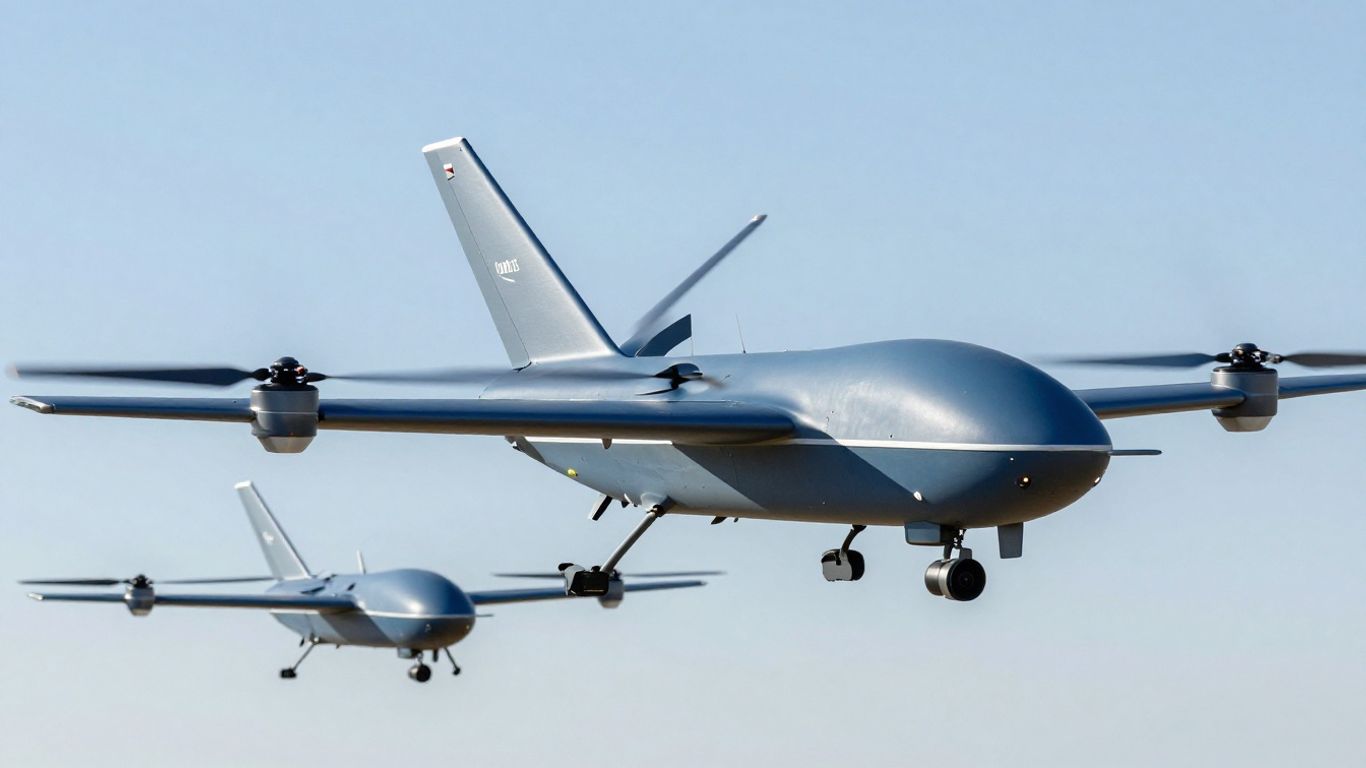
For the military, Blue UAS drones are a game-changer. Think about needing to scout ahead in unfamiliar territory or keep an eye on a base without putting personnel at risk. These drones are built to be secure and reliable, which is non-negotiable when you’re dealing with sensitive operations. They can be used for everything from base security patrols to gathering intel in tricky spots. Because they’re already vetted, they cut down on the paperwork and waiting time, letting units get the tech they need faster. This is especially important when you’re looking at systems that can operate in areas where GPS might be spotty, like inside buildings or canyons. You can find the latest approved list at bluelist.dcma.mil.
Critical Infrastructure and Security
Protecting things like power grids, water treatment plants, and other vital infrastructure is a huge job. Drones offer a way to monitor these sites regularly and efficiently. They can spot issues like damage or unauthorized access that might be hard to see from the ground. Blue UAS cleared drones are particularly useful here because they meet strict security standards, meaning sensitive data collected during inspections or patrols stays protected. This trust factor is key when you’re dealing with national security assets. Having these vetted systems means organizations can focus more on their mission and less on worrying about the security of their drone technology.
Navigating the Blue UAS Cleared List
Accessing the Official Cleared List
So, you’re looking into Blue UAS cleared drones, huh? It can feel a bit like trying to find a specific tool in a giant toolbox sometimes. The Department of Defense (DoD) put together this list, called the Blue UAS Cleared List, to make it easier for government folks to get drones that are already checked out for security and reliability. Think of it as a pre-approved list, so you don’t have to do all the vetting yourself. It’s a pretty big deal because it means these drones meet specific standards, which is important when you’re dealing with sensitive operations. You can find the official list online, though it’s been moving around a bit. The goal is to make sure the drones you use are safe and don’t have any hidden security risks. It’s all about making sure the technology you’re using is trustworthy.
The Transition to DCMA
Now, here’s something important to know: the Blue UAS Cleared List is changing hands. It’s moving from the DoD over to the Defense Contract Management Agency, or DCMA. This is part of a bigger effort to streamline how these approved drones are managed. You might see a new web address for the list, and it’s good to keep an eye on that. The idea behind this shift is to make the process even smoother for everyone involved, from manufacturers to the government agencies that need these drones. It’s a move towards a more centralized system for managing these vetted systems. If you’re looking for the most current information, you’ll want to check the DCMA’s site.
Finding Trusted Blue UAS Solutions
Finding the right Blue UAS drone isn’t just about picking one off a shelf; it’s about finding a partner who understands your needs. Many companies specialize in providing these cleared drones and can help you figure out which one fits your mission best. They often work directly with manufacturers and can offer support throughout the acquisition process. It’s helpful to look for providers who are familiar with the Blue UAS program and can explain the differences between various models. They can also guide you on compliance and operational best practices. Remember, these drones are built for specific, often high-stakes, tasks, so getting the right fit is key. You want a system that’s not only on the cleared list but also performs reliably for your specific job. It’s about building trust in the technology you deploy.
The Blue UAS program is designed to simplify the acquisition of secure and reliable drone systems for government use. By vetting drones for cybersecurity and supply chain integrity, it reduces risk and speeds up deployment for critical missions.
Wrapping Up
So, that’s the lowdown on Blue UAS drones. They’re basically a special club of drones that the government, especially the military, has checked out and approved for use. This means they’re built tough, secure, and reliable, which is super important when you’re dealing with sensitive missions. While they might seem like a niche thing, they’re becoming more common for public safety and defense. Knowing about the Blue List helps folks in these fields make smarter choices when buying drones for their important work. It’s all about getting the right tool for the job, safely and effectively.
Frequently Asked Questions
What exactly is a Blue UAS drone?
Think of Blue UAS drones as a special list of drones that the U.S. government, particularly the Department of Defense, has checked out really carefully. They’ve made sure these drones are safe to use, won’t cause security problems, and are built with good parts. It’s like getting a gold star for drones used by the government.
Why does the government care so much about which drones they use?
Governments handle a lot of sensitive information and have important jobs to do, like protecting the country. They need to be sure that the technology they use, like drones, is secure and won’t be hacked or used against them. Blue UAS is a way to make sure they’re using reliable and trustworthy equipment.
Are Blue UAS drones different from regular drones you can buy anywhere?
Yes, they are. While a regular drone might be fun for taking pictures, Blue UAS drones have gone through extra checks for security and where their parts come from. They’re made to meet strict government rules that everyday drones don’t have to follow.
Who uses Blue UAS drones?
Mainly, the military and other government agencies use them. But sometimes, police or fire departments might also use them for important public safety tasks where security is a big deal. It’s for jobs where you absolutely can’t afford any security risks.
Is it hard to find out which drones are on the Blue UAS list?
It used to be a bit tricky, but now there’s an official list. It’s managed by the Defense Contract Management Agency (DCMA). You can find it online, and it’s updated so you know you’re looking at the most current approved drones.
What’s the deal with NDAA-compliant drones compared to Blue UAS?
NDAA-compliant drones just means they follow a specific law (the National Defense Authorization Act) that says they can’t have parts from certain countries that might be a security risk. Blue UAS is a broader program by the DoD that checks even more things, like cybersecurity and supply chain, making it a higher level of approval for government use.