Autel vs DJI: Which Drone Takes the Crown?

When you’re trying to figure out which drone is right for you, Autel and DJI are the two big names that keep coming up. Here’s a quick rundown of the main things to remember when comparing them:
Key Takeaways
- DJI has been around for a while and has a big, established system of software and accessories.
- Autel is a strong competitor, offering features like no geo-fencing that DJI doesn’t.
- Both brands have excellent cameras, but their zoom and thermal capabilities can differ.
- Flight time is very similar between comparable models, often just a minute or two apart.
- Autel often boasts quicker setup times, which is great for urgent missions.
- DJI’s ecosystem might be better if you need to connect with lots of other software.
- Price is a factor, but consider the total cost including batteries and accessories.
- The ‘best’ drone truly depends on your specific job and what you need it to do.
Autel vs DJI Drones: A Market Overview
The Evolving Enterprise Drone Landscape
Drone technology has changed fast, and what used to be a one-brand world is now wide open. A few years ago, picking a drone for your team meant almost always going with DJI—no questions, few hesitations. But now, enterprise drones from other makers, especially Autel, are showing up everywhere. The choice isn’t so clear anymore, and honestly, that’s kind of exciting if you care about innovation and flexibility.
DJI’s Long-Standing Dominance in the Market
It’s no secret: DJI has ruled the enterprise drone market for over a decade. Their Matrice lineup became the standard for law enforcement, surveyors, and anyone else needing something that just works right out of the box. People defaulted to DJI because of reliability, solid flight performance, strong service networks, and an ever-expanding software ecosystem and payload options. It was safe, it was familiar—and for a long time, it just made the most sense.
Autel’s Strategic Entry into Commercial UAVs
Autel didn’t start as a big competitor, but over the last several years, they’ve rolled out impressive designs like the EVO II Dual and, more recently, enterprise-focused models including the EVO Max 4T and the Alpha. Their timing was spot on, too, as growing regulatory scrutiny in the U.S. made some buyers nervous about relying so much on DJI. Autel’s new drones came with features that directly targeted these concerns—offering more choices in sourcing, flight control, and feature sets.
The Shifting Dynamics of Drone Procurement
Now, instead of simply asking, “Which DJI should I buy?” organizations are forced to look harder at their needs, especially as federal contracts and critical infrastructure start to bring up questions about origin and data security. Procurement teams are weighing compliance, supply chain risks, and practical differences in field operations more than ever.
As U.S. regulations get tighter, picking the right drone isn’t just about specs anymore—where the drone comes from, how data is managed, and whether it fits into local compliance rules now matter just as much in 2026.
Key Factors Driving Drone Purchase Decisions
When it comes down to a decision, here’s what most buyers are thinking about—often in this order:
- Regulatory impacts (can I even use this drone for my mission?)
- Data security (where does my data go and who can access it?)
- Flight performance (how long does it fly, how tough is it in bad weather?)
- Sensor options (do the cameras and thermal sensors meet my missions?)
- Service and support (will I be stranded if something breaks?)
- Cost and value (what do I get for the money—and am I locked in on accessories or software?)
Understanding the Competitive Landscape
For a long stretch, credible alternatives to DJI just weren’t there. Most attempts fizzled, either because of price, poor support, or lackluster performance compared to DJI’s ecosystem. But now, credible options like Autel have gotten a serious foothold. This has forced DJI to be more competitive—even dropping prices on core models like the Matrice 30 to stay ahead. Organizations now actually have a choice, not just a fallback.
The Rise of Credible Alternatives to DJI
Autel is probably the strongest of these new contenders, especially for U.S.-focused buyers who want something outside the dominant DJI supply chain. Their recent push with the Alpha platform showcases their intent to build enterprise gear that doesn’t compromise on performance and gives users more flexibility. Some agencies now see Autel not as a budget alternative, but as real competition—especially for jobs needing rapid deployment or fewer restrictions on flight zones.
Here’s a quick look at how DJI and Autel compare in a few key areas relevant to U.S. buyers:
| Feature | DJI Matrice Series | Autel Alpha / EVO Series |
|---|---|---|
| U.S. Procurement | Increasing scrutiny | Gaining approval |
| Geo-fencing | Mandatory | Not enforced |
| Modularity | Industry benchmark | Strong, growing |
| Ecosystem Depth | Vast | Improving |
| Price (Comparable Spec) | Often higher | Competitive |
Navigating the Autel vs DJI Drones Debate
Honestly, it’s healthy for everyone to have more than one serious player in the game. DJI still sets the bar in many ways—especially when it comes to third-party compatibility and support—but Autel is punching way above its weight, now offering competitive, purpose-built gear for different mission types. If you want to look deeper at how the two stack up in real-world missions, this analysis highlights DJI and Autel strengths head-to-head. If you’re considering a drone purchase in 2026, you owe it to your team to weigh both brands, not just default to the old standby.
Comparing Core Performance Metrics
Flight Time: A Minute Makes a Difference
When you’re out in the field, every minute of flight time counts. It means more data collected, more ground covered, and potentially safer operations. The DJI Matrice 30T offers a solid 41 minutes of flight, which is pretty good. But the Autel EVO Max 4T nudges ahead with 42 minutes. It might sound like a small difference, but for some missions, that extra minute could be the deciding factor. Think about long surveillance tasks or extensive mapping projects; that bit of extra airtime can really add up. It’s not just about the number, but what you can achieve with it.
Wind Resistance and Stability in Challenging Conditions
Flying in less-than-ideal weather is a reality for many drone operators. Both the Autel EVO Max 4T and the DJI Matrice 30T are built to handle some wind, but how they perform can differ. Strong winds can make drones drift, making it hard to get stable footage or accurate measurements. While specific wind resistance ratings can vary, real-world tests often show subtle differences in how well each drone maintains its position and control when the air gets choppy. A drone that stays steady in the wind is key for reliable data collection.
Obstacle Avoidance Systems: A Multi-Directional Approach
Modern drones come equipped with fancy sensors to help them avoid bumping into things. This is super important, especially when you’re flying in complex environments like forests or around buildings. Both DJI and Autel have multi-directional obstacle avoidance systems. This means they can ‘see’ in front, behind, to the sides, and sometimes even above and below. The sophistication of these systems can vary, affecting how quickly and accurately they react to potential hazards. It’s about giving pilots peace of mind and protecting the drone.
Transmission Range: Maintaining Control Over Distance
Keeping a solid connection between the controller and the drone is vital. You don’t want the signal cutting out when the drone is miles away. The DJI Matrice 30T has a transmission range that can go up to 15 kilometers, depending on how much interference there is. The Autel EVO Max 4T advertises a range of up to 12.4 miles, which is roughly 20 kilometers. This longer range on the Autel could be a big deal for operations that require flying far from the operator, like large-scale inspections or monitoring vast areas. You can check out the DJI Air 3’s range for comparison in a different class.
RTK Precision for Surveying and Mapping
For tasks like surveying and mapping, accuracy is everything. This is where Real-Time Kinematic (RTK) technology comes into play. RTK allows drones to achieve centimeter-level positioning accuracy. Both the Autel Alpha and the DJI Matrice series can be equipped with RTK modules. This precision is what separates professional mapping drones from hobbyist ones. It means you can trust the data you collect for detailed site plans or precise land measurements.
Camera Sensor Capabilities: Detail and Clarity
Let’s talk cameras. The DJI Matrice 30T packs a 48-megapixel camera with a 1/2-inch sensor, offering a 5x optical zoom and up to 200x digital zoom. The Autel EVO Max 4T has a 50MP wide-angle camera and a 1/2-inch CMOS 48MP zoom camera with 10x optical zoom. For thermal imaging, the Matrice 30T has measurement accuracy of ±2°C or ±2%. Autel’s thermal capabilities are also strong, but DJI often has a slight edge in precise temperature readings. The quality of the sensor directly impacts the level of detail you can capture.
Thermal Imaging Performance and Accuracy
Thermal cameras are game-changers for many industries, from firefighting to infrastructure inspection. They let you ‘see’ heat signatures. Both the Matrice 30T and the EVO Max 4T have impressive thermal sensors. However, when it comes to pinpointing exact temperatures, the DJI Matrice 30T has a slight advantage with its stated measurement accuracy. This level of precision can be critical for identifying hotspots or diagnosing equipment failures.
Payload Flexibility and Sensor Integration
Payload flexibility is a big deal for enterprise drones. It means you can swap out different sensors or cameras depending on the mission. DJI often has a wide range of compatible payloads and a well-developed ecosystem for them. Autel is also expanding its options, with platforms like the Alpha designed for integrated multi-sensor payloads, reducing the need for constant swapping. This ability to adapt the drone to the task at hand is what makes these platforms so versatile for different professional needs.
DJI Matrice 30T: Strengths and Considerations
Integrated Sensor Array for Comprehensive Data
The DJI Matrice 30T really packs a punch with its all-in-one sensor setup. You get a wide-angle camera, a zoom camera, and a thermal camera all integrated into one payload. This means you don’t have to swap out different modules to get the data you need for various missions. It’s pretty handy for things like public safety or inspections where you might need to quickly switch between visual and thermal views.
DJI FlightHub 2 Fleet Management Integration
If you’re running a fleet of drones, DJI’s FlightHub 2 software is a big deal. The Matrice 30T plays nicely with it, letting you manage your drones, plan missions, and monitor flights all from one place. This kind of centralized control is a lifesaver for larger operations, making sure everyone’s on the same page and flights are coordinated efficiently. It’s a solid system for keeping track of your aerial assets.
Seamless DJI Dock Compatibility
Another strength is how well the Matrice 30T works with the DJI Dock. This setup allows for automated takeoffs, landings, and charging, which is a game-changer for continuous operations. Imagine a drone that can launch, fly its mission, land, recharge, and launch again all without human intervention. It’s ideal for long-term surveillance or monitoring tasks where you need constant aerial coverage. This automation really cuts down on manual labor and speeds up response times.
Robust Weatherproofing and Durability
This drone is built tough. With an IP55 rating, it can handle dust and water pretty well, meaning you don’t have to worry as much about flying in less-than-ideal weather. That extra bit of protection gives you more operational flexibility, especially when you’re out in the field and conditions can change in a hurry. It’s designed to keep flying when others might have to stay grounded.
Extensive Range and Reliable Flight Performance
DJI is known for its transmission technology, and the Matrice 30T is no exception. It offers a good range, allowing you to maintain control and get clear video feeds even when the drone is a fair distance away. This is super important for safety and for covering larger areas without having to constantly move your ground station. The flight performance itself is also very stable, even in windy conditions, which is a big plus for getting usable footage.
DJI Pilot 2 Software Enhancements
The DJI Pilot 2 software that controls the Matrice 30T is quite polished. It’s designed to be user-friendly but also packed with features for professional pilots. You get clear flight displays, intelligent flight modes, and easy access to camera controls. It makes operating the drone feel more intuitive, reducing the learning curve and allowing pilots to focus more on the mission itself. It’s a mature platform that’s been refined over time.
The Impact of Recent Price Adjustments
DJI recently dropped the price on the Matrice 30 series, and that’s a pretty significant consideration. It makes this high-end platform more accessible to a wider range of businesses and organizations. When you look at the capabilities it offers, the new price point makes it a more compelling option compared to other drones in its class. It’s a smart move that increases its value proposition considerably.
Potential Cumbersomeness for Rapid Deployment
While the Matrice 30T is more compact than some of DJI’s larger enterprise drones, it’s still not the quickest thing to get airborne compared to some competitors. Setting it up and getting it ready for flight can take a bit longer, maybe around 40-50 seconds. If your mission requires you to launch a drone in under 15 seconds, this might be a point to consider. For situations where every second counts, like emergency response, this setup time could be a factor.
The Matrice 30T offers a robust, integrated solution that excels in challenging environments and complex fleet management scenarios. Its durability and advanced software make it a reliable choice for many professional applications, though its deployment speed might not suit every time-sensitive operation. For those prioritizing a mature ecosystem and strong weather resistance, it’s a top contender. Consider looking into NDAA compliant drones if your work involves sensitive data or government contracts.
Autel EVO Max 4T: Key Features and Advantages
Advanced 3D Flight Path Planning
The Autel EVO Max 4T really shines when it comes to planning out its flights. It can map out complex, three-dimensional flight paths, which is pretty neat for detailed inspections or mapping jobs. This isn’t just a simple point-and-go system; it allows for a much more sophisticated approach to aerial data collection. Think of it like plotting a precise route on a map, but in 3D space, making sure the drone covers exactly what you need it to.
Absence of Geo-fencing Restrictions
This is a big one, especially for folks operating in areas where DJI’s geo-fencing might cause issues. The EVO Max 4T doesn’t have those built-in restrictions. This freedom means you can fly in more places without worrying about being blocked by software. It’s a significant advantage for certain commercial operations and public safety missions where flexibility is key. You’re in control, not the software’s limitations.
Proprietary A-Mesh Multi-Drone Control
Autel has developed its own A-Mesh system, which is pretty cool. It lets you link multiple EVO Max 4T drones together and control them as a swarm. This is fantastic for covering large areas quickly or for complex surveillance tasks where you need eyes from multiple angles simultaneously. It’s a step towards more coordinated aerial operations.
Rapid 15-Second Deployment Capability
When you need to get a drone in the air fast, every second counts. The EVO Max 4T is designed for quick setup, boasting a deployment time of just 15 seconds. This is a huge plus for emergency response or any situation where time is critical. You can go from packing it up to having it airborne in less time than it takes to make a cup of coffee.
Highly Portable and Compact Form Factor
Compared to some of the larger enterprise drones out there, the EVO Max 4T is surprisingly compact and easy to carry. It folds up nicely, making it simple to transport in a vehicle or a backpack. This portability is a major advantage for field operations where you might be moving between locations frequently.
Unique Battery Swapping System
While many drones require you to land to swap batteries, the EVO Max 4T features a system that makes this process much smoother. It’s designed for quick and efficient battery changes, minimizing downtime. This allows for longer operational periods without significant interruptions, which is vital for extended missions.
AI Recognition for Reduced Pilot Workload
The drone incorporates AI features that can help identify and track subjects, like people or vehicles. This intelligent recognition can significantly reduce the pilot’s workload, allowing them to focus more on the overall mission rather than constantly manually tracking targets. It’s like having an extra set of eyes helping you out.
Comparison to DJI Mini Series Weight Class
It’s interesting to note how Autel is pushing the boundaries. While the EVO Max 4T is an enterprise-grade drone, its design and portability sometimes draw comparisons to smaller, lighter drones like the DJI Mini series. This highlights Autel’s focus on creating powerful yet manageable platforms for a wide range of users.
Autel Alpha: A Purpose-Built Enterprise Platform
Competing Directly with Established DJI Systems
The Autel Alpha isn’t just another drone; it’s designed from the ground up to go head-to-head with the big players in the enterprise space, like DJI’s Matrice series. For a long time, if you were in public safety, utilities, or surveying, DJI was the default choice. It was reliable, well-supported, and easy to justify. But the market is changing. The Alpha is Autel’s answer to that, aiming to offer a serious alternative that doesn’t feel like a compromise. It’s built for professionals who need top-tier performance and aren’t afraid to consider options beyond the usual suspects. This drone is positioned to challenge the status quo, not just fill a gap.
Long-Range Optical Zoom Capabilities
One of the standout features of the Autel Alpha is its impressive zoom. The integrated L35T payload packs a 35x optical zoom, which can be pushed even further with hybrid zoom. What does this mean in practice? You can get a clear, detailed look at subjects from much farther away compared to many other drones. We’re talking about readable detail at distances around 1,500 feet, whereas some competitors might struggle beyond 900 feet. This extended reach is a game-changer for safety, allowing operators to identify targets or inspect infrastructure without getting too close. For law enforcement, it means safer identification; for utility workers, it means inspecting power lines from a more secure distance. It’s a significant leap in operational capability.
Integrated Multi-Sensor Flexibility
Swapping payloads can be a hassle, especially when you’re on a tight schedule. The Autel Alpha tackles this with its integrated multi-sensor gimbal. This unit combines a wide-angle camera, that powerful 35x optical zoom, dual 640×512 thermal sensors, and even a long-range laser rangefinder. Having all these capabilities built into one unit means you can switch between different imaging modes without needing to change out hardware. This flexibility is key for missions that require diverse data collection, from visual inspection to thermal analysis and precise distance measurement. It streamlines operations and makes the drone more versatile right out of the box.
RTK Precision for Enhanced Accuracy
For tasks like surveying, mapping, and detailed site analysis, accuracy is everything. The Autel Alpha comes equipped with RTK (Real-Time Kinematic) positioning. This technology provides survey-grade accuracy, meaning you can get highly precise location data for your aerial imagery and data. This capability is built directly into the platform, so you don’t necessarily need to add extra, bulky payloads just to achieve the precision required for professional mapping or reconstruction work. It’s about making high-accuracy operations more accessible and integrated.
Thermal Clarity for Public Safety Missions
When seconds count, clear thermal imaging can make all the difference. The Alpha’s dual 640×512 thermal sensors are designed to provide sharp, detailed heat signatures. This is vital for public safety applications like search and rescue, where spotting a person in difficult terrain or at night is critical. Firefighters can use it to identify hotspots, and law enforcement can use it for surveillance or tracking. The clarity at distance, combined with the zoom capabilities, means responders can get a better situational awareness from a safer vantage point. It’s about providing actionable intelligence when it’s needed most.
Stand-Off Inspection Capabilities
Inspecting things like cell towers, wind turbines, or power lines can be dangerous work. The Autel Alpha’s combination of long-range zoom and high-resolution cameras allows for effective "stand-off" inspections. You can get incredibly close-up views of critical components without putting the drone, or the pilot, at unnecessary risk. This capability is a major advantage for utility companies and infrastructure maintenance teams. It means safer operations, reduced need for specialized access equipment, and potentially faster inspection cycles. The drone can capture detailed imagery of potential damage or wear from a considerable distance, making the entire process more efficient and secure.
Modular Payload System for Sensor Swapping
While the integrated L35T payload is incredibly capable, the Alpha also offers a modular payload system. This means you can swap out the standard sensor package for other specialized modules if your mission demands it. This adds another layer of flexibility, allowing the drone to adapt to a wider range of tasks and future technological advancements. It’s a smart design choice that helps future-proof the platform and ensures it can grow with your organization’s evolving needs. This modularity is a key aspect of its enterprise-grade design.
Addressing the ‘Best Commercial Drone’ Question
So, is the Autel Alpha the best commercial drone out there? The honest answer is: it depends on what you need it for. If you prioritize long-range zoom, integrated multi-sensor flexibility, and RTK precision, the Alpha makes a very strong case for itself. It’s not a budget option; it’s a direct competitor built to perform. For organizations heavily invested in DJI’s vast ecosystem or needing specific modular expansions like LiDAR, DJI still holds advantages. However, the Alpha proves that you now have a truly credible choice in the high-end enterprise drone market. Choosing Autel is no longer a compromise; it’s a strategic decision based on mission requirements. The platform is a serious contender at the top tier of commercial UAV technology, pushing the boundaries of what’s possible. For many, its capabilities might just make it the ideal choice for their operations.
User Experience and Controller Design
When you’re out in the field, the controller you’re holding can make or break your entire operation. It’s not just about flying; it’s about how intuitive and comfortable that experience is, especially when you’re under pressure. Both Autel and DJI put a lot of thought into this, but they approach it a little differently.
Autel Smart Controller V3 Display Brightness
The Autel Smart Controller V3 really shines when it comes to its screen. It’s got this super bright display, rated at around 2,000 nits. What does that mean for you? It means you can actually see what you’re doing, even when the sun is beating down directly on you. No more squinting or trying to find shade just to check your camera feed. This is a big deal when you’re trying to get critical data or keep an eye on a situation.
Customizable and Clean User Interface
Beyond just brightness, the interface on the Autel controller is pretty clean. You can customize it, too, which is nice. This means you can put the tools and information you use most often right where you can get to them easily. It cuts down on fumbling around, which, trust me, can be a lifesaver when you’ve only got a few minutes to get something done. It just reduces that operational friction, making things smoother.
Reducing Operational Friction with Smart Controls
This focus on a clean, customizable interface directly translates to less friction during operation. Think about it: if you’re not constantly searching for buttons or trying to decipher a cluttered screen, you can focus more on the actual task at hand. This is especially important for complex missions or when you’re working with drone swarms, where coordination is key.
DJI’s Ecosystem and Software Maturity
DJI has been in this game for a long time, and you can tell. Their software ecosystem is really mature. For a lot of professionals, DJI’s enterprise software feels polished and has deeper integration options with other systems. If your organization is already heavily invested in specific software platforms, DJI might have a more straightforward path to getting everything talking to each other. It’s a solid choice if you need that level of integration right out of the box.
Third-Party Integration Depth
While Autel’s software is perfectly capable for most tasks, DJI’s longer history means they often have a wider array of third-party software that plays nicely with their drones. This can be a significant factor if you rely on specialized applications for data analysis, mission planning, or fleet management. It’s not that Autel can’t do it, but DJI often has more options readily available.
Controller Design: Joysticks and Portability
When it comes to the physical design, both brands offer comfortable controllers. Autel’s controllers, like the one for the Evo Nano, feel solid and comfortable in hand, often with smooth gimbal controls. A small detail, but important for some, is how the joysticks are stored. DJI controllers often have a dedicated spot for the sticks during transport, while some Autel models require you to remove them and store them separately in a bag. It’s a minor point, but it can affect how quickly you pack up and go.
DJI RC Plus and DJI Pilot 2 Software
The DJI RC Plus controller, paired with the DJI Pilot 2 software, is a powerful combination. It’s designed to streamline the flight experience, offering a robust set of features and a familiar interface for many DJI users. This software maturity is a big draw for those who value a well-trodden path and extensive community support. It’s worth noting that the DJI Air 3S also benefits from this polished app experience.
Autel’s Smart Controller Features
Autel’s approach often focuses on practical advantages. Features like the hot-swappable battery system on their controllers mean you can keep flying without significant downtime. They also incorporate AI recognition features designed to reduce the pilot’s workload, which can be incredibly helpful during long or complex missions. It’s about making the pilot’s job easier and more efficient.
Portability, Deployment, and Setup
Comparing Size to DJI Matrice Series
When you’re out in the field, wrestling with a bulky drone case isn’t exactly ideal. Both Autel and DJI offer solutions, but they approach portability a bit differently. The Autel Alpha, for instance, is designed to be more compact than some of DJI’s larger enterprise models, like the Matrice 350 or 400. This smaller footprint means it can often fit more easily into standard vehicles, whether that’s the back seat or the trunk. It makes getting your gear to the job site a lot less of a hassle.
Ease of Storage in Vehicles
This ties directly into the previous point. If you’re a first responder or a utility worker who needs to keep a drone ready to go at a moment’s notice, vehicle storage is key. The Autel Alpha’s case is designed with this in mind, making it accessible without taking up a ton of space. DJI’s Matrice 30T is also relatively portable compared to its bigger siblings, but the Alpha often has a slight edge in sheer convenience for everyday transport.
Accessibility and Transportation Advantages
Think about it: the easier a drone is to get from point A to point B, the more likely you are to use it. Autel has leaned into this with its more compact designs. This isn’t just about fitting it in your car; it’s about how easily you can carry it, load it, and get it set up when you arrive. For many professionals, especially those who might be operating in remote areas or need to move quickly between locations, these advantages are pretty significant. It’s about reducing the friction involved in getting your aerial tool ready for action.
Camera Attachment and Case Limitations
Now, here’s where things can get a little tricky. While the Autel Alpha’s case is great for storage, it currently doesn’t have a dedicated spot or support for the camera when it’s attached to the drone. This means you’ll likely need to detach the camera before packing it away. This is a small step, but it does add a bit of time to the setup and teardown process. It’s a limitation that affects deployment speed, even if the drone itself is quick to unfold.
Deployment Speed: Autel Alpha vs. DJI Matrice 30T
This is where we see a real difference. Getting the DJI Matrice 30T airborne can take around 45 seconds, which is pretty zippy. The Autel Alpha, on the other hand, might take a bit longer for a moderately experienced pilot, potentially just under two minutes. This difference might not matter for every mission, but if you’re in a situation where every second counts, like an emergency response, that extra minute can feel like a long time. It’s a trade-off between the Alpha’s advanced features and the Matrice 30T’s quicker launch.
The Importance of Rapid Deployment
Why does rapid deployment matter so much? Well, in many professional fields, especially public safety and emergency services, time is literally of the essence. Being able to get a drone in the air quickly can mean the difference between gathering critical information early or arriving too late. The ability to deploy a drone within seconds, not minutes, can be a game-changer for time-sensitive operations. This is a key factor that many organizations consider when choosing their aerial platform. It’s not just about having a drone; it’s about having it ready when you need it most.
Impact of Size on Field Operations
Size isn’t just about fitting things into a car; it affects how you operate on the ground too. A smaller, more compact drone might be easier to maneuver around obstacles on the ground during setup, or to carry over uneven terrain. It can also mean less of a physical burden on the pilot, especially if they’re already carrying other gear. For operations in tight spaces or areas with limited access, a smaller drone can be a significant advantage. It allows for more flexibility in where and how you can launch and recover your aircraft.
Balancing Size with Robustness
Of course, you can’t just focus on size. A drone needs to be tough enough to handle the job. Both Autel and DJI aim for a balance here. While the Autel Alpha might be more compact, it’s still built for enterprise use. Similarly, the DJI Matrice 30T, while larger than some alternatives, is known for its ruggedness and weather resistance. The trick is finding that sweet spot where a drone is portable enough for easy transport and setup, but also robust enough to withstand challenging environmental conditions and demanding missions. It’s a constant balancing act in drone design, and different users will prioritize these aspects differently based on their specific needs. For those concerned about compliance and U.S. operations, understanding these trade-offs is important when looking at U.S.-made drone models.
Industry-Specific Use Cases for Autel vs DJI Drones
The commercial drone industry is changing fast, especially in the US with new import and regulatory pressures on brands. While DJI has been the default platform for years, tech advances and shifting regulations have put Autel in a strong spot for specific industry needs. Below, let’s look at how each brand stacks up across the big professional drone verticals, especially now that FCC restrictions are looming for new DJI models (national security listing).
Public Safety: Surveillance and Incident Response
When rapid deployment and reliable imaging matter — think disaster areas, crowd monitoring, or missing persons — both Autel and DJI are obvious contenders.
- DJI drones are favored by agencies for their familiar controls and established service infrastructure.
- Autel pulls ahead in areas where geo-fencing and flight restrictions limit flexibility. No geo-fencing means first responders can fly where they need to, without waiting for unlocks.
- Autel’s AI recognition and quick deployment capabilities cut down on prep time during emergencies.
In situations like hazardous incident response, saving even one minute on drone setup could shape an entire operation.
Law Enforcement Applications
Police departments rely on drones for everything from tactical support to routine patrols. Here’s where things split:
- DJI: Extensive third-party integration, steady firmware updates, and secure data channels.
- Autel: More flexibility for agencies that want fewer software restrictions — and with US government concerns over future DJI availability, some departments are pivoting to Autel for procurement confidence.
Firefighting and Thermal Detection
Both drone makers have models with high-resolution thermal imaging, great for finding hot spots in wildfires or urban blazes.
| DJI Matrice 30T | Autel Alpha/EVO Max 4T | |
|---|---|---|
| Thermal Accuracy | ±2°C or ±2% | High-clarity dual lens |
| Zoom Capability | 16x optical, 200x dig. | 35x optical; 8K zoom |
| Flight Time (min) | Up to 41 | Up to 42 |
- Autel’s dual thermal and optical zoom is an edge in low-visibility conditions, vital for fire crews.
- DJI maintains a lead in integrated management tools, which helps large teams coordinate multiple units at once.
Search and Rescue Operations
Time and terrain are two major hurdles in SAR. Both Autel and DJI offer mapping and thermal combos, but some operators say Autel’s deployment time (as low as 15 seconds with EVO Max 4T) is a real life-saver.
- Robust AI features let drones highlight persons in brush or rubble.
- Long range and solid wind resistance mean both brands can operate through tough conditions — just keep an eye on any terrain-based software lockouts if using DJI.
Infrastructure Inspections: Power Lines and Cell Towers
Inspectors want crisp images, smooth flight even in wind, and flexible payload options.
- Autel’s modular payload system, available on its enterprise Alpha series, lends a hand for specialized sensors (thermal, zoom, multispectral).
- DJI’s longstanding third-party app support and ecosystem mean easier integration with inspection software.
- With upcoming US restrictions on new DJI drones, utility and telecom firms are eyeing Autel as a backup—or even a main platform (AI-powered navigation).
Surveying and Mapping Accuracy
Both brands offer RTK (Real-Time Kinematic) for sub-inch mapping accuracy. For building new roads or planning developments, either works — but procurement officers may prioritize supply stability in 2026.
Construction Project Monitoring
On construction sites, drones monitor progress and safety. Key points here:
- Autel: Super quick setup, portable, and no geo-fencing issues on construction boundaries.
- DJI: Heavier on ecosystem, robust reporting tools.
- Weight and size differences might be a deciding factor for crews working across multiple locations.
Forestry and Large Area Monitoring
Managing forests and agricultural land requires endurance, reliable transmission over miles, and high-resolution cameras. Both drone makers meet these specs. Autel’s greater portability and the lack of geo-fencing keep it in the running for teams regularly working in areas with spotty connectivity or airspace rules.
- Wind resistance is key for both brands, but smaller form factors (like the EVO Max 4T) make Autel attractive for single-operator field use.
The bottom line? With U.S. policy changes, some organizations want to be less dependent on one drone vendor. Autel’s recent advances in enterprise autonomy and responsive support are nudging buyers to split their fleets or switch entirely. DJI’s maturity and software lead still stand out, but decision-makers can’t ignore the new (and growing) flexibility Autel brings to industry environments.
Camera Systems: Zoom, Thermal, and Resolution
When you’re out in the field, the camera system on your drone is pretty much your eyes. It’s what lets you see what’s going on, whether you’re inspecting a cell tower or looking for someone lost in the woods. So, how do Autel and DJI stack up in this department?
DJI Matrice 30T Zoom Camera Specifications
DJI’s Matrice 30T comes with a 48-megapixel camera that uses a 1/2-inch CMOS sensor. It’s got a 5x to 16x optical zoom, which is pretty decent, and you can push it all the way to 200x with digital zoom. This setup is good for getting a closer look at things without getting too close yourself. It’s a solid performer for general inspection tasks where you need to see details from a distance.
Autel EVO Max 4T Zoom Camera Capabilities
Autel’s EVO Max 4T offers a 50MP wide-angle camera and a separate 48MP zoom camera. This one boasts a 10x optical zoom, and it can go up to 560x with hybrid zoom. That’s a lot more reach than the DJI M30T. For situations where you need to identify something from really far away, like law enforcement spotting a license plate or checking on a situation from a safe distance, that extra zoom can make a big difference. It means you can stay further back and still get the details you need.
Comparing Optical and Digital Zoom
So, what’s the big deal between optical and digital zoom? Optical zoom uses the camera’s lens to magnify the image, keeping the quality high. Digital zoom just crops and enlarges the image, which can make it look grainy or pixelated, especially at high levels. While the EVO Max 4T’s 560x hybrid zoom sounds impressive, it’s the 10x optical zoom that’s the real workhorse for clear, detailed shots. The Matrice 30T’s 16x optical zoom is also strong, but Autel’s higher optical reach gives it an edge in specific scenarios.
Thermal Imaging: Heat Detection Performance
Thermal cameras are a game-changer for many jobs. They let you see heat signatures, which is invaluable for firefighting, searching for missing persons at night, or checking electrical equipment for hot spots. Both the Matrice 30T and the EVO Max 4T have thermal capabilities. Autel’s Alpha, for instance, features dual 640×512 thermal sensors. This setup is designed to provide clearer identification of heat sources, helping you distinguish between different objects or even read numbers on equipment from a distance. This is a big deal when you’re trying to figure out exactly what you’re looking at, not just that there’s heat.
Measurement Accuracy in Thermal Imaging
When you’re using thermal imaging for inspections, knowing the exact temperature is often important. The DJI Matrice 30T claims a measurement accuracy of ±2°C or ±2%. This level of precision is good for many industrial applications. Autel’s systems also offer strong thermal performance, and while specific accuracy figures can vary by model and conditions, the focus is often on clear identification and usability in the field. For tasks where precise temperature readings are paramount, comparing the exact specifications is key.
Wide-Angle Camera Resolution
Beyond zoom and thermal, the main wide-angle camera is what you’ll use for general overview shots and capturing the scene. The EVO II Pro V3, for example, uses a Sony 20-megapixel 1-inch CMOS sensor, allowing for 6K video and better performance in low light. The Matrice 30T has a 48MP sensor for its main camera. Higher megapixels and larger sensors generally mean more detail and better image quality, especially in challenging lighting.
Sensor Size and Image Quality
Sensor size really matters. A larger sensor, like the 1-inch sensor on some Autel models, can capture more light. This leads to cleaner images with less noise, especially when you’re shooting in dim conditions or need to push the ISO. It also contributes to a wider dynamic range, meaning the camera can capture detail in both the bright highlights and dark shadows of a scene simultaneously. This is something that can really make a difference when you’re trying to get the best possible image.
Capturing Stunning Detail with Both Platforms
Ultimately, both Autel and DJI are putting out some seriously capable camera systems. DJI has a long history and a mature ecosystem, making their cameras reliable and well-integrated. Autel, on the other hand, is pushing boundaries with higher zoom capabilities and advanced thermal features, often at competitive price points. For many professionals, the choice comes down to which specific features best match their daily tasks. If you’re doing a lot of long-range observation, Autel’s zoom might be more appealing. If you need that tight integration with DJI’s software suite and a proven track record, the Matrice 30T is a strong contender. It’s worth looking at the specific drone models that fit your needs.
Regulatory Considerations and Geo-fencing
When you’re looking at drones for professional use, especially here in the U.S., regulations and how they’re handled are a big deal. It’s not just about flying; it’s about flying legally and safely. One of the most talked-about aspects is geo-fencing.
U.S. Regulatory Concerns in Drone Operations
Uncle Sam has rules, and they’re always evolving. For commercial operators, staying on top of these is key. This means understanding things like Part 107 rules, which cover most commercial drone flights. It also involves keeping an eye on any new legislation or FAA directives that might pop up. The landscape is always shifting, so what’s true today might be different next year. It’s a good idea to check in with official sources regularly.
The Impact of Geo-fencing on Flight Operations
Geo-fencing is basically a virtual boundary. Drones with this feature won’t fly into or near certain restricted areas, like airports or military bases. While it’s meant to improve safety, it can sometimes be a real headache. Imagine you need to fly near a restricted zone for a legitimate job, but the drone just won’t let you. It can really slow things down or even make a mission impossible.
Autel’s Advantage: No Geo-fencing
This is where Autel has been making some noise. Many of their drones, like the EVO Max 4T, don’t come with the same kind of geo-fencing restrictions that DJI drones do. This gives pilots more freedom to operate in areas that might otherwise be off-limits. For certain jobs, especially those in less controlled environments or near sensitive locations, this lack of restriction is a major plus. It’s one of the reasons some folks are looking at alternatives to DJI.
DJI’s Geo-fencing Policies
DJI has historically been pretty strict with its geo-fencing. Their system is designed to prevent flights in no-fly zones automatically. While this is great for preventing accidental airspace violations, it can be frustrating for professionals who need to operate in or near these areas for valid reasons. DJI does have ways to request temporary unlocking of certain zones, but it’s an extra step that adds complexity.
Navigating Drone Regulations for Different Classes
Regulations can also depend on the drone itself. Lighter drones, often under 250 grams, have fewer restrictions. Bigger, more professional drones fall under different rules. It’s important to know which category your drone fits into and what the specific requirements are for that class. This affects everything from registration to pilot certification.
Open A1 and A3 Class License Requirements
In some regions, like Europe, there are specific drone classes (like C0, C1, C2, C3, C4) that dictate licensing. For instance, flying under the ‘Open A1’ category might require a simple online test, while ‘Open A3’ might need a bit more training. Understanding these classifications helps you know what kind of pilot license or certification you need for your specific drone and intended operations.
Restrictions and Freedoms in Drone Flight
Ultimately, it comes down to balancing the freedoms that drones offer with the necessary restrictions to keep the skies safe. For many commercial users, the ability to operate without arbitrary geo-fencing limitations, like those offered by Autel’s approach, is a significant factor in their purchasing decisions. It means less hassle and more flexibility for getting the job done.
Understanding Compliance for Commercial Use
Being compliant isn’t just about avoiding fines; it’s about building trust and ensuring the long-term viability of drone operations. This means staying informed, operating responsibly, and choosing equipment that aligns with both your mission needs and the regulatory environment. It’s a complex but necessary part of the modern drone industry.
Ecosystem and Software Integration
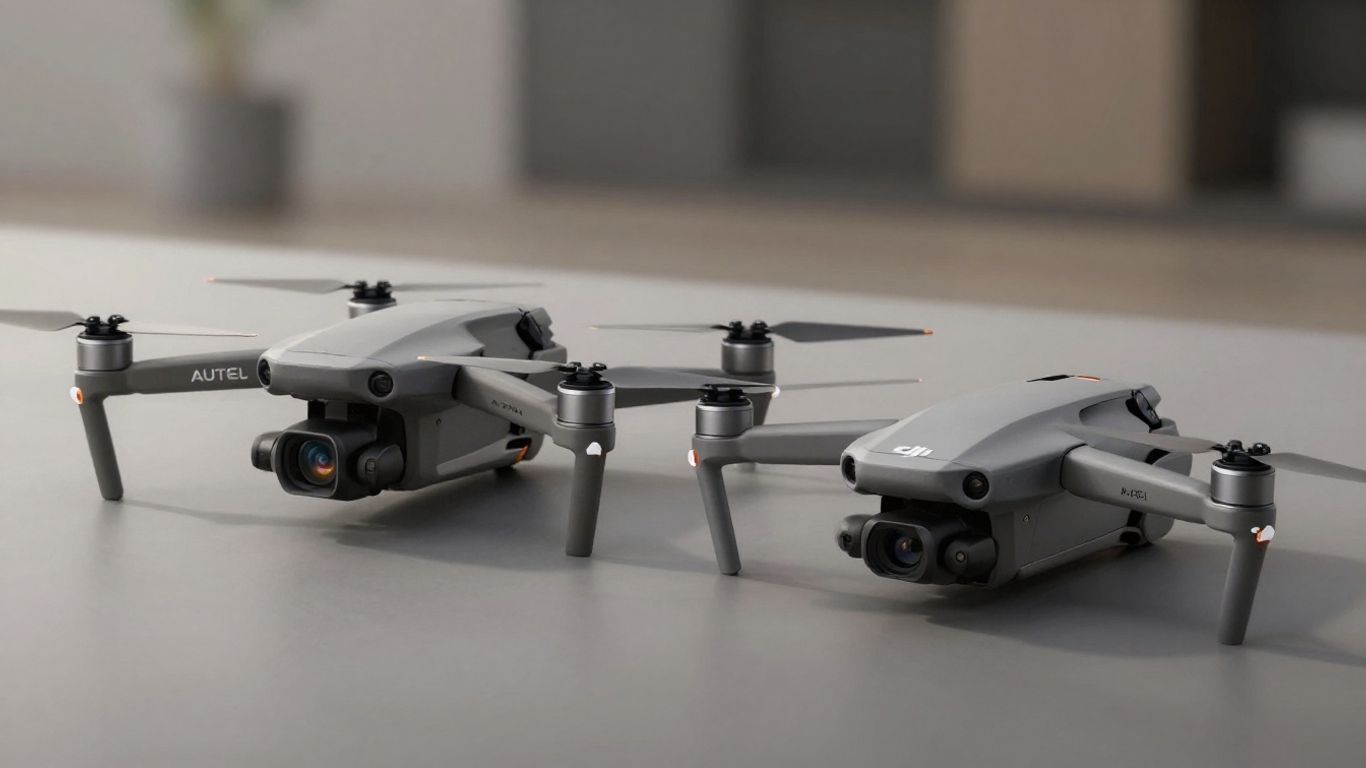
When you’re looking at drones, especially for professional work, it’s not just about the hardware. The software and the whole ecosystem around it play a massive role. It’s like buying a phone – you want it to work well with other apps and services, right? This is where DJI has really built a name for itself over the years.
DJI’s Extensive Software Ecosystem
DJI has this huge network of software tools. Think of their FlightHub 2 for managing fleets, or the DJI Pilot 2 app that pilots use. It’s all pretty polished and works together. For a lot of businesses, especially those already invested in DJI gear, this makes sticking with them an easy choice. It feels familiar, and there’s a lot of support out there if you run into issues. They’ve been doing this for a while, so their systems are pretty mature. You can find a lot of training resources for DJI’s platform.
Third-Party Software Compatibility
This is where things get interesting. While DJI has its own strong ecosystem, sometimes you need software that isn’t made by them. Maybe you have a specific mapping program or a data analysis tool you prefer. DJI’s closed system can sometimes make integrating these third-party options a bit tricky. It’s not impossible, but it might take more effort or require specific SDKs.
Autel’s Proprietary Software Solutions
Autel is building its own software suite, and it’s getting better. Their Smart Controller V3 is a good example, with a bright screen and a user interface that’s pretty clean. They’re focused on making their drones easy to use right out of the box. For example, their A-Mesh system allows multiple drones to communicate, which is pretty neat for larger operations. They also don’t have the geo-fencing restrictions that DJI does, which is a big deal for some users.
Fleet Management Software Options
Managing a fleet of drones is a whole different ballgame than flying just one. Both companies offer solutions, but they differ. DJI’s FlightHub 2 is well-established. Autel is developing its own fleet management capabilities, and for some, the lack of geo-fencing in Autel’s system might simplify fleet management in certain areas. It really depends on what you need to do.
Integration with Existing Workflows
This is a big one for businesses. If you already have a workflow for data processing or asset management, how easily does the drone fit in? DJI’s widespread adoption means many workflows already accommodate their data. Autel is working to bridge this gap, but it’s an ongoing process. You have to ask yourself: will this new drone system require a complete overhaul of how we do things?
The Value of a Mature Software Platform
There’s a definite comfort in using software that’s been around and refined over time. DJI benefits from years of user feedback and development. This maturity often translates to fewer bugs and a more predictable user experience. Autel is catching up fast, but DJI still holds an edge in sheer years of market presence and user base.
Assessing Software Needs for Your Organization
Before you buy, really think about what software features you absolutely need. Do you need advanced AI object recognition? Is real-time 3D flight planning a must-have? Or are you mostly focused on basic flight and data capture? Understanding your specific requirements will help you see which ecosystem, DJI or Autel, aligns better with your mission.
Future-Proofing Your Drone Investment
Software updates are constant. A platform that receives regular updates and has a clear development roadmap is usually a better long-term investment. Both DJI and Autel are actively developing their software. However, considering the regulatory landscape and the potential for future restrictions, Autel’s approach of avoiding geo-fencing might offer a more stable path for some organizations looking to avoid future limitations.
Battery Systems and Hot-Swapping
Dual Battery Systems for Extended Flight
When you’re out in the field, especially for public safety or long inspection jobs, running out of juice is a major headache. Both Autel and DJI get this. That’s why you’ll find dual battery systems on their higher-end models, like the Autel Alpha and the DJI Matrice 30T. This setup means you’ve got more power on tap, letting you stay airborne for longer stretches. It’s not just about having two batteries; it’s about how they work together to keep you flying.
Hot-Swappable Battery Functionality
This is where things get really interesting for continuous operation. Hot-swapping means you can swap out a depleted battery for a fresh one without having to shut down the entire drone. Think about it: you land, pop out the old battery, slide in a new one, and you’re back in the air in just a minute or two. This is a game-changer for missions that can’t afford downtime. Autel has really pushed this with their EVO Max 4T, making it a key feature. DJI’s Matrice series also supports this, but the implementation and speed can vary. It’s a feature that really helps when you want to have your gears working in any situation.
Impact of Battery Life on Mission Efficiency
Sure, a longer flight time is great, but it’s the efficiency of managing that power that truly matters. A drone that can stay up for 40 minutes is good, but one that can stay up for 40 minutes, then quickly swap batteries and go for another 40, is far more practical. This ability to minimize downtime directly impacts how much work you can get done in a day. For tasks like large area mapping or extended surveillance, this is absolutely key. It means fewer interruptions and more data collected.
Charging Infrastructure and Time
Beyond the batteries themselves, how you charge them is a big deal. Are you carrying multiple charging hubs? How long does a full charge take? Some systems offer fast charging, which is a lifesaver. Others might require more time, meaning you need a solid plan for battery rotation. For organizations operating multiple drones, having a robust charging setup is just as important as the batteries themselves. It’s all part of keeping your fleet ready to go.
Comparing Battery Performance
When you look at the specs, you’ll see numbers like 41 minutes for the DJI Matrice 30T and 42 minutes for the Autel EVO Max 4T. That extra minute might seem small, but in the real world, it can add up. However, actual flight time is affected by a lot of things: wind, payload weight, and how aggressively you fly. So, while the rated times are a good starting point, real-world performance is what counts. It’s worth looking into how these batteries hold up under different conditions.
Ensuring Continuous Operation
For critical missions, especially in public safety or emergency response, continuous operation is non-negotiable. This is where the hot-swappable battery systems really shine. They are designed to keep the drone in the air with minimal interruption. It’s about having a system that’s as ready to go as you are. This reliability is a major factor when choosing a drone for demanding jobs.
The Convenience of Quick Battery Changes
It’s easy to overlook, but the actual physical process of swapping a battery matters. Is it fiddly? Does it require tools? Or does it just click into place? The simpler and faster the change, the better. Autel’s EVO Max 4T, for instance, is designed for rapid battery swaps, which contributes to its quick deployment time. This convenience translates directly into operational efficiency in the field.
Powering Extended Aerial Operations
Ultimately, the battery system is what powers your entire operation. Whether you’re doing infrastructure inspections, mapping vast areas, or providing aerial support for law enforcement, you need a reliable power source. The advancements in dual and hot-swappable battery technology mean that drones are no longer limited by short flight times. They can now support much longer and more complex missions, making them truly indispensable tools for professionals. This is a big step up from earlier drone models that might have struggled with extended aerial operations.
Cost Analysis: Value Proposition
When you’re looking at drones for serious work, the price tag can get pretty hefty, pretty fast. It’s not just about the drone itself, but all the bits and pieces you need to make it actually useful. Both Autel and DJI have some serious hardware out there, and figuring out which one gives you more bang for your buck is key.
Price Comparison: Matrice 400 vs. Autel Alpha
Let’s talk about the big players. The DJI Matrice 400 is a beast, and it comes with a price tag to match. On the other hand, the Autel Alpha is positioned as a direct competitor, not just a cheaper option. You’re looking at a similar investment for both if you want comparable capabilities. It’s not about finding the cheapest drone; it’s about finding the one that does the job best for your specific needs. If you need that long-range zoom or integrated RTK for mapping, the Autel Alpha might actually save you money by not needing extra payloads, unlike some other systems. It’s about what you get for the money, not just the sticker price.
Cost of Batteries and Essential Sensors
Don’t forget the ongoing costs. Batteries are a big one. You’ll likely want spares, and they add up. For the DJI Matrice 30 series, a recent price drop made it more attractive, but you still need to factor in the cost of extra batteries, charging hubs, and any specialized sensors you might need. Autel’s approach with its EVO Max 4T, for instance, often includes more in its standard package, potentially reducing the need for immediate add-ons. Think about how many batteries you’ll need for a full day’s work and what those cost. A good starting point for understanding drone costs is to look at what goes into a drone package.
Autel Alpha as a True Alternative, Not a Budget Option
It’s important to get this straight: the Autel Alpha isn’t some budget drone you grab when you can’t afford a DJI. It’s built for the same demanding jobs as DJI’s top-tier models. If you’re comparing it to something like the DJI Matrice 30T, you’re looking at two professional tools. The Alpha aims to compete on performance and features, not just price. It’s a strategic choice for organizations that need specific capabilities, like its advanced flight planning or lack of geofencing, which might be worth the investment over a cheaper, less capable drone.
Understanding the Total Cost of Ownership
When you buy a drone, that’s just the start. You’ve got to think about the long haul. This includes things like:
- Maintenance and repairs
- Software updates and subscriptions
- Training for your pilots
- Replacement parts (like propellers or batteries)
- Insurance
DJI has a massive ecosystem, which can sometimes mean easier access to parts and service, but it might also come with higher long-term costs for certain services. Autel is building out its support network, and for many, its approach to things like geofencing can reduce operational headaches, indirectly lowering the total cost of ownership by avoiding flight restrictions.
DJI Matrice 30 Series Price Drop Impact
That recent price adjustment for the DJI Matrice 30 series definitely shook things up. It made a very capable drone more accessible to a wider range of businesses. This puts pressure on competitors like Autel to demonstrate their value proposition even more clearly. However, even with a price drop, the Matrice 30T is still a significant investment, and you still need to consider the cost of accessories and potential upgrades. It’s a good reminder that pricing is just one piece of the puzzle.
Investment Justification for Enterprise Drones
Why spend so much on a drone? Because it can save you time and money in the long run, and sometimes, it makes jobs possible that were too dangerous or difficult before. For example, using a drone for infrastructure inspection can prevent costly shutdowns and reduce the risk to human inspectors. The Autel EVO Max 4T, with its quick deployment and advanced features, might justify its cost by allowing for more missions in less time. You have to look at how the drone will pay for itself through increased efficiency, improved safety, or new business opportunities.
Balancing Initial Cost with Long-Term Value
It’s easy to get caught up in the initial price. But what really matters is the long-term value. A drone that costs a bit more upfront but lasts longer, performs better, and requires fewer expensive add-ons might be a much better deal over several years. Autel’s focus on features like robust build quality and unique systems, like their battery swapping, aims to provide that long-term value. You’re not just buying a piece of tech; you’re investing in a tool that should keep working for you.
Strategic Financial Decisions in Drone Procurement
Choosing a drone isn’t just a technical decision; it’s a financial one. You need to align the drone’s capabilities and cost with your organization’s budget and mission requirements. Sometimes, a slightly higher initial investment in a platform like the Autel Alpha or a DJI Matrice series drone makes more sense if it means fewer operational constraints or better data quality down the line. It’s about making a smart choice that supports your business goals, not just picking the cheapest option available. For smaller drones, the Autel Evo Nano+ might be a good example of a slightly higher price for added features that justify the cost.
Autel Evo Nano: A Compact Competitor
When you think about drones, DJI often comes to mind first, right? They’ve really dominated the market for a while. But Autel is stepping up with some interesting options, and the Evo Nano is a prime example. It’s a drone that packs a lot into a small package, especially when you consider the rules here in the U.S.
Sub-250g Drone Category
The Autel Evo Nano is designed to be super light, tipping the scales at just under 250 grams. This is a big deal because it means you can fly it without needing a special license in many places, including under the basic Open A1 and A3 Class rules. It’s right there in the same weight class as the popular DJI Mini 2, making it an accessible choice for a lot of people just getting into drones or looking for something easy to fly.
DJI Mini 2 Size and Weight Comparison
Seriously, these two drones are almost twins when it comes to size and weight. The Autel Evo Nano is built to be portable and easy to carry around, just like the Mini 2. This makes it a great option if you travel a lot or just don’t want to lug around a heavy piece of gear. It folds up nicely, fitting into its case without much fuss.
Three-Way Obstacle Avoidance
This is where the Evo Nano really shines, especially for its size. It actually has obstacle avoidance sensors on the front, back, and bottom. For a drone under 250 grams, that’s pretty impressive. It helps you avoid bumping into things, which is super useful, especially if you’re still getting the hang of flying. It’s a feature you don’t always see on drones this small, and it adds a good layer of safety.
Camera with 1/2-Inch Sensor
Autel didn’t skimp on the camera. The standard Evo Nano comes with a 1/2-inch sensor. While there’s a Nano+ version with an even bigger sensor for better low-light shots, the 1/2-inch sensor still captures some really nice images and video. It’s a step up from some of the tiny cameras you find on other ultra-light drones. You can get some pretty clear shots, and the video quality is decent for sharing online or just for your own memories. For a drone that’s this easy to fly, the camera performance is quite good.
Autonomous Flight Functions
Beyond just flying it yourself, the Evo Nano has some cool automated flight modes. Think things like tracking a moving subject (Dynamic Track 2.1), or having the drone fly in a perfect circle around you (Orbit). These make it easy to get those cinematic shots that would be tough to do manually. It’s like having a little assistant helping you capture the best footage. These modes are pretty straightforward to use, which is great if you’re not a pro pilot.
Ambient Audio Recording Capability
Here’s a neat little feature: the Evo Nano can record ambient audio using your phone’s microphone while it’s flying. This means you can capture the sounds of your surroundings along with your video, adding another layer to your footage. It’s a small touch, but it can make your videos feel more immersive. Imagine recording the sounds of the beach while you’re flying over the water – pretty cool.
Controller Design and Ergonomics
The controller for the Evo Nano feels pretty solid in your hand. It’s comfortable to hold, and the controls are laid out logically. You’ve got your joysticks, buttons for taking photos and videos, and a dial for controlling the camera’s gimbal. It’s designed to be user-friendly, which is important for a drone aimed at a wider audience. It does require you to remove the control sticks for storage, which is a minor detail but worth noting.
Premium Bundle Contents and Color Options
If you opt for the Premium Bundle, you get a lot of extras. It usually includes multiple batteries (which is super handy for longer flights), a multi-charger, spare propellers, and a decent carrying case. The drone itself also comes in a few different colors, like orange, grey, red, and white. It’s nice to have options beyond the standard grey or black, and the bundle gives you everything you need to get started right away. This makes it a really complete package for anyone looking for a capable, lightweight drone without breaking the bank. You can find out more about the Autel EVO Lite 6K Enterprise if you need something a bit more robust for commercial work.
DJI Matrice 30T vs. Autel EVO Max 4T: A Direct Showdown
Key Differentiators in Design and Function
When you put the DJI Matrice 30T and the Autel EVO Max 4T side-by-side, it’s clear they’re built for slightly different priorities. The Matrice 30T packs a lot of tech into one unit, with its integrated sensor array being a big plus for quick data gathering. DJI’s ecosystem, like FlightHub 2, plays a role here too, making fleet management simpler if you’re already in their world. On the other hand, the EVO Max 4T really shines with its rapid 15-second setup time and the freedom from geo-fencing restrictions, which can be a major headache for some operations. It also boasts a neat multi-drone control system called A-Mesh.
Pros and Cons At-a-Glance
DJI Matrice 30T:
- Pros: Really tough and can handle bad weather, cameras are top-notch, good range, and decent flight time. The recent price drop makes it more appealing.
- Cons: It’s a bit on the larger side, which might make it slower to get into the air for urgent tasks.
Autel EVO Max 4T:
- Pros: Super portable, has smart AI for spotting things, and a cool battery swapping system that keeps it flying longer. No geo-fencing is a big deal for many.
- Cons: Doesn’t play as nicely with third-party software as DJI might.
Flight Time Comparison: A Marginal Edge
In the flight time department, it’s a really close race. The DJI Matrice 30T can stay up for about 41 minutes, while the Autel EVO Max 4T nudges ahead slightly with 42 minutes. For most jobs, that extra minute probably won’t make or break the mission, but in situations where you need to cover a lot of ground or keep an eye on something for an extended period, every second counts. It’s a small difference, but worth noting.
Camera Sensor Details and Zoom Capabilities
This is where the drone camera comparison gets interesting. The Matrice 30T features a 48MP zoom camera with a 1/2-inch sensor, offering a 5x to 16x optical zoom and up to 200x digital zoom. The EVO Max 4T counters with a 50MP wide-angle camera and a separate 48MP zoom camera that provides 10x optical zoom. Both are great for capturing detail, but the Matrice 30T’s zoom range is more extensive.
Thermal Imaging Measurement Accuracy
For tasks involving heat detection, both drones offer thermal capabilities. The Matrice 30T, however, has a slight edge in measurement accuracy, reporting an accuracy of ±2°C or ±2%. This level of precision can be important for specific industrial or public safety applications where exact temperature readings are needed.
Transmission Range Metrics
Keeping a solid connection is key, especially when flying further out. The Matrice 30T’s transmission range can go from 1.5 km up to 15 km, depending on how much interference is around. The EVO Max 4T claims a range of up to 12.4 miles, which is roughly 20 km. Both offer substantial range for most professional uses, but the Autel’s advertised figure is longer.
Controller Features and Software Benefits
DJI uses its RC Plus controller with the Pilot 2 software, which is pretty polished and familiar to many users. It’s a mature system. Autel’s Smart Controller for the EVO Max 4T is also quite capable, and it includes features like AI recognition to help pilots out. The Autel controller also has that hot-swappable battery system, which is a real convenience for keeping operations going without much downtime. It’s a trade-off between DJI’s established software ecosystem and Autel’s practical hardware advantages.
Industry Use Cases for Both Platforms
Both of these drones are workhorses and can be used across many fields. They’re good for law enforcement needing surveillance, firefighters spotting hot spots with thermal cameras, and search and rescue teams looking for people. Inspectors can get close-up views of power lines or cell towers, and surveyors can get accurate mapping data. Construction sites benefit from aerial views, and forestry teams can monitor large areas. It really comes down to the specific needs of the job, like needing that extra zoom or the freedom from geo-fencing. If you’re looking at drones for specific tasks, understanding these differences is key to making the right choice. For instance, if you’re comparing different meal plans for a trip, you’d look at what’s included and how it fits your travel style understanding meal plans.
Making the Strategic Choice: Autel vs DJI Drones
When Autel Alpha Offers Distinct Advantages
So, you’re looking at drones and trying to figure out which one is the right fit. It’s not always a simple choice, especially when you’re comparing brands like Autel and DJI. If you’re in a situation where you absolutely cannot have your drone restricted by flight zones, Autel really shines. Their platforms, like the EVO Max 4T, don’t have the same geo-fencing limitations that DJI drones do. This means you can fly in more places without needing special permissions or workarounds. For certain jobs, especially those in remote or less-trafficked areas, this freedom is a big deal. It means less hassle and more focus on the actual task at hand. Plus, the Autel Alpha is built for speed. We’re talking about getting it in the air in about 15 seconds, which is pretty wild when you think about it. If you need to respond quickly, that kind of rapid deployment is a game-changer. It’s not just about the drone itself, but how fast you can get it working for you when seconds count.
When DJI’s Ecosystem Remains a Strength
Now, DJI isn’t just sitting still, and they have their own set of advantages. Their biggest draw is probably their whole ecosystem. If your organization already uses a lot of DJI gear or software, sticking with them makes things a lot smoother. Think about fleet management software like DJI FlightHub 2, or their docking stations – it all works together. It’s like having a well-oiled machine where everything is designed to play nice with each other. For some folks, this deep integration is worth more than a few extra minutes of flight time or the lack of geo-fencing. It means less time spent trying to make different systems talk to each other and more time actually getting work done. It’s a mature system, and that maturity brings a certain level of reliability and ease of use that’s hard to beat, especially if you’re not looking to spend a lot of time troubleshooting compatibility issues. For many, this is why DJI drones are still a top pick.
The Strategic Decision Beyond Brand Default
Choosing a drone used to feel like picking a side in a long-standing debate. For a while, DJI was pretty much the only name in the enterprise drone game. But things are changing, and fast. Now, you’ve got really solid DJI drone alternatives popping up, and Autel is definitely one of them. The Autel Alpha, for instance, isn’t just a cheaper copy; it’s a serious contender built for professional use. It offers things like a powerful 35x optical zoom and RTK precision for mapping that can really make a difference in your work. So, instead of just defaulting to the brand everyone knows, it’s becoming a real strategic choice. You have to look at what you actually need the drone to do. Does it need to fly in restricted airspace? Does it need that super-long zoom? Or is the vast DJI software suite more important for your team? It’s about matching the tool to the job, not just picking the most popular one.
Prioritizing Workflow Improvements
When you’re looking at drones, it’s easy to get caught up in the specs – flight time, camera resolution, all that stuff. But what really matters for most businesses is how the drone actually improves your day-to-day work. Think about it: if a drone can help you inspect a cell tower from a safer distance, that’s a huge win. Autel’s EVO Max 4T, with its advanced 3D flight path planning, can help you map out complex routes automatically, which saves a ton of time and reduces pilot workload. This means your team can get more done in less time, and maybe even tackle jobs that were too risky or difficult before. It’s not just about having a cool piece of tech; it’s about making your operations more efficient and safer. That’s where the real value lies, and it’s something to consider when you’re comparing different platforms.
Considering Long-Term Service Networks
Okay, so you’ve picked out a drone, maybe it’s the Autel Alpha or a DJI Matrice. That’s great, but what happens when something goes wrong? This is where the long-term service network comes into play. DJI has been around for a while, and they’ve built up a pretty extensive network for repairs and support. If you’re in a pinch, knowing you can get your drone serviced relatively quickly can be a big relief. Autel is growing, and their support is getting better, but they might not have the same widespread reach just yet. For some organizations, especially those operating in remote areas or needing constant uptime, this established network is a major factor. It’s like choosing a car – sometimes you pick the brand that has mechanics all over the country, even if another car has slightly better features on paper. It’s about reliability and peace of mind over the long haul.
The Enterprise Drone Market is No Longer One-Brand
It’s pretty clear now that the days of one company completely dominating the enterprise drone market are over. For a long time, if you were a business or a government agency looking for a serious drone, DJI was pretty much the default choice. They had the market cornered. But that’s not the case anymore. Companies like Autel have stepped up with some really impressive machines, like the Autel Alpha, that can go head-to-head with DJI’s best. This competition is actually a good thing for everyone. It pushes innovation, it gives buyers more choices, and it can even lead to better pricing. So, when you’re making your decision, remember that you’re not limited to just one option. You can actually compare different brands based on what they offer and what fits your specific needs best. It’s a much more open and dynamic market now.
Choosing Based on Mission-Specific Needs
Ultimately, the best drone for you isn’t about which brand is ‘better’ overall, but which one is better for the specific jobs you need to do. If your work involves a lot of inspections where you need to get really close to structures without putting people at risk, a drone with excellent stand-off inspection capabilities, like the Autel Alpha, might be your top pick. On the other hand, if your operations rely heavily on integrating with existing DJI software and hardware for fleet management, then sticking with DJI might make more sense. It’s about breaking down your mission requirements into a checklist and seeing which drone ticks the most important boxes. Don’t get swayed by marketing hype; focus on the practical application and how each drone will perform in your real-world scenarios. That’s how you make a smart investment.
Evaluating Measurable Performance Categories
When you’re trying to decide between Autel and DJI, don’t just go by gut feeling or brand loyalty. Look at the hard numbers. Things like flight time, wind resistance, and transmission range are all measurable. For example, the Autel EVO Max 4T offers a slightly longer flight time than the DJI Matrice 30T, which could be important for certain long-duration missions. Also, consider the precision needed for your work. If you’re doing surveying and mapping, RTK capabilities are key, and both platforms offer this, but you’ll want to compare the specific accuracy claims. Even camera performance, like zoom capabilities and thermal imaging clarity, can be objectively measured and compared. By focusing on these concrete performance metrics, you can move past the brand names and make a decision based on what the drone can actually do for your mission.
The Future of Enterprise Drones
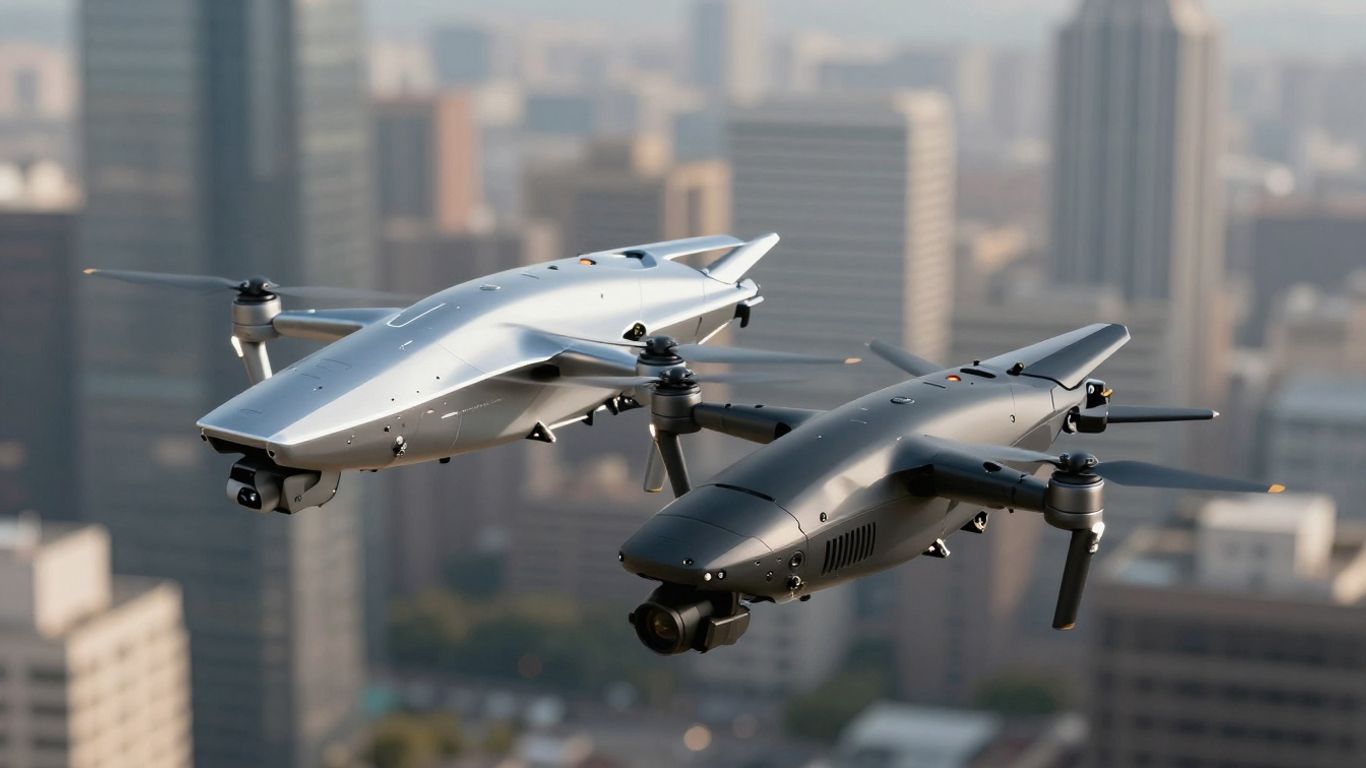
The Turning Point in the Enterprise Drone Market
The enterprise drone market is definitely at a crossroads right now. For a long time, it felt like one company, DJI, had the whole scene locked down. Their Matrice series became the go-to, the safe bet for pretty much any serious job, whether it was public safety, checking power lines, or mapping out land. They were reliable, had a ton of accessories, and were easy to explain to the folks signing the checks. But things are changing, and fast.
DJI’s Continued Innovation
DJI isn’t just sitting back, though. They’re still pushing boundaries. Think about their newer, more compact options like the Mavic 3 Enterprise series. It packs a lot of punch – multiple cameras, including thermal, into a package that’s way easier to carry around. This is a big deal for teams on a budget, like many in public safety, who need advanced tech without breaking the bank. Even with the recent price adjustments on their Matrice 30 series, they’re still trying to offer solid value. They’re also working on making their systems more integrated, like with the DJI Dock and FlightHub 2, which helps manage fleets of drones.
Autel’s Ambitious Growth Strategy
Autel Robotics, on the other hand, has been making some serious moves. They’re not just a small player anymore; they’re actively challenging the established names. Their Alpha platform, for instance, is built to go head-to-head with the big boys. It boasts features like advanced 3D flight planning, no geo-fencing restrictions (which is a huge plus for some operations), and a neat multi-drone control system called A-Mesh. Plus, the speed at which you can get the Alpha up and flying – we’re talking 15 seconds – is pretty impressive when you need to deploy quickly. They’re really focusing on what users have been asking for: ruggedness, versatility, and the ability to swap out sensors easily. It feels like they’re trying to offer a complete package that doesn’t compromise.
Increasing Demand for Rugged and Versatile Drones
What’s driving all this change? Well, professionals are realizing they need drones that can handle more. It’s not just about flight time anymore. People are asking if they can spot a subject from a safe distance, if the thermal camera is actually clear enough to be useful way out there, and if they can get survey-grade accuracy without adding a bunch of extra gear. The Autel Alpha, with its impressive 35x optical zoom and dual thermal sensors, seems to be directly answering these questions. It can identify details at distances where other drones might struggle, which is a game-changer for safety and effectiveness. This push for more capability means drones need to be tough, adaptable, and packed with smart tech.
The Role of Modular Flexibility
Modularity is becoming a really big deal. The idea that you can swap out sensors or payloads on a drone to fit different missions is super appealing. Autel’s Alpha, with its modular payload system, really leans into this. You can switch out cameras or other sensors depending on whether you’re doing inspection, mapping, or surveillance. This flexibility means one drone platform can serve multiple purposes, which is great for efficiency and cost. It’s a smart way to future-proof your investment, allowing you to upgrade components rather than the entire drone.
Evolving Professional Requirements
Professionals are getting smarter about what they need. They’re not just buying the most popular brand anymore. They’re looking at specific mission requirements. For example, if you’re in law enforcement, being able to clearly identify a suspect from a much safer distance, say 1,500 feet instead of 900 feet, makes a huge difference. That’s the kind of practical advantage that platforms like the Alpha are bringing to the table. It’s about tangible benefits that improve safety and outcomes. This shift means companies need to really think about what they’ll be using the drone for day-to-day.
Competition Driving Technological Advancements
Honestly, all this competition is fantastic for us users. When companies like Autel step up and really challenge the status quo, it forces everyone to innovate. DJI has to keep improving, and Autel is clearly pushing hard to offer something better or different. This means we’re seeing better cameras, longer flight times, more advanced obstacle avoidance, and smarter software features coming out faster than ever. It’s a win-win situation: companies are forced to create better products, and we get access to more advanced technology. It’s exciting to see what comes next, especially with the focus on things like RTK precision for mapping and better thermal imaging for public safety applications. The race is definitely on, and it’s making the whole field of enterprise drones more dynamic and capable.
The Next Evolution in Commercial UAV Technology
So, what’s next? We’re likely to see even more specialized drones, but also platforms that are incredibly versatile. Think about drones that can handle extreme weather, communicate over vast distances, and integrate AI for tasks like object recognition without constant pilot input. The trend towards smaller, more portable drones with significant capabilities, like the Mavic 3 Enterprise, will probably continue, but the need for robust, heavy-duty platforms like the Alpha and Matrice series will remain for demanding jobs. The key will be finding that sweet spot between portability, power, and price. It’s a really interesting time to be following the commercial UAV space, with new advancements popping up all the time. For anyone looking to buy, it’s a good idea to keep an eye on how these technologies develop and how they might fit into your specific work. You might even find that a company like Autel, which is really pushing the envelope, has exactly what you need. Check out the latest drone tech and see what’s out there.
Expert Insights for Drone Selection
Consulting Subject Matter Experts
When you’re trying to figure out the best professional drone brands for your needs, it can get pretty overwhelming. There’s a lot of tech talk out there, and honestly, it’s easy to get lost. That’s why talking to people who actually use these things day in and day out is a smart move. Think about folks who have spent years flying drones for a living, maybe even in tough situations like search and rescue or firefighting. They’ve seen what works and what doesn’t when the pressure is on. These aren’t just opinions; they’re hard-won lessons from the field.
Insights from Part 107 Pilots
Pilots with their Part 107 certification are a goldmine of practical knowledge. They deal with the day-to-day realities of drone operations, including all the little quirks and challenges that don’t always show up in the spec sheets. They can tell you about how a drone handles in real wind, how intuitive the controls feel after a long flight, and whether the battery life actually holds up when you’re out there. Their feedback often highlights the subtle differences that make a big impact on usability. When you’re looking at advanced drone features, these pilots can give you the lowdown on what’s truly useful versus what’s just a marketing buzzword. It’s like getting a peek behind the curtain of high-end drone reviews.
Perspectives from Former Public Safety Servants
People who’ve worked in public safety have a unique perspective. They’ve likely used drones in critical incidents where lives were on the line. For them, reliability and quick deployment aren’t just nice-to-haves; they’re absolute necessities. They can speak to how well a drone performs under stress, its ability to capture clear thermal images in smoky conditions, or how easy it is to get it up in the air when every second counts. Their experiences often point towards platforms that are rugged, dependable, and simple to operate, even for someone who might not be a tech wizard. They understand the importance of a drone that just works when you need it most.
Guidance from Industry Connoisseurs
These are the folks who really live and breathe the drone industry. They’ve probably tested more drones than most people have owned cars. They can compare the latest models side-by-side, dissecting everything from camera sensor quality to the nuances of different transmission systems. If you’re trying to understand the competitive landscape and which brands are truly pushing the envelope, these connoisseurs can offer a clear picture. They often provide detailed comparisons that go beyond surface-level specs, helping you see the bigger trends and where the technology is headed. You can often find their insights in detailed high-end drone reviews.
Requesting Detailed Quotes
Once you’ve gathered some expert opinions and have a few models in mind, the next step is to get down to brass tacks: cost. Don’t just look at the sticker price. Ask for detailed quotes that include everything you’ll need: the drone itself, extra batteries, chargers, carrying cases, and any specific sensors or accessories required for your tasks. Sometimes, a slightly more expensive drone upfront can save you money in the long run if it’s more durable or requires fewer accessories. It’s also a good time to ask about warranty and support options. Remember, these are professional tools, and you want to make sure you’re covered.
Addressing Specific Mission Requirements
Every operation is different. What works for a construction company might not be ideal for a law enforcement agency. It’s vital to sit down and clearly define what you need the drone to do. Are you primarily doing aerial photography, or do you need advanced thermal capabilities for inspections? Is long-range transmission a must-have, or will shorter flights suffice? Understanding your specific mission requirements will help you filter through the options and focus on the drones that are actually built for the job. Don’t get swayed by flashy features if they don’t align with your core needs. Think about the environment you’ll be operating in too – will it be windy, dusty, or wet? This will influence the type of drone you should consider.
Navigating Complex Drone Decisions
Choosing a drone can feel like a big decision, especially with so many advanced options available. It’s not just about picking the one with the best camera. You have to consider factors like ease of use, software integration, and long-term support. For government or defense applications, you might also need to look into Blue UAS approved drones to meet specific security and supply chain requirements. Taking the time to research and consult with experts will make the process much smoother and lead to a more informed purchase. It’s about finding the right tool for your specific job, not just the most popular one.
Ensuring an Informed Investment
Ultimately, buying a professional drone is an investment. You want to make sure you’re getting the best return for your money, which means choosing a platform that will reliably serve your needs for years to come. By combining expert advice with a clear understanding of your own operational demands, you can make a choice that you feel confident about. Don’t rush the process. Gather information, ask questions, and weigh the pros and cons carefully. The right drone will not only perform well but also make your work more efficient and effective.
Conclusion
So, Autel vs DJI drones, who wins? Honestly, it’s not a simple ‘one is better than the other’ situation. For a long time, DJI was the only name you really heard in the serious drone world, and they’ve built a solid reputation. Their ecosystem is pretty vast, and for many, that’s a huge plus. But Autel has seriously stepped up its game. They’re offering some really impressive tech, especially if you’re looking for things like no geo-fencing or super-fast setup. The Autel Alpha, for instance, is a genuine contender against DJI’s top-tier machines, not just a cheaper option. The Matrice 30T, especially with its recent price drop, is still a strong player, packing a lot of sensors into one unit. Ultimately, the ‘best’ drone really depends on what you need it to do. Think about your specific job, what features are absolute must-haves, and what your budget looks like. Choosing between Autel and DJI now feels like a smart decision based on your needs, not just picking the default brand. Both companies are pushing forward, and that’s good news for everyone using drones.
Frequently Asked Questions
What’s the main difference between Autel and DJI drones?
Think of it like this: DJI has been the big player for a long time, with lots of connected tools. Autel is the strong challenger, often bringing unique features like not having flight limits in certain areas (no geo-fencing) and sometimes being quicker to get flying.
Are Autel drones as good as DJI drones?
For many jobs, yes! Autel makes really capable drones that can do just as much, and sometimes more, than DJI drones in specific areas. It really depends on what you need the drone for.
Which drone is better for taking pictures and videos?
Both brands have great cameras. DJI often has very good zoom on its higher-end models. Autel also has impressive cameras, sometimes with different zoom strengths or better thermal imaging depending on the model.
How long can these drones fly?
Most of the professional-level drones from both Autel and DJI can fly for around 30 to 45 minutes. It’s usually pretty close between similar models.
Is it hard to set up an Autel or DJI drone?
Getting them ready to fly is usually pretty straightforward. Autel sometimes has an edge in how fast you can get them in the air, which is helpful if you need to launch quickly.
Can I use Autel drones anywhere?
Autel drones often don’t have the ‘geo-fencing’ limits that stop DJI drones from flying in certain places. This gives you more freedom, but you still need to follow all the flying rules.
What does ‘ecosystem’ mean when talking about DJI?
It means DJI has a whole bunch of software, apps, and accessories that work together really well. If you need your drone to connect with lots of other tools, DJI’s big system might be useful.
Are Autel drones expensive?
The professional drones from Autel, like the Alpha, are not cheap. They compete with DJI’s high-end models, so they are an investment, not a budget option.
Which drone is better for flying in wind?
Both brands make drones that are pretty stable in wind. You’ll want to check the specific model’s ratings, but generally, their larger, professional drones handle tougher weather well.
What is RTK precision?
RTK is a fancy GPS system that makes drone positioning super accurate, down to an inch. It’s really important for jobs like mapping land or building precise models.
Can I swap batteries on these drones easily?
Many of the professional drones from both companies have systems that let you swap batteries quickly without shutting the drone down completely. This helps keep the drone flying for longer periods.
Should I buy the newest drone or an older model?
Newer drones usually have the latest tech, but older models can be a great value. Sometimes, a slightly older DJI drone might be cheaper, or a new Autel might offer a feature you can’t get elsewhere for the price.