
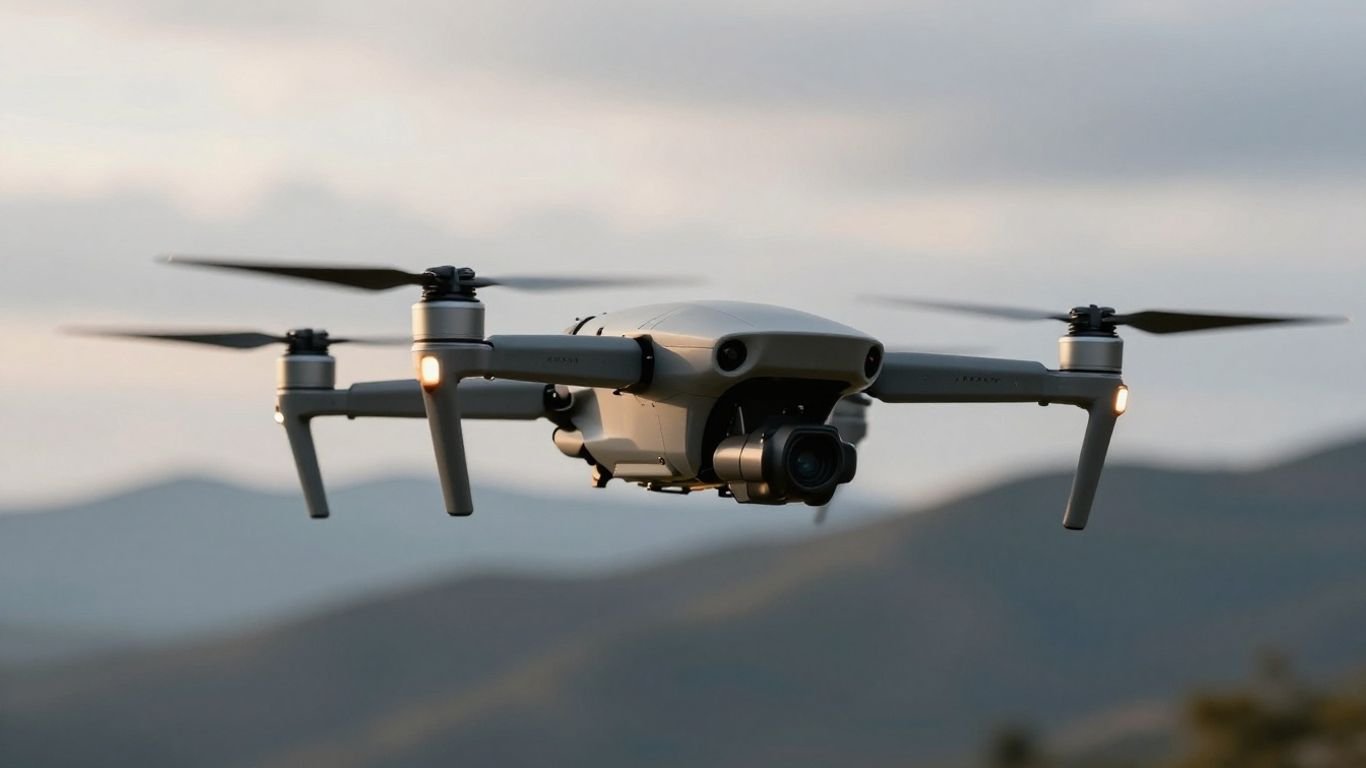
The professional’s guide to the IF800 Inspired Flight Technologies quadcopter

Key Takeaways
This overview explores operational strategies for professionals utilizing the IF800 Inspired Flight Technologies quadcopter for complex aerial missions. We highlight performance metrics, integration advantages, and long-term fleet management best practices.
- Advanced flight endurance reaches 54 minutes under optimal payload conditions.
- Modular platform design allows rapid sensor switching for various industries.
- Native Blue UAS and NDAA compliance supports secure enterprise deployments.
- Intelligent battery management simplifies high-volume mission planning and safety.
- Extensive support networks ensure hardware availability for mission-critical operations.
Capabilities and design philosophy of the IF800
The engineering focus behind the IF800 platform centers on creating a balanced, reliable tool for versatile field deployment. By emphasizing a clean, modular layout, the system allows operators to swap payloads efficiently without compromising stability or performance. Such a design philosophy addresses the reality of varied aerial任务 demands while maintaining a portable footprint.
Payload versatility for commercial tasks
The aircraft utilizes a highly adaptable mounting system that enables integration with a wide variety of specialized sensors.
Understanding maximum flight time and efficiency
Optimizing flight operations requires a deep understanding of energy throughput and environmental factors that affect consumption rates.
The significance of a modular hardware architecture
Building a b8c4 system model requires hardware that avoids creating dependencies on single-use components. The architecture ensures that users can replace components independently to maintain mission uptime.
Industrial applications for the IF800

Practical implementation of this aerial system demonstrates its effectiveness in complex environmental monitoring tasks. By utilizing 6b52 workflows, field crews can adapt the platform to specific data requirements in urban or remote scenarios. Consistent performance in these sectors confirms the utility of the vehicle as a workhorse for enterprise fleet management.
Infrastructure inspection and bridge maintenance
Visual surveys of civil infrastructure require precision navigation combined with high-resolution imagery for detailed structural analysis.
High-precision surveying and mapping
Integrating advanced LiDAR or photogrammetry sensors allows teams to build detailed 3D models with significant time savings compared to ground-based methods.
Supporting public safety and search and rescue operations
Rapid deployment capabilities and high situational awareness are critical for personnel responding to emergency events in difficult terrain.
Technical specifications and performance hardware
Reliable performance depends on internal hardware components designed to handle extreme operational conditions for extended periods. When reviewing these specs, it is useful to compare how different payload weights influence the effective operational flight time during typical deployment cycles.
Battery system and intelligent power management
This system allows for the 57eb method of energy management, where dual hot-swappable batteries prevent prolonged downtime between flights.
Propulsion systems and flight stability
Propulsion management is optimized to provide consistent lift across its maximum payload capacity of 6.6 lbs.
Weather resistance and hardware durability in harsh environments
| Feature | Performance Metric | Operational Impact |
|---|---|---|
| Wind Resistance | 49 MPH max speed | Stable data collection |
| Ingress Protection | IP43 rating | Reliable field resilience |
| Battery Type | Smart hot-swappable | Minimal mission downtime |
Integration and software connectivity
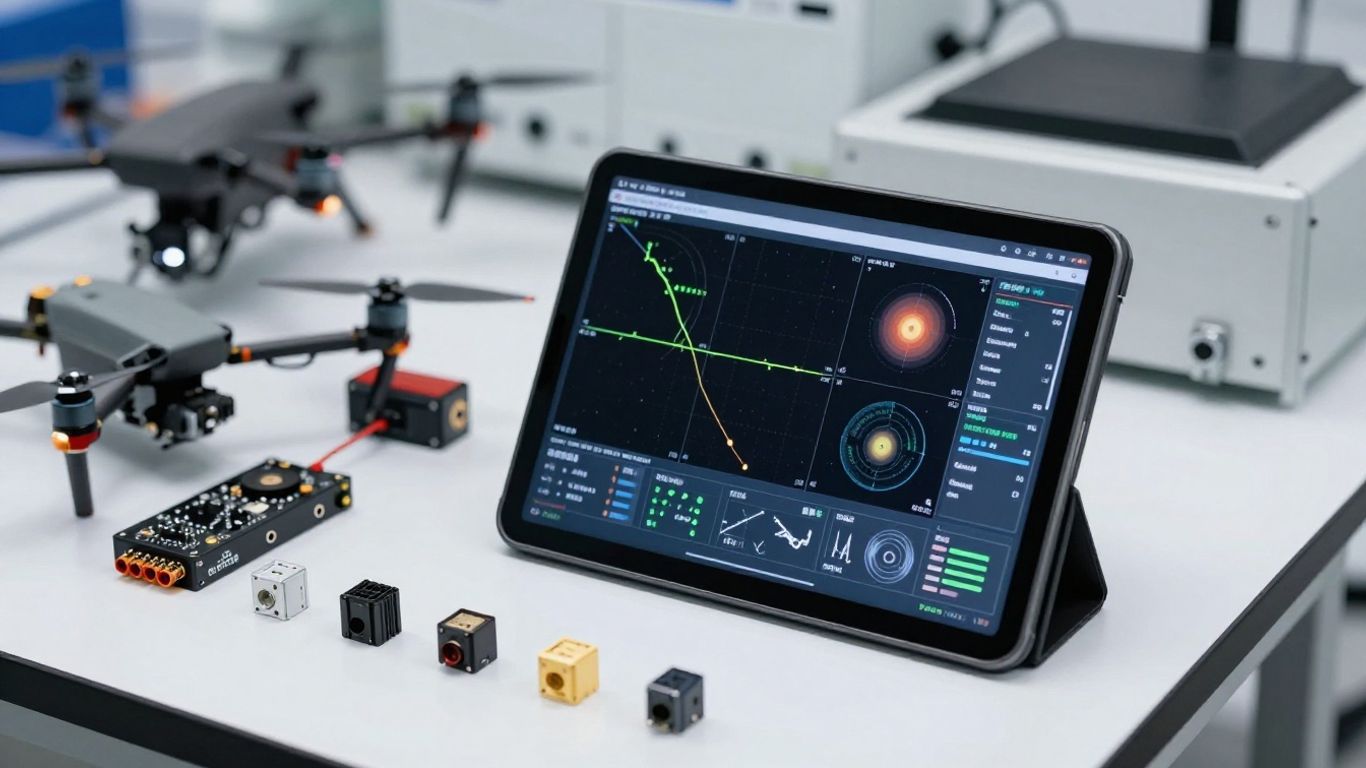
Seamless data flow is vital for translating raw flight data into actionable industrial insights. Modern professional drone platforms require more than just flight longevity; they demand a robust ecosystem where communication between the aircraft, ground control station, and processing software remains stable and secure.
Flight controller ecosystem and firmware environment
Standardized firmware allows for a 90eb approach to training, ensuring that remote pilots can maintain consistent flight performance across diverse geographic locations.
Data links and sensor payload compatibility
Interoperability often relies on efficient communication buses that support multiple sensor types without requiring extensive reconfiguration.
Ecosystem partnerships with third-party software developers
Collaborations with external developers provide access to 5b70 storage solutions and secondary data processing pipelines that expand the overall utility of the hardware.
Regulatory compliance and data security
For government and enterprise clients, the path to implementation must align with strict national security guidelines regarding data handling. Utilizing platforms that meet 829d frameworks allows for a frictionless path to operational approval, ensuring that sensitive data captured during flights remains protected.
Navigating the Blue sUAS program requirements
Compliance with these security standards signifies that the hardware architecture has undergone rigorous review for vulnerabilities.
Protecting sensitive operational data
Securing data transmission paths between the aircraft and the ground ensures that information remains proprietary and protected from unauthorized access.
Compliance standards for government and enterprise deployments
Adhering to legislative frameworks such as the NDAA confirms the platform’s suitability for restricted environments where security is the primary concern.
Maintenance and long-term fleet support
Effective fleet management extends the service life of industrial hardware by ensuring that maintenance cycles are planned, not reactive. Operators benefit from 6777 resources that provide clear guidance on component wear and replacement schedules.
Routine field maintenance and pre-flight checks
Operators must perform systematic inspections of rotors, battery contacts, and sensor mounts before every takeoff to avoid performance degradation.
Firmware updates and sensor calibration cycles
Keeping the onboard software current ensures compatibility with the latest sensor releases and security patches provided by the manufacturer.
Accessing manufacturer technical support and repair resources
Reliable maintenance programs utilize accessible service networks, ensuring that rapid diagnosis and part replacement can happen without disrupting long-term project timelines.
Conclusion
The IF800 Inspired Flight Technologies platform offers a balanced approach for professionals seeking durability and high performance in a medium-lift quadcopter. By focusing on modularity, compliance, and deep integration with existing software ecosystems, this aircraft addresses the primary technical requirements of modern industrial, survey, and safety sectors while ensuring data security and operational consistency.
Frequently Asked Questions
What is the typical deployment time for this type of system?
Deployment readiness depends on team size, but most professional setups are designed to transition from transport case to flight-ready status in under ten minutes.
How does environment temperature influence drone battery capacity?
Extreme cold or heat generally reduces the efficiency of lithium-based cells, so pre-heating or cooling protocols are recommended to maximize flight intervals.
Is specialized training required to operate these systems effectively?
While the flight controllers are designed for intuitive use, professional training on mission planning and emergency protocols is recommended for all commercial pilots.
Can these drones operate in light rain or dusty conditions?
Many modern industrial models carry an IP rating that offers protection against light rain and dust particles, though operation in severe weather should be avoided to protect sensitive gimbal components.
What are the main advantages of using a modular hardware platform?
Modular systems allow for faster equipment swaps, easier component repair, and the flexibility to upgrade only specific sensors without replacing the entire aircraft.
How frequently should sensor calibrations occur?
Calibration intervals depend on the type of sensor and the intensity of usage, but performing checks quarterly or after significant transport events is standard practice.
How do operators manage data privacy during mission planning?
Privacy is maintained by utilizing secure, onboard storage and encrypted data links, often bypassing cloud-based transmission unless specific mission profiles require it.