A comprehensive guide to Spectre Hoverfly Technologies tethered drone systems

Key Takeaways
Spectre Hoverfly Technologies systems provide mission-critical persistence for defense and infrastructure security through continuous power and modular flexibility. These systems redefine operational endurance, removing the constraints associated with traditional battery-reliant unmanned aerial vehicles.
- Continuous power delivery over a tether ensures unlimited flight duration.
- Blue UAS and Green UAS certifications verify NDAA compliance for secure operations.
- Modular payload designs allow for rapid configuration adjustments in the field.
- Physical data transmission through the tether eliminates traditional radio interference risks.
- Rapid setup capabilities enable deployment in remote or austere environments within minutes.
Understanding the Spectre platform by Hoverfly Technologies
Core design philosophy of the Spectre UAS
The Spectre Hoverfly Technologies platform centers on providing reliable, persistent situational awareness for the most demanding environments. By prioritizing a payload-agnostic architecture, the system ensures that operators can readily swap sensors and communication gear to match the specific mission requirements at hand, whether for surveillance or connectivity.
Evolution of tethered drone engineering
Tethered drone engineering has shifted from simple power-conduit designs to advanced, integrated networking solutions that mirror the sophistication of Freefly Systems Alta X Blue Package industrial platforms. This evolution allows modern tethered systems to function as high-altitude data nodes, significantly expanding the reach of command and control networks without the logistical burden of constant battery swaps.
Integration with command and control software
Seamless integration is the cornerstone of Spectre operations, allowing ground control teams to manage complex missions with intuitive software interfaces. By streamlining data exchange between the drone and the ground controller, the system ensures that critical telemetry is accessible in real-time, effectively reducing the cognitive load on operators who might otherwise face the dangerous trap of becoming indispensable as a single operator. Establishing clear, scalable protocols helps ensure resilience even when personnel shift.
Core advantages of tethered drone systems
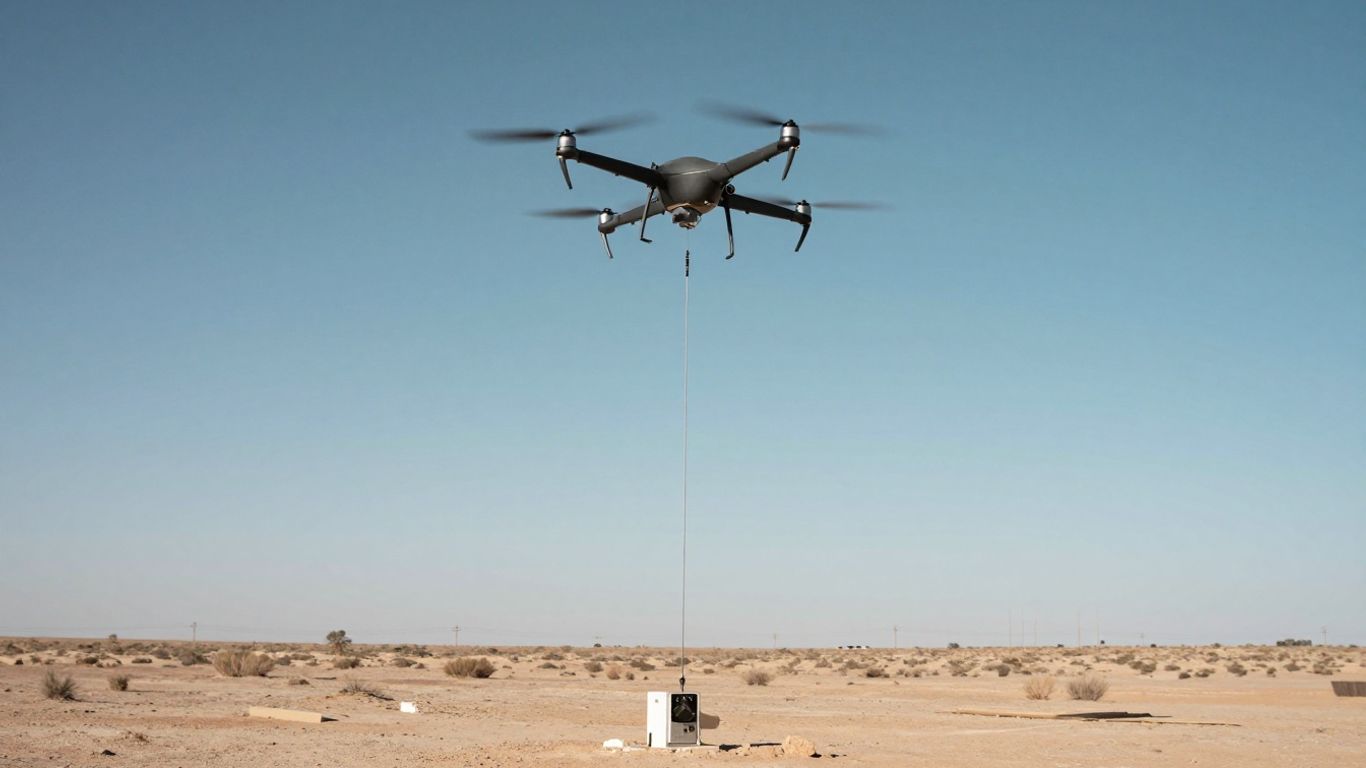
Unlimited flight endurance through continuous power
Unlike standard drones limited by battery capacity, these systems pull stable power through a durable tether connected to a ground source. This eliminates the need for landing and recharging, maintaining constant vigilance over an area for days or weeks at a time.
Enhanced data security with physical transmission
Security is paramount when operating in contested environments. By routing command-and-control data through physical cables, the platform prevents common radio frequency vulnerabilities found in free-flight drones like the Edge 130, ensuring highly secure and reliable transmissions that cannot be intercepted by adversaries.
Overcoming flight time limitations of lithium-polymer batteries
The following table illustrates the operational differences between standard battery-powered drones and tethered systems regarding flight endurance and deployment profiles.
| Capability | Battery-Powered UAS | Tethered Systems |
|---|---|---|
| Flight Duration | 20–40 Minutes | Indefinite/Unlimited |
| Security | Radio Frequency | Tethered Physical Link |
| Deployment Speed | Rapid Manual Swap | Under 10 Minutes |
| Operational Focus | Short-Range ISR | Persistent Surveillance |
By replacing limited-capacity batteries with reliable power-over-tether technology, these systems effectively bridge the gaps left by traditional hardware that periodically stops gathering intelligence during battery changes.
Diving into technical specifications and performance
Power management and tether efficiency
Enterprising engineers have meticulously refined power delivery systems to ensure minimal line loss, even when deploying the spool to its maximum altitude. This efficiency allows the drone to carry significant weight, such as heavy sensors or Hoverfly Spectre heavy-lift components, without sacrificing stability or response speed.
Payload versatility and sensor compatibility
The system adopts an open architecture that simplifies the integration of specialized equipment. Operators benefit from the following capabilities regarding sensor and radio utility:
- Support for multi-sensor gimbals featuring laser designation and thermal imaging.
- Compatibility with tactical radios like Silvus and Trellisware for extended network bridging.
- Quick-locking mechanisms for field-swappable payload configurations.
- Enhanced signal processing hardware optimized for real-time video distribution.
These features ensure the platform remains relevant as mission requirements evolve, allowing for the addition of new communication modules or updated optical sensors as technology advances.
Weather resistance and ruggedization features
Designed for real-world reliability, the hardware meets stringent build standards to withstand environmental challenges. When comparing these features to the modular benefits of the Easy Aerial Osprey or the VXE30 Stalker, the platform demonstrates resilience against wind and moisture, ensuring mission continuity in weather conditions where traditional units might be sidelined.
Real-world applications for the Spectre system
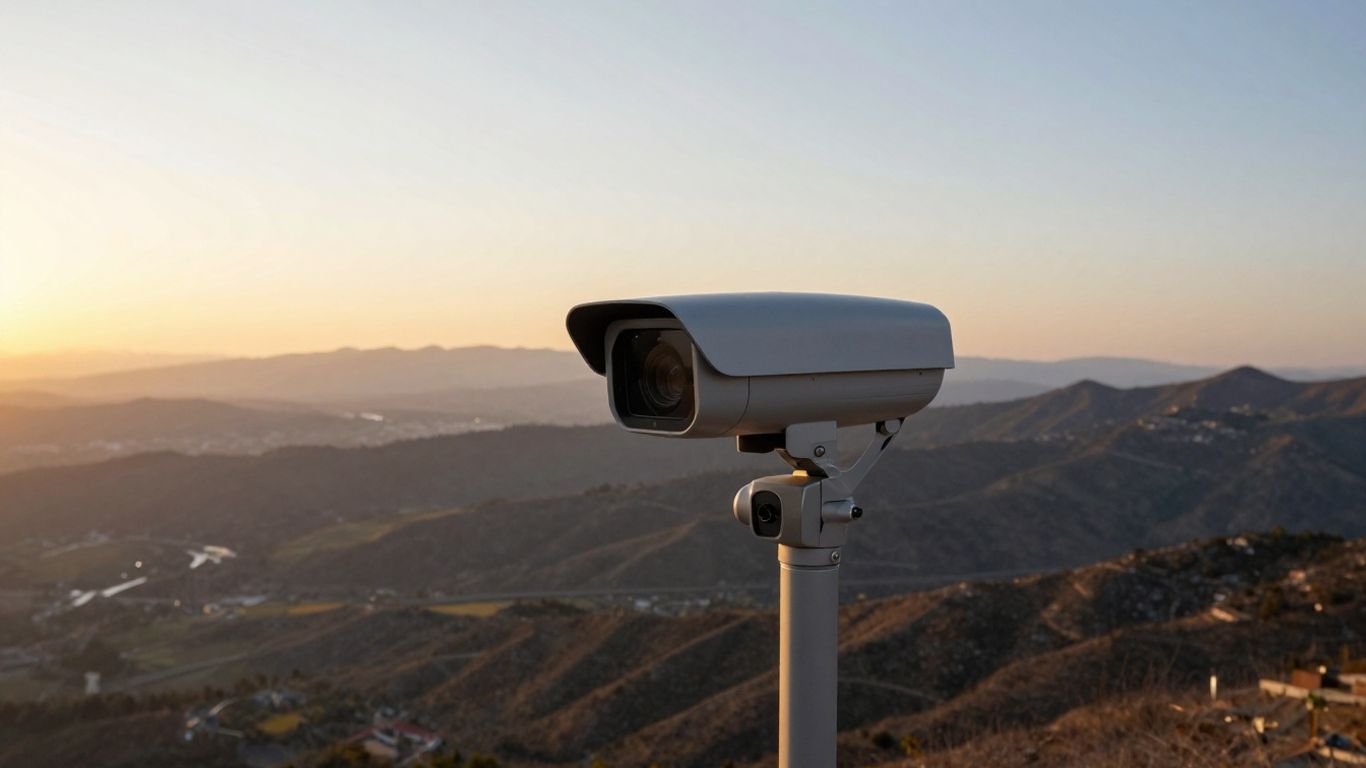
Persistent aerial surveillance for border security
Border security requires unrelenting presence, a role perfectly suited for this system’s persistent observation capabilities. By providing a fixed-point high-altitude vantage, teams can detect movement with extreme accuracy, effectively managing real-time threat detection across vast and challenging terrains.
Critical infrastructure monitoring and protection
Protecting sensitive sites such as power plants or government facilities involves monitoring large areas for perimeter breaches. As seen with the Astro/Max Freefly Systems industrial setups, persistent aerial view provides security teams with an immediate, bird’s-eye glance at unauthorized activity, making it an essential component of modern infrastructure defense.
Emergency communications support during disasters
During catastrophic failures, regional communication nets often collapse. Deploying these systems provides a rapid solution to restore connectivity, using onboard relay technology to link dispersed emergency responders. This setup is effectively managed using tools such as the SLM-10 Auterion module, ensuring that vital command data flows accurately even when ground-based infrastructure is unavailable.
Strategic deployment and operational workflow
Rapid setup procedures in austere environments
Efficiency in setup is critical for immediate mission success. Operators can deploy the system, perform essential software checks, and achieve a stabilized hover in under ten minutes, directly supporting the needs of tactical teams in remote locations.
Tether management and obstacle avoidance
Managing the cable is a vital skill for ground teams. Sophisticated software calculates the tether length relative to local geography, helping operators avoid obstacles and maintain proper tension during windy conditions.
Coordinating Spectre operations with ground control teams
Success depends on tight coordination between the drone unit and the ground team.
Proper planning ensures that the communication node remains focused on the correct assets, allowing ground crews to react swiftly to incoming data while managing the logistics of the stationary tether node.
Best practices for maintenance and system longevity
Routine inspection of tether cabling and winches
Every mission concludes with a structured inspection cycle for the cables. Regular cleaning and physical examination for fraying ensure that the power transmission path remains unbroken and efficient for subsequent cycles.
Proper storage conditions for drone hardware
To maximize the life of the frame, units should be kept in climate-controlled environments when not in use. Shielding the hardware from dust and extreme temperature swings prevents long-term oxidation of electrical contacts.
Updating firmware for optimization and security
Consistent software maintenance ensures that the platform receives the latest security patches and flight algorithm improvements. By staying current with updates from Hoverfly Technologies, operators benefit from increased efficiency and heightened resilience against emerging interference threats.
Conclusion
The adoption of persistent, tethered systems has fundamentally altered how security and tactical teams approach long-duration monitoring. By prioritizing reliable power and modular growth, these platforms provide unmatched support for critical missions, ensuring that intelligence gathering continues without interruption regardless of environmental conditions or tactical complexity.
Frequently Asked Questions
Are tethered drones capable of flight in harsh weather conditions?
Most modern professional tethered systems are designed with high-grade components that are resilient against light precipitation and moderate wind, allowing them to remain stable while providing surveillance in conditions that would ground smaller consumer drones.
Can these systems be used for communication relay in remote areas?
Because they provide constant altitude and a physical data link to the ground, they are highly effective for establishing temporary network nodes in places where standard cellular or satellite coverage is nonexistent or compromised.
How does the tether integrate with the ground power supply?
The tether connects to a specialized winch and power management unit that draws electricity from a portable generator, a vehicle mount, or mains power, converting input voltage into a steady, reliable stream sent up to the drone.
Is it possible to use different cameras on the same drone frame?
Yes, the payload-agnostic nature of the platform means that thermal, infrared, and visible-spectrum sensors can be swapped according to the specific needs of the observation mission or time of day.
Do these drones pose a significant risk of signal interference?
Because they utilize physical cables for the majority of communication, they generate significantly less radio interference, which makes them ideal for environments where radio silence or low signal signatures are required for tactical security.
Can the system operate safely without GPS?
Advanced models include GPS-denied navigation logic, allowing them to maintain their position and stationary hover even in environments where satellite signal interference is high, which is critical for specialized operations.
What primary factors determine the maximum flight altitude?
The maximum altitude is generally defined by the length of the tether provided with the system, though regulatory limits on unmanned aerial flight within a particular airspace will often set the practical ceiling for operational missions.