Drones: Your Solar Panels’ New Best Friend

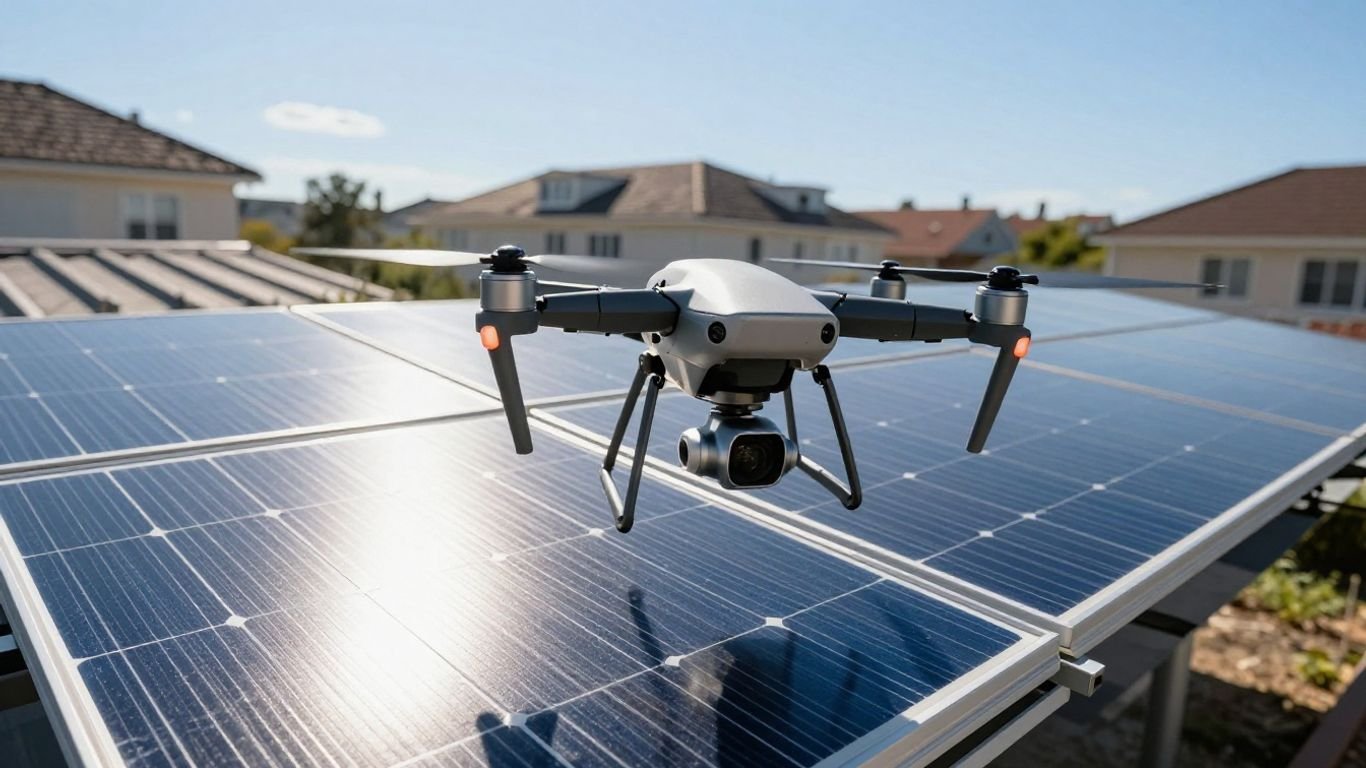
You know, solar panels are pretty neat. They harness the sun’s power, which is awesome. But keeping them in top shape can be a bit of a hassle. That’s where drones come in. These flying gadgets are becoming super useful for anyone with solar panels, making things easier, safer, and more efficient. Think of them as your solar panels’ new best buddy.
Key Takeaways
- Drones help plan solar sites better by giving a clear view for panel placement.
- Using solar panel inspection drones spots problems early, saving money on repairs.
- Drones make inspections safer by keeping people off roofs and high places.
- Getting detailed info from drones is much faster than old-school checks.
- Drones can also help watch construction and show off finished solar projects.
Revolutionizing Solar Site Planning With Drones
Precise Site Assessments for Optimal Panel Placement
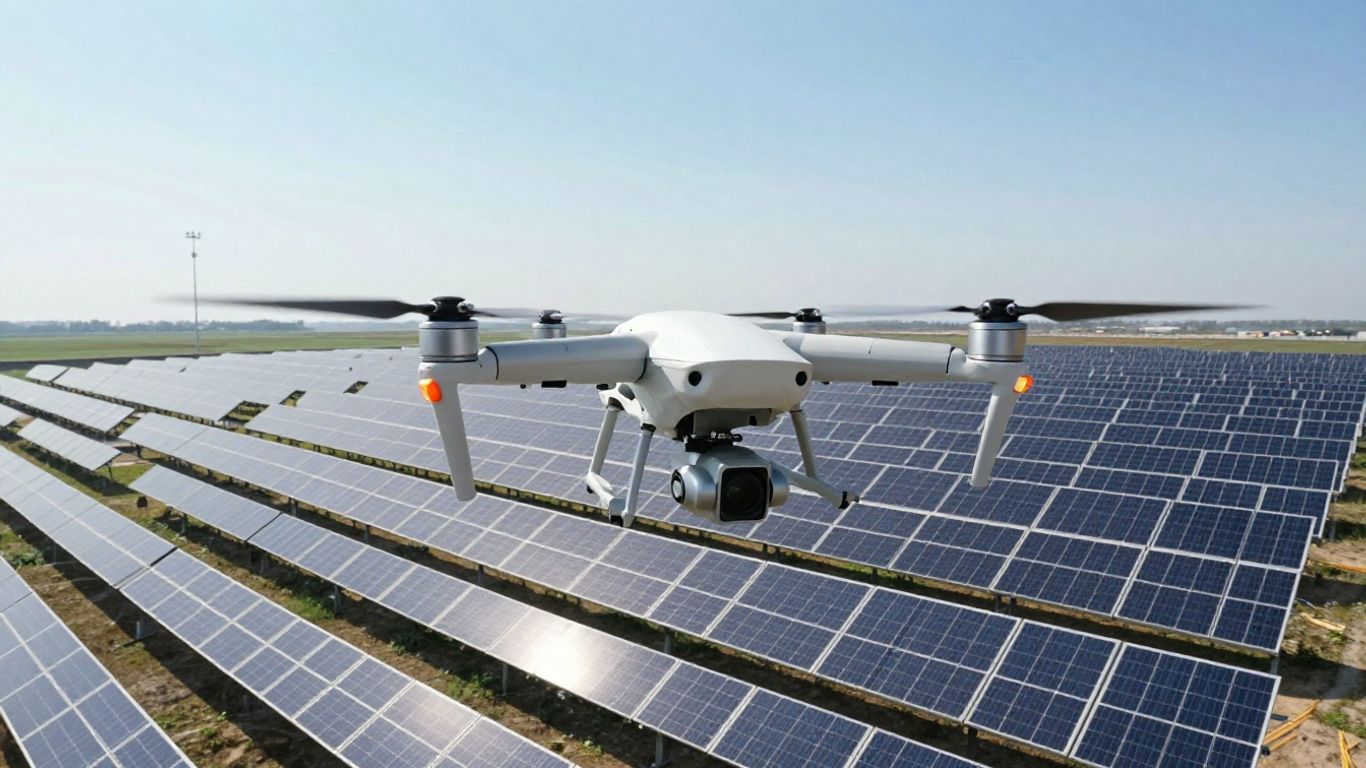
Planning a solar project used to involve a lot of legwork, literally. Teams would spend days on-site, measuring slopes, checking for shade, and trying to get a feel for the land. Now, drones are changing all that. These flying gadgets can capture incredibly detailed aerial views, giving us a much clearer picture before anyone even breaks ground. Think of it like having a super-powered bird’s-eye view. This data helps figure out the absolute best spots for solar panels, making sure they soak up the most sun throughout the day and year. It’s all about getting the most bang for your buck from the start.
Streamlining Installation with Aerial Data
Once the planning is done, drones keep helping out. The detailed maps and 3D models they create can be loaded right into installation software. This means the crews on the ground know exactly where everything needs to go, reducing guesswork and speeding things up. It’s like having a perfect blueprint in the sky. This aerial data helps identify potential issues before they become problems during installation, saving time and headaches. It really makes the whole process smoother.
Identifying Environmental Factors for Enhanced Production
It’s not just about the land itself. Drones can spot things like nearby trees that might cast shadows at certain times of the year, or even assess how the local weather patterns might affect energy output. This kind of information is gold for maximizing how much power your solar setup generates. Getting this environmental context upfront means you can design a system that works best with its surroundings, not against them. It’s a smarter way to build solar farms that perform better over the long haul.
Enhancing Solar Operations Through Drone Inspections
Early Detection of Issues for Reduced Maintenance Costs
Keeping a solar farm running smoothly means catching problems before they get big. Traditional checks can be slow and sometimes miss the small stuff. That’s where drones really shine. Using drone thermal imaging for solar panels allows us to spot issues like hot spots or faulty cells that aren’t visible to the naked eye. This means we can find problems early, often before they start affecting power output. It’s like giving your solar farm a regular health check-up, but way faster and more thorough. This proactive approach helps cut down on unexpected repairs and keeps your system running at its best. It’s a smart way to manage your assets and avoid costly downtime.
Maximizing System Performance with High-Resolution Imagery
Getting the most power out of your solar panels relies on them being in top condition. Drones provide incredibly detailed images, giving us a clear picture of each panel’s status. This level of detail is key for an accurate aerial solar farm assessment. We can see things like dirt buildup, minor physical damage, or even loose connections that might otherwise go unnoticed. By identifying these small issues, we can address them quickly, preventing them from impacting the overall performance of the entire system. It’s about keeping every single panel working as hard as it can.
Thermal Imaging for Identifying Faulty Modules
One of the most powerful tools drones bring to solar operations is thermal imaging. When a solar panel isn’t working right, it often heats up differently than its neighbors. A drone equipped with a thermal camera can fly over the array and capture this heat signature. This makes PV system defect detection drones incredibly effective at pinpointing exactly which modules are underperforming or have internal issues.
Here’s a quick look at what thermal imaging can reveal:
- Hot Spots: Areas on a panel that are significantly hotter than the rest, often indicating a damaged cell or connection.
- Bypass Diode Failures: These diodes help reroute power when a section of the panel is shaded or faulty. If they fail, it can reduce the output of a larger part of the array.
- Cell Degradation: Over time, individual cells can degrade, leading to uneven heat distribution that thermal cameras can detect.
This capability is a game-changer for automated solar panel maintenance, allowing for targeted repairs instead of broad, less efficient checks. It significantly reduces the time and cost associated with finding and fixing problems, ultimately saving money on operations and maintenance.
The Safety and Efficiency Advantages of Drone Technology
Improving Technician Safety by Eliminating Working at Heights
Working on solar farms often means climbing ladders and navigating rooftops, which can be pretty risky. Drones completely change this picture. Instead of sending people up high, we can use drones to get a bird’s-eye view. This means fewer chances for falls and injuries. Think about it: no more dangerous climbs to check on panels or equipment. Drones can get into tight spots and cover large areas without putting anyone in harm’s way. This makes the whole operation much safer for the folks on the ground.
Reducing Labor Costs and On-Site Time
Manual inspections take a lot of time and manpower. You’ve got to get a crew to the site, have them physically check everything, and then document it all. Drones can survey a site much faster, sometimes up to 10 times quicker than traditional methods. This means less time spent on-site, fewer people needed, and ultimately, lower labor costs. It’s a win-win for efficiency and your budget.
Increasing Inspection Efficiency and Scalability
Drones are incredibly efficient. They can cover vast solar arrays quickly, capturing high-resolution images and data in just a few hours. This speed allows for more frequent inspections, which is great for catching problems early. Plus, if you need to inspect a huge solar farm or multiple sites, drones make it easy to scale up your operations without a proportional increase in staff. You can get a really detailed look at every single module, something that’s tough to do manually. This granular visibility helps spot even small issues before they become big problems, leading to better overall system performance and fewer unexpected repairs. It’s a smarter way to manage your solar assets, especially when you’re looking at large-scale projects. You can find a drone pilot near you to get started with these benefits here.
Drones offer a significant upgrade in how we approach solar farm maintenance. By reducing physical risks and speeding up data collection, they allow for more proactive and cost-effective management of solar energy systems.
Comprehensive Data Collection for Solar Projects
Granular Visibility into Site Status
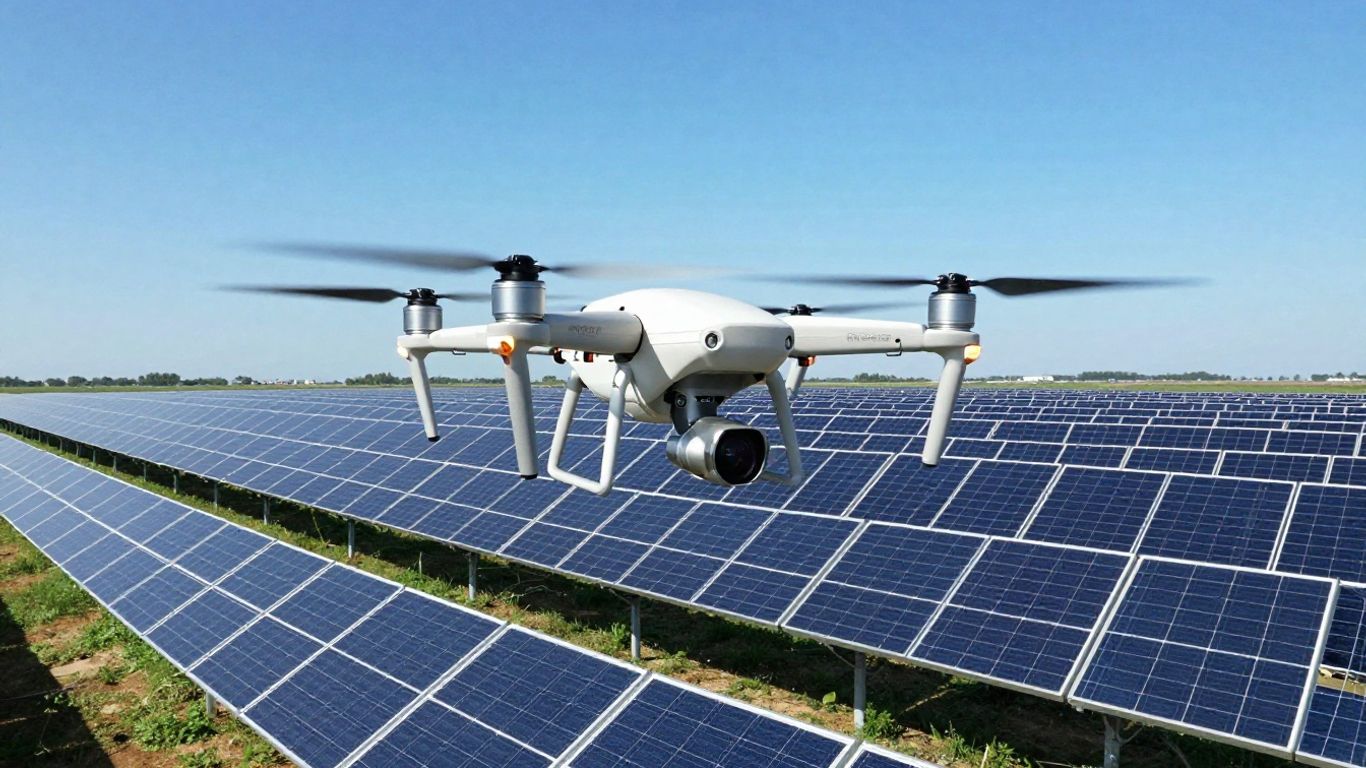
Drones give you a bird’s-eye view, literally, of your entire solar energy site. This means you can see everything from the big picture down to the smallest detail, all from one place. This level of detail is a game-changer for planning and managing solar farms. You get a clear picture of the terrain, any potential obstructions, and the overall layout. It’s like having a super-detailed map that updates itself.
Accurate and Detailed Data Collection
Forget about manual measurements that can be off or take forever. Drones equipped with advanced sensors collect incredibly precise data. This includes things like elevation models, vegetation density, and even the condition of existing infrastructure. For solar energy site surveying, this accuracy is key to making smart decisions about where to place panels for the best sun exposure and how to design the system for maximum output. It’s about getting the right information the first time.
Faster Surveying Compared to Manual Methods
Think about how long it used to take to survey a large area on foot. Drones can cover the same ground, collecting all the necessary data, in a fraction of the time. This speeds up the entire project timeline, from initial planning to final installation. Plus, it means fewer people need to be out in the field, which can also save on labor costs. It’s a win-win for efficiency and your budget. This speed is especially important when you need to get a project off the ground quickly, like during a tight construction window. You can get a good look at the site condition before you even break ground using drone services.
The ability to gather detailed site information quickly and accurately means fewer surprises down the line. This proactive approach helps avoid costly rework and ensures the project stays on track. It’s about making informed decisions based on real, up-to-date data, not guesswork.
Thermal imaging, often captured by drones, is another powerful tool in this data collection arsenal. It allows us to spot issues like faulty modules or hot spots that aren’t visible to the naked eye. This early detection is vital for preventing bigger problems and reducing long-term maintenance costs. Imagine finding a small issue before it causes a significant drop in energy production – that’s the power of thermal data. This kind of inspection is a key part of keeping your solar panels running smoothly and preventing costly downtime.
Drone Applications Beyond Inspections
Construction Monitoring with Real-Time Aerial Data
Keeping tabs on a solar farm’s construction progress used to mean a lot of boots on the ground, which takes time and money. Now, drones can give you a bird’s-eye view, updated in real-time. This means you can spot potential problems, like delays or material shortages, way before they become big headaches. It’s like having a constant, high-definition update on how everything’s coming together, making sure the project stays on track and within budget. You can even use this footage to keep everyone involved, from investors to the construction crew, in the loop.
Showcasing Installations with Stunning Aerial Footage
Once your solar project is up and running, you’ll want to show it off. Drones are fantastic for capturing those sweeping, impressive shots of the entire installation. This kind of visual content is gold for marketing materials, websites, or even just sharing with clients to show them the scale and quality of your work. It really makes your projects pop and helps you stand out.
Site Evaluation for New Solar Energy Projects
Before you even break ground on a new solar energy project, drones can help you figure out the best spot for everything. They can map out the terrain, identify any shading issues from trees or buildings, and generally give you a super detailed picture of the site. This kind of granular data helps in planning where to place panels for maximum sun exposure and energy output. It’s a much faster and more accurate way to get the lay of the land compared to traditional surveying methods. This detailed planning upfront can save a lot of headaches and boost the project’s overall efficiency down the line.
Using drones for site evaluation means you get a clear picture of the land’s potential. This helps in making smart decisions about panel placement, which directly impacts how much energy the solar farm will produce. It’s all about getting the most out of the location from day one.
The Future is Flying High
So, there you have it. Drones aren’t just for taking cool aerial shots anymore; they’re becoming a really important tool for anyone with solar panels. From making sure they’re installed right in the first place to spotting problems early and keeping them running smoothly, these flying gadgets are making a big difference. They save time, cut down on risky work at heights, and ultimately help you get the most out of your solar investment. It’s pretty clear that as solar power continues to grow, drones will be right there with it, helping to keep everything efficient and effective. It’s a smart move for homeowners and businesses alike to consider how drones can help manage their solar setups.
Frequently Asked Questions
How do drones help with planning solar panel sites?
Drones give us a bird’s-eye view of a location. This helps us figure out the best spots to put solar panels so they get the most sun. They can also spot things like trees or buildings that might block the sun, helping us plan better.
Can drones make installing solar panels easier?
Yes! Drones can take detailed pictures and measurements of the installation area. This information helps the installation crew know exactly where everything goes, making the job faster and smoother.
How do drones help keep solar panels working well?
Drones can fly over solar farms and take special pictures, like heat images. These images can show if any panels are getting too hot or not working right, even before they cause big problems. This means we can fix them early and keep the system running at its best.
Are drones safer for checking solar panels than people?
Definitely. Instead of workers climbing on roofs or near electrical equipment, drones can do the inspection from a safe distance. This greatly reduces the risk of accidents and injuries.
Do drones collect better information than old methods?
Absolutely. Drones can capture super clear photos and lots of data very quickly. This information is more detailed and accurate than what people can usually get by walking around and looking, helping us understand the whole solar site better.
What else can drones do for solar projects besides inspections?
Drones are useful for watching construction progress, showing off finished solar installations with cool aerial shots, and even helping to find new places for future solar energy projects. They’re a versatile tool for the whole solar journey.