Drone Over People? What You Need to Know

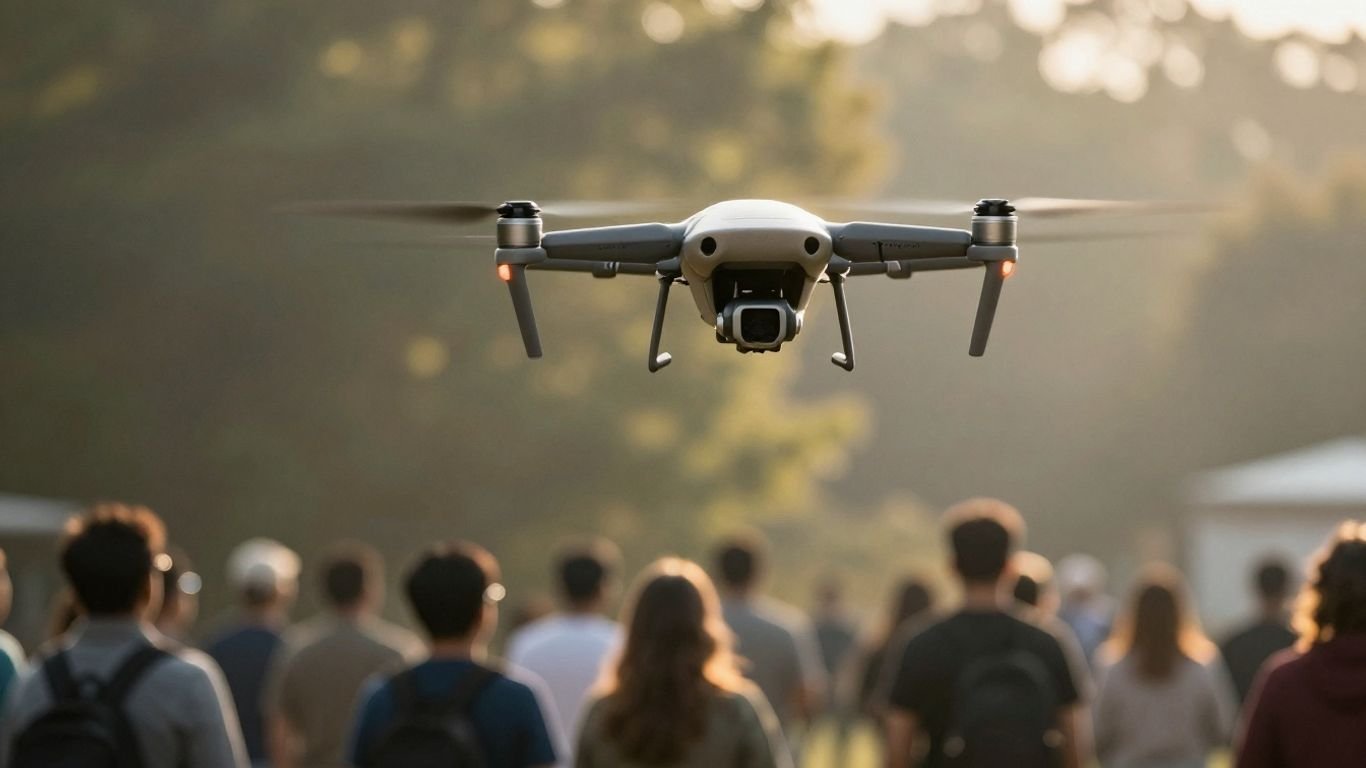
So, you’re wondering, can I fly a drone over people? It’s a question a lot of drone pilots are asking, especially with all the new rules out there. It used to be a big no-no, but things have changed. The Federal Aviation Administration (FAA) has put out some new guidelines, and it’s not as simple as just taking off. There are specific rules and categories you need to know about before you even think about flying over anyone. Let’s break down what you need to understand to stay safe and legal.
Key Takeaways
- The FAA generally prohibits flying drones directly over people, but there are specific exceptions and categories that allow it under certain conditions.
- To fly over people, your drone must fit into one of four FAA-defined categories based on its weight, safety features, or airworthiness.
- Safety is a big deal. You need to consider how much energy your drone has and how it would impact someone if it fell, and take steps to minimize that risk.
- Flying over moving vehicles has its own set of rules, and while new regulations allow it for certain drone categories, many pilots will still need a waiver.
- Always carry your actual remote pilot certificate, identification, and drone registration. You must also be ready to provide other Part 107 records if the FAA requests them.
Understanding Operations Over People
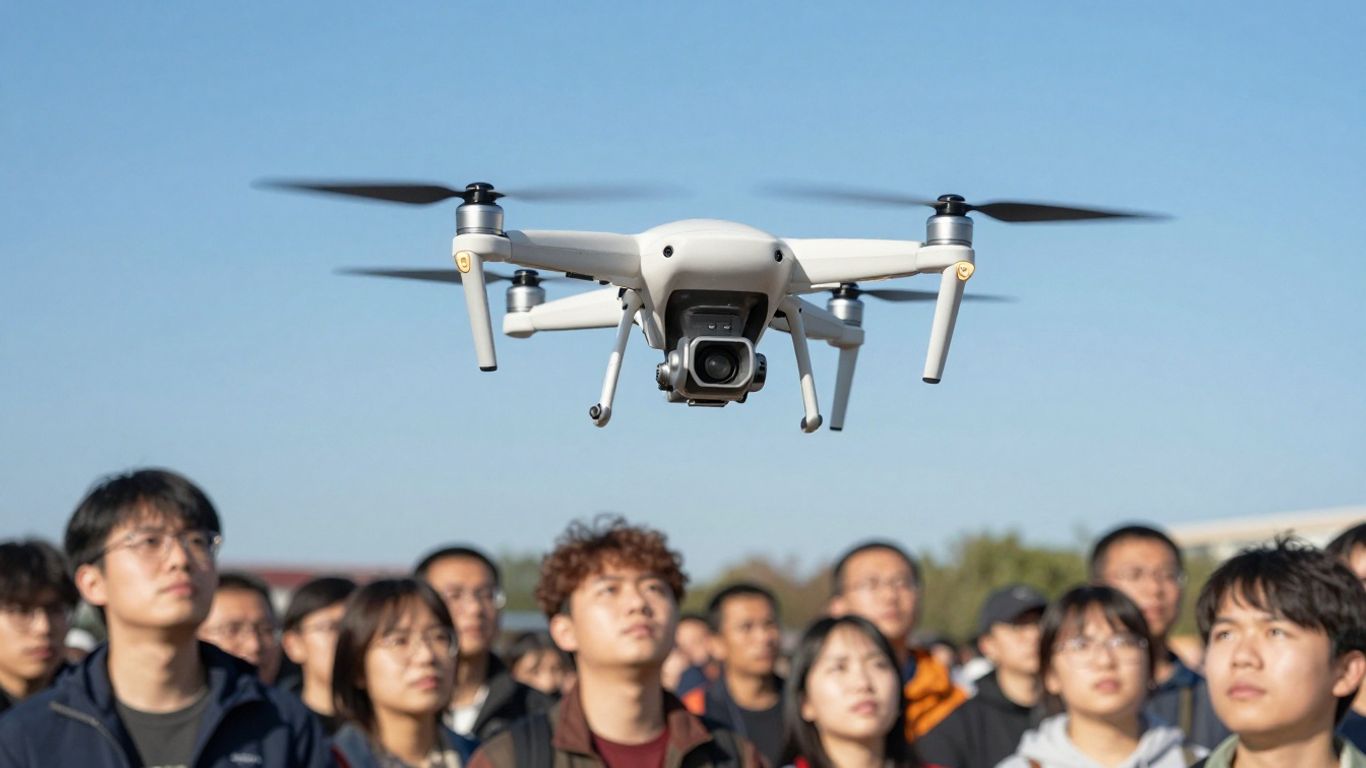
So, you’re thinking about flying your drone over people? It’s a question a lot of folks have, and the rules can seem a bit tricky at first. The Federal Aviation Administration (FAA) has specific guidelines for this, and it’s not as simple as just taking off and going wherever you please. The core idea is safety – making sure that if something goes wrong, nobody on the ground gets hurt.
The FAA’s Stance on Flying Over People
Basically, the FAA prohibits flying drones directly over people unless you meet certain conditions. This isn’t just about avoiding a single person; it covers groups of people too. Think of it as a general rule with specific exceptions. The agency wants to make sure that any operation over people is done in a way that minimizes risk. This means the drone itself, or the way it’s operated, needs to meet specific safety standards. It’s all part of a bigger picture to integrate drones safely into our airspace.
Key Prohibitions and Exceptions
Here’s the rundown: you generally can’t fly over people. But, there are ways around that. The main exceptions come down to the type of drone you’re using and how it’s designed. Some drones are built to be so light and safe that they’re allowed over people without much fuss. Others require specific certifications to prove they won’t cause serious harm. It’s not about whether you’re flying for fun or for work; the rules apply across the board to ensure a baseline level of safety for everyone below. You can find a list of FAA-certified drones for these operations here.
Defining ‘Over People’
What exactly counts as ‘over people’? It’s pretty straightforward, actually. If your drone flies directly above any part of a person, that’s considered an operation over people. This includes hovering over someone’s head, their outstretched hand, or even their feet if they’re lying down. It doesn’t matter how long the drone stays there; even a quick pass counts. The FAA’s definition is designed to be clear and cover all potential scenarios where a drone is directly above someone.
The FAA’s regulations are built on a risk-based model. This means that the rules for flying over people are directly tied to the potential for injury. Drones that pose a lower risk are allowed more operational flexibility, while those with a higher potential risk face stricter requirements or may not be permitted at all.
Here’s a quick look at the general prohibitions and the exceptions:
- Prohibition: Flying directly over any person not involved in the operation.
- Prohibition: Flying over moving vehicles.
- Prohibition: Flying over assemblies of people (like concerts or sporting events).
- Exception: Flying a drone that meets specific FAA safety categories (more on this in the next section).
- Exception: Flying over people who are inside a covered structure or a stationary vehicle.
- Exception: Flying over people who are directly participating in the drone operation (like the person controlling it).
It’s important to remember that even with these exceptions, the pilot always has the responsibility to ensure the drone doesn’t pose an undue hazard. This is a key part of operating safely and responsibly under FAA rules.
Navigating the Four Operational Categories
So, you want to fly your drone over people? The FAA has laid out a system to make sure this can be done safely, and it boils down to four main categories. Think of them as different levels of safety assurance, each with its own set of rules. Understanding which category your drone and operation fall into is key to staying compliant.
Category 1: Lightweight Drones
This is the simplest category. If your drone weighs less than 0.55 pounds (about 250 grams), it automatically falls into Category 1. There are no other requirements for the drone itself, but you still need to follow all other applicable FAA rules. This category is all about minimizing the physical risk due to the drone’s low weight.
Category 2 & 3: Injury Thresholds
These categories are a bit more involved and focus on the potential for injury if something goes wrong. They look at the drone’s kinetic energy and whether it has exposed rotating parts that could cause harm.
- Category 2: Drones in this category must not pose a significant risk of injury to people. This means they have limitations on kinetic energy and cannot have exposed rotating parts that could injure someone.
- Category 3: Similar to Category 2, but with even stricter limits on kinetic energy and a prohibition on exposed rotating parts. These drones are designed to minimize injury severity even further.
For both Category 2 and 3, the drone needs to be labeled to show it’s eligible for operations over people. This helps everyone involved know the drone’s capabilities. You’ll also need to make sure your drone has Remote ID capabilities if you’re doing sustained flight over people in these categories.
Category 4: Airworthiness Certificates
This is for drones that are essentially like traditional aircraft. To be in Category 4, your drone must have an FAA-issued airworthiness certificate. This means it has undergone a rigorous inspection and meets specific safety standards, much like a small airplane. The operating limitations for these aircraft must not prohibit operations over people or moving vehicles. This category allows for heavier or more complex drones, provided they have proven airworthiness.
Eligibility for Operations Over People
So, how do you figure out where your drone fits?
- Check the Weight: If it’s under 0.55 lbs, you’re likely in Category 1.
- Review Manufacturer Specs: For heavier drones, check the manufacturer’s documentation. They should provide information on kinetic energy, exposed rotating parts, and whether the drone is eligible for Category 2 or 3 operations over people. Look for that specific label indicating eligibility.
- Airworthiness Certificate: If your drone has an FAA airworthiness certificate, it falls under Category 4.
Remember, even if your drone meets the category requirements, you, as the remote pilot in command, are always responsible for ensuring the flight is conducted safely and in accordance with all FAA regulations. This includes understanding the airspace you’re flying in, which might require authorization for controlled airspace, like near airports [4c9d].
Flying over moving vehicles has its own set of rules, but generally, if a drone is eligible for Category 1, 2, or 3 operations over people, it can also be flown over moving vehicles under similar conditions. Category 4 drones can fly over moving vehicles if their operating limitations allow it. The FAA considers anything that transports people, from cars and buses to trains and even bicycles, as a vehicle for these rules.
Safety Considerations for Over People Flights
Okay, so you want to fly your drone over people. It sounds cool, maybe for getting some unique shots or doing inspections, but the FAA wants to make sure everyone stays safe. This isn’t just about having a good time; it’s about preventing accidents.
Kinetic Energy Transfer
Think about what happens if your drone loses power or control mid-air. It’s going to fall. The FAA has specific rules about how much force that falling drone can exert when it hits someone. This is measured in kinetic energy, and it’s broken down into categories. For instance, Category 2 drones can’t have an impact energy greater than 11 foot-pounds. That’s roughly the force of a 1.2-pound object dropped from about 9 feet. Category 3 drones have a slightly higher threshold, up to 25 foot-pounds, but they come with more restrictions. It’s all about minimizing the potential for serious injury.
Minimizing Impact Hazards
Beyond just the drone’s weight and speed, there are other ways to make flights over people safer. Some drones are equipped with propeller guards, which can help prevent lacerations if a propeller accidentally touches someone. For drones that don’t meet the strictest kinetic energy limits, additional safety measures might be required. This could include things like having a parachute system or specific operational procedures to keep the drone over less populated areas whenever possible. It’s about layers of safety.
Pilot’s Responsibility for Safety
Ultimately, the pilot is in charge. Even with all the regulations and technology, you, the remote pilot, have to make sure the flight is safe. This means understanding your drone’s capabilities and limitations. You need to know how to handle unexpected situations, like losing your GPS signal or encountering sudden bad weather. The FAA expects you to be prepared for emergencies and to always act in a way that doesn’t put people or property at undue risk. This includes knowing when not to fly, even if the regulations technically allow it. You’re the one making the call on whether the conditions are truly safe for an operation over people. If you’re unsure, it’s always better to err on the side of caution. You can find lists of FAA-certified drones for these operations, but remember, certification is just one part of the puzzle; pilot skill is another. Check FAA documentation for approved models.
The FAA’s rules for flying over people are designed to allow for more drone operations while keeping safety at the forefront. Understanding the different categories and the specific requirements for each is key. It’s not just about having the right equipment; it’s about having the right knowledge and making responsible decisions every time you fly.
Flying Over Moving Vehicles
So, you’re thinking about flying your drone over a road with cars zipping by? It’s a bit more complicated than just pointing your drone up and going. The FAA has specific rules about this, and for good reason. You generally can’t just hover or fly for extended periods over moving vehicles.
Specific Regulations for Vehicle Overflight
The main idea is to avoid sustained flight over moving vehicles. This means no lingering above them. Think of it as a quick transit, not a prolonged stay. The FAA’s rule, found in 14 CFR Part 107.25, allows operations from moving vehicles, but flying over them has its own set of conditions. Basically, if your drone falls into Category 1, 2, 3, or 4, you might be able to fly over moving vehicles, but it’s not a free-for-all. Your drone needs to meet certain criteria to be eligible for these operations.
Waivers for Moving Vehicle Operations
What if you need to fly over moving vehicles for a longer duration, like for a film shoot or a specific inspection? That’s where a waiver comes in. You’ll need to apply for a certificate of waiver from the FAA. This process involves showing them exactly how you plan to conduct the operation safely. You’ll have to explain how you’ll manage risks, considering things like altitude, speed, and distance from the roadway. It’s not easy to get, but it is possible.
Risks Associated with Vehicle Overflight
Why all the fuss? Well, imagine a drone falling onto a car. Even if the vehicle protects the occupants from direct impact, the sudden event could startle the driver. This could cause them to swerve, potentially leading to a crash with another vehicle or roadside object. It’s not just about the drone hitting the car; it’s about the ripple effect. The FAA considers anything that moves a ‘vehicle,’ so this applies to cars, trucks, buses, trains, and even bicycles or boats. The pilot in command is always responsible for making sure the flight doesn’t create a hazard, and that includes assessing the specific road or waterway conditions, traffic, and any obstacles.
Required Documentation for Drone Pilots
Alright, so you’re ready to take your drone flying to the next level, maybe even over people. That’s cool, but before you get too excited, let’s talk about what you absolutely need to have on hand. This isn’t just about having the right drone; it’s about proving you’re a responsible pilot. Making sure you have the correct paperwork is a big part of legal drone operation.
Remote Pilot Certificate and Identification
First things first, if you’re flying under Part 107 rules, you need your actual Remote Pilot Certificate. No screenshots, no photos on your phone – the real deal. You also need a valid form of identification. Think of it like driving a car; you wouldn’t drive without your license and ID, right? You have to be able to show these to FAA officials, law enforcement, or anyone else who has the authority to ask. It’s a simple step, but it’s non-negotiable for compliance.
Drone Registration Requirements
Your drone itself needs to be registered with the FAA, especially if it weighs 0.55 pounds (250 grams) or more. This registration is proof that your drone is accounted for in the national airspace. You can carry the registration certificate either as a physical copy or electronically on a device. Just like your pilot certificate, you must be able to present this to law enforcement or FAA personnel if they request it. It’s another key piece of documentation that keeps your flights legal.
Availability of Other Part 107 Records
Beyond the certificate and registration, there are other records you need to keep track of. These aren’t always things you need to carry with you everywhere, but you must be able to make them available if the FAA asks. This includes things like your most recent knowledge test results or any waivers you might have obtained. For instance, if you’re flying under a waiver that allows operations over people, you’ll need to be able to produce that waiver documentation. It’s all about transparency and accountability in the skies. You can find more details on these requirements and how to obtain Part 107 waivers if needed.
Keeping all your documentation up-to-date and accessible is more than just a bureaucratic hurdle; it’s a fundamental part of ensuring safety and legality in drone operations. It shows you’re serious about following the rules and respecting the airspace.
Recent Updates to Drone Regulations
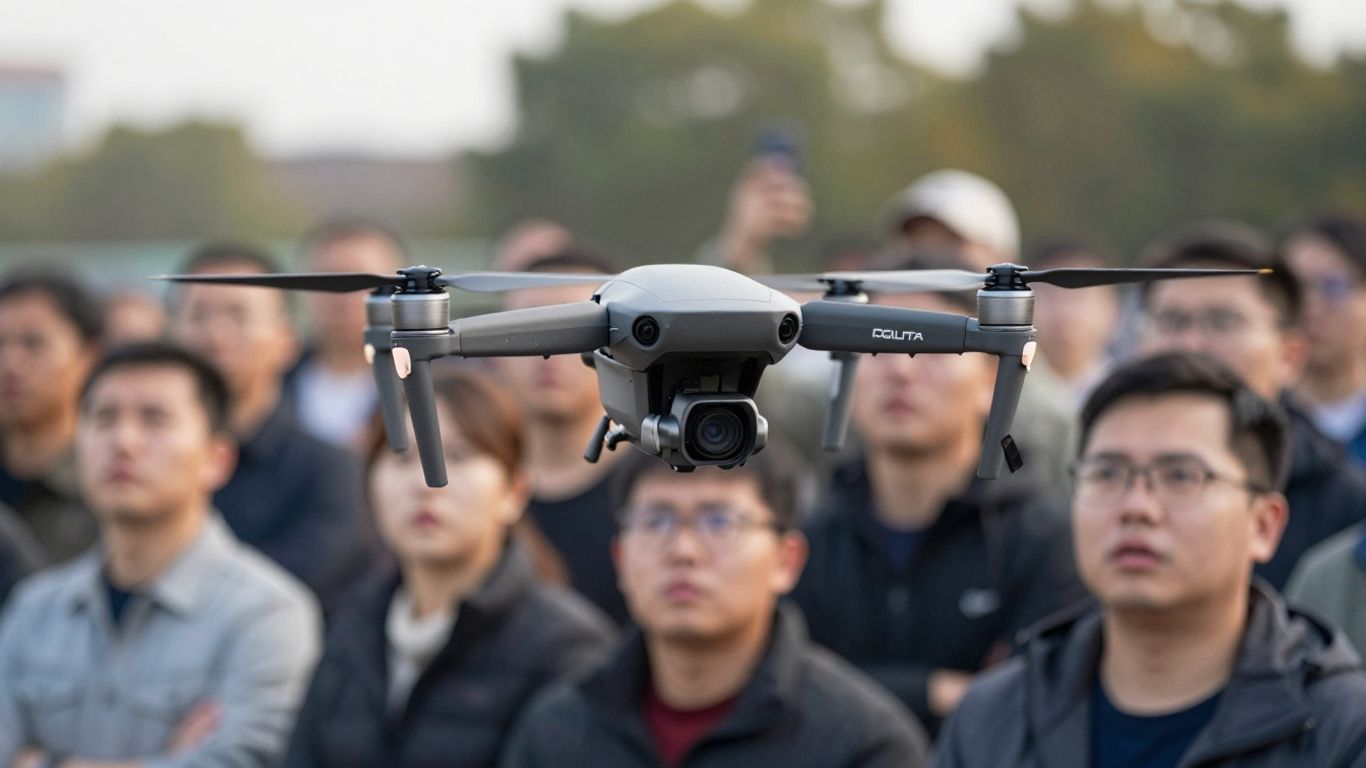
So, the rules for flying drones have changed a bit, and it’s good to stay on top of them. The FAA has been busy updating things, especially when it comes to flying over people and at night. It’s your job as a pilot to know these rules.
Effective Date of New Rules
The big changes we’re talking about mostly became fully effective around April 21, 2021. This means that if you’re operating a drone, especially for commercial purposes under Part 107, these updates apply to you. It’s not just about knowing the old rules anymore; there are new requirements to keep in mind for safe and legal operations. Staying current with these drone flight regulations is key.
Changes to Aeronautical Knowledge Tests
Remember those recurrent tests you had to take every couple of years? Well, that’s changed. Instead of going to a testing center and paying for a test, remote pilots can now complete online recurrent training. This training covers new topics, including operating at night and, importantly, operations over people and moving vehicles. The FAA even offers some of this online training for free, which is a nice perk. You’ll need to pass either the initial test or one of these updated online courses to stay current.
Night Flying Permissions
Good news for those who want to fly after sunset: you no longer need a special waiver to fly at night. However, there are a couple of conditions. First, you must have passed the updated aeronautical knowledge test or completed the new online training. Second, your drone needs to have anti-collision lighting. This lighting needs to be visible for at least three statute miles and flash at a rate that helps prevent collisions. Think of it like the lights on an airplane – they’re there to help others see your drone.
Here’s a quick rundown of what you need for night flying:
- Pass the updated initial or recurrent knowledge test.
- Complete FAA-approved online recurrent training.
- Equip your drone with anti-collision lights visible from 3 statute miles.
- Ensure the flash rate of the lights is sufficient for collision avoidance.
The FAA has also updated its enforcement policy. They’re serious about making sure drone operations don’t pose a danger to the public or break airspace rules. This means compliance with FAA drone rules is more important than ever.
Eligibility for Operations Over People
Not all drones are created equal when it comes to flying over people. The FAA has set up different categories based on the drone’s weight and the potential for injury if something goes wrong. You need to know which category your drone falls into before you even think about flying over people or flying drones near crowds. This often involves checking the manufacturer’s documentation to see if the drone meets specific safety standards, like those for Category 1, 2, or 3 operations. It’s all part of the updated drone safety guidelines.
So, What’s the Takeaway?
Flying drones over people used to be a big no-no, but things have changed. The FAA has put new rules in place, basically creating categories for drones based on their weight and safety features. It’s not a free-for-all, though. You really need to know which category your drone falls into and follow all the specific requirements. Always double-check the FAA’s website for the latest info, and remember, safety comes first. If you’re not sure about the rules, it’s better to play it safe and avoid flying over people altogether. Keep those regulations in mind, and happy flying!
Frequently Asked Questions
Can I fly my drone over people?
Generally, you can’t fly your drone directly over people. However, there are specific rules that allow it under certain conditions. These rules depend on the type of drone you’re using and its safety features. For example, very small drones or drones that have been tested and certified by the FAA to be safe for flying over people might be allowed. Always check the latest FAA guidelines before you fly.
What are the different categories for flying drones over people?
The FAA has set up four categories for drones that can fly over people. Category 1 is for drones weighing 0.55 pounds or less with no exposed sharp parts. Categories 2 and 3 are for heavier drones that have been tested and proven to cause only minor injuries if they hit someone. Category 4 is for drones that have a special airworthiness certificate from the FAA. If your drone doesn’t fit into one of these categories, you generally can’t fly it over people.
What does ‘kinetic energy’ mean for drone safety?
Kinetic energy is basically the energy a moving object has because it’s in motion. For drones, it’s important because if a drone falls, the energy it has can cause harm. The FAA has rules about how much kinetic energy a drone can transfer upon impact to ensure it doesn’t cause serious injuries. Flying slower, lower, or using a drone with less weight can help reduce kinetic energy.
Am I allowed to fly my drone over moving vehicles?
Flying over moving vehicles is tricky. While new rules allow it in some cases, it’s not as simple as flying over people. Generally, you need a special waiver or your drone must meet specific requirements, similar to those for flying over people (like being in Category 1, 2, 3, or 4). The main concern is that even if the vehicle protects the person inside, the drone’s impact could startle the driver, causing an accident.
What documents do I need to carry when flying my drone?
You must always have your actual Remote Pilot Certificate and a form of identification with you when flying under Part 107 rules. You also need to carry your drone’s registration certificate, which can be paper or electronic. While you don’t always need to carry other documents like your test results, you must be able to provide them to the FAA if they ask for them within a reasonable time.
Have there been recent changes to drone rules?
Yes, the FAA has updated its rules for small drones. Key changes include allowing drone flights at night without needing a special waiver, as long as your drone has proper anti-collision lights and you’ve passed the updated training. The rules for flying over people and moving vehicles have also been updated, creating specific categories that allow these operations under certain safety conditions.