Unlock Your Skies: Essential Drone Certifications and Training for Aspiring Pilots

Thinking about getting into drones, either for fun or for a job? It’s a pretty cool field, but there’s a bit you need to know before you start flying commercially. Getting the right drone certifications and training is super important. It helps you fly safely, follow the rules, and honestly, makes you look more professional to clients. Let’s break down what you need to get airborne legally and competently.
Key Takeaways
- Getting the right drone certifications and training is key for safe and legal drone operation, especially for commercial work.
- The FAA Part 107 certification is the standard for anyone flying drones for business purposes in the US.
- Specialized training can help you master specific drone applications like mapping, thermal imaging, or cinematic filming.
- When picking a training provider, look at their courses, instructors, and if they offer actual hands-on flight practice.
- The drone world changes fast, so keep learning about new tech and rules to stay ahead in your career.
Understanding the Importance of Drone Certifications and Training
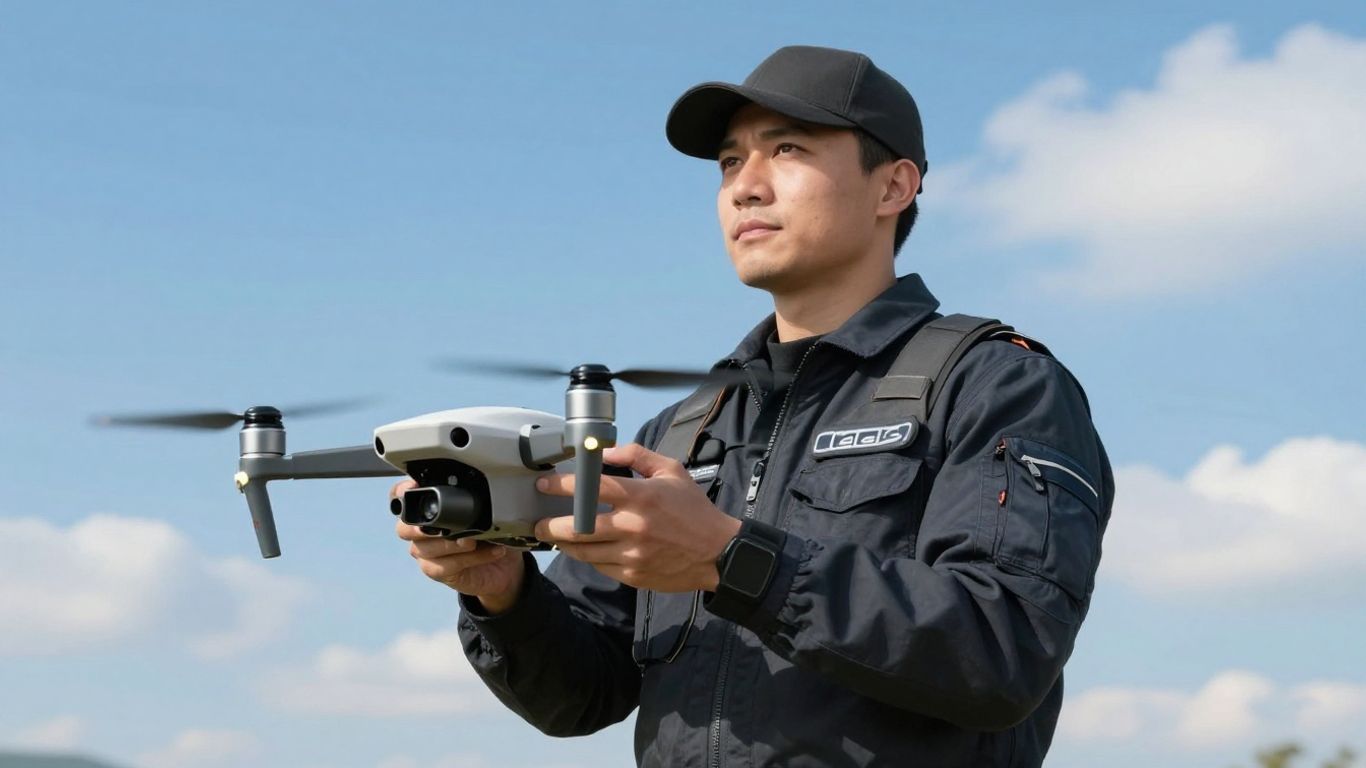
So, you’re thinking about getting into the drone game, huh? Maybe you’ve seen some cool aerial shots online or heard about how drones are changing different jobs. That’s great! But before you go out and buy the fanciest drone you can find, let’s talk about why getting some training and maybe even a certification is a really good idea.
Building Foundational Piloting Skills
Look, flying a drone might seem simple enough, like playing a video game. You’ve got a controller, and the drone goes where you point it. But there’s a lot more to it than just that. Real-world flying involves things like understanding wind, battery life, and how to keep the drone steady, especially if you’re trying to get good video or photos. Proper training teaches you the basics of actually flying well, not just pushing buttons. You learn how to handle different weather, how to avoid obstacles, and how to bring your drone back safely if something unexpected happens. It’s about building confidence so you don’t end up in a situation where your drone is lost or damaged because you weren’t prepared.
Navigating Regulatory Requirements
This is a big one. The Federal Aviation Administration (FAA) has rules about flying drones, especially if you plan to use them for work. You can’t just fly anywhere, anytime. There are rules about where you can fly, how high you can go, and what you need to do to be legal. Getting certified, like with the FAA’s Part 107, means you’ve shown you know these rules. This isn’t just about avoiding fines; it’s about flying safely and responsibly. It shows you respect the airspace and the people on the ground. Think of it like getting a driver’s license – you need to know the traffic laws before you hit the road. For commercial drone pilots, this knowledge is key.
Enhancing Professional Credibility
If you want to make money flying drones, whether it’s for real estate photos, inspecting buildings, or something else, people need to trust you. Having a certification, like the Part 107, tells potential clients that you’ve met a certain standard. It shows you’re serious about your work and that you’ve put in the effort to learn the right way to fly. It can make a big difference when someone is choosing between hiring you or someone who just picked up a drone last week. It’s a way to stand out and show you’re a professional. For example, in property assessments, using drones can provide a full view and identify issues quickly, but doing it safely and legally requires training drones revolutionize property assessments.
Flying drones for professional purposes isn’t just a hobby; it requires a solid understanding of aviation principles and regulations. Investing in training and certification is a direct investment in your safety, your equipment, and your future career prospects in this growing field.
Here’s a quick look at why training matters:
- Safety First: Learn to avoid accidents and protect your drone and people below.
- Legal Compliance: Understand and follow FAA rules to avoid penalties.
- Job Opportunities: Certifications open doors to more professional work.
- Skill Development: Master flight techniques for better results, whether for photography or complex tasks like wildlife observation drones for wildlife photography.
Essential FAA Part 107 Certification
If you plan to fly a drone for any kind of commercial purpose, you absolutely need to get your FAA Part 107 Remote Pilot Certificate. This isn’t just a suggestion; it’s the law. Think of it as your official license to operate a drone for business in the United States. Without it, you’re flying illegally, and that can lead to some pretty hefty fines. Getting certified shows you know the rules and can fly safely.
What the Part 107 Exam Covers
The FAA’s Aeronautical Knowledge Test for the Part 107 covers a pretty wide range of topics. You’ll need to know about:
- Airspace: Understanding different types of airspace, how to navigate them, and what restrictions apply.
- Weather: Basic meteorology, how weather affects drone operations, and how to interpret weather reports.
- Drone Operations: Rules about flying, like maintaining visual line of sight, operating at night, and avoiding people.
- Loading and Performance: How weight, balance, and aircraft performance affect your drone’s flight.
- Regulations: The specific rules and laws set forth by the FAA for commercial drone pilots.
Preparing for the Aeronautical Knowledge Test
Studying for the Part 107 test can seem a bit daunting, but there are plenty of resources out there to help. Many people find that taking a dedicated training course makes a big difference. These courses often break down the complex information into easier-to-understand chunks. You can find online courses that offer practice tests and study guides. Some even offer live sessions to go over tricky subjects. Passing this test is your first big step to flying legally for work. Remember to check your drone’s propellers regularly for any damage; even small nicks can be a problem [1ad2].
Benefits of Commercial Drone Pilot Certification
Getting your Part 107 certificate opens up a lot of doors. For starters, it makes you a legitimate professional in the eyes of clients and the FAA. It also means you can legally charge for your drone services, whether that’s for real estate photography, inspections, or surveying. Many companies won’t even consider hiring a drone pilot who isn’t certified. Plus, the training itself gives you a solid grasp of safety protocols, making you a more responsible pilot overall. Renewing your certificate is also straightforward; you can usually do it online through FAASafety.gov [d077].
The knowledge gained from preparing for the Part 107 exam goes beyond just passing a test. It instills a sense of responsibility and a deep awareness of the safety measures required for operating an Unmanned Aircraft System (UAS) in the national airspace. This foundation is key to building a sustainable and reputable drone business.
Specialized Drone Training Programs
Advanced Skills in Photogrammetry and Mapping
Once you’ve got your basic Part 107 license, you might want to look into more specific training. For instance, photogrammetry and mapping are big areas where drones really shine. This isn’t just about flying; it’s about collecting data that can be turned into detailed 3D models or accurate maps. Think construction sites, land surveys, or even historical site documentation. You’ll learn how to plan flight paths for optimal coverage, understand camera settings for sharp imagery, and use software to process all that data. Getting good at this can open up a lot of professional doors. It’s a skill set that’s in demand, and specialized courses can really help you get there. You can find programs that focus on everything from basic aerial surveying to complex site analysis.
Mastering Thermal Imaging Applications
Thermal imaging is another fascinating area. Drones equipped with thermal cameras can see heat signatures, which is incredibly useful for things like search and rescue operations, inspecting buildings for heat loss, or even checking solar panels. Training here focuses on understanding thermal data, how different materials show up on a thermal spectrum, and how to interpret what you’re seeing. It’s not just about pointing the camera; it’s about knowing what the colors and patterns mean in a practical sense. For emergency services, this can mean finding someone lost in the woods much faster. For building inspectors, it can pinpoint energy inefficiencies. It’s a specialized skill that requires specific knowledge beyond just flying. You’ll learn about the technology behind thermal sensors and how to get the most out of them for various applications.
Developing Cinematic Flight Techniques
If you’re more interested in the creative side, like filmmaking or photography, then cinematic flight training is probably more your speed. This is all about smooth, controlled movements and capturing stunning aerial footage. You’ll practice techniques like orbit shots, revealing shots, and tracking subjects with grace. It’s about making the drone an extension of your storytelling. Courses often cover camera settings for video, understanding lighting, and how to edit drone footage effectively. Learning these techniques can make your video projects stand out. It’s a different kind of skill than mapping or thermal imaging, focusing more on artistry and precision movement. Many aspiring filmmakers find this type of training incredibly beneficial for their projects.
Here’s a quick look at what you might cover:
- Smooth camera movements
- Subject tracking and isolation
- Advanced flight maneuvers for dynamic shots
- Understanding composition for aerial videography
Specialized training goes beyond the basics. It’s about taking your drone piloting skills and applying them to a specific field, whether that’s creating detailed maps, spotting heat signatures, or shooting professional video footage. It requires learning new software, understanding specific data types, and practicing unique flight patterns. This kind of focused education can really set you apart in the job market.
Choosing the Right Drone Training Provider
So, you’ve decided to get serious about flying drones, maybe even make a career out of it. That’s awesome! But with so many options out there for training, how do you pick the right one? It’s not just about finding a course; it’s about finding a program that actually fits what you need and helps you grow as a pilot.
Evaluating Course Curricula and Instructors
When you’re looking at different training providers, the first thing to check is what they actually teach. Does the curriculum cover what you want to learn? If you’re aiming for a Part 107 certificate, make sure they prepare you well for the exam. Some places might just give you a quick rundown, while others go much deeper. Look for programs that explain not just the ‘what’ but the ‘why’ behind drone operations. The best courses will have instructors who have real-world experience, not just book smarts. They can share stories and practical tips that you won’t find in a manual. Check out reviews or ask for instructor bios to get a feel for their background. You want someone who’s actually done the work they’re teaching you about.
The Value of Hands-On Flight Experience
Reading about flying is one thing, but actually doing it is another. A good training program won’t just keep you in a classroom or staring at a screen. You need time behind the controls. This is where you really start to feel how the drone responds and learn to correct mistakes. Some programs offer simulator time, which is okay, but nothing beats flying a real drone. Look for courses that include practical flight sessions, ideally in different conditions if possible. This is where you’ll build actual piloting skills, not just theoretical knowledge. It’s also a good time to get some basic drone accessories under $100 to make your practice sessions smoother.
Community and Ongoing Support
Think about what happens after the course ends. Are you just left to figure things out on your own? The drone world changes fast, with new tech and rules popping up all the time. A good training provider often has a community aspect, whether it’s an online forum or local meetups. This is a place where you can ask questions, share experiences, and keep learning from other pilots. Some providers offer ongoing support or advanced workshops, which can be super helpful as you grow your skills or business. It’s good to know there are people you can turn to when you hit a snag or want to explore new drone applications. Preparing for the FAA Part 107 drone test in 2026 is a big step, and having a support system can make a huge difference.
Choosing a training provider is a big decision. It’s an investment in your future as a drone pilot. Take your time, do your homework, and find a place that feels right for your learning style and career goals. Don’t just go for the cheapest or the quickest option; look for quality and long-term value.
Continuous Learning in the Evolving Drone Industry
Staying Updated with New Technologies
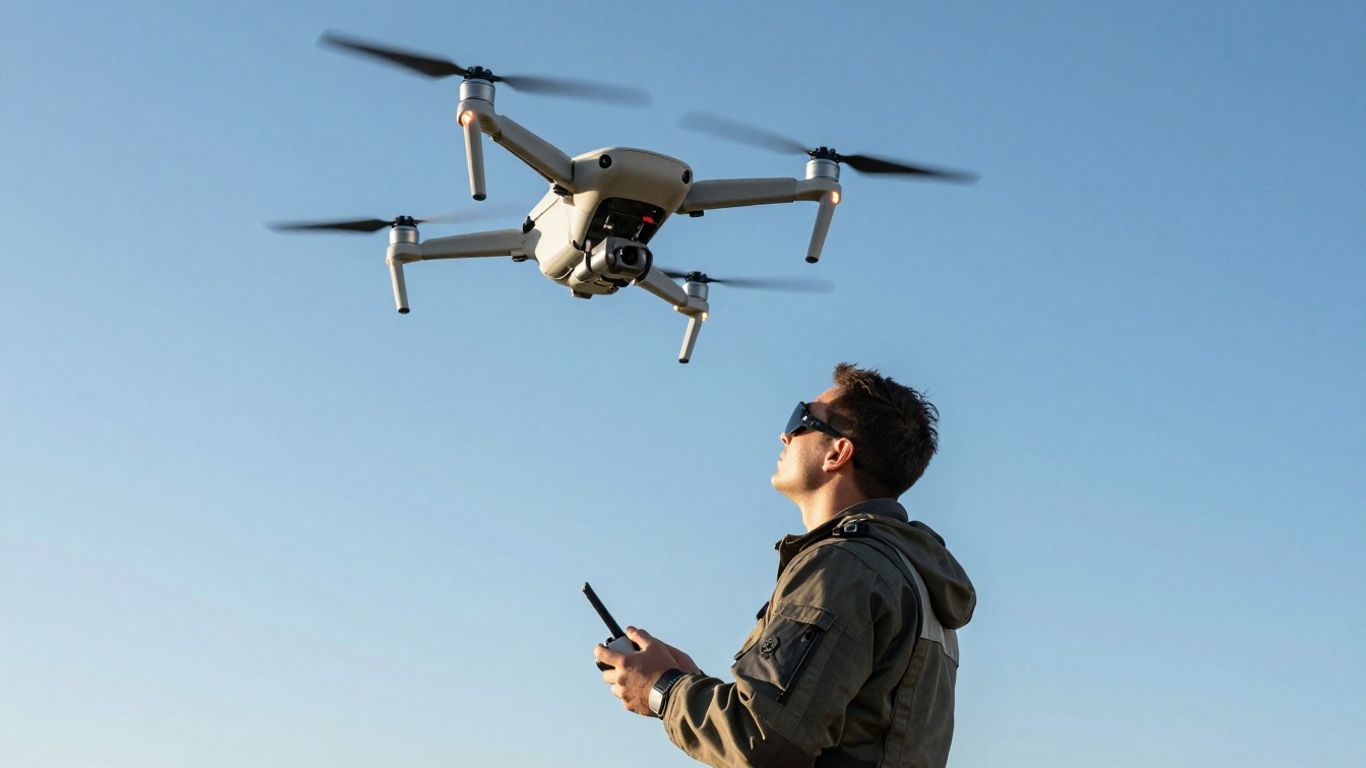
The drone world moves fast. What’s cutting-edge today might be standard tomorrow. Keeping up means paying attention to new drone models, like those with advanced camera systems such as the DJI Mavic 3 Pro or the Skydio 2, and understanding how their features can change what you can do. It’s not just about the hardware, though. Software updates and new flight control methods are always popping up. Staying current with these advancements is key to staying competitive.
Adapting to Regulatory Changes
Rules about flying drones aren’t static. They change, sometimes quite a bit. You need to be aware of any updates from aviation authorities. This might mean new rules for flying in certain areas or changes to certification requirements. Keeping informed helps you avoid trouble and operate legally. It’s a good idea to check official sources regularly for the latest information on drone regulations.
Expanding Your Drone Service Offerings
As you get more experienced and learn new skills, think about what else you can offer clients. Maybe you started with basic aerial photos, but with more training, you could move into mapping or thermal inspections. Learning about different applications, like those covered in a UAS certificate program, can open up new business opportunities. The more services you can provide, the more valuable you become to clients.
The drone industry is always shifting. What worked last year might not be the best approach now. Being willing to learn and adapt is just as important as knowing how to fly.
Here are a few areas to consider for growth:
- Advanced Imaging: Explore techniques for better aerial photography and videography, perhaps looking into drones with superior camera setups like those found in top 4K camera drones.
- Data Analysis: Learn how to process and interpret data collected by drones, such as from mapping or inspection flights.
- Specialized Operations: Consider training for specific industries, like agriculture, construction, or public safety.
Joining communities or online forums can also be a great way to learn from other pilots and stay in the loop. Many organizations offer ongoing education and resources for drone professionals.
Your Journey Takes Flight
So, you’ve learned about the different certifications and training out there for drone pilots. It might seem like a lot at first, but think of it as building a solid foundation for your flying adventures. Whether you’re looking to fly for fun or make it a career, getting the right training makes a huge difference. It’s not just about knowing how to fly; it’s about flying safely, legally, and confidently. Keep learning, keep practicing, and get ready to see the world from a whole new perspective. The sky’s the limit, and with the right preparation, you’re ready to explore it.
Frequently Asked Questions
Do I really need a license to fly a drone?
For fun flying, you might just need to pass a simple safety quiz in some places. But if you plan to use your drone for work, like taking pictures for a business or inspecting buildings, you’ll definitely need a special certification. It’s always a good idea to check the rules where you live before you take off.
How high should beginners fly their drones?
Most places have rules about how high you can fly, usually around 400 feet. It’s also smart for beginners to stay lower. Flying closer to the ground helps you keep your drone in sight and makes it easier to control. Think of it like driving a car – you don’t want to be too far away to see what’s happening.
Are those sensors that stop drones from crashing foolproof?
Those sensors are super helpful and can prevent a lot of accidents! However, they aren’t perfect. Sometimes, things like thin branches, power lines, or even bad lighting can trick them. That’s why it’s still really important to always keep an eye on your drone yourself.
How can I make my drone videos look really professional and smooth?
To get those cool, movie-like shots, focus on smooth movements. Avoid jerky turns or sudden speed changes. Try to keep the drone at a steady height. Practicing simple moves, like slowly flying the drone towards a subject or making it circle around something, can make a big difference.
What’s the main difference between just flying a drone and getting trained?
Flying a drone for fun is one thing, but getting trained teaches you how to fly safely, understand the rules, and use your drone for specific jobs. Training helps you build real skills, like taking amazing aerial photos or using special tools like thermal cameras, making you more valuable and professional.
Is it hard to learn all the drone stuff?
Learning to fly drones can seem like a lot at first, especially with all the rules and technology. But with good training programs and practice, it becomes much easier. Many people find that hands-on experience and learning from experts makes a huge difference in feeling confident and skilled.