Beyond the Horizon: Charting the Future of Drone Technology in 2026

It feels like just yesterday we were marveling at drones flying around, but wow, things are really changing fast. By 2026, the future of drone technology isn’t just about cooler gadgets; it’s about how these machines are becoming a bigger part of our everyday lives and work. From how we farm to how we deliver packages, and even how our governments keep us safe, drones are stepping up. We’re seeing smarter sensors, rules that are catching up, and more companies figuring out how to use them without a headache. Let’s take a look at what’s coming.
Key Takeaways
- Regulations are getting clearer, with many regions moving towards similar rules, but some areas are still a bit all over the place. Expect tighter rules for advanced flying, like going beyond what you can see, and for flying over people.
- Drones are getting way smarter thanks to a boom in sensors. We’re seeing more sensors packed onto each drone, like better cameras, LiDAR, and radar, which means they can do more complex jobs and fly more on their own.
- The business side of drones is really taking off. Farming is getting a digital upgrade, checking on things like power lines and pipelines is becoming a job for drones, and package delivery by drone is finally becoming a real thing.
- Flying beyond what you can see (BVLOS) is becoming the norm, not the exception. This opens up a lot of new possibilities for drones to do longer, more complex jobs without a pilot constantly watching.
- Drones are still a big deal for the military and public safety. They’re used for everything from keeping watch to helping out after disasters, and this trend isn’t slowing down.
Evolving Regulatory Landscapes Shape Drone Operations
It feels like just yesterday we were all figuring out the basic rules for flying drones, and now, wow, things are really changing. The way we can operate drones is getting a serious makeover thanks to new regulations. It’s not just about following the law anymore; it’s about how these rules are shaping what’s even possible with drone tech.
Harmonized Frameworks Versus Regional Fragmentation
Across the globe, there’s a push to make drone rules more consistent. Places like North America and the EU are doing a pretty good job of creating unified systems. But then you look at other areas, like parts of Asia, Latin America, and the Middle East, and it’s still a bit of a patchwork quilt. This means a drone company might have a smooth path in one country and hit a wall of different rules in another. This difference in how regulations are set up really impacts how easily drone businesses can grow internationally. It’s a big deal for anyone trying to scale up their operations beyond their home turf. Updated drone regulations are key for operators to move from one-off jobs to repeatable programs. This modernization is crucial for the industry’s growth.
Stricter Rules for Advanced Operations
As drones get more capable, especially for things like flying beyond visual line of sight (BVLOS) or operating over crowds, the rules are tightening up. Think about it: flying a drone way up high, out of sight, or over a busy park needs a lot more oversight than just a quick flight over an empty field. We’re seeing requirements for more pilot training, better drone technology, and more detailed flight plans. It’s all about managing the increased risks that come with these advanced uses. The FAA, for instance, has been handing out fines for violations, showing they’re serious about compliance.
Automated Airspace Access
Getting permission to fly in controlled airspace used to be a real headache, often depending on one person who knew the process. But that’s changing. Systems like LAANC are becoming the standard way for pilots to get authorizations quickly. It’s moving from a manual, often slow, process to something more automated and digital. This means that instead of heroic efforts to get approvals, it’s becoming a more predictable workflow. This shift is vital for making drone operations more reliable and scalable, especially as we see more complex missions taking flight. It’s about making sure the sky is managed safely and efficiently for everyone.
The Sensor Revolution: Driving Drone Autonomy and Capability
Increased Sensor Density Per Drone
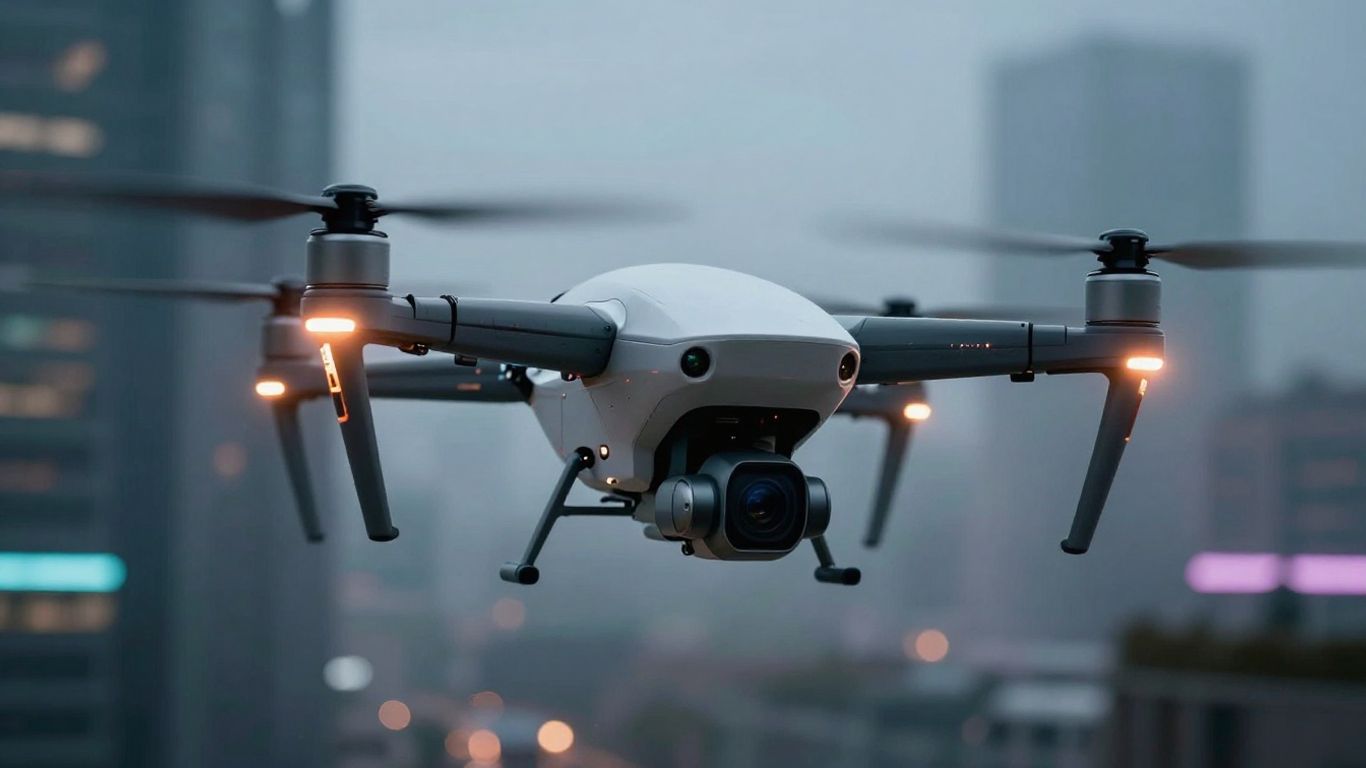
It feels like just yesterday we were impressed by a drone with a single camera. Now, things are moving way faster. By 2036, it’s expected that many industrial and long-range drones will be packing over 10 to 15 sensors. That’s a huge jump! This isn’t just about adding more gadgets; it’s about giving drones a much sharper view of the world and making them smarter. Think multi-camera setups for better imaging, more advanced LiDAR and radar for precise mapping and obstacle detection, and even smaller sensors for fine-tuning flight at low altitudes. It’s all about making drones more capable and independent.
Advancements in Sensor Technologies
We’re seeing some serious upgrades in the types of sensors available. LiDAR, for instance, is getting better and cheaper, allowing for incredibly detailed 3D mapping. Radar is also improving, especially for seeing through fog or dust. Then there are the vision systems – not just one camera, but multiple ones working together, sometimes with AI to process what they’re seeing in real-time. This means drones can do more complex jobs, like detailed infrastructure checks or agricultural monitoring, with greater accuracy. It’s pretty wild how much data these things can collect now.
Impact on Drone Payload Configurations
All these new sensors are changing what drones can carry. Instead of just a camera, payloads are becoming more specialized. For agriculture, this might mean multispectral cameras to check crop health. For inspections, it could be thermal cameras to spot heat leaks or LiDAR for precise structural scans. This shift means drone manufacturers and operators need to think carefully about how to balance sensor weight, power needs, and the drone’s overall flight performance. It’s a balancing act, for sure, but one that’s leading to some really impressive applications. The sheer amount of data collected is reshaping how we approach tasks, leading to more efficient and repeatable data acquisition cycles. This is really advancing mapping workflows and setting new industry standards, with the drone mapping market showing rapid growth. This technological improvement is a big part of why drones are becoming so useful across different fields.
The trend is clear: more sensors mean more data, and more data means smarter drones. This isn’t just a minor upgrade; it’s a fundamental shift in how drones operate and what they can achieve. We’re moving towards a future where drones can perform complex tasks with minimal human input, making them invaluable tools for a wide range of industries.
Here’s a quick look at what’s driving this sensor boom:
- Multi-camera vision systems: Offering wider fields of view and better depth perception.
- Higher-performance LiDAR and radar: Enabling detailed 3D mapping and all-weather operation.
- Ultrasonic and pressure sensors: Crucial for precise low-altitude control and stability.
- Redundant IMUs: Providing reliability for critical missions where failure isn’t an option.
This sensor proliferation is directly impacting how drones are configured, moving beyond simple aerial photography to complex data-gathering platforms. It’s also contributing to quieter drone operations, as sensors can help optimize flight paths and rotor speeds to minimize noise pollution in populated areas. This focus on intelligent flight operations is making drones more acceptable for everyday use.
Commercial Drone Market Expansion and Sectoral Growth
The commercial drone market is really taking off, moving beyond just niche applications to become a serious player in various industries. We’re seeing a big shift from experimental uses to actual, everyday operations. By 2036, the global drone market is expected to hit a massive figure, with commercial uses driving a lot of that growth. It’s not just about the hardware anymore; it’s about how drones are integrated into existing business processes.
Agriculture’s Digital Farming Era
Farming is getting a tech upgrade, and drones are leading the charge. Think precision spraying, detailed crop monitoring, and even seeding. Drones are helping farmers manage their fields more efficiently than ever before. We’re seeing a move towards data-driven farming, where drone-collected information helps make smarter decisions about crops. This integration with smart farming systems is key to future growth in this sector.
Inspection and Maintenance Leads Growth
This is where things are really heating up. Industries like energy, utilities, and infrastructure are finding that drones are a much safer and cheaper way to inspect things like wind turbines, power lines, and pipelines. Equipped with advanced sensors and AI for spotting defects, drones are replacing risky manual checks. We’re looking at automated workflows becoming the norm, with drones operating from ‘drone-in-a-box’ setups and sending data straight to the cloud for analysis. It’s projected that inspection and maintenance will soon be the biggest slice of the commercial drone pie.
Delivery Drones Mature to Commercialization
Drone delivery is finally moving past the trial phase and into real-world commercial use. Companies are expanding services for everything from e-commerce and food delivery to medical supplies. While there are still hurdles, especially around regulations and getting approvals for flying beyond visual line of sight (BVLOS), the progress is undeniable. The development of automated systems for loading and managing drone fleets, along with air traffic management frameworks, is paving the way for larger-scale operations. The future here really hinges on getting those BVLOS permissions and building out national traffic control systems for drones. The market is projected to grow significantly, with some estimates suggesting it could reach over $209 billion by 2035 [2e3e].
The shift towards commercial drone adoption is accelerating, driven by clear benefits in efficiency, safety, and cost reduction across multiple sectors. As technology matures and regulations adapt, drones are becoming indispensable tools for businesses looking to innovate and optimize their operations.
Beyond Visual Line of Sight: The Future of Autonomous Flight
Flying drones without keeping them in sight used to be a niche idea, but now it’s becoming a big deal. We’re talking about Beyond Visual Line of Sight, or BVLOS, and it’s changing how drones work. This isn’t just about flying further; it’s about drones doing more, more often, and in more places. The drone industry has been pushing for this for years, and 2026 feels like a turning point where BVLOS operations are moving from special projects to something more common. It’s a critical milestone for the future of flight.
Beyond Visual Line of Sight Market Projections
The numbers show that BVLOS is a growing market. In 2025, the global market for these autonomous flying drones was around $1 billion. By 2034, it’s expected to jump to nearly $5 billion, growing at a rate of about 25% each year. This growth is fueled by a few things. Drones are getting smarter with better AI and sensors, and more industries are seeing how useful they are for tasks like delivering packages or checking on infrastructure. Plus, rules are starting to catch up, making it easier to get approval for these kinds of flights.
Technological Enablers for BVLOS
So, what makes BVLOS possible? It’s a mix of advanced tech. Think high-precision navigation systems that know exactly where the drone is, even when you can’t see it. Sensors are getting better too, helping drones understand their surroundings and avoid obstacles all on their own. This means drones can make decisions in real-time without a human constantly watching. Companies like Skydio are making drones with advanced AI that can fly autonomously, which is a big step for BVLOS operations.
Regulatory Support for BVLOS Operations
Regulations have always been a big hurdle for BVLOS. For a long time, rules were written assuming you’d always see your drone. But now, aviation authorities are starting to create frameworks that allow for operations beyond visual range. This includes things like getting automated approvals for airspace access and setting clearer rules for advanced operations. The FAA, for example, has been looking at new rules for BVLOS, and while it takes time, this movement towards regulatory support is key. It’s not just about having the technology; it’s about having the permission to use it safely and effectively.
For organizations looking to use drones for BVLOS flights, getting a handle on documentation and risk management is super important right now. It’s about showing you have a clear plan for how these flights will work safely and how you’ll handle any issues that come up. Building a good documentation system now will save a lot of headaches later as rules evolve.
Defense and Public Safety: Enduring Momentum for Drones
It’s pretty clear that drones aren’t just a passing fad in defense and public safety; they’re becoming a permanent fixture. We’re seeing this momentum build year after year, and 2026 is no exception. The military drone market, for instance, continues to be the biggest player in terms of sheer money spent. Conflicts around the world have really pushed up the demand for drones that can scout, act as tactical assets, or even serve as loitering munitions. It’s not just about individual drones anymore, either. Armed forces are seriously looking at how to team up manned aircraft and vehicles with unmanned ones – think of it as a coordinated dance in the sky and on the ground.
Military Drone Market Dominance
The military sector is where the bulk of the drone spending happens. Reconnaissance, tactical operations, and even armed drones are in high demand. This isn’t slowing down. The push for what’s called Manned-Unmanned Teaming (MUM-T) is a big deal, integrating drones right into existing military operations. It’s about making everything work together more smoothly.
Disaster Response Capabilities
When disaster strikes, drones are proving their worth time and again. Whether it’s searching for people in the dark after an earthquake, keeping an eye on wildfires, or just figuring out the damage after a storm, drones with special sensors like thermal cameras are invaluable. They can get to places humans can’t easily reach, and with multiple drones working together and smart software, they’re getting faster and more effective at finding what they need. This area gets a lot of government support because the benefits are so clear.
Public Safety and Surveillance Applications
Beyond the battlefield and disaster zones, police and other public safety groups are increasingly relying on drones. Think about watching borders, keeping tabs on crowds, managing traffic, or just general surveillance. These drones help keep an eye on things from above, providing a bird’s-eye view that’s hard to get otherwise. It’s about having better information to make quicker decisions. For those looking to operate drones commercially, understanding the rules is key, especially when it comes to things like drone registration.
When it comes to public sector and critical infrastructure work, drone programs are being treated more like complex systems that need careful planning. This means being really clear about where data goes, who can see it, and how it’s stored. It’s not just about flying; it’s about the whole data lifecycle and making sure everything is secure and accounted for.
The Rise of Drone Consulting and Integrated Services
Consulting as Essential Governance
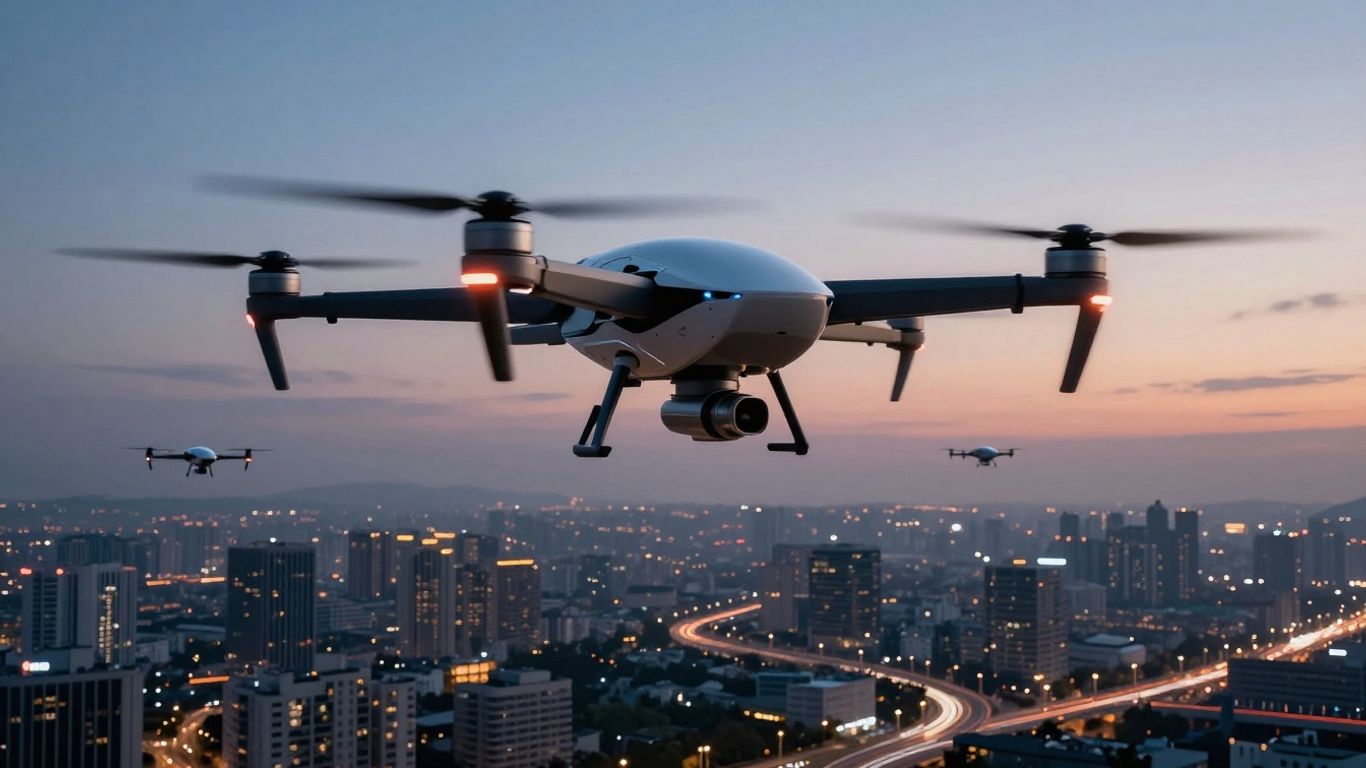
It’s 2026, and the question isn’t really if drones should be part of your operations, but how to integrate them without creating a mess. This is where drone consulting steps in, moving from a nice-to-have strategy to a core part of how businesses run. Think of it as the glue holding everything together – regulations, safety protocols, data handling, and making sure your drone program actually works smoothly. Without this governance, you’re just flying blind, risking fines, rework, and a whole lot of headaches. Proper consulting helps build a drone program that scales without needing a superhero to manage it.
Bundled Services for End-to-End Outcomes
Forget just hiring someone to fly a drone for a single task. The real value now is in services that cover the whole process. We’re talking about capturing the data, checking its quality, generating reports, and making sure it all fits into your existing Geographic Information Systems (GIS). It’s about getting a complete picture, not just a few photos. This means things like tracking progress on a construction site, documenting safety, or even planning for disaster response, all wrapped up in one package. It’s less about the cool tech and more about making faster, smarter decisions.
Here’s what a bundled service might look like:
- Data Capture & Quality Control
- Report Generation & Analysis
- GIS Integration & Data Management
- Compliance Documentation & Auditing
Vendor-Select Execution Models
Companies are getting smarter about not getting locked into one drone provider. Instead, they’re setting their own standards and then picking the best vendor for each specific job. This approach keeps things flexible, especially as rules and technology change. It means you can use the right tool for the right task, rather than being stuck with a one-size-fits-all solution. This is where a good consulting partner really shines, helping you set those standards and make smart choices about who does what. It’s about building a robust program that can adapt, not one that’s tied to a single platform. This is particularly important when considering advanced drone capabilities that might require specialized equipment or expertise.
The focus is shifting from simply acquiring drone services to integrating them into broader operational workflows. This means prioritizing outputs that are directly usable in existing business systems, such as GIS platforms, and ensuring data integrity from collection to final analysis. The goal is to achieve tangible business outcomes, not just raw data.
Looking Ahead
So, where does all this leave us as we look towards 2026 and beyond? It’s clear that drones aren’t just a novelty anymore; they’re becoming a standard tool for all sorts of jobs, from checking on power lines to delivering packages. The tech is getting smarter, with more sensors packed into these machines, and the rules are catching up, making things a bit more organized, though still a work in progress. Companies that figure out how to use drones effectively, safely, and within the rules will be the ones who really get ahead. It’s less about the cool factor and more about making real work get done, faster and better. The future looks busy, and drones are definitely going to be a big part of it.
Frequently Asked Questions
What are the new rules for flying drones in 2026?
In 2026, flying drones will have stricter rules, especially for flying far away (Beyond Visual Line of Sight) and over people. There will be clearer ways to get permission to fly in certain areas, often using automated systems. While some regions are creating similar rules, others still have different ones, making it a bit mixed.
How are sensors changing drones?
Drones will have way more sensors packed into them in 2026. Think of it like giving drones super-senses! These advanced sensors, like better cameras, radar, and special scanners called LiDAR, help drones see more, understand their surroundings better, and fly more on their own. This means drones can do more complex jobs.
Which industries are using drones the most?
Farming is using drones a lot for tasks like spraying crops and checking their health, making farming smarter. Drones are also becoming super important for checking things like power lines and bridges, which is a big growth area. And drone delivery, like bringing packages to your door, is finally becoming a real thing.
What does ‘Beyond Visual Line of Sight’ (BVLOS) mean for drones?
BVLOS means drones can fly farther than you can see them. This is a huge deal because it allows drones to cover large areas for things like deliveries or checking long pipelines without a pilot needing to see them directly. Technology and new rules are making BVLOS flights more common and safer.
Are drones still important for the military and police?
Yes, absolutely! The military is still the biggest buyer of drones, using them for watching, gathering information, and even for defense missions. Police and emergency services are also using drones more and more for things like searching for people after a disaster, watching crowds, or responding to emergencies quickly.
Why is drone consulting becoming more popular?
With all the new technology and rules, companies need help figuring out the best and safest way to use drones. Drone consultants help businesses understand the rules, manage risks, ensure they get good data, and set up drone programs that work smoothly. It’s about making sure drone use is smart and effective, not just using cool tech.