Top Drones with Obstacle Avoidance: Fly Smarter and Safer in 2026

Thinking about getting a drone this year? It’s a good time to buy. Lots of new tech is coming out, especially with how smart these things are getting. You know, like how they can avoid hitting stuff? That’s a big deal. Flying used to be a bit nerve-wracking, worrying about crashing into a tree or a building. But now, with better obstacle avoidance, it’s way easier and safer for everyone, whether you’re just messing around or trying to get some cool shots for a project. We’ve put together a list of some of the best drones with obstacle avoidance that you can grab in 2026.
Key Takeaways
- New drones in 2026 will have smarter AI that helps them avoid obstacles, making flights much safer.
- Expect better cameras on most drones, with 4K video becoming standard and even higher resolutions appearing.
- Battery life is getting longer, so you can stay in the air for more time on a single charge.
- Regulations like Remote ID are becoming standard, so make sure you know the rules before you fly.
- Buying from a place that offers good support can make a big difference after you purchase your drone.
1. DJI Mavic 4 Pro
Alright, let’s talk about the DJI Mavic 4 Pro. This drone is pretty much the top-tier option if you’re looking for the best of the best in aerial photography and videography right now. It keeps that cool triple-camera setup from the previous model, giving you options with 28mm, 70mm, and 168mm focal lengths. But they’ve really cranked up the image quality, especially with that main 100MP camera. It handles tricky lighting like a champ.
One of the neatest tricks is the new gimbal, which can spin all the way around. This means you can shoot native vertical video without losing any quality, or get super smooth panoramic shots. It also comes with all the smart features you’d expect, like improved subject tracking and automated shooting modes.
Safety is a big deal here, too. It’s got this omnidirectional obstacle detection using both fisheye sensors and LiDAR. This helps it spot things even when it’s dark or the environment is a bit cluttered. The video transmission is also upgraded to O4+, giving you a really solid connection up to 30 km away.
Key Features:
- Flight Time: Up to 51 minutes on a single battery. That’s a lot of flying time!
- Obstacle Avoidance: Omni-directional system with LiDAR for low-light detection down to 0.1 lux. It can take off at altitudes up to 6000 meters.
- Camera System: Triple-camera setup with a 100MP main sensor, plus 70mm and 168mm telephoto lenses.
- Video Transmission: O4+ standard for a stable, long-range connection.
The Mavic 4 Pro is definitely aimed at serious creators. It’s not the cheapest drone out there, but the combination of its camera, battery life, and advanced features makes it a really compelling package for professionals and serious hobbyists alike. If you need top-notch image quality and reliable performance, this is hard to beat.
If you’re thinking about flying commercially, remember you’ll need to get your FAA Part 107 certificate. It’s a good way to make sure you know all the rules and fly safely. You can find out more about getting certified for commercial drone operations here.
2. DJI Mini 5 Pro
Alright, let’s talk about the DJI Mini 5 Pro. This little guy is seriously impressive, especially if you’re looking for top-notch image quality without the hassle of registering your drone. It’s a real game-changer for creators who need portability and performance. Weighing in at just under 250 grams, it fits right into that sweet spot for regulations, making it super convenient for travel or just flying around town.
What really sets the Mini 5 Pro apart is its camera. It packs a 1-inch sensor, which is a first for the Mini series. This means you’re getting much better photos and videos, especially when the light isn’t perfect. Think richer colors, more detail in the shadows, and less of that grainy look. Plus, the gimbal has been upgraded, giving you more flexibility for those dynamic shots.
When it comes to safety, DJI didn’t skimp here. The Mini 5 Pro features omnidirectional obstacle sensing, meaning it can see obstacles in front, behind, and below. This makes flying a lot less stressful, even if you’re not the most experienced pilot. It also has upgraded ActiveTrack, so it’s better at following subjects smoothly.
Here’s a quick look at some of its key specs:
- Weight: 249.9g (Under 250g category)
- Camera: 1-inch sensor, 50MP photos
- Video: Up to 4K at 120fps
- Flight Time: Around 36 minutes
- Transmission: O4+ system for a reliable signal
- Obstacle Sensing: Omnidirectional
The Mini 5 Pro is really aimed at those demanding creators who want the best possible image quality and advanced features in an ultra-compact drone. It’s not just an upgrade; it feels like a significant leap forward for the Mini line, bringing features previously found on larger, more expensive drones. If you’re a traveler or a regular videographer, this drone is definitely worth a close look.
And don’t forget about accessories! Having things like spare batteries or propeller guards can really make a difference in your flying experience, especially if you’re just starting out or planning longer shoots. You can find a good range of affordable accessories to go with your new drone. For anyone serious about aerial content creation, the DJI Mini 5 Pro is a top contender in the sub-250g market for 2026.
3. DJI Air 3S
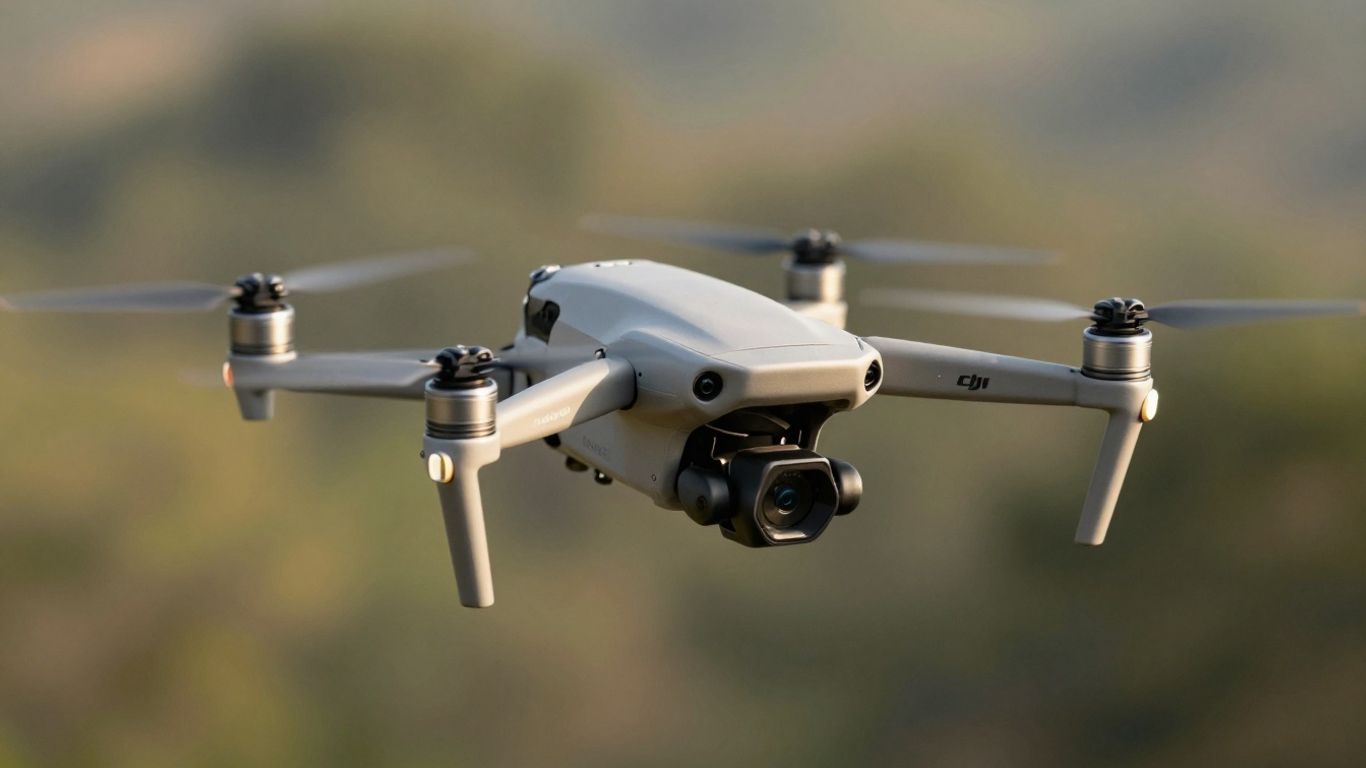
The DJI Air 3S really hits a sweet spot for a lot of people. It’s not quite the powerhouse that the Mavic series is, but it’s a significant step up from the Mini drones, offering a lot of professional-level features without the sky-high price tag. This drone is a fantastic choice for creators who want better image quality than the smaller models but don’t need to invest in the absolute top-tier gear.
One of the coolest things about the Air 3S is its dual-camera system. You get a main wide-angle lens, which is great for landscapes and general shots, and then a 3x telephoto lens. This telephoto lens is super handy for getting closer shots without actually moving the drone, which can be really useful for wildlife or getting specific angles for real estate photography [751e]. It’s a setup that gives you a lot more flexibility in your shooting.
When it comes to safety, the Air 3S is pretty impressive. It has obstacle sensing that covers all directions, which is always a good thing. Plus, it’s got this forward-facing LiDAR sensor, which is a first for a DJI consumer drone. This helps it see things better, even when the light isn’t great, making flights feel that much safer.
Here’s a quick look at some of its key specs:
- Flight Time: Up to 45 minutes (which is pretty darn good).
- Camera System: Dual cameras (wide-angle and 3x telephoto).
- Obstacle Sensing: Omnidirectional with LiDAR enhancement.
- Video: Capable of 4K at up to 120 fps.
- Weight: Around 724g.
The DJI Air 3S feels like a drone that’s been thoughtfully put together. It balances advanced features with a design that’s still manageable for most users. It’s a solid option if you’re looking to step up your aerial photography game.
It also supports advanced color profiles like D-Log M and HLG, which are great if you plan on doing some serious editing later on. The O4 transmission system is also solid, giving you a good range for flying. If you’re looking for a versatile drone that can handle a lot of different tasks, the Air 3S is definitely worth a look [cc35].
4. Autel EVO Nano+
The Autel EVO Nano+ is a pretty neat little drone, especially if you’re trying to avoid the DJI ecosystem but still want something good. It weighs in at under 250 grams, which is a big deal because it means you don’t have to register it in most places. That makes it super convenient for travel or just casual flying.
This drone really shines as a solid alternative for anyone looking for a sub-250g flyer that isn’t from DJI. It packs a 50MP camera on a 1/1.28-inch sensor, capable of shooting 4K video at 30fps. It’s not going to blow away professional cinema cameras, but for everyday shots and social media, the image quality is quite good, even in less-than-ideal lighting.
One of the standout features is its obstacle avoidance. It has sensors on the front, back, and bottom, which gives you a decent safety net. This makes it a lot less stressful to fly, especially if you’re still getting the hang of things. The flight time is around 28 minutes, which is respectable for its size, and the video transmission range goes up to 10 km, so you can get pretty far out there.
Here’s a quick look at some of its specs:
- Weight: 249g
- Max Flight Time: 28 minutes
- Video Transmission Range: Up to 10 km (FCC)
- Camera: 50MP, 1/1.28-inch sensor
- Video Resolution: 4K @ 30fps
- Obstacle Avoidance: Front, Rear, Bottom
It also has some fun features like SkyPortrait, which helps you get those cool aerial selfies, and SoundRecord to capture ambient audio. It’s a good option if you want a capable, lightweight drone that offers a bit of a different flavor than what DJI usually puts out. You can find some great deals on Autel drone accessories if you decide to pick one up.
While it might not have all the bells and whistles of some larger, more expensive drones, the EVO Nano+ strikes a good balance between portability, features, and price. It’s a drone that makes flying more accessible and enjoyable for a wider range of users, proving that you don’t need a massive drone to get great results.
5. Autel EVO Lite+
The Autel EVO Lite+ is a pretty solid drone, especially if you’re looking for something that can compete with the big names but offers a slightly different flavor. It weighs in at 835 grams, which is a bit more than some of the super-light options, but it packs a punch. You get a 1-inch CMOS sensor here, capable of shooting 5.4K video at 30 frames per second and taking 20MP photos. This means your footage should look really good, even when the light isn’t perfect, thanks to its decent handling of noise and a good dynamic range.
One of the standout features is its flight time – you’re looking at around 40 minutes, which is quite generous and lets you get a lot done without constantly swapping batteries. It also has obstacle sensors on the front, back, and bottom, which is a big plus for keeping things safe while you’re flying. The remote control is comfortable to hold and can send a signal up to 12 km away, which is pretty far for most people’s needs. This drone is a good choice for anyone wanting a capable camera drone that isn’t from DJI, offering a different image processing style that some users might prefer. You can find out more about its capabilities in a full review of the Autel EVO Lite+.
Here’s a quick look at some of its specs:
| Feature | Specification |
|---|---|
| Weight | 835g |
| Max Flight Time | 40 minutes |
| Max Video Resolution | 5.4K @ 30fps |
| Camera Sensor | 1-inch CMOS, 20MP |
| Obstacle Detection | Front, Back, Bottom |
| Max Range | 12 km (FCC) |
It also has some neat tricks up its sleeve, like Dynamic Track 2.1 for following subjects and SkyPortrait for those nice aerial selfies. Plus, it can record ambient sounds, which adds another layer to your videos. It’s definitely a drone worth considering if you’re exploring options outside the usual suspects. For those interested in advanced sensor suites, the Autel EVO Max 4T V2 is another option from Autel that offers a unique combination of cameras and a laser rangefinder for specialized tasks.
6. DJI Avata 2
Alright, let’s talk about the DJI Avata 2. If you’re looking to get into FPV (first-person view) flying without all the usual headaches of building your own drone, this is a really solid option. It’s designed to be pretty accessible, even for folks who haven’t flown before. The immersive experience is a big draw here, making you feel like you’re really in the cockpit.
It’s not the lightest drone out there, tipping the scales at around 377g, but it’s built tough with propeller guards already in place. This makes it a good choice for flying indoors or in tighter spaces where you might bump into things. For indoor flying, the Avata 2 is actually a superior choice due to its size and obstacle avoidance. It’s the clear winner for indoor flight.
Here’s a quick look at some specs:
- Camera: 1/1.3-inch CMOS sensor, 12MP photos, 4K video up to 100fps, 155° field of view.
- Stabilization: RockSteady digital stabilization for smooth footage.
- Flight Time: Around 23 minutes on a single charge.
- Obstacle Detection: Features sensors on the rear and bottom.
- Transmission: DJI O3+ system for a stable video feed.
The camera on the Avata 2 is pretty decent for an FPV drone. It shoots 4K video and has a wide field of view, which is great for that immersive feel. Plus, the stabilization helps keep things from getting too shaky, even when you’re moving around quickly. It also has a 10-bit D-Log M color mode, which gives you more flexibility when you’re editing your footage later.
While it’s not the cheapest drone, especially when you factor in the goggles and controller, it does offer a complete package for getting into FPV. If you’re curious about how it stacks up against other DJI models, you might want to check out comparisons to see where it fits in the lineup.
7. DJI Mini 4K
Alright, let’s talk about the DJI Mini 4K. If you’re looking to get into drones without emptying your wallet, this one’s a solid contender. It clocks in at under 249 grams, which is pretty sweet because it means you don’t have to deal with as many registration headaches in some places. It’s basically a DJI Mini 2 SE but with a better camera that can shoot in 4K.
This drone is a good starting point for folks who want decent video quality without all the fancy bells and whistles. You get 4K video at 30 frames per second, which is nice for capturing memories or even some basic content creation. It uses the standard RC-N1 controller, giving you a decent range for flying around.
Here’s a quick rundown of what it offers:
- Weight: Under 249 grams (great for regulations)
- Video: 4K at 30fps
- Flight Time: Around 31 minutes per battery
- Control: Compatible with DJI RC-N1 controller
- Special Features: QuickShots for automated video clips
It’s not going to have all the advanced obstacle avoidance you see on the pricier models, so you’ll need to keep an eye on your surroundings. But for the price, it’s a capable little flyer. It’s a good way to dip your toes into aerial photography and videography. You can check out some of the available packs for the DJI Mini 4K to see what fits your needs best.
While it doesn’t have the most advanced sensors, its lightweight design and 4K capability make it a standout for budget-conscious beginners. It’s a drone that lets you capture good-looking footage without a steep learning curve or a hefty price tag.
If you’re thinking about using drones for things like roof inspections, you might want to look at models with more advanced camera systems, but for general flying and getting started, the Mini 4K is a sensible choice. Just remember to fly responsibly and be aware of your environment.
8. DJI Mini 3
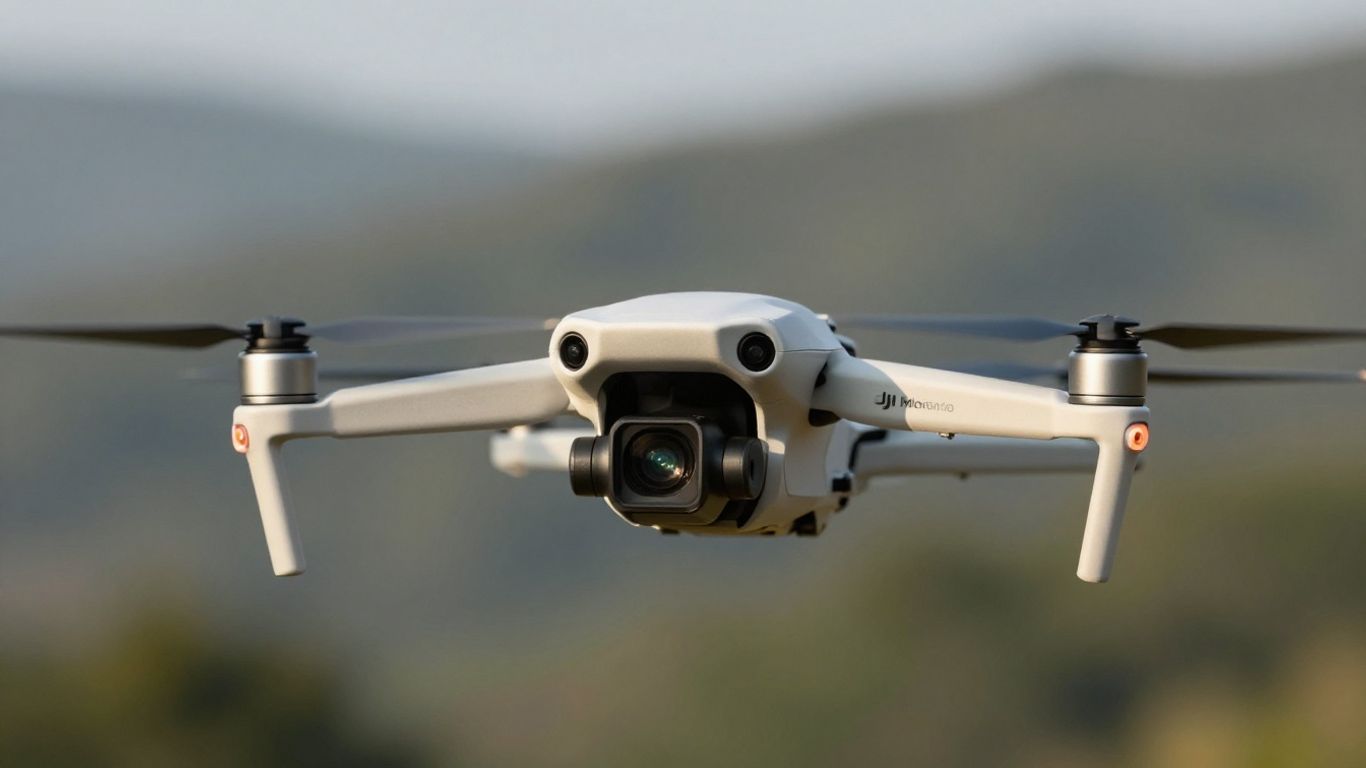
So, let’s talk about the DJI Mini 3. It’s kind of that middle-ground drone, you know? Not quite the super-fancy Pro version, but definitely a step up from the older Mini 2. It’s a solid choice for anyone who wants good quality footage without spending a ton of cash.
This little guy weighs under 249 grams, which is pretty sweet because it means you don’t have to deal with as many registration headaches in some places. It’s super portable, which is a big plus if you’re always on the go. You get a decent flight time, around 38 minutes, which is pretty good for its size. It shoots 4K video and takes 48-megapixel photos, so your social media posts are going to look pretty sharp.
One cool thing is the rotating camera. It lets you get those nice vertical shots that look great on platforms like Instagram or TikTok. It also has some automatic video modes called QuickShots, which can help you get some fancy-looking clips without having to be a video editing wizard. It’s not going to have all the bells and whistles of the higher-end models, like advanced obstacle avoidance, but for casual users and content creators just starting out, it’s a really good deal. You can even pair it with the DJI RC controller if you want a brighter screen and don’t want to use your phone.
The DJI Mini 3 is designed for everyday users and content creators who prioritize portability and good image quality without the complexity or cost of professional-grade drones.
Here’s a quick look at what it offers:
- Weight: Under 249g (great for regulations)
- Flight Time: Up to 38 minutes
- Camera: 4K video, 48MP photos
- Special Features: Rotating camera for vertical shots, QuickShots modes
- Controller Options: Compatible with DJI RC remote
It’s a drone that really hits a sweet spot for a lot of people. If you’re looking for a reliable drone that takes great pictures and video without breaking the bank, the Mini 3 is definitely worth checking out. It’s a good way to get into aerial photography and videography. For more advanced sensing, you might look at something like the DJI Lito X1, but for most people, the Mini 3 is plenty. DJI Mini 3 drone review has more details if you’re curious.
9. DJI Flip
The DJI Flip is a pretty neat little drone, especially if you’re just getting into flying or you’re a content creator who likes to travel light. It’s super compact, fits right in your hand, and you can unfold it and have it take off from your palm. It’s designed to follow you around, which is pretty cool for getting those solo shots.
When it comes to pictures, this little guy doesn’t mess around. It’s got a 1/1.3-inch camera with a three-axis stabilizer, and it can shoot 4K video up to 100 frames per second. You can also grab 12 or 48-megapixel stills. It even supports RAW format and a 10-bit color profile, which is great if you like to tweak your footage later. Honestly, the image quality is right up there with some of the more expensive DJI models.
It comes with some smart features too, like QuickShots and MasterShots, plus a 4K slow-motion mode. The tracking system is pretty good, with a few different modes to keep you in frame. You can control it in a few ways: fully on its own, through the DJI Fly app, or with a remote control. The remote gives you the best range, up to about 8 km.
One of the biggest perks is its weight – it’s under 250 grams. This means you usually don’t have to worry about a lot of the regulations that come with bigger drones. So, you can fly it in more places without all the paperwork. It’s a real plus for anyone who’s always on the move.
The DJI Flip has some limitations to keep in mind. For instance, its obstacle avoidance system isn’t as advanced as some other drones, and it has a fixed 30fps frame rate for certain recording modes. These might be things to consider depending on what you plan to do with it.
Battery life is decent, giving you up to 31 minutes of flight time. They also have a Fly More pack that comes with a charging station, which is handy for keeping you in the air longer. It’s a solid option if you want good quality without a huge price tag, though you do miss out on some of the more advanced safety features like comprehensive obstacle avoidance found on other DJI models.
| Feature | Specification |
|---|---|
| Weight | < 249 g |
| Max Flight Time | 31 minutes |
| Camera Sensor | 1/1.3 inch, 48 MP |
| Max Video Resolution | 4K up to 100 fps |
| Obstacle Avoidance | Limited (no full system) as noted |
| Control Options | Autonomous, DJI Fly App, Remote Control |
10. DJI Inspire 3
When you need the absolute best for professional filmmaking, the DJI Inspire 3 is pretty much the top dog. It’s built for those big movie shoots where you can’t afford any mistakes. This drone packs a full-frame 8K camera and lets you swap out lenses, which is a huge deal for getting the exact look you want. Plus, it has controls designed for two people to operate, one flying and one handling the camera, making really complex shots possible.
It’s the gold standard for high-end cinema productions.
Flying this machine is a serious undertaking, and it’s definitely not for beginners. You’ll need experienced pilots and probably a whole crew to make the most of its capabilities. The price tag reflects its professional status, too. But if you’re aiming for Hollywood-level footage, the Inspire 3 is what you’re looking for. It’s got this amazing omnidirectional sensing system that keeps an eye out for obstacles in every direction, making flights much safer, especially when you’re working in tricky environments. This advanced tech really helps keep things controlled.
The DJI Inspire 3 is designed for professionals who demand the highest quality and performance. Its advanced features, like interchangeable lenses and dual-operator control, set it apart for complex cinematic projects.
Here’s a quick look at some of its standout features:
- Full-frame 8K sensor for incredible detail.
- Interchangeable lens system for creative flexibility.
- Dual-operator controls for precise filmmaking.
- Omnidirectional obstacle sensing for enhanced safety.
- Built for demanding professional use.
If you’re serious about professional aerial cinematography, the Inspire 3 is a serious piece of kit. Just remember that operating such advanced equipment comes with responsibilities, including understanding regulations. For commercial work, getting your Part 107 certificate is a must to ensure you’re flying safely and legally, especially when using advanced tech for things like drone-based logistics. You can find more information on drone registration and regulations here.
Ready for Takeoff
So, we’ve looked at some pretty cool drones for 2026, especially the ones that help you avoid crashing into stuff. It’s wild how much these things can do now, with AI basically acting as a second pair of eyes. Whether you’re trying to get amazing video shots or just want to fly without constantly worrying about hitting a tree, there’s a drone out there for you. Remember to check the rules before you fly, and think about where you buy from – getting help from experts can make a big difference. Happy flying out there!
Frequently Asked Questions
Will DJI drones be unavailable in the U.S. in 2026?
It’s a hot topic! While there’s talk in the government, a complete ban on DJI drones for regular people hasn’t happened. For 2026, it’s super important to keep up with the latest rules from the FAA. Right now, DJI drones are still really popular and easy to find. Always check official websites for the newest info before you buy, so you can fly without worry.
What’s the most important thing to look for when buying a new drone?
For most people flying drones, the camera and how it’s held are the biggest deals. A camera that shoots in at least 4K and sits on a steady 3-axis gimbal is what makes videos look smooth and professional, not shaky and amateur. While how long it flies and if it can avoid things are important, the quality of your videos and photos usually comes down to a great camera setup. Bigger sensors usually mean better results!
How much should I plan to spend on a good drone in 2026?
The cost of a great drone in 2026 really depends on what you want it to do. For a fun drone with a 4K camera and good features, expect to pay somewhere between $400 and $900. If you want more advanced features for serious hobbies or work, the price goes up to about $1,200 to $2,500. The very best drones for professional filming or business use can cost over $3,000, offering top-notch performance.
Do I need a special license to fly a drone in 2026?
Yes, in most cases, you’ll need to follow specific rules. If you’re flying for fun in the U.S., you need to know about Remote ID rules and pass a safety test called TRUST. If you plan to use your drone for work, you’ll need a Part 107 license. Always check for any local rules too, so you don’t get into trouble. A little research now saves a lot of hassle later!
What are the newest drone technologies to expect in 2026?
Get ready for drones that fly themselves more smartly with AI! By 2026, drones will be able to see obstacles and figure out the best way around them, making flights much safer. Cameras will also get better, with super-high video quality like 6K or 8K becoming more common, and they’ll be better at shooting in low light. Plus, batteries will last longer, and you’ll get a more reliable connection for flying further away.
What’s the difference between a beginner drone and a professional one?
Beginner drones are usually smaller, lighter, and easier to fly. They often have features like GPS for stable hovering and lots of sensors to help prevent crashes, making them great for learning. Professional drones are typically larger and more expensive, with much better cameras, longer flight times, and advanced controls needed for serious filmmaking or business tasks. Think of it like the difference between a basic car and a sports car – both get you places, but they’re built for different purposes.