
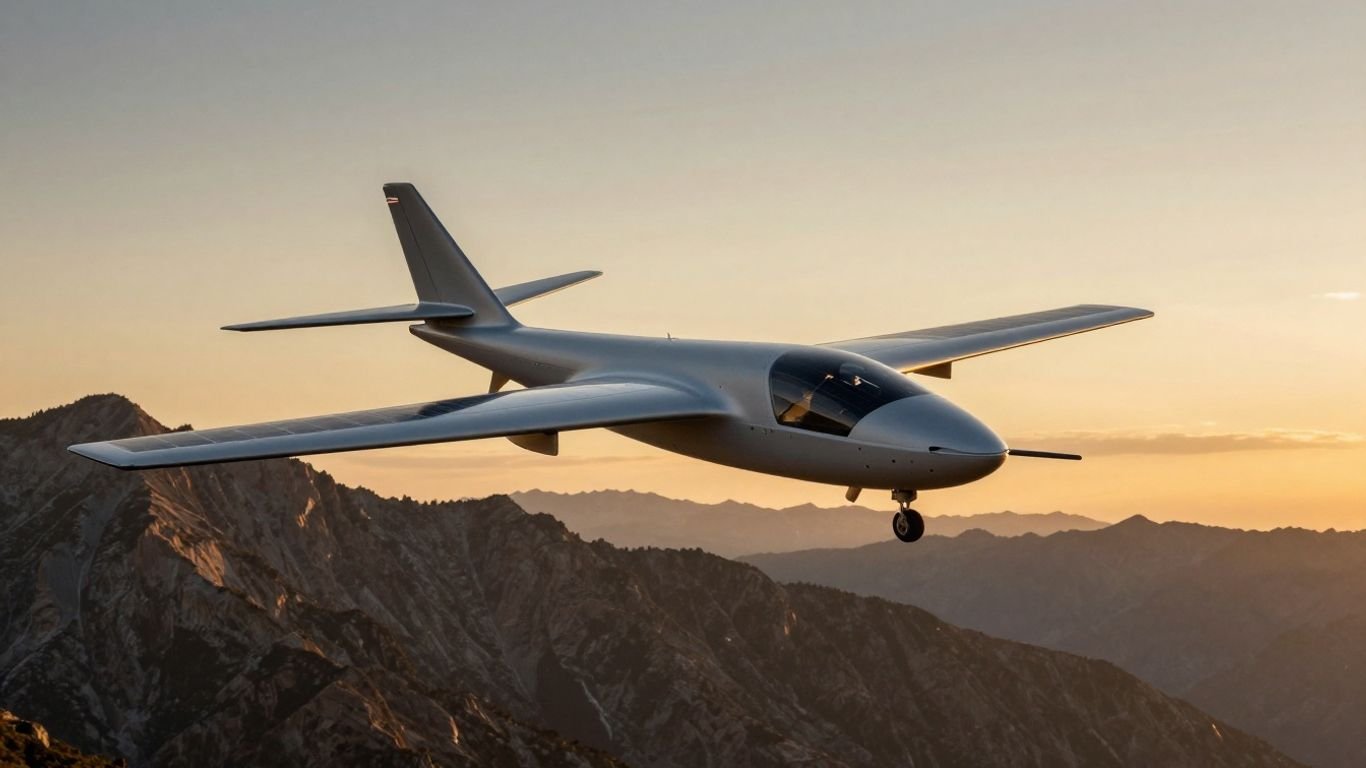
Understanding the K1000ULE Kraus Hamdani Aerospace autonomous system: A comprehensive guide

Key Takeaways
- The K1000ULE Kraus Hamdani Aerospace platform serves as an ultra-long-endurance asset for critical ISR and communications.
- Its sailplane-like airframe utilizes solar integration to achieve industry-leading flight durations in its weight class.
- The system has been actively integrated into major defense contracts, including those for the U.S. Navy and AFCENT.
- Multi-domain autonomous capabilities allow the platform to support intelligence and connectivity across land, sea, and air.
- Advanced machine learning enables the system to maintain operations within contested, GNSS-denied, or data-disconnected environments.
Overview of the K1000ULE platform
Modern aerial surveillance requires systems capable of sustained, persistent operation without the logistical burden of heavy fuel chains. The K1000ULE Kraus Hamdani Aerospace platform addresses these needs by combining lightweight materials with innovative energy-harvesting capabilities. By focusing on efficiency, the architecture ensures that mission-critical data can be gathered continuously over extended periods.
Design philosophy and solar integration
The airframe architecture relies on a sailplane-like structure designed to maximize lift and minimize drag. By incorporating solar-cell-powered arrays directly onto the upper wing surfaces, the platform effectively supplements battery power, allowing the Kraus Hamdani Aerospace team to extend flight durations beyond standard electric limitations. This approach prioritizes silent operation and high aerodynamic efficiency.
Operational capabilities of long-endurance flight
The system has demonstrated elite performance, setting endurance records of nearly 76 hours in its class. This operational profile requires minimal crew participation, allowing for small, two-person teams to deploy and manage Kraus Hamdani K1000ULE assets effectively. Such capabilities provide persistent awareness that was previously unreachable with traditional platforms of this scale.
Key technical specifications and sensor payloads
Modular design choices allow the platform to adapt to varying mission requirements rapidly through a 2.5 kg payload capacity. Standard configurations support diverse sensor integrations tailored for modern theater needs. The technical hardware is summarized in the configuration overview below:
| Feature | Capability Specification |
|---|---|
| Propulsion | All-electric folding motor |
| Endurance | Approx. 24 hours standard / 76h record |
| Payload Capacity | Up to 2.5 kg modular weight |
| Navigation | GNSS with INS backup mode |
These specifications ensure the platform remains a reliable, highly capable tool for tactical environments where sensor payload flexibility is paramount. Operators can swap between electro-optical, infrared, and SIGINT packages depending on their specific operational objectives, demonstrating the versatility of the Kraus Hamdani Aerospace K1000ULE program.
Applications in modern defense and surveillance
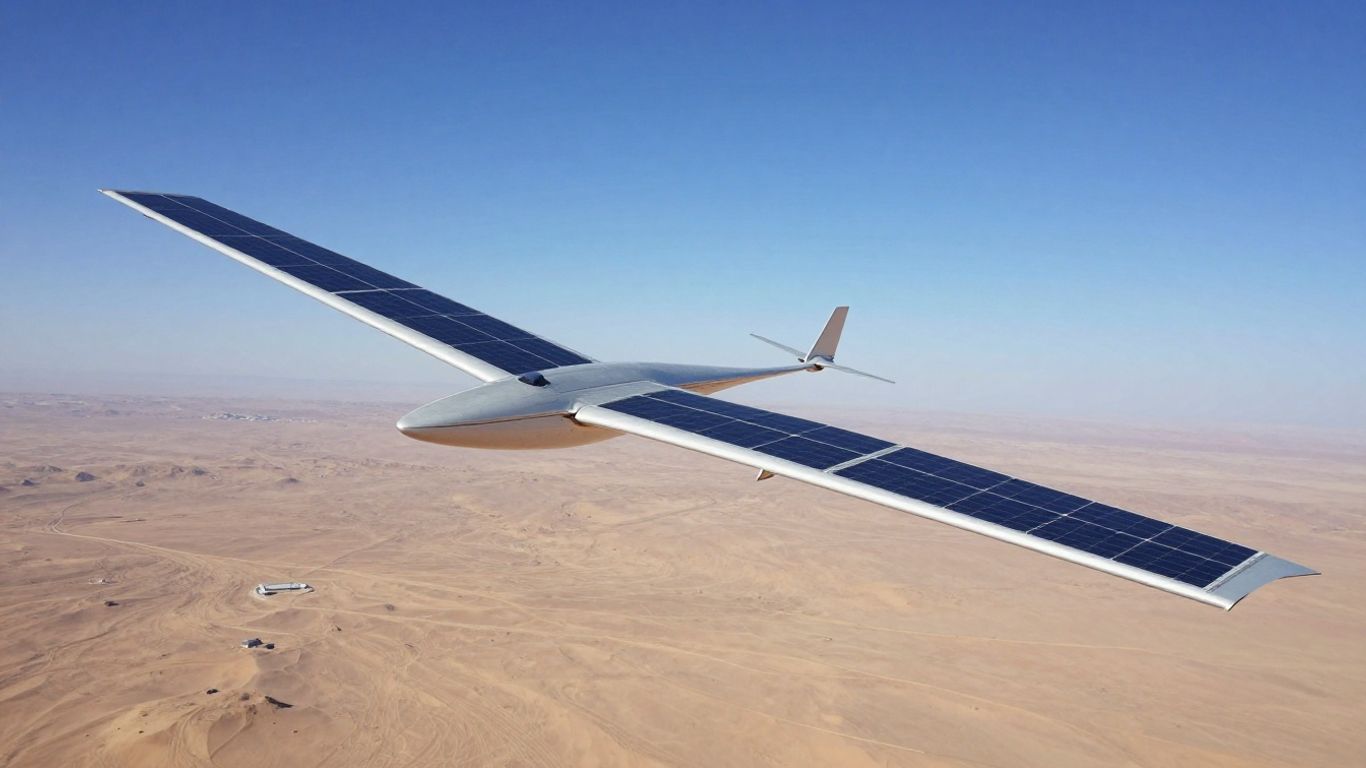
Defense initiatives increasingly rely on persistent aerial coverage to maintain situational awareness. The ability to deploy rapidly and stay aloft for days changes how ground commanders view the battlespace. By filling the gap between small tactical drones and high-altitude, long-endurance systems, this platform offers a unique middle-ground for commanders aiming to maintain continuous intelligence loops.
Tactical intelligence, surveillance, and reconnaissance (ISR)
ISR missions require reliable delivery of data in real-time to facilitate faster decision-making cycles. The platform provides this persistent eye-in-the-sky capacity, enabling intelligence units to monitor movements across vast areas with significant endurance. This constant coverage is crucial for operations in modern defense settings where adversaries are constantly moving.
Supporting communications infrastructure in remote areas
Effective communications often fail in isolated environments, creating dangerous information vacuums for front-line units. The platform functions as an aerial communications hub, bridging data between disparate platforms and agencies. By expanding reach during contingencies, it ensures that resilient aerial capabilities and connectivity persist exactly where they are needed most.
Integration with US Army Pacific strategies
Strategic priorities in the Pacific theater emphasize the need for modular, versatile assets that can operate across decentralized islands and vast ocean distances. Integration of these drone systems supports units by providing localized ISR and communication relays. Through autonomous aerial systems, ground forces gain increased flexibility and maintain contact even when traditional infrastructure is deemed unreliable or compromised.
Autonomy and flight control systems
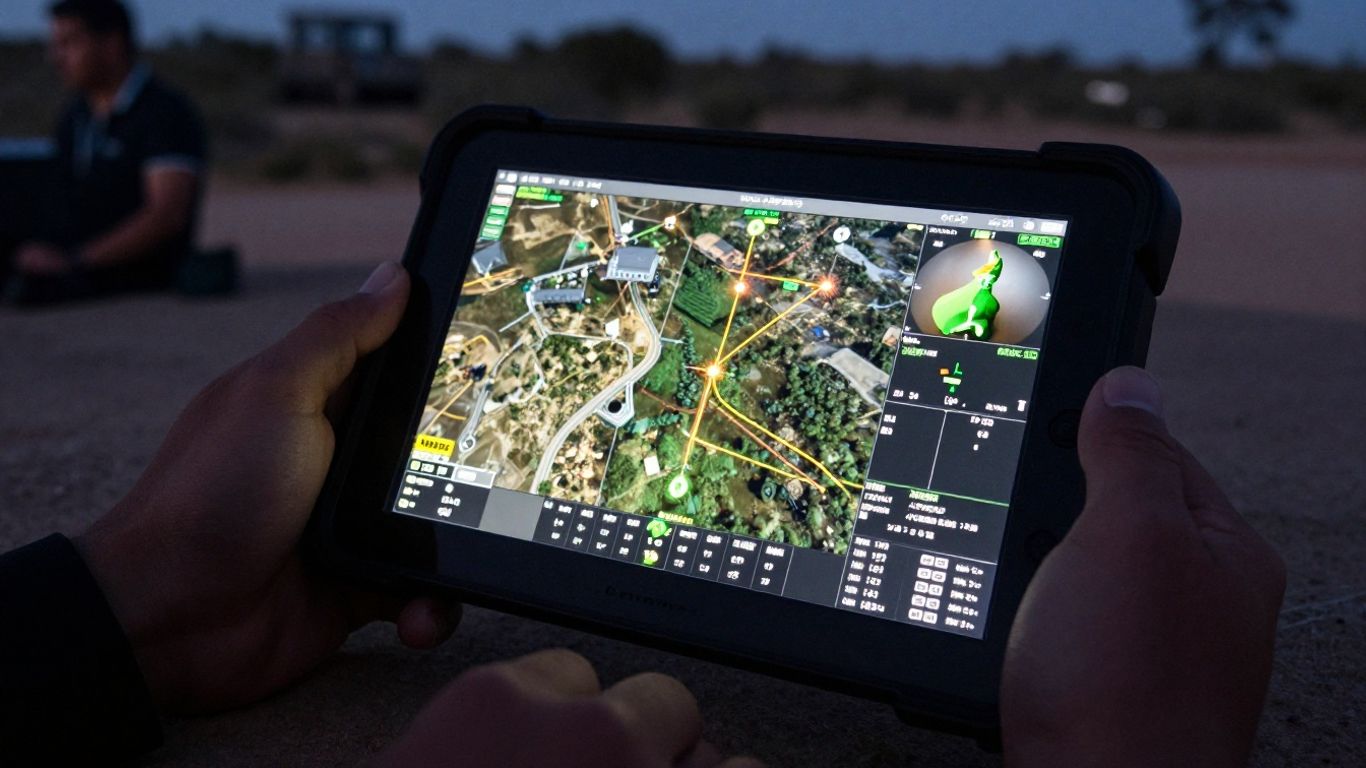
Managing a fleet of long-endurance assets in complex environments demands high levels of autonomy to prevent operator fatigue and mission failure. Sophisticated algorithms allow for stable trajectory maintenance and efficient flight mode transitions. This autonomy ensures that the mission goals are met even when satellite connectivity is briefly interrupted.
Advanced machine learning for autonomous navigation
AI-powered flight management allows the drone to react dynamically to changing thermal conditions and wind patterns without human intervention. This capability is mirrored in other autonomous flight platforms, focusing on stability and navigation precision. By reducing the physical control required from a Ground Control Station, the system ensures consistent mission outcomes across various flight parameters.
Real-time decision-making in contested environments
Adversarial environments present challenges including jamming and signal disruption that can cripple traditional remotely piloted systems. The onboard processing capability enables the drone to continue its mission and maintain its flight path despite these stressors. This is a vital requirement for forces operating in contested airspace where keeping data flows open is a matter of mission success.
Safety redundancies and fail-safe protocols
Every mission is safeguarded by established protocols that ensure the asset can be recovered or redirected if a system fault occurs. These safeguards serve to protect the environment and nearby hardware while maintaining flight integrity. The following list outlines key elements integrated into the platform to maintain ongoing safety during field deployment:
- Independent inertial导航 backups for GNSS-denied navigation environments
- Automated fail-safe landing procedures for hardware anomalies
- Encrypted data transmission links to secure sensitive information
- Redundant propulsion components integrated into modular wing booms
These protocols ensure that even during intensive, long-range missions, the risks associated with hardware or signal failures remain heavily mitigated through technical preparation.
Contractual achievements and market impact
Government and military procurement has shifted toward agile contracts that prioritize rapid deployment and testing. Recognizing the value of high-endurance systems, major organizations have entered partnerships designed to scale the availability of these platforms. This transition toward accelerated acquisition signals a recognition of the platform’s ability to augment established, higher-cost aerial assets.
Analysis of the $270 million AFCENT contract
The award of a massive, single-source rapid deployment contract highlights the immediate demand for persistent, low-logistics aerial solutions. This specific agreement allows forces to deploy assets at the speed of modern theater requirements, effectively bypassing some of the slower procurement cycles. It validates the operational success the system has achieved through years of continuous development.
Strategic significance of government partnerships
Working closely with entities like U.S. Air Forces Central ensures that the system evolves alongside the specific needs of current combatants. These relationships foster a feedback-rich environment where mission-ready capabilities are honed based on direct observation in challenging environments. The data gathered during these collaborations informs the platform’s trajectory for future expansion.
Shaping the future of unmanned aerial systems (UAS)
The shift toward using high-volume, cost-effective autonomous systems is defining the future of military strategy. This platform represents a key piece of the puzzle, emphasizing persistent awareness over transient, high-value strikes. As organizations explore unmanned aerial systems and their role in modern conflict, this platform sets a standard for endurance and operational flexibility in its weight class.
Challenges and future development pathways
Transitioning from developmental tech to widespread deployment requires solving unique logistical and regulatory puzzles. The focus remains on optimizing how these systems fit into existing military and civilian airspace, while simultaneously improving hardware performance. Development teams are actively refining the intersection of solar capture and battery density to ensure continued operational dominance in the market.
Navigating regulatory hurdles and airspace integration
Integrating autonomous, long-endurance platforms into national and international airspace presents complex safety challenges for regulators. The goal is to establish standardized pathways for certification and mission execution that do not compromise commercial activity. Continued dialogue with aviation authorities remains a critical step for all UAS operators looking to maximize platform utility within regulated skies.
Scaling manufacturing for large-scale deployment
Mass production at the level required by modern state-level defense contracts is a logistical hurdle requiring robust supply chains. Enhancing production capacity ensures that units can be deployed rapidly across theaters whenever and wherever they are called upon. Scaling these efforts while maintaining strict quality standards is a major focus for engineering and management teams alike.
Implementing next-generation battery and solar efficiency technology
Hardware longevity ultimately relies on the efficiency of the energy cycle. Ongoing efforts to pack more power into smaller lithium-ion cells while simultaneously optimizing solar intake are central to extending mission range. Researchers are also considering how next-generation materials could further reduce the weight of the frame, permitting even greater sensor payloads for future military and civilian applications.
Conclusion
The K1000ULE Kraus Hamdani Aerospace system stands as a clear signal of where autonomous platforms are headed—persistent, efficient, and deeply integrated into the tactical theater. By mastering the balance between energy harvest and aerodynamic efficiency, the platform serves as a critical asset for intelligence and connectivity. Looking ahead, scaling these systems and refining their regulatory environment will be essential for their full integration into both defense and civil infrastructure roles throughout the coming decade.
Frequently Asked Questions
What defines an ultra-long endurance drone?
An ultra-long endurance drone is characterized by its ability to remain airborne for extended durations, typically exceeding 24 hours without landing, often utilizing specialized aerodynamics or energy collection.
How do solar-powered drones maintain flight during the night?
These drones typically rely on battery banks charged during daylight hours to power their propulsion and auxiliary systems during periods when solar power is unavailable or insufficient.
Why are autonomous systems favored for ISR missions?
Autonomous platforms provide a constant, persistent view of the environment without the fatigue experienced by human crews, allowing for continuous data gathering over long durations.
What are the main advantages of solar integration?
Solar integration allows a platform to extend its mission duration significantly by harvesting ambient energy, thereby reducing the dependency on internal energy storage for power-heavy flight segments.
How does an inertial backup assist in navigation?
In scenarios where satellite signals are obscured or jammed, an inertial navigation unit calculates the aircraft’s position relative to its last known location by tracking movement, velocity, and orientation.
Are these aerial systems limited to high-altitude flight?
While often used for high-endurance missions, these systems are generally designed to operate efficiently across various altitudes to meet specific sensor or mission connectivity requirements.
What is the role of modular payloads?
Modular payloads enable a single airframe to switch between different sensor, communications, or monitoring equipment configurations, significantly increasing the flexibility and utility of an investment in an aerial unit.