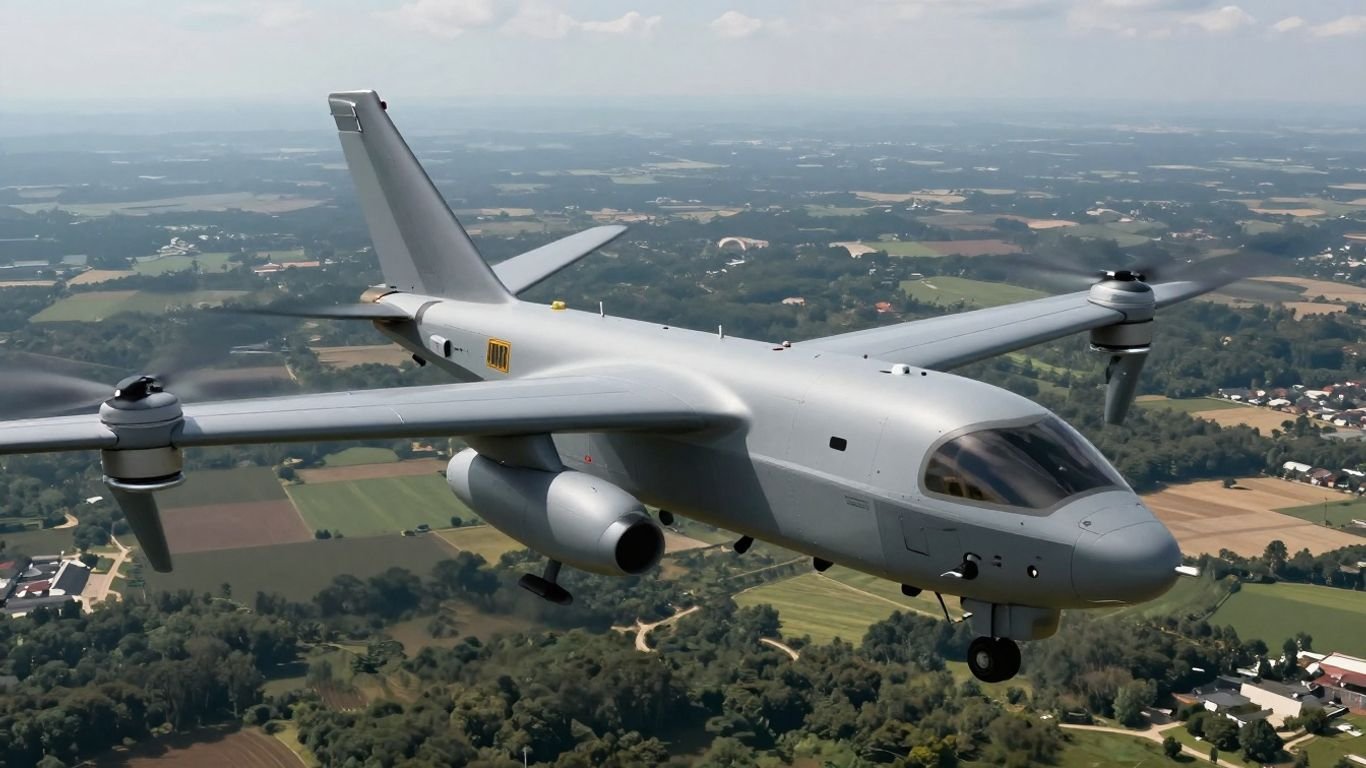
A comprehensive guide to VXE30 Stalker Edge Autonomy capabilities

Key Takeaways
Understanding the complexities of modern unmanned aerial systems is essential for navigating today’s rapid technological advancements in surveillance. The following points summarize the core utility of the VXE30 Stalker platform in current field operations:
- The platform utilizes a modular open systems architecture to support rapid payload adjustments.
- It offers significant endurance for persistent intelligence, surveillance, and reconnaissance missions.
- Operation of the entire system requires a small crew, enhancing efficiency in remote deployments.
- Advanced propulsion technology allows for silent, low-observable flight in sensitive environments.
- The system integrates seamlessly into tactical units seeking versatile, transportable aerial assets.
Technical architecture and design of the VXE30 Stalker
The fundamental structure of this unmanned aerial system relies on a versatile airframe designed for portability without compromising performance. Engineers have focused on balancing weight, durability, and operational ease to ensure that the hardware meets the diverse needs of modern reconnaissance missions. By prioritizing a modular mindset, the design allows users to swap key components rapidly as mission requirements evolve in the field.
Key design specifications and performance metrics
Performance metrics for the airframe are built around mobility and mission longevity. Operators benefit from a design that is optimized for efficiency, allowing it to sustain flight times that exceed typical expectations for platforms of its size. The lightweight construction does not sacrifice structural integrity, ensuring reliability during vigorous maneuvers or landings.
Origins and the Edge Autonomy partnership
The development history of the Lockheed Martin Stalker reveals a trajectory defined by evolution and strategic integration. This collaborative framework was established to provide enhanced capabilities to those in demanding, high-stakes environments. The partnership continues to deliver reliable aerial solutions, solidifying the platform’s presence in current tactical portfolios.
Core mission profiles for the unmanned aerial system
Mission flexibility is a hallmark of this airframe, particularly for groups requiring intelligence and reconnaissance over extended durations. The platform is highly adaptable, fitting into various scenarios from border monitoring to threat identification. The technical characteristics of these missions are summarized below:
| Mission Type | Sensor Requirement | Duration Capability |
|---|---|---|
| Border Inspection | EO/IR Payload | Long-Loiter |
| Threat Identification | SIGINT Module | High-Resolution |
| Environmental Survey | Multi-Spectral | Extended Reach |
The data recorded during these profiles suggests that reliable mission performance hinges on simple, robust decision rules for operators, a concept explored in depth regarding uncertain environments. Adopting these principles allows for consistent outcomes even when situational variables fluctuate rapidly.
Understanding the Edge Autonomy ecosystem
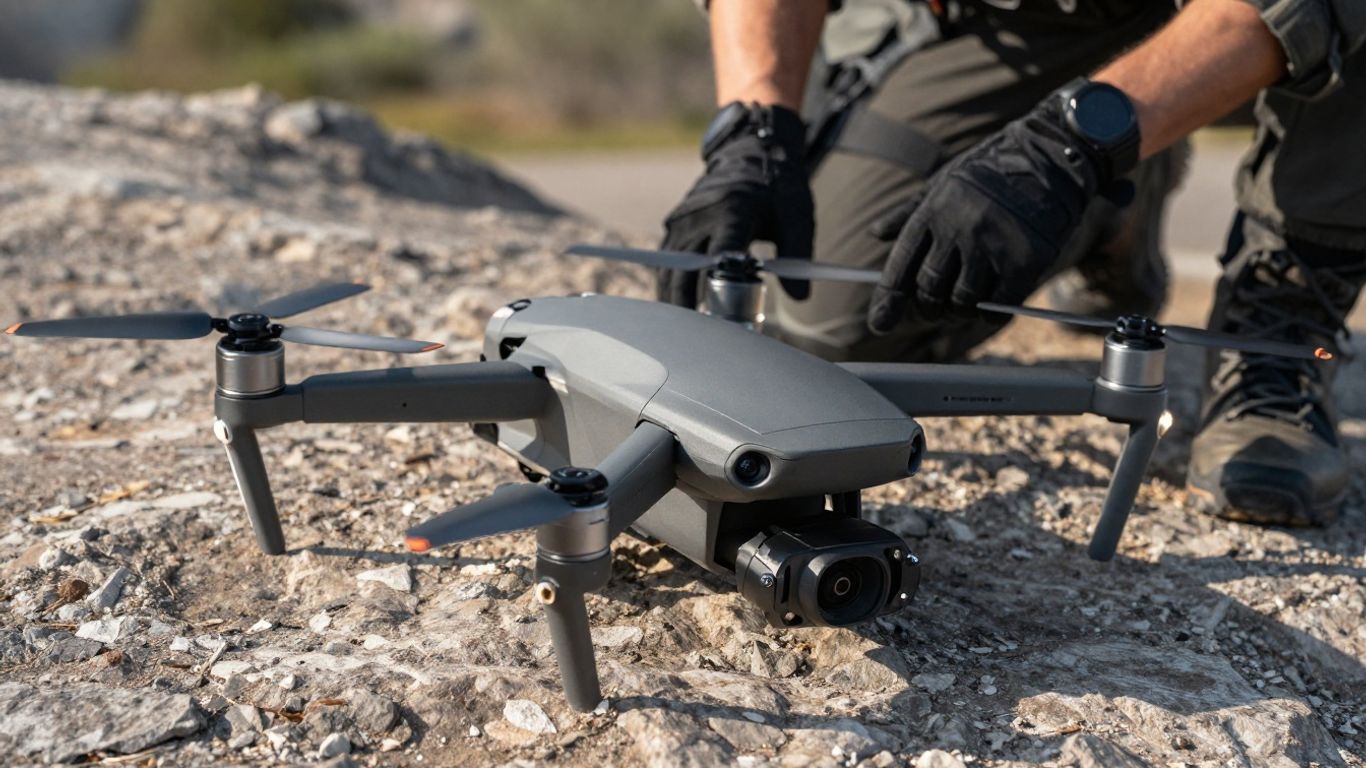
The underlying ecosystem supporting these aerial platforms is designed to provide a cohesive experience for ground crews. Integration is straightforward, allowing operators to focus on intelligence and reconnaissance rather than complex hardware management. This simplicity is vital for modern teams needing to deploy assets in tight timeframes without intensive setup routines.
Integration with modular sensor payloads
Payload capabilities are central to the platform’s utility in diverse environments. Users can rapidly configure the system for light-sensing or nighttime surveillance by utilizing the onboard interfaces. This degree of flexibility means the system can be tailored precisely to the information needs of the ground component, much like the Easy Aerial Osprey which serves as a mission-ready platform for specialized tasks.
Leveraging artificial intelligence for flight management
Autonomous flight management reduces the cognitive burden on the operators during high-tempo tasks. The software continuously processes spatial data to maintain stable trajectories even in dynamic air conditions. This capability mirrors advancements found in the Ghost and Ghost-X platforms, which prioritize real-time processing and autonomous navigation to assist in cluttered airspace environments.
Scalability and cross-platform compatibility
Scalability allows units to expand their operational reach through shared protocols and interface standards. This compatibility ensures that the aerial assets can communicate effectively with existing command structures. Operators can find more technical details and integration benchmarks regarding these standards in the SLM-10 Auterion communication module guidance page, which helps teams maintain link stability during complex operations.
Operational reliability in challenging environments
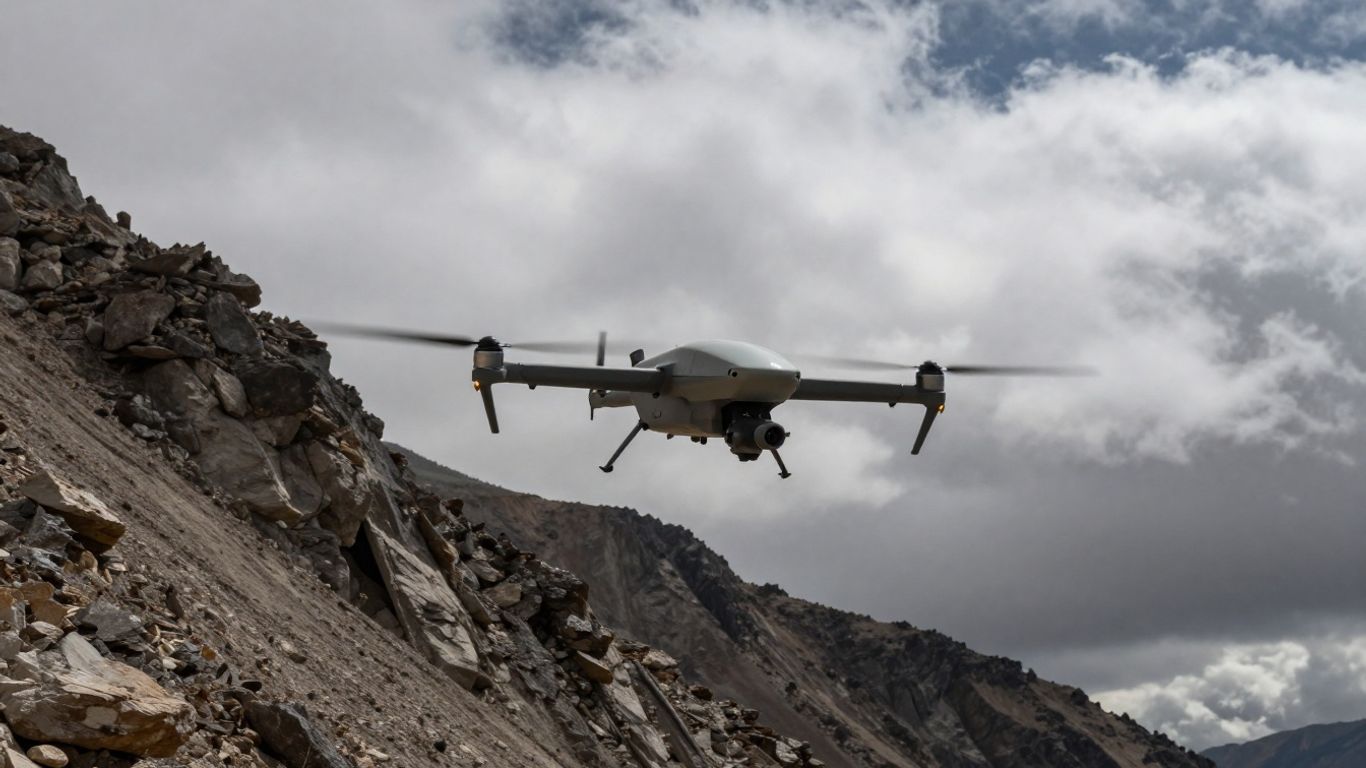
Operating in harsh conditions requires equipment that maintains its performance standards despite environmental stressors. The platform is engineered to handle variable temperature ranges and high-altitude flight, providing a stable foundation for observation. By focus on durability and weather-resistant materials, the system ensures that intelligence gathering remains consistent, regardless of the terrain.
Performance in high-altitude and harsh scenarios
High-altitude performance is achieved through careful balancing of the propulsion and energy delivery systems. Even in thin air or extreme fluctuations in climate, the airframe retains its lift and aerodynamic efficiency. These capabilities are crucial for operations where environmental factors are as much a threat as situational variables, similar to the endurance offered by the Ascent AeroSystems Spirit for visual intelligence gathering.
Resistance to signal interference and electronic warfare
Maintaining a secure data link is the backbone of current reconnaissance success. The system is designed to minimize the impact of external disruption, ensuring that the visual feeds and telemetry remain clear for the ground team. Such resilience is critical for any team operating in contested zones where signal integrity cannot be guaranteed.
Field maintenance protocols and system longevity
Maintaining the airframe is designed to be as user-friendly as its initial setup for field teams. Proper maintenance schedules extend the life of these sensitive components significantly. Teams should focus on the following core activities to maintain readiness:
- Inspecting the structural integrity of the airframe before every flight.
- Updating the internal flight software to the latest secure version.
- Performing regular checks on battery connection points for wear.
- Calibrating the sensor modules for peak data accuracy.
- Storing all components in the provided ruggedized cases between deployments.
Following these protocols ensures that the investment in high-end surveillance hardware is protected over its full operational cycle.
Tactical advantages for military and civil reconnaissance
Propulsion technology within the system offers a unique advantage for discreet observation missions. The efficiency of the electric motor significantly reduces the acoustic signature of the airframe, which is a major factor in maintaining a low profile during tactical surveillance. This allows for closer approach vectors without alerting potential targets to the presence of an airborne observer.
Enhancing situational awareness through silent propulsion
Silent operation facilitates closer monitoring of areas that require a subtle footprint. By reducing audible output, the system allows teams to move through airspace with a reduced risk of visual or auditory detection. This advantage is shared by the AgEagle eBee TAC, which leverages similar characteristics to improve situational awareness for localized infantry units.
Long-endurance flight capabilities for persistent surveillance
Persistence is perhaps the most significant tactical factor for units tasked with intelligence gathering. The airframe’s ability to remain aloft for extended periods ensures that threat movements can be tracked thoroughly. This endurance fills a gap in short-term reconnaissance, as highlighted by the Redwire Space Stalker Block 30 which focuses on providing flexible coverage for various ISR mission kits.
Real-time data processing and secure transmission
Real-time delivery of actionable imagery is essential for tactical decision-making at the squad and platoon levels. The platform processes high-resolution visual data onboard prior to sending it over an encrypted link to the field station. This mechanism reduces latency and allows leaders to react instantly to changes on the ground, similar to the high-efficiency imagery platforms like the eBee VISION AgEagle which prioritize clarity and rapid deployment.
Strategic implementation of the VXE30 Stalker
Integration into existing aviation strategies requires careful planning and training for all involved personnel. Units that have successfully fielded the airframe often report that the transition is seamless when operators understand the fundamental dynamics of its VTOL performance. This strategic alignment allows for the rapid integration of small drones into larger rotary-wing aviation units, maximizing the impact of available aerial resources.
Training requirements for specialized flight operators
Instruction protocols are focused on transitioning military personnel toward autonomous systems. The training emphasizes flight basics, sensor handling, and emergency recovery, ensuring individuals are competent within a short period. As seen with recent deployments at Fort Rucker, soldiers can rapidly gain the necessary skills to operate these systems if they have a strong foundation in tactical reconnaissance fundamentals.
Logistics and transportability in remote deployment locations
Logistical simplicity allows a two-person team to handle the system from transit to launch. Because the entire system travels in a standard vehicle, there is no need for specialized heavy transport, which minimizes the overhead cost of deployment. This ease of transport is essential when missions must cross difficult terrain or operate in areas with minimal infrastructure.
Compliance and safety standards for global airspace integration
Adhering to safety protocols ensures that these platforms can operate alongside other aviation assets without conflict. Compliance includes formalizing flight paths and maintaining secure links, which are vital for integrating uncrewed platforms into global and national airspace. For those interested in high-performance variations that push these strategic boundaries further, the VXE30 Stalker "Havoc" configuration provides expanded payload options for more complex environments.
Conclusion
Selecting the right reconnaissance platform involves balancing technical performance with logistical ease and long-term durability. By prioritizing systems that offer silent operation, extended flight, and modular utility, organizations can enhance their situational awareness significantly. As demonstrated by the operational successes of systems like the VXE30 Stalker, the future of aerial surveillance lies in platforms that are agile enough for the individual unit while powerful enough for high-level tactical intelligence.
Frequently Asked Questions
What does VTOL mean in the context of tactical drones?
Vertical Take-Off and Landing, or VTOL, refers to the ability of an aircraft to hover, take off, and land vertically without the need for a runway. This is a critical feature for tactical units that frequently operate in confined or rough environments where traditional runways are unavailable.
How does signal interference impact drone performance?
Signal interference can lead to reduced control range, lost telemetry, or poor image quality from sensors. Advanced drone systems are designed with high-frequency hopping and encryption to maintain a stable link even when environmental or electronic disruption is present in the area.
Can these drones operate during nighttime conditions?
Most modern reconnaissance drones are equipped with electro-optical or infrared sensors that permit observation in low-light and total darkness. These sensors identify heat signatures, allowing for effective target tracking regardless of the time of day or standard visibility.
How long does it usually take for a crew to learn these systems?
Learning cycles vary by platform, but many tactical drones are designed for intuitive operation, allowing trained soldiers to become proficient within a few weeks of concentrated instruction. The process is expedited by using simulated environments that mimic real-world flight dynamics.
What is meant by modular sensor payloads?
Modular payloads allow the operator to replace the primary camera or sensor unit based on the specific mission needs. This means a single drone can be rapidly shifted from high-resolution optical inspection to nighttime thermal surveillance by simply swapping the front-facing component.
Why is a silent propulsion system important for reconnaissance?
Silent propulsion is a key factor in covert operations because it reduces the acoustic signature of the aircraft, making it much harder to detect from the ground. This allows the drone to observe areas more effectively without alerting targets to its presence.
Is specialized transport required for lightweight drone systems?
Lightweight tactical drones rarely require specialized transport and are typically designed to fit into ruggedized cases that can be carried by a small team in standard vehicles. This portability is a key advantage for teams operating in remote or unpredictable deployment locations.