A comprehensive guide to the ModalAI Seeker Vision FPV system

Key Takeaways
- The system integrates advanced computer vision with low-latency streaming to support complex reconnaissance.
- Onboard processing allows the aircraft to navigate independently even when global positioning signals are unavailable.
- Customizable sensor payloads provide versatility for professional enterprise and government applications.
- Secure manufacturing compliance ensures adherence to strict operational standards expected in tactical environments.
- Modular software tools allow developers to adapt the flight stack to unique mission requirements.
Hardware and design features
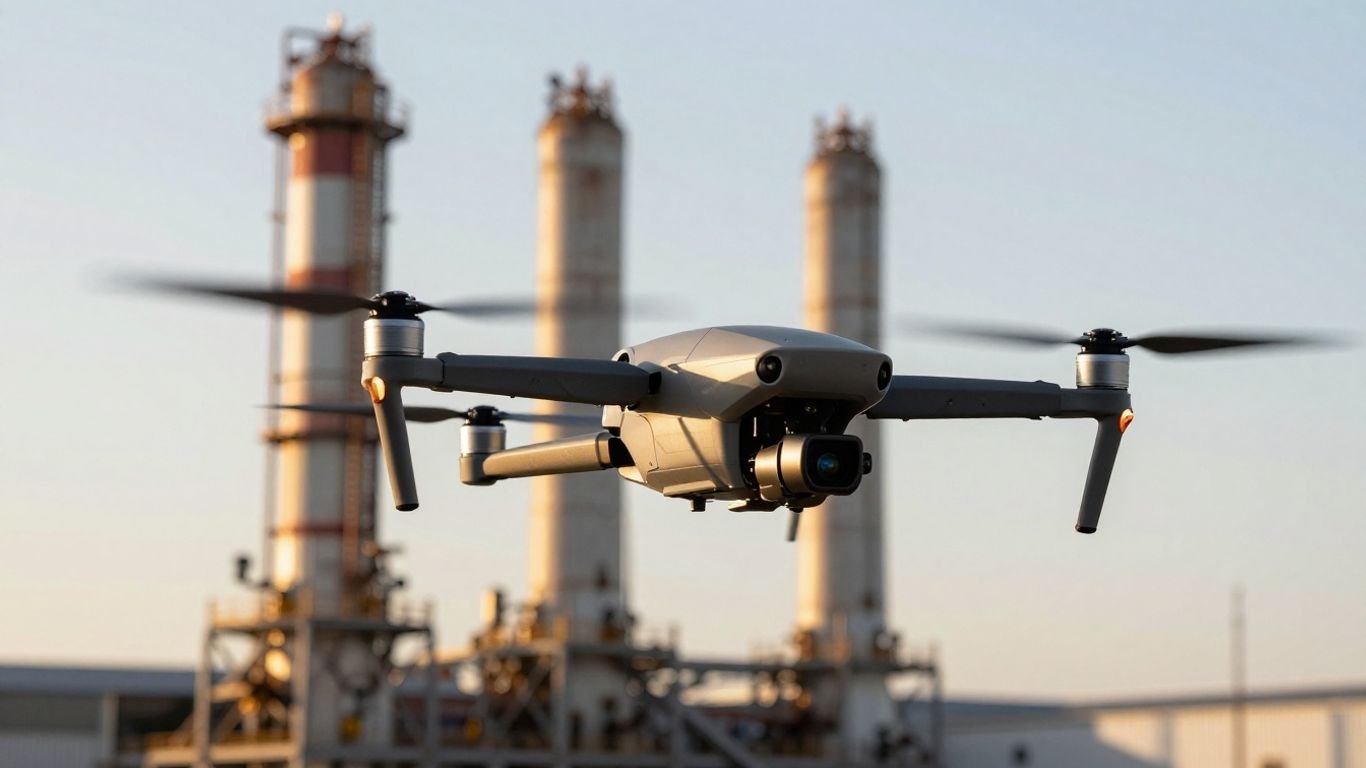
Selecting a reliable platform for aerial reconnaissance requires balancing structural integrity with effective sensor utility. The architecture is designed to maintain balance during erratic maneuvers while housing delicate electronic components within a reinforced frame. By tailoring the physical configuration to specific mission needs, operators achieve consistent performance across various operational contexts.
Airframe and payload capabilities
Modern airframe construction relies on lightweight composite materials that prioritize both strength and flight stability. The system is engineered to accommodate diverse sensor packages tailored for specific industrial tasks, from thermal imaging to high-resolution optical data collection. Users can swap these modules quickly, ensuring the unit remains adaptable as project scope evolves throughout the day.
Propulsion systems and flight duration
Efficient propulsion is essential for maximizing time spent aloft, particularly during extended surveillance sessions. By optimizing motor performance and rotor geometry, the aircraft achieves a balance between raw speed and power conservation. The following table summarizes the typical performance metrics observed across different operational payloads:
| Payloads | Est. Flight Time | Power Consumption |
|---|---|---|
| Standard EO | 32 minutes | Moderate |
| Thermal Package | 28 minutes | High |
| LiDAR Sensor | 25 minutes | Very High |
These metrics illustrate the operational trade-offs required when selecting sensors for longer missions, helping teams plan more effectively.
Communication protocols and radio requirements
Reliable connectivity ensures that critical telemetry data and video streams reach the ground station without interruption. The platform utilizes encrypted channels to protect information flows, addressing the security needs of professional users. Compatibility with standard Blue UAS radio frequencies remains a cornerstone of the system’s design, ensuring that integration into existing ground control setups proceeds smoothly.
The role of the VOXL 2 platform
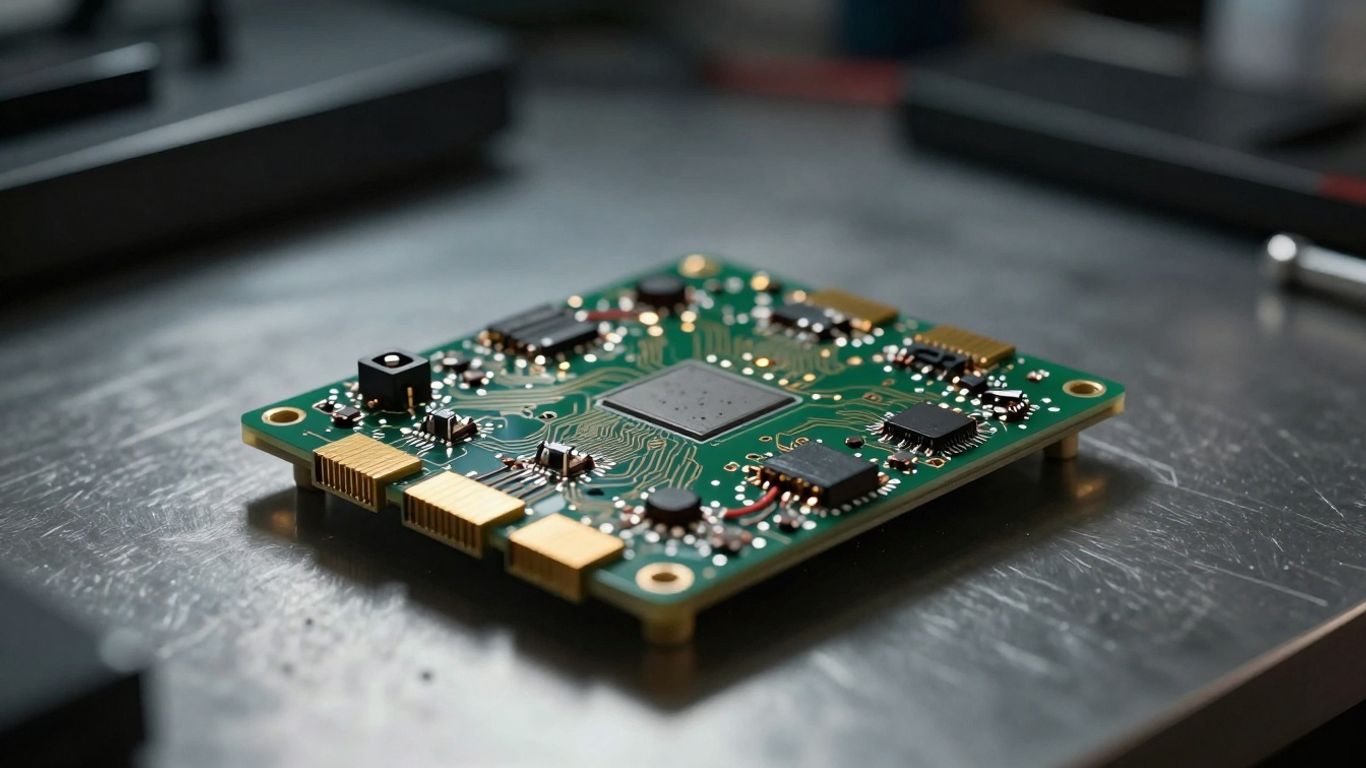
At the heart of the platform sits a sophisticated processing architecture designed to handle intensive data tasks locally. By offloading complex calculations to the edge, the system reduces reliance on heavy ground support and minimizes reaction times. This onboard intelligence is what separates generic flight controllers from truly capable robotic systems.
Leveraging Qualcomm robotics processors
Utilizing Qualcomm robotics processors enables the device to manage high-throughput data processing tasks essential for active perception. These chipsets provide the necessary performance to run multiple neural networks simultaneously without inducing significant thermal strain. The computational headroom allows for advanced features that otherwise might require secondary hardware units.
Managing onboard computational resources
Efficient software optimization ensures that system memory and processing cycles are prioritized for flight-critical tasks. By balancing background telemetry with active sensor inputs, the onboard stack remains responsive throughout the duration of a flight. Proper resource allocation prevents latency spikes that could jeopardize precision maneuvering in confined areas.
Software ecosystem and development environment
Developers gain access to an open-source framework that facilitates rapid testing and deployment of custom mission logic. This environment allows for the integration of unique algorithms directly into the flight stream, fostering a high level of operational flexibility. Using the Stinger Vision FPV software tools, teams can build upon existing foundations to create sophisticated autonomous behaviors tailored for specific enterprise use cases.
Optimizing the FPV interface
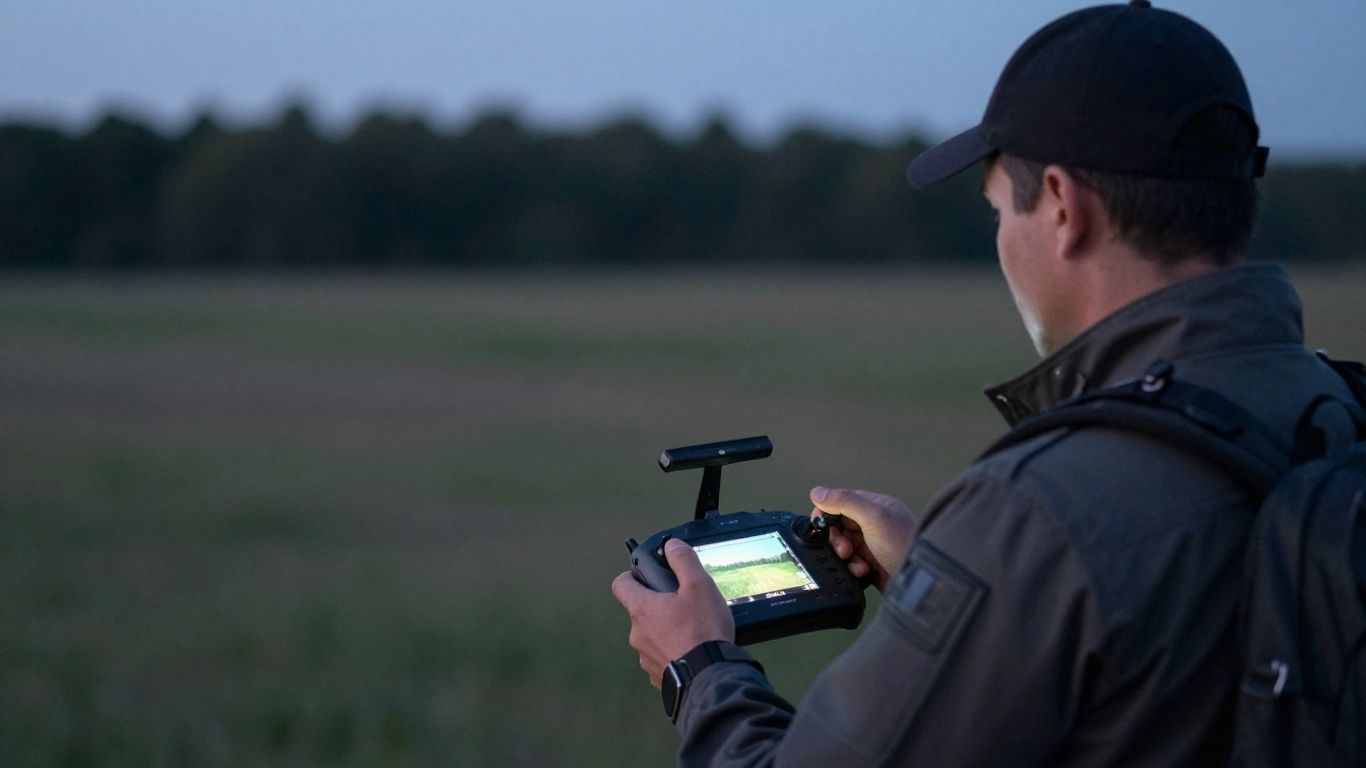
Creating a transparent link between the pilot and the aircraft requires careful tuning of video throughput. When the goal is real-time navigation, every millisecond of delay matters for maintaining orientation. Achieving high-fidelity streaming under challenging radio conditions demands a holistic approach to signal management and hardware synchronization.
Latency reduction and streaming performance
Streaming performance is primarily a result of optimized hardware and digital signal processing. By minimizing the stages of encoding and decoding, the system delivers a smooth visual feed that supports high-speed flight. Ensuring that the video downlink remains synchronized with the pilot’s control inputs is essential for safe operation in dynamic environments.
Camera integration and optical specifications
High-quality sensors provide the visual data necessary for both piloting and data collection. The integration process involves calibrating optics to ensure field-of-view consistency and color accuracy even in varied lighting conditions. Whether capturing standard RGB imagery or thermal spectra, the system maintains high data integrity for post-flight analysis.
Pilot control configuration and latency management
Controls must be configured to prioritize feedback consistency over input complexity. By standardizing the communication link, teams avoid the complications associated with variable jitter in control signals. Proper setup procedures allow the Seeker Vision FPV ModalAI system to feel remarkably responsive, facilitating precise movements even during complex maneuvers.
Implementing autonomous flight pathways
Autonomous navigation introduces new possibilities for missions that require consistent data collection without constant manual adjustment. The ability to rely on onboard perception means that the aircraft can navigate complex spaces while prioritizing safety. This layer of intelligence empowers the system to handle tasks that would be otherwise fatiguing for a pilot.
VIO capabilities for GPS-denied navigation
Visual Inertial Odometry provides a mechanism for position tracking when satellite signals are obstructed, such as within industrial facilities. The fusion of inertial sensor data and visual feedback allows for precise station-keeping. Key features enabling this capability include:
- Multi-perspective camera tracking for drift correction
- High-frequency updates from integrated inertial measurement units
- Real-time environment mapping for position verification
- Seamless transitions between GPS-assisted and GPS-denied states
These combined data streams ensure that the aircraft maintains its intended path even despite environmental challenges.
Obstacle detection and real-time avoidance
Real-time avoidance relies on continuous spatial monitoring to identify stationary or moving objects in the flight path. By building a local occupancy map, the aircraft can adjust its vector dynamically to navigate around debris or structural members. This reactive performance is a hallmark of an integrated, perception-heavy system.
Programming custom AI models for edge computing
Programming involves training machine learning models that interpret local sensor data to trigger specific flight behaviors. By deploying these models directly to the edge, the device can act on information locally rather than waiting for ground-based processing instructions. This speed is critical for tasks like identifying infrastructure flaws or tracking objects through complex visual fields.
Maintenance and regulatory compliance
Ongoing care extends the service life of sensitive electronic components significantly. Following standardized procedures ensures that the aircraft remains ready for deployment whenever needed. Professional maintenance is not just about repairs; it is about proactive oversight of the entire aerial system’s health.
Battery management and charging safety
Managing energy sources involves monitoring cell health and avoiding deep discharges that might degrade capacity over time. Safe charging practices are paramount, requiring designated fire-safe storage and regular battery inspections. Adherence to manufacturer charging cycles ensures the hardware maintains consistent performance throughout its operational lifecycle.
Adherence to Blue UAS manufacturing standards
Compliance with security standards is required for operators working in enterprise or government sectors. By documenting the supply chain and adhering to specific manufacturing requirements, the platform meets the criteria for secure deployment in sensitive zones. This commitment to transparency ensures that data remains protected throughout the mission lifespan.
Firmware deployment and system debugging procedures
Debugging requires a methodical approach to identifying software anomalies before they manifest as flight issues. Developers should regularly perform system health checks to ensure that firmware updates align with established flight parameters. This rigorous testing regimen supports the high standard of reliability that operators expect from an advanced Inspired Flight Technologies integrated platform.
Conclusion
Modern aerial platforms provide the necessary capabilities for data-intensive reconnaissance through a blend of local intelligence and robust hardware. By leveraging advanced processing modules, operators can execute mission goals with greater precision and efficiency than traditional systems allowed. As these technologies continue to evolve, the focus on integration, security, and operator support remains essential for maintaining the standard of performance required for complex industrial and government tasks.
Frequently Asked Questions
How does the drone handle flight without satellite reception?
The platform utilizes visual inertial odometry to track movement by comparing sequential imagery and inertial unit data, allowing it to navigate independently when satellites are unavailable.
Can the payload system be customized for different sensors?
Yes, the aircraft is built with modular mounting points and interface connections that support rapid swapping of electro-optical, thermal, or other specialized sensor packages.
What measures ensure the drone remains secure during operation?
Security is addressed through encrypted data transmission protocols and adherence to manufacturing frameworks mandated for professional and enterprise use cases.
How long can the aircraft stay airborne?
Flight duration varies based on the payload attached and the environmental conditions, typically ranging from twenty-five to over thirty minutes per battery charge.
Is the system difficult to learn for new pilots?
By incorporating AI-enhanced stabilization and navigation modes, the platform is designed to reduce the pilot training burden compared to fully manual flight systems.
What maintenance is required for long-term reliability?
Regular maintenance involves checking rotor integrity, performing firmware updates, and ensuring battery health according to the provided usage guidelines.
Are there specific radio frequency requirements?
The system operates on standard bands compatible with many common enterprise-grade transmitters, ensuring consistency and reliability across various operational environments.