Revolutionize Your Property Assessments: The Ultimate Guide to Drones for Roof Inspections

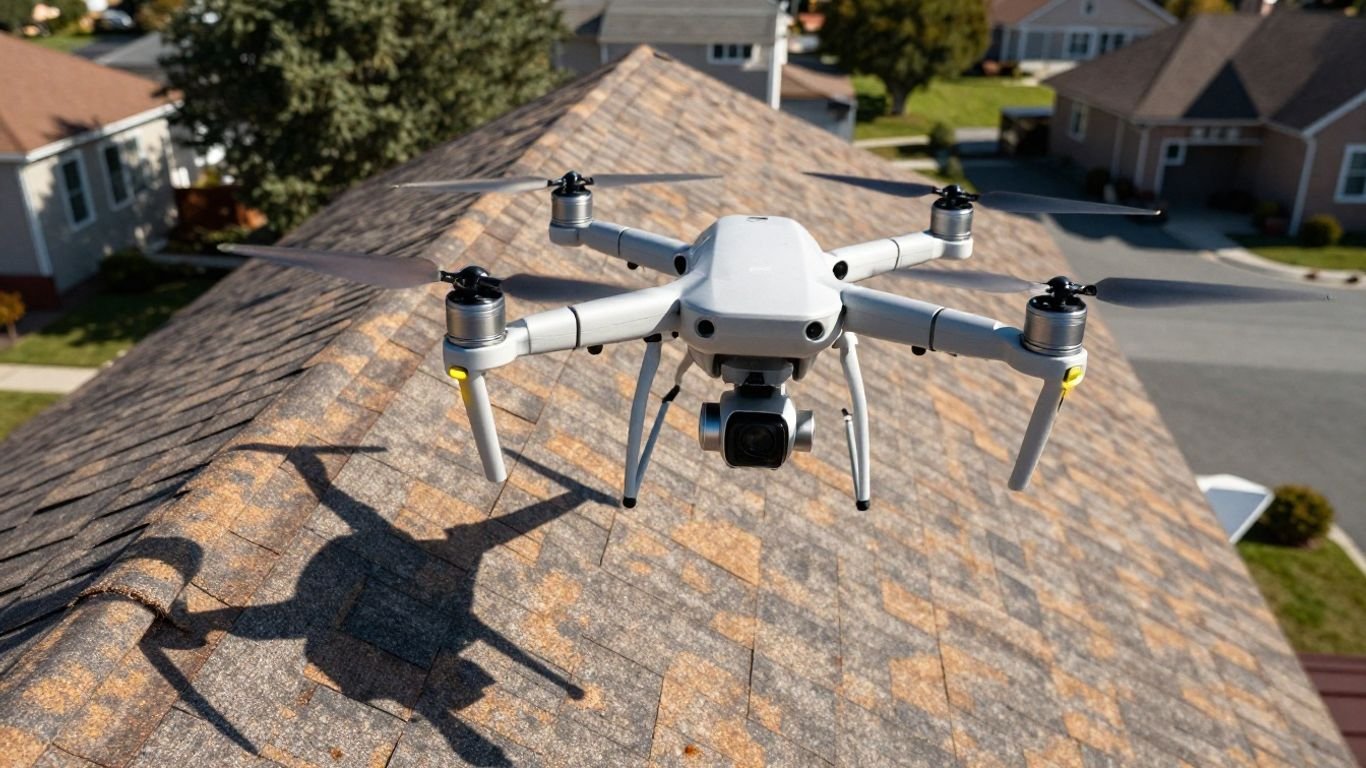
When roof problems pop up, using drones for roof inspections gives you a fast, safe, and clear way to check things out. It’s way less risky than climbing up there yourself. Drones give you a bird’s-eye view with sharp pictures, showing you exactly what’s going on. This guide talks about why drone roof surveys are the way to go, what you get out of them, and how they’re changing how we look at properties.
Key Takeaways
- Drones for roof inspections make things safer and quicker. You get clear, detailed pictures and finish the job fast, without needing to get on risky roofs.
- Using drones for roof checks saves money. You spend less on people and gear, and catching small problems early stops big repair bills later.
- Picking a drone inspection service means checking if they follow the rules and if the pilots know their stuff. Look at their past work and the tech they use.
- Drones can get to tricky spots on any roof, from steep slopes to tall buildings, making sure nothing is missed during an inspection.
- Drone inspections are good for checking roofs after bad weather, for regular check-ups, or when you see signs of damage like leaks or worn-out gutters.
Elevating Roof Inspections: The Drone Advantage
Minimizing Risk with Unmanned Aerial Vehicles
Let’s be honest, climbing onto a roof, especially a steep or old one, can be pretty nerve-wracking. Traditional inspections often put people in risky situations, requiring ladders, harnesses, and a good dose of courage. Drones completely change this picture. They let us get a bird’s-eye view without anyone having to put themselves in harm’s way. This is a huge win for safety. By using unmanned aerial vehicles (UAVs), we can inspect nearly any roof, no matter how tricky, from the safety of the ground. It’s a much smarter way to check things out, avoiding potential falls and injuries that come with manual access. This technology is a real game-changer for property assessments, making the whole process safer and more accessible. You can get a detailed look at your roof without the danger, which is pretty great if you ask me. It’s like having a super-powered pair of eyes that can go anywhere. This approach is a significant step forward, making sure that potential issues are spotted without putting anyone at risk. For more on how drones are transforming inspections, check out drone roof inspections.
Rapid Deployment for Timely Assessments
When you need a roof checked, you usually want it done sooner rather than later, right? Waiting around for someone to set up ladders and safety gear can take ages. Drones, however, are ready to go in minutes. You can launch one and start getting aerial views almost immediately. This means we can finish inspections much faster than before. Think about it: instead of spending half a day on setup and inspection, a drone can often cover a standard roof in under an hour. This speed is fantastic for property owners and managers who need quick information. It allows for more frequent checks and faster responses to any problems that pop up. Plus, the data collected can be sent off right away, speeding up the whole process from inspection to report. It’s all about getting you the information you need, when you need it.
Comprehensive Aerial Perspectives
Sometimes, looking at a roof from the ground or even from a ladder just doesn’t cut it. You miss details, especially on complex rooflines or areas hidden from view. Drones give us a totally different perspective. They can fly around, over, and even hover above the roof, capturing images from angles you’d never get otherwise. This means we can see the whole picture, spotting things like cracked shingles, damaged flashing, or clogged gutters that might be missed with older methods. It’s like getting a 3D map of your roof’s condition. This detailed view helps pinpoint problems accurately, leading to better repair plans and preventing small issues from becoming big headaches. For construction sites, this level of visibility is also incredibly useful for overall project oversight. See how drone photography helps in construction.
Here’s a quick look at what makes the drone perspective so useful:
- Full Coverage: Drones can access every inch of the roof, including hard-to-reach valleys and edges.
- High-Resolution Images: Get crystal-clear photos that show even minor wear and tear.
- Multiple Angles: Capture shots from various heights and positions for a complete understanding.
This detailed aerial view is what allows for truly proactive property maintenance, catching issues before they escalate into costly repairs.
Safety First: Mitigating Hazards with Drones
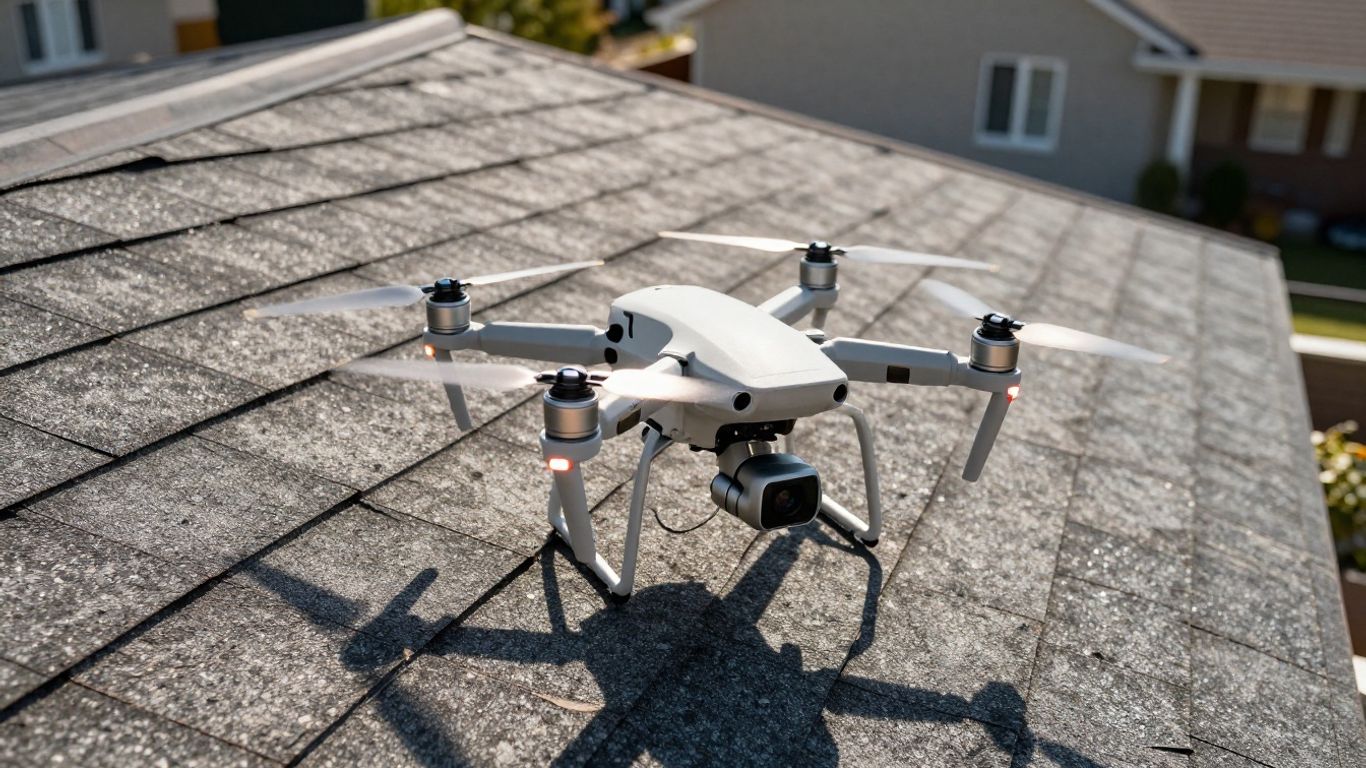
Working on roofs, especially older ones or those with steep pitches, can be pretty risky. You’ve got slips, falls, and the general danger of working at heights. Traditional methods often mean someone has to get up there, sometimes precariously, to get a good look. This is where drones really change the game.
Eliminating the Need for Physical Roof Access
One of the biggest safety wins with drones is that they completely remove the need for people to physically climb onto the roof. Think about it: no more ladders to set up precariously, no more walking on potentially unstable surfaces. Drones fly overhead, capturing all the necessary data from a safe distance. This drastically cuts down on the chances of accidents related to falls or structural collapse during an inspection. It’s a much safer way to get eyes on the roof, plain and simple.
Reducing Risks on Steep or Deteriorated Structures
Some roofs are just plain dangerous to be on. We’re talking about very steep slopes, roofs covered in ice or snow, or structures that are clearly falling apart. Sending a person onto these is asking for trouble. Drones, however, don’t care if the roof is slick or crumbling. They can get close enough to see the details without putting anyone in harm’s way. This is a huge benefit for assessing properties in areas with challenging weather or for older buildings that might not be structurally sound enough for foot traffic. It allows for thorough inspections of even the most difficult-to-access areas, like chimneys or complex rooflines.
Secure Remote Inspections
Beyond just physical safety, drones also contribute to overall security during inspections. Because the inspection is conducted remotely, there’s less need for extensive site access or prolonged presence on the property, which can be a concern for some homeowners or businesses. The data is collected efficiently and can often be reviewed off-site. This also means that if you need to inspect something like HVAC units on a rooftop, you can do so with minimal disruption and without needing to coordinate extensive access protocols, like notifying building management 48 hours in advance for HVAC inspections.
Drones offer a practical solution to the inherent dangers associated with traditional roof inspections. By keeping personnel safely on the ground, they significantly reduce the risk of accidents and injuries, making property assessments more secure and accessible for everyone involved.
Speed and Efficiency in Property Assessments
When it comes to property assessments, time really is money. Traditional methods can drag on, involving a lot of setup and manual work. That’s where drones really change the game. They can zip around a roof and gather all the necessary information way faster than someone climbing around with a clipboard.
Accelerated Survey Completion Times
Think about it: no more wrestling with ladders or setting up scaffolding. A drone can be airborne and collecting data in minutes. For a standard-sized roof, the entire inspection might take less than an hour, sometimes even under 30 minutes. This speed means inspectors can fit more jobs into their day, which is a big win for productivity. It’s a stark contrast to the hours it could take to manually inspect a large or complex roof. This rapid turnaround is especially helpful when you need a quick assessment, like after a storm.
Streamlined Data Transmission and Analysis
Once the drone has done its work, the data it collected – high-resolution photos and videos – can be sent off almost immediately. This means the analysis can start right away, instead of waiting for someone to get back to the office and download everything. This quick data flow helps speed up the whole process, from inspection to report. You can get the information you need to make decisions much faster. This is a huge benefit for property managers and owners who need timely updates. For professionals looking for advanced aerial footage, drones like the Autel Robotics Dragonfish offer incredible capabilities [83ab].
Maximizing Productivity with Faster Turnarounds
Ultimately, all this speed and efficiency adds up. By cutting down inspection times and speeding up data handling, drones help maximize the productivity of assessment teams. This means less downtime, more efficient use of resources, and quicker project completion. It’s a more modern, effective way to get the job done. Drone roof inspections offer significant advantages, including enhanced worker safety by eliminating the need for manual climbing [2cf4].
Here’s a quick look at how drone inspections stack up:
- Reduced Inspection Time: From hours to under an hour.
- Faster Data Delivery: Immediate transmission for quick analysis.
- Increased Job Capacity: More inspections per day.
- Quicker Reporting: Expedited report generation.
The ability to gather detailed visual information quickly and safely from the air means that potential issues can be identified and addressed much sooner. This proactive approach saves time and resources down the line.
Clarity from Above: High-Quality Imagery and Data
Capturing Ultra-High-Definition Visuals
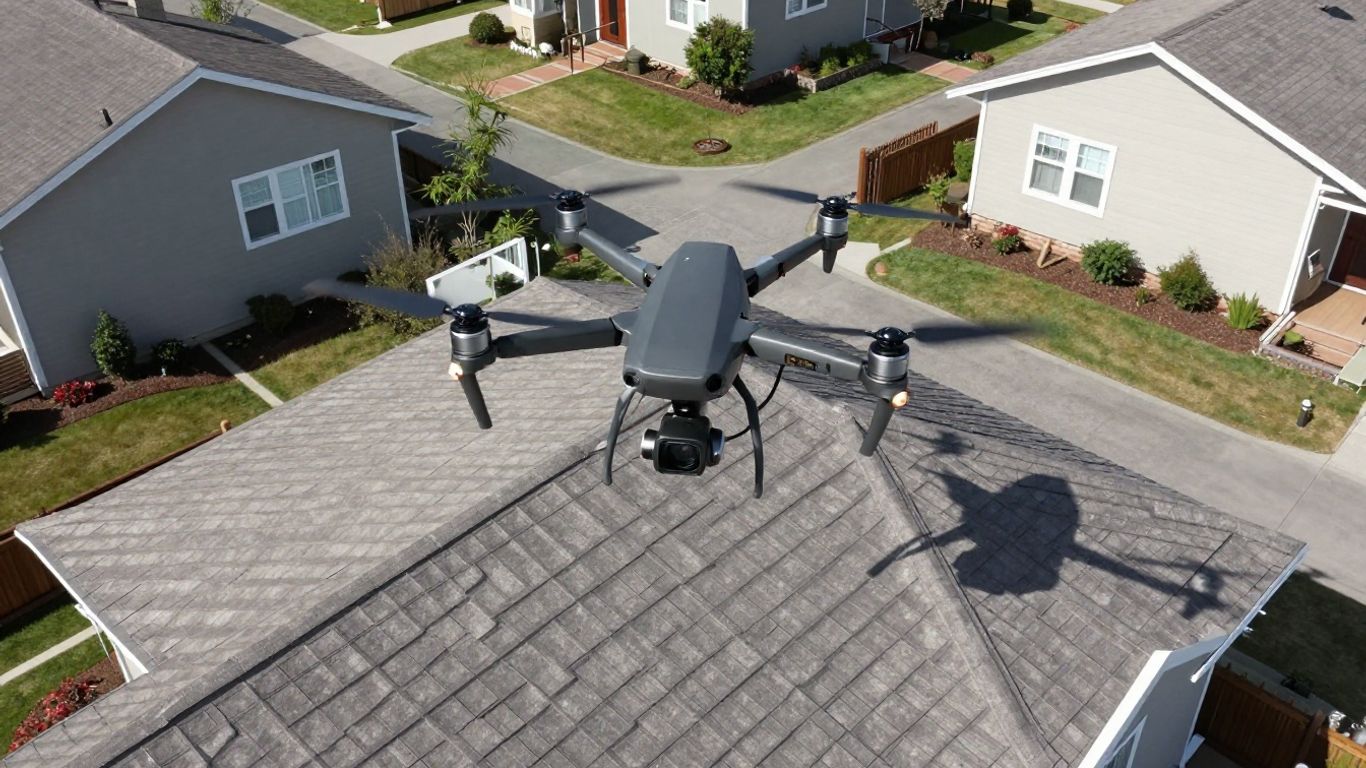
Drones equipped with advanced cameras are changing how we see roofs. Forget grainy photos from a distance; these machines capture incredibly sharp images and smooth video. This level of detail means you can spot issues you’d otherwise miss. Think of it like upgrading from an old flip phone camera to a professional DSLR – the difference is that dramatic. This technology allows for detailed views of roof elements and flaws, giving a much clearer picture of the roof’s condition. It’s about getting a bird’s-eye view that’s also incredibly close-up when needed.
Detailed Views of Roof Elements and Flaws
When a drone flies over, it’s not just taking a pretty picture. It’s meticulously documenting every shingle, vent, flashing, and seam. Inspectors can zoom in on specific areas, examining the texture of materials, looking for signs of wear, cracks, or missing components. This is especially helpful for identifying subtle damage that might be overlooked during a ground-based inspection. For instance, a drone can easily spot a loose shingle or a small crack in flashing that could lead to bigger problems down the line. This detailed visual record is invaluable for accurate assessments and planning repairs. It’s like having a magnifying glass for your entire roof.
Utilizing Advanced Sensors for Precise Analysis
Beyond just visual cameras, some drones come with specialized sensors that add another layer of insight. Thermal cameras, for example, can detect temperature differences, which is great for finding areas where insulation might be failing or where moisture is trapped. This is particularly useful for detecting leaks without having to tear into the roof. LiDAR sensors can create detailed 3D maps of the roof structure, providing precise measurements and identifying any structural anomalies. These advanced tools help paint a more complete picture, moving beyond simple visual checks to a more scientific analysis of the roof’s health. This kind of data is what helps property managers make informed decisions about maintenance and repairs, potentially saving a lot of money in the long run. You can find more about drone roof inspection software here.
- High-Resolution Photography: Captures sharp, detailed still images for close examination.
- 4K Video Recording: Provides smooth, clear footage for dynamic inspection of the entire roof surface.
- Thermal Imaging: Detects temperature variations to identify hidden moisture or insulation issues.
- LiDAR Scanning: Creates precise 3D models for accurate measurements and structural analysis.
The ability to capture such detailed visual and sensor data from a safe distance significantly reduces the guesswork involved in roof assessments. It provides objective evidence that supports repair recommendations and helps prioritize maintenance tasks effectively.
Cost-Effectiveness of Drone Roof Surveys
When you look at the numbers, using drones for roof inspections just makes sense. Forget about the old ways of doing things, which often meant a lot of hassle and expense. Drones offer a significantly more budget-friendly approach to getting a clear picture of your roof’s condition.
Reducing Labor and Equipment Expenses
Think about what goes into a traditional roof inspection. You’ve got the inspector’s time, sure, but also the cost of ladders, scaffolding, or even those big cherry picker machines. Setting all that up takes time, and renting or owning that equipment isn’t cheap. Plus, you might need a whole crew just to be safe. Drones change all of that. A single, trained pilot can get the job done quickly from the ground. This means fewer man-hours and no need for pricey equipment. It’s a pretty straightforward trade-off that leads to noticeable savings. In fact, drone inspections can cut down on overall inspection costs by a good chunk, sometimes between 20-35% compared to manual methods.
Avoiding Costs of Scaffolding and Lifts
Scaffolding and lifts are expensive. Not just to rent, but also the labor to set them up and take them down. For complex roofs or taller buildings, these costs can really add up. Drones completely bypass this. They fly up to the roof, capture all the necessary footage, and land, all without a single piece of heavy equipment being involved. This is a huge win for budgets, especially for routine checks or when you need a quick assessment after a storm. It’s like getting a bird’s-eye view without the bird’s-eye price tag.
Long-Term Financial Benefits of Proactive Maintenance
This is where drones really pay for themselves over time. By getting detailed images and data, you can spot small issues – like a loose shingle or a clogged gutter – before they turn into major, expensive problems. Catching a small leak early can save you from dealing with water damage, mold, and structural issues down the line. This proactive approach means fewer emergency repairs and less money spent on major overhauls. It’s about smart, preventative care that keeps your property in good shape and your wallet happier. Regular drone surveys help you stay ahead of potential damage, making them a smart investment for any property owner looking to manage costs effectively. You can find more information on how these services work by looking at drone inspection services.
The ability to identify minor issues before they escalate is a key financial advantage. Early detection through high-resolution imagery allows for targeted repairs, preventing the domino effect of damage that can lead to significantly higher costs later on.
Understanding Drone Inspection Service Offerings
When you decide to go with a drone for your roof inspection, it’s not just about hiring someone with a flying camera. There’s a whole range of services out there, and knowing what to expect can save you a lot of hassle. Think of it like picking a contractor for any other job – you want to know what you’re getting.
Service Inclusions: From Images to Analysis
Most drone inspection services will give you high-resolution photos and videos of your roof. That’s the basic package. But some go further, offering detailed analysis of what those images show. This can include identifying specific types of damage, like cracked shingles or clogged gutters. The level of detail in the analysis can really make a difference in how you approach repairs. Some providers might even offer 3D modeling of your roof, which is pretty neat for visualizing the whole thing. It’s worth asking what exactly is included in their standard package and what costs extra. You don’t want any surprises down the line.
Comprehensive Report Generation
After the drone has done its work, you’ll usually get a report. What’s in that report can vary a lot. A good report will break down the findings clearly. It might start with a summary, then go into the details of the roof’s condition, point out any problems, and suggest what needs to be done. Some reports are just a list of issues, while others offer recommendations for repairs or maintenance. It’s important to get a report that’s easy to understand and gives you actionable information. You’re looking for something that helps you make decisions, not just a stack of pictures.
Assessing Provider Expertise and Portfolios
Before you hire anyone, do a little digging. Check out their past work. Do they have a portfolio of similar inspections? What kind of properties have they worked on? It’s also a good idea to see if they have any certifications or special training. For instance, understanding FAA regulations is a big deal for drone operators. You want someone who knows how to fly safely and legally. Don’t be afraid to ask questions about their experience and how they handle different situations. A provider with a solid track record and clear communication will make the whole process much smoother. It’s like picking a team for a drone racing event; you want skilled pilots who know their equipment.
When to Opt for a Drone Roof Survey
So, when exactly should you be thinking about getting a drone up there to check out your roof? It’s not just for when things look really bad, though that’s definitely a time to consider it. Think of it as a smart move for different situations.
Post-Weather Event Assessments
This is a big one. After a serious storm rolls through – we’re talking high winds, heavy hail, or even just a really intense downpour – your roof might have taken a beating. It’s crucial to get a drone up there quickly to see if there’s any damage. This isn’t just about peace of mind; if you need to file an insurance claim, having detailed aerial photos and video from a drone inspection can make a huge difference. It provides clear evidence of what happened and helps support your claim. You can get a good look at your roof’s condition without anyone having to climb around on wet or unstable surfaces.
Routine Monitoring and Maintenance
Don’t wait for disaster to strike. Making drone roof surveys a regular thing, maybe once a year, is a smart way to keep tabs on your property’s exterior. As roofs age, they naturally wear down. Catching small issues early, like a few loose shingles or some minor wear on flashing, can prevent them from turning into much bigger, more expensive problems down the line. It’s like a regular check-up for your house. This proactive approach helps you stay ahead of potential leaks and structural damage, saving you money and headaches in the long run. It’s a good way to keep a record of your roof’s condition over time, too.
Evaluating Visible Signs of Roof Distress
Sometimes, you don’t need a storm to tell you something’s up. If you’re noticing things like:
- Shingles that look damaged, curled, or are missing.
- Water stains on your ceiling or walls, indicating a leak.
- Gutters that seem to be pulling away or are clogged with debris.
- Unusual spots or discoloration on your roof surface.
These are all signs that your roof might need a closer look. A drone inspection can get you those detailed, high-resolution images needed to see exactly what’s going on, especially on complex roof designs or if you suspect hidden issues. It’s a safe and efficient way to get a clear picture of your roof’s health. For more on how drones are changing property assessments, check out this guide.
Drones offer a safe, fast, and detailed way to inspect roofs, especially after bad weather or for regular upkeep. They provide clear visual evidence that helps in making informed decisions about maintenance and repairs, ultimately saving property owners time and money.
Wrapping It Up
So, there you have it. Drones are really changing the game when it comes to checking out roofs. They make things safer, way faster, and honestly, just better than the old ways of climbing all over the place. You get clear pictures, save some cash, and can spot problems before they get huge. If you’re a property owner, thinking about using a drone for your next roof check is a pretty smart move. Just make sure you pick a good service and keep an eye on the weather. It’s a simple way to keep your property in good shape.
Frequently Asked Questions
How do drone roof inspections work?
A trained pilot flies a drone over your roof. The drone takes super clear pictures and videos from up high, so we can see everything without anyone needing to climb on the roof. It’s like a bird’s-eye view for your house!
Are drone inspections safe?
Yes, they are much safer! Since no one has to climb on the roof, especially steep or old ones, the risk of falling or getting hurt is almost gone. The pilot stays safely on the ground.
How fast can a drone inspect a roof?
Drones are really quick! They can often check out a whole roof in less than 30 minutes. This is way faster than traditional methods that take time to set up ladders and gear.
What kind of pictures do drones take?
Drones use special cameras that take super sharp, high-definition photos and videos. This lets us see tiny details, like cracked shingles or problems with gutters, that might be hard to spot otherwise.
Are drone inspections cheaper?
Often, yes! You save money because you don’t need as many people or as much expensive equipment like scaffolding or lifts. Plus, finding small problems early can stop them from becoming big, costly repairs later.
When is the best time to get a drone roof inspection?
It’s a great idea after a big storm or strong winds to check for damage. Doing them regularly, like once a year, also helps catch small issues before they become major problems and keeps your roof in good shape.