
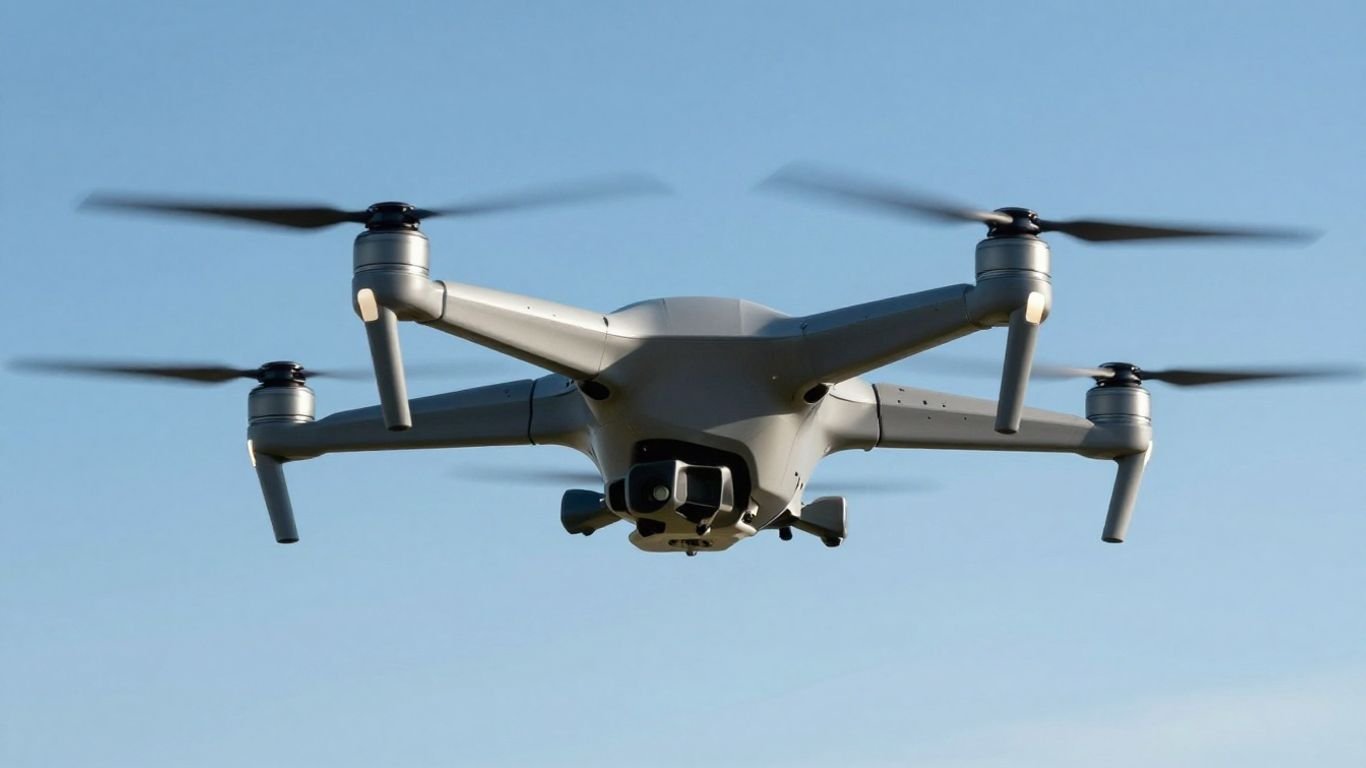
Achieving Quieter Skies: Innovative Noise Reduction in Drones

Drones are everywhere now, doing all sorts of jobs. But let’s be honest, they can be pretty loud. That buzzing sound can be annoying, especially if you live or work near where they fly. It’s a big problem for using them in places like cities or near wildlife. Luckily, folks are working hard to make these flying machines quieter. This article looks at the cool new ways engineers are trying to cut down on drone noise, making noise reduction in drones a top priority.
Key Takeaways
- Engineers are redesigning propellers with special shapes and materials to make them spin more quietly and interact less with the air.
- New motor designs and ways to mount them are cutting down on the humming and vibrations that make drones noisy.
- Active noise cancellation uses special speakers to create ‘anti-noise’ that cancels out the drone’s sound, making it much quieter for people on the ground.
- Smart flight controls can adjust individual rotor speeds and plan flight paths to avoid noisy areas, further reducing the drone’s acoustic footprint.
- Advanced materials and airframe designs are being used to absorb sound and reduce vibrations, making the drone itself quieter.
Optimizing Propulsion For Quieter Flight
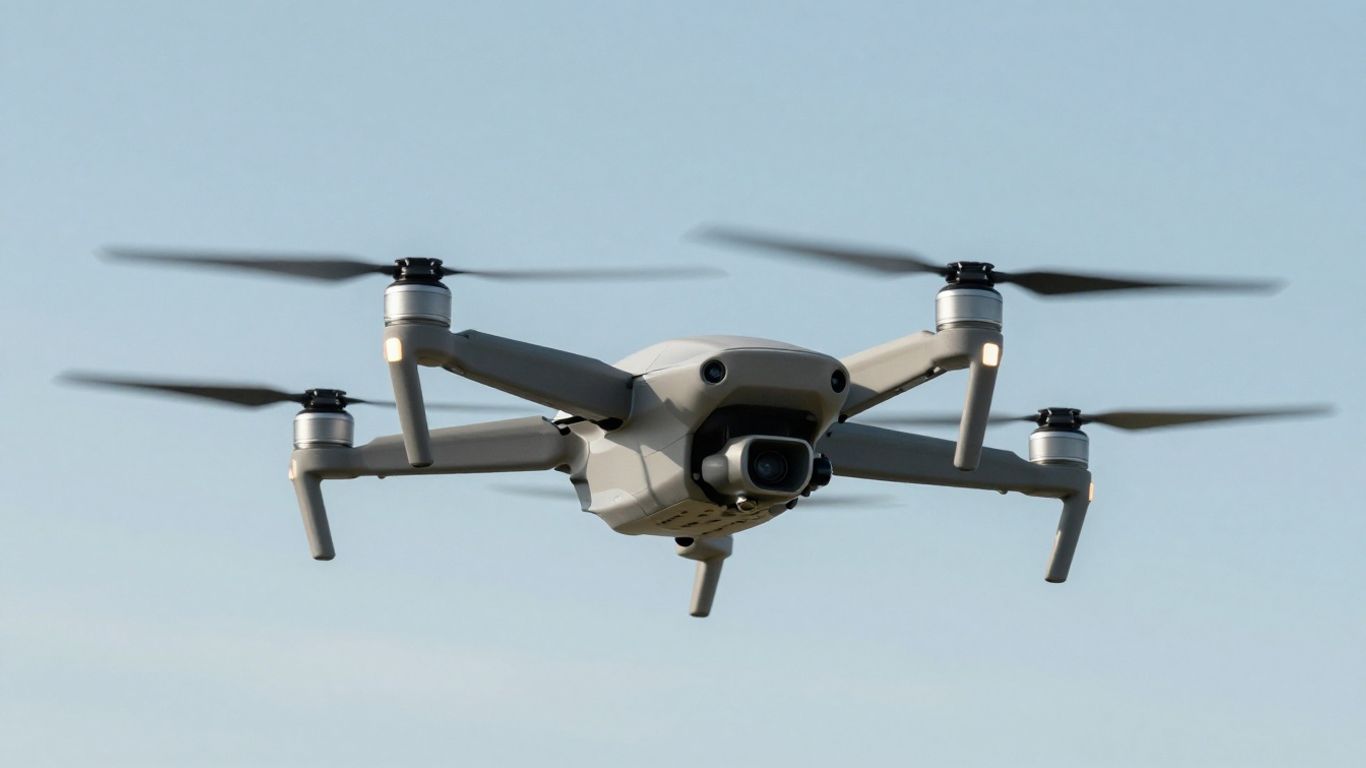
When we talk about drones getting quieter, a lot of the focus lands on the propellers. It makes sense, right? They’re the things spinning and pushing air around. Engineers are really digging into how propeller shape and design can make a big difference. It’s not just about making them spin faster; it’s about making them spin smarter.
Advanced Aerodynamic Propeller Designs
Think about how an airplane wing is shaped. Propellers are kind of similar, and designers are creating blades with all sorts of new shapes. We’re seeing wider blades, blades that twist in specific ways, and even blades with fancy tips. The goal is to mess with the air less, reducing that annoying whoosh sound. Some designs even borrow ideas from nature, like the silent flight of owls, to break up air turbulence before it makes noise. It’s pretty wild how much a slight change in geometry can impact the sound profile. For instance, propellers with high-aspect-ratio blades are being developed to cut down on vortex noise, which is a major contributor to the overall sound. These advanced designs often use strong, lightweight materials like carbon fiber composites to keep them stiff and reduce unwanted vibrations.
Low-Noise Motor Innovations
It’s not just the blades themselves, but also what’s driving them. Motors can be a source of buzzing or whining sounds. Manufacturers are working on making motors with tighter manufacturing tolerances, meaning fewer imperfections that can create noise. They’re also looking at better bearing designs and how the motor is mounted to the drone’s body. Isolating the motor and even encasing it in sound-dampening materials can stop vibrations from traveling through the drone’s frame and making things louder. It’s a bit like putting a muffler on a car engine, but for a drone.
Ducted Fan Systems for Noise Reduction
Another approach is to put the propeller inside a shroud, kind of like a tunnel. These are called ducted fans. The shroud helps to control the airflow around the propeller tips, which is where a lot of noise comes from. It can make the drone sound less like a buzzing insect and more like a gentle hum. While they can sometimes add a bit of weight, the noise reduction benefits are often worth it, especially for drones operating in populated areas. These systems can also offer safety benefits by protecting the spinning blades.
Here’s a quick look at some of the design considerations:
- Blade Shape: Optimizing twist, chord, and sweep.
- Blade Count: Exploring more blades for load distribution.
- Material: Using composites for stiffness and damping.
- Motor Integration: Tighter tolerances and vibration isolation.
It’s fascinating how much thought is going into making these machines quieter. The work on propeller design is a big part of achieving that goal, and it’s something that leading manufacturers are really focusing on. The balance of propellers directly impacts the overall noise level produced by a drone, and getting that right is key [15d5].
| Design Feature | Noise Reduction Mechanism |
|---|---|
| High-Aspect-Ratio Blades | Minimizes tip vortex noise |
| Inverted Taper Blade Profile | Reduces drag and noise at the blade tip |
| Swept Tip Geometry | Disrupts airflow to lessen noise generation |
| Ducted Fan Shroud | Contains and directs airflow, reducing tip noise |
Active Noise Cancellation Technologies
Even with the best propeller designs, some noise is unavoidable. That’s where active noise cancellation (ANC) comes in. Think of it like noise-canceling headphones, but for drones. This technology works by generating sound waves that are the exact opposite of the unwanted noise, effectively canceling it out. It’s a pretty neat trick that can make a big difference in how loud drones sound to people on the ground.
Counter-Phase Sound Wave Generation
This is the core of ANC. It involves strategically placing speakers and actuators on the drone. These components emit sound waves that are precisely timed and shaped to be 180 degrees out of phase with the drone’s own noise, like the hum of the motors or the whine of the propellers. When these opposing waves meet, they cancel each other out. It’s a bit like adding +1 and -1 to get 0. The goal is to create these ‘quiet zones’ around the drone, reducing the noise heard by anyone below. Getting this right means carefully considering where the sound waves will travel and how they’ll interact with the drone’s structure.
Adaptive Control Algorithms
Drone noise isn’t constant; it changes depending on speed, wind, and what the drone is doing. That’s why simple, pre-set cancellation signals won’t cut it. Adaptive control algorithms are key here. These are smart systems that use microphones to listen to the drone’s noise in real-time. They then constantly adjust the anti-noise signals being produced to match the changing soundscape. This means the system can react to sudden gusts of wind or changes in motor speed, always trying to maintain the optimal cancellation. It’s a continuous process of listening, analyzing, and adjusting, making the noise reduction much more effective across different flight conditions. This kind of smart control is vital for making drone operations more practical.
Strategic Speaker and Actuator Placement
Where you put these noise-canceling components matters a lot. It’s not just about sticking speakers on anywhere. Engineers carefully select locations on the drone’s airframe that act as acoustic pressure nodes. Placing the speakers and actuators at these specific points maximizes the destructive interference of the sound waves. This means the cancellation effect is stronger and more widespread. It’s about understanding the acoustics of the drone itself and using that knowledge to place the ANC hardware for the best possible outcome. Getting this placement right can significantly boost the overall noise reduction, making the drone much quieter for observers. This is a key area where you can find affordable drone accessories that might even incorporate some of these principles.
Active noise cancellation is a dynamic process. It requires constant monitoring and adjustment to be effective against the ever-changing sounds a drone produces during flight. The success of ANC hinges on the interplay between sophisticated algorithms and precise hardware placement.
Intelligent Flight Operations for Reduced Acoustics
Even with the best hardware, how a drone flies can make a big difference in how loud it sounds. It’s not just about the parts; it’s about the smarts behind the flight plan and how the drone behaves in the air. Think of it like driving a car – you can be quiet if you drive smoothly and avoid sudden acceleration. Drones can do the same.
Individual Rotor Speed Modulation
Instead of all the rotors spinning at the same pace, or in fixed ratios, intelligent systems can tweak each one just a little. This isn’t about changing the drone’s direction or speed drastically, but about making tiny, continuous adjustments to their revolutions per minute (RPM). This subtle variation helps to smooth out the overall sound the drone makes, breaking up those annoying, consistent tones into a less noticeable hum. It’s a bit like a musician adjusting their instrument slightly to hit a more pleasing chord.
Noise-Optimized Flight Path Planning
This is where the drone’s brain really comes into play. Before it even takes off, or during its flight, the drone can plan its route to avoid areas where noise would be a problem. This means steering clear of places like schools, hospitals, or quiet residential neighborhoods. The goal is to minimize disturbance to people on the ground. This kind of planning is becoming increasingly important as drones are used for more tasks, like property assessments, where they might fly over homes [54fd].
Real-Time Noise Monitoring and Adjustment
Some advanced drones are equipped with microphones that listen to the noise they are producing. This isn’t just for show; the data from these microphones is fed back into the drone’s control system. Using sophisticated algorithms, the drone can then make immediate, small adjustments to its flight parameters – like rotor speed or even slight changes in propeller pitch – to actively reduce the noise it’s making at that very moment. It’s a constant feedback loop, aiming for the quietest possible operation.
The integration of smart flight operations represents a significant step beyond just designing quieter components. It acknowledges that the dynamic nature of flight itself can be a source of acoustic disturbance. By intelligently managing how a drone moves through the air, we can further reduce its audible footprint, making it more acceptable for use in populated areas.
Here’s a quick look at how these operational adjustments work:
- Dynamic RPM Control: Fine-tuning individual rotor speeds to break up tonal noise.
- Route Avoidance: Planning flight paths that bypass noise-sensitive zones.
- Adaptive Adjustments: Using onboard sensors to make real-time changes for quieter flight.
- Regulatory Compliance: Understanding and adhering to rules, like those for commercial drone pilots [daff], can also influence operational choices for noise reduction.
Innovative Airframe and Material Solutions
When we talk about making drones quieter, it’s not just about the spinning blades. The actual body of the drone, its airframe, and the stuff it’s made of play a pretty big part too. Think of it like a car – the engine is loud, sure, but the shape of the car and the materials used in its construction also affect how much noise you hear. For drones, engineers are looking at a few key areas here.
Acoustic Metamaterials for Sound Absorption
These are pretty neat. Acoustic metamaterials are engineered substances that can do some pretty cool things with sound waves. Instead of just blocking sound, they can be designed to absorb it, reflect it in specific ways, or even redirect it. This means we can potentially make drones that are much harder to hear by using these materials in their construction. Imagine a drone with a skin that just soaks up its own noise. It’s a bit like noise-canceling headphones, but for the whole drone. They’re still pretty cutting-edge, but the potential is huge for making drones blend into the background acoustically.
Vibration Damping in Drone Structures
Anything that spins, like motors and propellers, creates vibrations. If these vibrations aren’t managed, they can travel through the drone’s body and turn into more noise. It’s like when a washing machine shakes too much – it gets really loud. So, engineers are looking at ways to dampen these vibrations. This can involve using special materials that absorb shock or designing the drone’s structure so that vibrations don’t easily spread. It’s all about stopping the drone from rattling itself into a noisy mess. Proper mounting of components is also a big part of this, making sure things like motors aren’t rigidly attached to the frame where they can easily transfer unwanted shakes. This is a big deal for reducing that low-frequency hum you sometimes hear from drones.
Aerodynamic Airframe Design Principles
Beyond just materials, the shape of the drone itself matters. A sleek, aerodynamic design isn’t just for looks or speed; it also helps reduce noise. When air flows smoothly over the drone’s body, there’s less turbulence. Turbulence is basically chaotic air movement, and it creates noise. So, by shaping the drone to be more like a smooth pebble and less like a brick, we can cut down on the sound generated by the air moving around it. This involves careful consideration of things like the fuselage shape and how the arms holding the propellers are designed. It’s about making the drone slip through the air as quietly as possible. Some designs even incorporate specific features to manage airflow around the propellers, like shrouds with optimized geometry.
The goal here is to treat the drone’s entire structure as part of the noise reduction system. It’s not just about adding soundproofing materials; it’s about designing the drone from the ground up with acoustics in mind. This means every curve, every joint, and every material choice can contribute to a quieter flight experience.
Here’s a quick look at some of the approaches:
- Streamlined Fuselage: Reducing drag and turbulence.
- Integrated Components: Designing parts to fit snugly and avoid creating extra noise sources.
- Material Selection: Using composites and dampening materials where needed.
- Optimized Arm and Pylon Shapes: Guiding airflow away from noisy areas.
The Role of Advanced Signal Processing
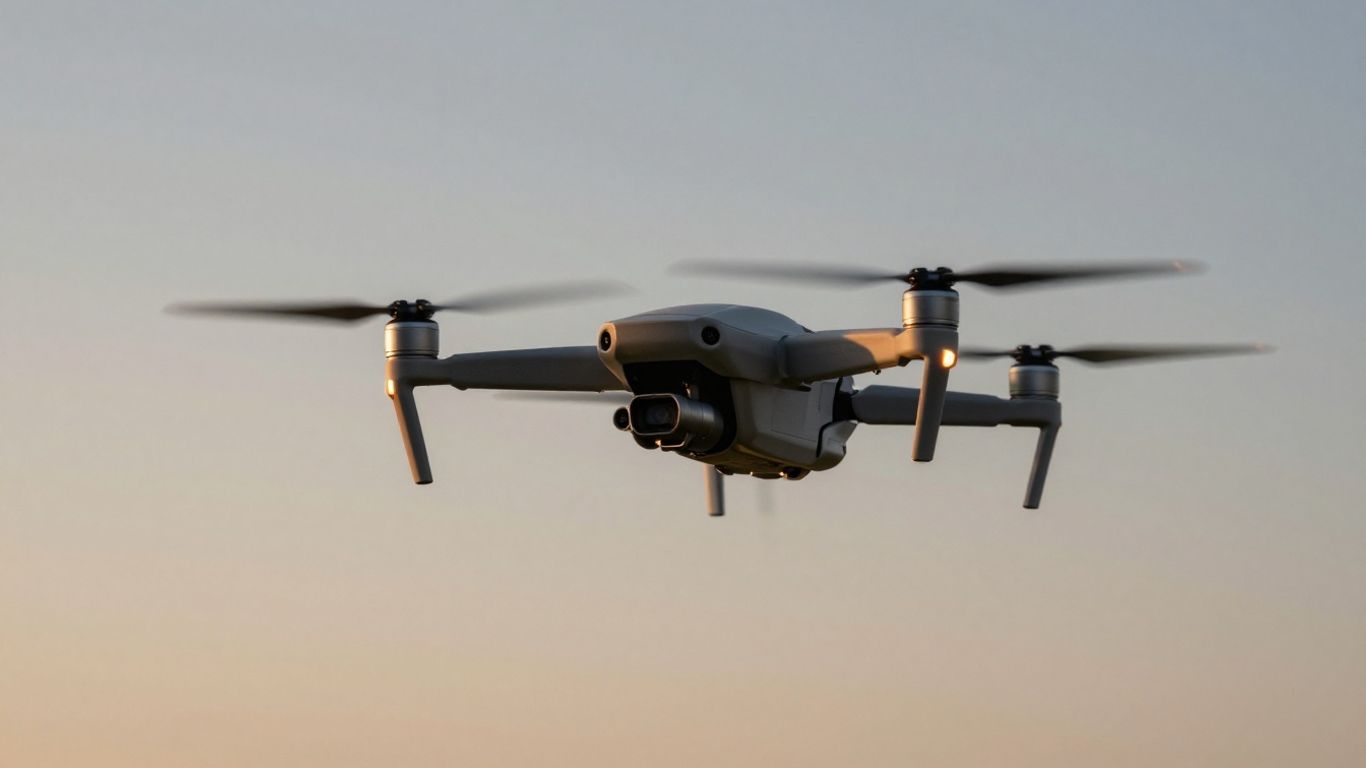
Even with the best hardware, making drones quieter often comes down to smart software. This is where advanced signal processing really shines. It’s all about using sophisticated algorithms to figure out what noise is what, and then actively doing something about it. Think of it like having a really good audio engineer inside the drone, constantly tweaking things to make the sound as clean as possible.
State-Dependent Noise Reduction Systems
This approach is pretty neat. Instead of just trying to cancel out any sound that pops up, these systems look at what the drone is doing. Is it hovering? Accelerating? What are the motor speeds? What’s the wind like? By knowing these details, the system can make a much better guess about what noise is actually coming from the drone itself and what might be background sound. This means it can target the drone’s specific noise more effectively, leading to cleaner audio if you’re recording something or just a quieter overall experience for people on the ground. It’s like knowing exactly which instrument in an orchestra is out of tune, rather than just trying to quiet the whole band.
Dual-Microphone Noise Estimation Techniques
Here’s a clever trick: use two microphones. One microphone is positioned to pick up the sound you actually want – maybe a camera recording a scene or a communication signal. The second microphone is placed specifically to capture the drone’s own operational noise, like the whirring of the motors and propellers. By analyzing the signal from the second microphone, the system can get a really good estimate of the drone’s noise signature. Then, it subtracts this estimated noise from the signal captured by the first microphone. The result? A much clearer audio signal with significantly less drone interference. It’s a bit like using a noise-canceling headphone, but built right into the drone’s audio system.
Machine Learning for Predictive Anti-Noise
This is where things get really futuristic. Machine learning algorithms can be trained on vast amounts of data to predict exactly what kind of noise a drone will make under different conditions. So, before the noise even fully forms, the system can anticipate it. Based on these predictions, it then generates ‘anti-noise’ – sound waves that are the exact opposite of the predicted noise. When these anti-noise waves meet the actual drone noise, they cancel each other out. This predictive capability allows for proactive noise cancellation, making the drone quieter before the noise even becomes noticeable. It’s a bit like knowing a storm is coming and putting up defenses beforehand, rather than reacting after the rain starts. This technology is key for making drones more acceptable in populated areas, paving the way for more advanced commercial drone operations.
Advanced signal processing, especially when combined with machine learning, transforms drones from noisy gadgets into more discreet tools. It’s not just about muffling sound; it’s about intelligently understanding and neutralizing it at its source or even before it fully emerges. This sophisticated approach is vital for the future integration of drones into our daily lives and for enabling quieter drone noise reduction strategies.
Here’s a quick look at how these techniques work together:
- State-Dependent Systems: Use drone operational data (motor speed, wind) to identify noise.
- Dual-Microphone Setup: One mic for desired sound, another for drone noise.
- Machine Learning: Predicts future noise and generates counter-waves.
- Integration: Combines these methods for optimal, real-time noise cancellation.
Propeller Blade Shape Adjustment Systems
So, we’ve talked about making propellers quieter by just changing their basic shape, like making them longer or adding curves. But what if we could actually change the shape of the blades while the drone is flying? That’s where propeller blade shape adjustment systems come in, and it’s pretty wild stuff.
Mid-Flight Blade Shape Modification
Imagine a propeller blade that isn’t rigid. Instead, it has sections that can bend or twist. This allows the drone to actively change the aerodynamic profile of the blade on the fly. Why would you do this? Well, different flight conditions – like hovering versus high-speed forward flight – create different kinds of noise. By adjusting the blade’s shape, the drone can optimize its acoustics for whatever it’s doing at that moment. This is a big step beyond just picking a fixed propeller design that’s a compromise for all situations. It’s about real-time adaptation for quieter flight, which is a key goal for future drone applications.
Coordinated Blade Adjustments for Cancellation
This is where it gets really clever. It’s not just about one blade changing shape. The system coordinates these adjustments across all the propellers on the drone. Think of it like a choir: if everyone sings slightly off-key on their own, it’s just noise. But if they adjust their pitch in a coordinated way, they can create harmony. Similarly, by precisely controlling how each blade changes shape, the drone can generate anti-noise – sound waves that are the exact opposite of the drone’s own noise. When these waves meet, they cancel each other out, significantly reducing the overall sound. This approach aims to tackle noise at its source by actively manipulating the sound waves produced by the propellers themselves.
Machine Learning for Optimal Blade Configurations
Figuring out the perfect shape for each blade, at every single moment, is incredibly complex. That’s where machine learning steps in. These systems are trained on vast amounts of data about drone acoustics, flight dynamics, and environmental factors. They learn to predict the optimal blade shapes needed to minimize noise under various conditions. This could involve:
- Analyzing real-time sensor data (like wind speed and drone altitude).
- Predicting the acoustic output of the propellers.
- Calculating the precise adjustments needed for each blade segment.
- Continuously learning and refining these predictions based on flight performance.
This intelligent approach allows the drone to adapt proactively, rather than just reactively, to noise-generating situations. It’s a sophisticated way to achieve quieter flight, building on the idea of advanced propeller design.
The ability to dynamically alter propeller blade geometry mid-flight represents a significant leap in drone noise reduction. It moves beyond static design compromises to active, intelligent sound management, promising a future where drones are far less intrusive acoustically.
The Future is Quieter
So, we’ve seen a bunch of cool ways engineers are trying to make drones less noisy. It’s not just one thing, but a mix of making the parts themselves quieter, like better propellers and motors, and then actively canceling out the sound that’s left. Plus, smart software helps drones fly in ways that don’t bother people as much. All these efforts together mean drones can start fitting into our lives more smoothly, without that annoying buzz. It’s about making this technology work for us without getting in the way, letting drones do their jobs in places where we live and work, all while being much easier on our ears.
Frequently Asked Questions
Why are drones so noisy in the first place?
Drones make noise mainly because of their spinning propellers. As the blades cut through the air really fast, they create turbulence and pressure waves that we hear as sound. Think of it like a fast-spinning fan. The motors that spin the propellers also add a humming sound, and the drone’s body can sometimes vibrate, making it even louder.
How do engineers make drone propellers quieter?
Engineers are designing propellers in clever ways. Some have special shapes, like curved edges or wider blades, to make the air flow more smoothly and create less noise. They also try to make propellers spin slower while still lifting the drone, because slower spinning is naturally quieter. Some even get ideas from nature, like the silent flight of owls, to design their blades.
What is ‘active noise cancellation’ for drones?
Active noise cancellation is like using sound to fight sound. Drones can have tiny speakers that make a special sound wave that’s the exact opposite of the noise the drone is making. When these opposite sound waves meet the drone’s noise, they cancel each other out, making it much quieter for people listening.
Can a drone’s flight path help make it quieter?
Yes, absolutely! Drones can be programmed to fly in ways that are less noisy. This means choosing routes that avoid flying over quiet places like homes or schools. They can also adjust how fast each individual propeller spins to smooth out the overall noise, making the drone sound less jarring.
Are there special materials that help make drones quieter?
Scientists are creating special materials called ‘acoustic metamaterials.’ These materials are designed to absorb or redirect sound waves, almost like a sound sponge. Putting these materials on a drone can help soak up its noise. Also, using materials that don’t vibrate easily helps reduce the humming and buzzing sounds.
Do ‘silent drones’ make absolutely no noise?
When we talk about ‘silent drones,’ it doesn’t usually mean they make zero sound. It means they are so much quieter than regular drones that they blend into the background noise or are barely noticeable from a distance. The goal is to make them unobtrusive, so they don’t disturb people or animals.